
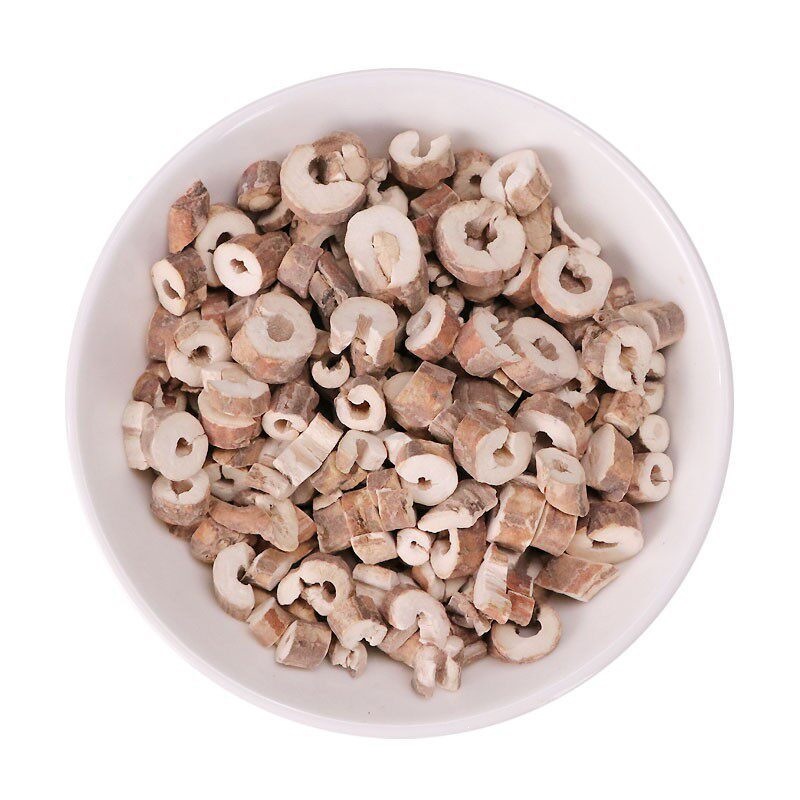
Dried Tree Peony Bark Mu Dan Pi Root Tea Herb for Cooking and Decoction 500g x 2 Jars
Description
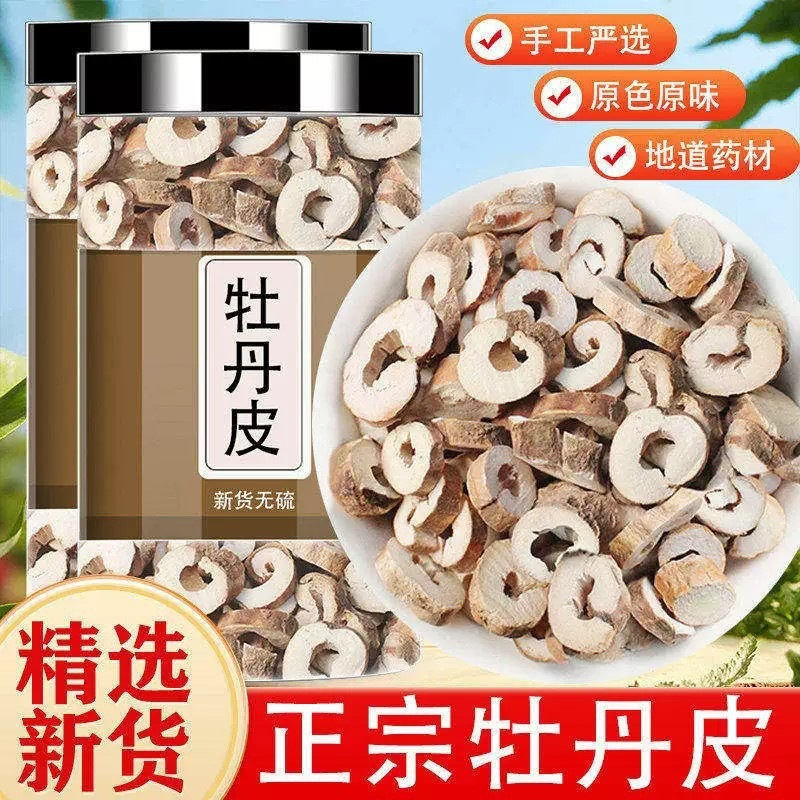
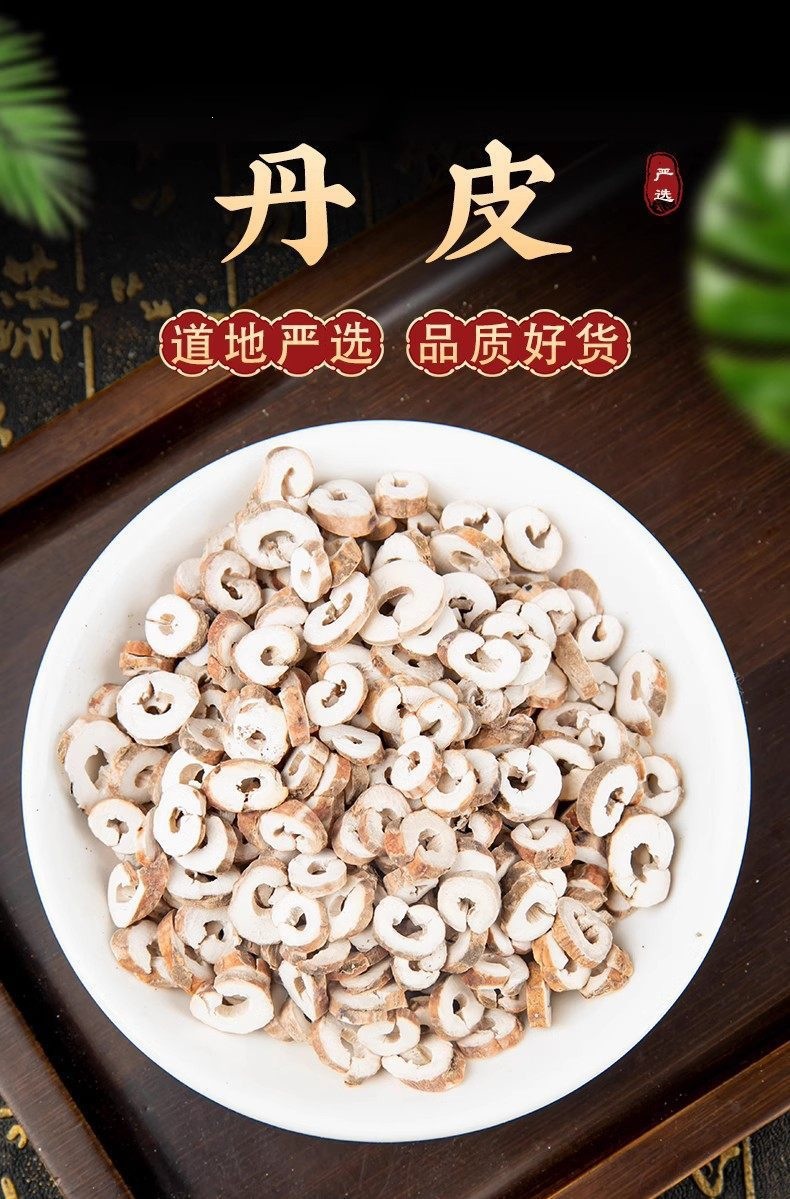
Dried Tree Peony Bark, known in TCM as Mu Dan Pi (牡丹皮), from Paeonia suffruticosa, is the cored root bark of the tree peony. In TCM theory it is traditionally associated with a slightly cold nature, bitter and pungent flavors, and the Heart, Liver, and Kidney channels. Traditionally used in decoctions and cooking, it is a classic herb in Chinese herbal practice. Store sealed in a cool, dry place.
Key Selling Points
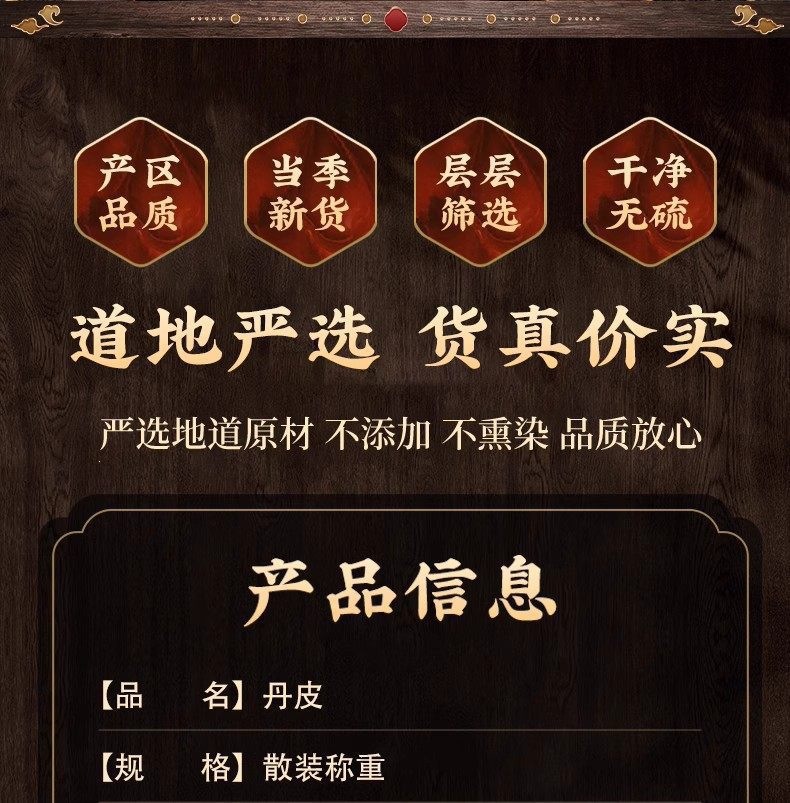
- Cored root bark of the tree peony, a classic TCM herb
- Known in TCM as Mu Dan Pi (牡丹皮)
- Sourced from China and sold as an edible agricultural product
- Traditional TCM nature: slightly cold, bitter and pungent
- Suitable for cooking and decoction preparation
Quality & Sensory
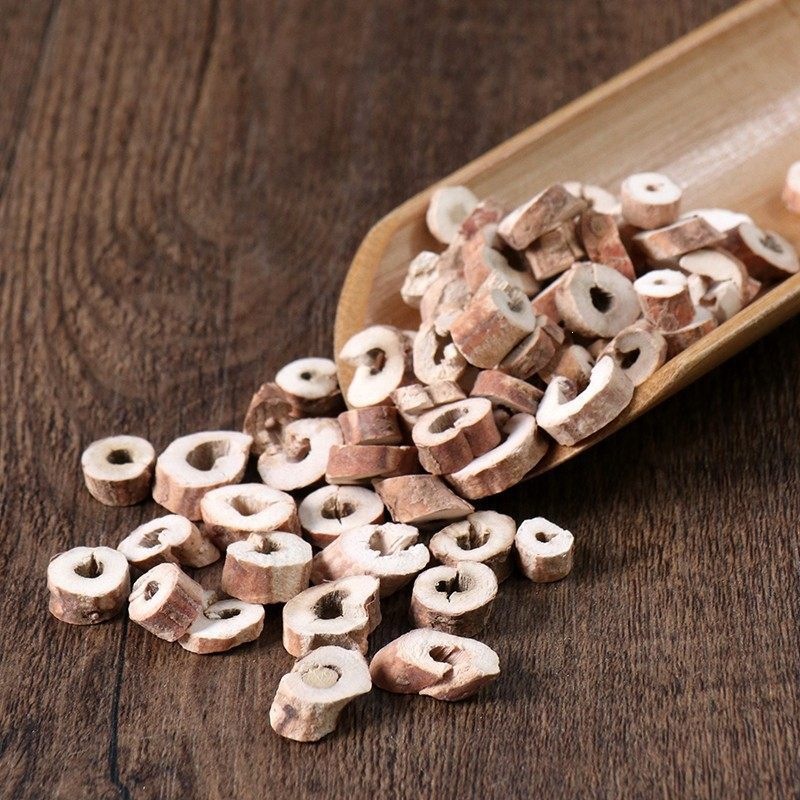
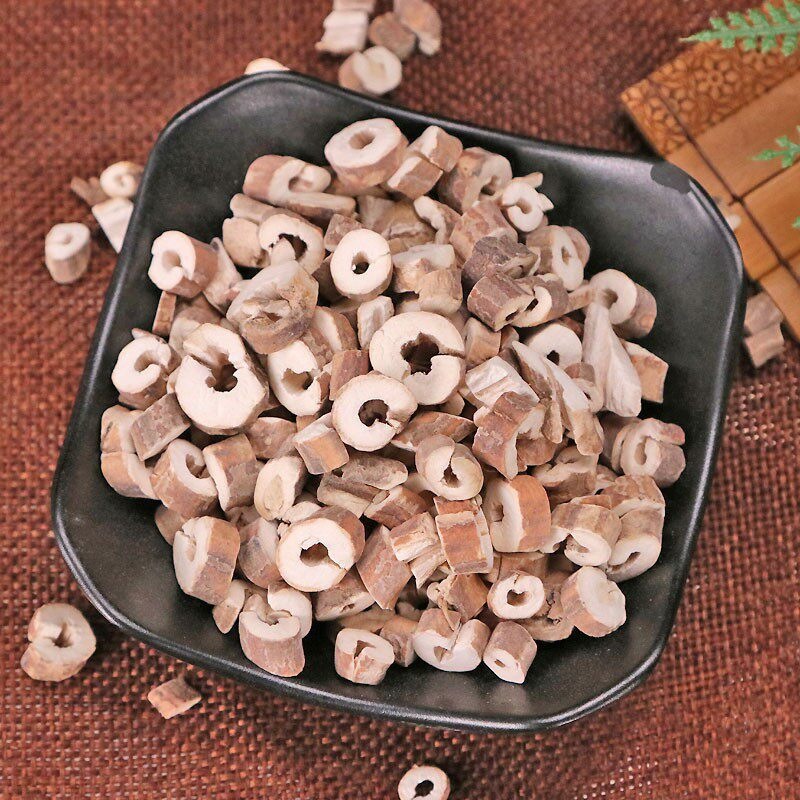
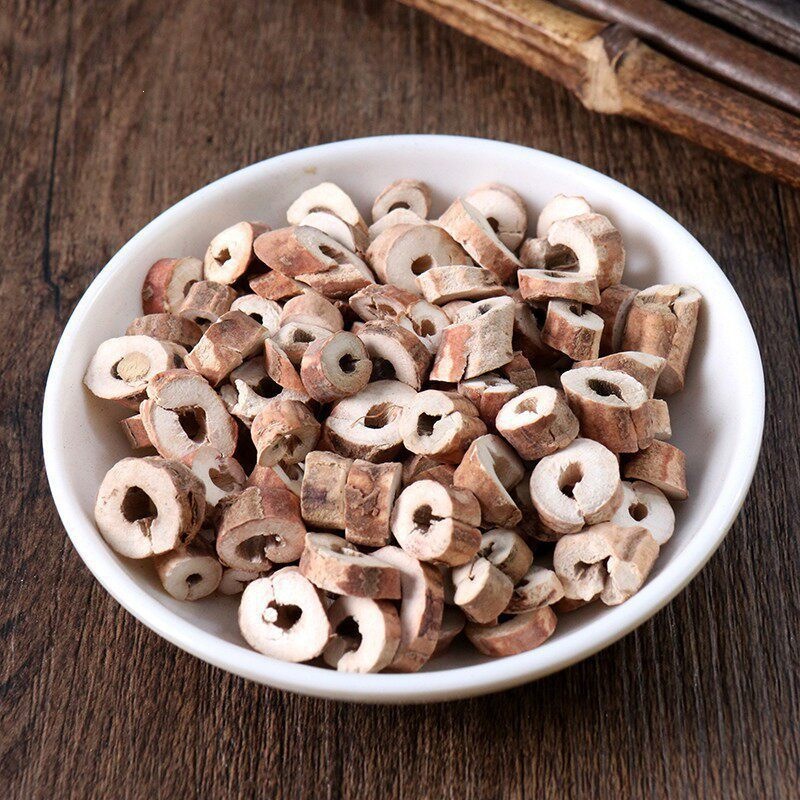
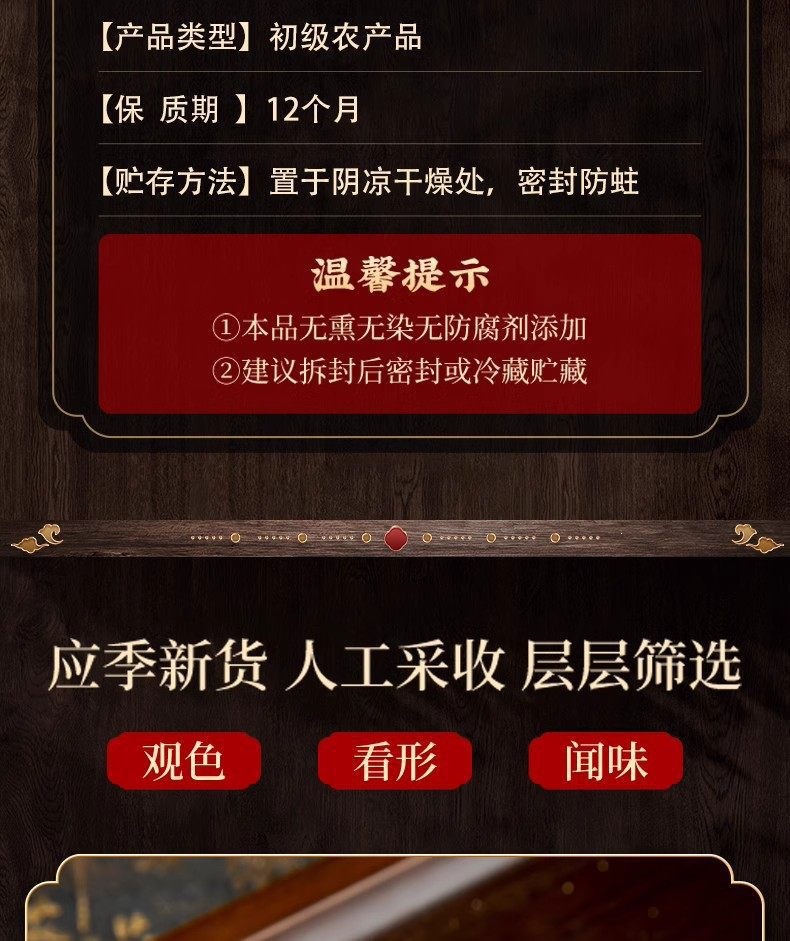
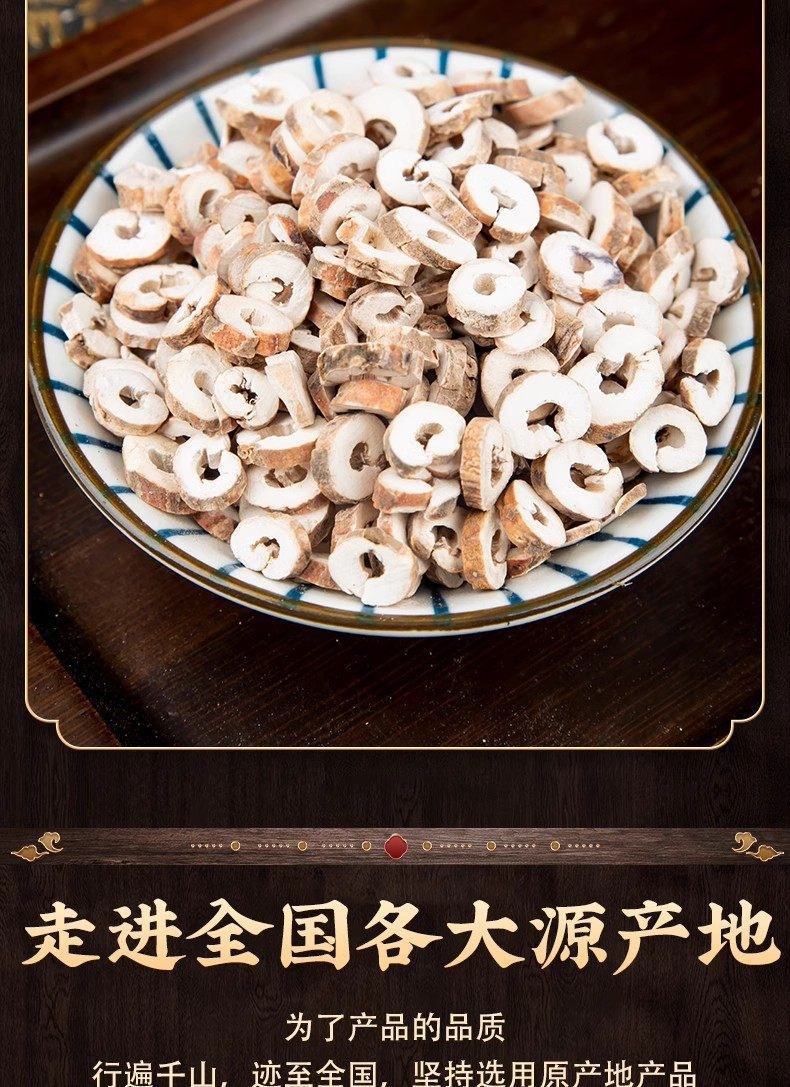
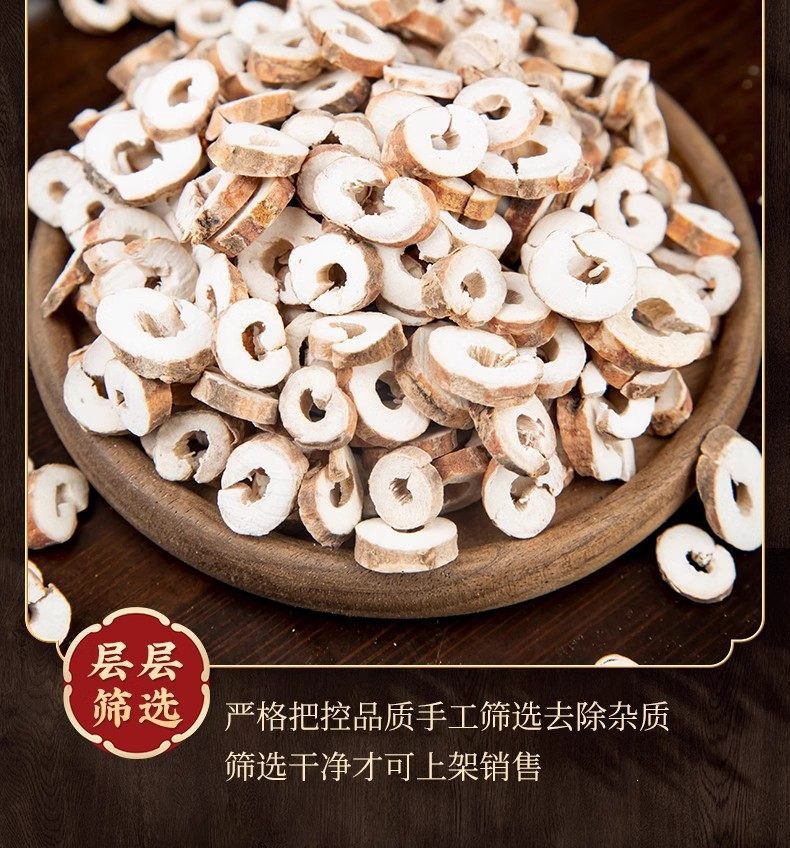
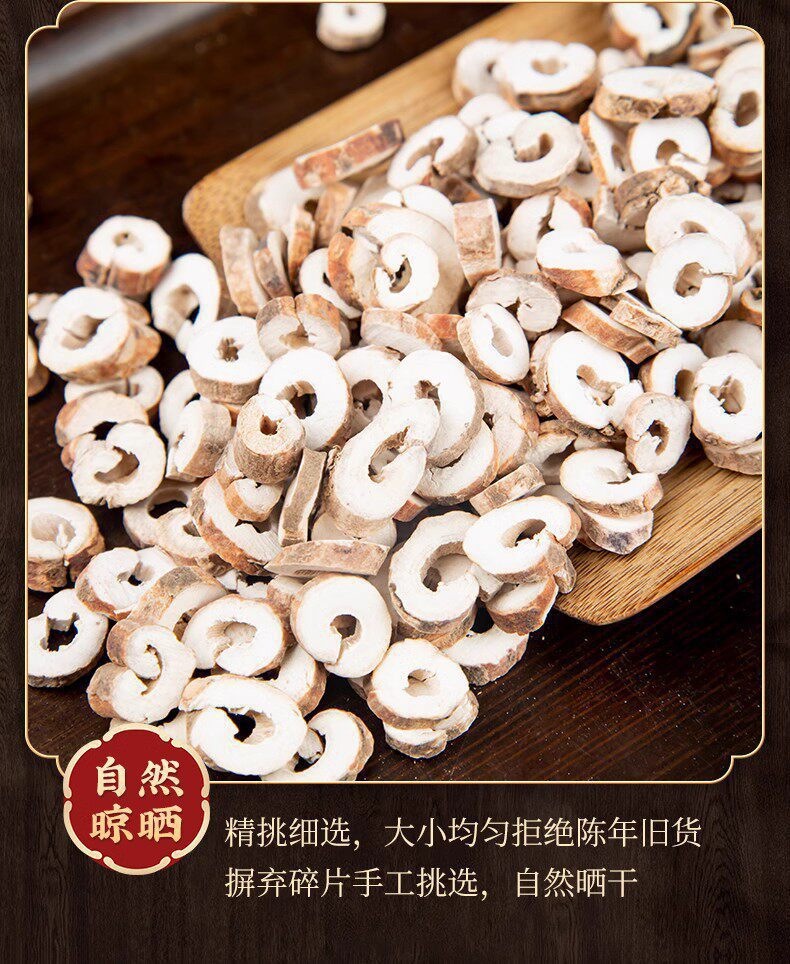
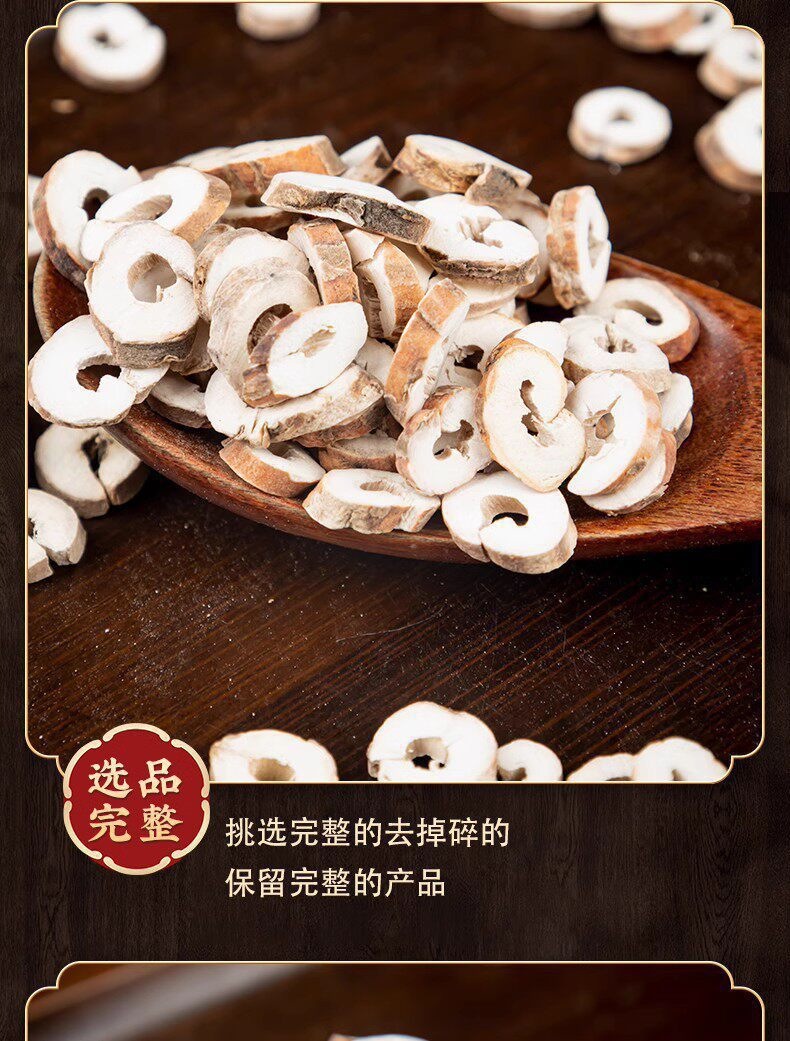
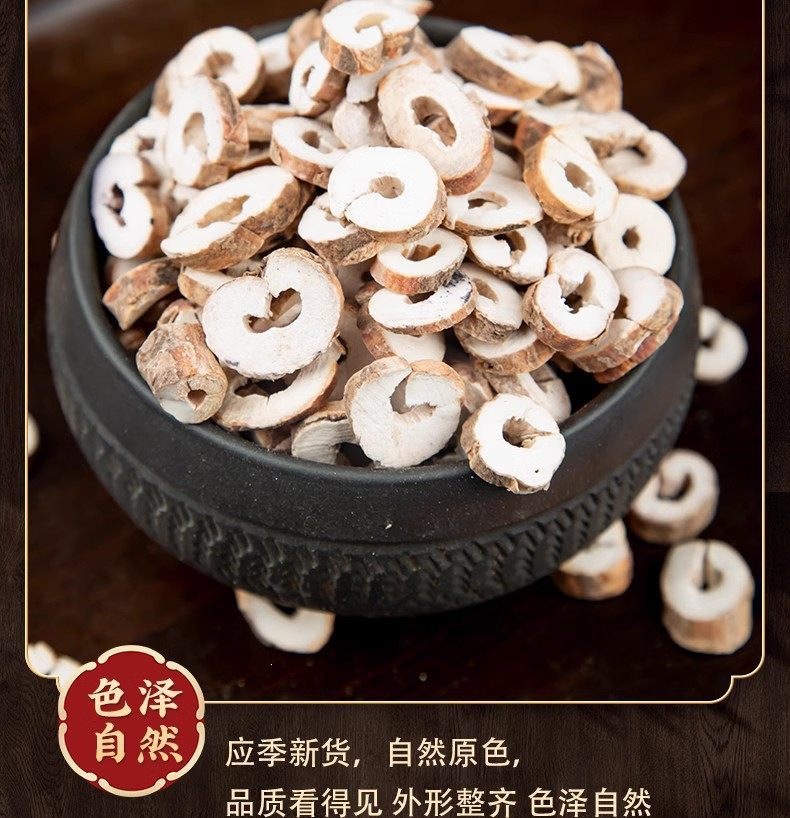
The cored root bark typically shows a grayish-brown to dark brown exterior with a lighter inner surface. It is dry, somewhat brittle, and fibrous in texture. The aroma is mild and earthy, and the decoction is typically bitter with a slight pungent note.

Technical Specifications
| Product Type | Dried root bark decoction pieces |
|---|---|
| Chinese Name | 牡丹皮 |
| Pinyin | Mu Dan Pi |
| Botanical Name | Paeonia suffruticosa |
| Plant Part | Root bark, cored |
| Net Weight | 500g x 2 jars |
Usage Scenarios
- Added to herbal decoctions
- Used in soups and stews
- Cooked in congee
- Combined with other herbs in traditional formulas
Traditional Uses
In TCM theory, Mu Dan Pi is traditionally used in decoctions, often paired with herbs such as Sheng Di Huang or Chi Shao. It is also used in cooking, including soups and congee, as part of traditional Chinese herbal cuisine. It is traditionally associated with clearing heat and cooling the blood in TCM frameworks.
FAQ Q&A
Q: What is this product?
A: It is dried, cored root bark of the tree peony, known in TCM as Mu Dan Pi (牡丹皮).
Q: What is its traditional value?
A: In TCM theory it is considered slightly cold with bitter and pungent flavors, traditionally associated with the Heart, Liver, and Kidney channels.
Q: How is it commonly used?
A: It is typically added to herbal decoctions or used in cooking such as soups and congee.
Additional information
| Model | 老根抽芯 牡丹皮100g 1罐, 老根抽芯 牡丹皮250g 1罐, 老根抽芯 牡丹皮500g 1罐, 老根抽芯 牡丹皮500g 2罐 |
|---|
Related products
-
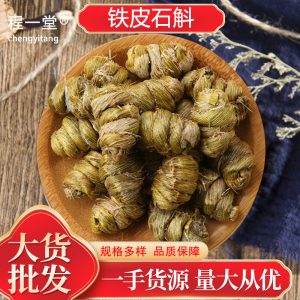
Tie Pi Shi Hu Dried Dendrobium Stems 500g Huoshan Fengdou for Soup and Tea
Price range: $35.88 through $108.80 -
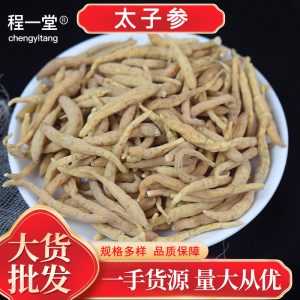
Taizishen Dried Pseudostellaria Root TCM Herbal Tea and Soup Ingredient 500g Bulk Pack
Price range: $10.28 through $15.63 -
Dried Ginger Root Gan Jiang 500g Bulk Chinese Herb Zingiber officinale Rhizome for Decoction and Culinary Use
$5.90 -
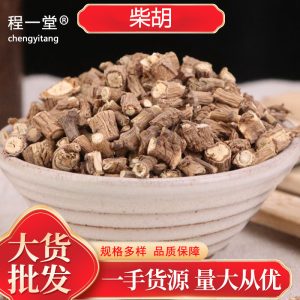
Chai Hu Bupleurum Root Dried Herb 500g Traditional TCM Decoction Herb
Price range: $9.14 through $16.44
Reviews
There are no reviews yet.