
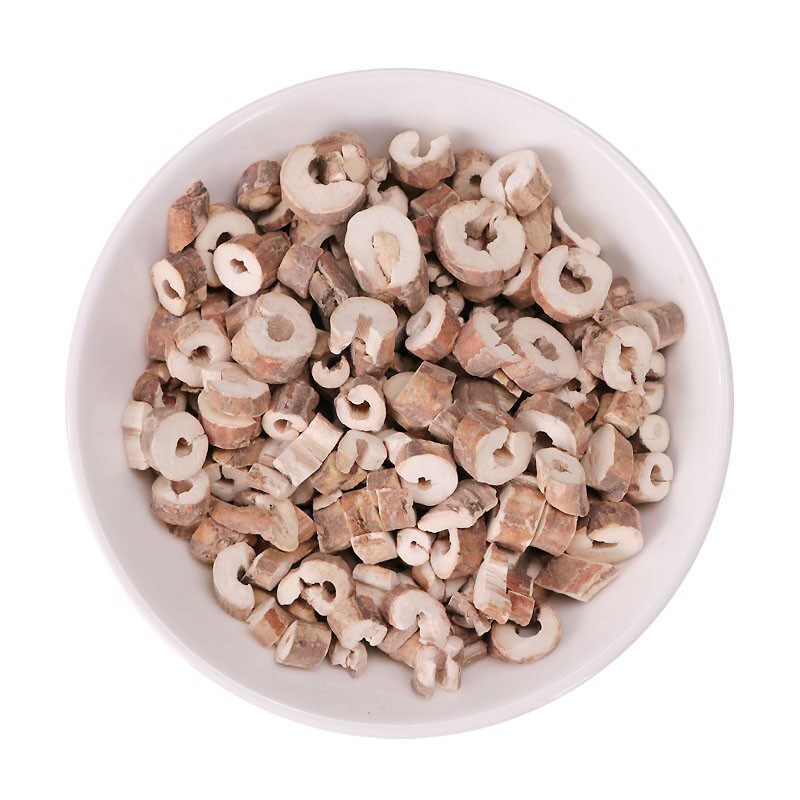
Dried Tree Peony Bark Mu Dan Pi Root Slices for Herbal Tea and Decoction 500g
Description
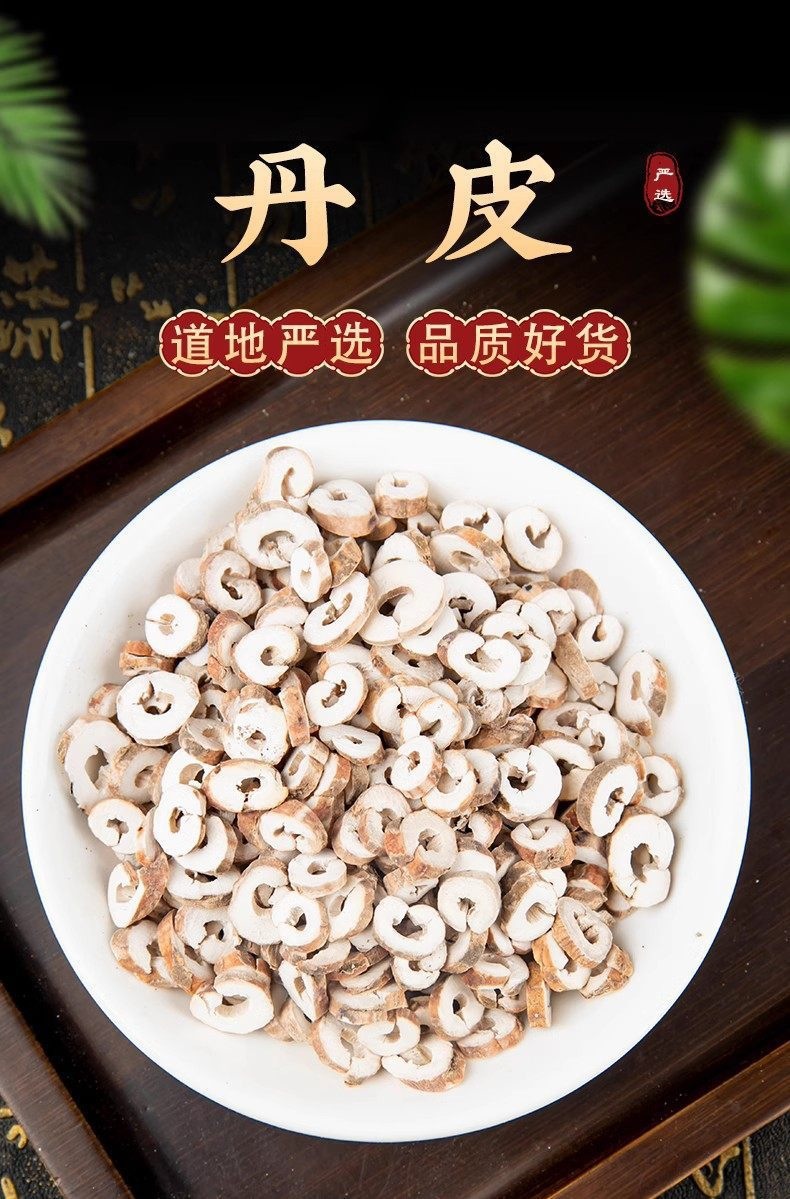
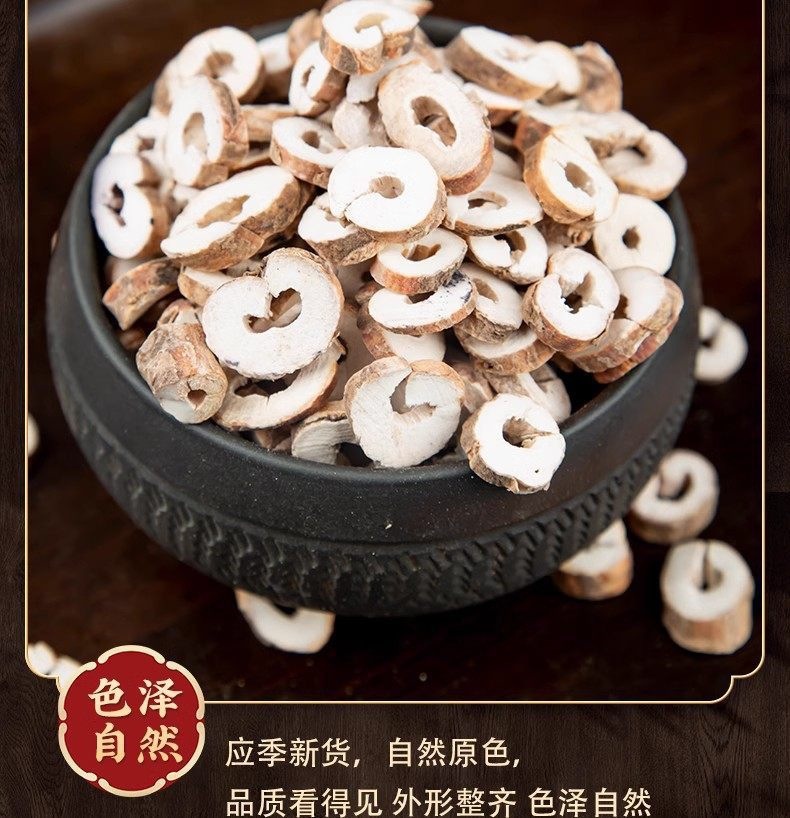
Dried Tree Peony Bark, known in TCM as Mu Dan Pi (牡丹皮), from Paeonia suffruticosa, is the root bark of the tree peony. In TCM theory it is traditionally considered cool in nature with a bitter and pungent flavor, associated with the Heart, Liver, and Kidney channels. Traditionally used in decoctions and teas, it is a classic herb in Chinese herbal practice. This product is sulfur-free and comes as sliced root bark.
Key Selling Points
- Identified in TCM as Mu Dan Pi (牡丹皮), the root bark of Paeonia suffruticosa
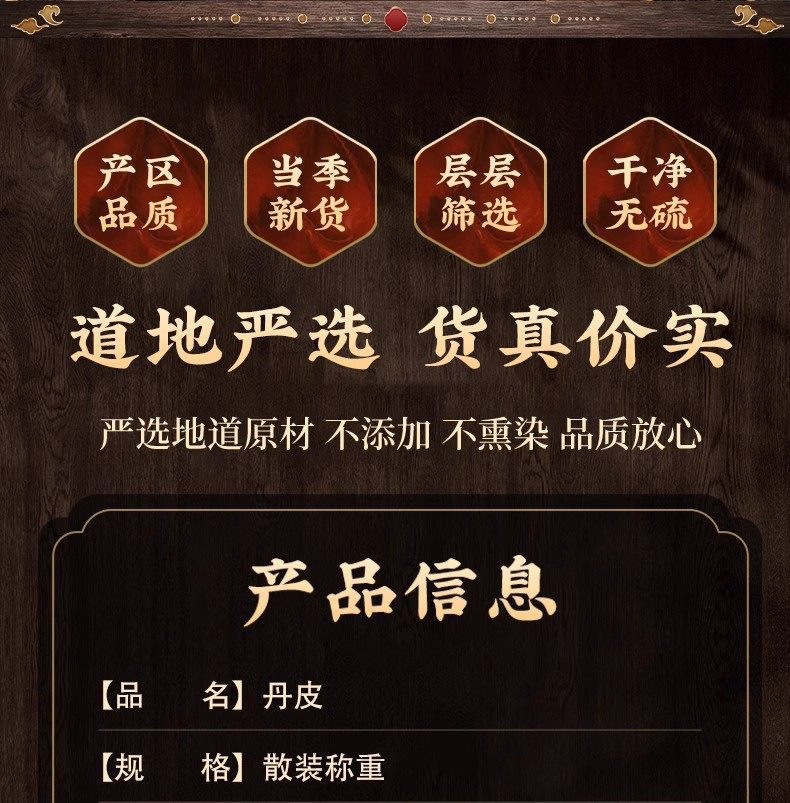
- Sulfur-free processing for a cleaner herbal product
- Sliced root bark form suitable for teas and decoctions
- Traditionally associated with cooling and blood-moving properties in TCM theory
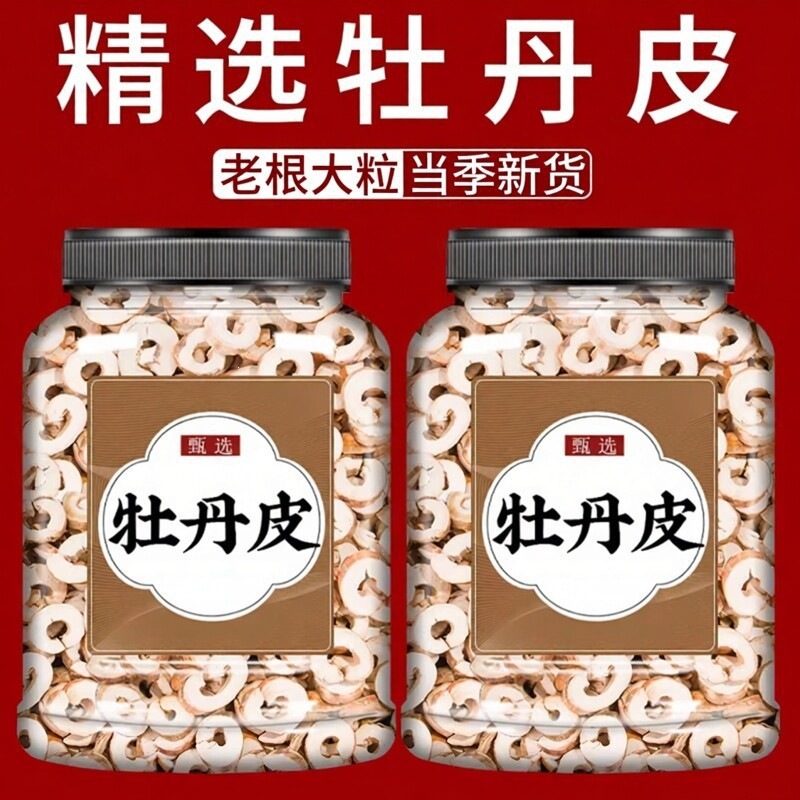
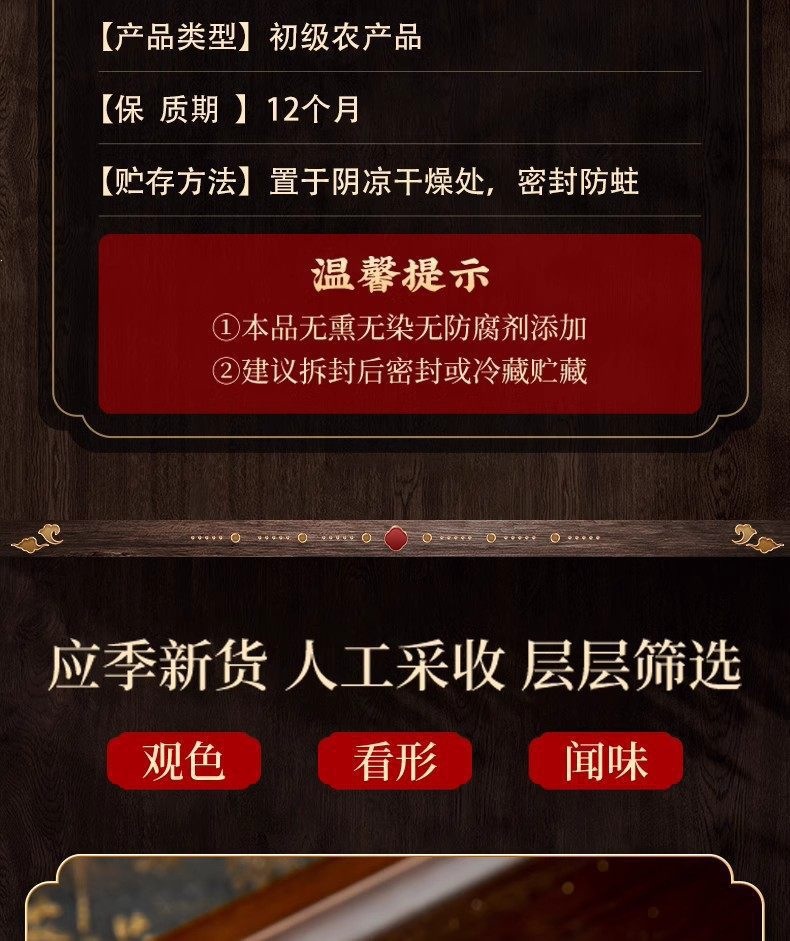
- Packaged as two 500g jars for a total of 1000g
Quality & Sensory
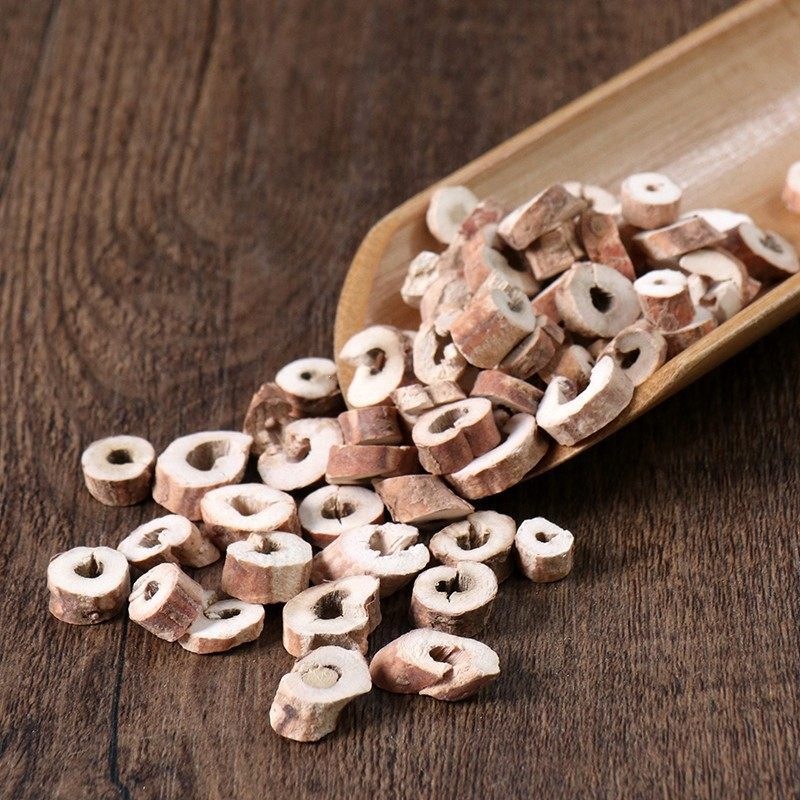
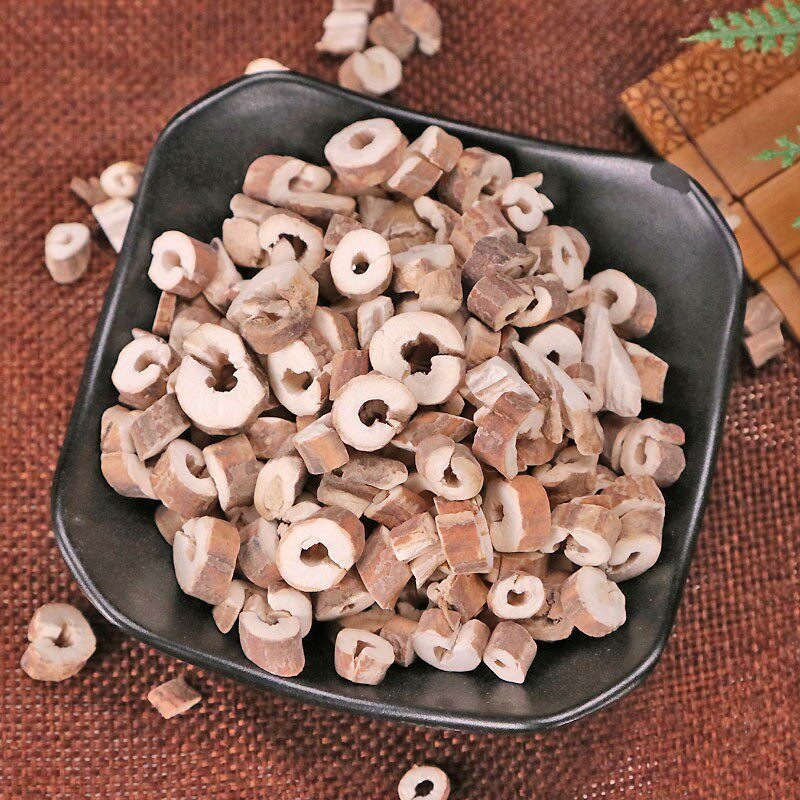
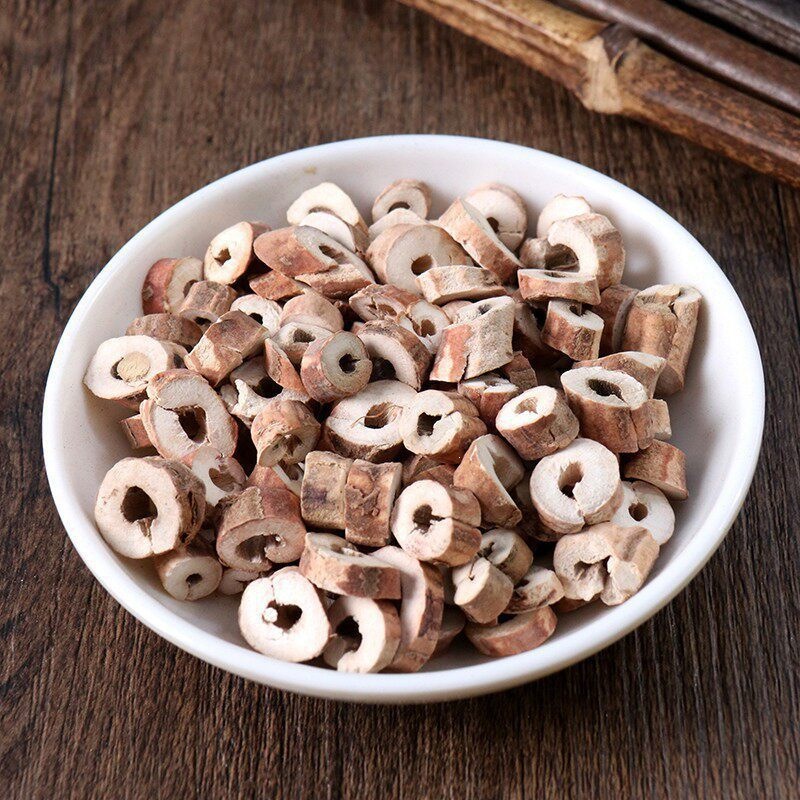
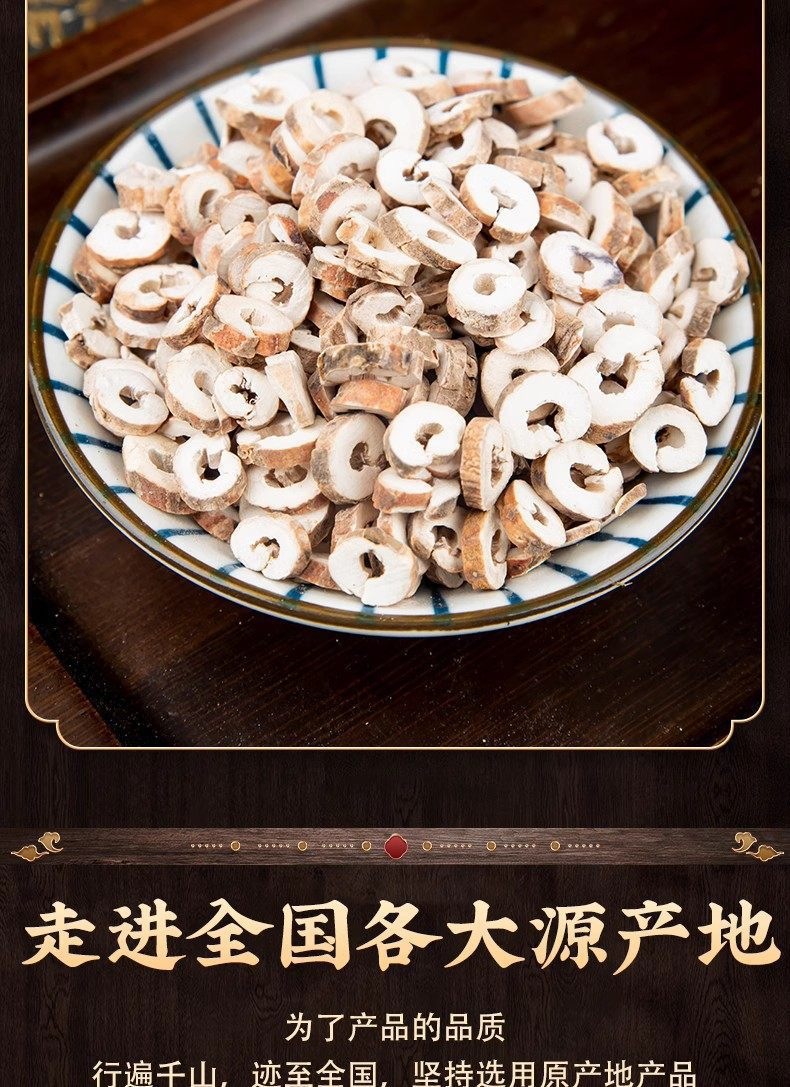
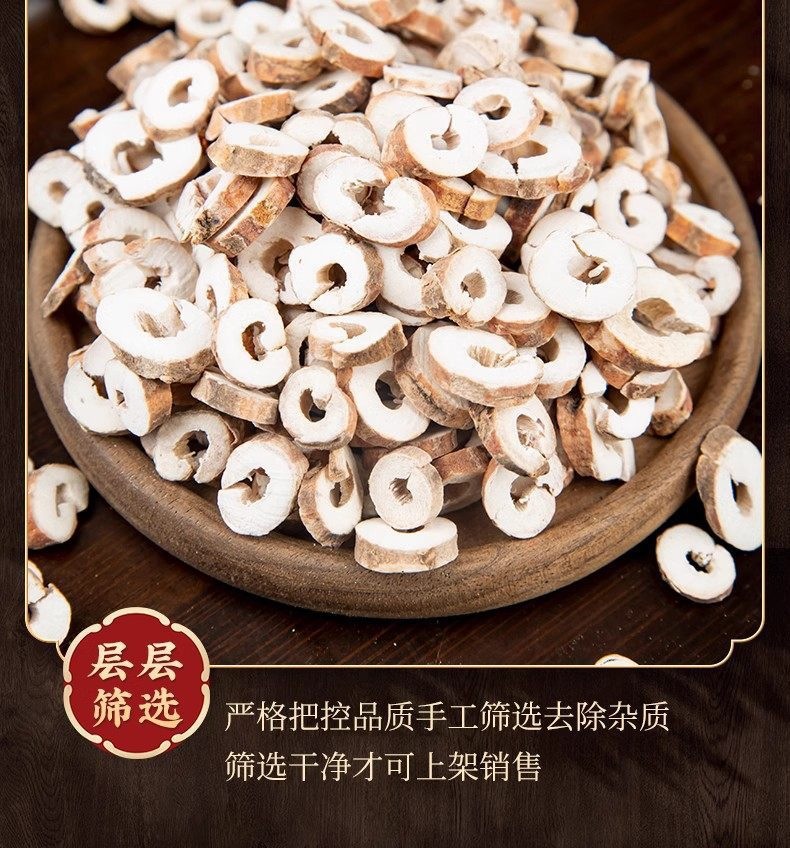
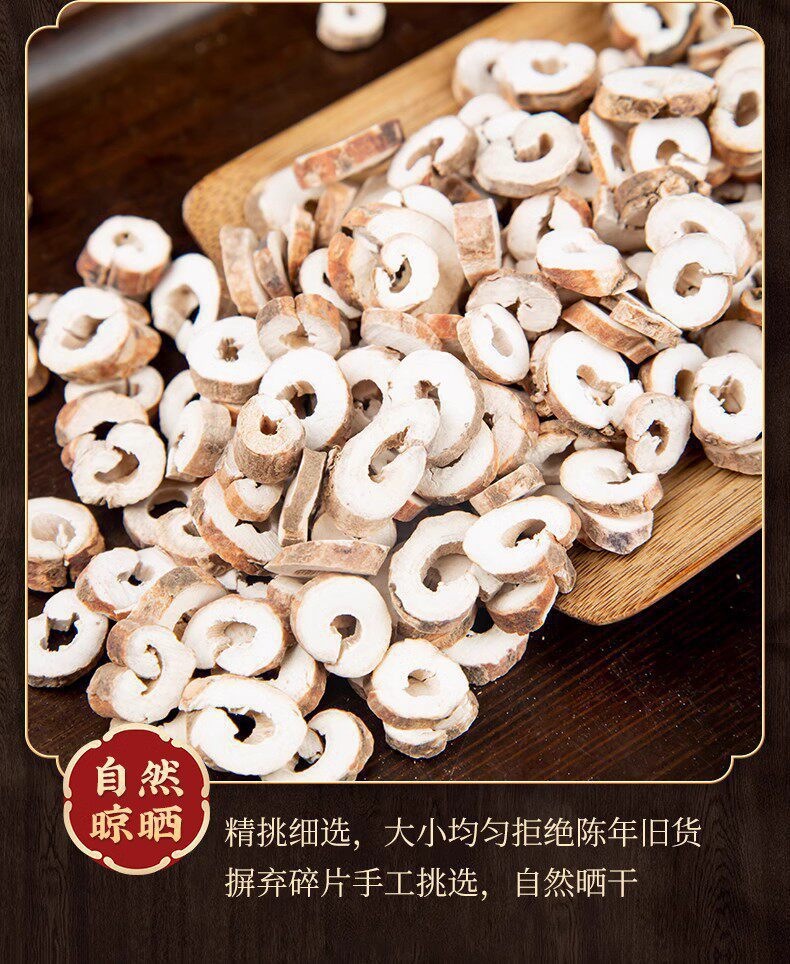
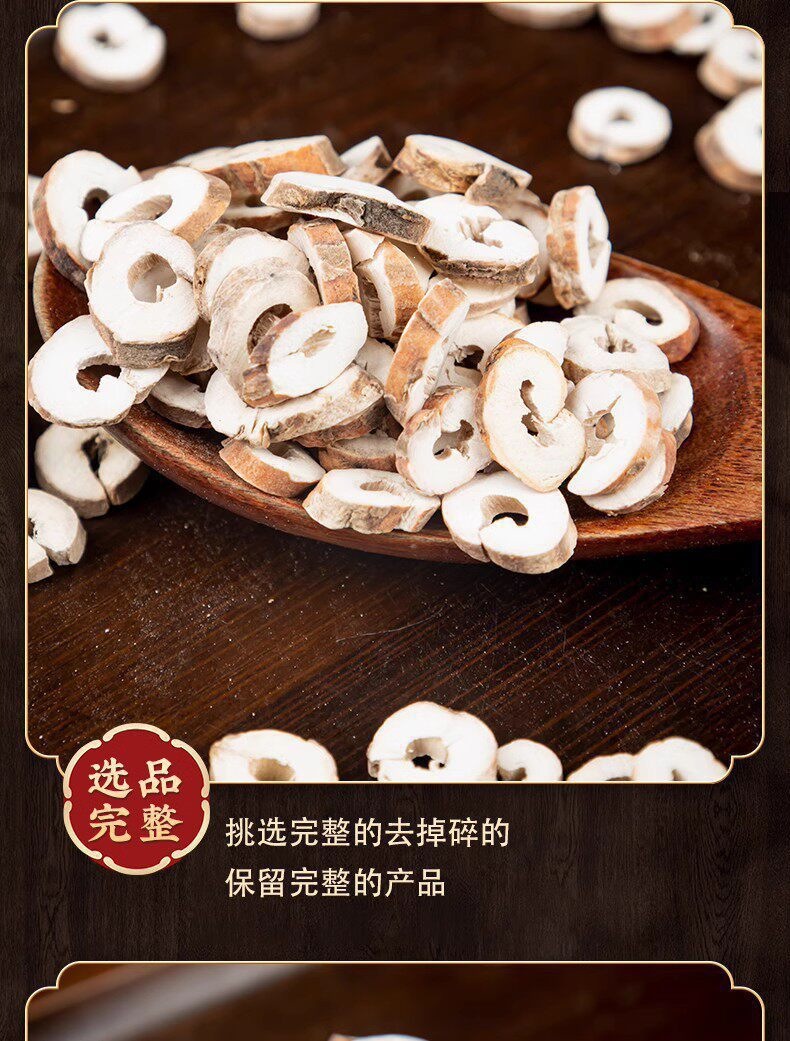
The sliced root bark typically shows a grayish-brown to dark brown exterior with a lighter inner surface. It has a mild, earthy aroma and a slightly bitter, pungent taste when brewed or decocted. Texture is dry and woody, softening with prolonged simmering.

Technical Specifications
| Product Type | Dried Root Bark Slices |
|---|---|
| Chinese Name | 牡丹皮 |
| Pinyin | Mu Dan Pi |
| Botanical Name | Paeonia suffruticosa |
| Plant Part | Root Bark |
| Net Weight | 500g x 2 jars (1000g total) |
Usage Scenarios
- Herbal tea or decoction
- Added to soups and congee
- Combined with other herbs in traditional formulas
- Seasonal wellness tea blends
Traditional Uses
In TCM theory, Mu Dan Pi is traditionally used in decoctions to clear heat and cool the blood. It is often paired with herbs such as Sheng Di Huang or Chi Shao in classic formulas. Folk practice includes adding it to soups or congee for seasonal support. It is also used in some traditional tea blends for its bitter, cooling character.
FAQ Q&A
Q: What is this product?
A: It is dried root bark of the tree peony, known in TCM as Mu Dan Pi (牡丹皮), sold as sulfur-free slices.
Q: What is its traditional value?
A: In TCM theory, it is considered cool in nature and traditionally associated with clearing heat and cooling the blood.
Q: How is it commonly prepared?
A: It is typically brewed as a tea or simmered in decoctions and soups, often with other herbs.
Additional information
| Model | 老根抽芯 牡丹皮100g 1罐, 老根抽芯 牡丹皮250g 1罐, 老根抽芯 牡丹皮500g 1罐, 老根抽芯 牡丹皮500g 2罐 |
|---|
Related products
-

Ningxia Goji Berries Gou Qi Zi 500g Dried Red Wolfberry for Tea Soup and Snacking
Price range: $7.20 through $16.44 -
Dried Raspberry Fruit Fu Pen Zi 500g Whole Berries for Herbal Tea and Wine Infusion
Price range: $14.00 through $16.44 -
Dried Angelica Sinensis Slices Dang Gui 当归 500g Gansu Raw Herb for Decoction Soup and Tea
Price range: $16.44 through $35.88 -

Fritillaria Bulb Chuan Bei Mu Dried Chinese Herbal Bulbs for Decoction and Traditional Use 500g
Price range: $18.06 through $94.21
Reviews
There are no reviews yet.