
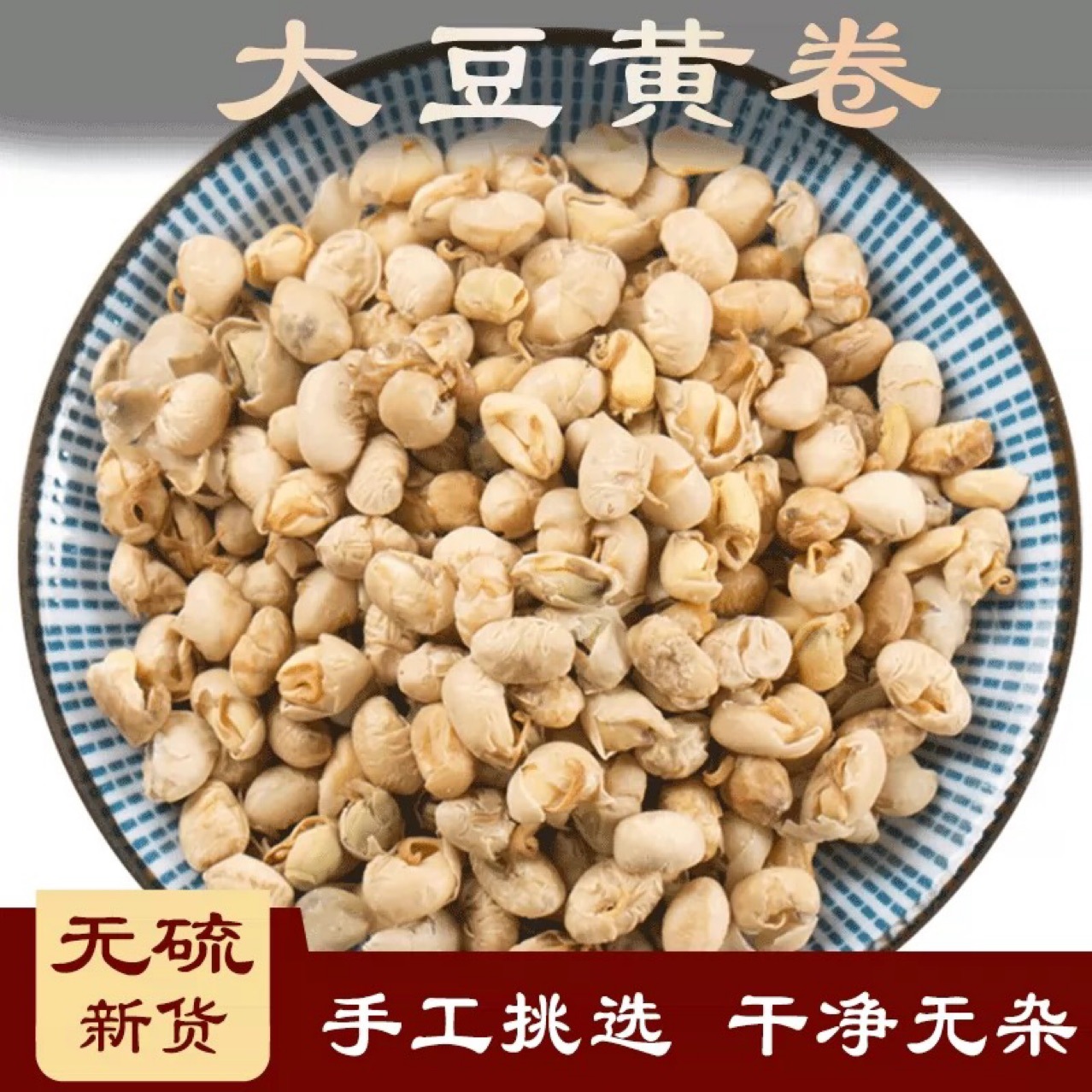
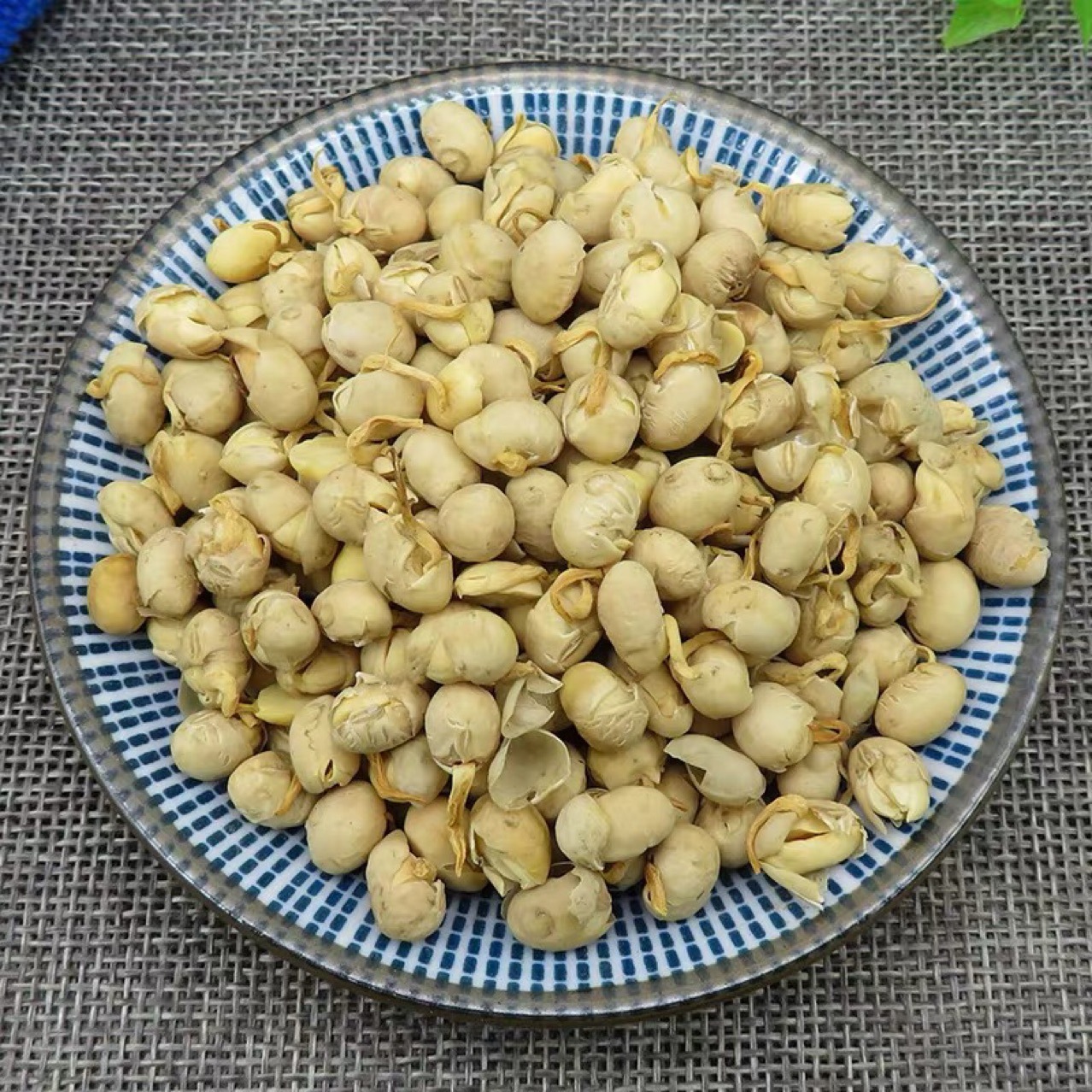
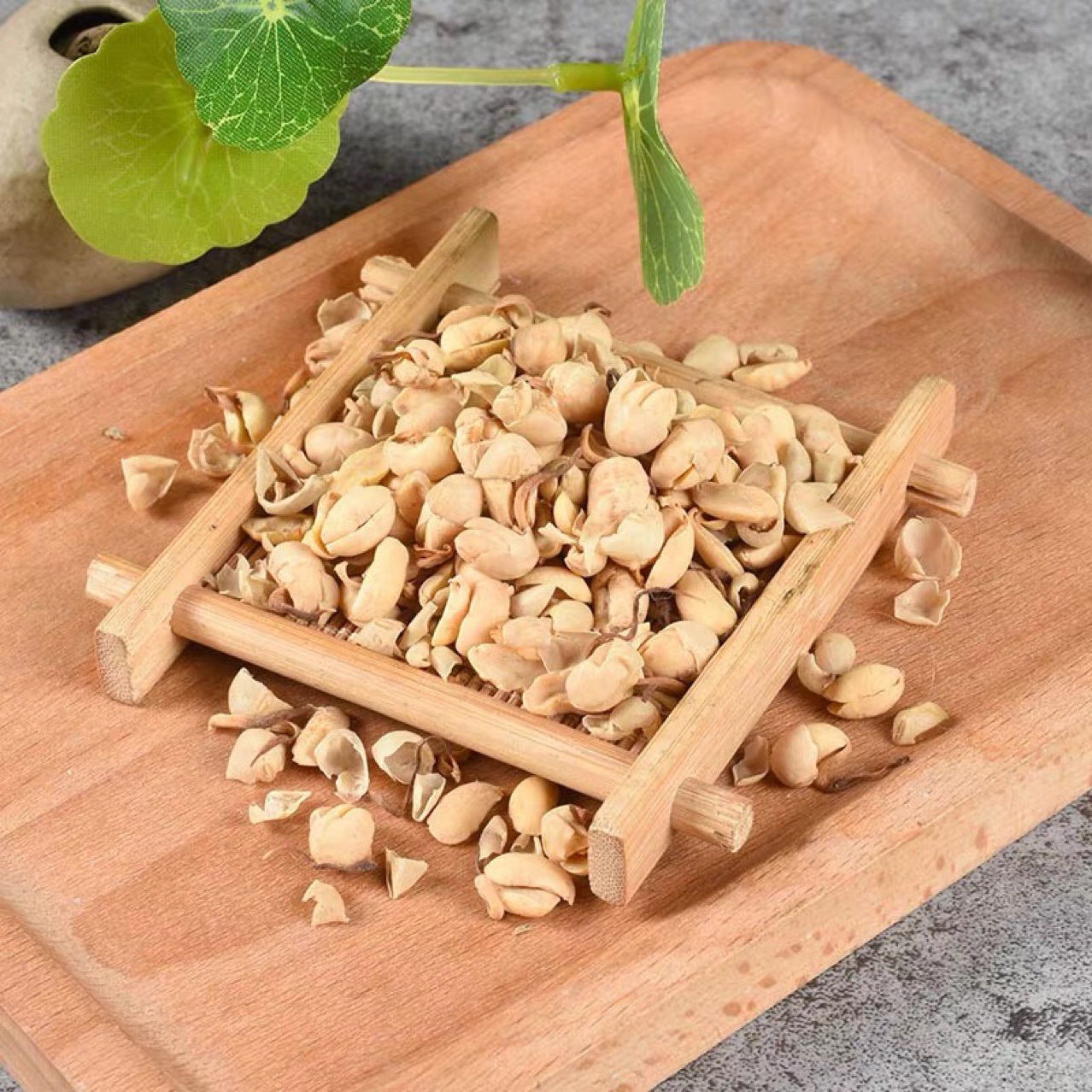
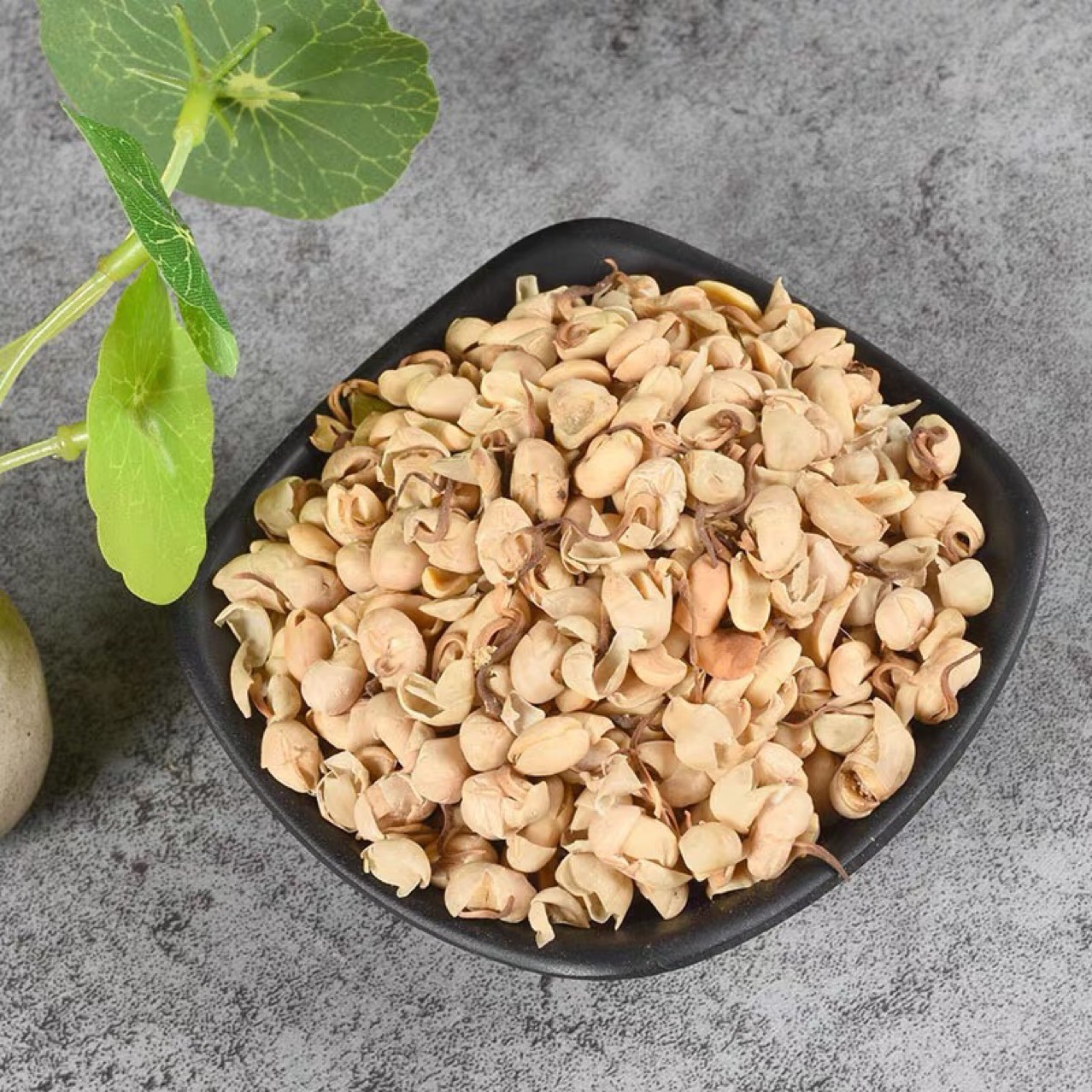
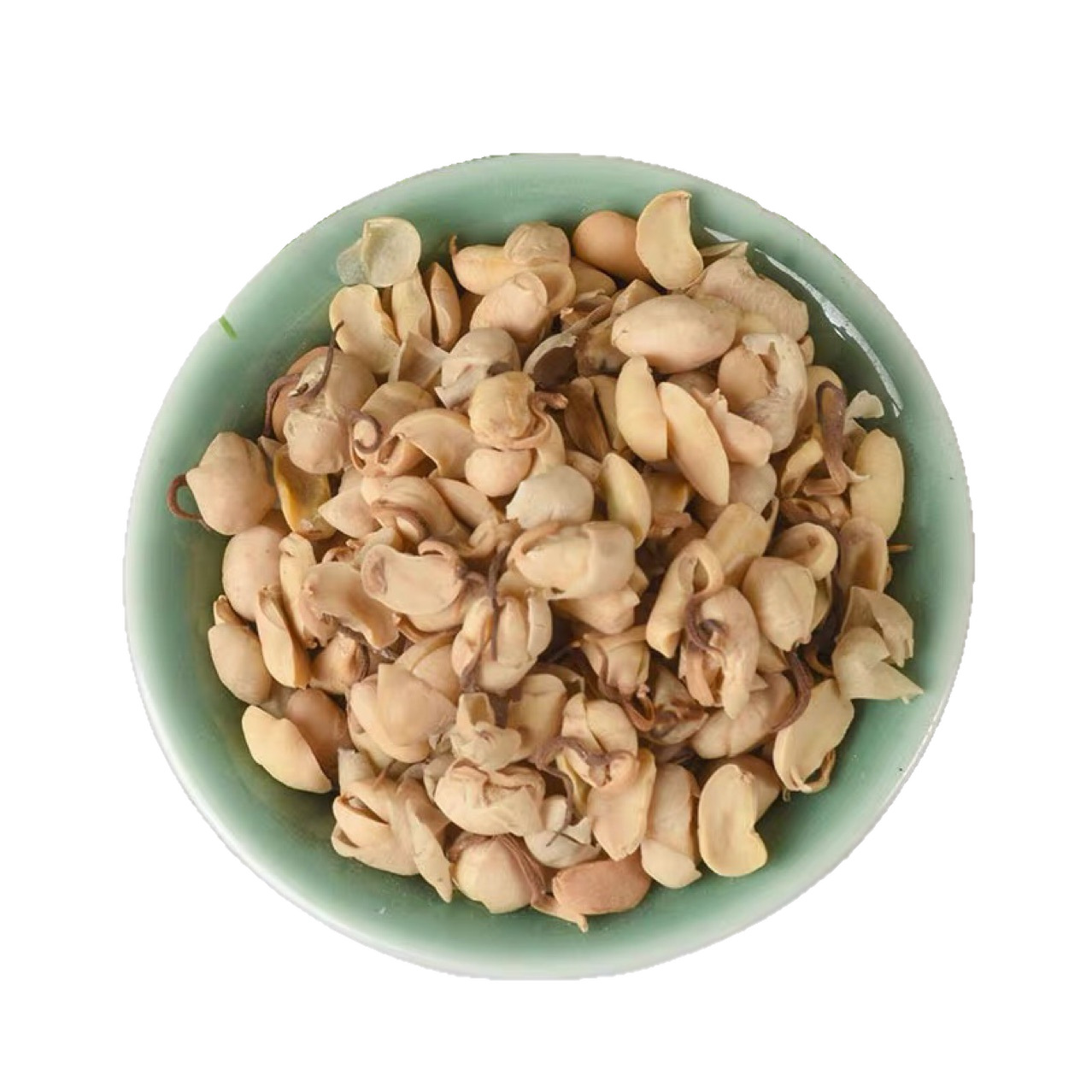
Dried Soybean Sprouts Da Dou Huang Juan 500g Traditional Chinese Herbal Decoction Pieces
Price range: $5.92 through $48.21
Description
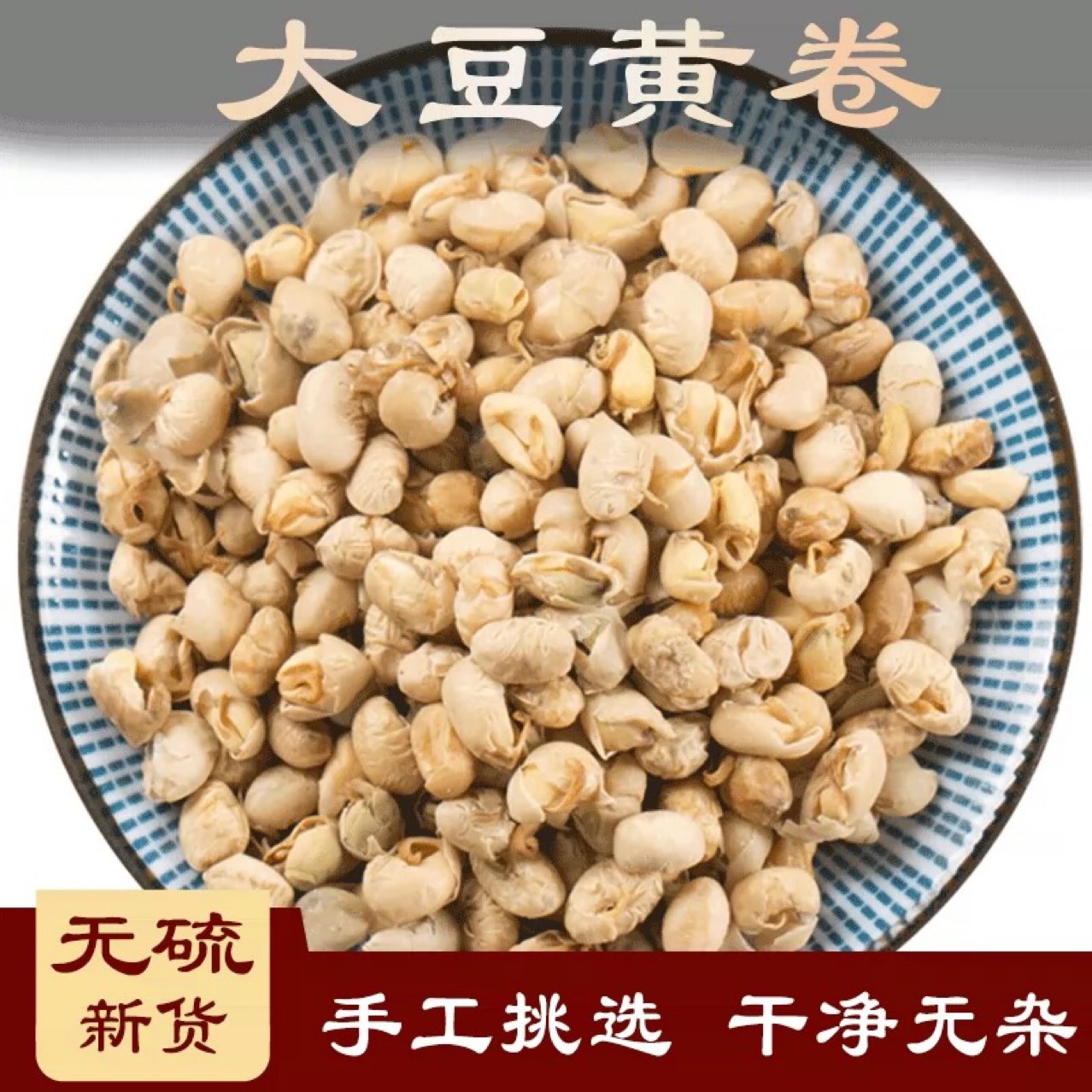
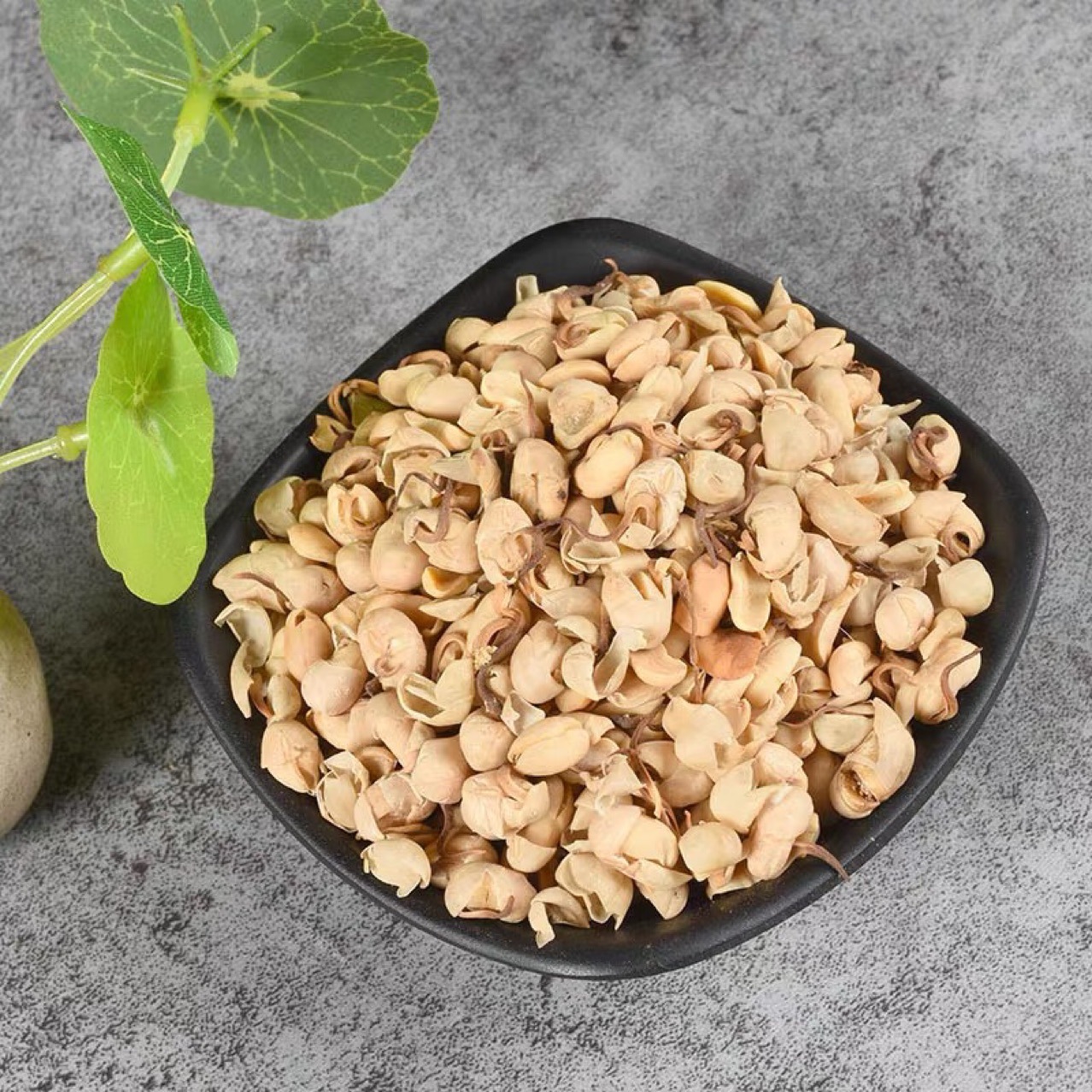
Dried Soybean Sprouts, known in TCM as Da Dou Huang Juan (大豆黄卷), are the dried sprouted seeds of Glycine max. In TCM theory, this herb is considered sweet and neutral, entering the spleen and stomach channels. Traditionally used to support digestive wellness and gently clear dampness, it is a classic decoction piece for herbal formulas. This 500g pack offers sun-dried, new-crop sprouts for making teas, soups, or congee.
Key Selling Points
- Identified in TCM as Da Dou Huang Juan (大豆黄卷), the dried sprout of Glycine max
- Sun-dried processing preserves the traditional character of the herb
- Sweet and neutral nature in TCM theory, associated with the spleen and stomach channels
- Versatile decoction piece suitable for teas, soups, and congee
- New-crop 500g pack from Bozhou, Anhui, a renowned herbal production region
Quality & Sensory
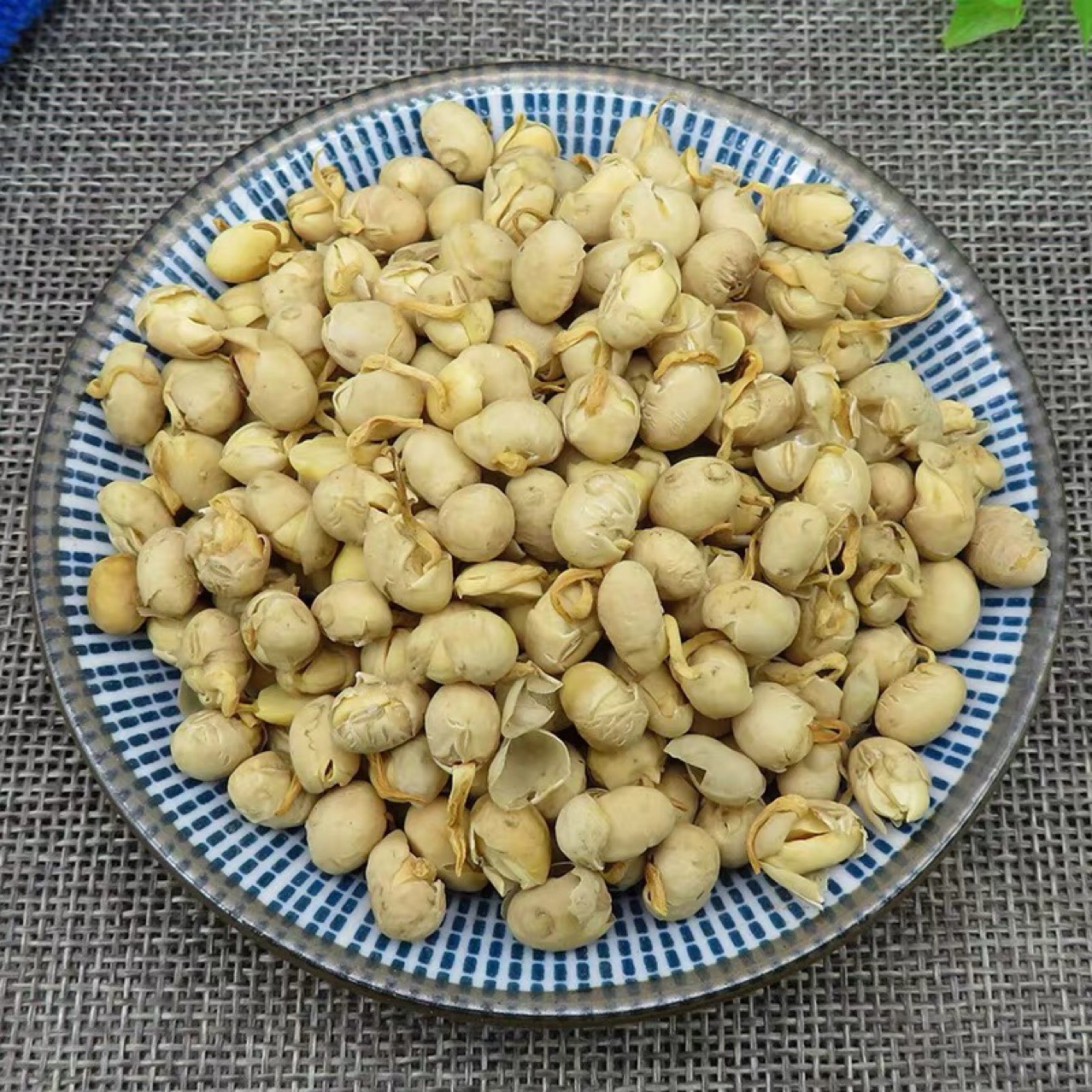
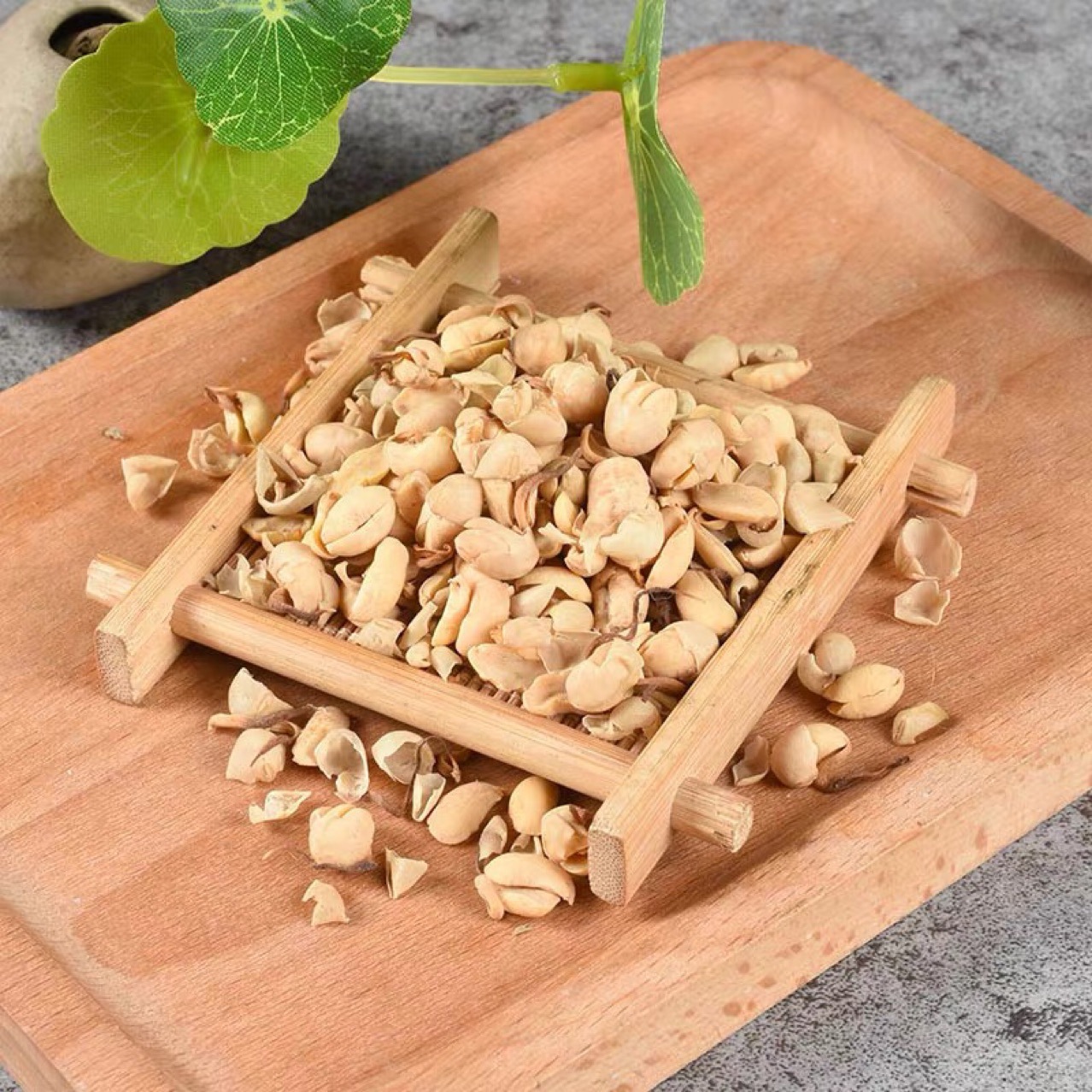
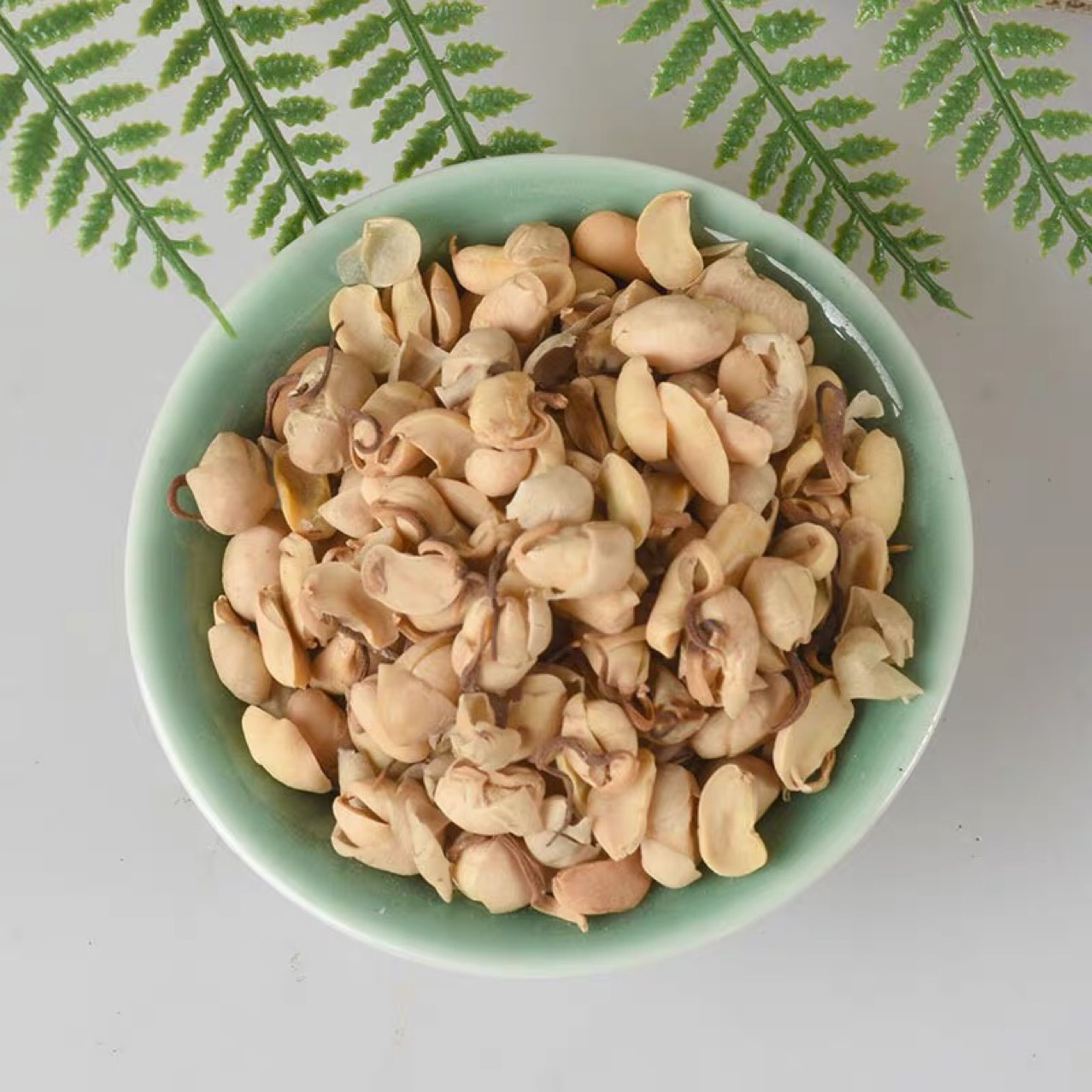
The dried sprouts are typically light yellow to pale brown, with a firm, slightly fibrous texture. They have a mild, earthy aroma and a subtle, neutral taste when decocted or brewed, blending easily with other herbs.
Technical Specifications
| Product Type | Dried sprouted seeds |
|---|---|
| Chinese Name | 大豆黄卷 |
| Pinyin | Da Dou Huang Juan |
| Botanical Name | Glycine max |
| Plant Part | Sprouted seeds |
| Net Weight | 500g |
Usage Scenarios
- Herbal decoction with other TCM herbs
- Added to soups or broths
- Cooked in congee
- Brewed as a simple tea
Traditional Uses
In TCM theory, Da Dou Huang Juan is traditionally used to support digestive health and resolve dampness. It is often included in decoctions for summer heat or dampness, sometimes paired with herbs like Huo Xiang or Ze Xie. Folk practice also uses it in congee or soups for seasonal wellness.
FAQ Q&A
Q: What is Da Dou Huang Juan?
A: It is the dried sprouted seed of the soybean plant, Glycine max, used as a traditional Chinese herbal decoction piece.
Q: What is its traditional value in TCM?
A: In TCM theory, it is considered sweet and neutral, entering the spleen and stomach channels, and is traditionally used to support digestion and clear dampness.
Q: How is it commonly prepared?
A: It is typically decocted with other herbs, added to soups, or cooked in congee. It can also be brewed as a mild tea.
Additional information
| Weight | N/A |
|---|---|
| Dimensions | N/A |
| Model | 大豆黄卷250克, 大豆黄卷500克, 大豆黄卷1000克, 大豆黄卷10公斤 |
Related products
-
Dried Mugwort Leaf Ai Ye 500g Chinese Herbal Bath Foot Soak and Smoke Cleansing Herb
Price range: $4.77 through $5.25 -
Astragalus Root Slices Huang Qi 500g Dried Herb for Soups and Teas
Price range: $7.36 through $22.11 -
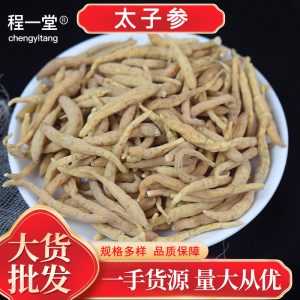
Taizishen Dried Pseudostellaria Root TCM Herbal Tea and Soup Ingredient 500g Bulk Pack
Price range: $10.28 through $15.63 -

Dried Raspberry Fruit Fu Pen Zi Whole Berries for Herbal Tea and Wine Infusion 500g
Price range: $15.63 through $18.06
Reviews
There are no reviews yet.