
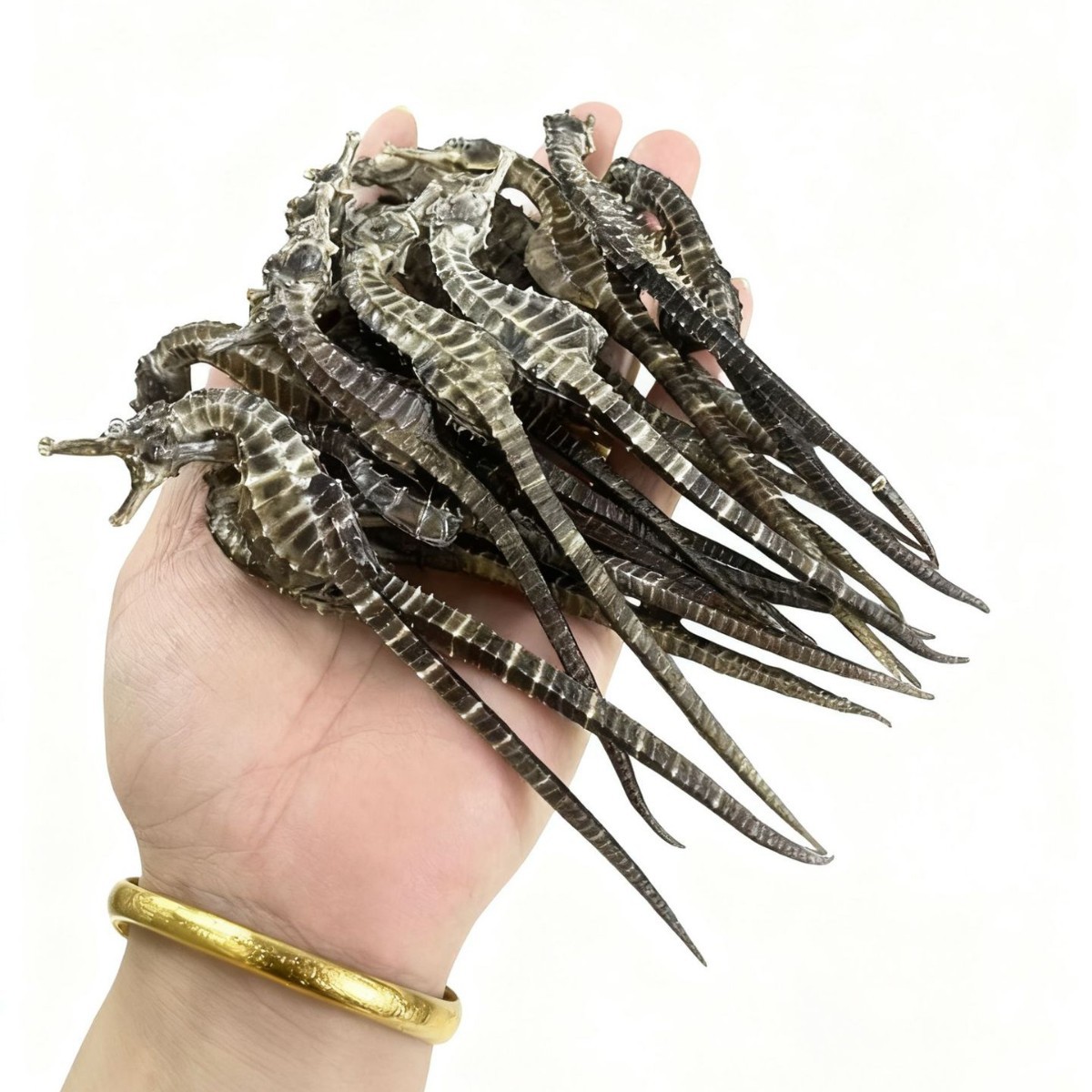
Dried Seahorse for Soup and Wine Soaking Traditional Chinese Tonic 0.5-5g Sizes
Price range: $5.09 through $5.67
Description
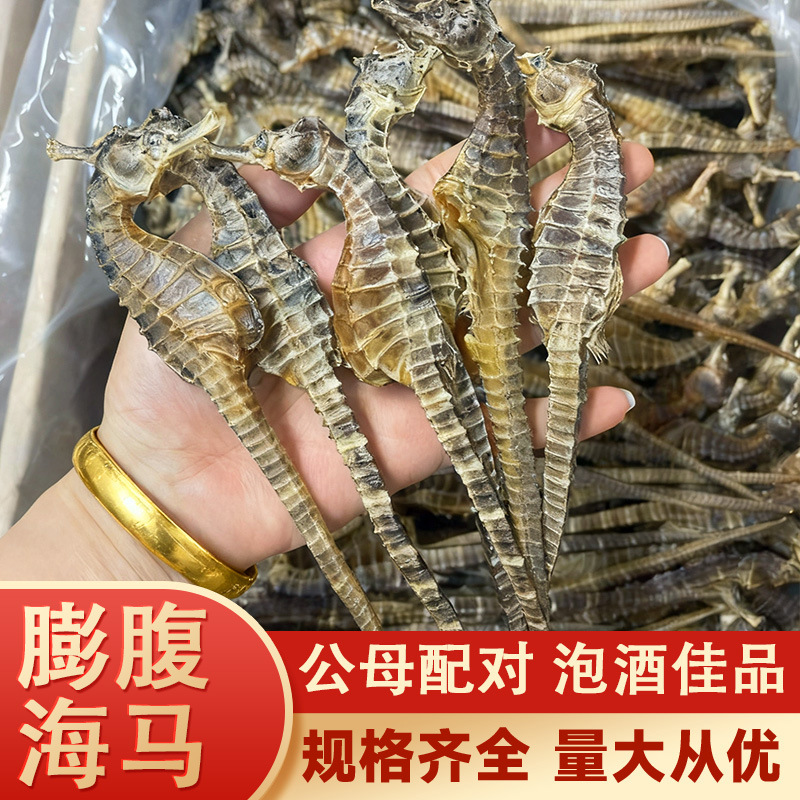
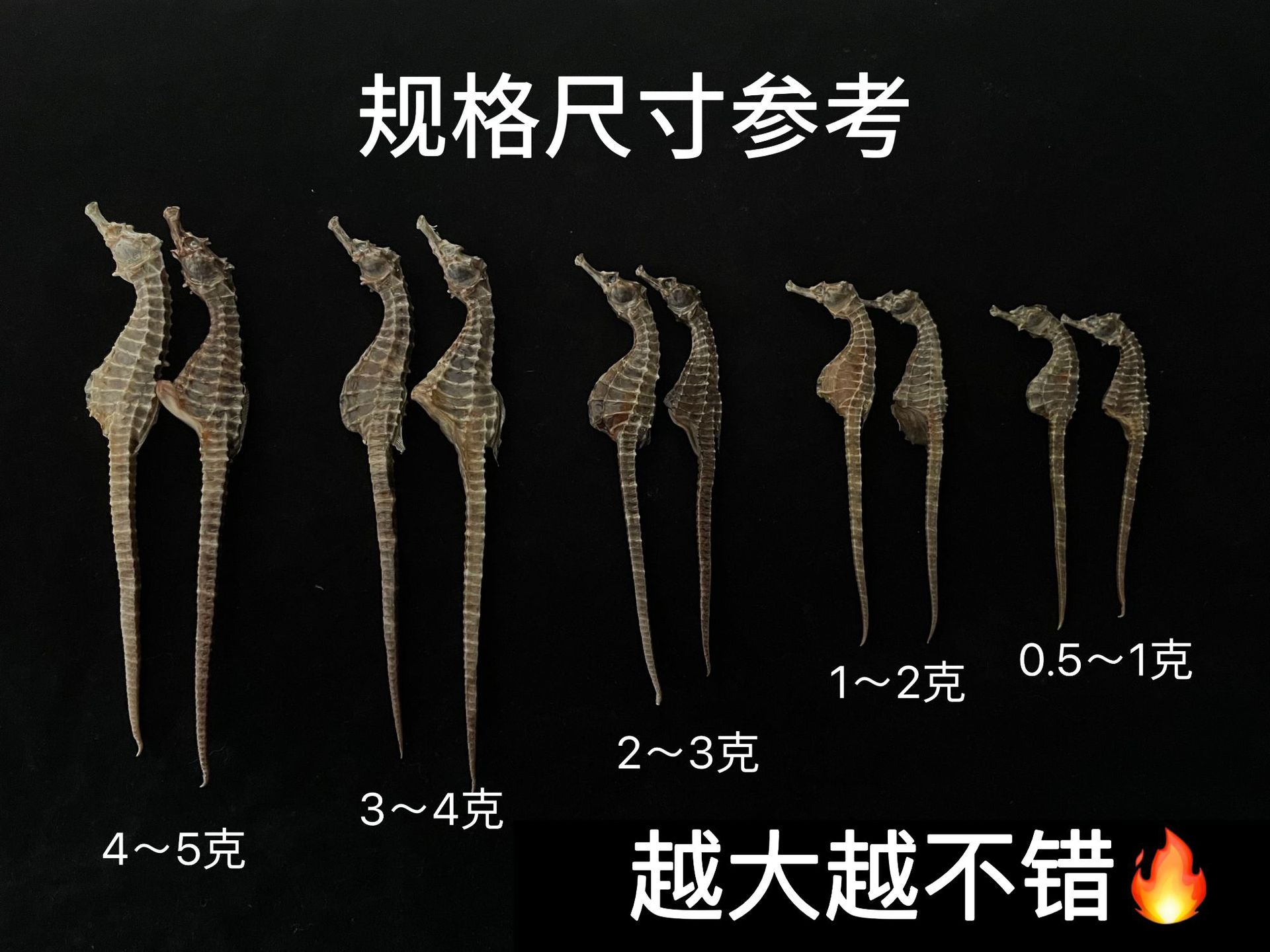
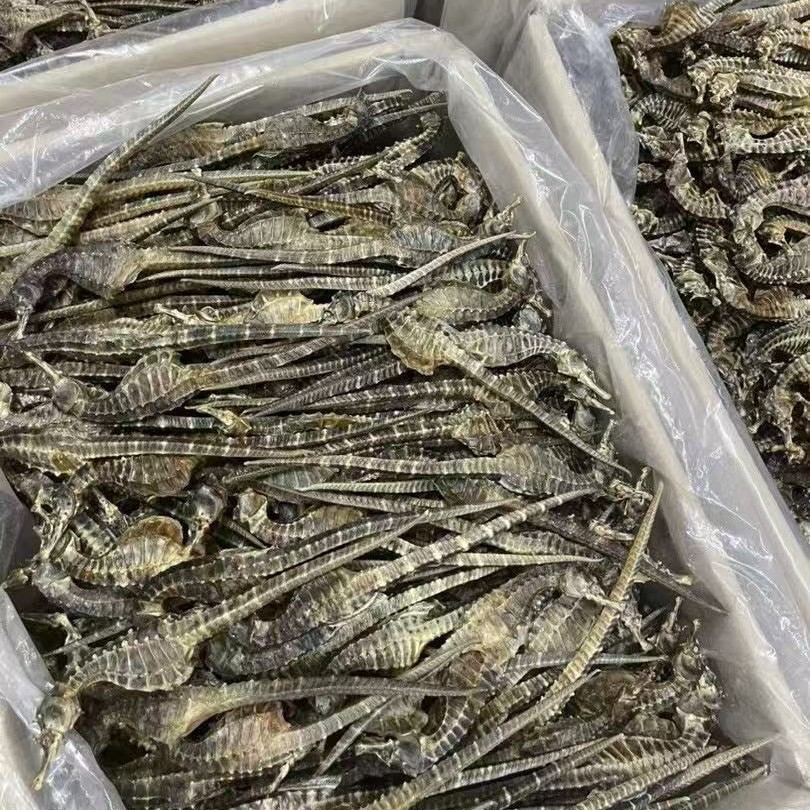
Dried Seahorse, known in TCM as Hai Ma (海马), from Hippocampus species, is a dried marine product used in traditional Chinese wellness. In TCM theory it is considered sweet and warm, entering the Kidney and Liver channels. Traditionally associated with supporting yang and nourishing essence, it is commonly used in long-simmered soups or soaked in wine. Sold as dried whole seahorse in 0.5-1g, 1-2g, 2-3g, and 4-5g sizes.
Key Selling Points
- Dried whole seahorse, a traditional Chinese tonic ingredient
- Known in TCM as Hai Ma (海马), from Hippocampus species
- Sold in graded sizes from 0.5-1g to 4-5g per piece
- Traditionally used in soups and wine infusions
- Sourced from Shandong, China, with 36-month shelf life
Quality & Sensory
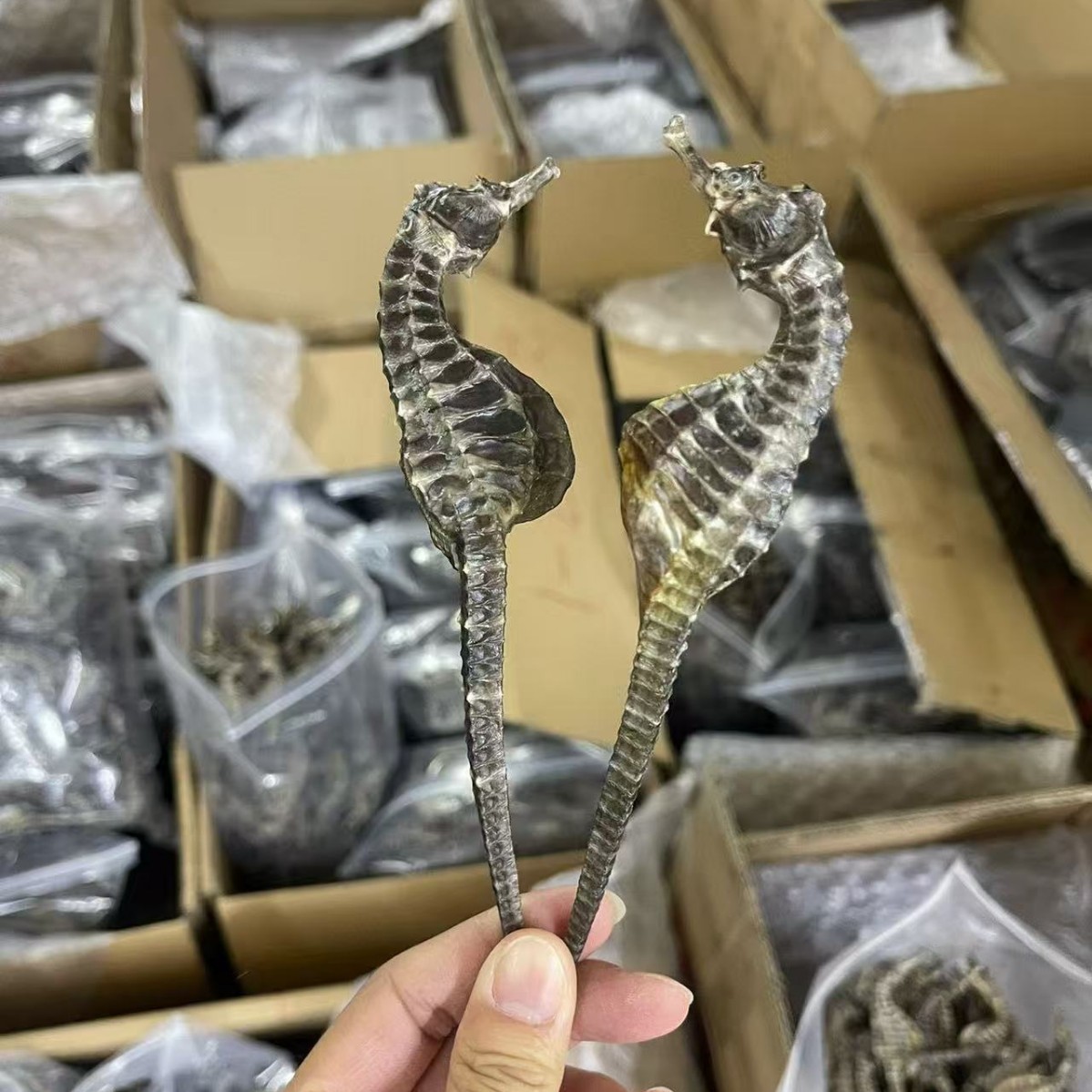
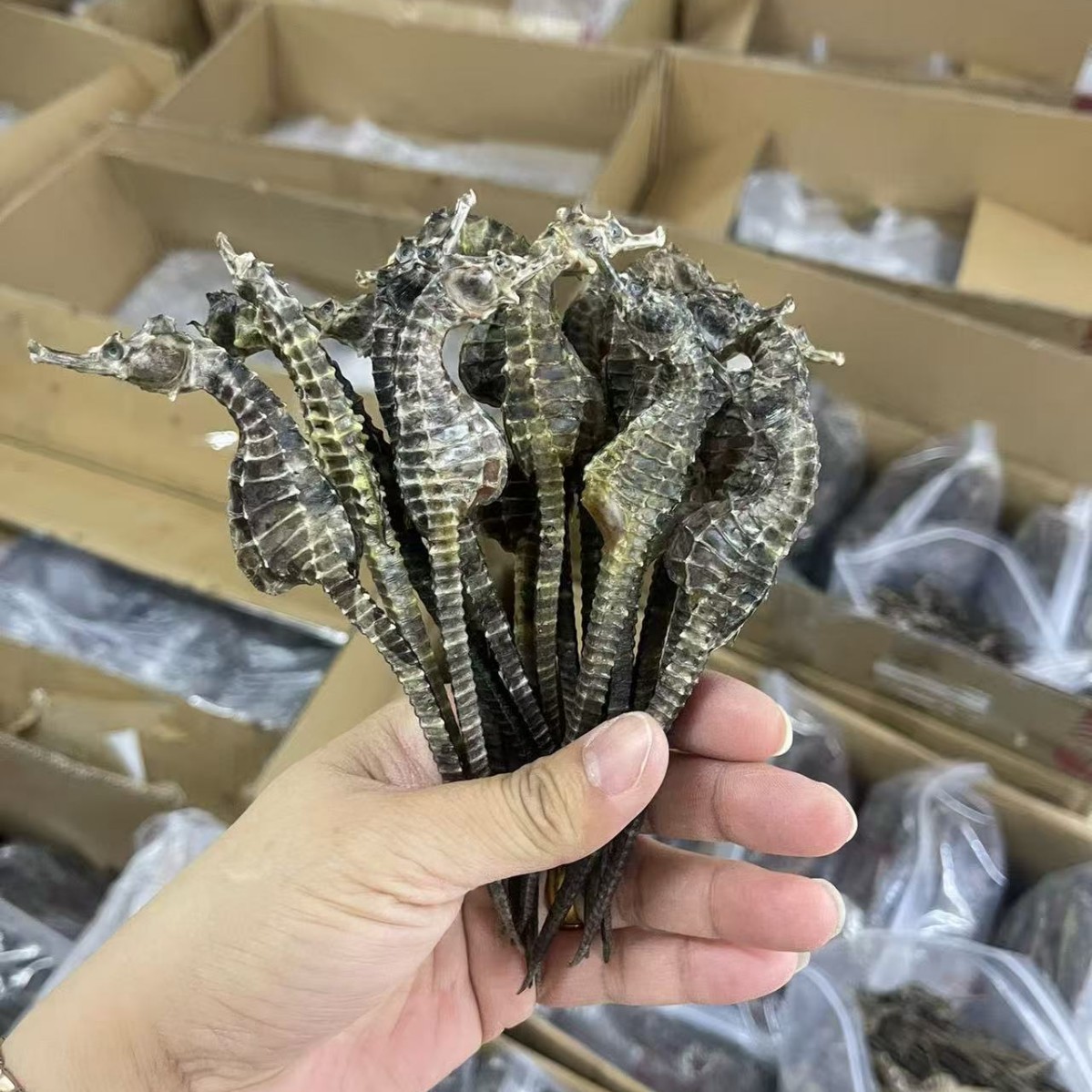
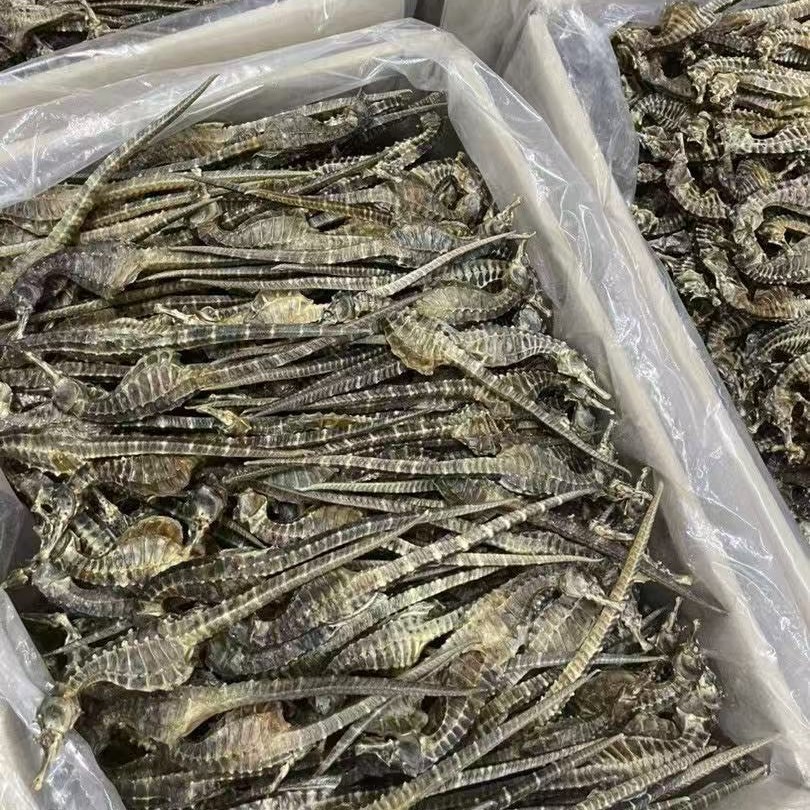
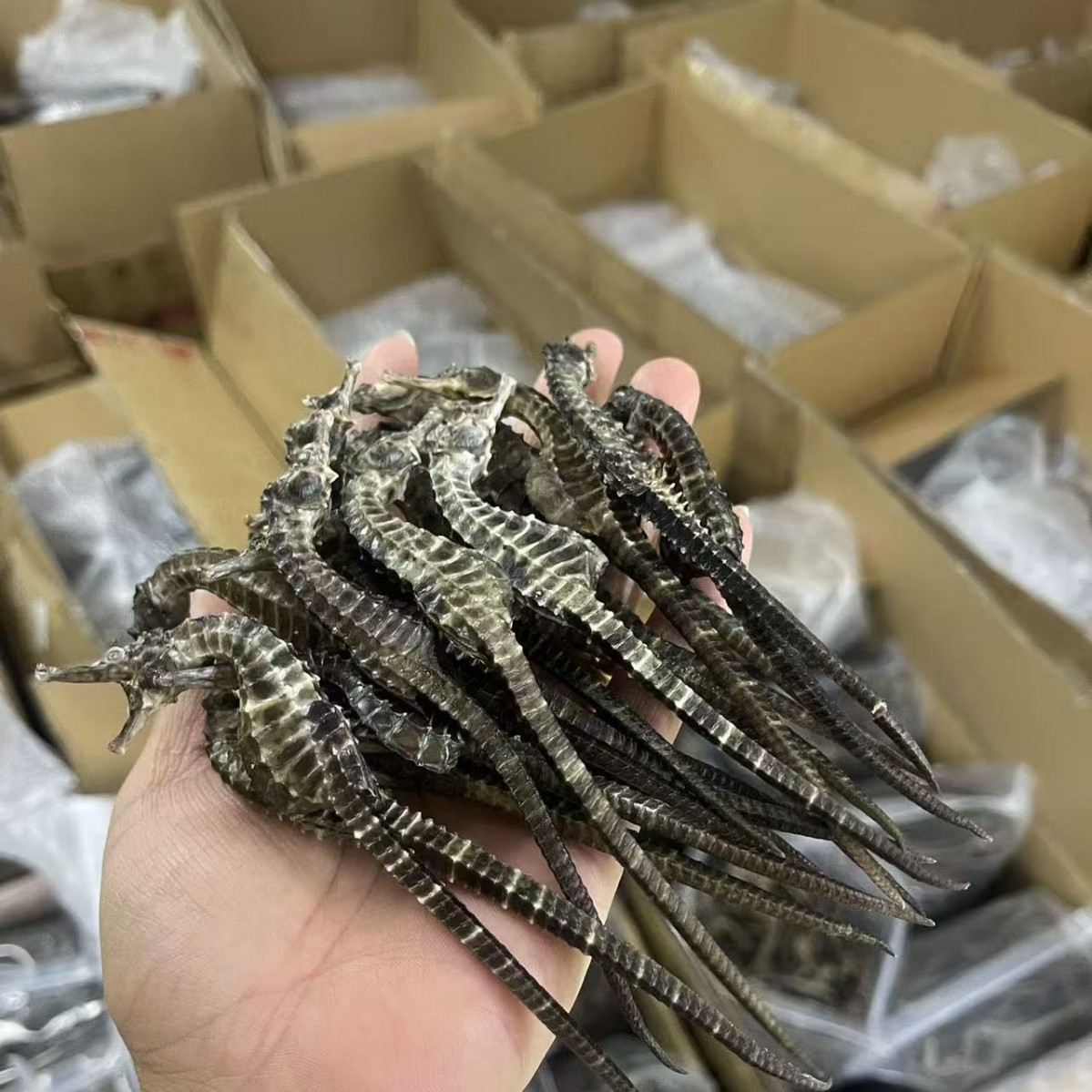
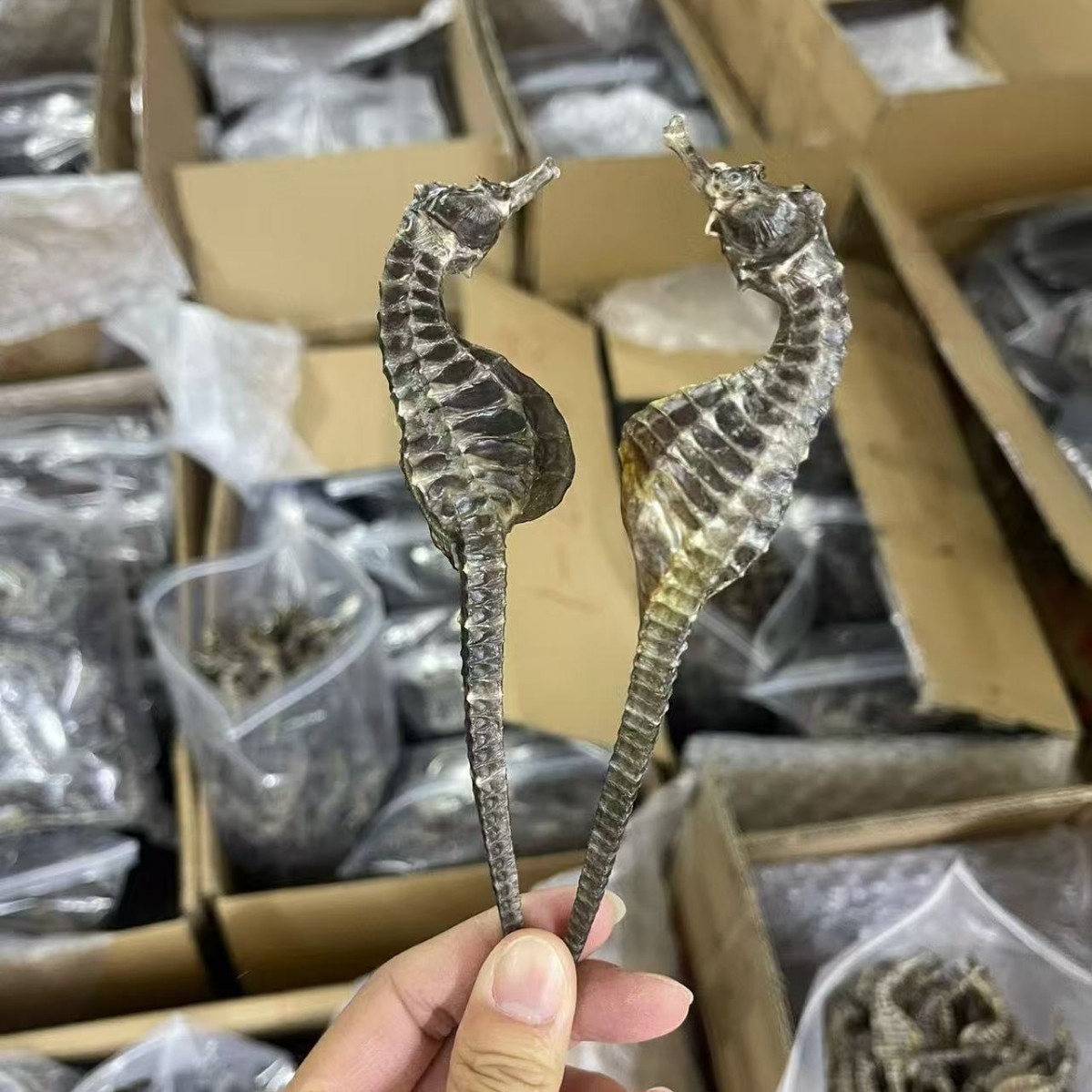
Dried seahorse is typically light tan to brownish in color with a firm, leathery texture and a mild marine aroma. When simmered in soup it contributes a subtle savory note; when soaked in wine it imparts a mild briny character. Color and size may vary slightly between pieces.
Technical Specifications
| Product Type | Dried seahorse |
|---|---|
| Chinese Name | 海马 |
| Pinyin | Hai Ma |
| Botanical Name | Hippocampus species |
| Form | Whole dried |
| Net Weight | 0.5-1g, 1-2g, 2-3g, 4-5g per piece |
Usage Scenarios
- Simmered in traditional Chinese soups
- Soaked in wine for traditional tonic infusions
- Added to long-cooked decoctions
- Used in congee or nourishing broths
Traditional Uses
In TCM theory, Hai Ma is traditionally used to support kidney yang and nourish essence. It is commonly simmered in soups with herbs such as wolfberry or Chinese yam, or soaked in wine for daily tonic use. Traditional preparations often pair it with other kidney-tonifying herbs and are consumed in small amounts over time.
FAQ Q&A
Q: What is this product?
A: It is dried whole seahorse, known in TCM as Hai Ma (海马), sold in graded sizes from 0.5-1g to 4-5g per piece.
Q: What is its traditional value?
A: In TCM theory it is considered sweet and warm, entering the Kidney and Liver channels, and is traditionally associated with supporting yang and nourishing essence.
Q: How is it commonly prepared?
A: It is typically simmered in soups or soaked in wine for traditional tonic infusions. It is not usually consumed raw.
Additional information
| Weight | N/A |
|---|---|
| Dimensions | N/A |
| Model | 单条0 5 1克 克价, 单条1 2克 克价, 单条2 3克 克价, 单条3 4克 克价, 单条4 5克 克价 |
Related products
-
Dried Codonopsis Root Slices Dang Shen 500g Bulk Supply for Soups and Herbal Decoctions
Price range: $10.28 through $18.06 -
Dried Cinnamon Bark Rou Gui 500g Whole Peeling Culinary Spice and Traditional Herbal Ingredient
Price range: $5.58 through $8.33 -
Dried Huang Jing Slices Polygonatum Rhizome Chicken Head Huang Jing 500g Bulk Herbal Tea and Soup Ingredient
Price range: $9.14 through $18.87 -
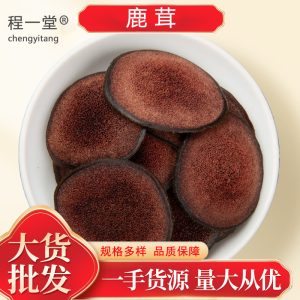
Deer Antler Slices Lu Rong 鹿茸片 Dried Slices for Wine Infusion and Soup 100g Wax Slices Pack
Price range: $68.29 through $92.59
Reviews
There are no reviews yet.