Dried Seahorse for Soup and Wine Soaking Traditional Chinese Herbal Tonic
Price range: $5.09 through $9.71
Description
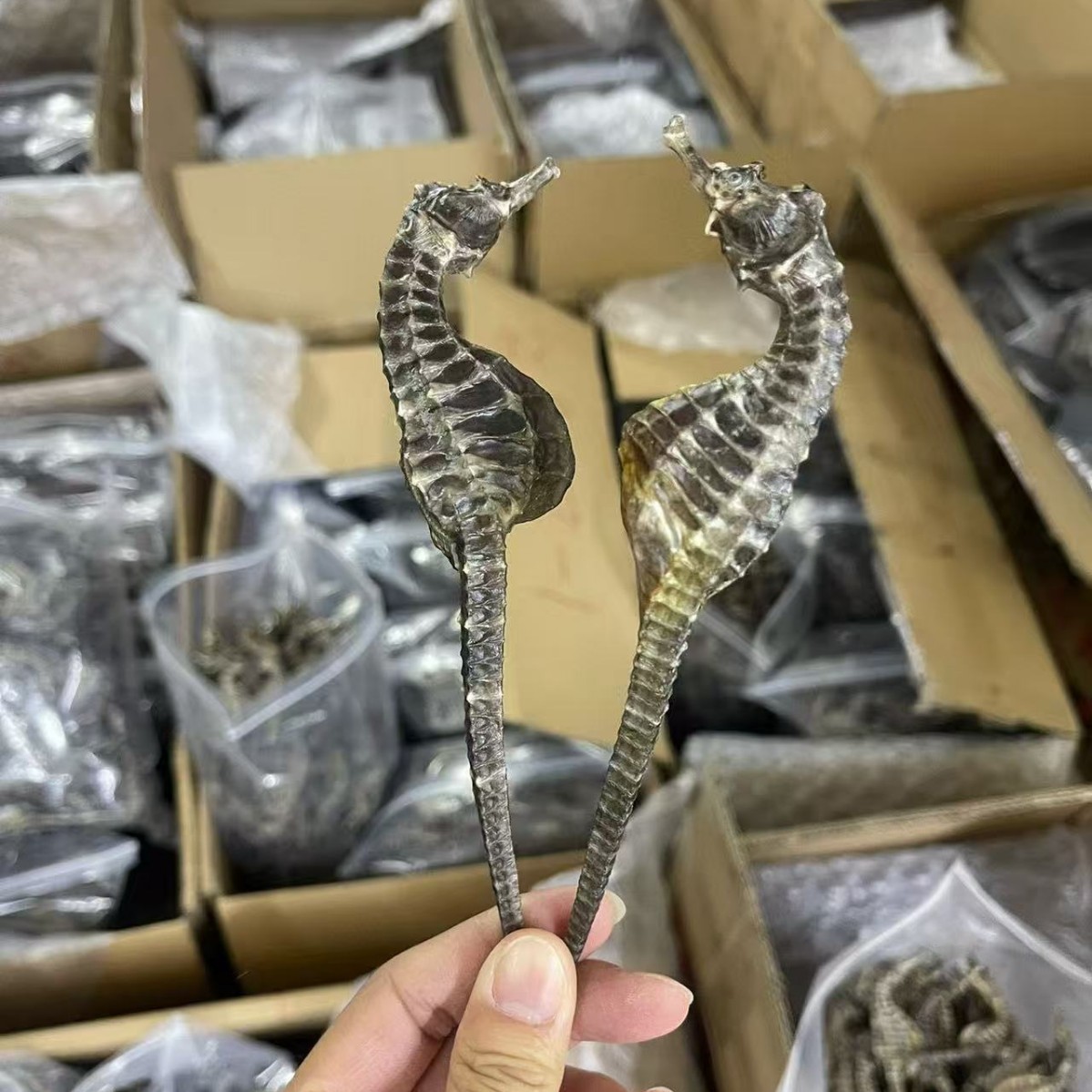
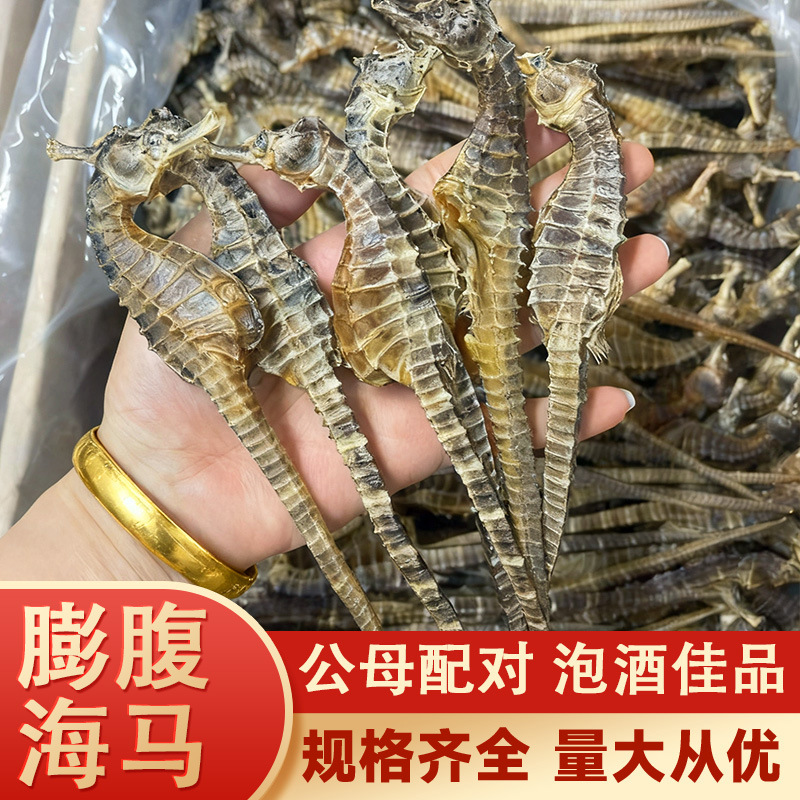
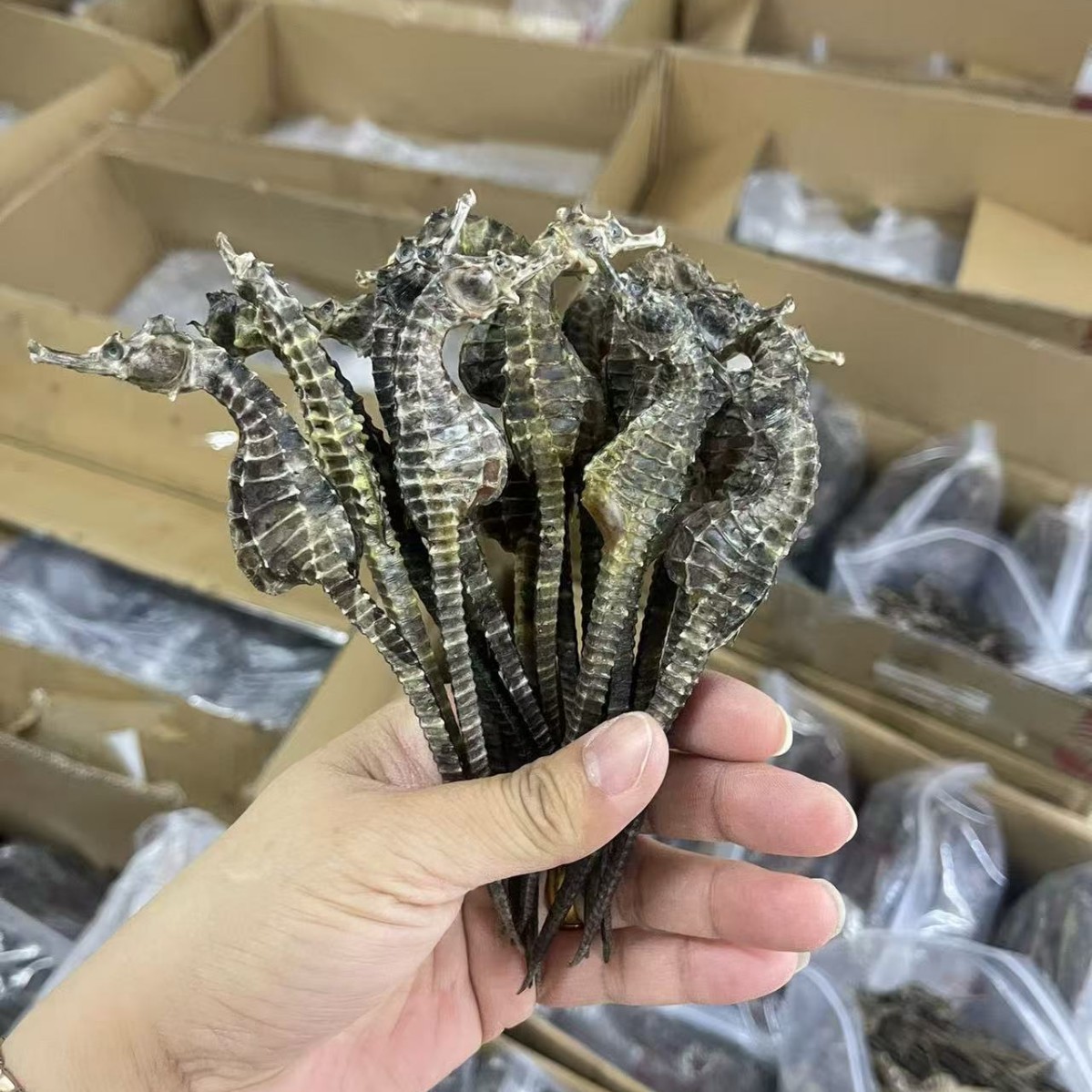
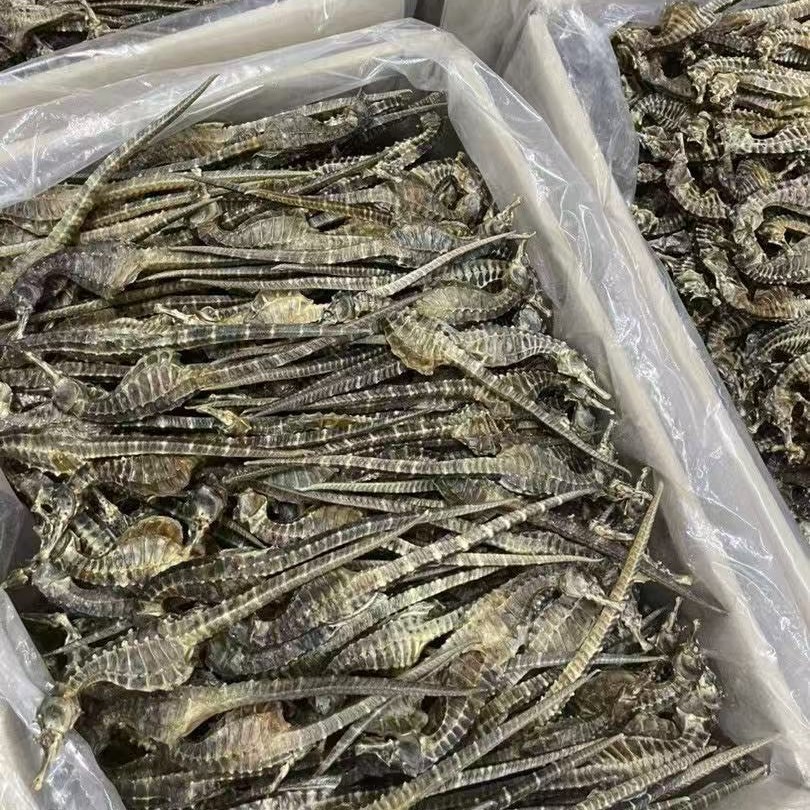
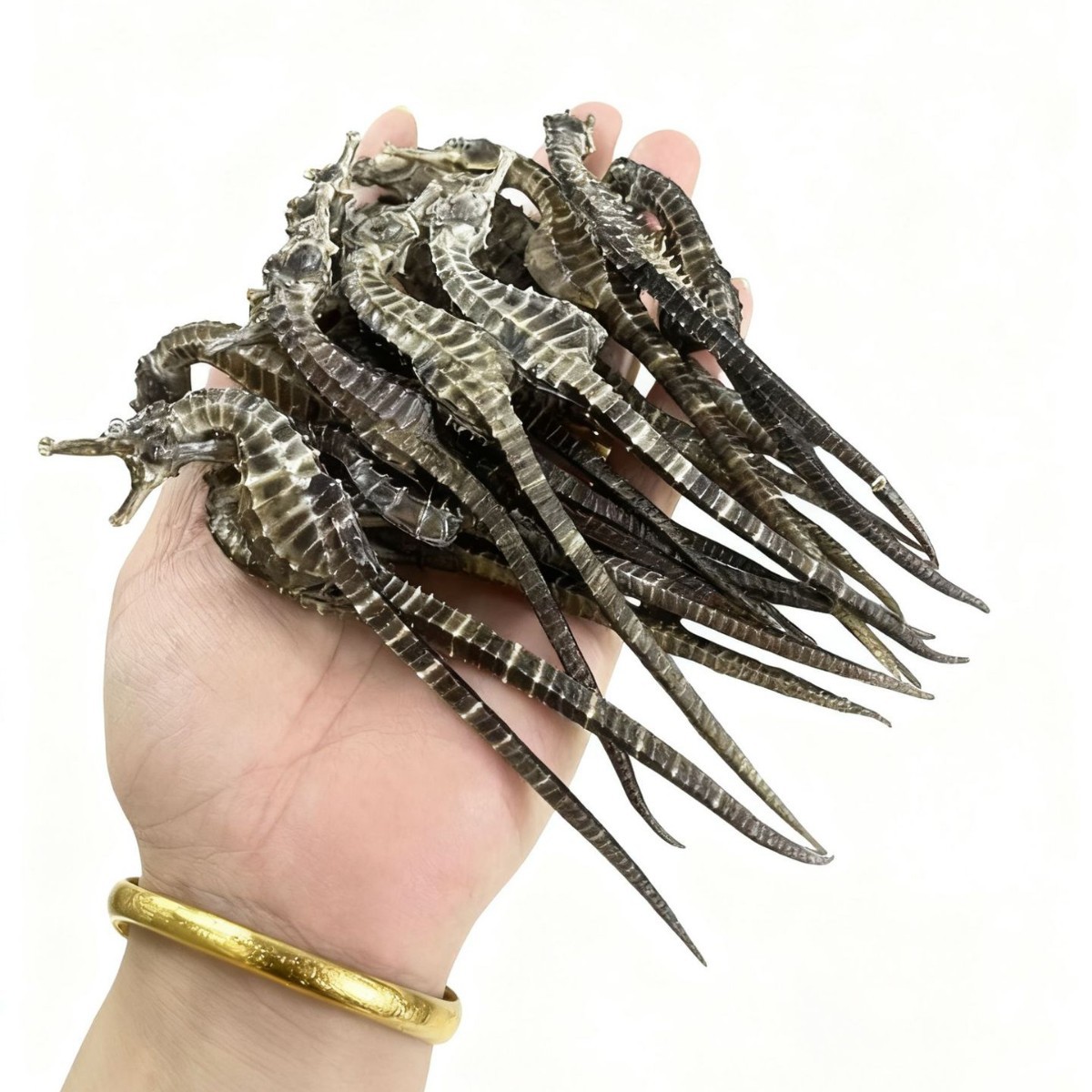
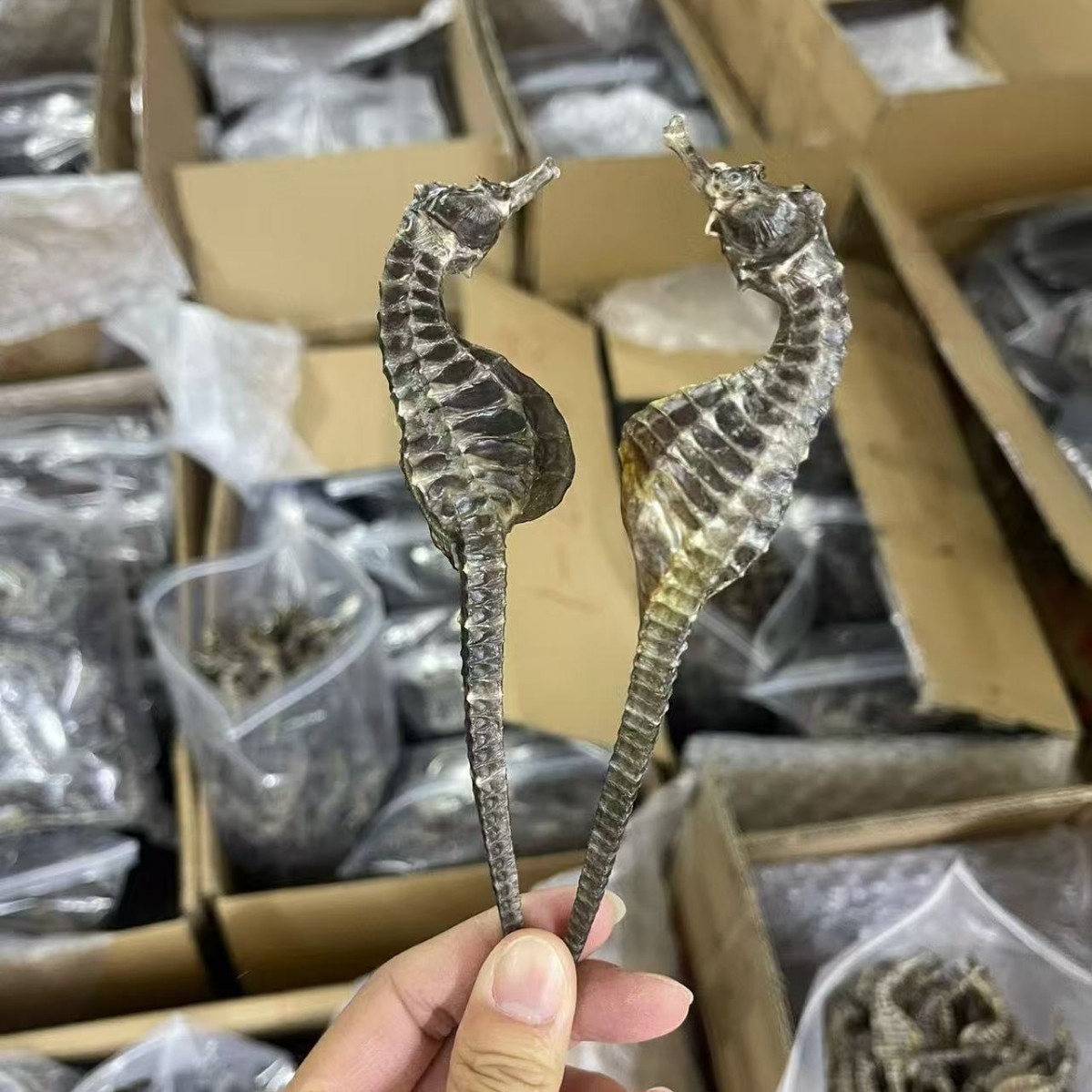
Dried Seahorse, known in TCM as Hai Ma (海马), from Hippocampus species, is a dried marine product traditionally used in Chinese herbal wellness. In TCM theory it is considered sweet and warm, entering the Kidney and Liver channels. Traditionally associated with supporting yang and strengthening the kidney system, it is commonly used in long-simmered soups or soaked in wine as a nourishing tonic. Sold as dried whole seahorse in paired male and female form.
Key Selling Points
- Dried whole seahorse, a traditional Chinese herbal marine tonic
- Known in TCM as Hai Ma (海马), used in kidney-supporting formulas
- Paired male and female seahorses for traditional balance
- Suitable for long-simmered soups and wine soaking
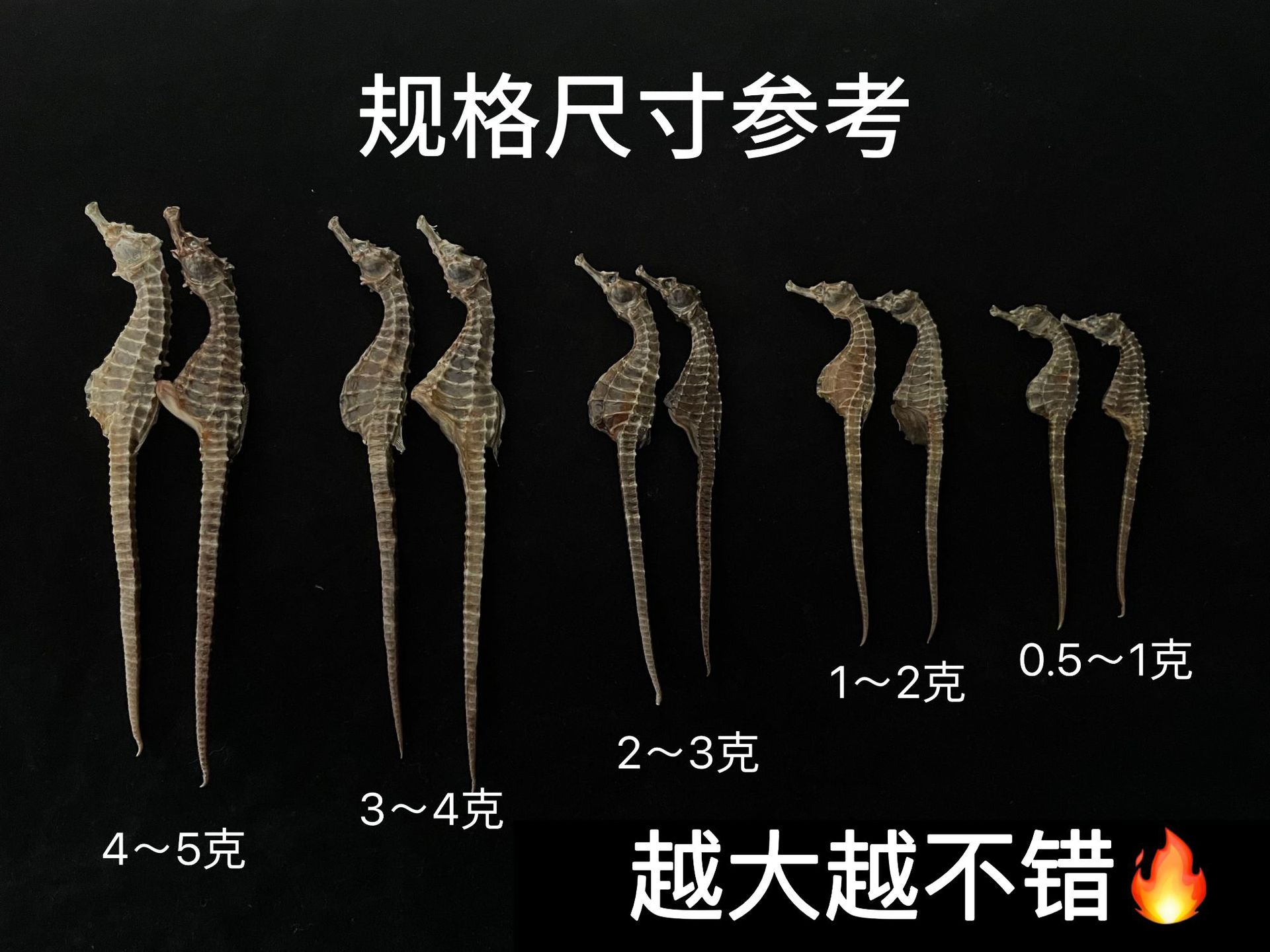
- Available in multiple weight grades from 0.5 g to 5 g per piece
Quality & Sensory
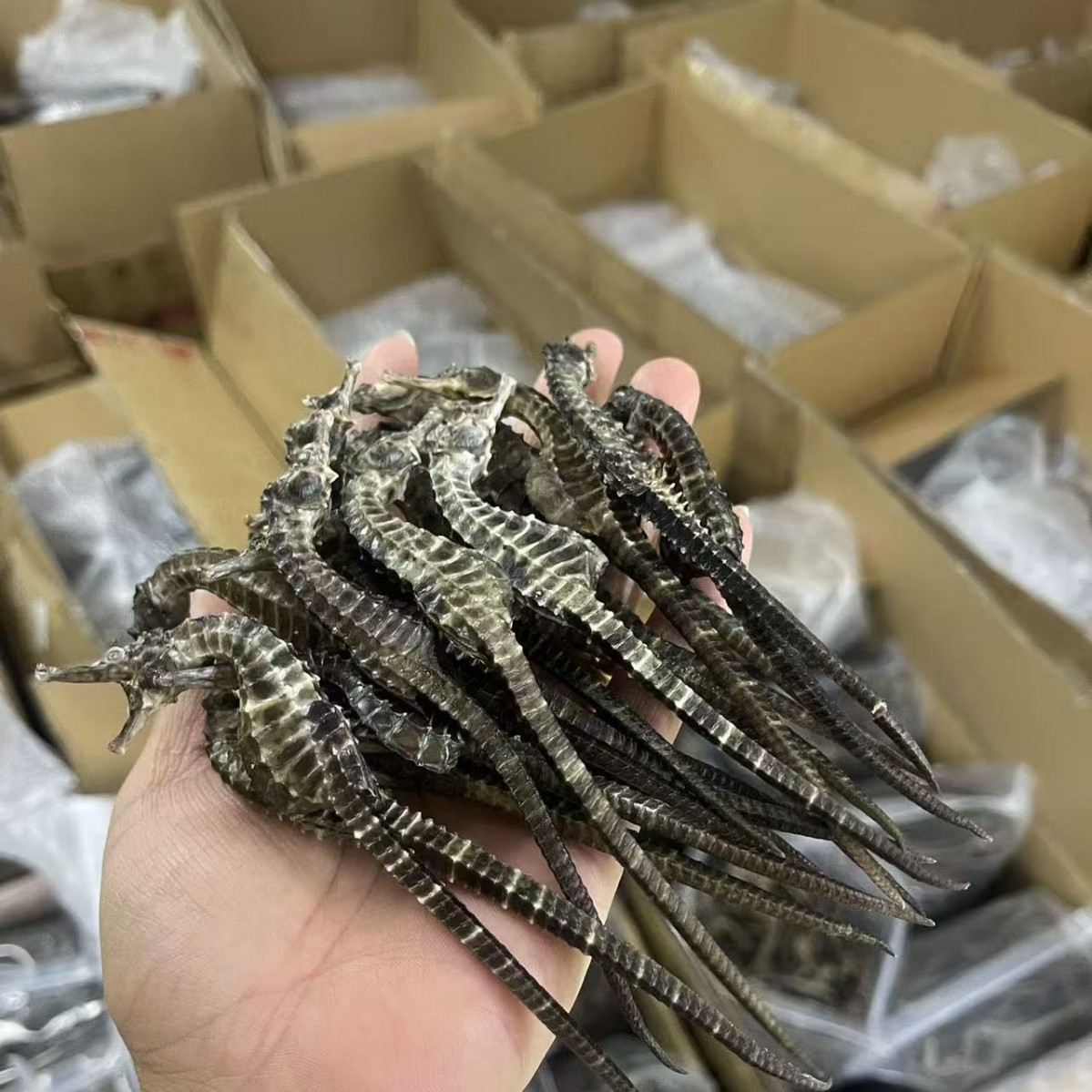
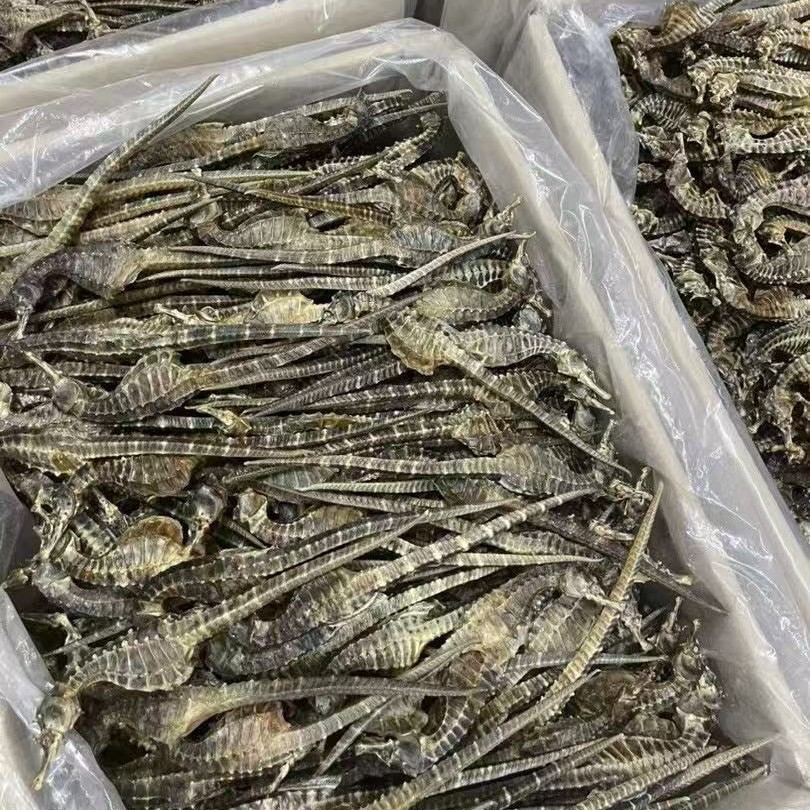
Dried seahorse typically has a firm, leathery texture with a light brown to tan color and a mild marine aroma. When simmered in soup it contributes a subtle savory depth; when soaked in wine it imparts a mild oceanic note. Quality pieces are intact and free of excessive moisture.
Technical Specifications
| Product Type | Dried Marine Herbal Product |
|---|---|
| Chinese Name | 海马 |
| Pinyin | Hai Ma |
| Botanical Name | Hippocampus species |
| Form | Whole dried seahorse |
| Net Weight | 0.5-1 g, 1-2 g, 2-3 g, 4-5 g per piece |
Usage Scenarios
- Long-simmered herbal soup
- Wine soaking for traditional tonic use
- Decoction with other herbs
- Congee or nourishing porridge
Traditional Uses
In TCM theory, Hai Ma is traditionally used to support kidney yang and strengthen the kidney system. It is commonly simmered in soups with herbs such as wolfberry or Chinese yam, or soaked in wine as a warming tonic. Folk practice often pairs male and female seahorses for balance. It is used in small amounts in long-cooked preparations.
FAQ Q&A
Q: What is this product?
A: It is dried whole seahorse, known in TCM as Hai Ma (海马), sold in paired male and female form and available in several weight grades.
Q: What is its traditional value?
A: In TCM theory it is considered sweet and warm, entering the Kidney and Liver channels, and is traditionally associated with supporting kidney yang.
Q: How is it commonly prepared?
A: It is typically simmered in herbal soups or soaked in wine as a traditional tonic. It is used in small amounts in long-cooked preparations.
Additional information
| Weight | N/A |
|---|---|
| Dimensions | N/A |
| Model | 单只约0 5 1克 单只价格, 单只约1 2克 单只价格, 单只约2 3克 单只价格, 单只约3 4克 单只价格, 单只约4 5克 单只价格 |
Related products
-
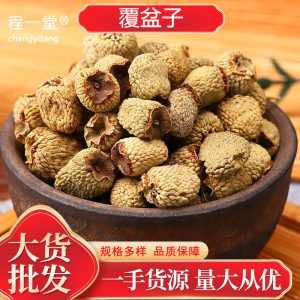
Dried Raspberry Fruit Fu Pen Zi Whole Berries for Herbal Tea and Wine Infusion 500g
Price range: $15.63 through $18.06 -
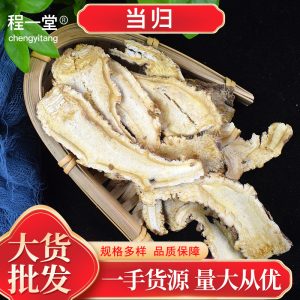
Dried Angelica Sinensis Slices Dang Gui 当归 500g Gansu Raw Herb for Decoction Soup and Tea
Price range: $16.44 through $35.88 -
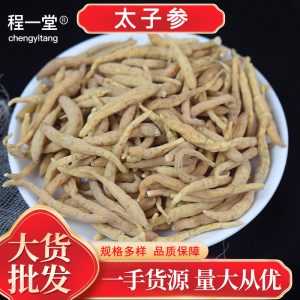
Taizishen Dried Pseudostellaria Root TCM Herbal Tea and Soup Ingredient 500g Bulk Pack
Price range: $10.28 through $15.63 -
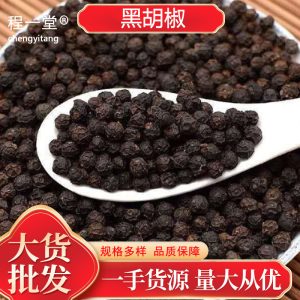
Black Pepper Whole Peppercorns Hu Jiao 500g Bulk Culinary Spice for Cooking and Seasoning
Price range: $8.33 through $9.14
Reviews
There are no reviews yet.