
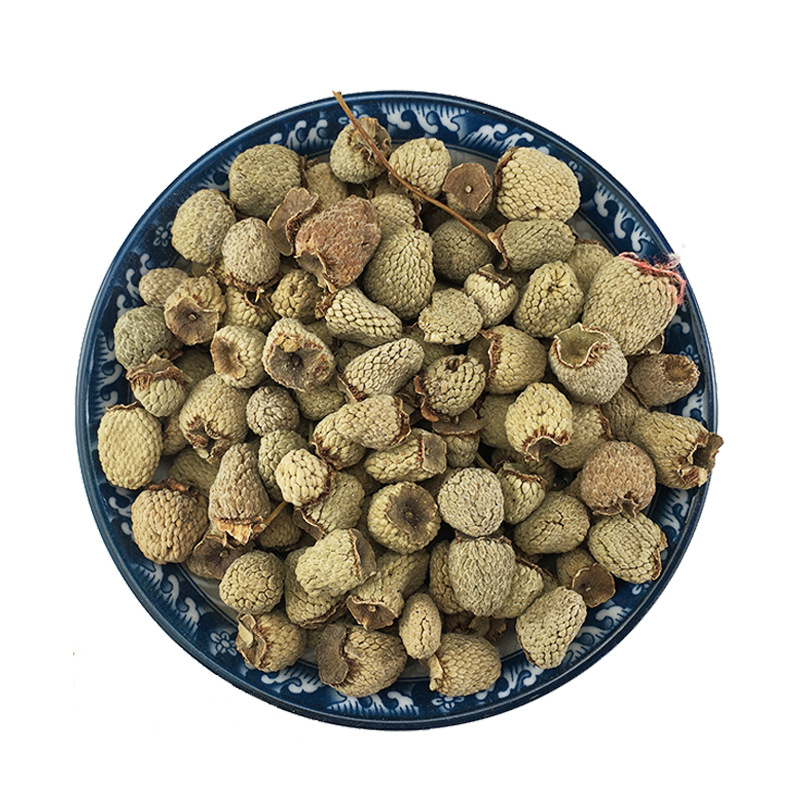
Dried Raspberry Fruit Fu Pen Zi Whole Berries Herbal Tea Ingredient 500g
$24.26
3235 in stock
Description
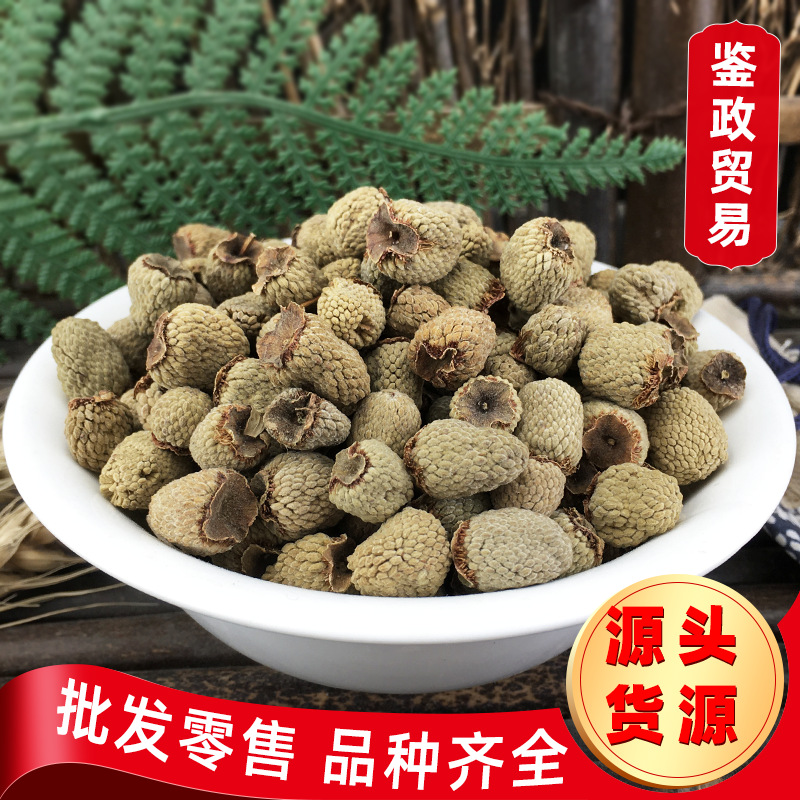
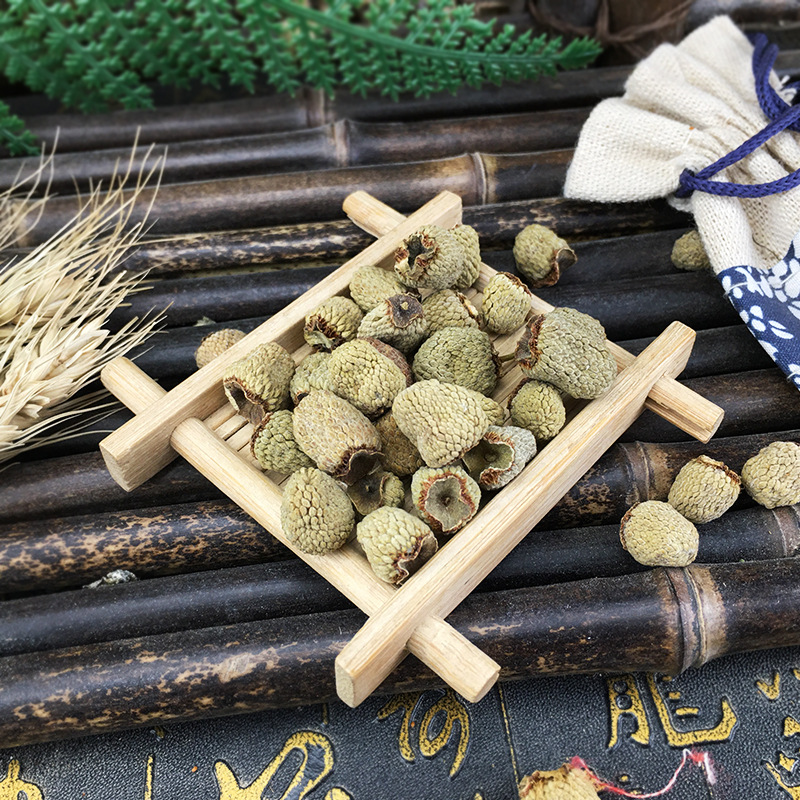
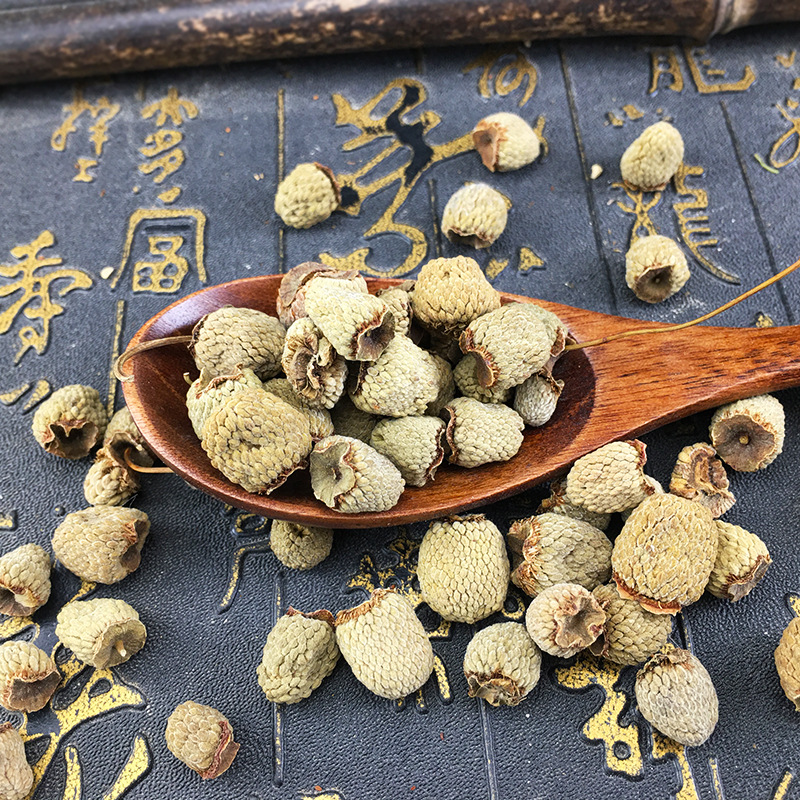
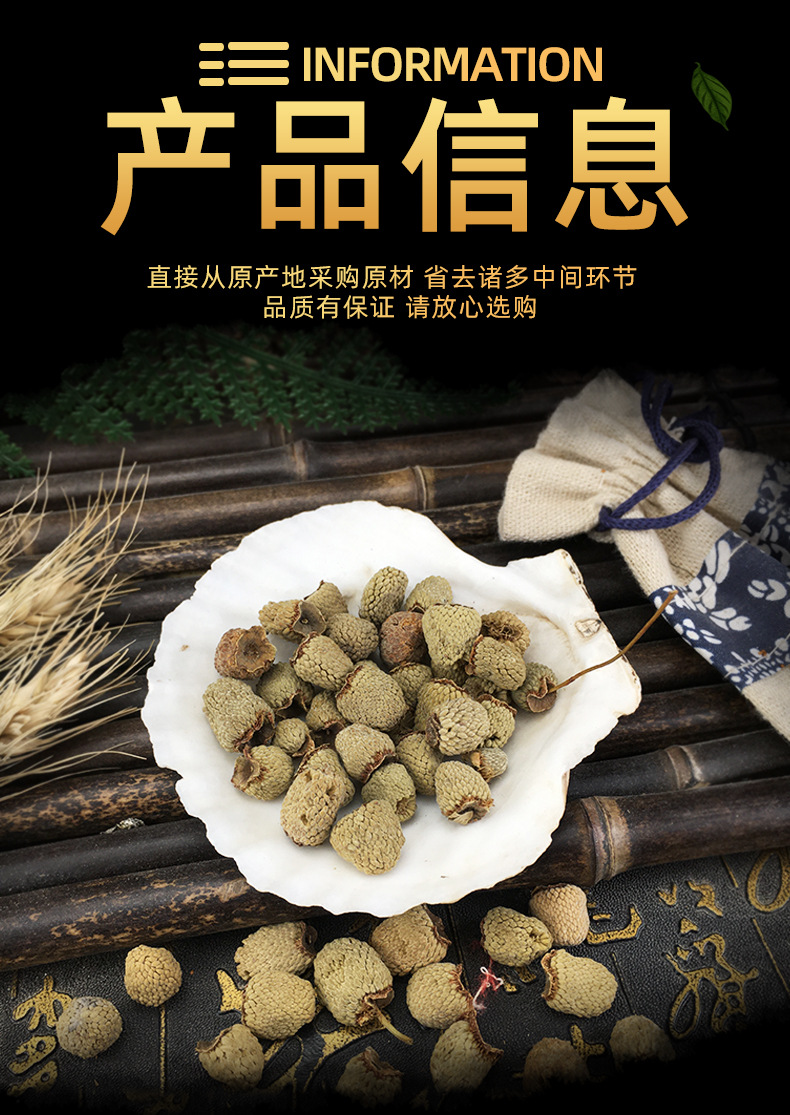
Dried Raspberry Fruit, known in TCM as Fu Pen Zi (覆盆子), from Rubus chingii, consisting of whole dried aggregate fruits. Traditionally valued in Chinese herbal practice, it is considered sweet and slightly warm in nature and traditionally associated with the kidney and bladder channels. Commonly used as a tea ingredient or in herbal decoctions. This is a food-grade dried botanical and not a substitute for medicine.


Key Selling Points
- Whole dried raspberry fruit supplied as clean tea-grade raw material
- Botanical source Rubus chingii with Chinese name Fu Pen Zi 覆盆子
- Sun-dried processing with no added ingredients
- Traditionally used in TCM as a kidney-tonifying style herb
- Suitable for herbal teas, decoctions, and culinary blends
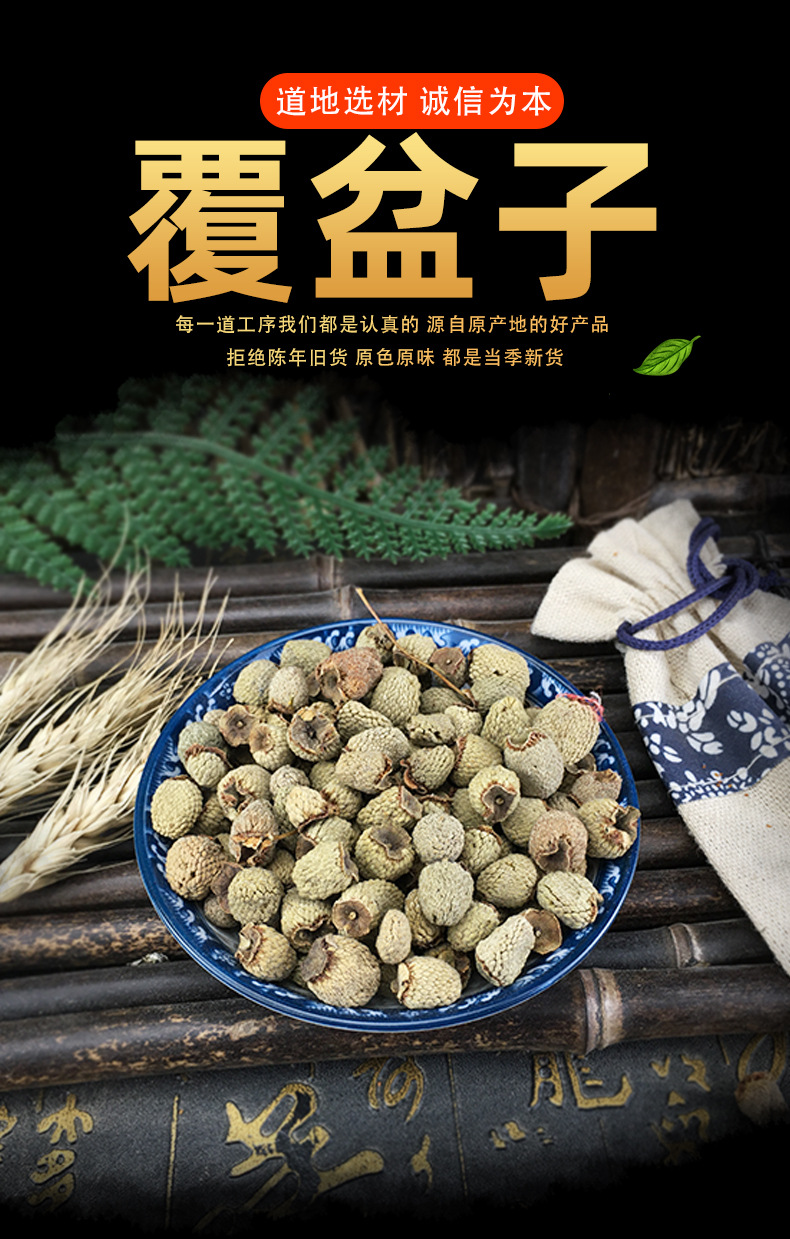
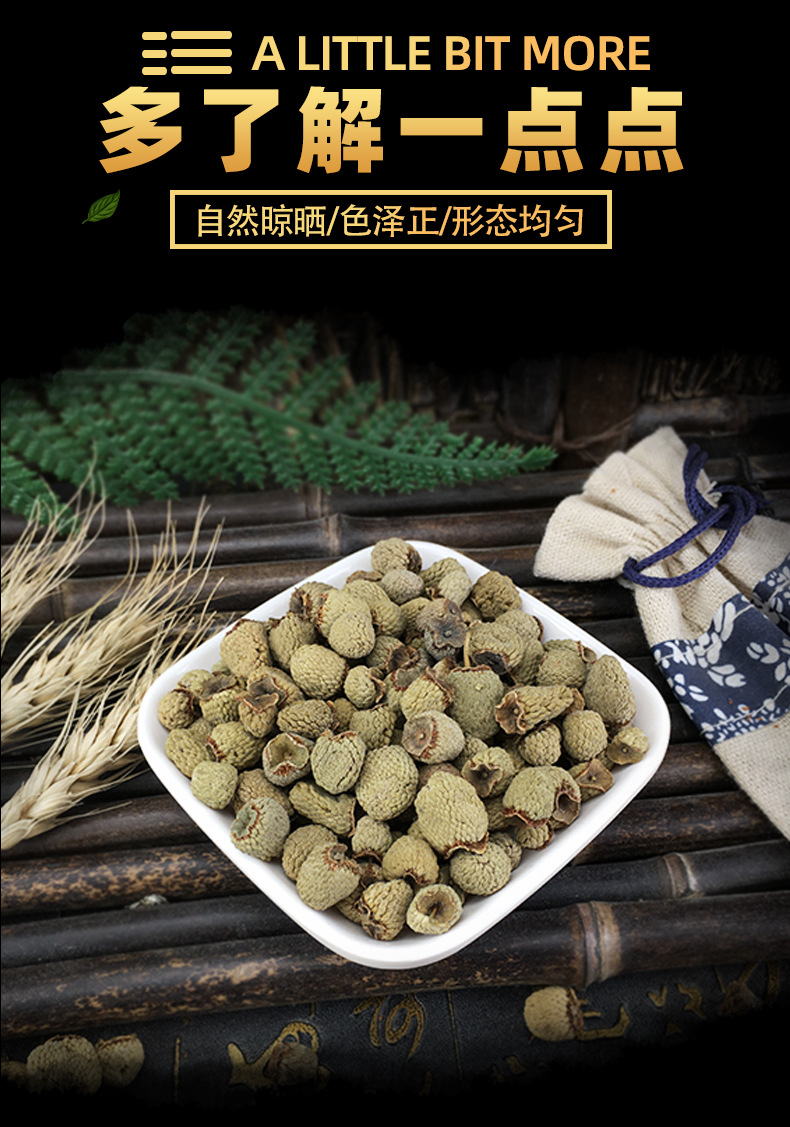
Quality & Sensory
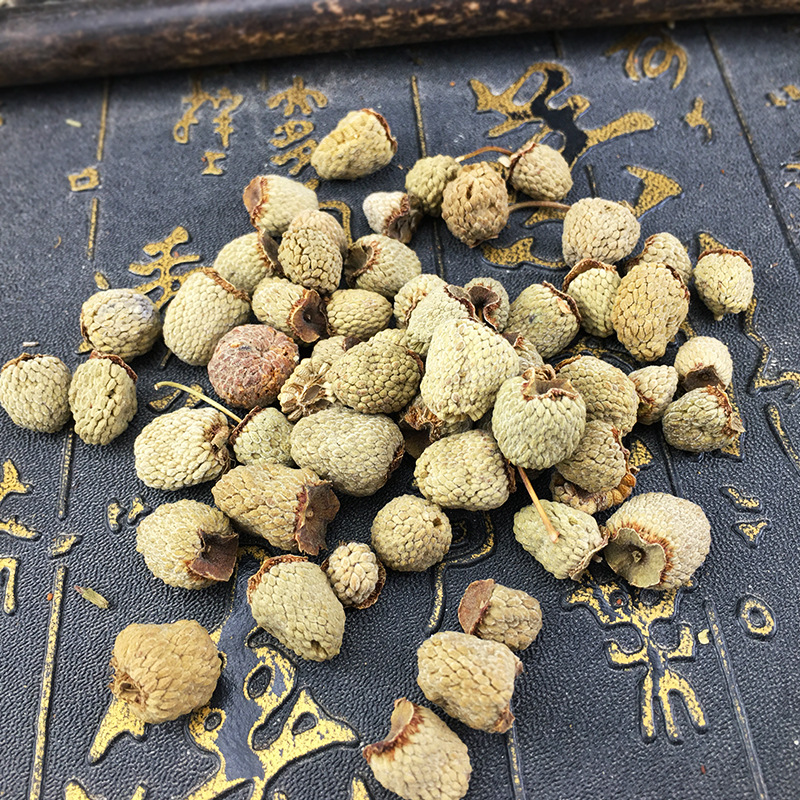
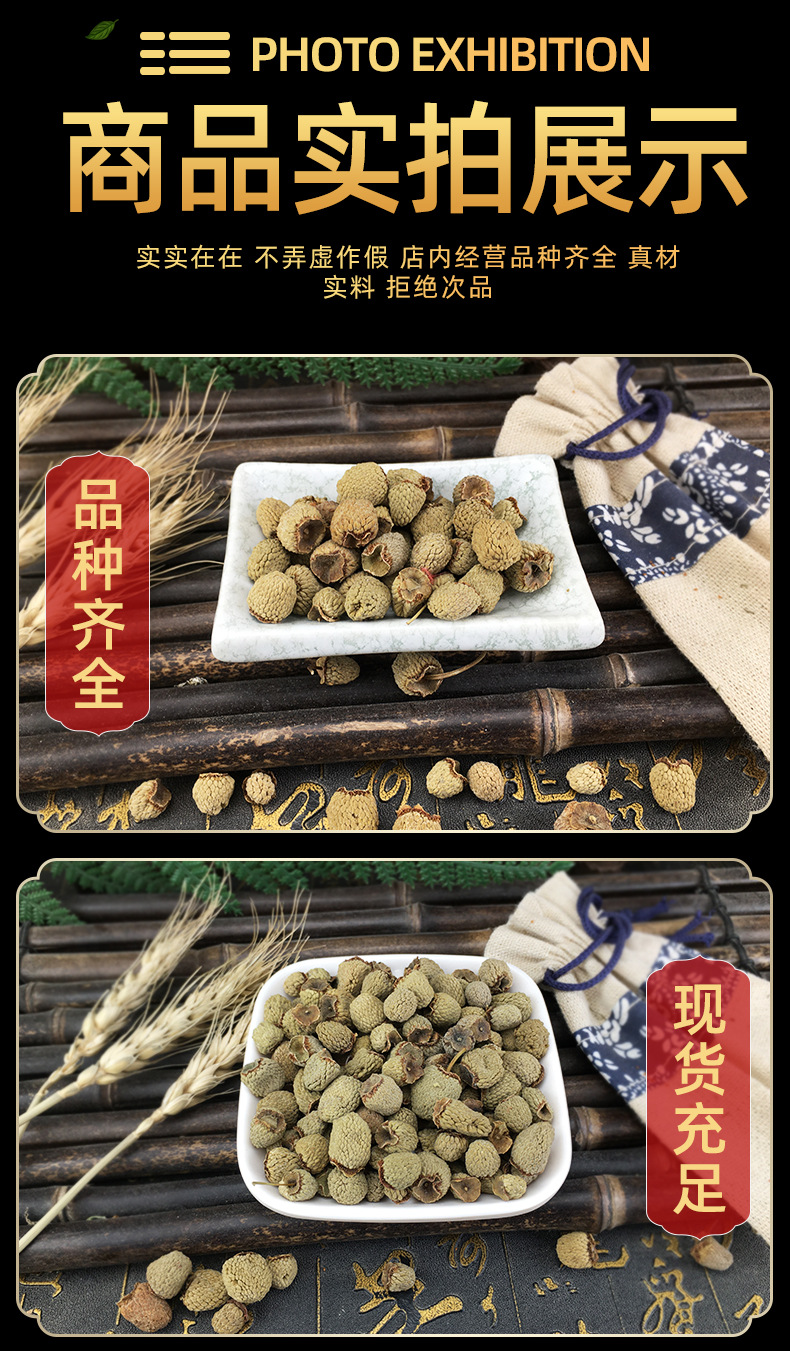
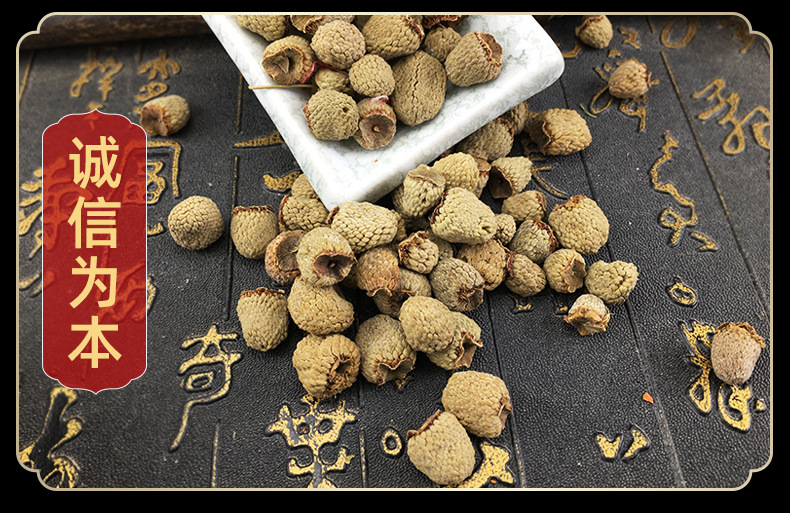
Typically small clustered dried fruits in yellowish-green to golden tones with a slightly bristled surface. The texture is dry and light, with a mild sweet-tart aroma. When brewed, the taste is typically gently sweet with a light fruity tartness.

Technical Specifications
| Product Type | Dried herbal fruit |
|---|---|
| Chinese Name | 覆盆子 |
| Pinyin | Fu Pen Zi |
| Botanical Name | Rubus chingii |
| Plant Part | Dried aggregate fruit |
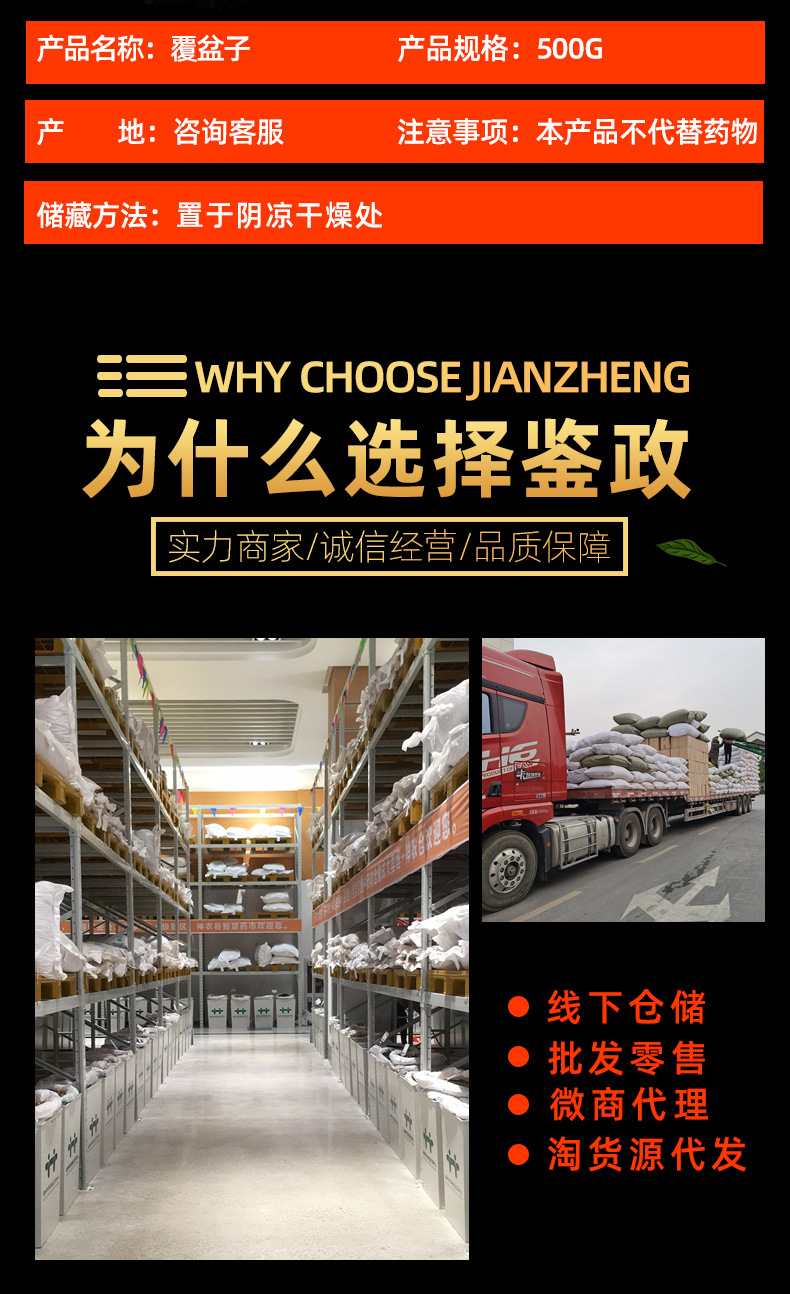
| Net Weight | 500 g |
Usage Scenarios
- Steep as a single-herb herbal tea
- Combine with goji berries or other botanicals in blended teas
- Simmer in herbal decoctions
- Add to congee or culinary recipes
Traditional Uses
In TCM theory, Fu Pen Zi is traditionally associated with consolidating and securing functions, particularly in relation to the kidney channel. It has historically appeared in classical formulas and is commonly paired with herbs such as goji berry and dodder seed. Traditional preparation includes simmering in decoctions or steeping as a daily tea, especially in autumn and winter wellness routines.
FAQ Q&A
Q: What is this product?
A: It is whole dried raspberry fruit, Fu Pen Zi (覆盆子), from Rubus chingii, supplied as a raw herbal tea ingredient.
Q: What is its traditional value?
A: In TCM it is traditionally associated with the kidney and bladder channels and has long been used in classical herbal practice.
Q: How is it commonly used?
A: It is commonly steeped as a tea, simmered in decoctions, or added to congee and culinary blends.
Additional information
| Weight | 0.55 kg |
|---|---|
| Dimensions | 20 × 15 × 8 cm |
Related products
-
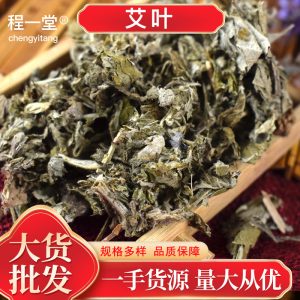
Dried Mugwort Leaf Ai Ye 500g Chinese Herbal Bath Foot Soak and Smoke Cleansing Herb
Price range: $4.77 through $5.25 -
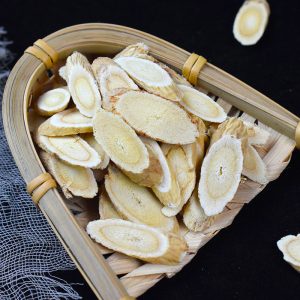
Astragalus Root Slices Huang Qi 500g Dried Herb for Soups and Teas
Price range: $7.36 through $22.11 -
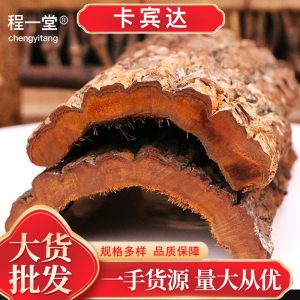
Cabinda Bark Dried Herb 500g Traditional Herbal Infusion Ingredient
Price range: $12.38 through $37.50 -
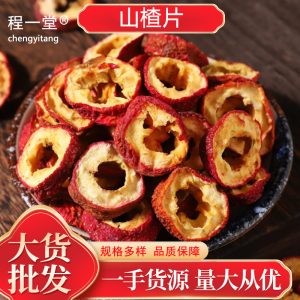
Dried Hawthorn Slices Shan Zha 500g Seedless Hollow Rings Freeze Dried Hawthorn for Tea and Culinary Use
Price range: $4.44 through $7.04
Reviews
There are no reviews yet.