
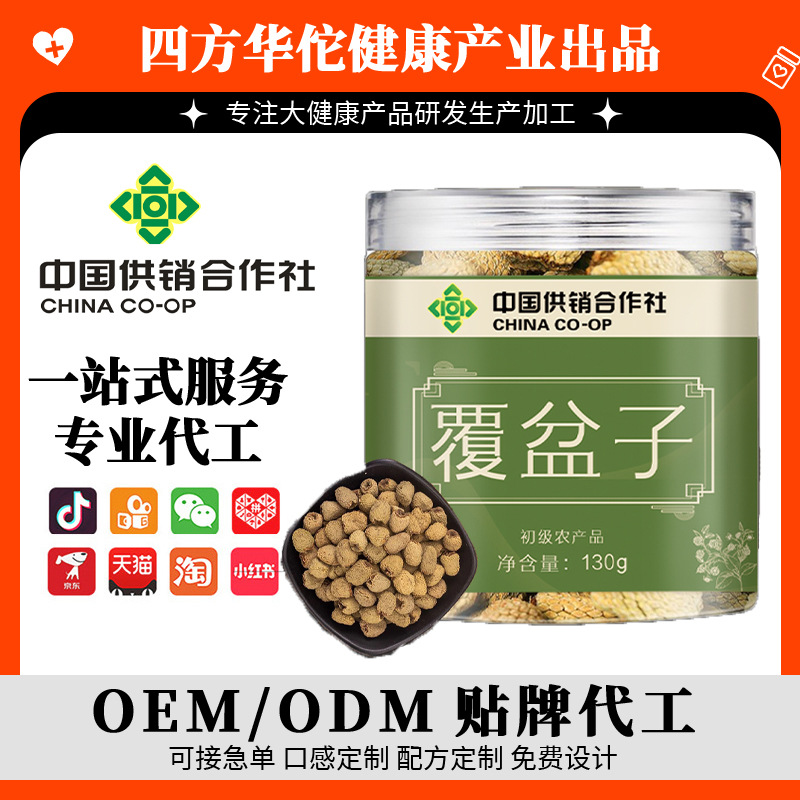

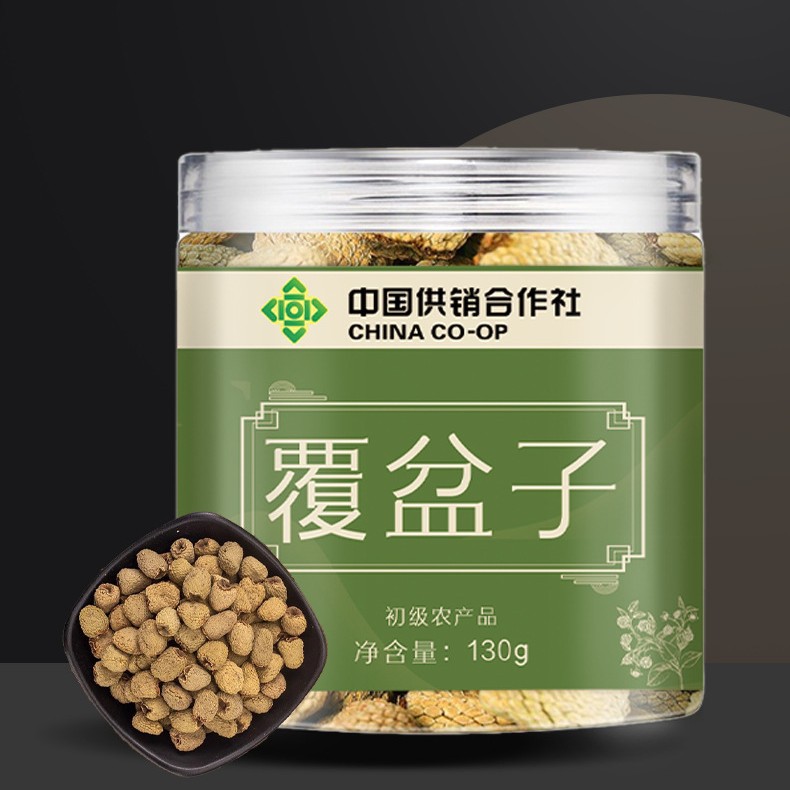
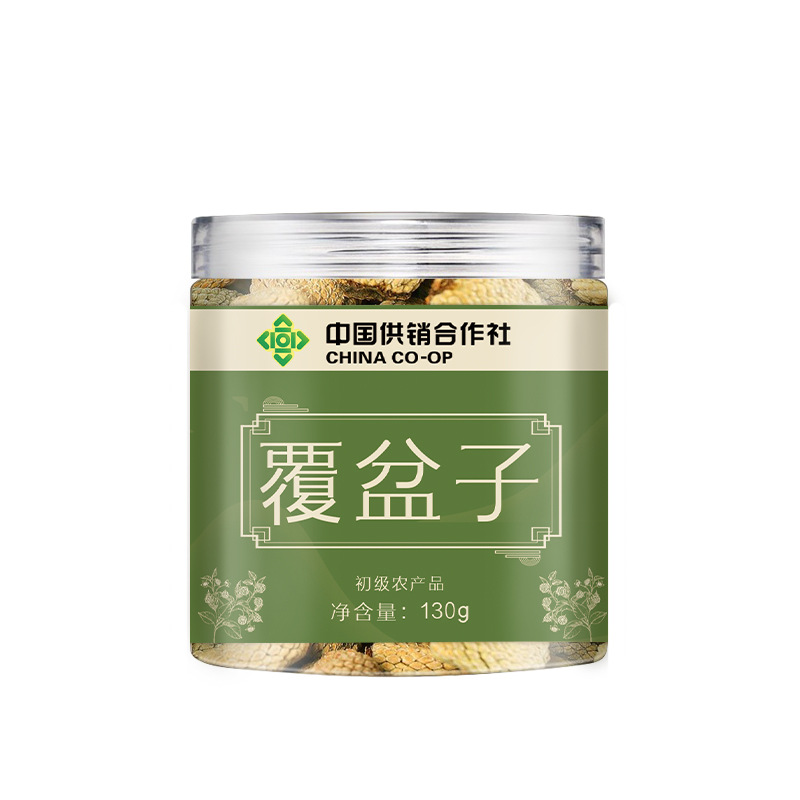
Dried Raspberry Fruit Fu Pen Zi 130g Chinese Herbal Tea Ingredient for Brewing and Soaking
$10.09
888887 in stock
Description
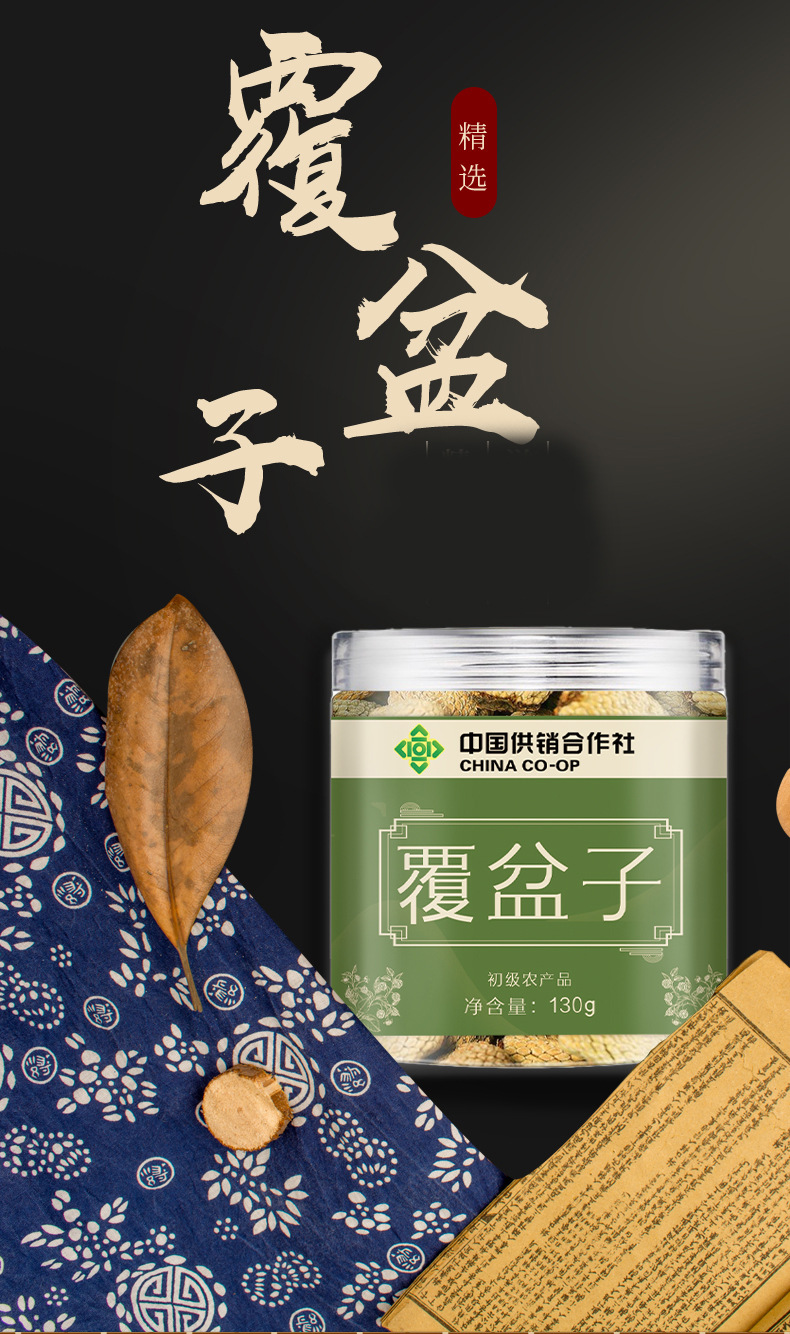
Dried Raspberry Fruit, known in TCM as Fu Pen Zi (覆盆子), from Rubus idaeus, is the dried ripe fruit of the raspberry plant. In TCM theory it is considered sweet and slightly warm, entering the kidney and bladder channels. Traditionally used to support kidney essence and astringent functions. This 130g pack of whole dried fruit is suitable for brewing tea, making decoctions, or infusing in alcohol.
Key Selling Points
- Identified in TCM as Fu Pen Zi (覆盆子), the dried ripe fruit of Rubus idaeus
- Whole dried raspberry fruit, not powdered or processed
- Traditionally associated with kidney and bladder channel support in TCM
- Suitable for tea brewing, decoction, or alcohol infusion
- 130g pack from Anhui province, conventionally dried
Quality & Sensory
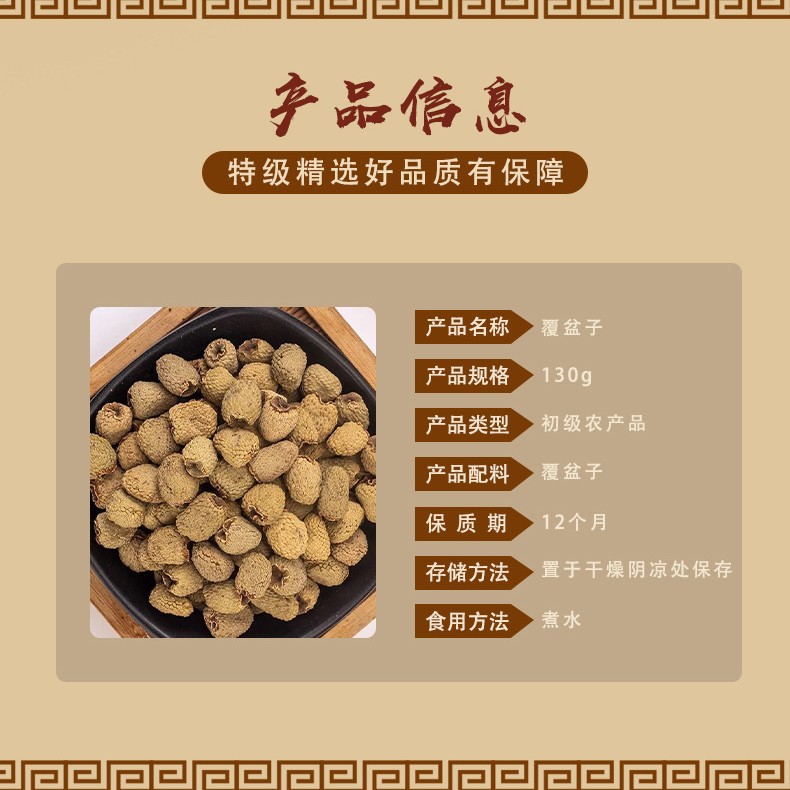
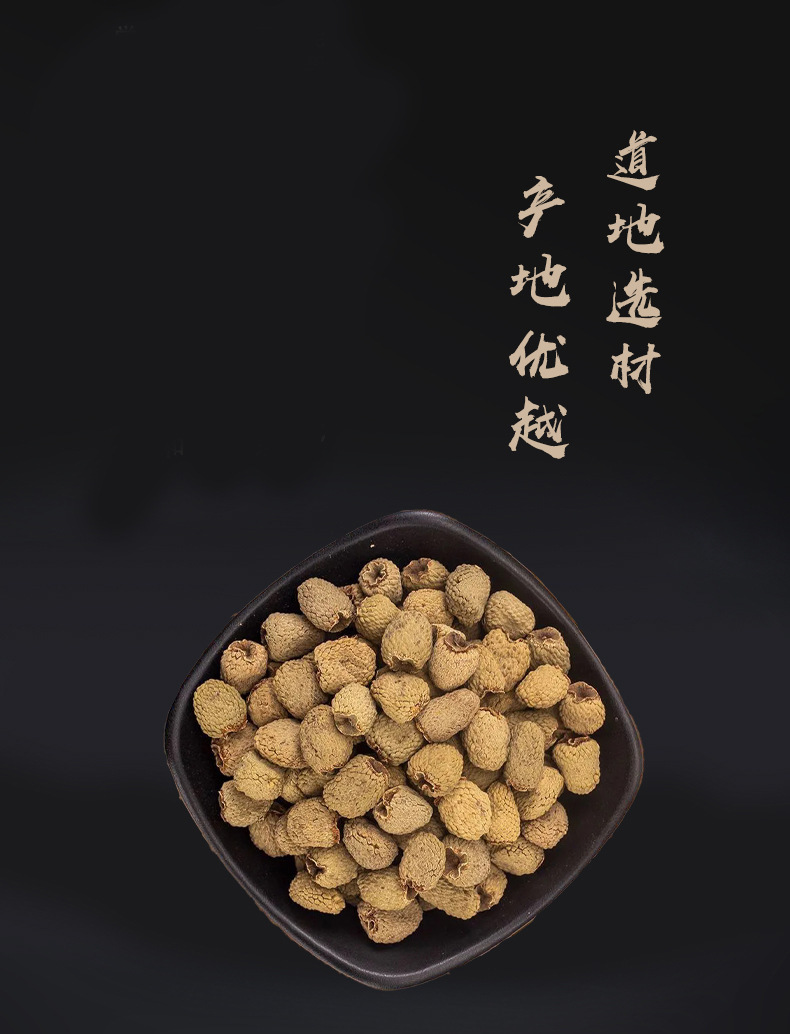
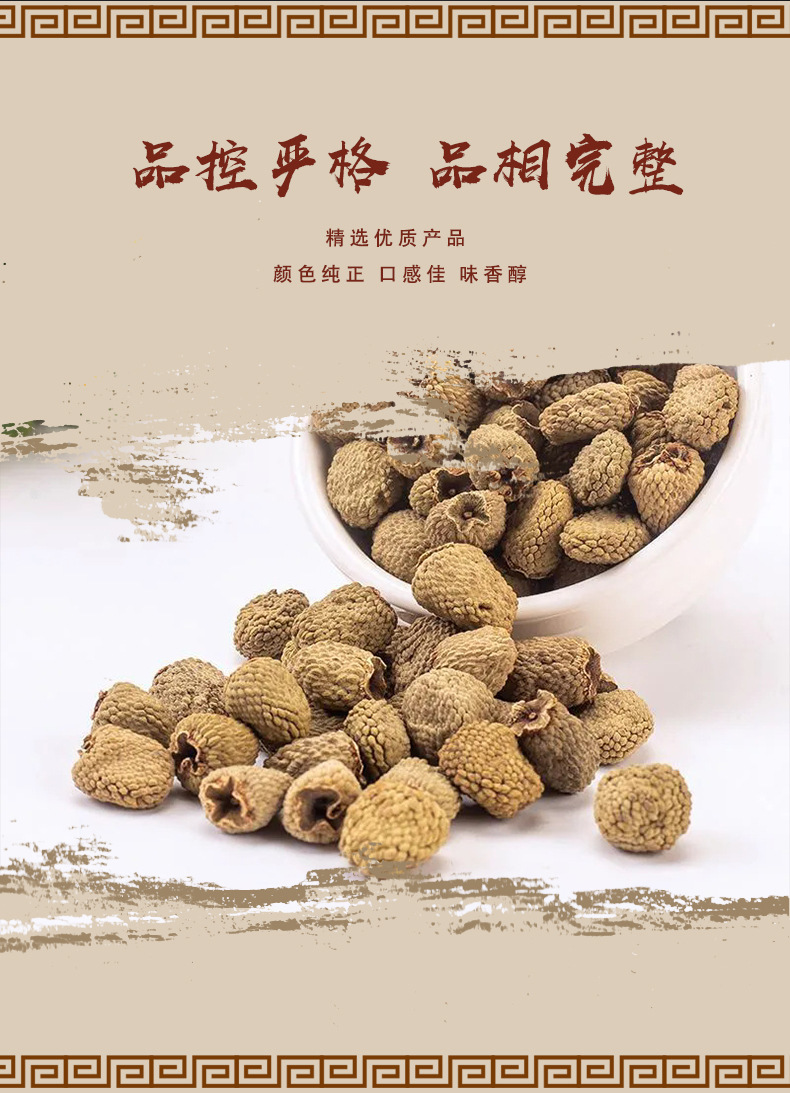
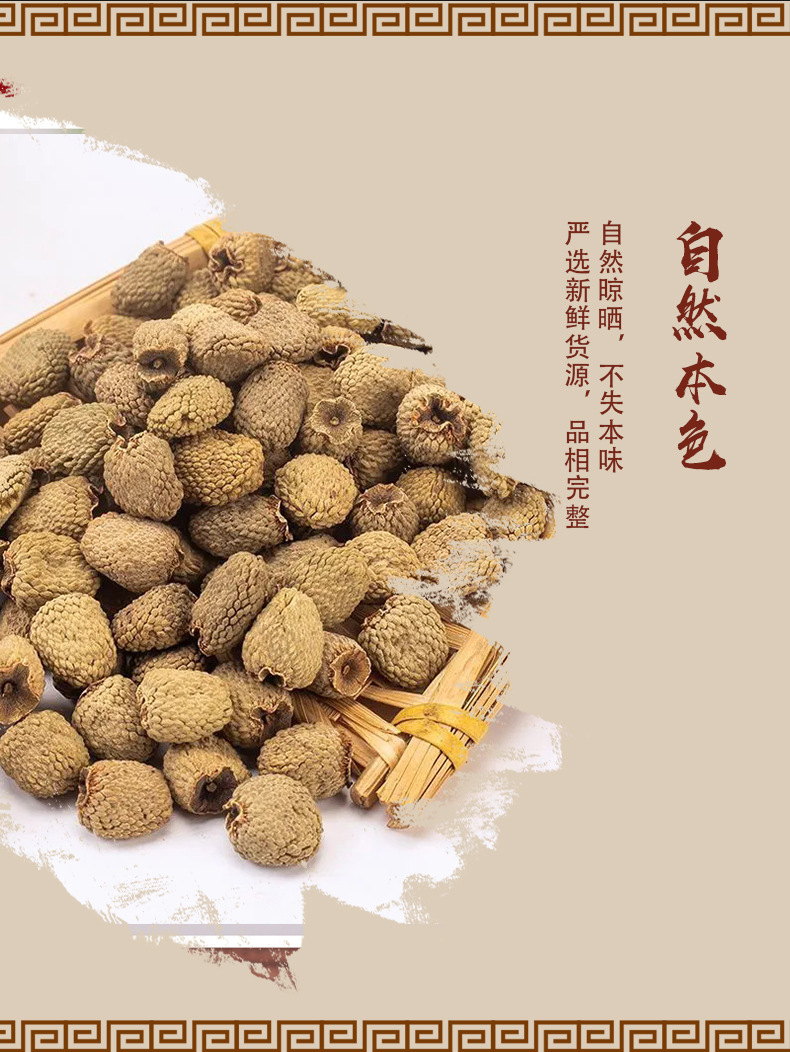
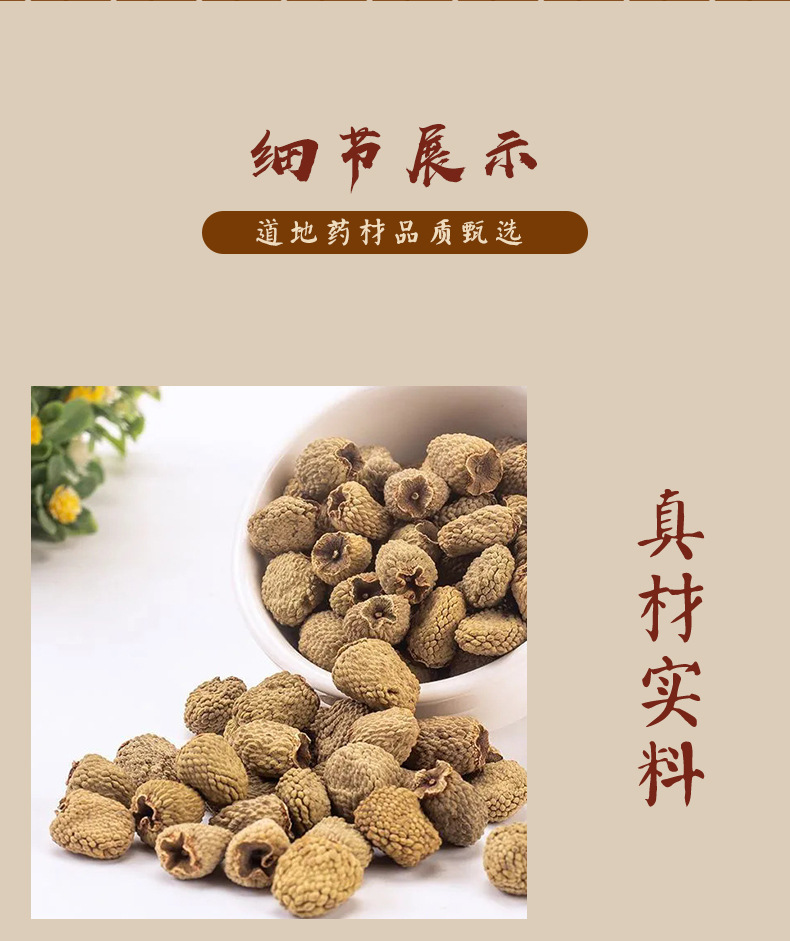
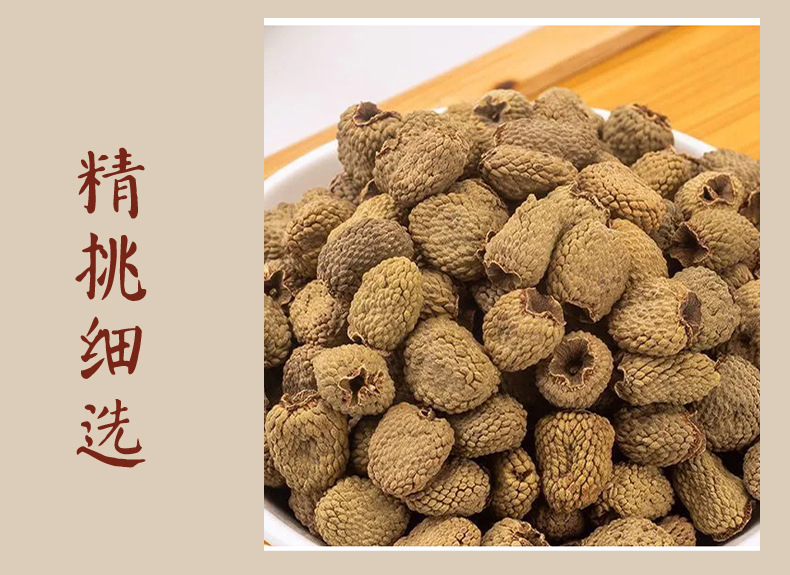
The dried fruit is typically small, round, and reddish-brown to dark purple in color. Texture is somewhat leathery and slightly sticky when rehydrated. Aroma is mild and fruity. When brewed, the liquid is typically light amber with a subtly sweet and tart taste.

Technical Specifications
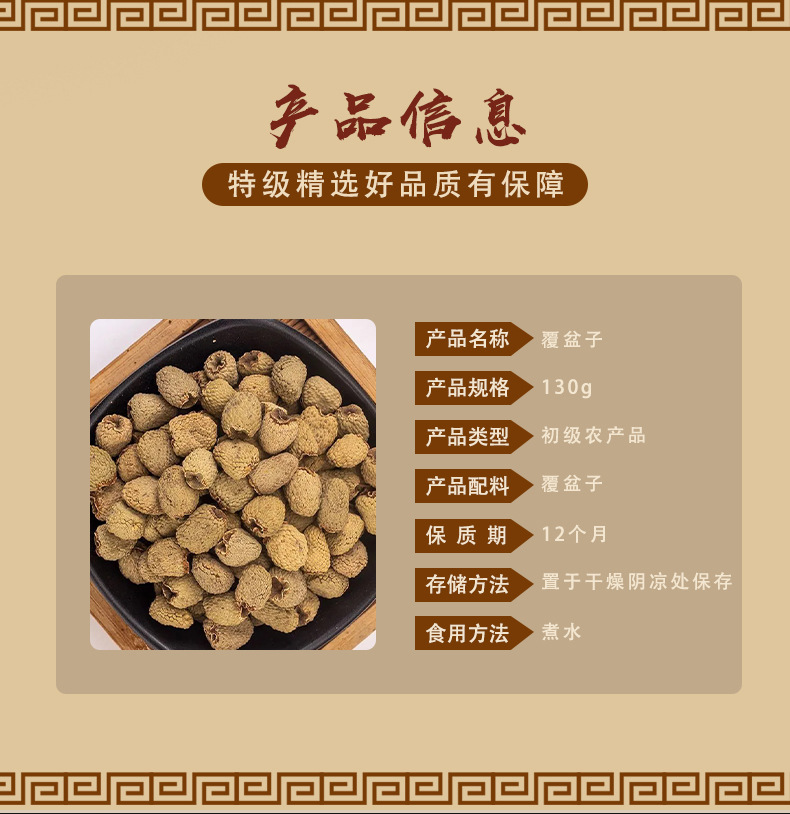
| Product Type | Dried fruit |
|---|---|
| Chinese Name | 覆盆子 |
| Pinyin | Fu Pen Zi |
| Botanical Name | Rubus idaeus |
| Plant Part | Ripe fruit |
| Net Weight | 130g |
Usage Scenarios
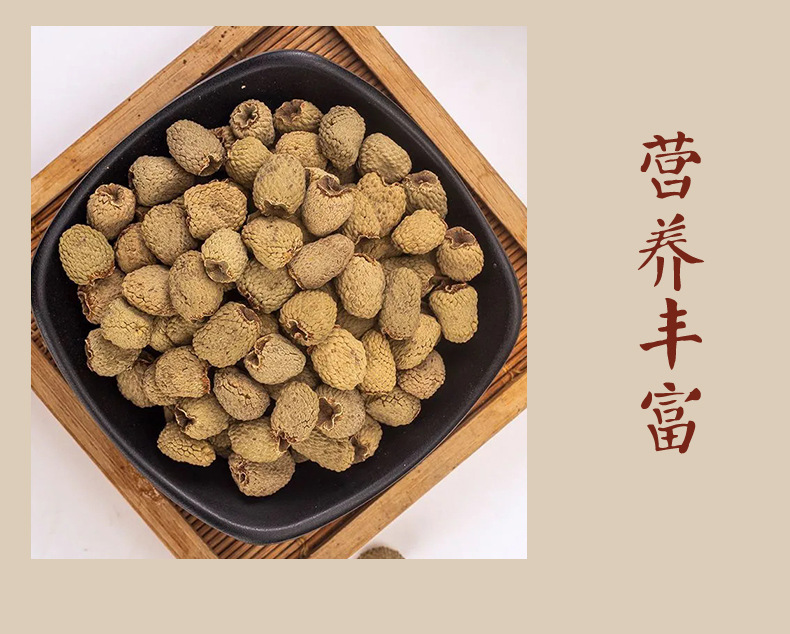
- Brewed as a standalone herbal tea
- Combined with other herbs in a decoction
- Infused in alcohol for traditional soaking preparations
- Added to soups or congee in small amounts
Traditional Uses
In TCM theory, Fu Pen Zi is traditionally used in formulas that support kidney function and astringent balance. It is often paired with herbs such as Gou Qi Zi (goji berry) or Shan Zhu Yu (cornus) in decoctions. Folk practice includes brewing it as a daily tea or infusing it in alcohol for seasonal use. It is also sometimes added to congee or soups.
FAQ Q&A
Q: What is this product?
A: It is dried ripe raspberry fruit, known in TCM as Fu Pen Zi (覆盆子), from Rubus idaeus.
Q: What is its traditional value?
A: In TCM theory it is considered sweet and slightly warm, entering the kidney and bladder channels, and is traditionally associated with supporting kidney essence and astringent functions.
Q: How is it commonly prepared?
A: It is commonly brewed as a tea, added to decoctions, or infused in alcohol. It can also be added in small amounts to soups or congee.
Additional information
| Weight | 0.3 kg |
|---|---|
| Dimensions | 15 × 10 × 10 cm |
Related products
-
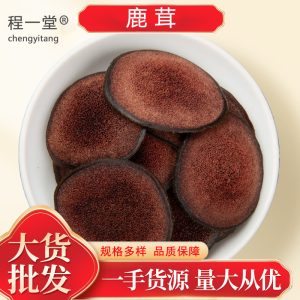
Deer Antler Slices Lu Rong 鹿茸片 Dried Slices for Wine Infusion and Soup 100g Wax Slices Pack
Price range: $68.29 through $92.59 -

Cabinda Bark Dried Herb 500g Traditional Herbal Infusion Ingredient
Price range: $12.38 through $37.50 -
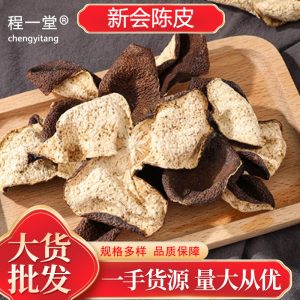
Xinhui Chenpi Dried Tangerine Peel 500g Sun Dried Aged Peel for Soup and Tea
Price range: $60.19 through $116.90 -
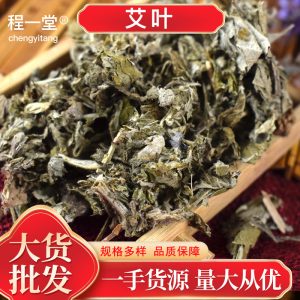
Dried Mugwort Leaf Ai Ye 500g Chinese Herbal Bath Foot Soak and Smoke Cleansing Herb
Price range: $4.77 through $5.25
Reviews
There are no reviews yet.