
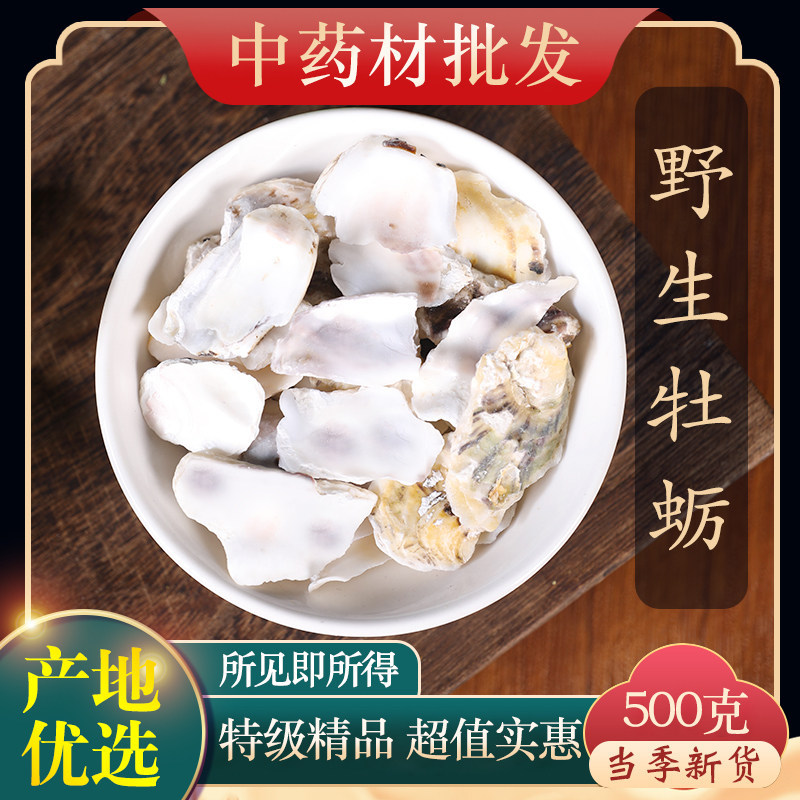
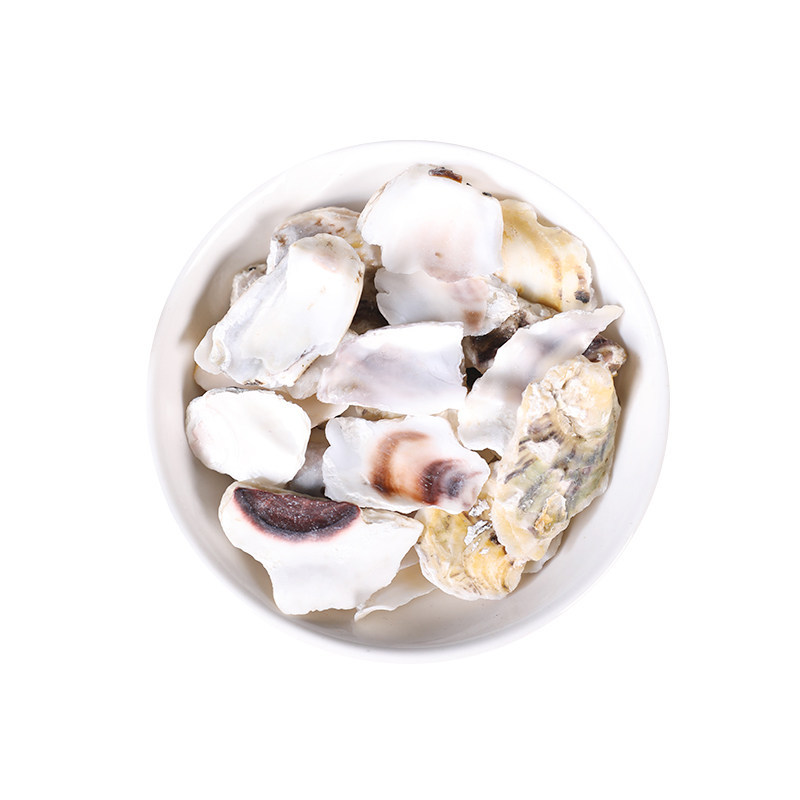
Dried Oyster Shell Mu Li 牡蛎 500g Traditional TCM Herb Calcined and Raw Shell Pieces
Price range: $6.71 through $6.92
Description
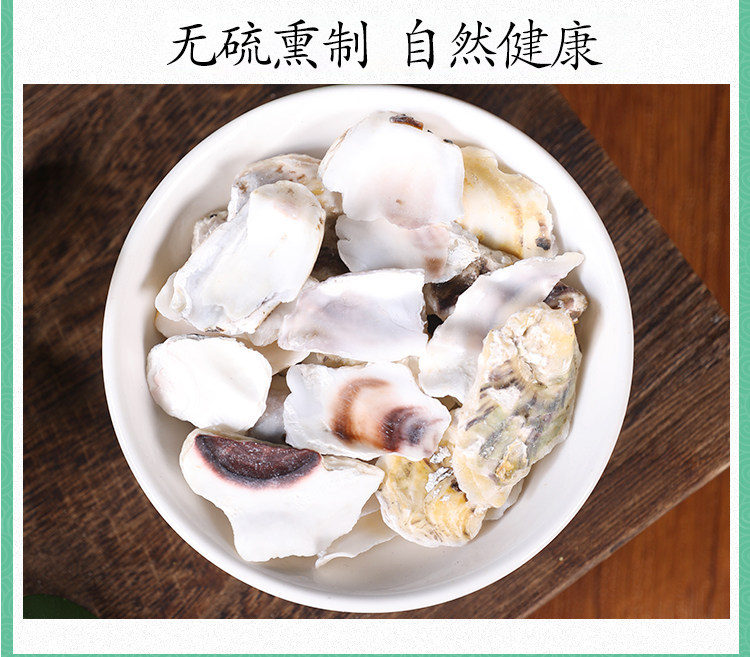
Dried Oyster Shell, known in TCM as Mu Li (牡蛎), is the processed shell of Ostrea species, supplied as raw and calcined shell pieces. In TCM theory it is salty and cool in nature and traditionally associated with the liver and kidney channels. Traditionally used in decoctions and herbal formulas, it is valued in classical practice for shell-based mineral therapy. Store sealed in a cool dry place.
Key Selling Points
- Authentic Mu Li oyster shell pieces prepared for traditional Chinese herbal use
- Botanical source is Ostrea species, a classic mineral shell material in TCM
- Supplied in both raw and calcined forms following traditional processing methods
- Shandong origin with traditional drying and calcining craft
- Suitable for decoctions, herbal formulas, and external traditional applications
Quality & Sensory
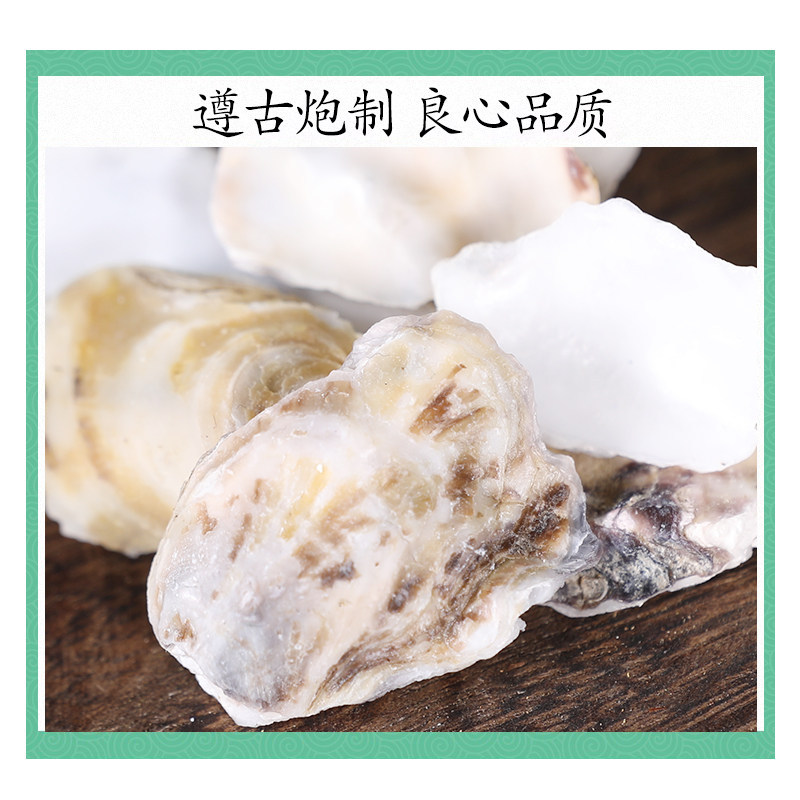
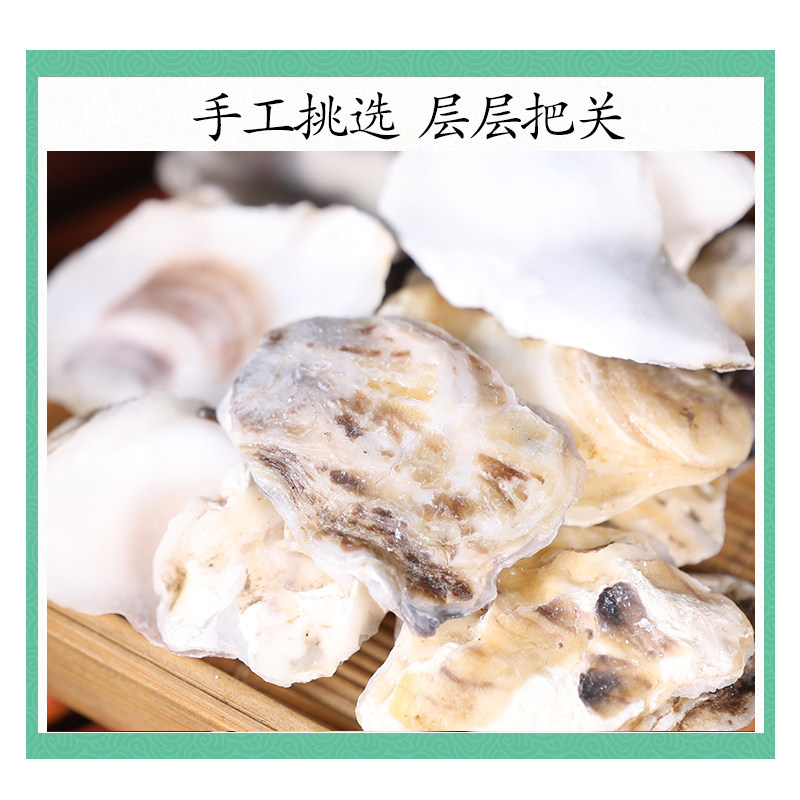
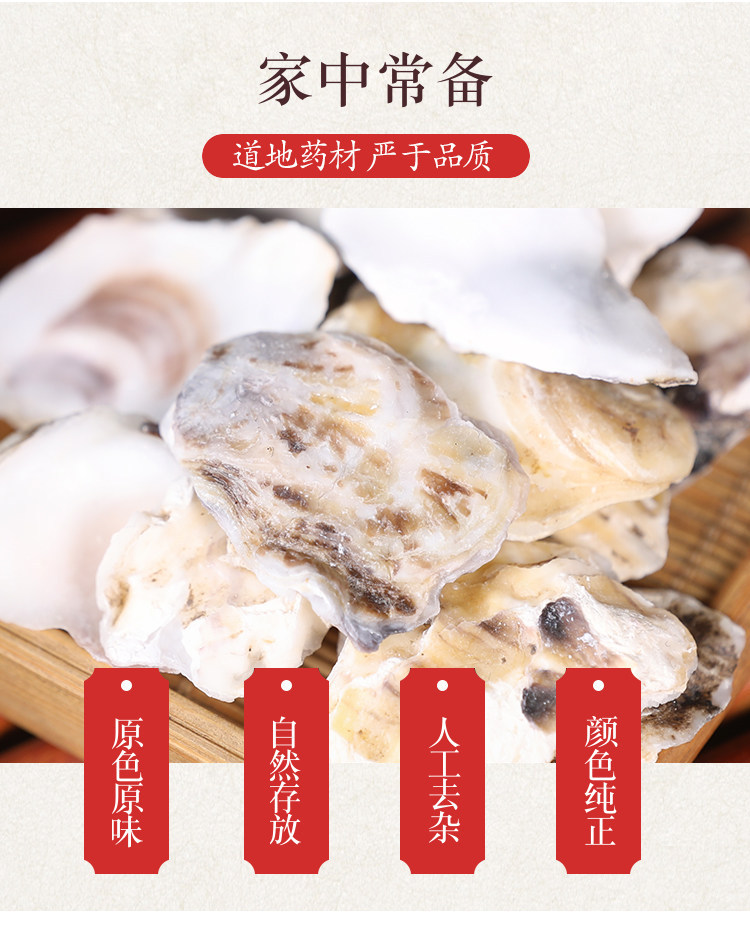
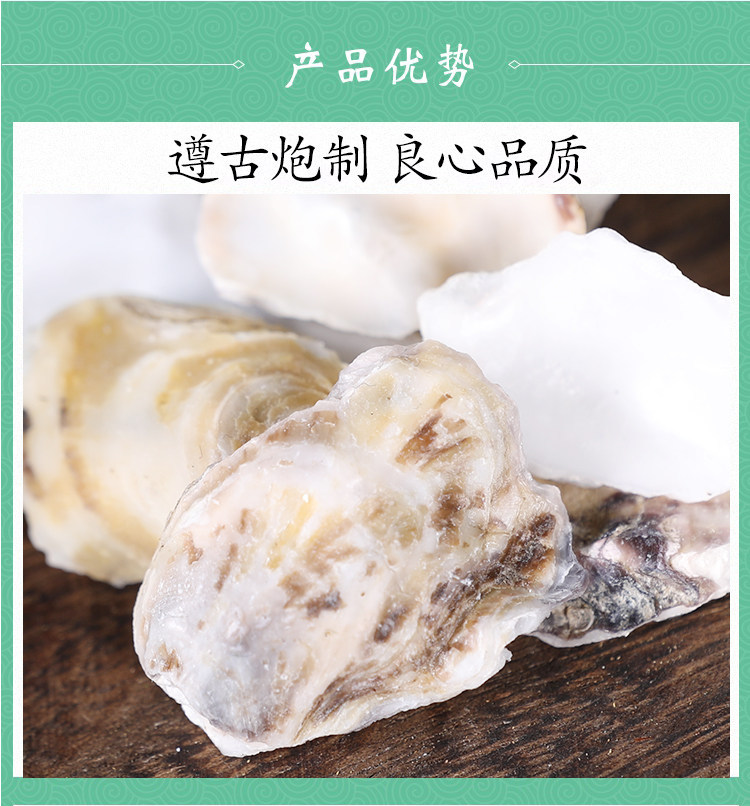
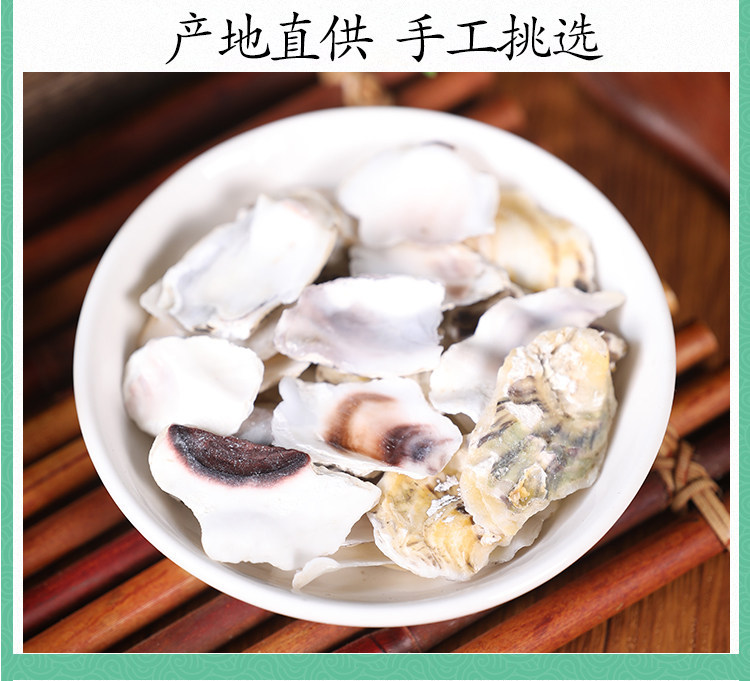
Typically grayish-white to off-white in color, with raw pieces showing a harder, denser texture and calcined pieces appearing lighter and more brittle. The shell has little to no aroma, and when decocted it typically yields a mild, mineral-like taste.
Technical Specifications
| Product Type | Dried oyster shell TCM herb |
|---|---|
| Chinese Name | 牡蛎 |
| Pinyin | Mu Li |
| Botanical Name | Ostrea spp. |
| Plant Part | Shell |
| Form | Raw and calcined shell pieces |
Usage Scenarios
- Simmer in herbal decoctions following traditional formulas
- Combine with other TCM herbs in prescribed shell-based preparations
- Use in traditional external applications such as washes or powders
- Incorporate into seasonal herbal routines under practitioner guidance
Traditional Uses
In TCM practice, Mu Li is traditionally used in decoctions, often decocted first for longer simmering, and commonly paired with herbs such as Long Gu (dragon bone) in classical formulas. Calcined Mu Li is traditionally associated with astringing and absorbing functions, while raw Mu Li is traditionally associated with calming and softening hardness. It has long been used in folk herbalism for shell-based mineral therapy.
FAQ Q&A
Q: What is this product?
A: This is dried oyster shell, known in TCM as Mu Li (牡蛎), supplied as raw and calcined shell pieces for traditional herbal use.
Q: What is its traditional value?
A: In TCM theory, Mu Li is salty and cool and traditionally associated with the liver and kidney channels. It has long been used in classical shell-based mineral formulas.
Q: How is it commonly prepared?
A: It is typically simmered in decoctions, often added early for longer cooking, or ground for traditional external applications.
Additional information
| Weight | N/A |
|---|---|
| Dimensions | N/A |
| Packaging specifications | 500 grams of wild oysters selected from shandong, 500 grams of wild oysters processed using ancient shandong method |
Related products
-
Yi Zhi Ren Dried Alpinia Oxyphylla Fruit 500g Traditional Herbal Tea and Decoction Ingredient
Price range: $11.74 through $13.36 -
Fritillaria Bulb Chuan Bei Mu Dried Chinese Herbal Bulbs for Decoction and Traditional Use 500g
Price range: $18.06 through $94.21 -
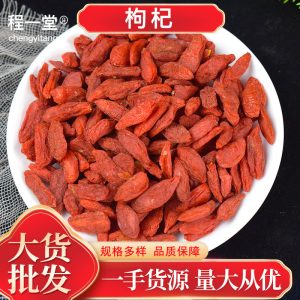
Ningxia Goji Berries Gou Qi Zi 500g Dried Red Wolfberry for Tea Soup and Snacking
Price range: $7.20 through $16.44 -
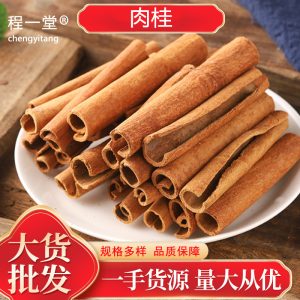
Dried Cinnamon Bark Rou Gui 500g Whole Peeling Culinary Spice and Traditional Herbal Ingredient
Price range: $5.58 through $8.33
Reviews
There are no reviews yet.