
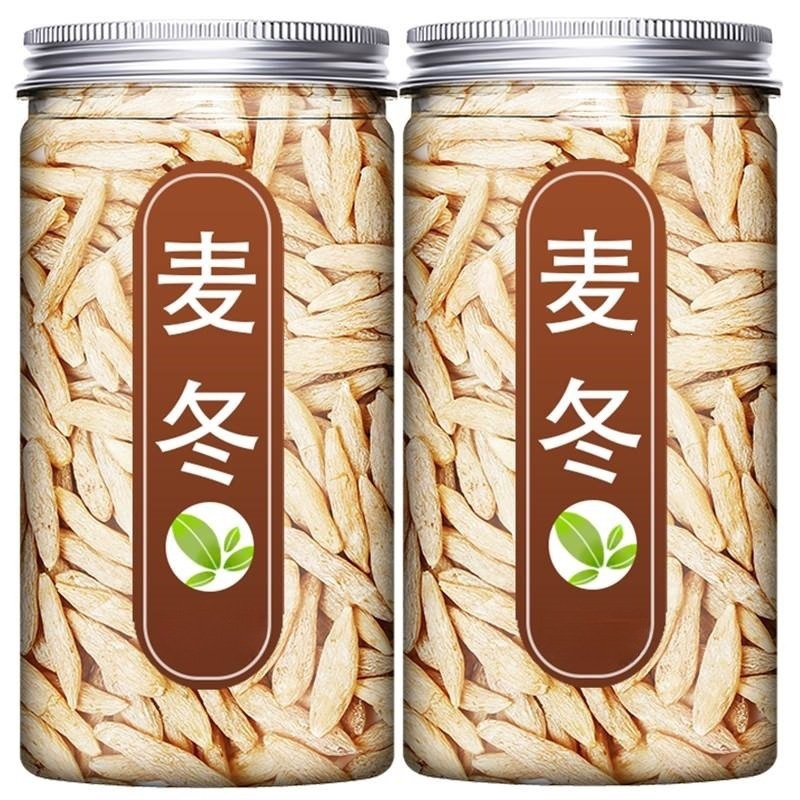
Dried Ophiopogon Root Mai Dong for Long-Simmered Soups and Herbal Congee
Description
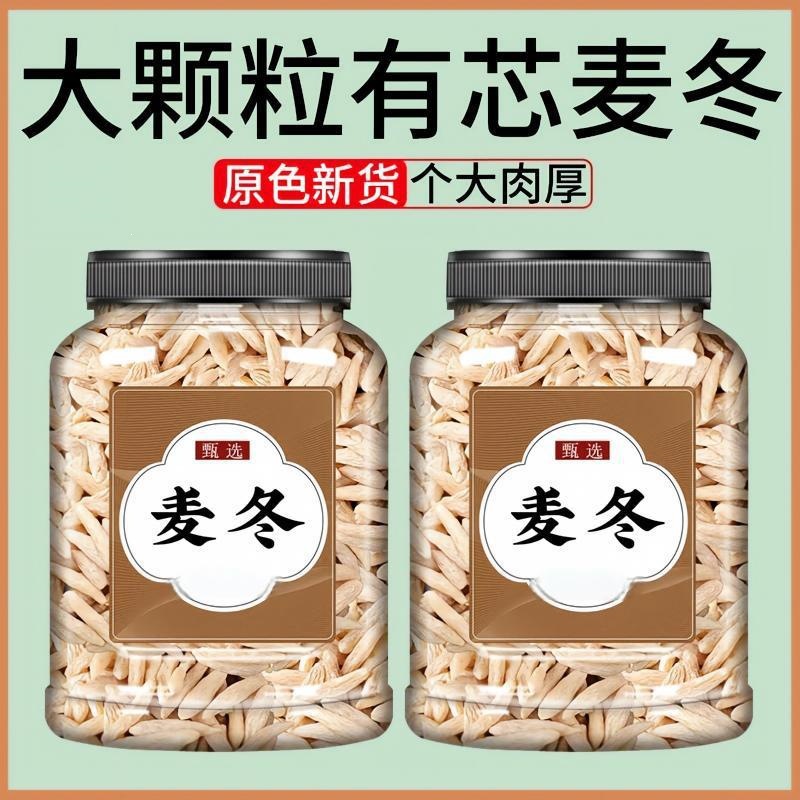
Dried Ophiopogon Root, known in TCM as Mai Dong (麦冬), from Ophiopogon japonicus, is the tuberous root of a traditional Chinese herb. In TCM theory it is sweet and slightly bitter with a slightly cold nature, entering the Heart, Lung, and Stomach channels. Traditionally used to nourish yin and support body fluids, it is a common ingredient in long-simmered soups, congee, and daily decoctions. This pre-packaged raw herb is intended for cooking and home preparation.
Key Selling Points
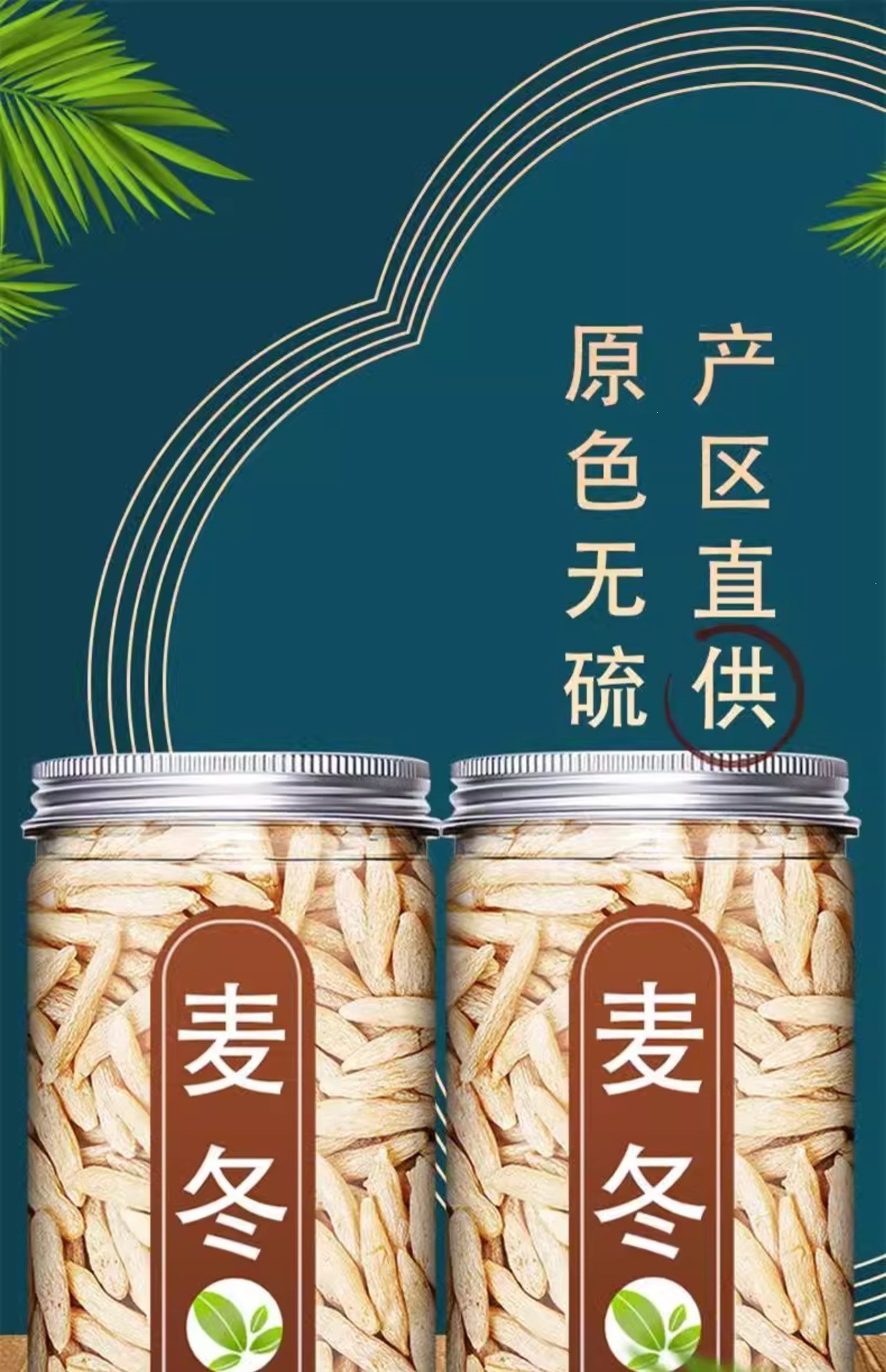
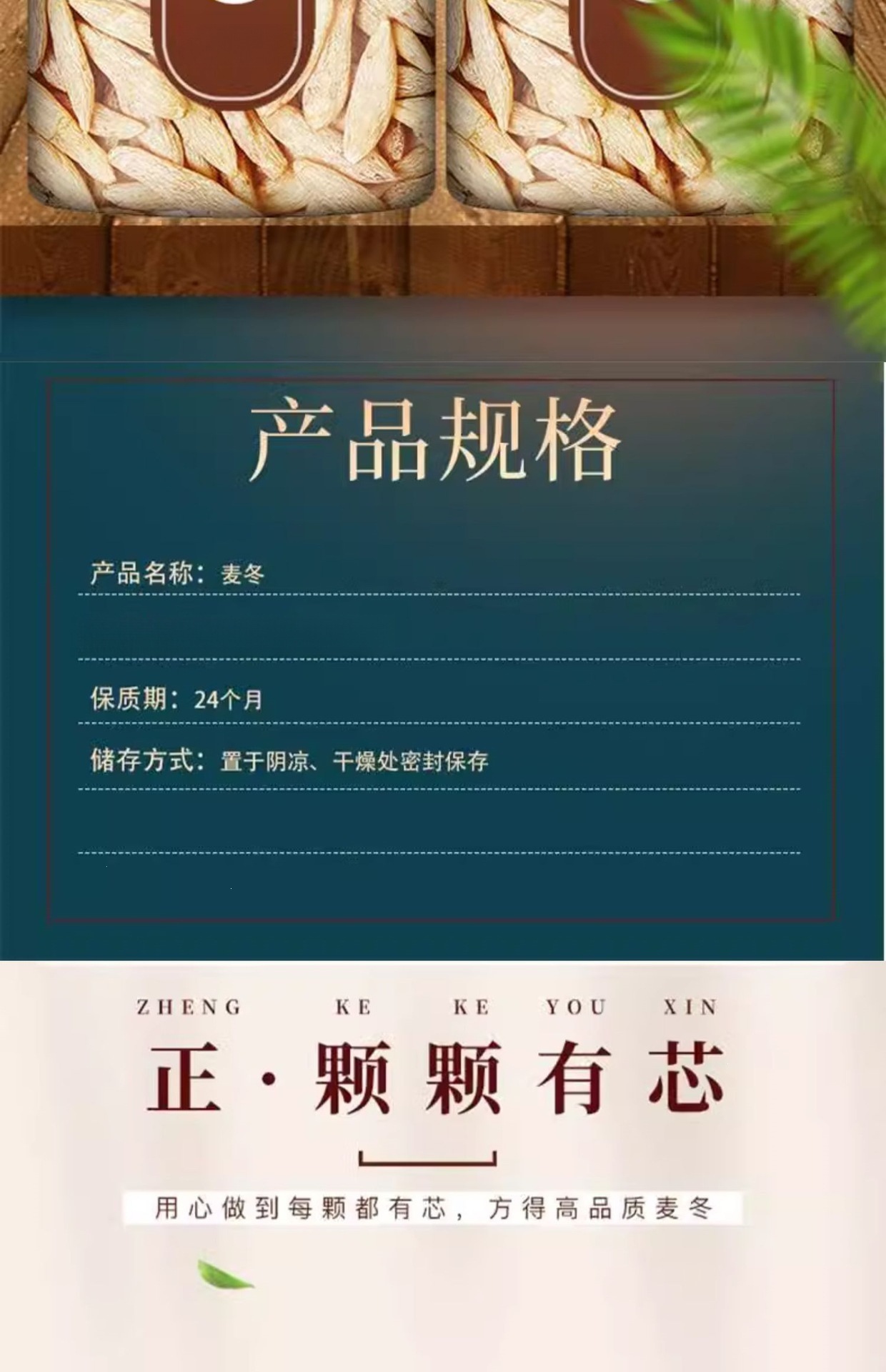
- Identified as Mai Dong (麦冬), the tuberous root of Ophiopogon japonicus
- Raw whole-root form suited to long simmering and decoction
- Traditionally used in TCM to nourish yin and support fluids
- Pre-packaged for convenient home storage and portioning
- Commonly paired with Huang Qi and Dang Shen in soup packs
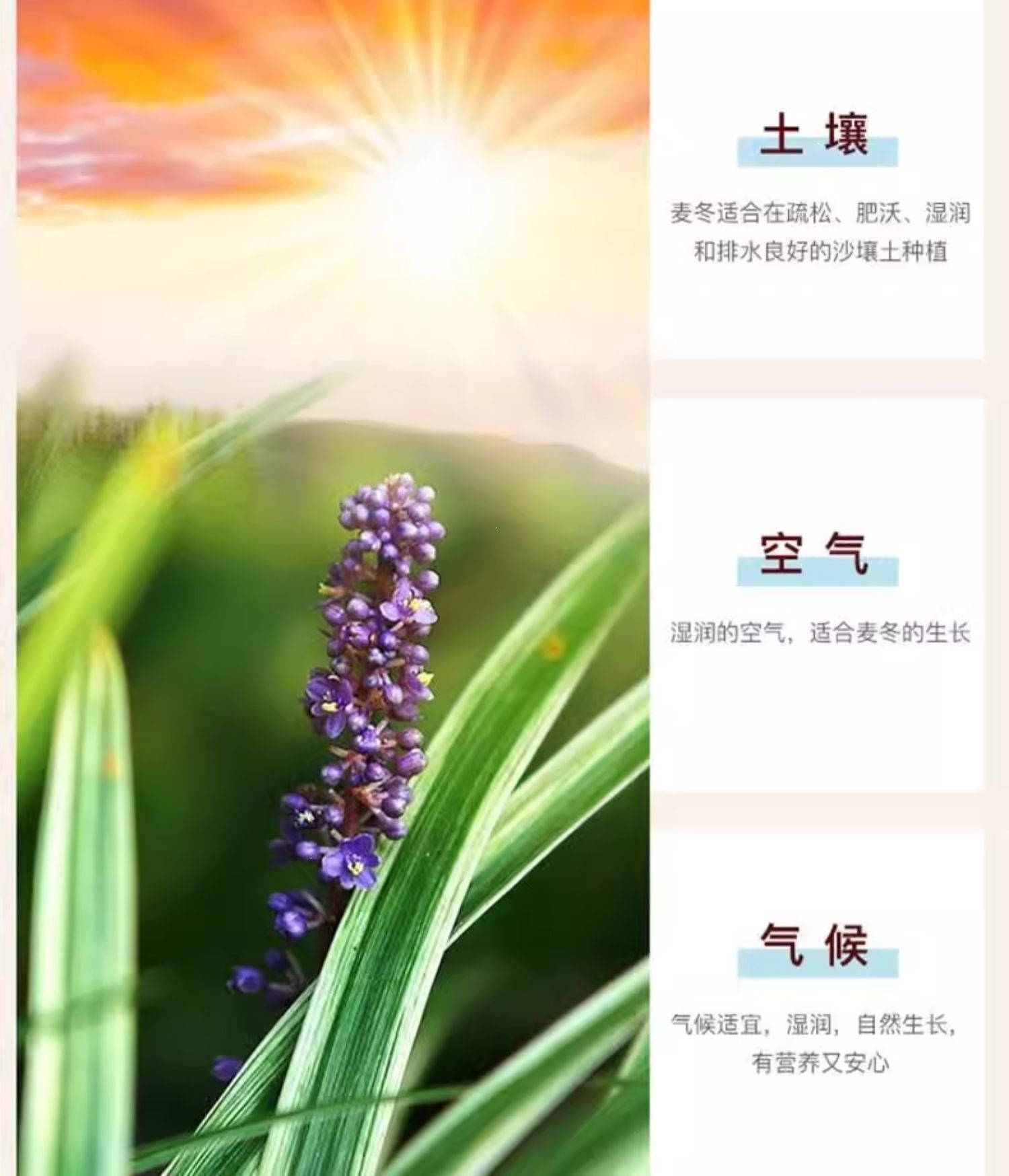
Quality & Sensory
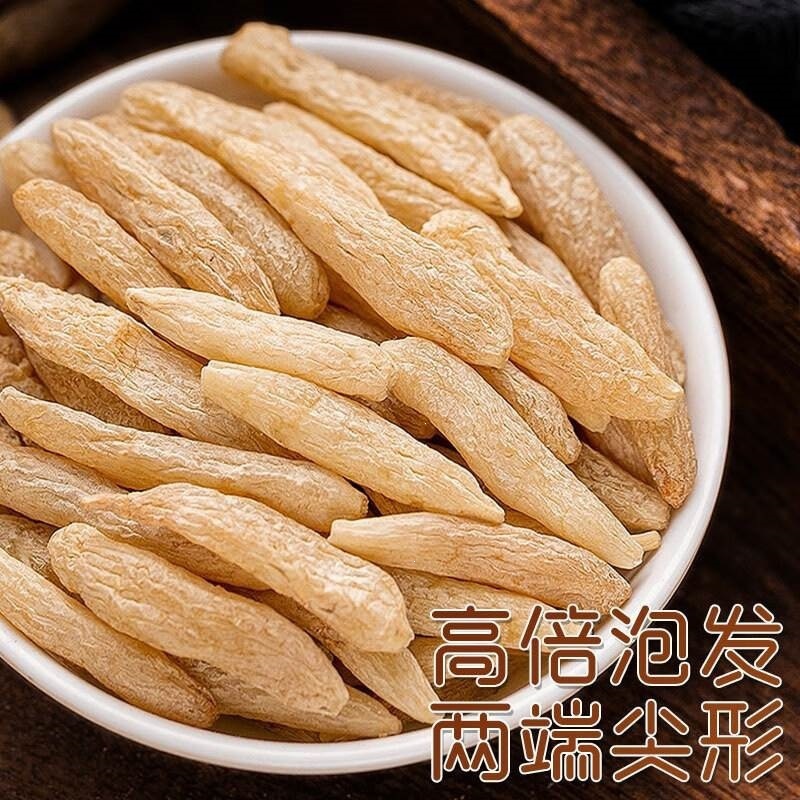
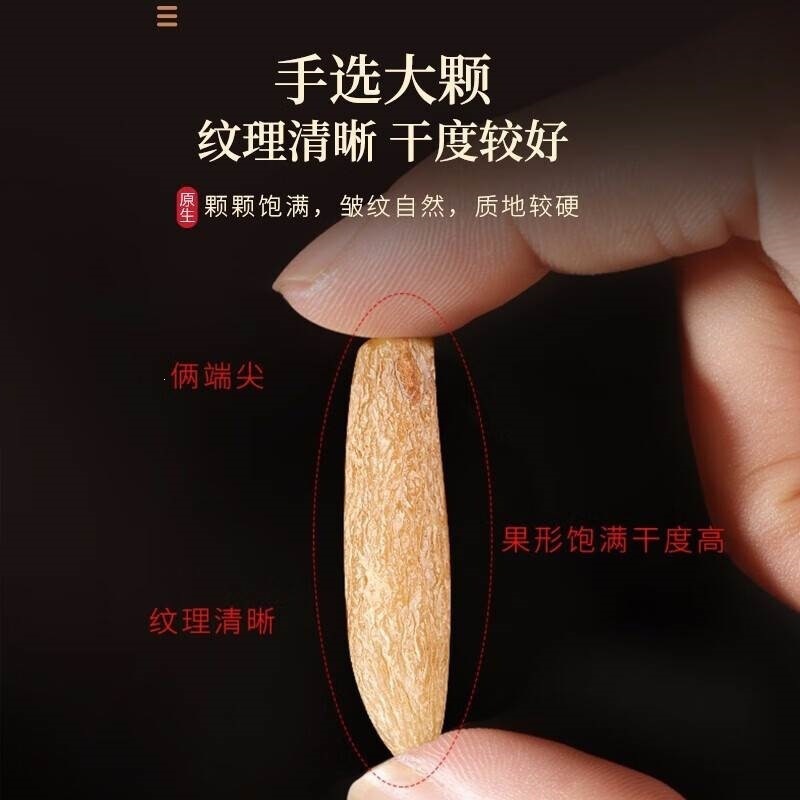
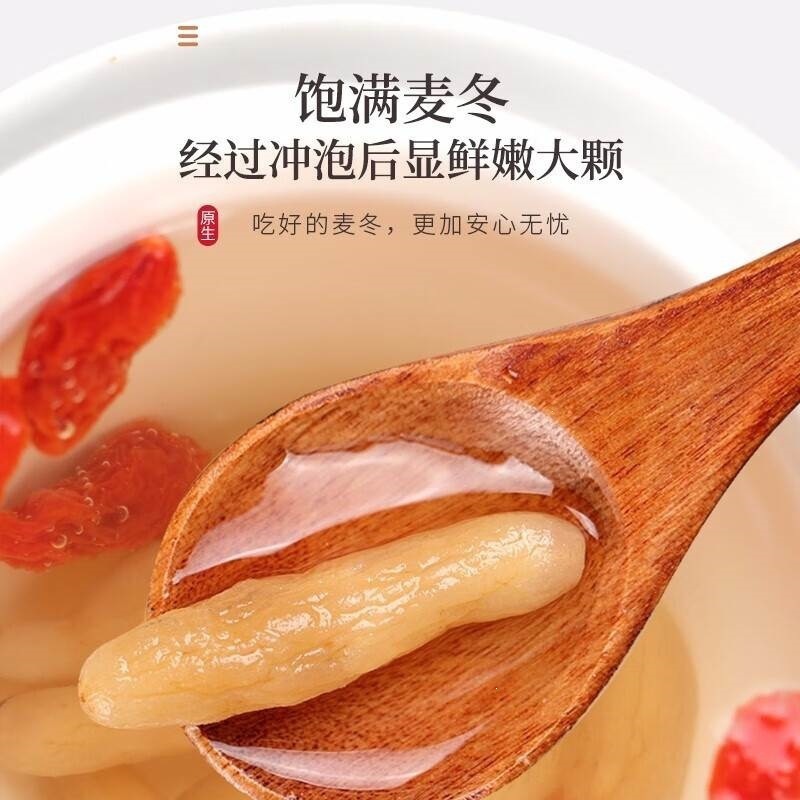
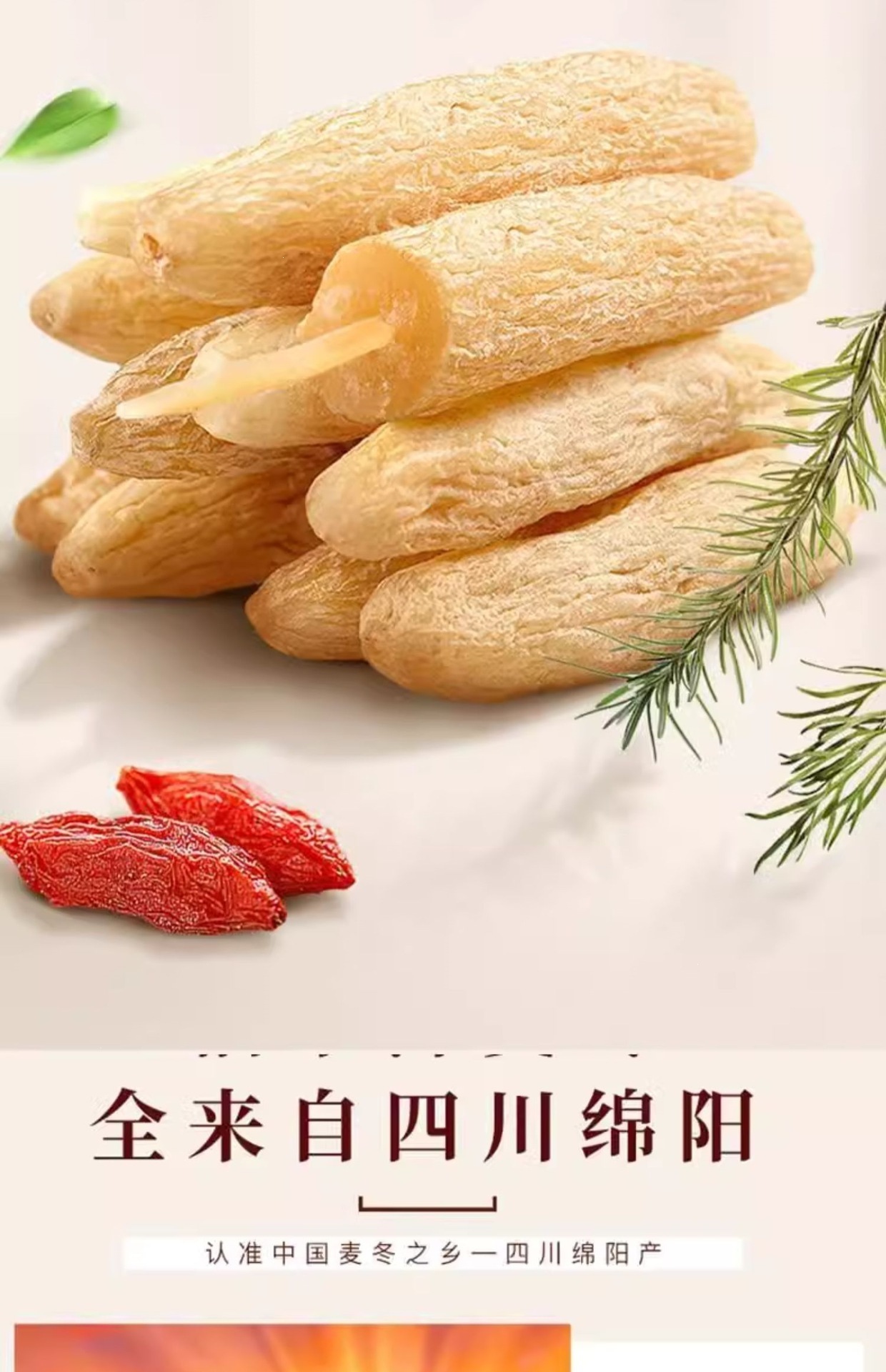
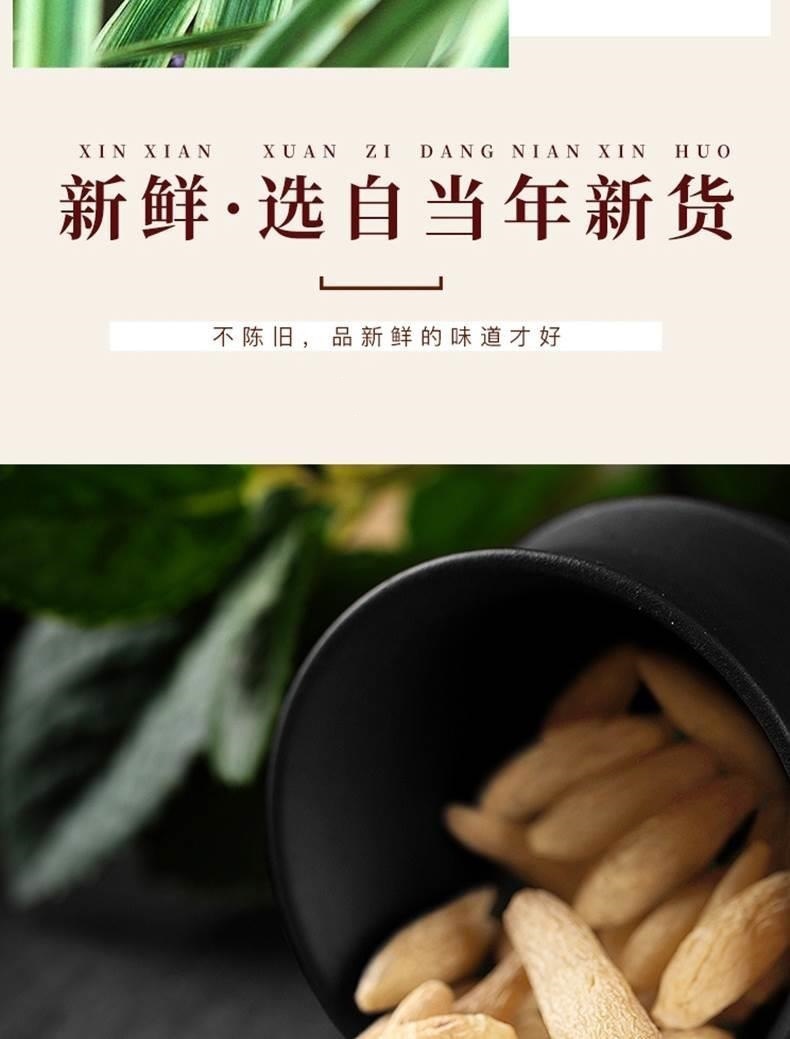
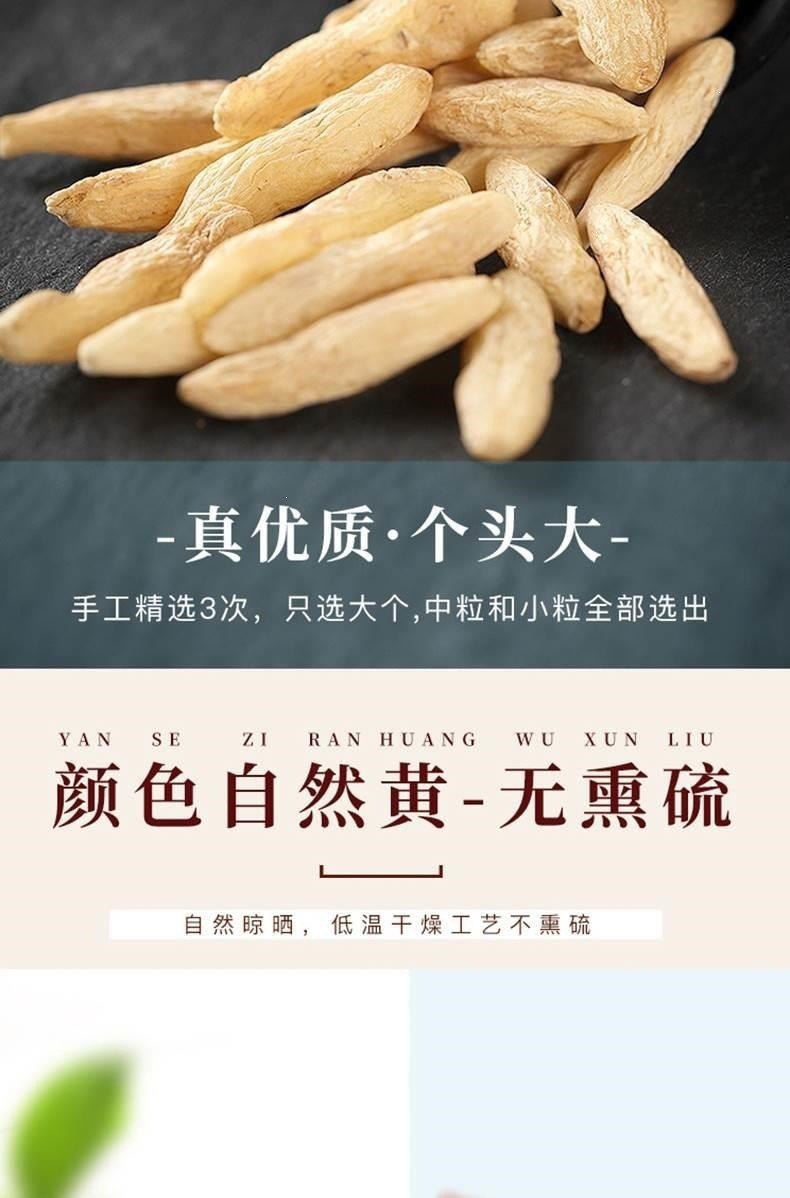
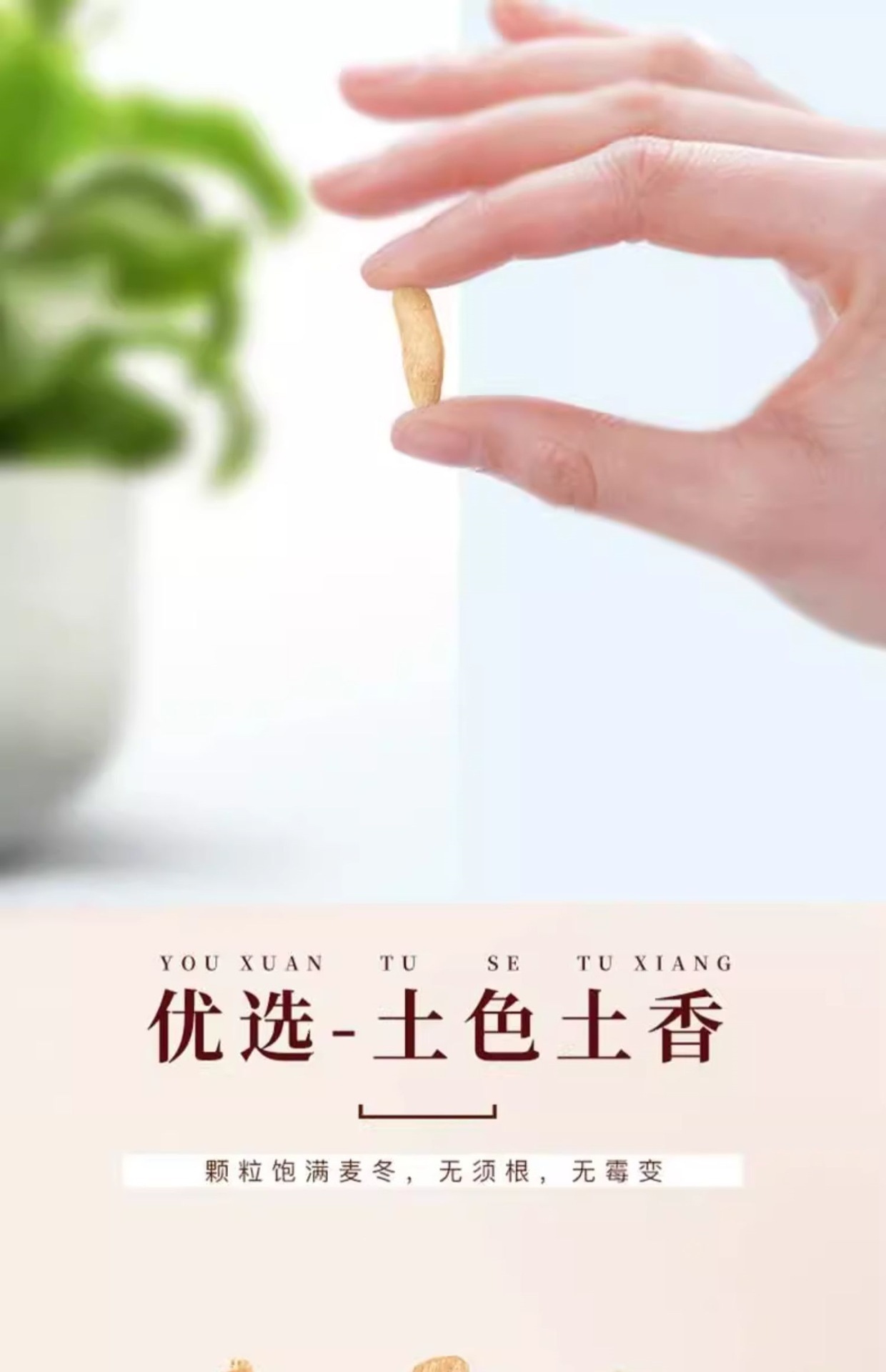
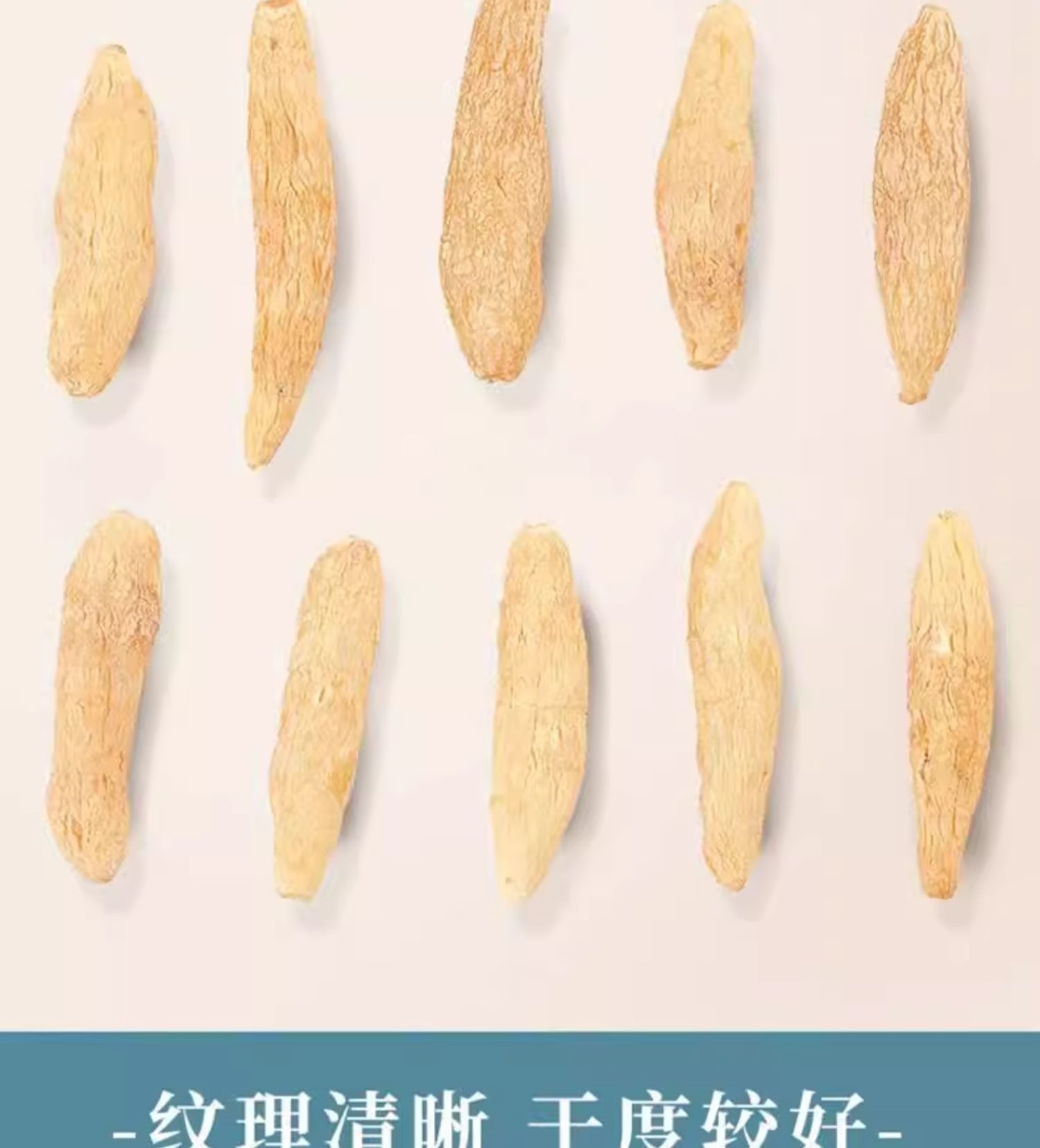
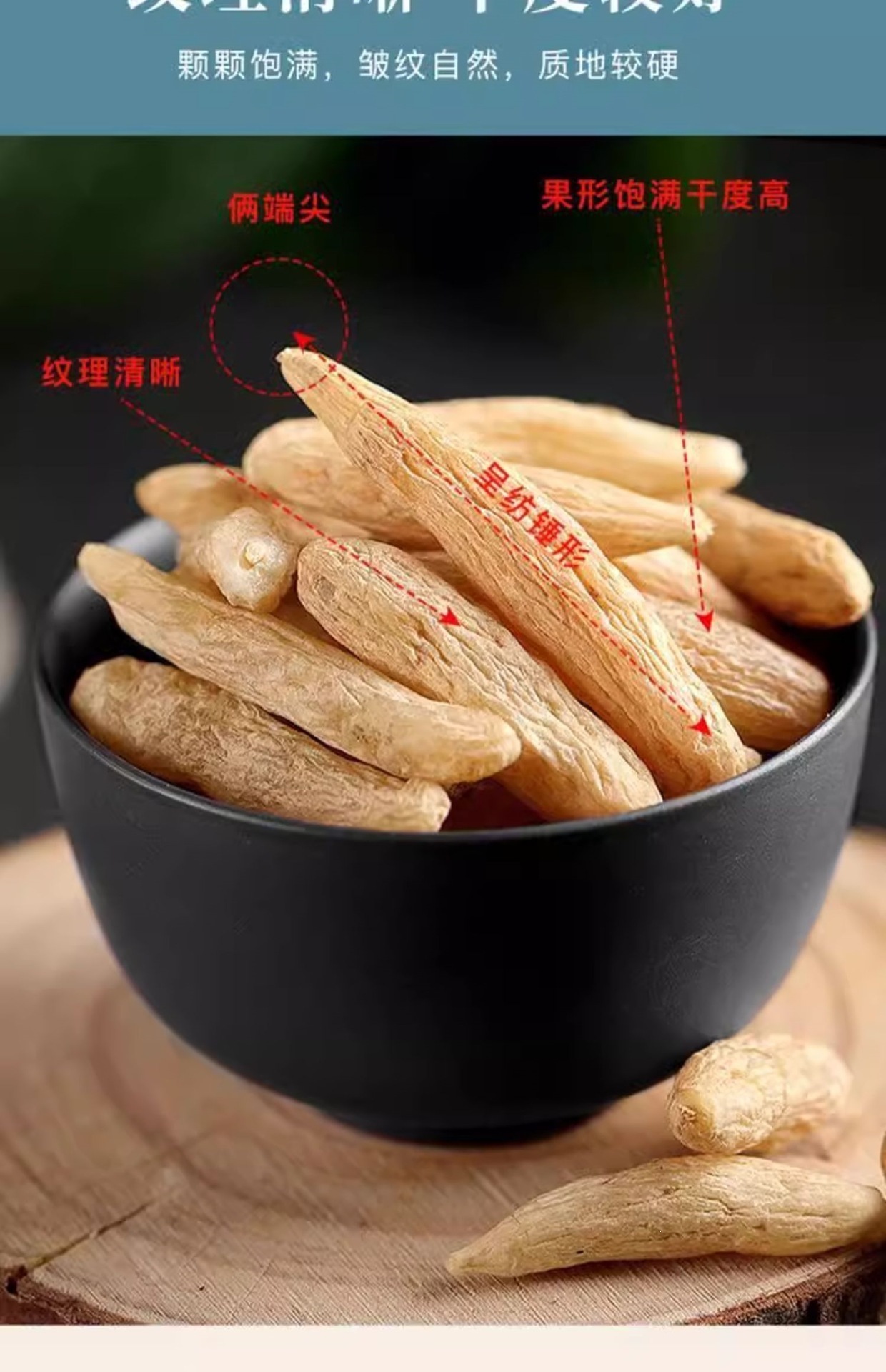
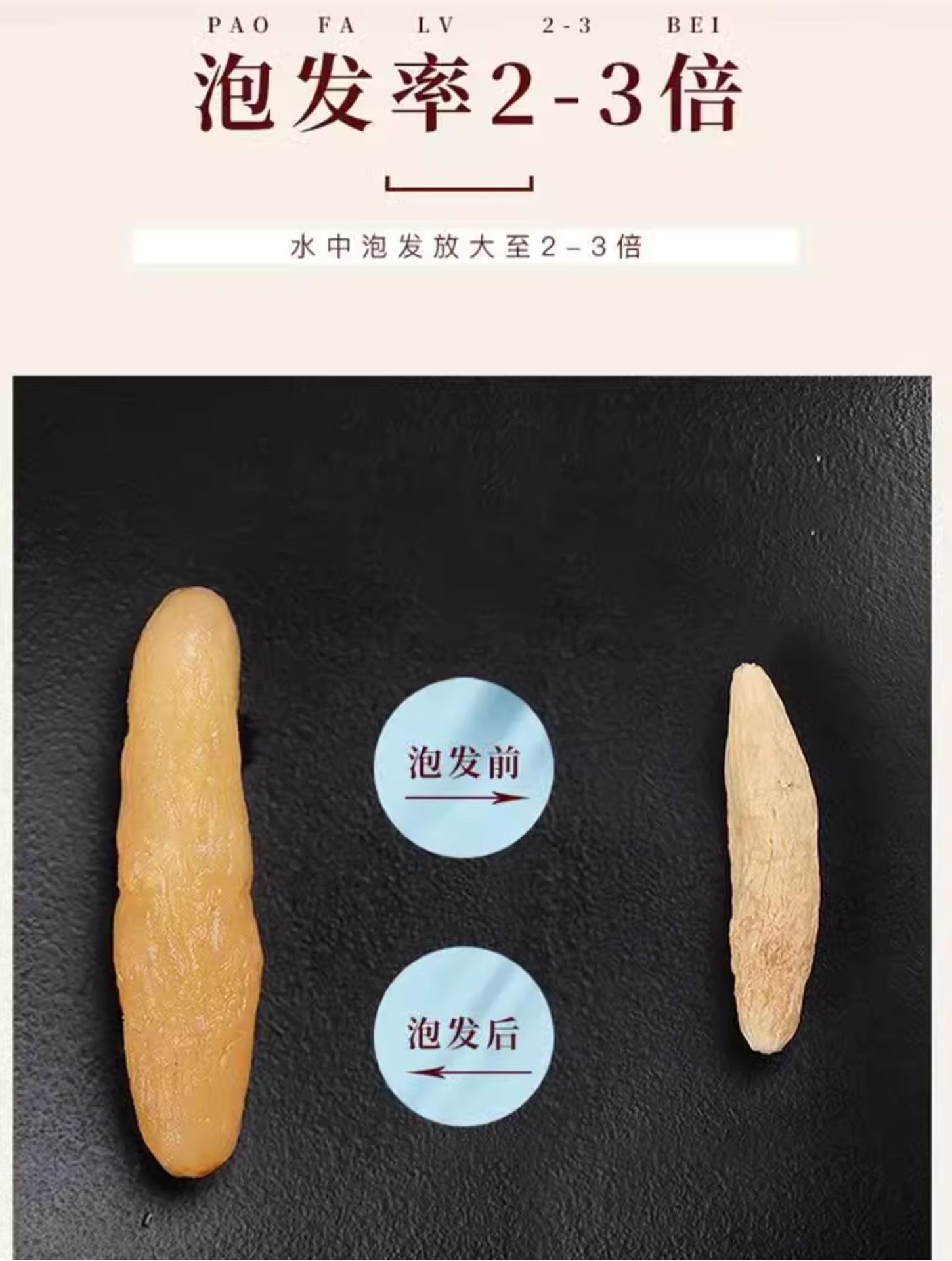
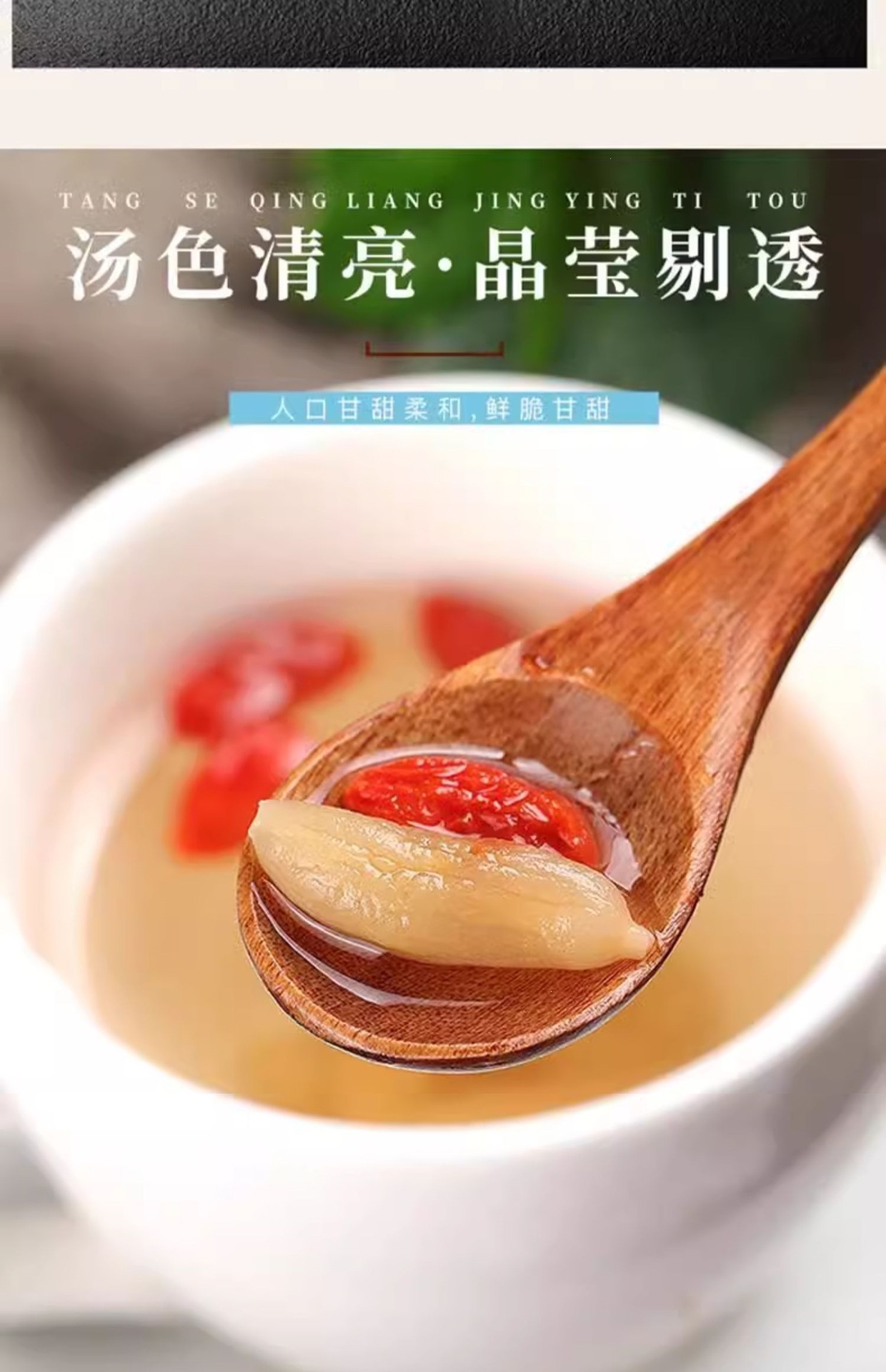
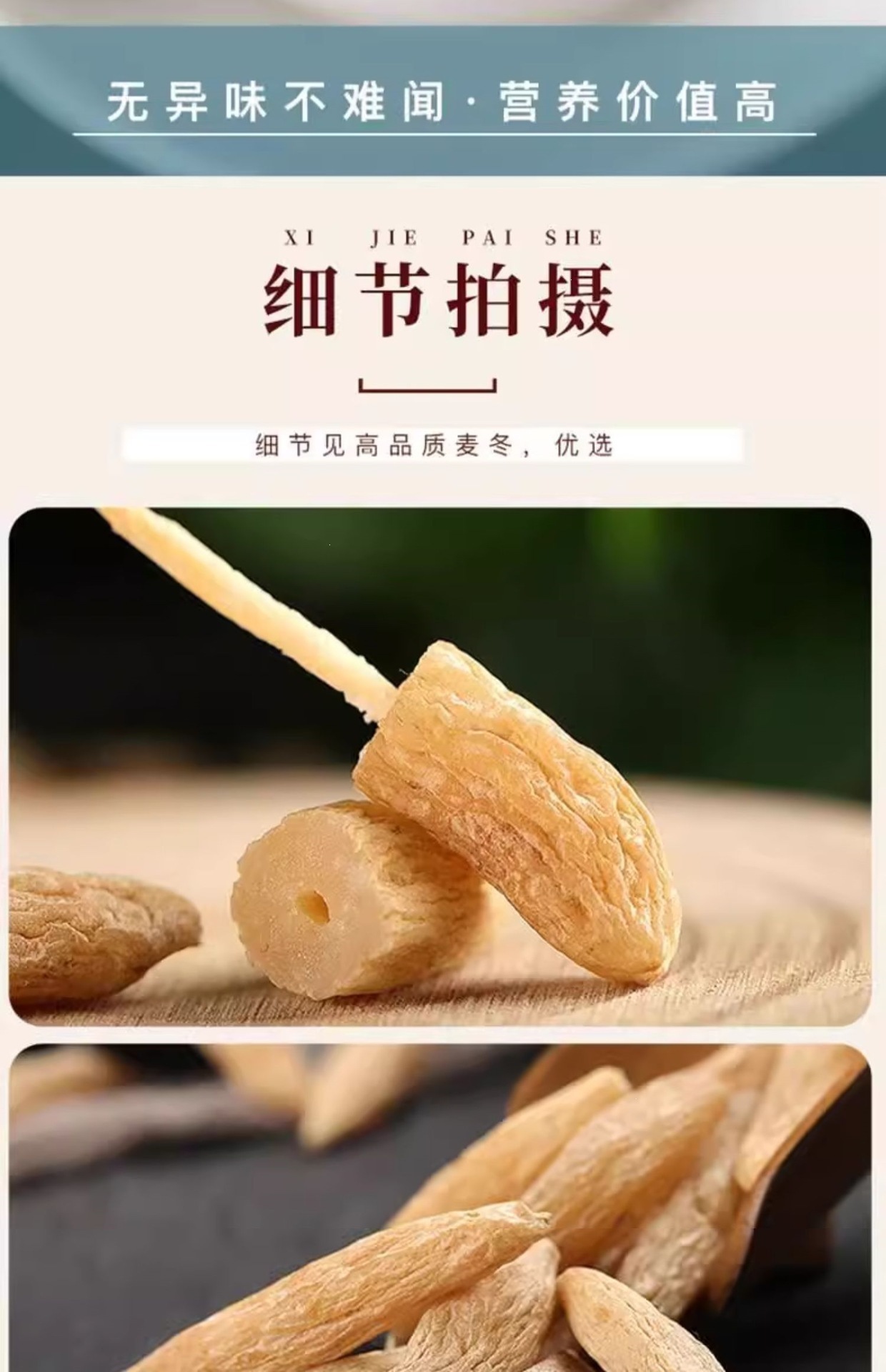
The dried roots are typically pale yellow to light brown, firm and slightly fibrous in texture, with a mild earthy aroma. When simmered, they soften and contribute a subtly sweet, neutral taste to soups and congee without overpowering other ingredients.
Technical Specifications
| Product Type | Dried raw herb |
|---|---|
| Chinese Name | 麦冬 |
| Pinyin | Mai Dong |
| Botanical Name | Ophiopogon japonicus |
| Plant Part | Tuberous root |
| Form | Whole dried root |
Usage Scenarios
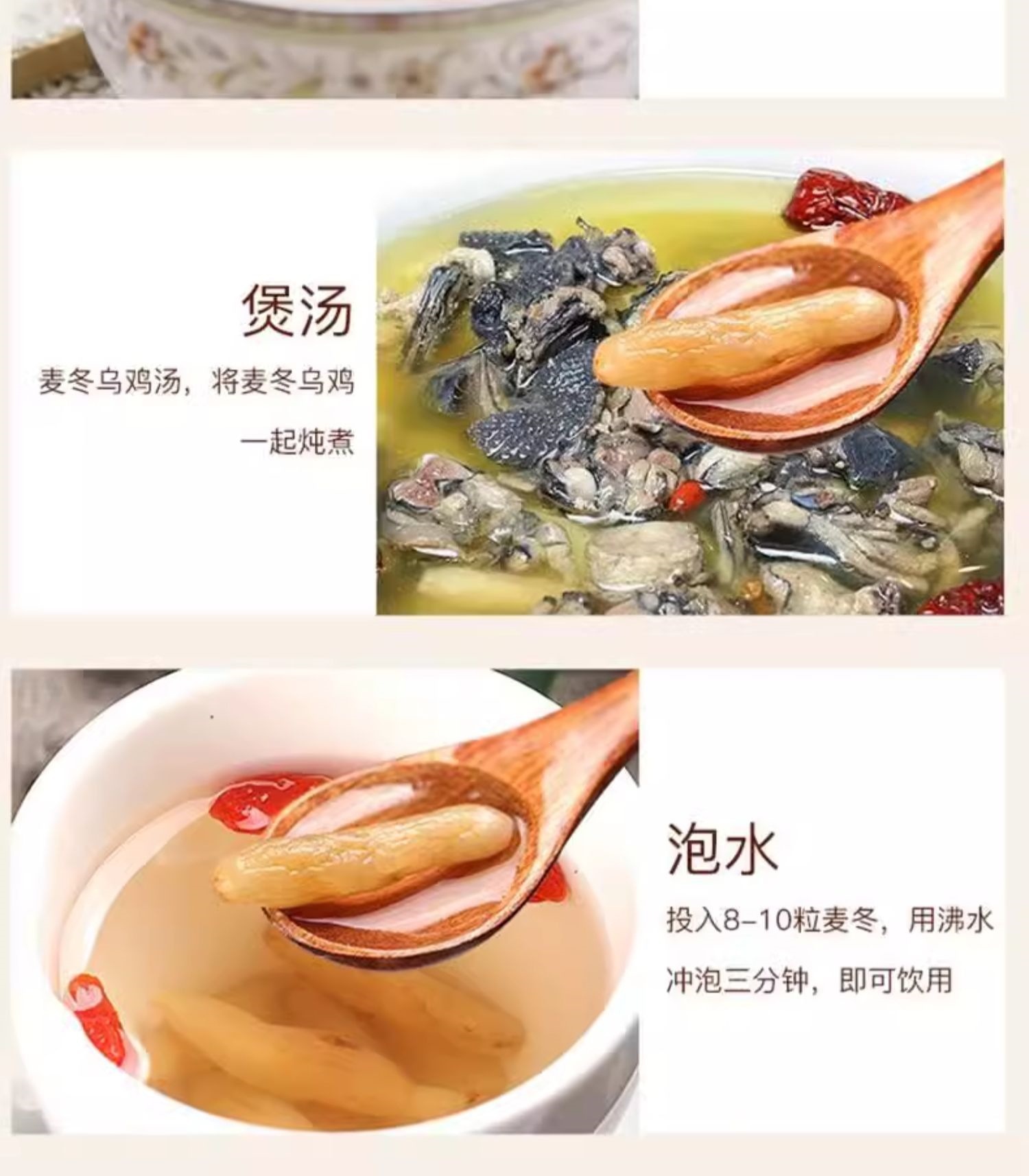
- Long-simmered herbal soups
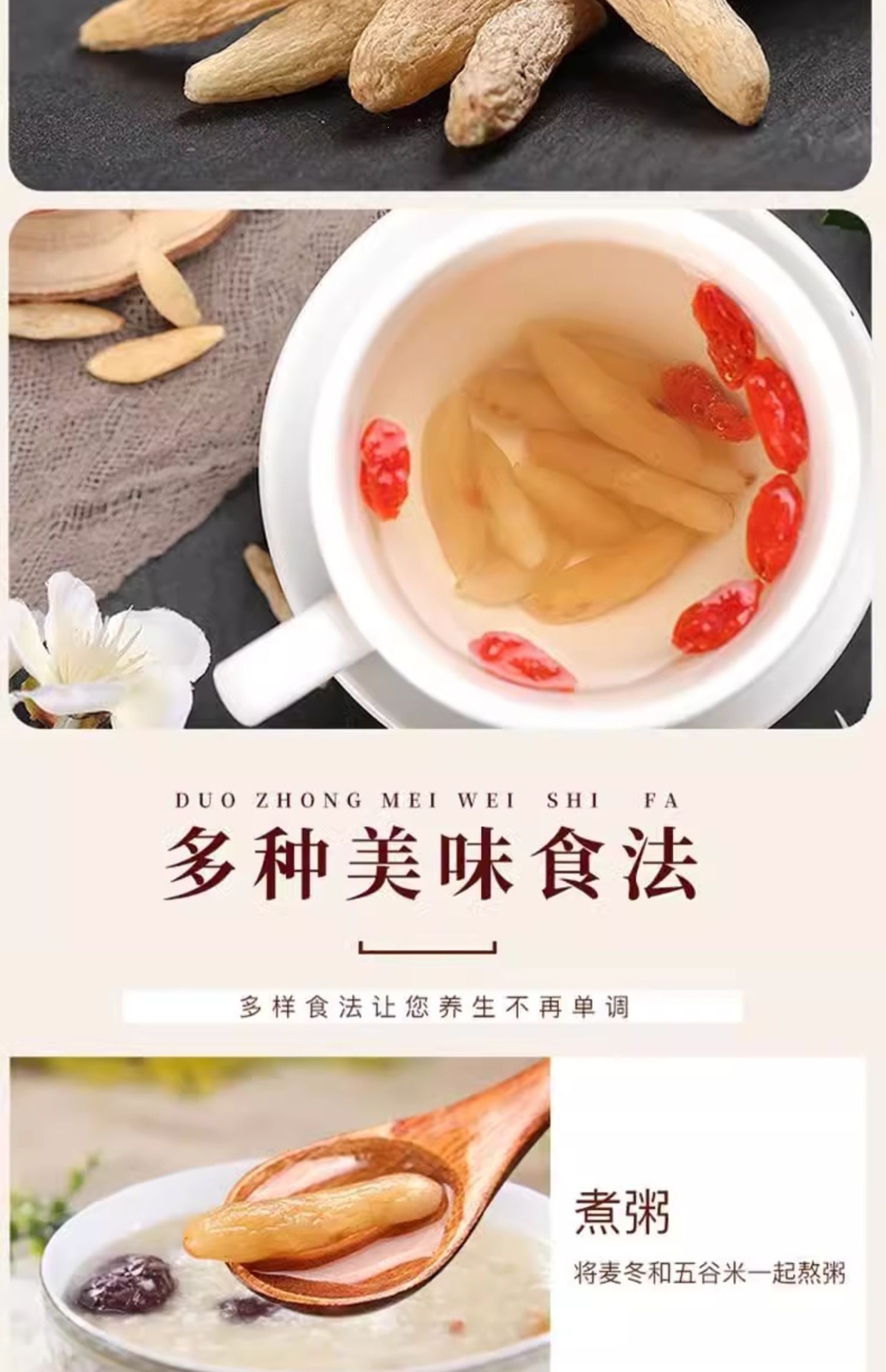
- Herbal congee
- Daily decoction with other herbs
- Culinary use in seasonal nourishing dishes
Traditional Uses
In TCM practice, Mai Dong is traditionally used in decoctions and soups to nourish yin and support body fluids, often paired with Huang Qi and Dang Shen in tonic soup formulas. It is also added to congee and long-simmered broths for its mild sweet taste and moistening properties, especially in dry seasons.
FAQ Q&A
Q: What is this product?
A: It is dried Ophiopogon root, known in TCM as Mai Dong (麦冬), sold as a raw herb for cooking and decoction.
Q: What is Mai Dong traditionally used for?
A: In TCM theory it is traditionally used to nourish yin and support body fluids, and it is often included in soups and congee.
Q: How is it commonly prepared?
A: It is typically simmered in soups, added to congee, or decocted with other herbs for daily use.
Additional information
| Model | 麦冬 50g 1罐, 麦冬 125g 1罐, 麦冬 175g 1罐, 2罐 麦冬75g 黄芪87g, 2罐 麦冬75g 玉竹75g, 3罐 麦冬75g 黄芪87g 党参105g |
|---|
Related products
-
Dried Ginger Root Gan Jiang 500g Bulk Chinese Herb Zingiber officinale Rhizome for Decoction and Culinary Use
$5.90 -
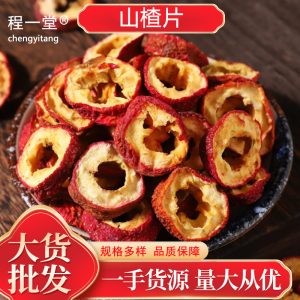
Dried Hawthorn Slices Shan Zha 500g Seedless Hollow Rings Freeze Dried Hawthorn for Tea and Culinary Use
Price range: $4.44 through $7.04 -

Dried Huang Jing Slices Polygonatum Rhizome Chicken Head Huang Jing 500g Bulk Herbal Tea and Soup Ingredient
Price range: $9.14 through $18.87 -
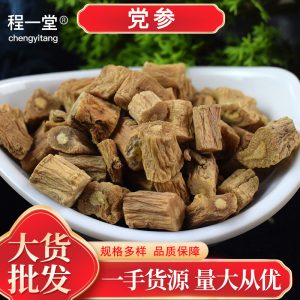
Dried Codonopsis Root Slices Dang Shen 500g Bulk Supply for Soups and Herbal Decoctions
Price range: $10.28 through $18.06
Reviews
There are no reviews yet.