
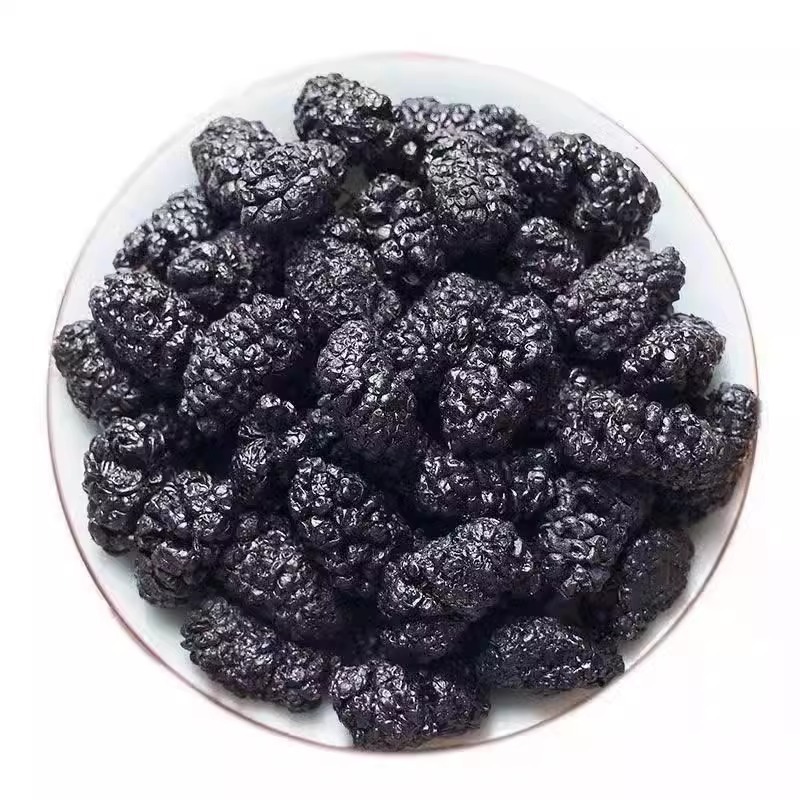
Dried Mulberry Fruit Sang Shen Zi 100g Xinjiang Black Mulberries for Tea and Snacking
Price range: $5.05 through $5.88
Description
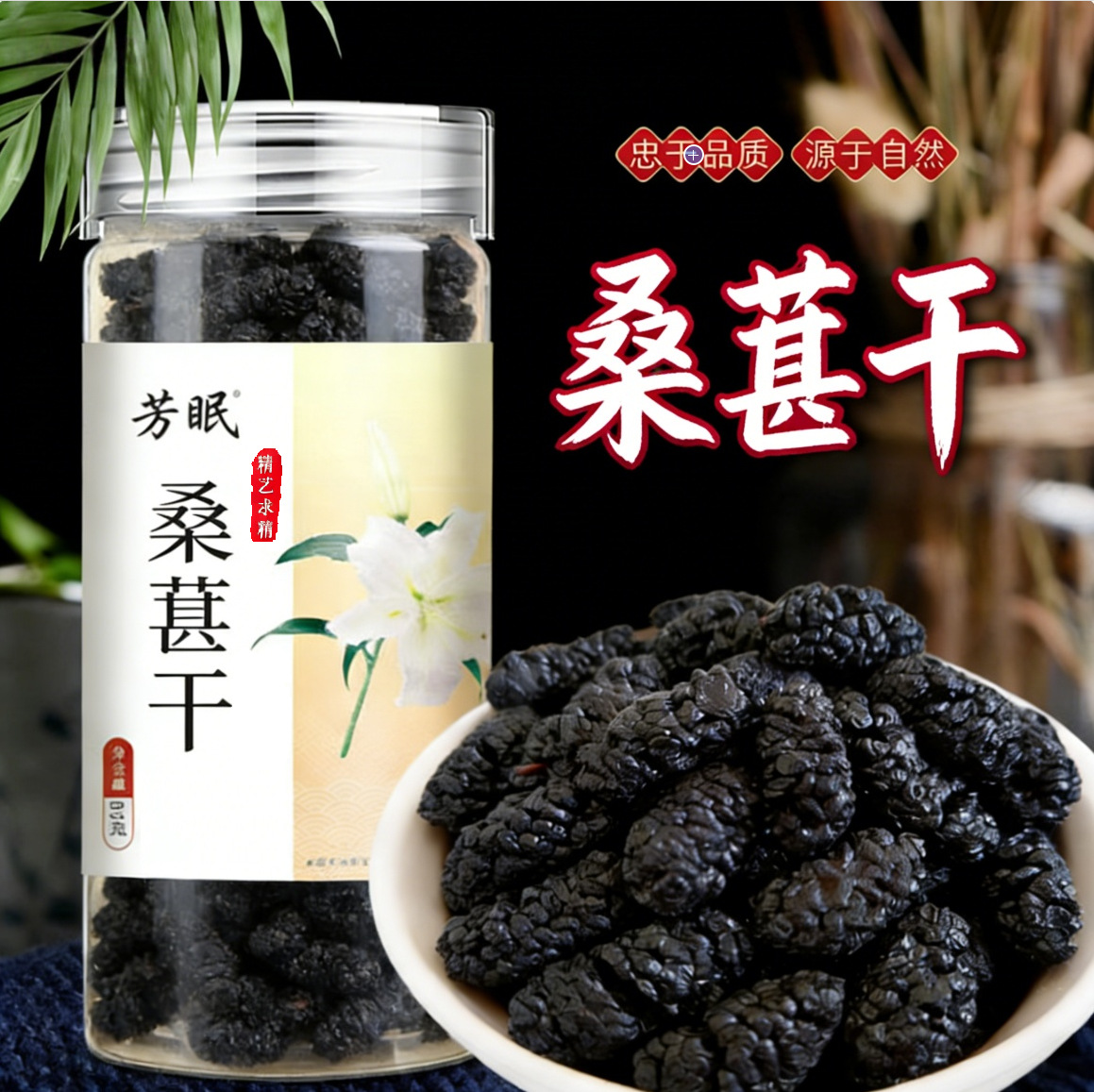
Dried Black Mulberry Fruit, known in TCM as Sang Shen Zi (桑葚子), from Morus alba. These whole dried berries are sourced from Xinjiang and sold as a ready-to-use edible botanical. In TCM theory, mulberry fruit is traditionally associated with nourishing the blood and yin. Sweet in flavor with a slightly cold nature, it is commonly steeped as tea, simmered in soups, or enjoyed as a natural fruit snack.

Key Selling Points
- Whole dried black mulberries from Xinjiang, China
- Botanical source Morus alba, known in TCM as Sang Shen Zi
- Traditionally associated with nourishing blood and yin in TCM
- Ready to steep, simmer, or eat directly as a fruit snack
- Convenient 100g bottled pack for daily herbal use

Quality & Sensory
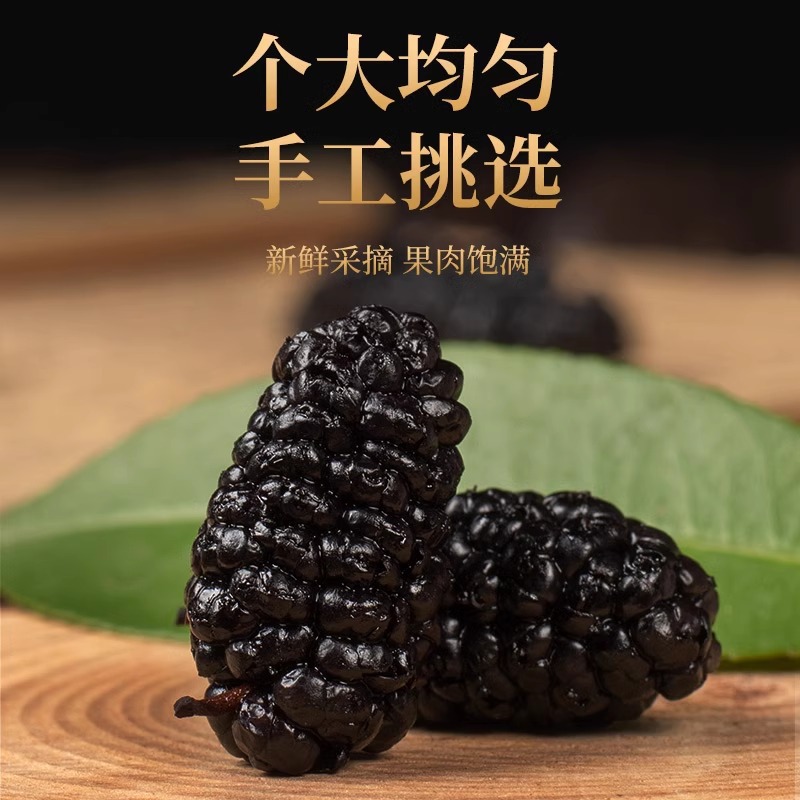
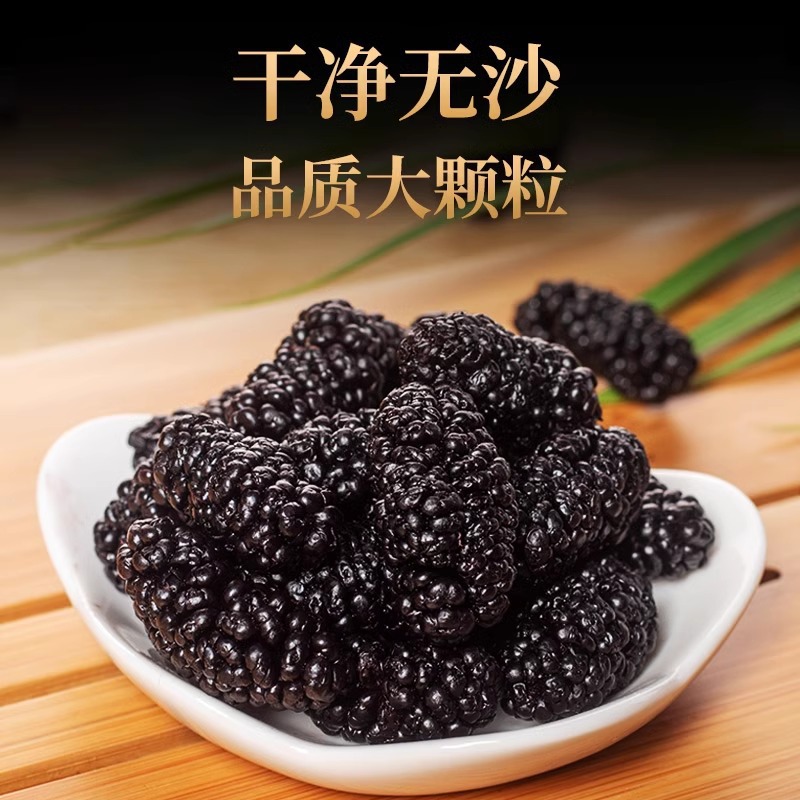
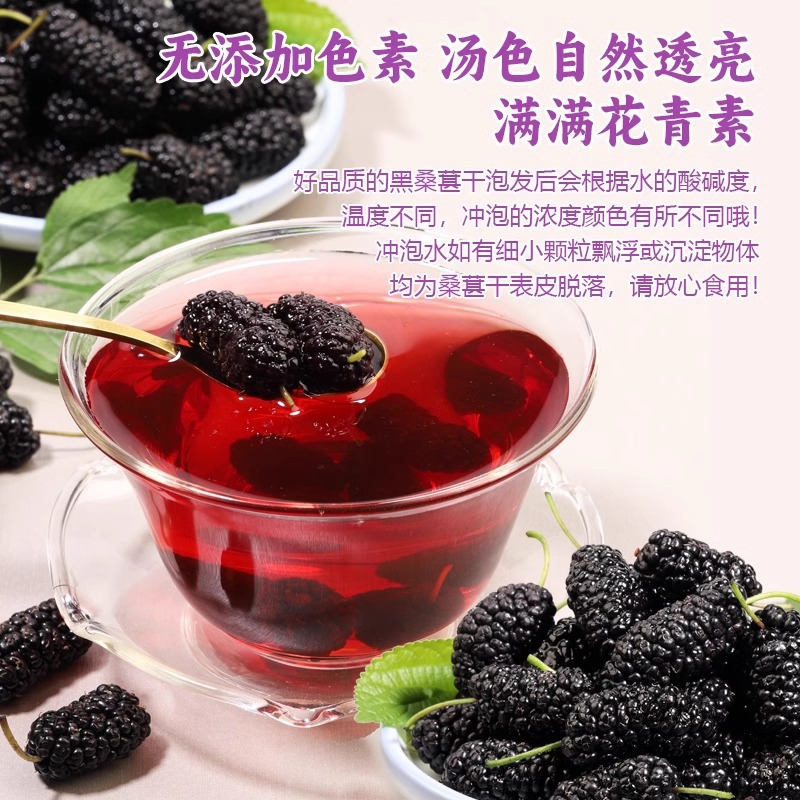
These dried mulberries typically appear deep purple-black with a plump, slightly wrinkled texture and a sweet, fruity aroma. When steeped, they typically yield a dark ruby infusion with a mellow, berry-like sweetness.

Technical Specifications
| Product Type | Dried fruit |
|---|---|
| Chinese Name | 桑葚子 |
| Pinyin | Sang Shen Zi |
| Botanical Name | Morus alba |
| Plant Part | Fruit |
| Net Weight | 100g |

Usage Scenarios
- Steep in hot water as a daily herbal fruit tea
- Simmer in soups and tonics alongside other botanicals
- Add to congee or porridge for natural sweetness
- Enjoy directly as a chewy dried fruit snack

Traditional Uses
In traditional Chinese practice, Sang Shen Zi is often steeped alone or blended with goji berries and other nourishing herbs for daily tea. It is also added to soups, congee, and homemade herbal wines, particularly during autumn and winter when nourishing the body is traditionally emphasized.

FAQ Q&A
Q: What is this product?
A: This is 100g of whole dried black mulberry fruit from Xinjiang, known in TCM as Sang Shen Zi, from the plant Morus alba.
Q: What is its traditional value?
A: In TCM theory, mulberry fruit is sweet and slightly cold and is traditionally associated with nourishing blood and yin.
Q: How is it commonly used?
A: It is commonly steeped as tea, simmered in soups or congee, or eaten directly as a dried fruit snack.

Additional information
| Weight | N/A |
|---|---|
| Dimensions | N/A |
| Model | 100g 瓶, 200g 瓶 |
Related products
-
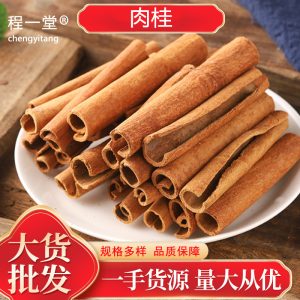
Dried Cinnamon Bark Rou Gui 500g Whole Peeling Culinary Spice and Traditional Herbal Ingredient
Price range: $5.58 through $8.33 -
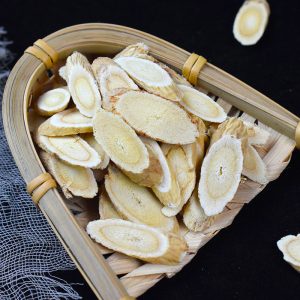
Astragalus Root Slices Huang Qi 500g Dried Herb for Soups and Teas
Price range: $7.36 through $22.11 -
Dried Ginger Root Gan Jiang 500g Bulk Chinese Herb Zingiber officinale Rhizome for Decoction and Culinary Use
$5.90 -
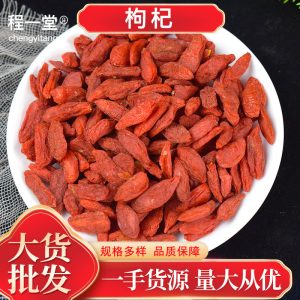
Ningxia Goji Berries Gou Qi Zi 500g Dried Red Wolfberry for Tea Soup and Snacking
Price range: $7.20 through $16.44
Reviews
There are no reviews yet.