
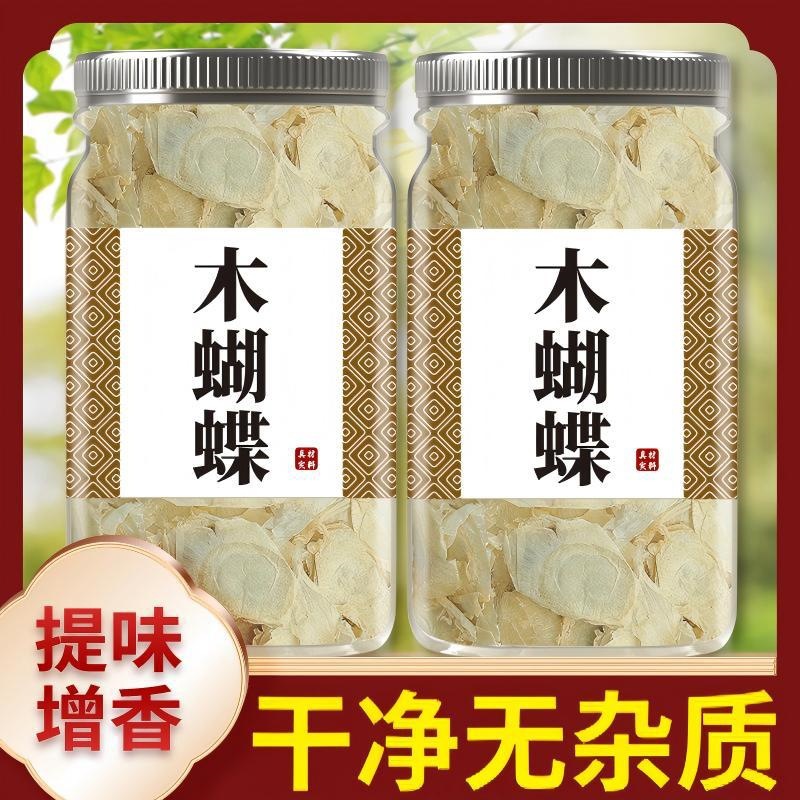
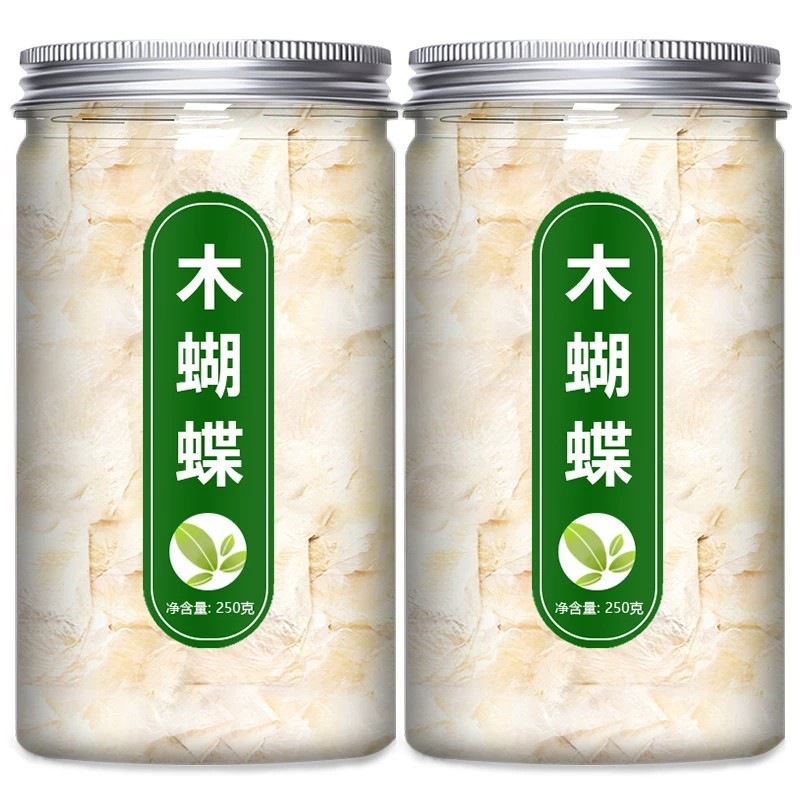
Dried Mu Hu Die Wood Butterfly Herb 250g Twin Jar Pack for Herbal Tea and Decoction
Price range: $5.90 through $12.74
Description
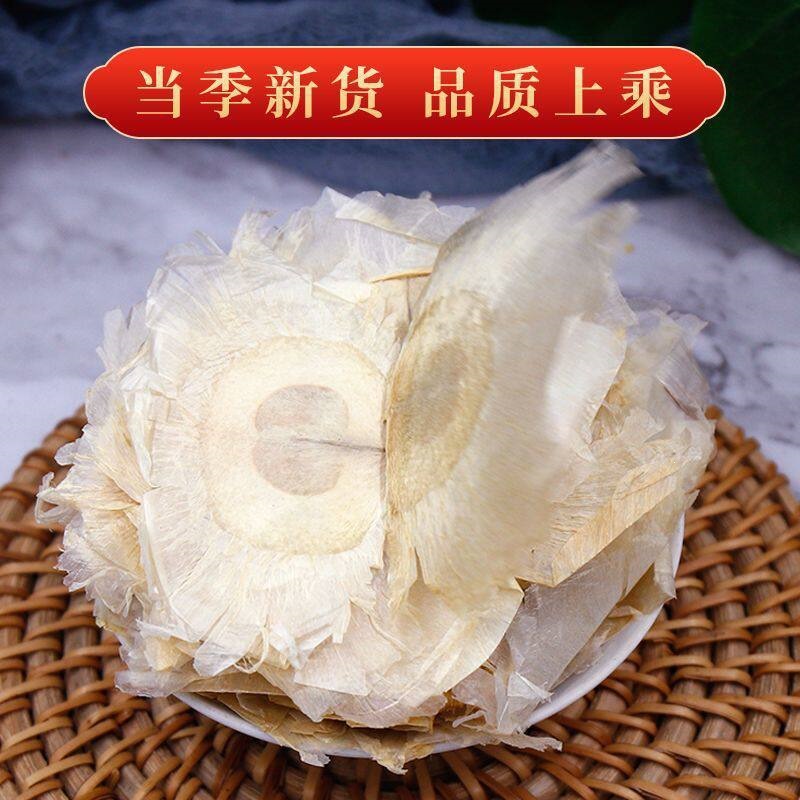
Dried Mu Hu Die (木蝴蝶), also known as Wood Butterfly or Qian Zhang Zhi, is the dried seed of Oroxylum indicum. In TCM theory it is traditionally associated with the lung and liver channels, with a mild, slightly bitter nature. It is commonly prepared as a simple herbal tea or added to decoctions. This food-grade herb is sun-dried and stored in a cool, dry place.
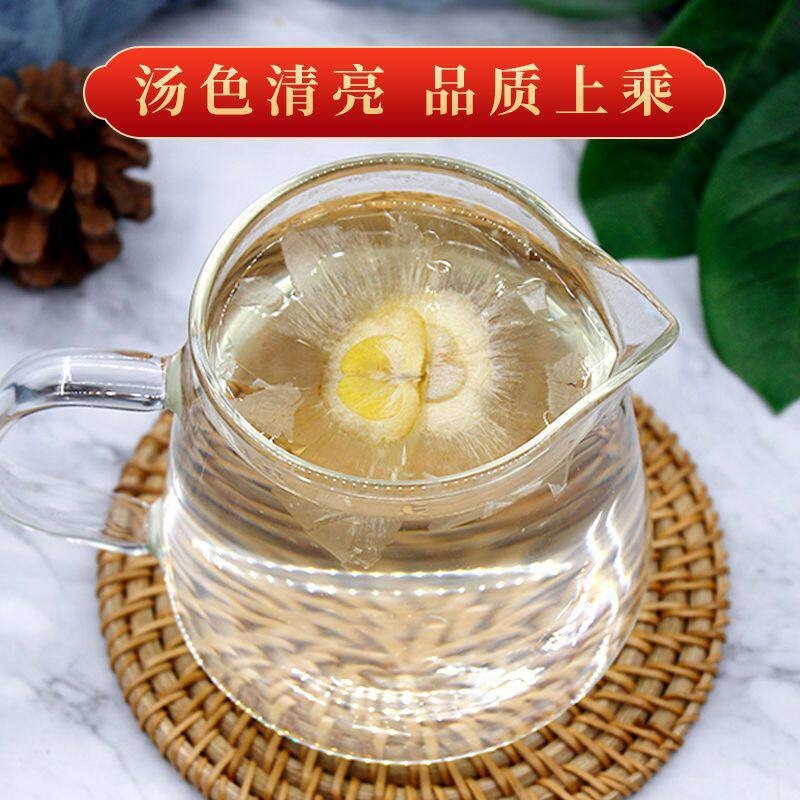
Key Selling Points
- Identified in TCM as Mu Hu Die (木蝴蝶), Wood Butterfly seed
- Dried seed of Oroxylum indicum, sun-dried processing
- Traditionally associated with the lung and liver channels
- Sold as a food agricultural product for home herbal use
- 250g per jar, twin jar pack, 12-month shelf life
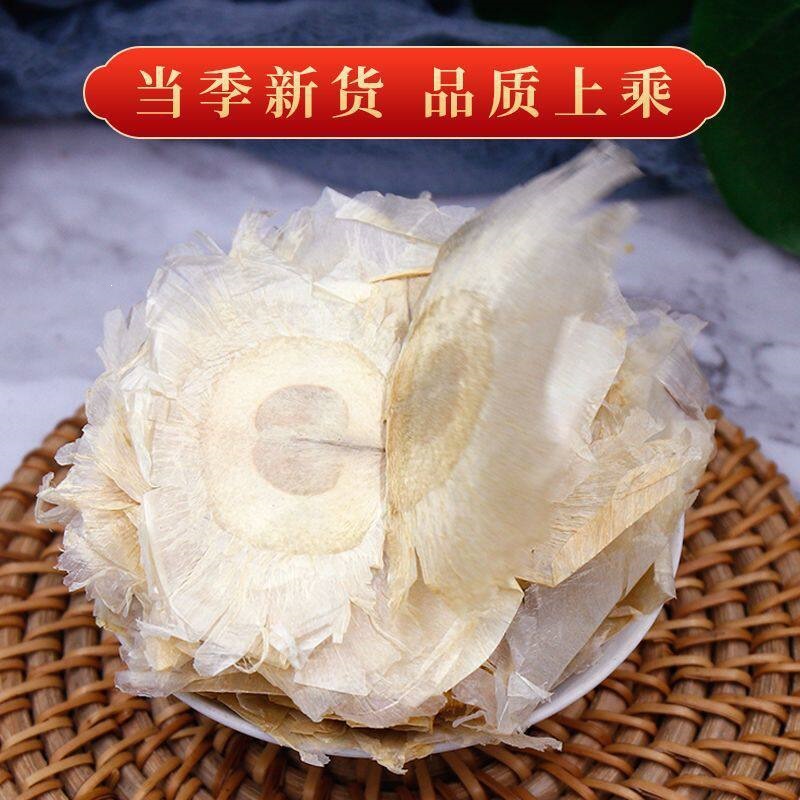
Quality & Sensory
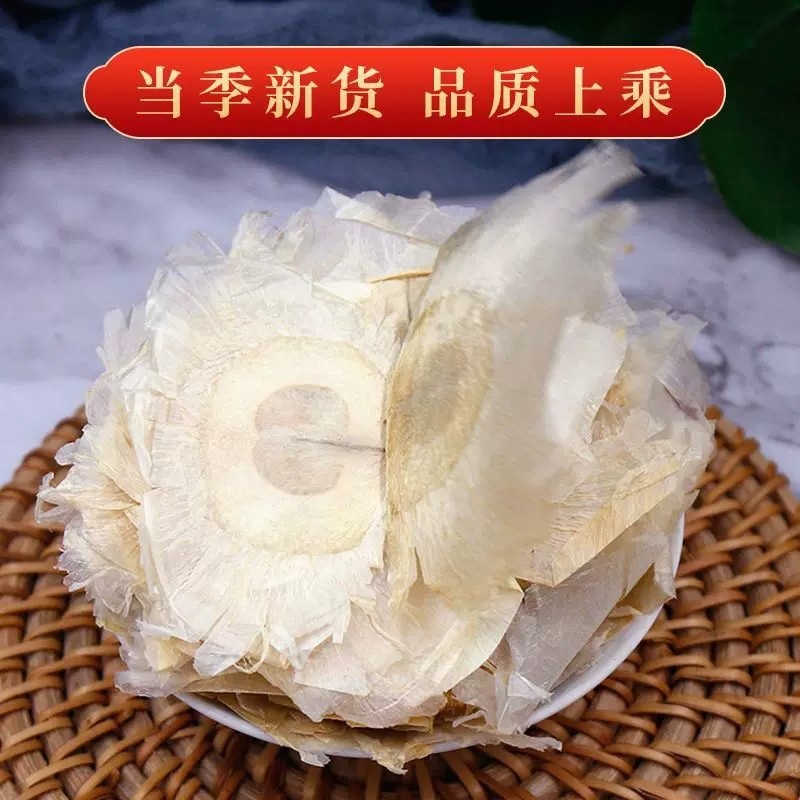
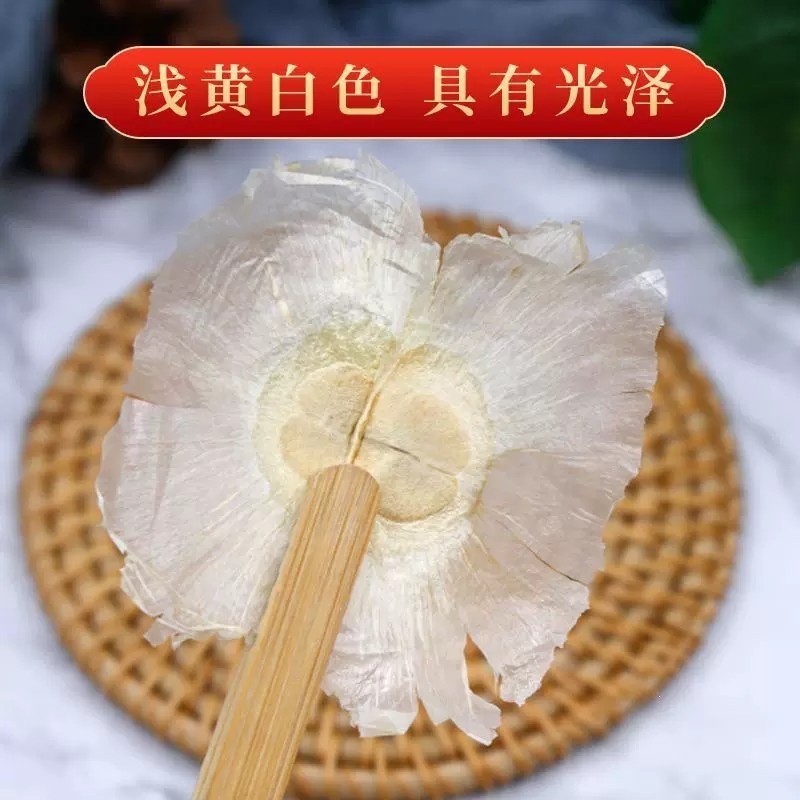
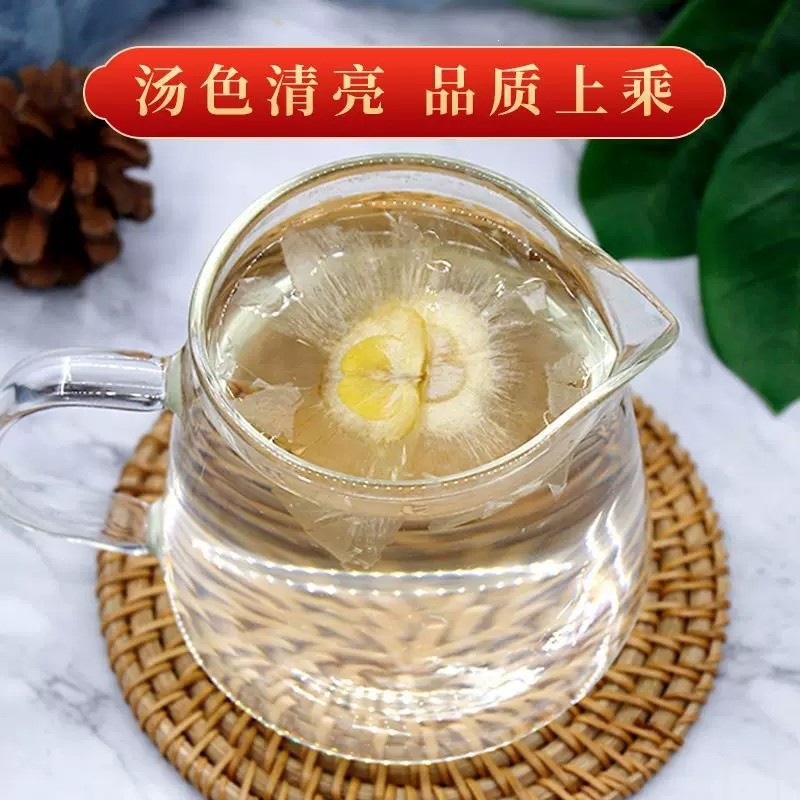
The dried seeds are typically thin, flat, and papery with a pale yellowish to light brown color. They have a mild, faintly woody aroma and a subtle, slightly bitter taste when brewed. Texture is dry and lightweight, softening slightly after steeping in hot water.
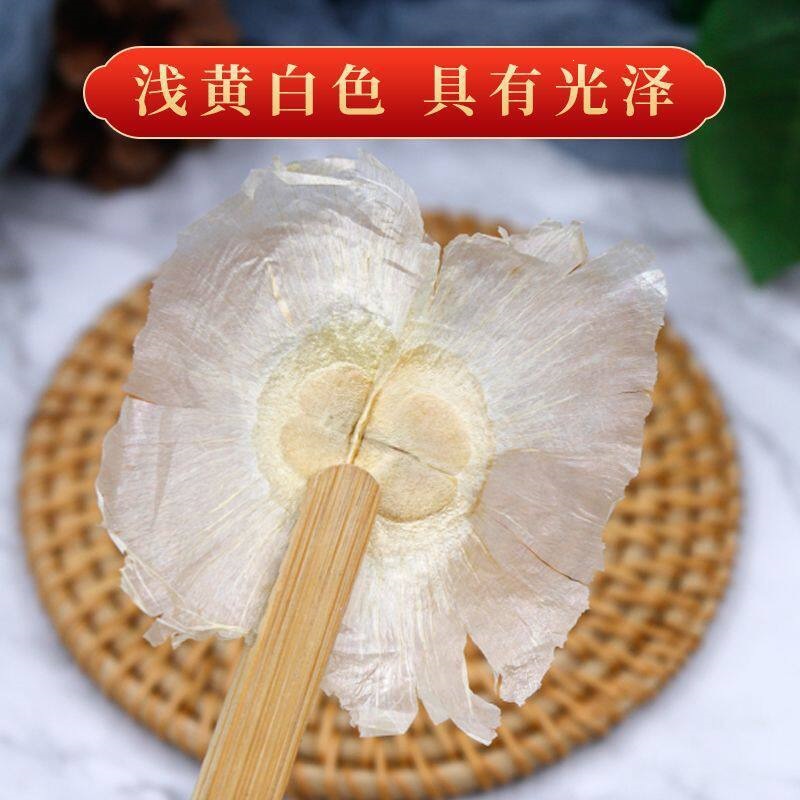
Technical Specifications
| Product Type | Dried herbal seed |
|---|---|
| Chinese Name | 木蝴蝶 |
| Pinyin | Mu Hu Die |
| Botanical Name | Oroxylum indicum |
| Plant Part | Seed |
| Net Weight | 250g per jar, 2 jars |
Usage Scenarios
- Brewed as a simple herbal tea
- Added to herbal decoctions
- Combined with other herbs in soup
- Used in daily home herbal preparations
Traditional Uses
In TCM theory, Mu Hu Die is traditionally used in decoctions and teas, often paired with herbs such as Mai Dong (麦冬) and Jin Yin Hua (金银花) for seasonal wellness preparations. It is also used in folk practice for throat-soothing teas and as part of herbal soup recipes. Traditional methods include steeping in hot water or simmering briefly with other ingredients.
FAQ Q&A
Q: What is Mu Hu Die?
A: Mu Hu Die (木蝴蝶) is the dried seed of Oroxylum indicum, known in English as Wood Butterfly. It is a food-grade herb used in traditional Chinese herbal preparations.
Q: What is its traditional value?
A: In TCM theory, it is associated with the lung and liver channels and is traditionally used in teas and decoctions for seasonal wellness. It has a mild, slightly bitter nature.
Q: How is it commonly prepared?
A: It is typically brewed as a simple tea or added to decoctions and soups with other herbs. Steep in hot water or simmer briefly according to your recipe.
Additional information
| Weight | N/A |
|---|---|
| Dimensions | N/A |
| Model | 木蝴蝶35克 1罐, 木蝴蝶250克 1罐, 木蝴蝶250克 2罐 |
Related products
-

Dried Raspberry Fruit Fu Pen Zi Whole Berries for Herbal Tea and Wine Infusion 500g
Price range: $15.63 through $18.06 -
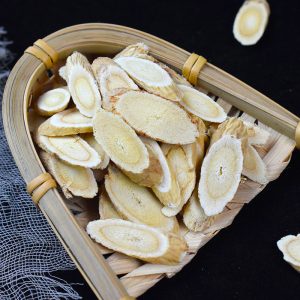
Astragalus Root Slices Huang Qi 500g Dried Herb for Soups and Teas
Price range: $7.36 through $22.11 -
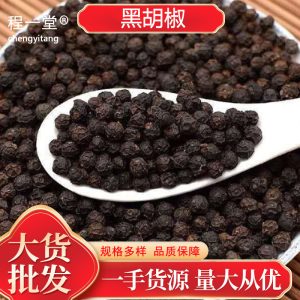
Black Pepper Whole Peppercorns Hu Jiao 500g Bulk Culinary Spice for Cooking and Seasoning
Price range: $8.33 through $9.14 -
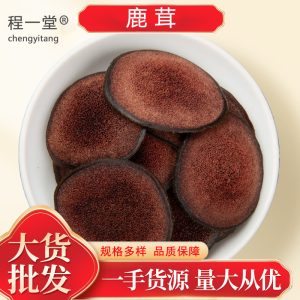
Deer Antler Slices Lu Rong 鹿茸片 Dried Slices for Wine Infusion and Soup 100g Wax Slices Pack
Price range: $68.29 through $92.59
Reviews
There are no reviews yet.