
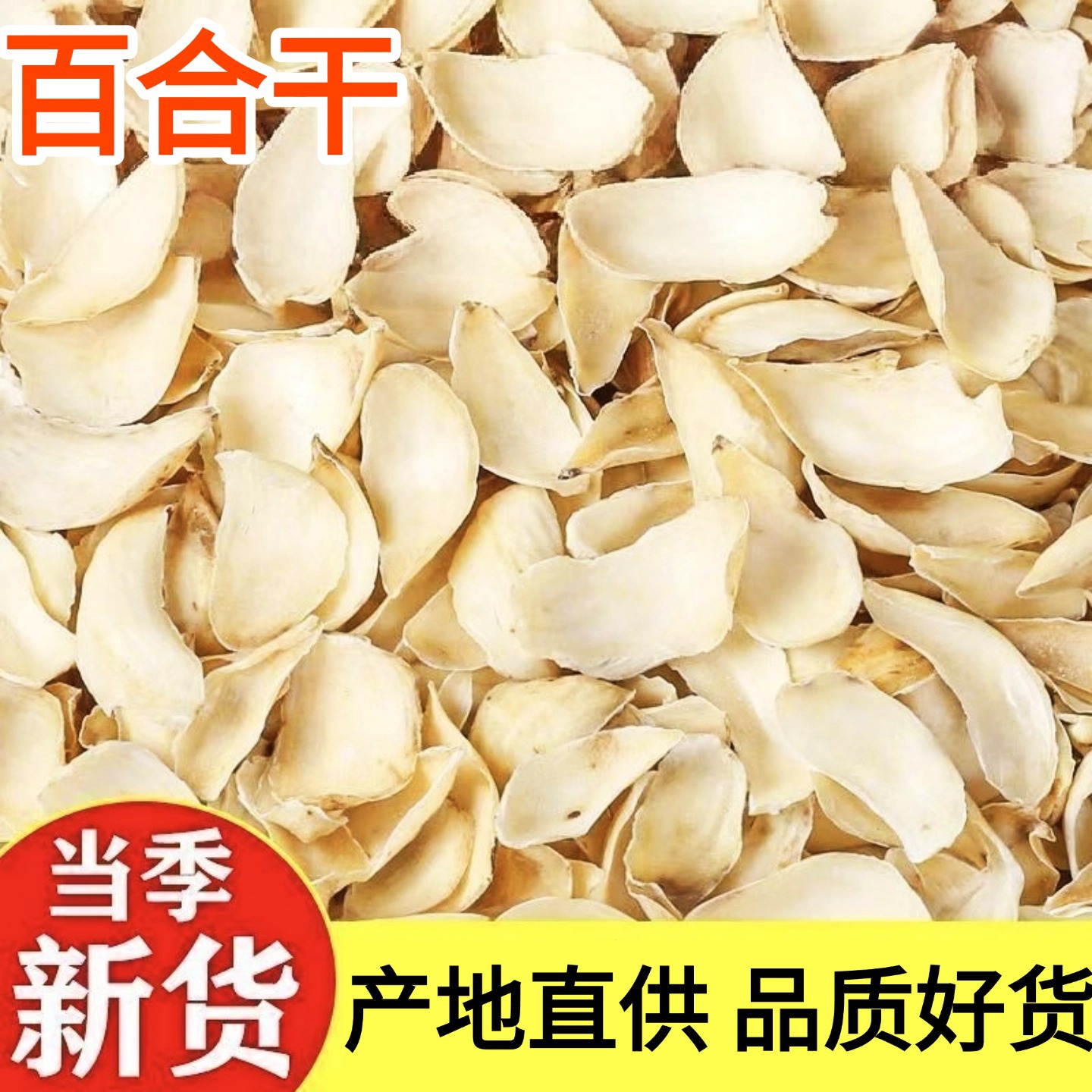
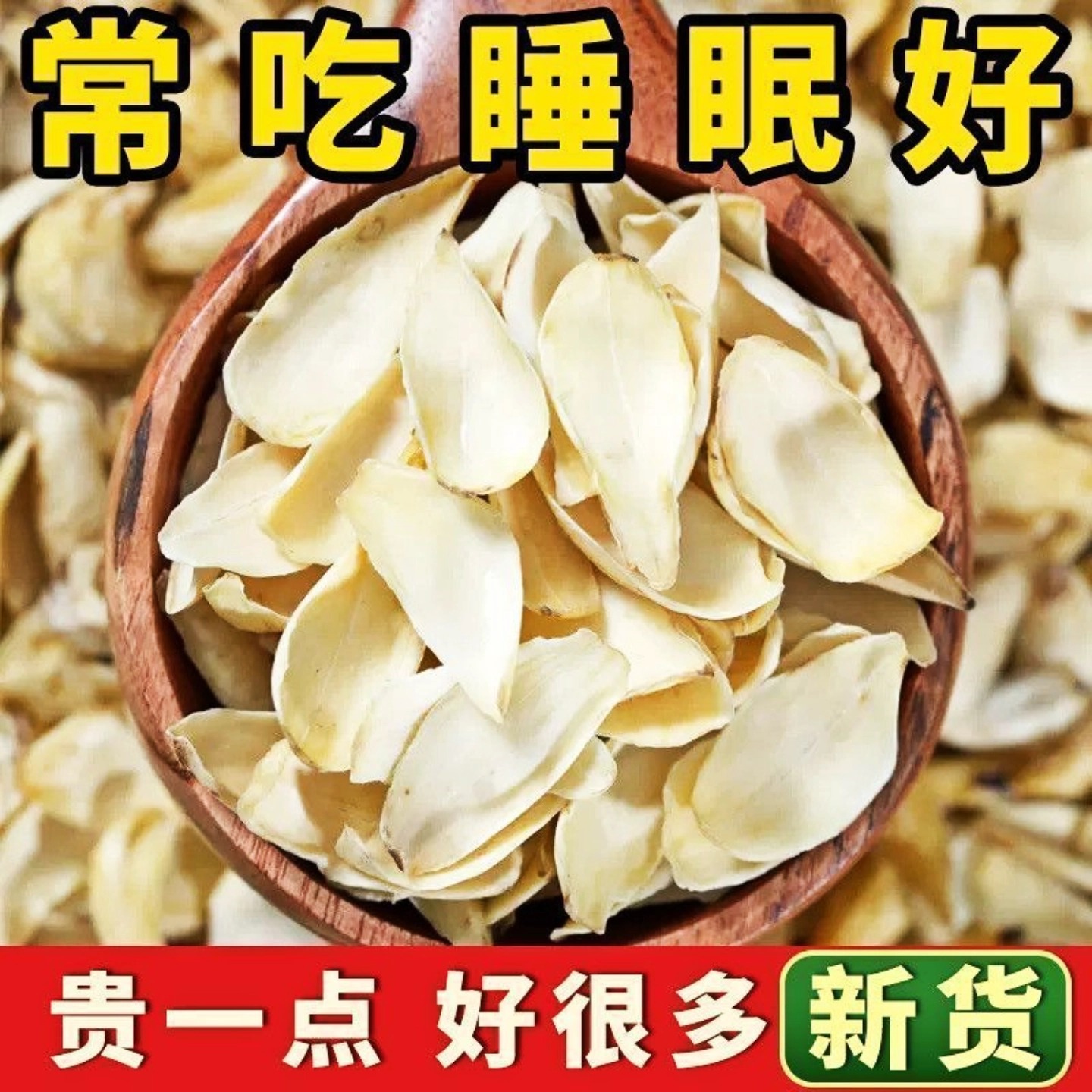
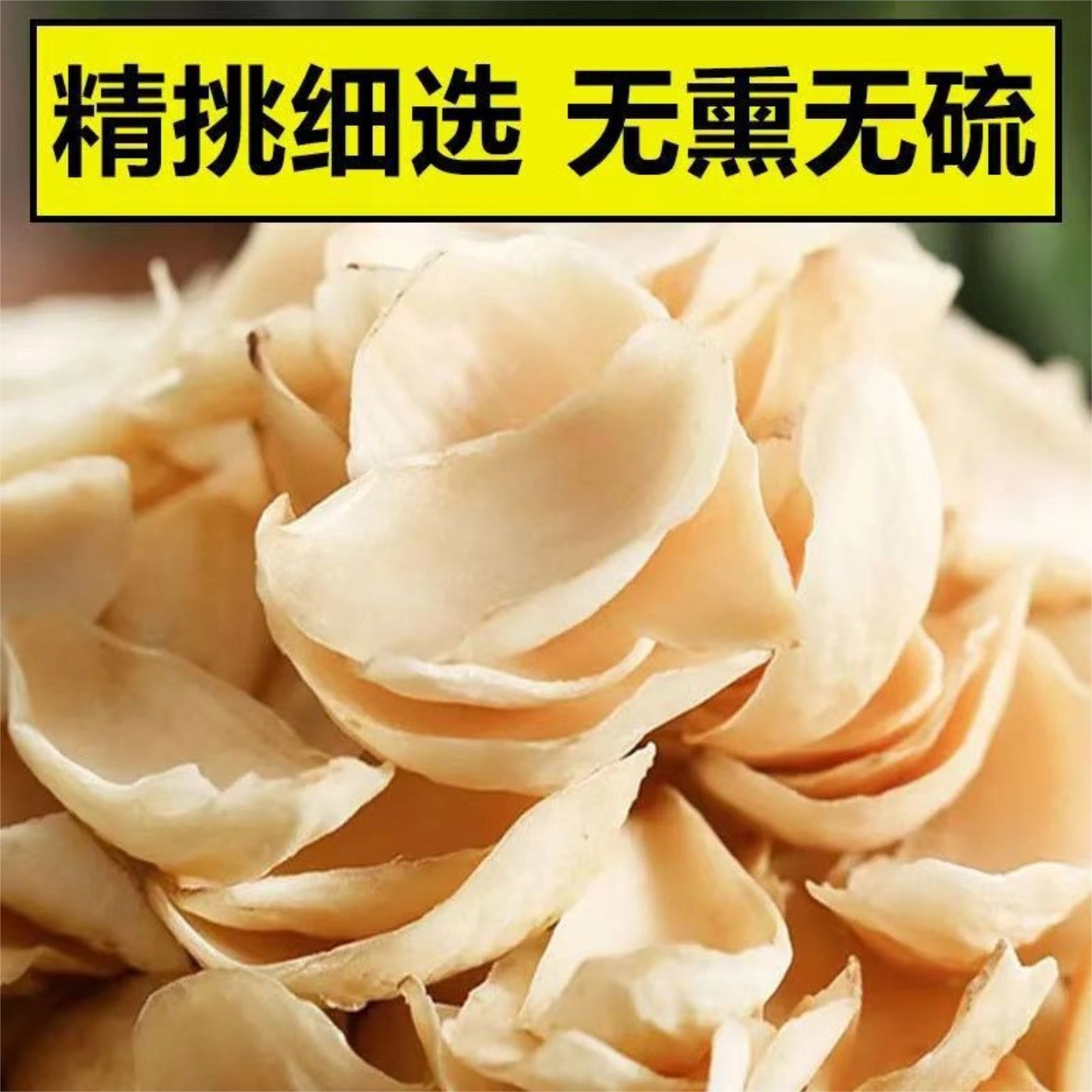
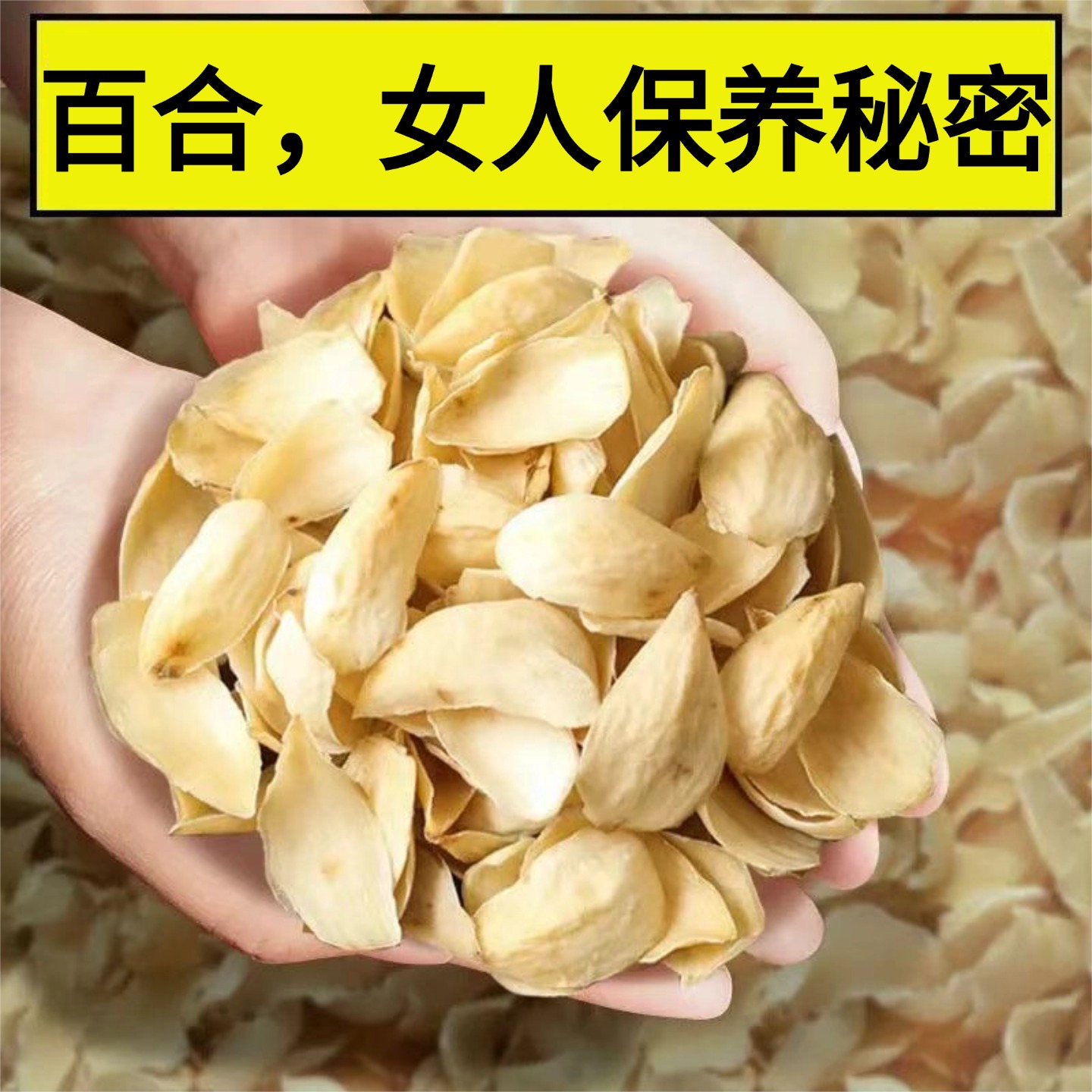
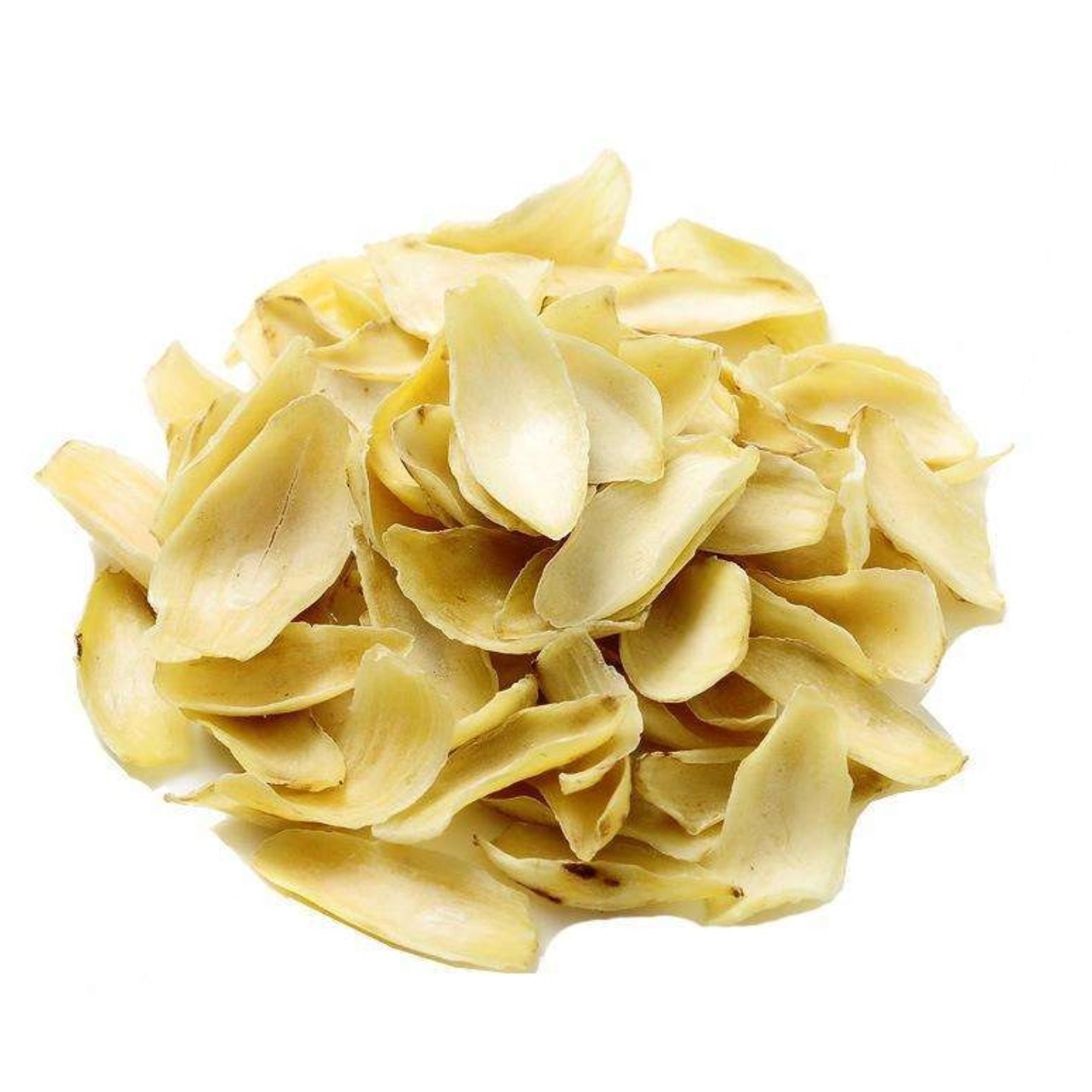
Dried Lily Bulb Slices Sulfur Free Bai He 500g Premium Selected for Soups and Teas
Price range: $14.36 through $24.26
Description
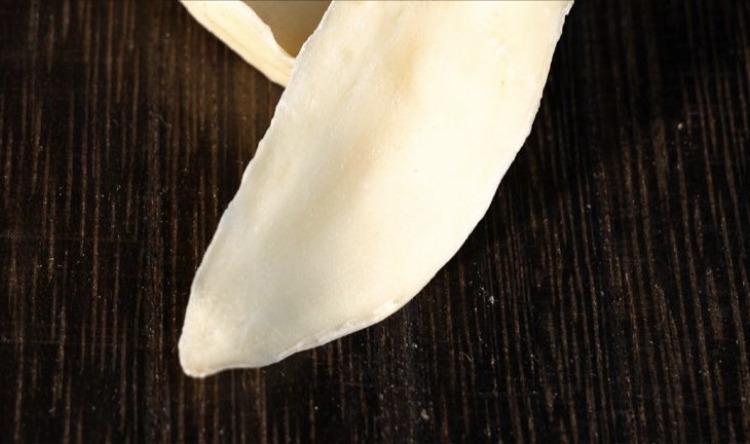
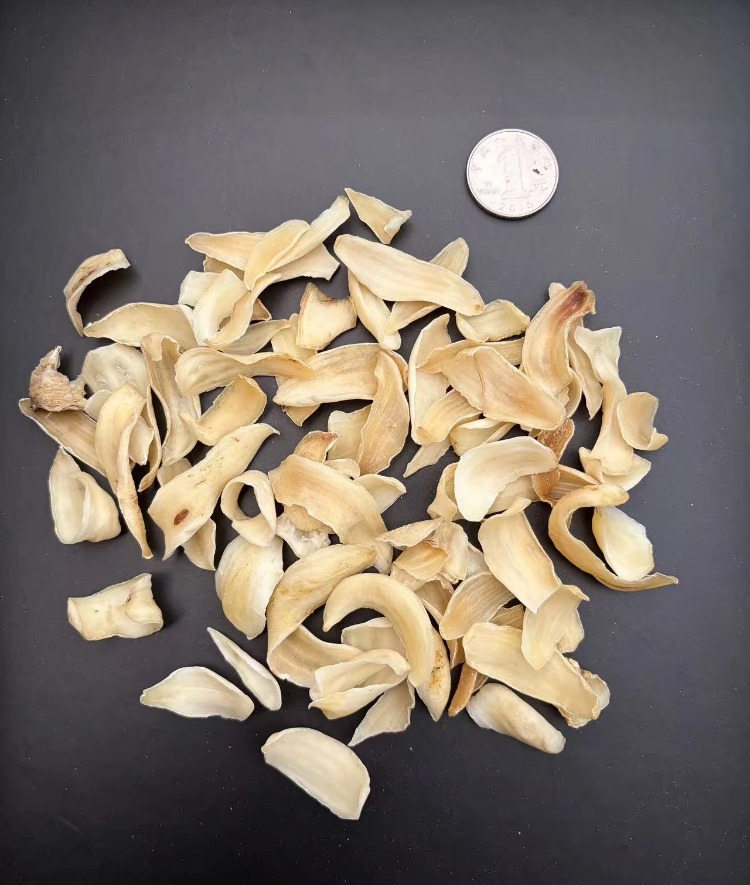
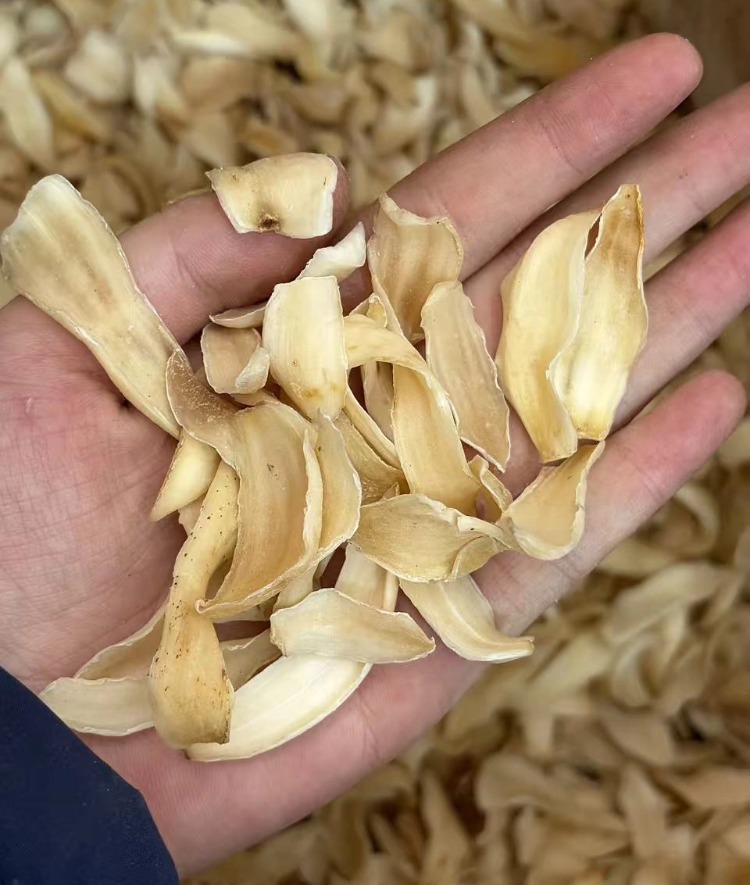
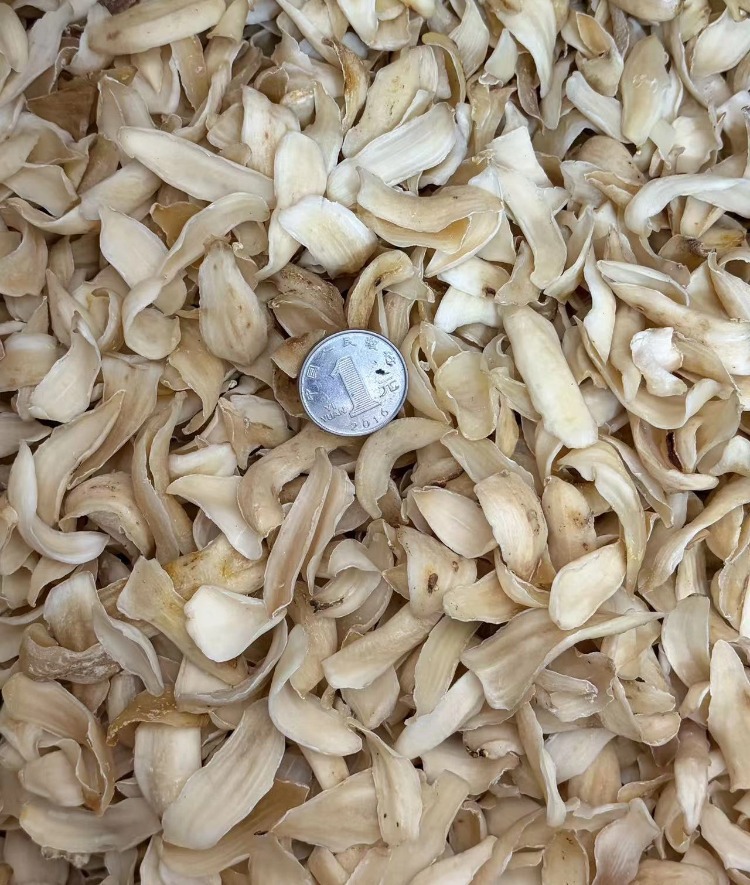
Dried Lily Bulb Slices, known in TCM as Bai He (百合), from Lilium lancifolium or Lilium brownii. These sulfur-free dried bulb scales are carefully selected for a clean, natural appearance. In TCM theory, lily bulb is considered sweet and slightly cold, traditionally associated with the Lung and Heart channels. It is commonly used in gentle soups, congee, and herbal teas as a mild, nourishing food ingredient.
Key Selling Points
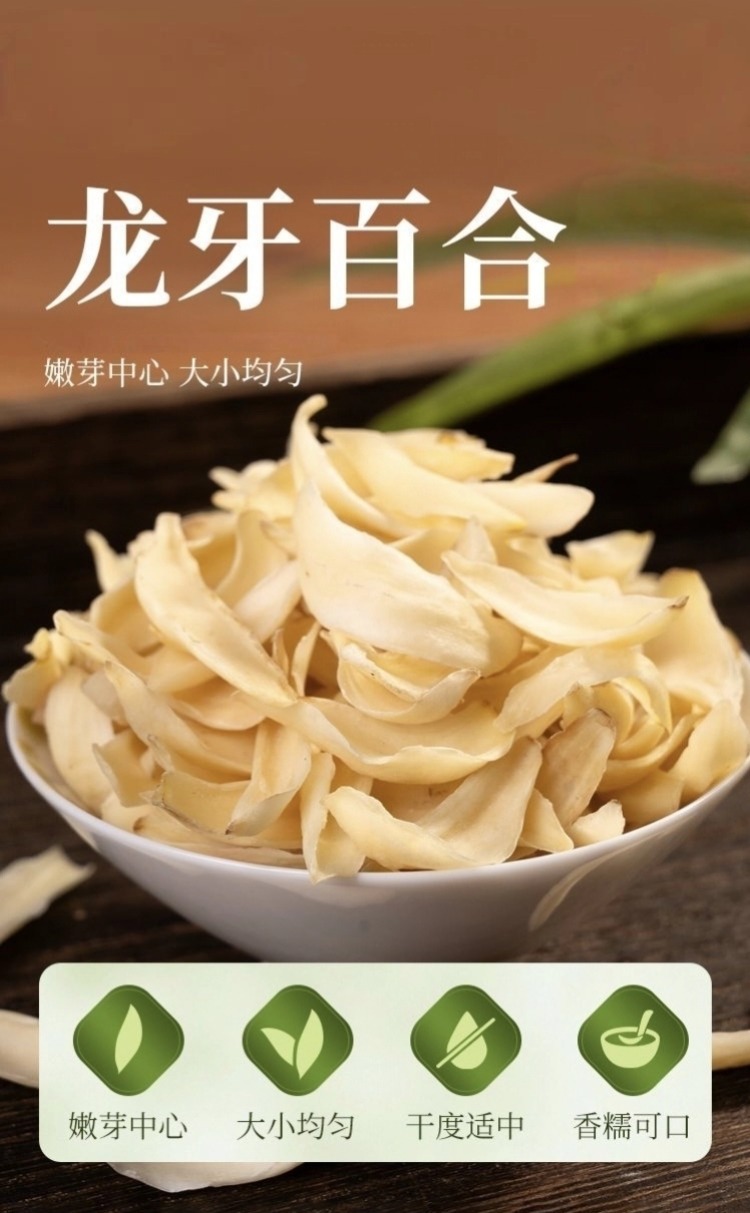
- Sulfur-free dried lily bulb slices
- Known in TCM as Bai He (百合)
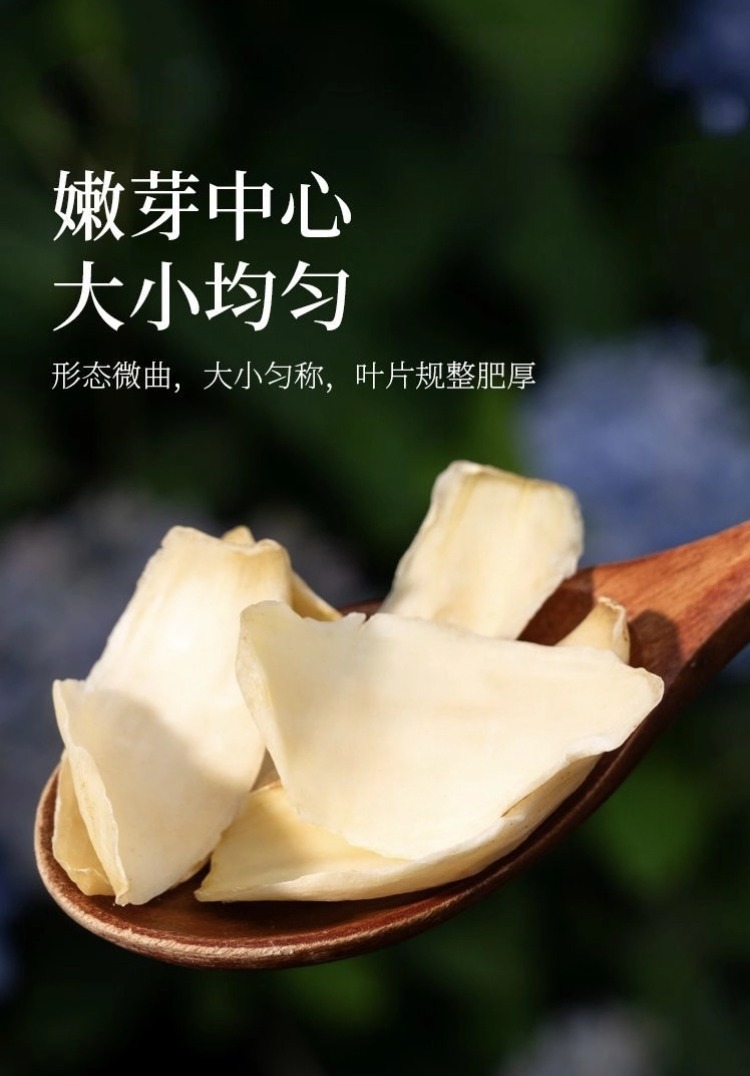
- Selected premium-grade bulb scales
- Traditional Lung and Heart channel herb
- Versatile for soups, congee, and teas
Quality & Sensory
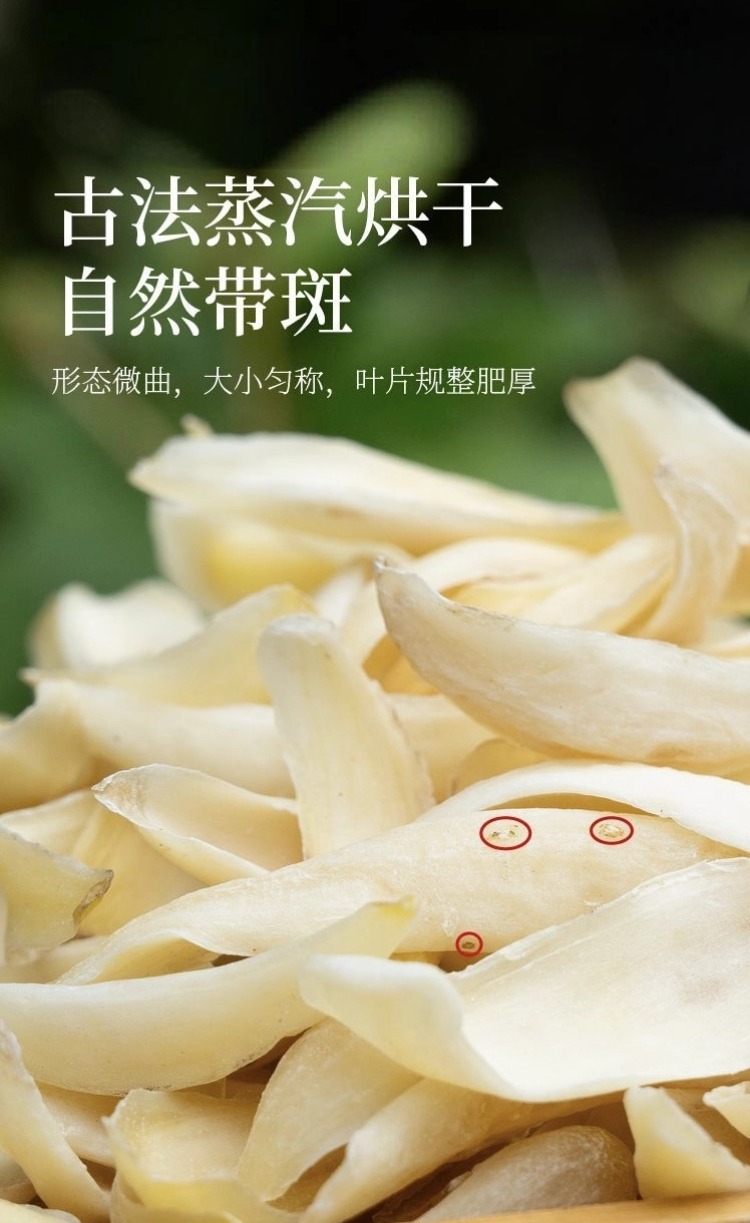
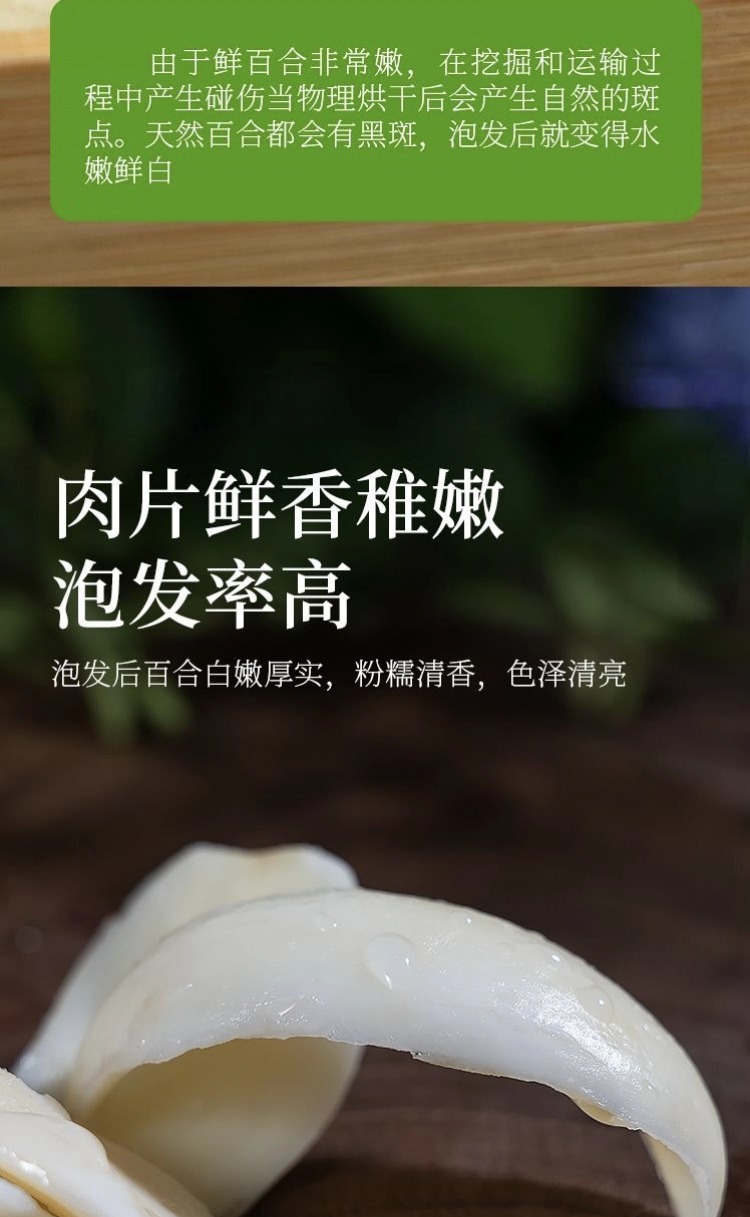
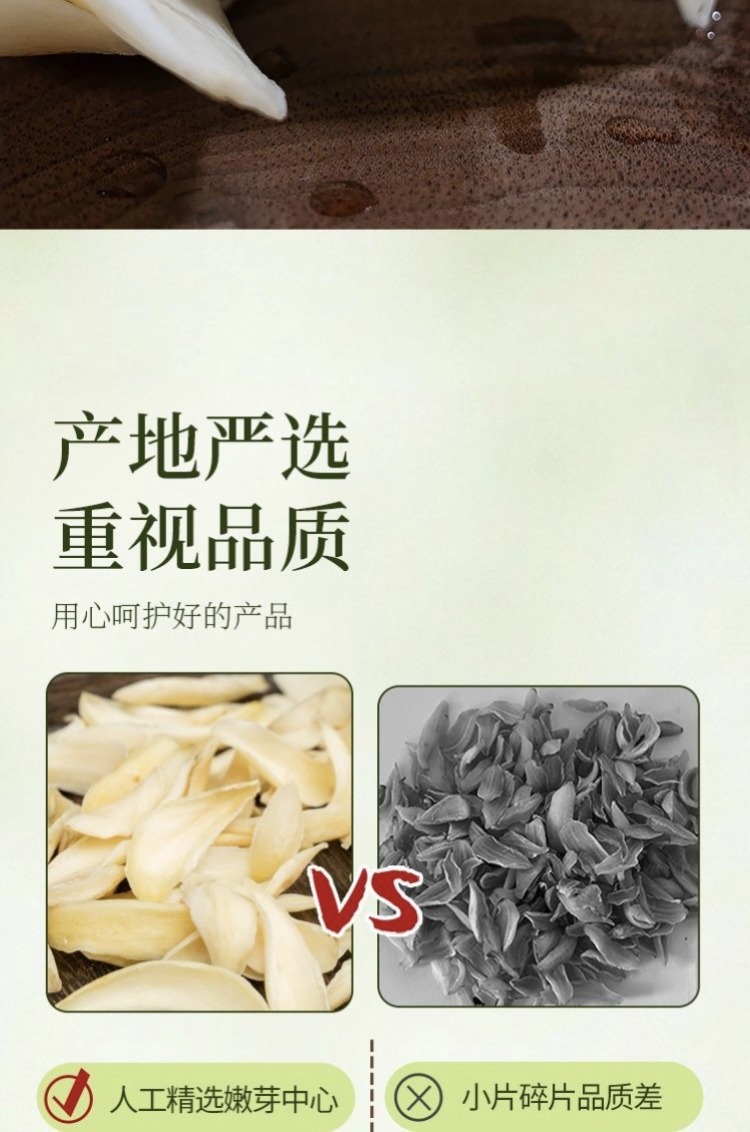
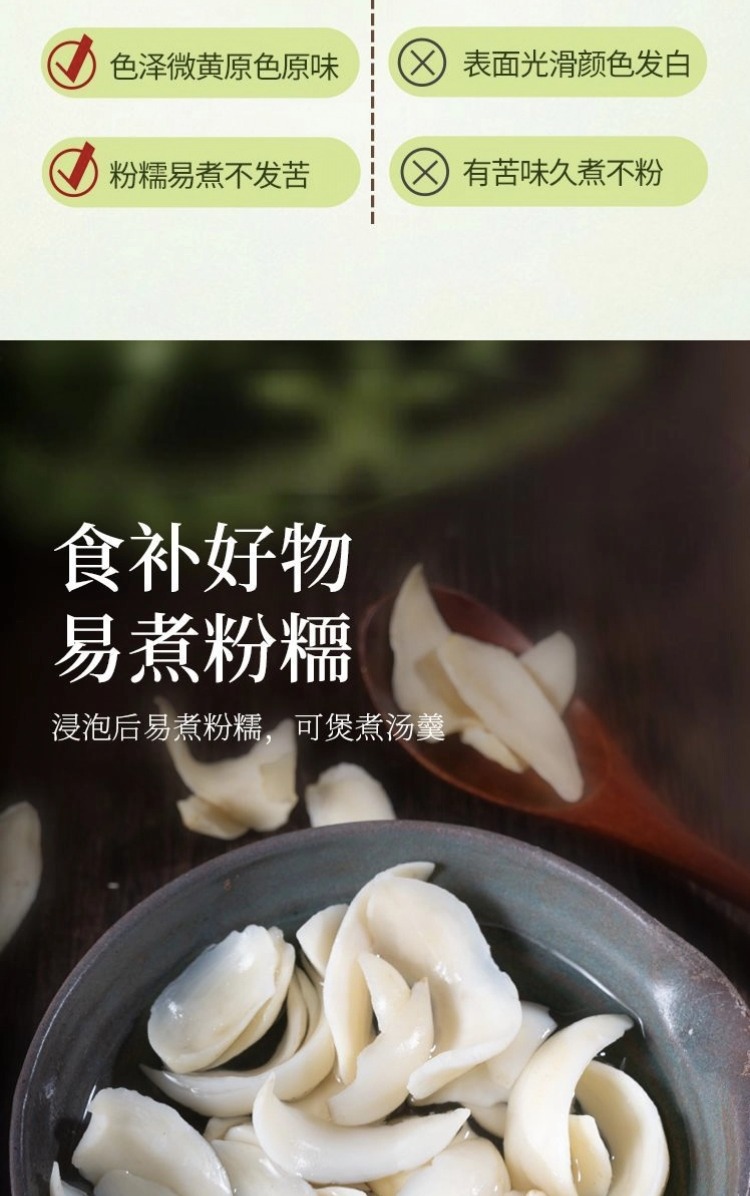
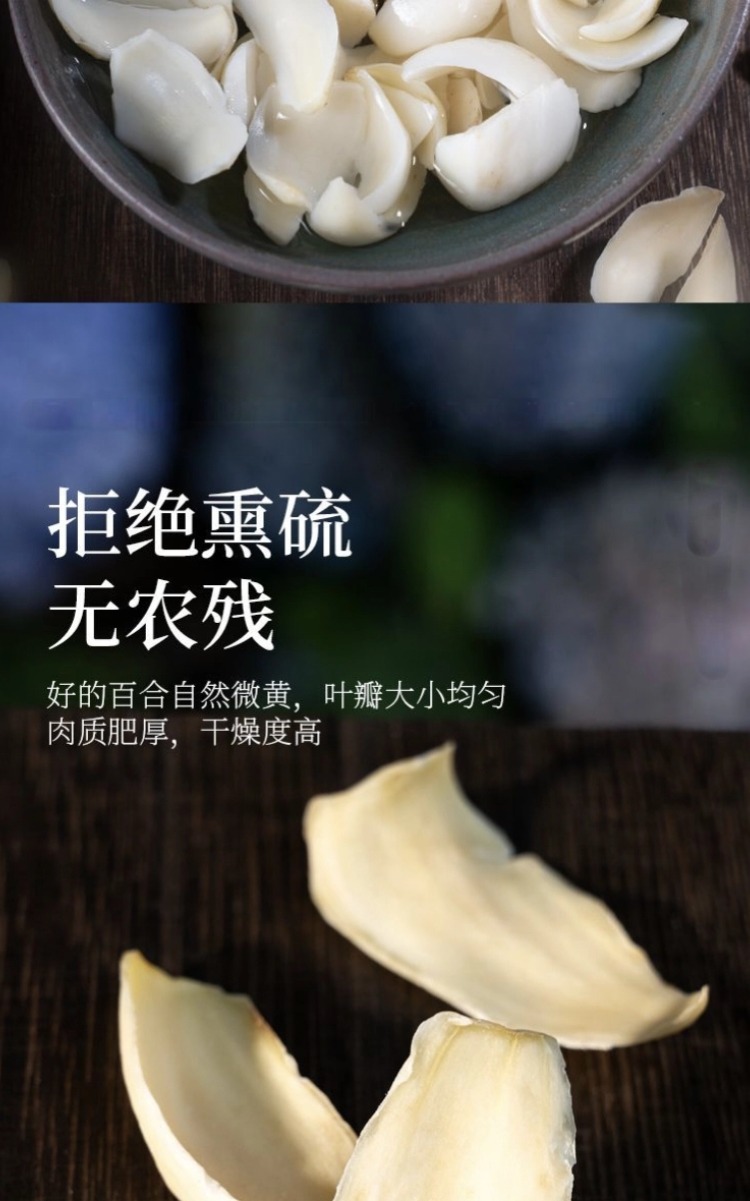
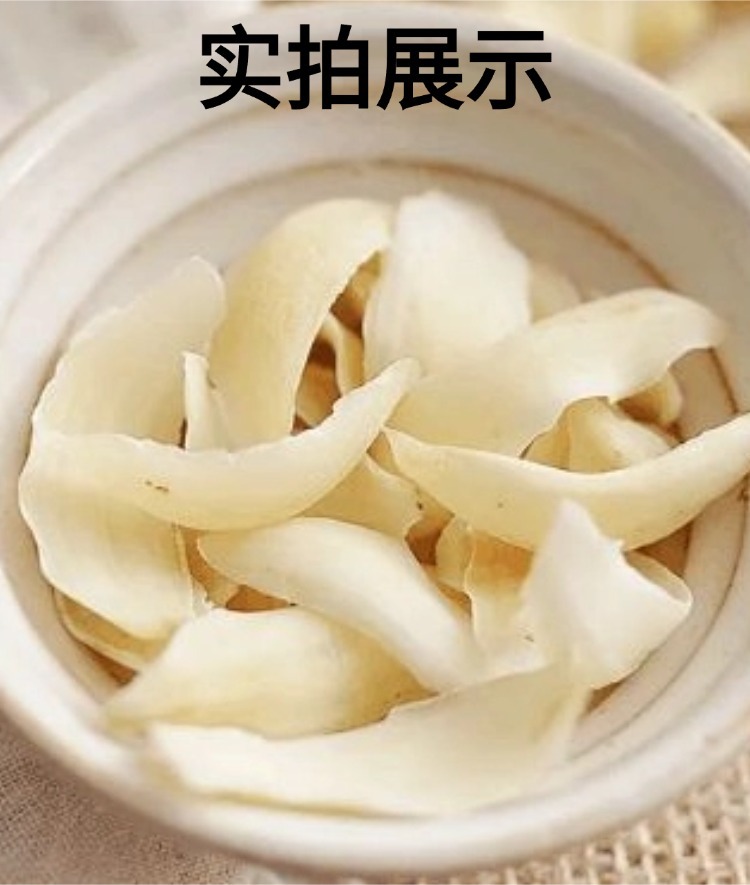
The dried slices are typically creamy white to pale ivory with a firm, slightly brittle texture. They have a mild, faintly sweet aroma and a soft, subtly sweet taste after simmering, with a pleasant starchy mouthfeel in soups and congee.
Technical Specifications
| Product Type | Dried lily bulb slices |
|---|---|
| Chinese Name | 百合 |
| Pinyin | Bai He |
| Botanical Name | Lilium lancifolium |
| Plant Part | Bulb scales |
| Net Weight | 500g |
Usage Scenarios
- Simmered in sweet or savory soups
- Cooked into rice congee
- Brewed as a mild herbal tea
- Added to seasonal nourishing dishes
- Used in traditional dessert soups
Traditional Uses
In TCM tradition, Bai He is often prepared in soups and congee to support a gentle, moistening quality. It is commonly paired with lotus seed, Chinese yam, or goji berry in everyday nourishing recipes. Folk practice also uses it in sweet dessert soups and light daily teas, especially during dry seasonal weather.
FAQ Q&A
Q: What is this product?
A: It is dried lily bulb slices, known in TCM as Bai He (百合), from the Lilium plant. The product is sulfur-free and sold as a 500g pack.
Q: What is its traditional value?
A: In TCM theory, lily bulb is sweet and slightly cold and is associated with the Lung and Heart channels. It is traditionally used as a mild nourishing food ingredient.
Q: How is it commonly prepared?
A: It is usually rinsed and simmered in soups, congee, or dessert soups. It can also be brewed as a light herbal tea.
Additional information
| Weight | N/A |
|---|---|
| Dimensions | N/A |
| Packaging specifications | 0 25kg, 0 5kg |
Related products
-
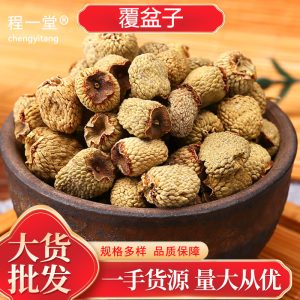
Dried Raspberry Fruit Fu Pen Zi Whole Berries for Herbal Tea and Wine Infusion 500g
Price range: $15.63 through $18.06 -
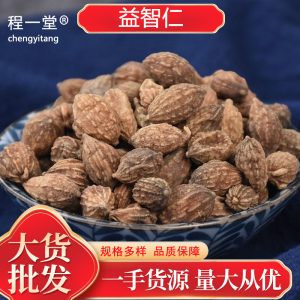
Yi Zhi Ren Dried Alpinia Oxyphylla Fruit 500g Traditional Herbal Tea and Decoction Ingredient
Price range: $11.74 through $13.36 -
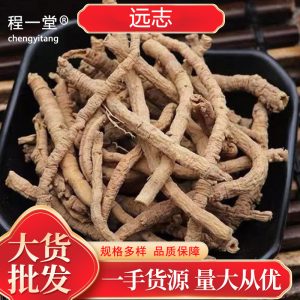
Dried Polygala Root Yuan Zhi 500g Traditional Chinese Herb for Decoction
Price range: $18.87 through $24.54 -
Dried Ginger Root Gan Jiang 500g Bulk Chinese Herb Zingiber officinale Rhizome for Decoction and Culinary Use
$5.90
Reviews
There are no reviews yet.