
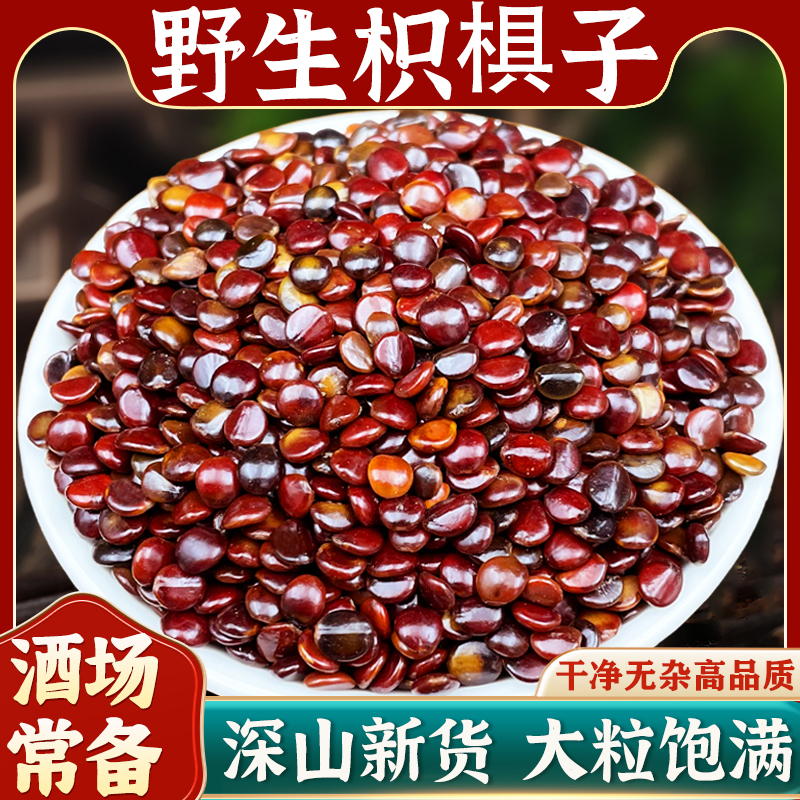
Dried Hovenia Dulcis Fruit Zhizhuzi Japanese Raisin Tree Fruit for Herbal Decoction 175g
Price range: $5.90 through $8.19
Description
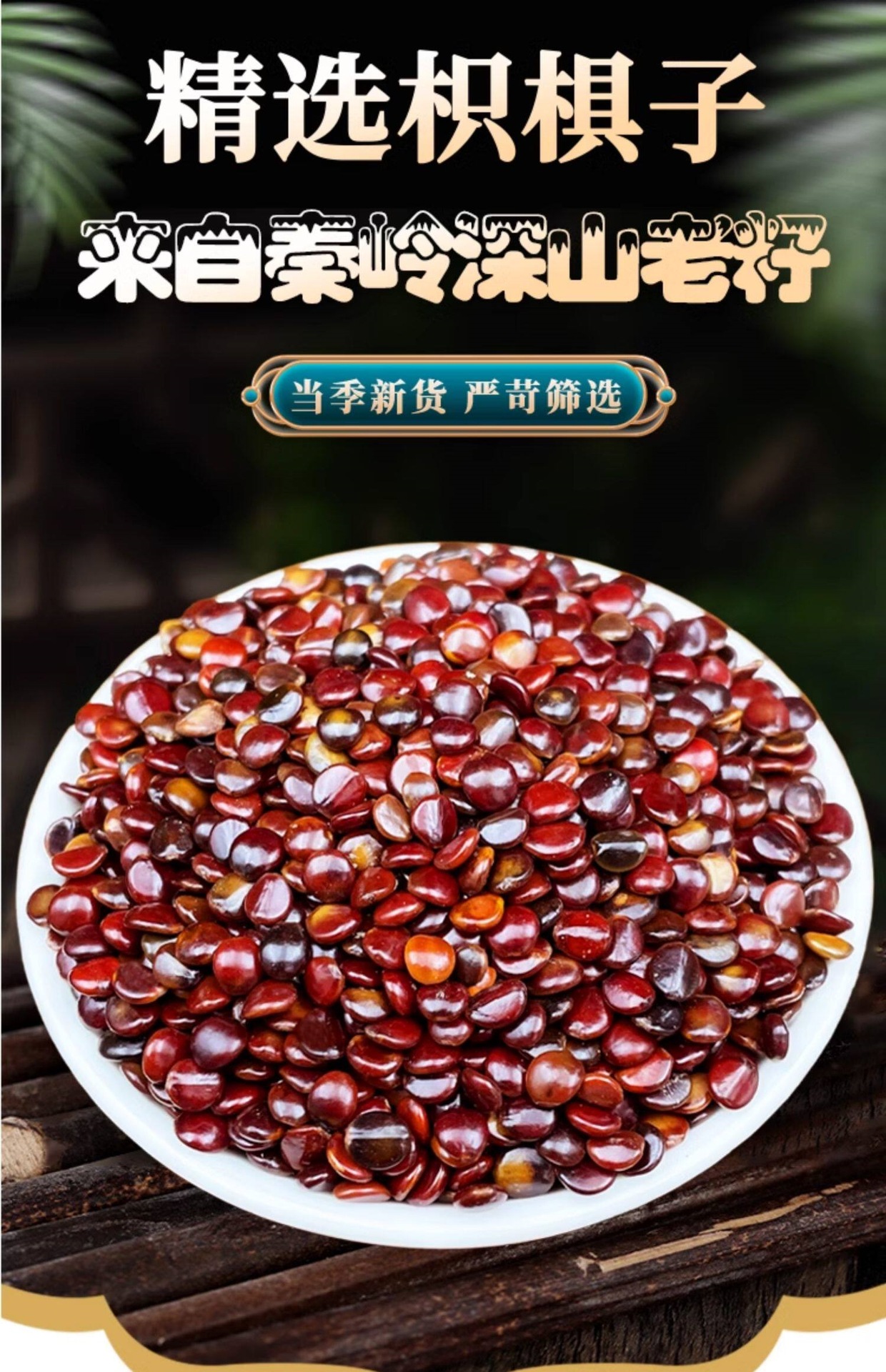
Dried Hovenia Fruit, known in TCM as Zhi Ju Zi (枳椇子) and also written Zhi Zhui Zi, from Hovenia dulcis. This sun-dried fruit is traditionally used in Chinese herbal practice for decoctions and teas. In TCM theory it is sweet and neutral, associated with the spleen and stomach channels. It is commonly prepared as a simple herbal tea or added to soup and congee.

Key Selling Points
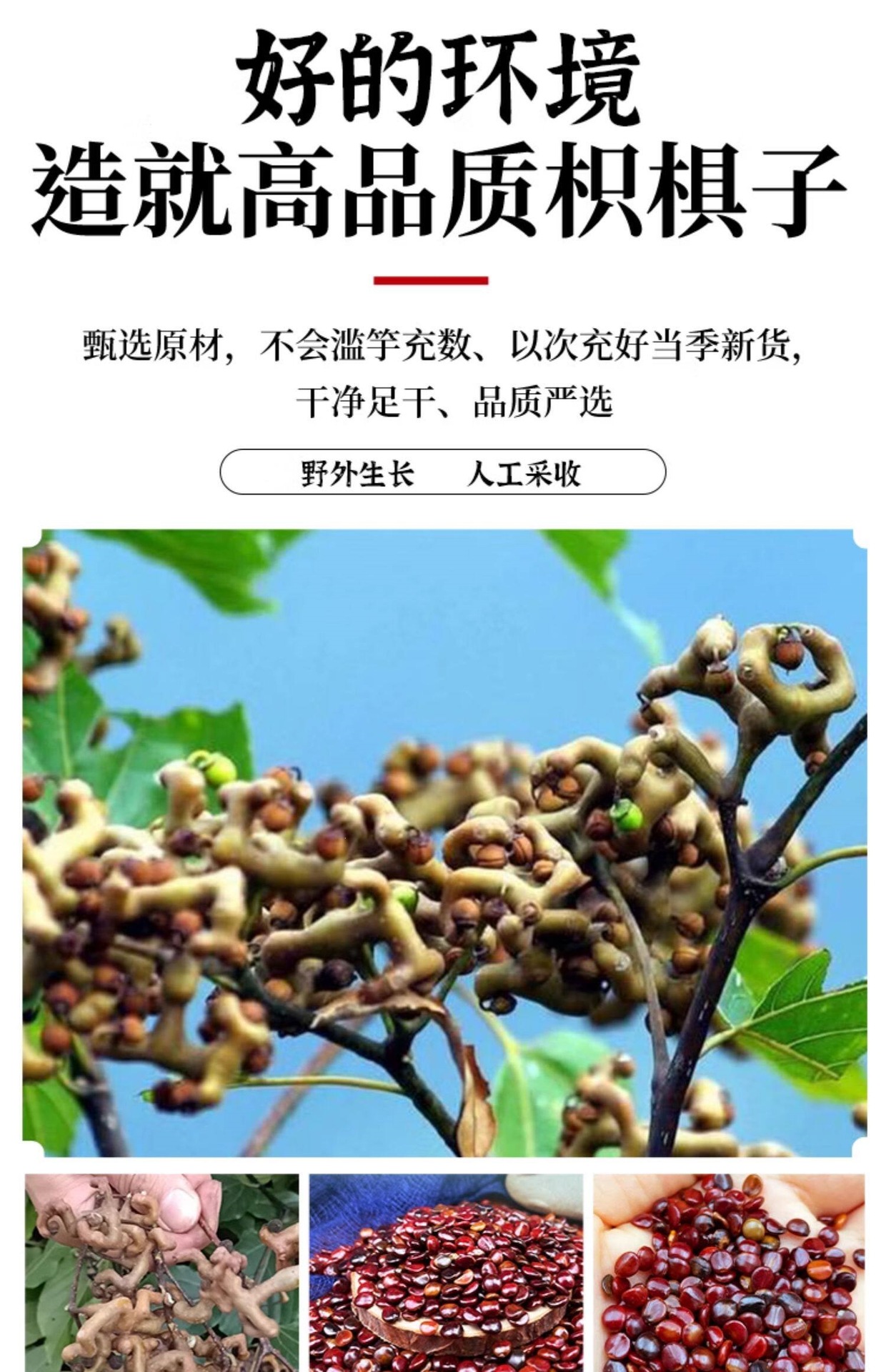
- Dried Hovenia dulcis fruit, the traditional Zhi Ju Zi used in Chinese herbal practice
- Sun-dried whole fruit pieces with a naturally sweet, mild flavor
- Traditionally associated with supporting the spleen and stomach in TCM theory
- Suitable for herbal decoctions, teas, soups, and congee
- Pre-packaged 175g net weight from a mainland China source

Quality & Sensory
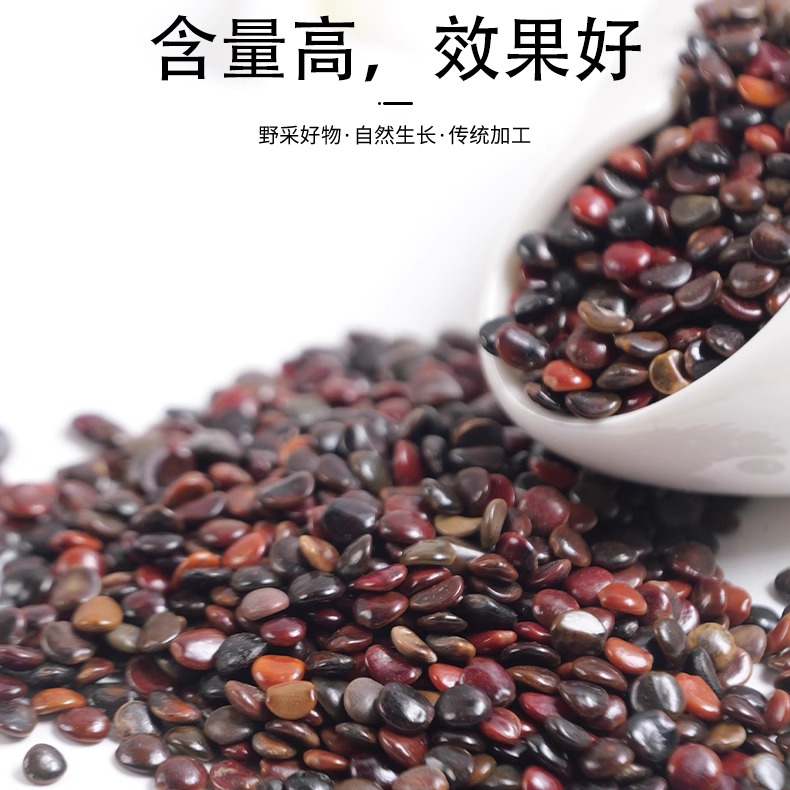
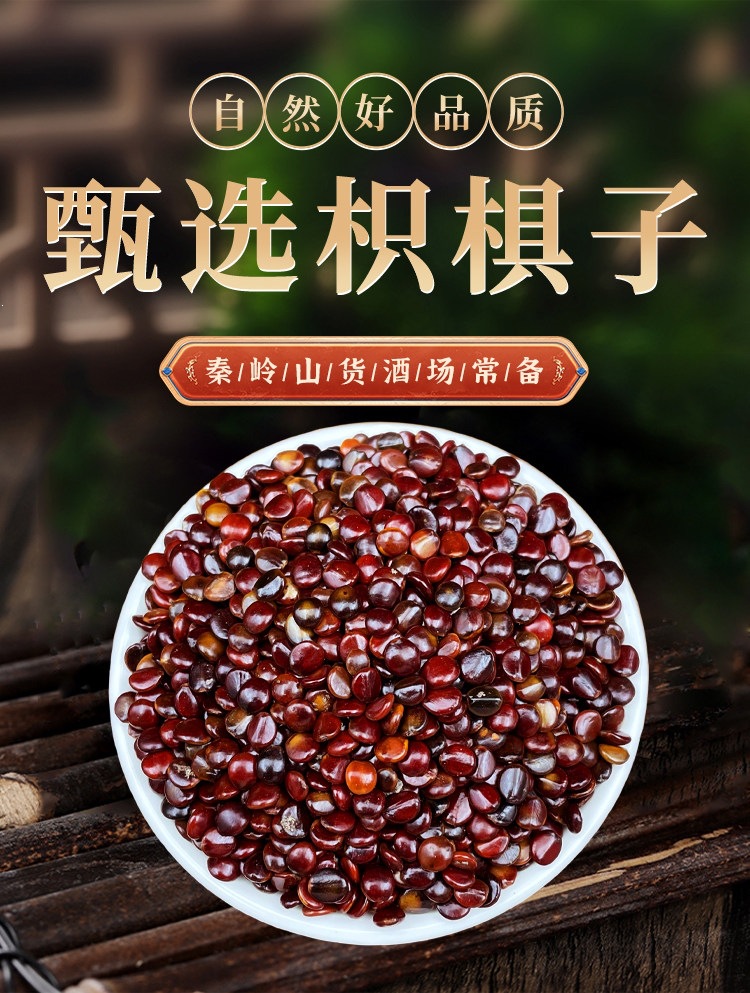
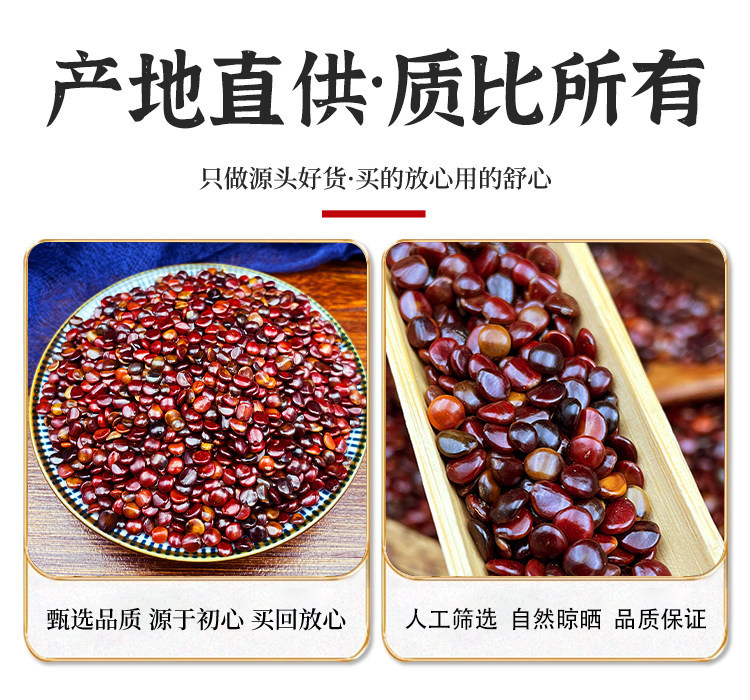
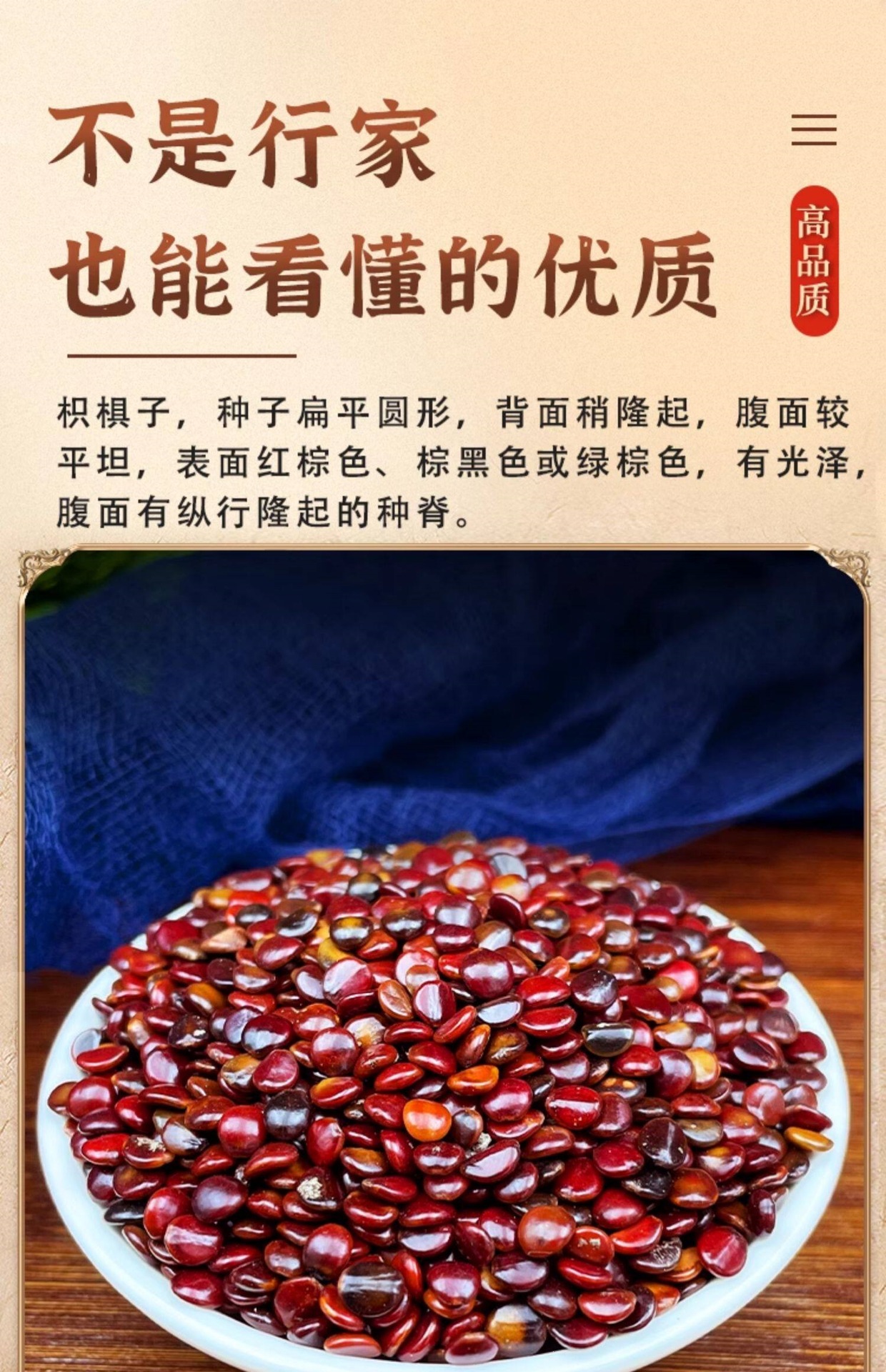
The dried fruit pieces are typically brown to dark brown with a wrinkled, leathery texture. They have a mild, sweet aroma and a gently sweet taste when brewed or decocted. Color and texture may vary slightly between batches due to natural sun-drying.

Technical Specifications
| Product Type | Dried herbal fruit |
|---|---|
| Chinese Name | 枳椇子 |
| Pinyin | Zhi Ju Zi |
| Botanical Name | Hovenia dulcis |
| Plant Part | Fruit |
| Net Weight | 175g |
Usage Scenarios
- Simmered as a single-herb decoction or tea
- Added to herbal soup recipes
- Cooked into congee
- Combined with other mild herbs in a daily herbal blend
Traditional Uses
In TCM theory, Zhi Ju Zi is traditionally used in decoctions and teas, often paired with herbs such as Ge Hua or Chen Pi. It is also added to soups and congee in folk practice. Traditional texts associate it with the spleen and stomach channels and describe it as sweet and neutral.
FAQ Q&A
Q: What is this product?
A: It is dried Hovenia dulcis fruit, known in TCM as Zhi Ju Zi (枳椇子), sold as whole sun-dried pieces.
Q: What is its traditional value?
A: In TCM theory it is considered sweet and neutral and is traditionally associated with the spleen and stomach channels.
Q: How is it commonly prepared?
A: It is typically simmered as a decoction or tea, or added to soups and congee. It can also be combined with other mild herbs.
Additional information
| Weight | N/A |
|---|---|
| Dimensions | N/A |
| Model | 枳椇子100克, 枳椇子250克, 枳椇子500克 |
Related products
-
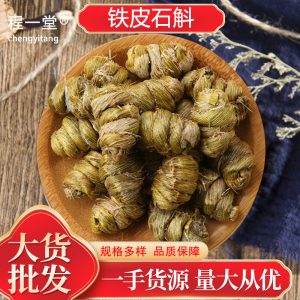
Tie Pi Shi Hu Dried Dendrobium Stems 500g Huoshan Fengdou for Soup and Tea
Price range: $35.88 through $108.80 -
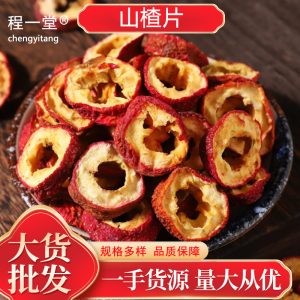
Dried Hawthorn Slices Shan Zha 500g Seedless Hollow Rings Freeze Dried Hawthorn for Tea and Culinary Use
Price range: $4.44 through $7.04 -

Cabinda Bark Dried Herb 500g Traditional Herbal Infusion Ingredient
Price range: $12.38 through $37.50 -

Fritillaria Bulb Chuan Bei Mu Dried Chinese Herbal Bulbs for Decoction and Traditional Use 500g
Price range: $18.06 through $94.21
Reviews
There are no reviews yet.