
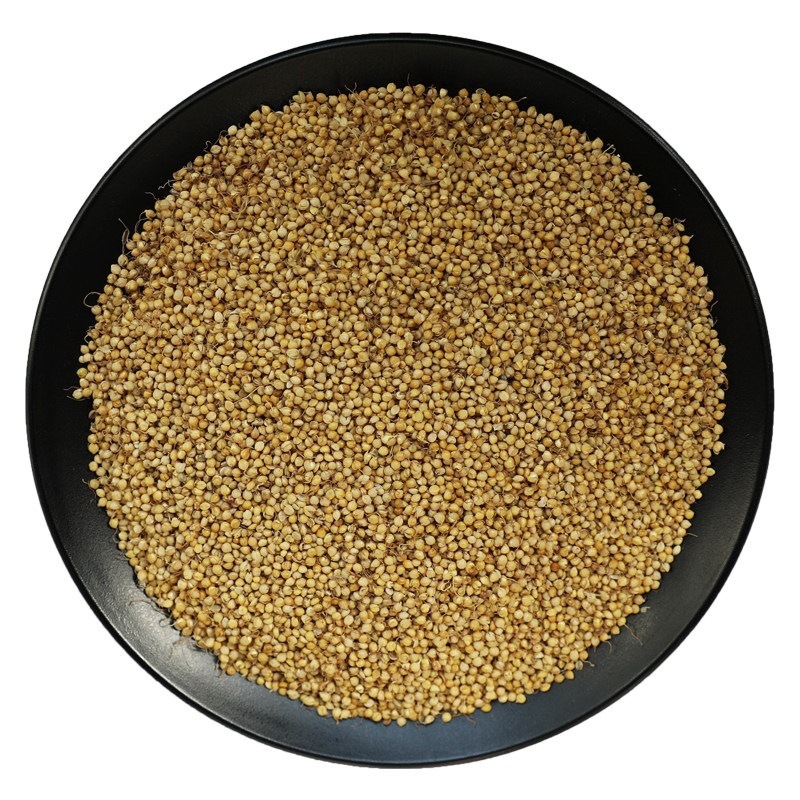
Dried Gu Ya Sprouted Rice Grain for Herbal Decoction and Soup 500g
Description
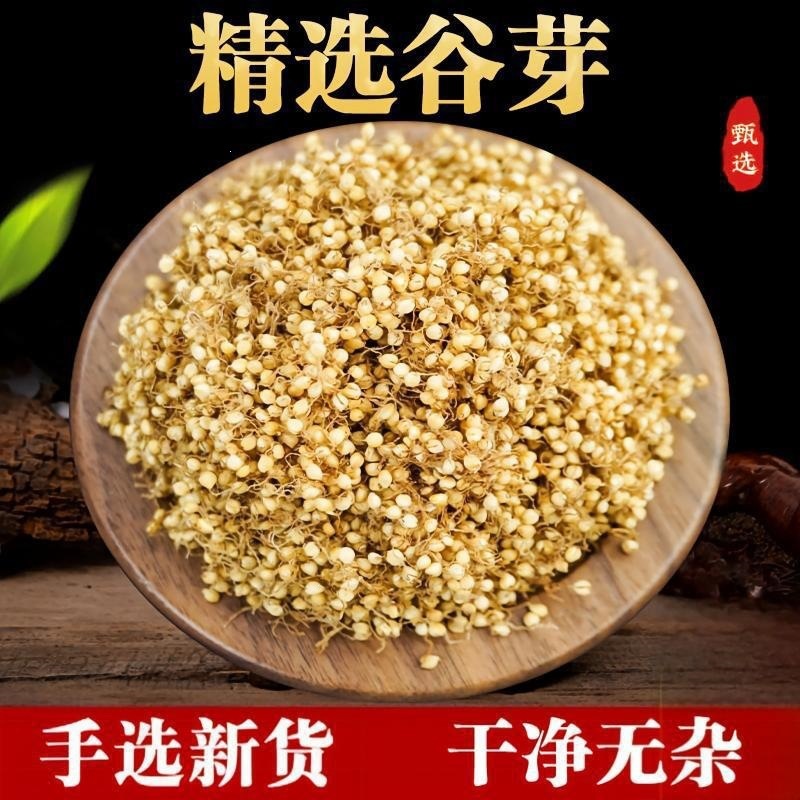
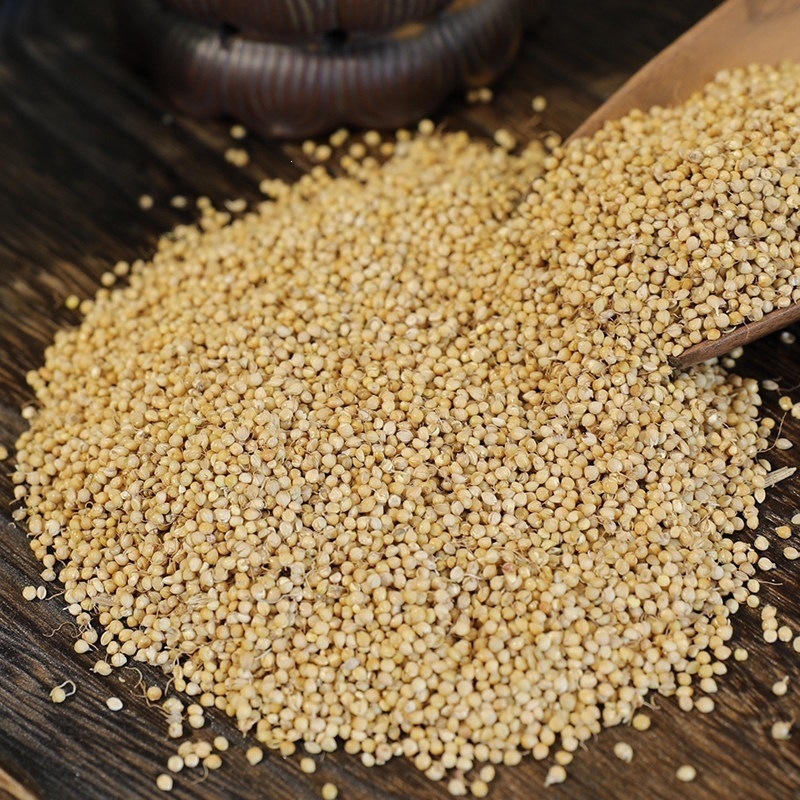
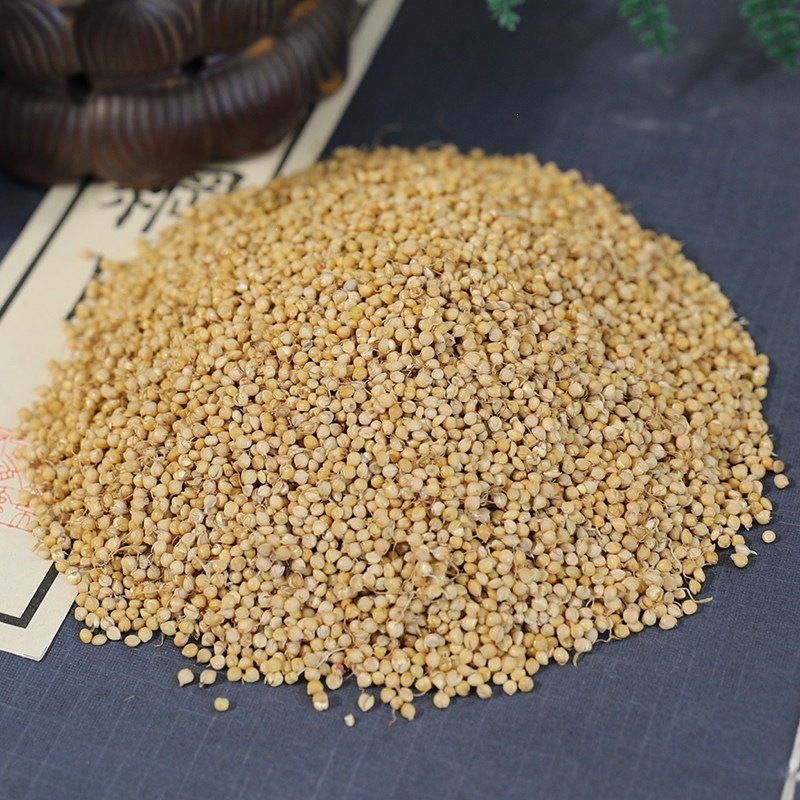
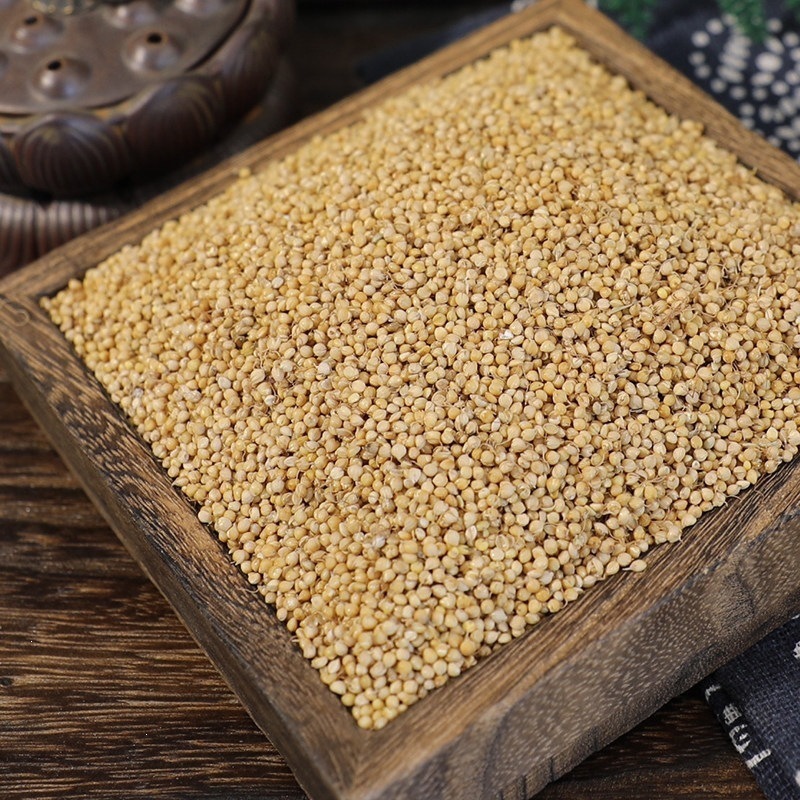
Dried Gu Ya (谷芽), also known as sprouted rice grain, is the dried sprouted grain of Oryza sativa. In TCM theory it is considered sweet in flavor and neutral in nature, entering the Spleen and Stomach channels. Traditionally used to support gentle digestion and harmonious stomach function. This 500g food-grade herb is sun-dried and stored refrigerated, suitable for decoctions, soups, and congee.
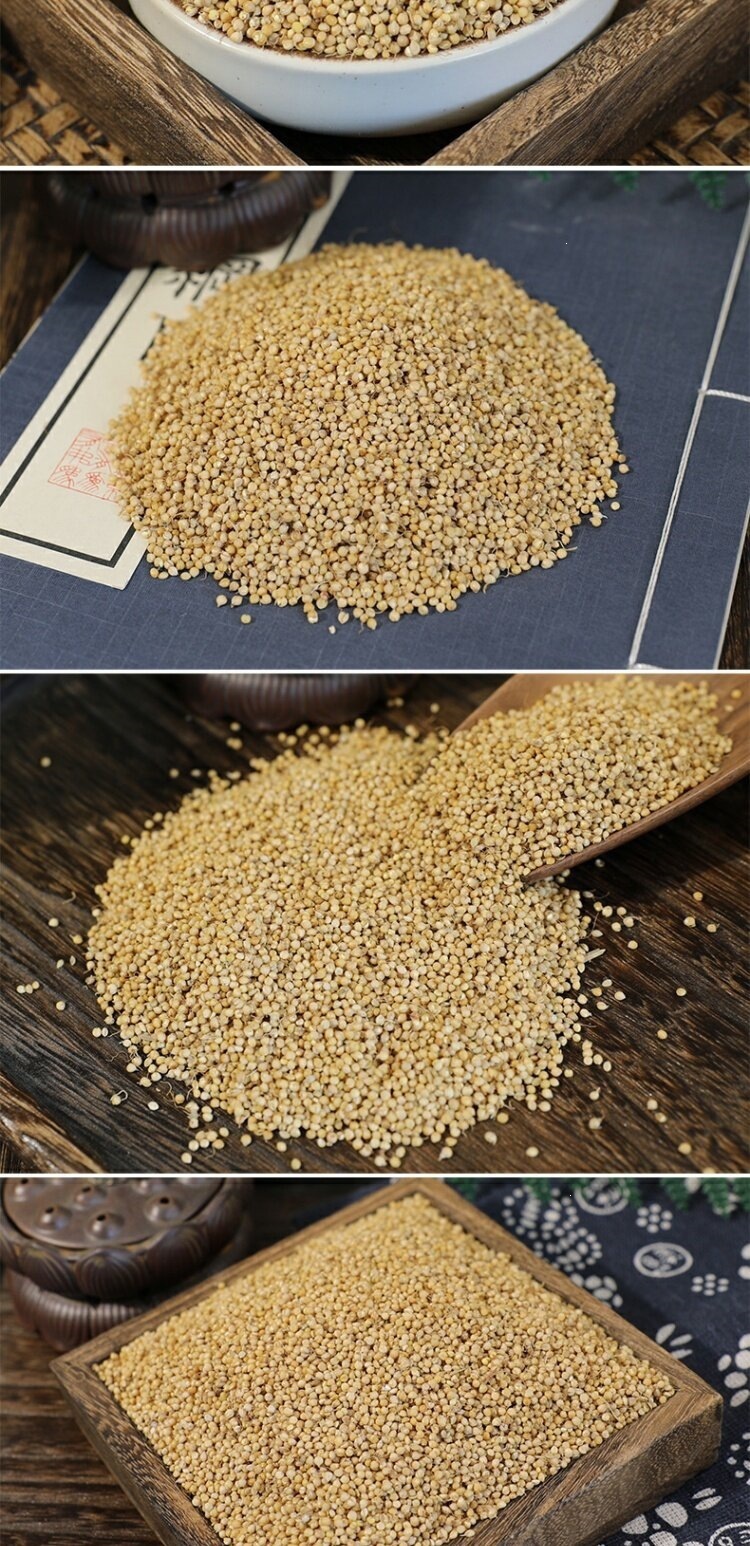
Key Selling Points
- Identified in TCM as Gu Ya (谷芽), the dried sprouted grain of Oryza sativa
- Sun-dried food-grade agricultural product with no organic certification
- Sweet and neutral in TCM nature, entering the Spleen and Stomach channels
- Traditionally used to support gentle digestion and stomach harmony
- 500g sealed bag, refrigerated storage, 12-month shelf life

Quality & Sensory
The dried sprouted grains are typically pale yellow to light brown with a firm, slightly brittle texture and a mild cereal aroma. After decocting or cooking, the liquid is typically light and subtly sweet with a gentle grain taste.
Technical Specifications
| Product Type | Dried sprouted rice grain |
|---|---|
| Chinese Name | 谷芽 |
| Pinyin | Gu Ya |
| Botanical Name | Oryza sativa |
| Plant Part | Sprouted grain |
| Net Weight | 500g |
Usage Scenarios
- Herbal decoction with other TCM herbs
- Added to soups and congee
- Daily grain tea when lightly simmered
- Combined with Shan Zha and Mai Ya in traditional formulas
Traditional Uses
In TCM theory, Gu Ya is traditionally used to support digestion and harmonize the Stomach. It is commonly decocted with herbs such as Mai Ya, Shan Zha, and Chen Pi in traditional formulas like San Xing Tang. It may also be simmered in congee or soups for gentle daily support during seasonal eating.
FAQ Q&A
Q: What is this product?
A: It is dried Gu Ya (谷芽), the sun-dried sprouted grain of Oryza sativa, sold as a 500g food-grade herb.
Q: What is its traditional value?
A: In TCM theory it is sweet and neutral, entering the Spleen and Stomach channels, and is traditionally used to support gentle digestion and stomach harmony.
Q: How is it commonly prepared?
A: It is typically simmered in water as a decoction, or added to soups and congee. It is often combined with Mai Ya, Shan Zha, and Chen Pi.
Additional information
| Model | 谷芽100克 1袋, 谷芽250克 1袋, 谷芽500克 1袋 |
|---|
Related products
-
Deer Antler Slices Lu Rong 鹿茸片 Dried Slices for Wine Infusion and Soup 100g Wax Slices Pack
Price range: $68.29 through $92.59 -
Dried Codonopsis Root Slices Dang Shen 500g Bulk Supply for Soups and Herbal Decoctions
Price range: $10.28 through $18.06 -
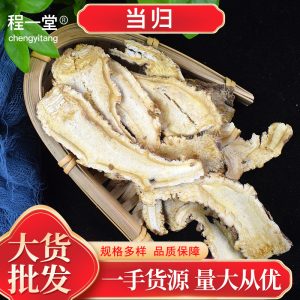
Dried Angelica Sinensis Slices Dang Gui 当归 500g Gansu Raw Herb for Decoction Soup and Tea
Price range: $16.44 through $35.88 -

Cabinda Bark Dried Herb 500g Traditional Herbal Infusion Ingredient
Price range: $12.38 through $37.50
Reviews
There are no reviews yet.