
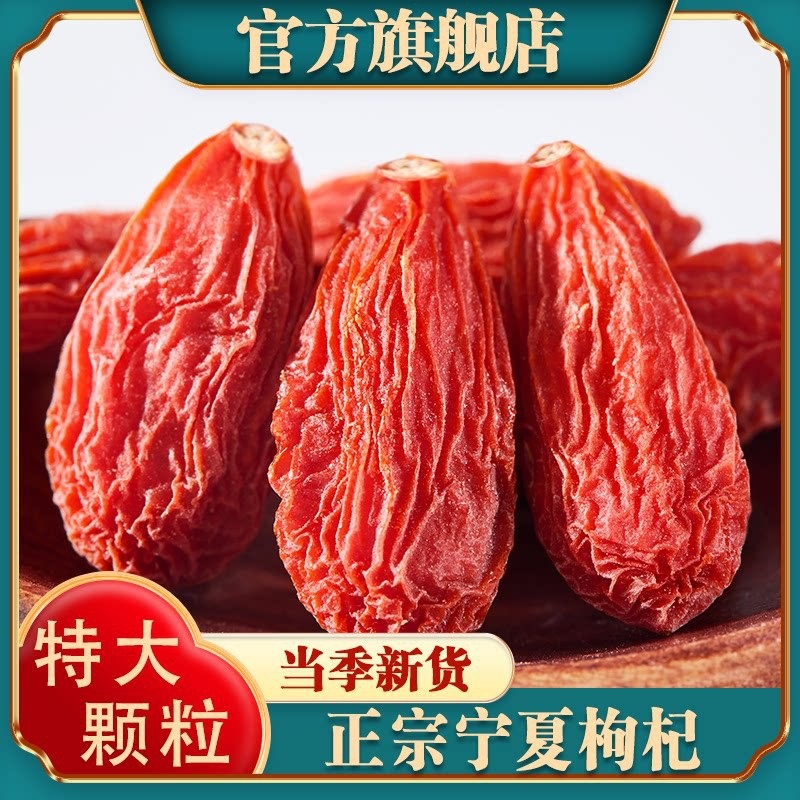
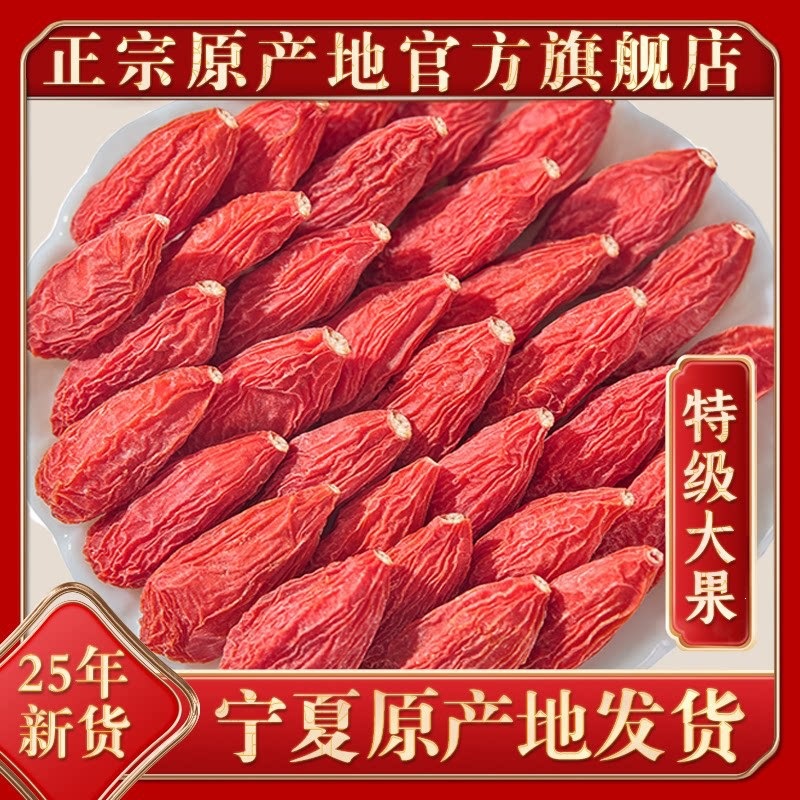
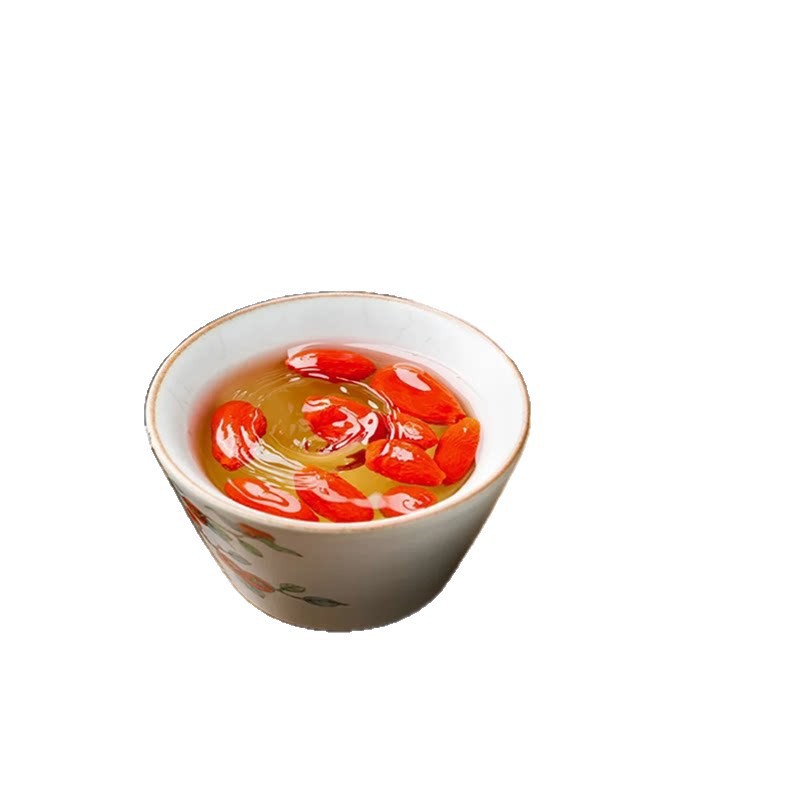
Dried Goji Berries Ningxia Premium Grade 250g First Harvest Large Fruit Zhongning Red Goji for Tea
Price range: $7.44 through $14.78
Description
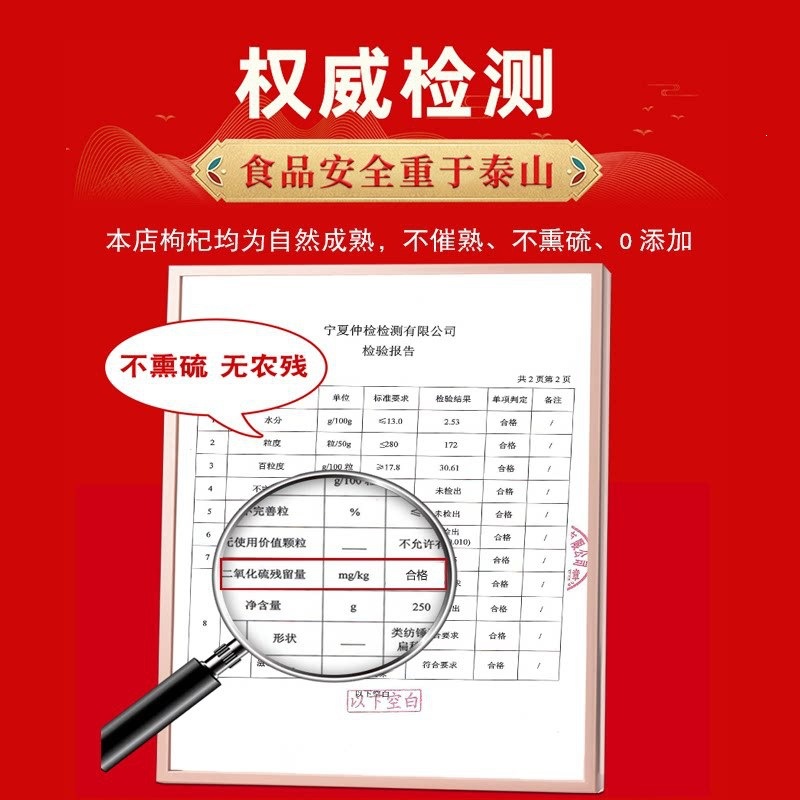
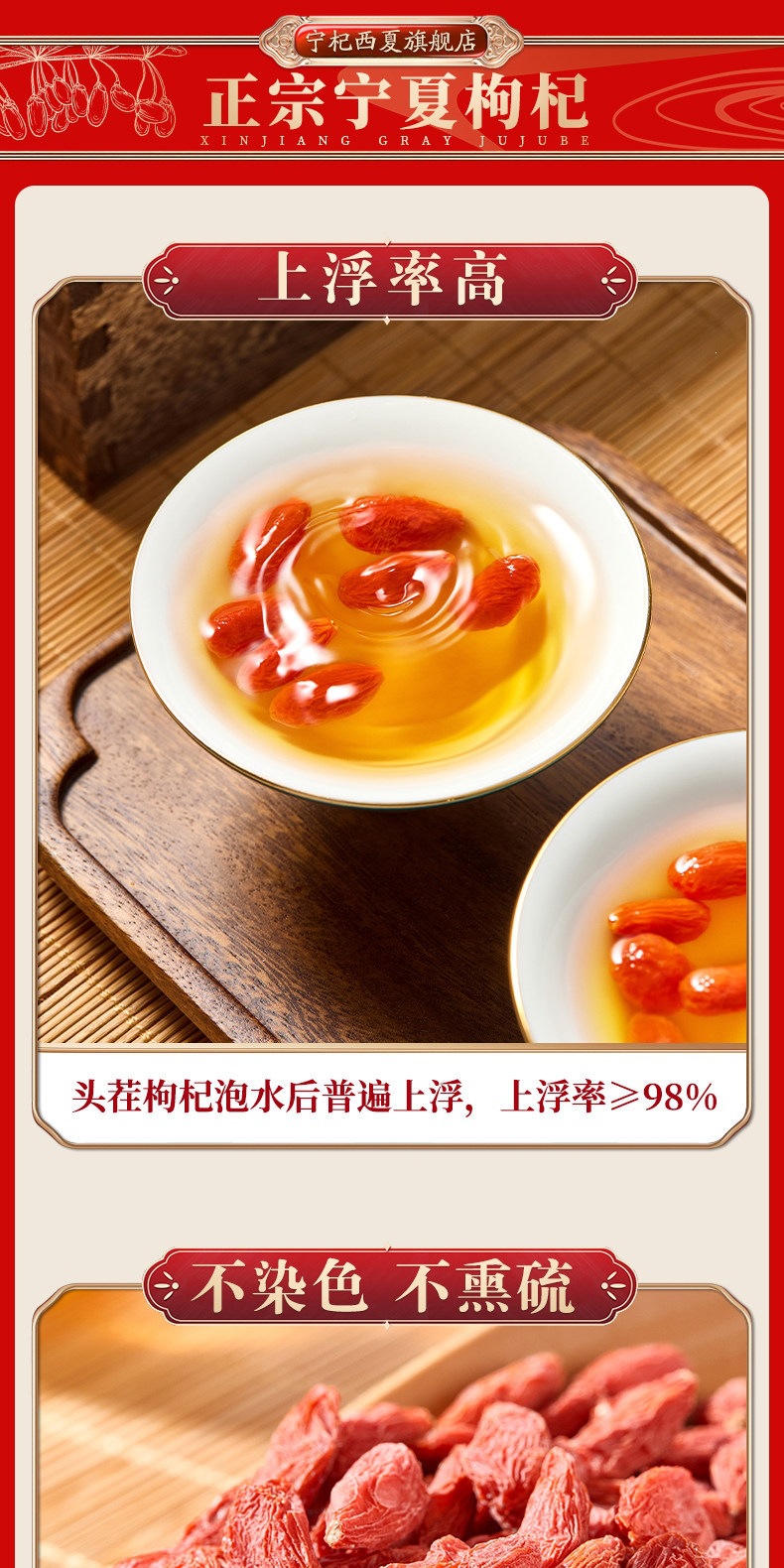
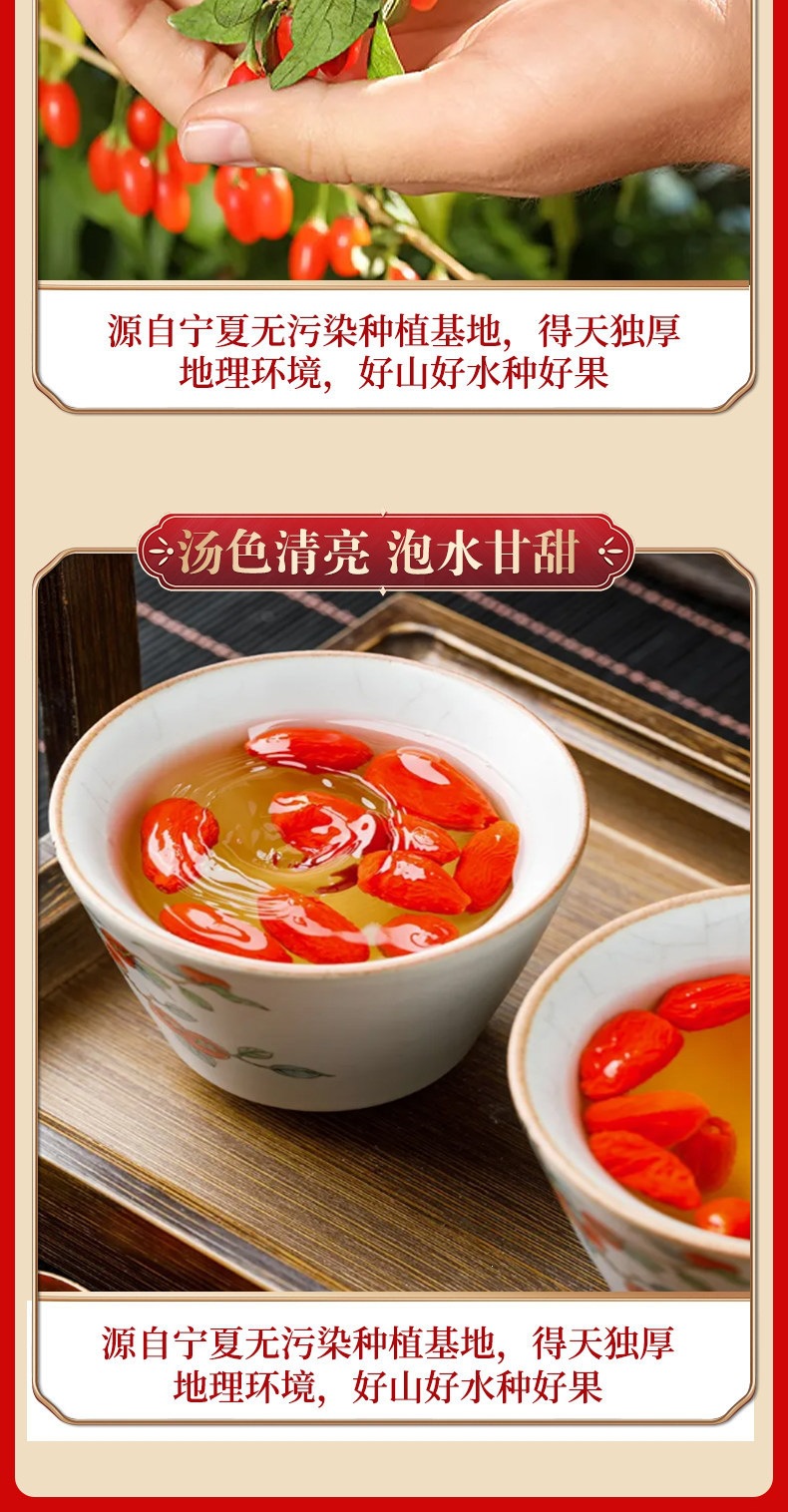
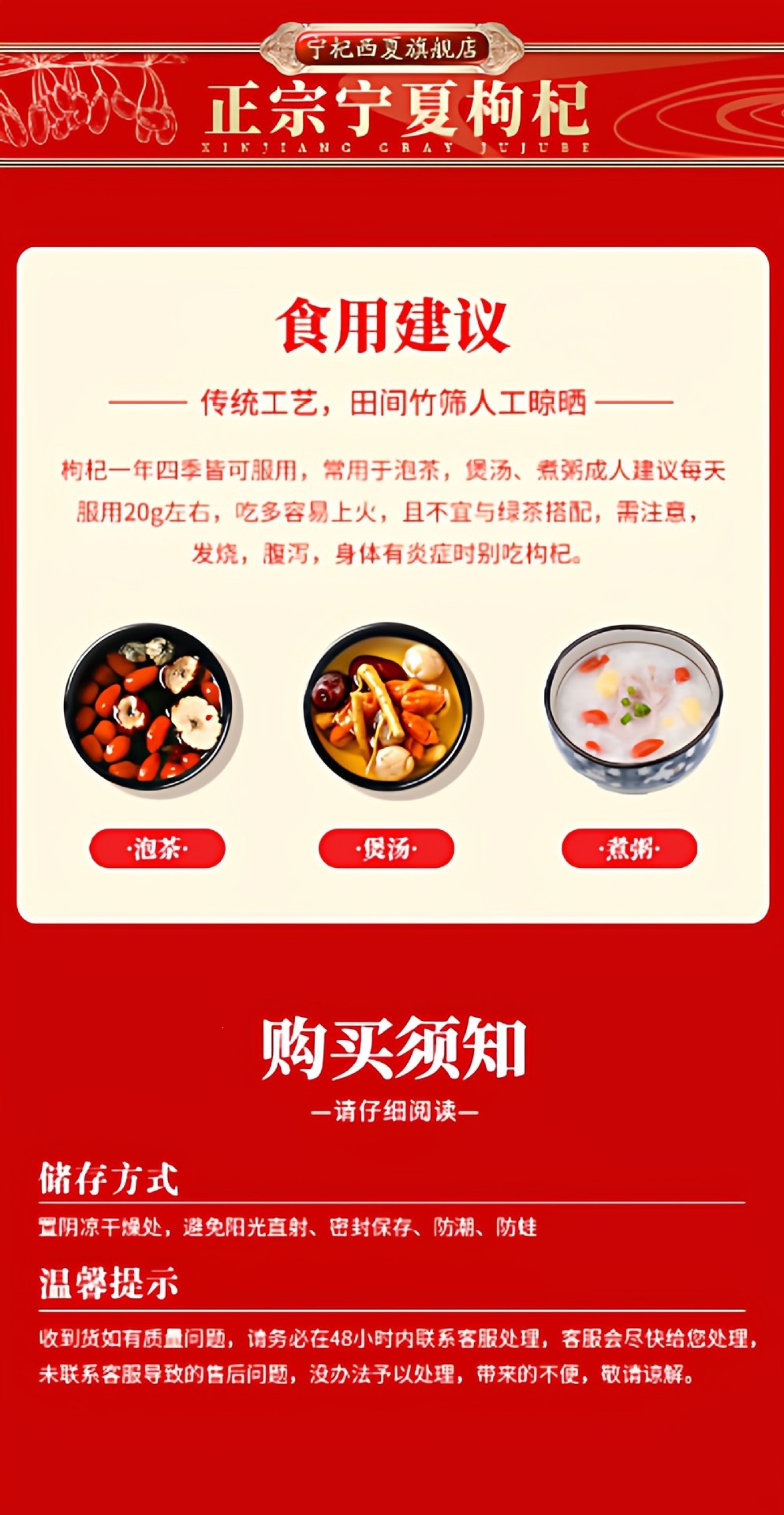
Dried Goji Berries, known in TCM as Gou Qi Zi (枸杞子), from Lycium barbarum. These Ningxia Zhongning red goji berries are first-harvest large fruit, sun-dried and unsulfured. In TCM theory, goji berries are sweet and neutral, entering the liver and kidney channels, and are traditionally used to support liver and kidney yin and blood. Enjoy as a daily tea, in soups, or added to congee.
Key Selling Points
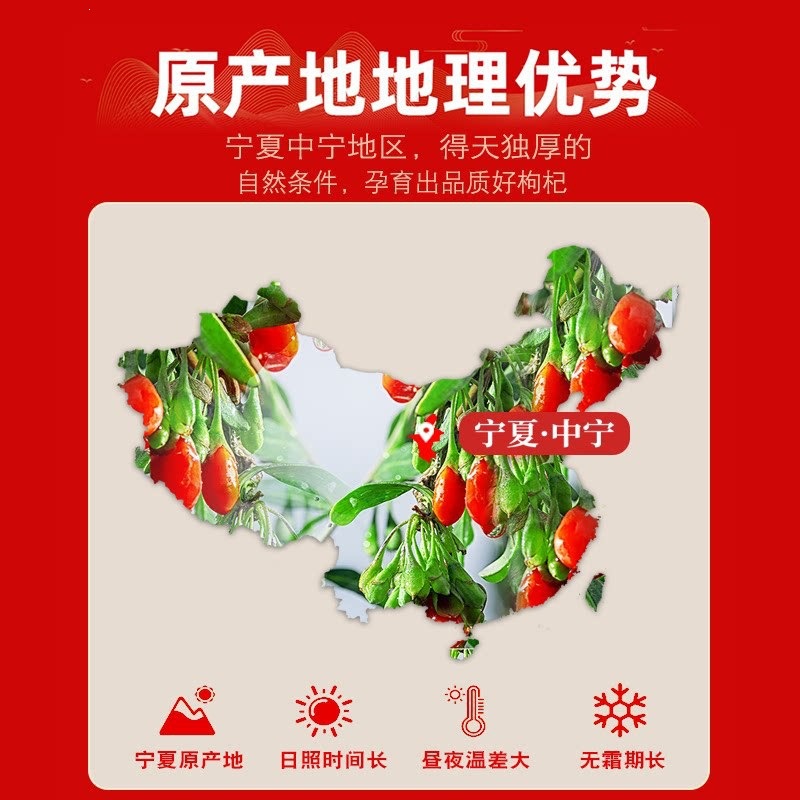
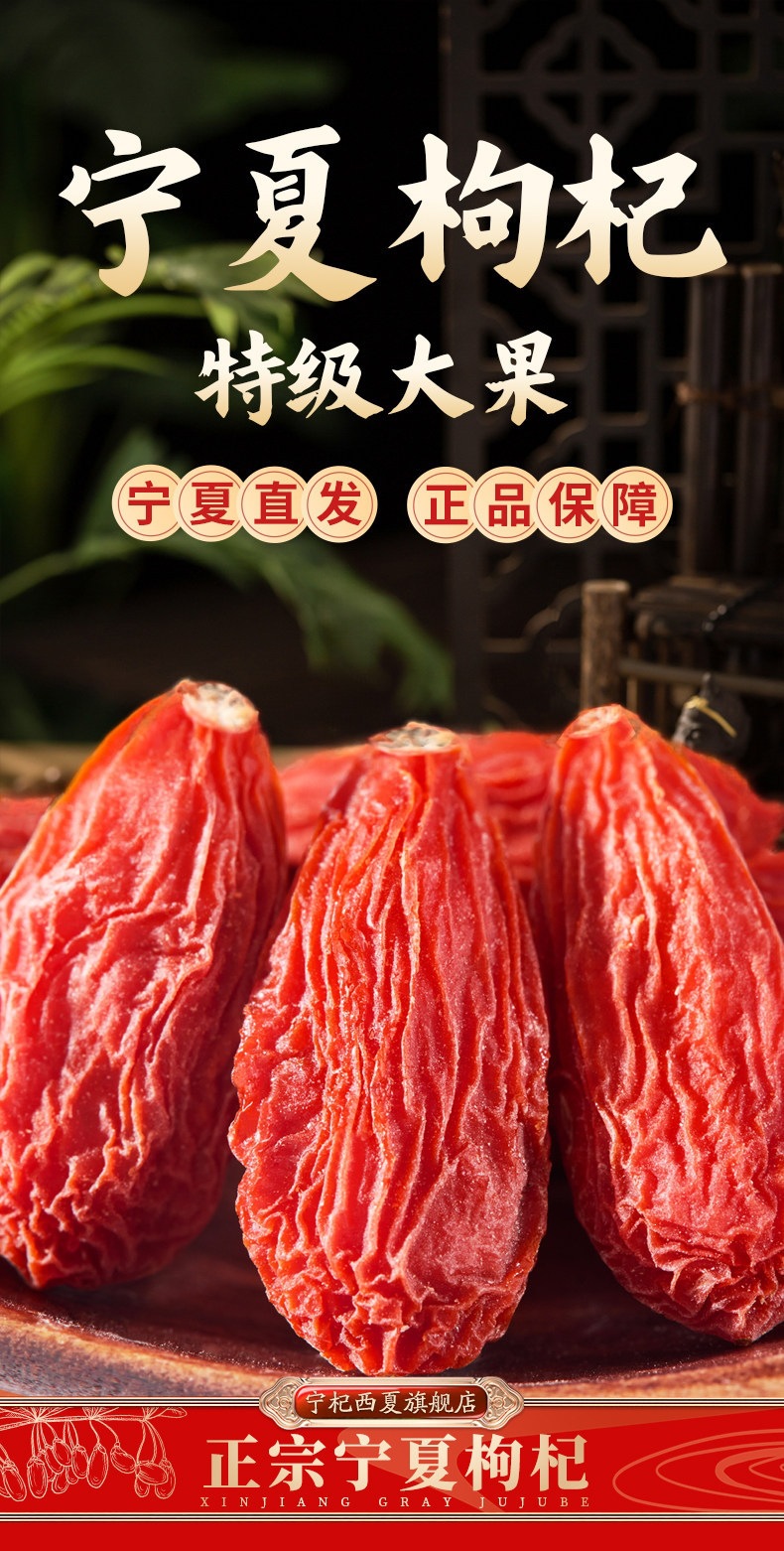
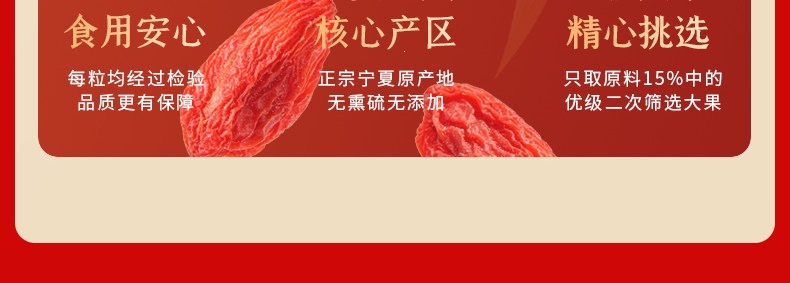
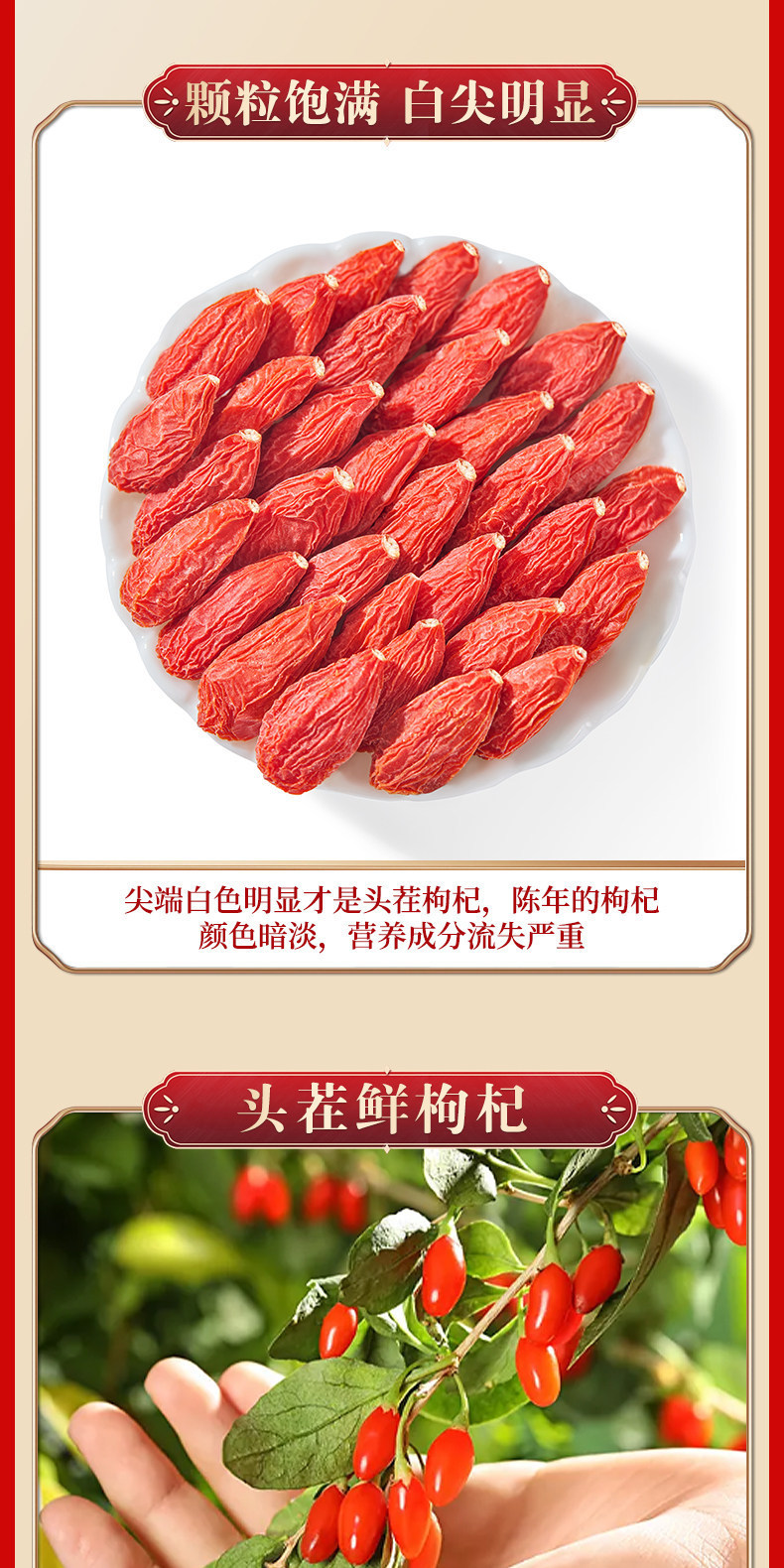
- Premium Ningxia Zhongning origin, first-harvest large fruit
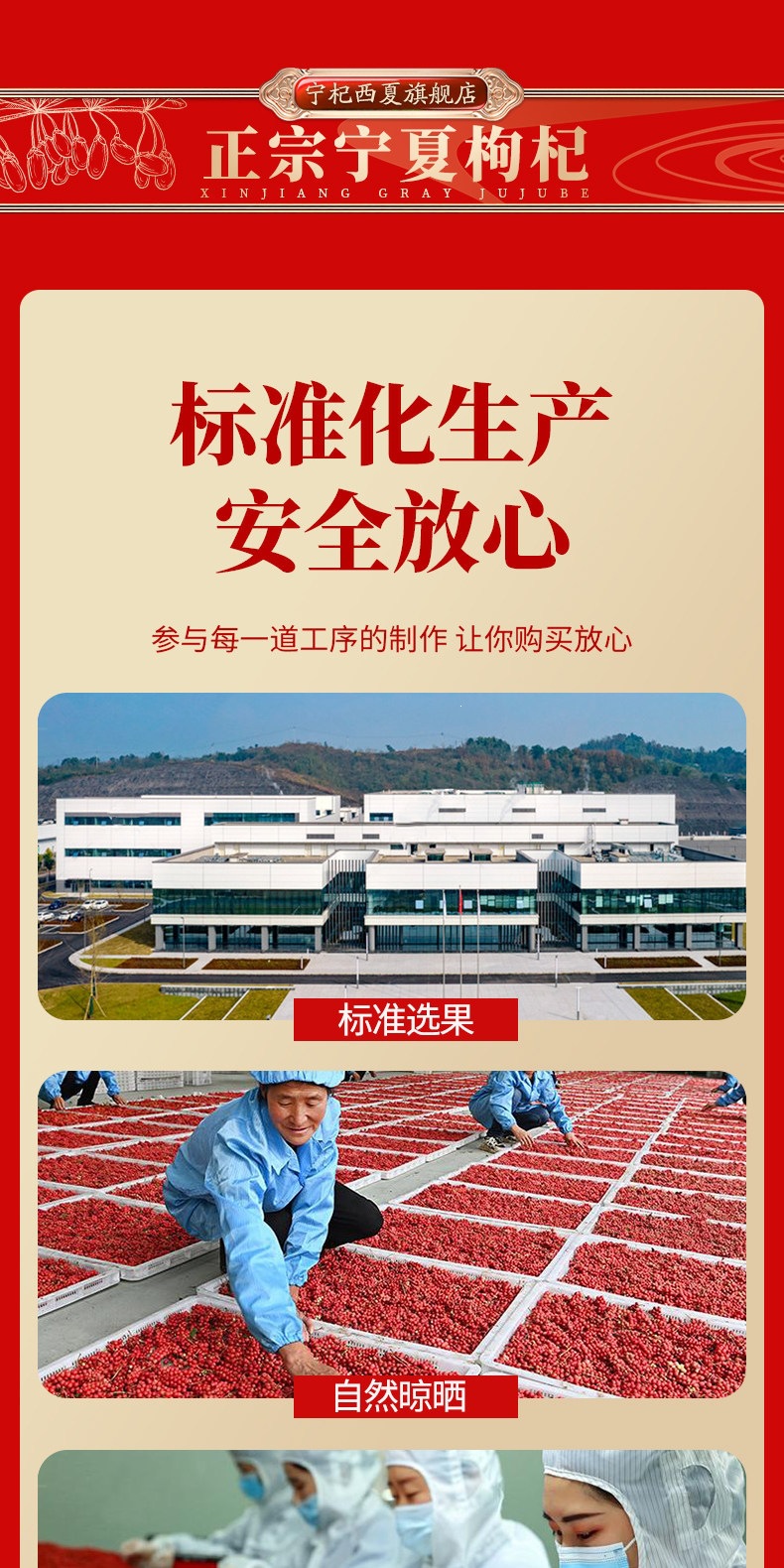
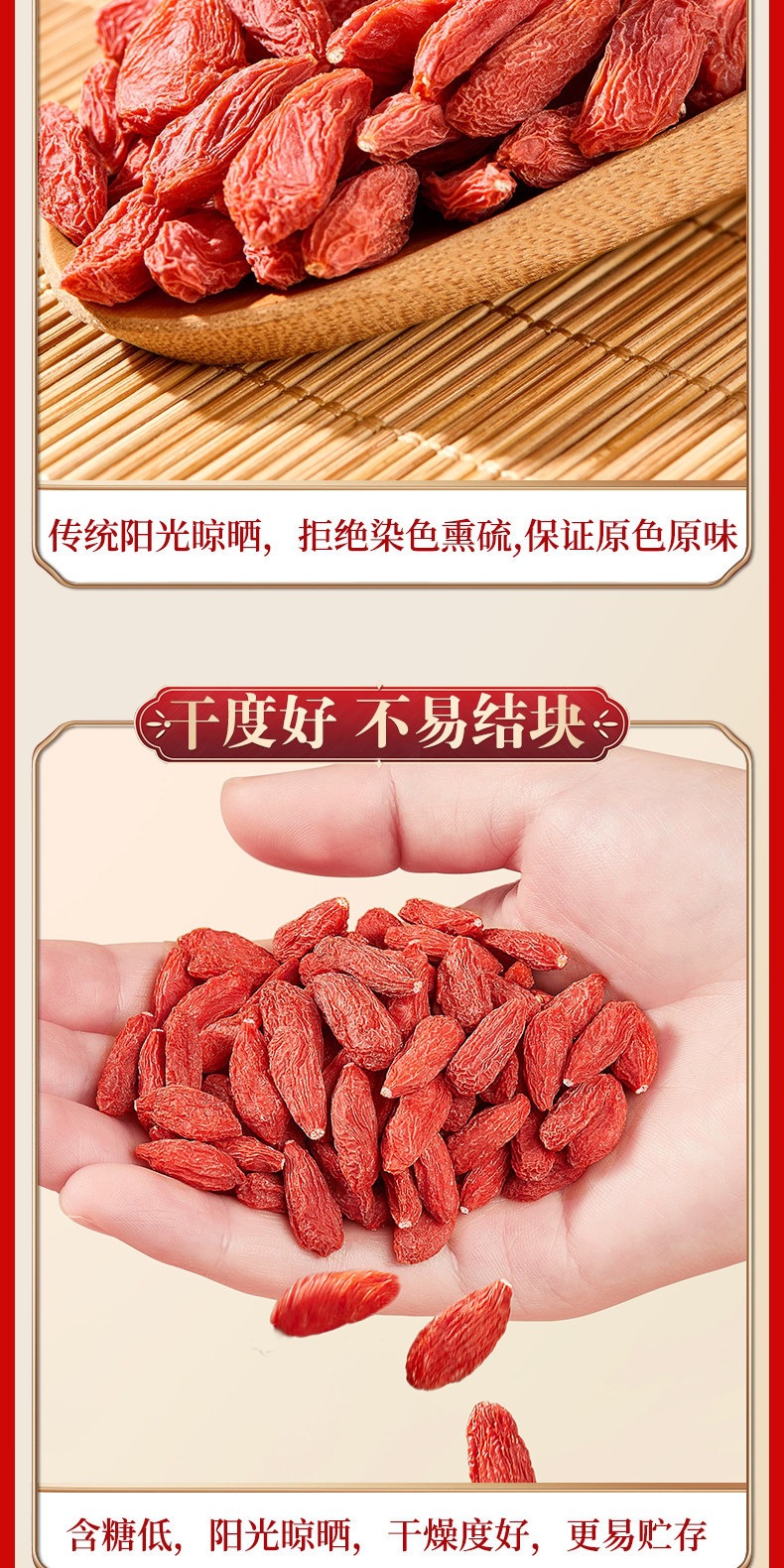
- Sun-dried and unsulfured, no sulfur fumigation
- Sweet, neutral TCM nature; enters liver and kidney channels
- Versatile for tea, soup, congee, and culinary use
- 250g per can, available in multi-can packs

Quality & Sensory
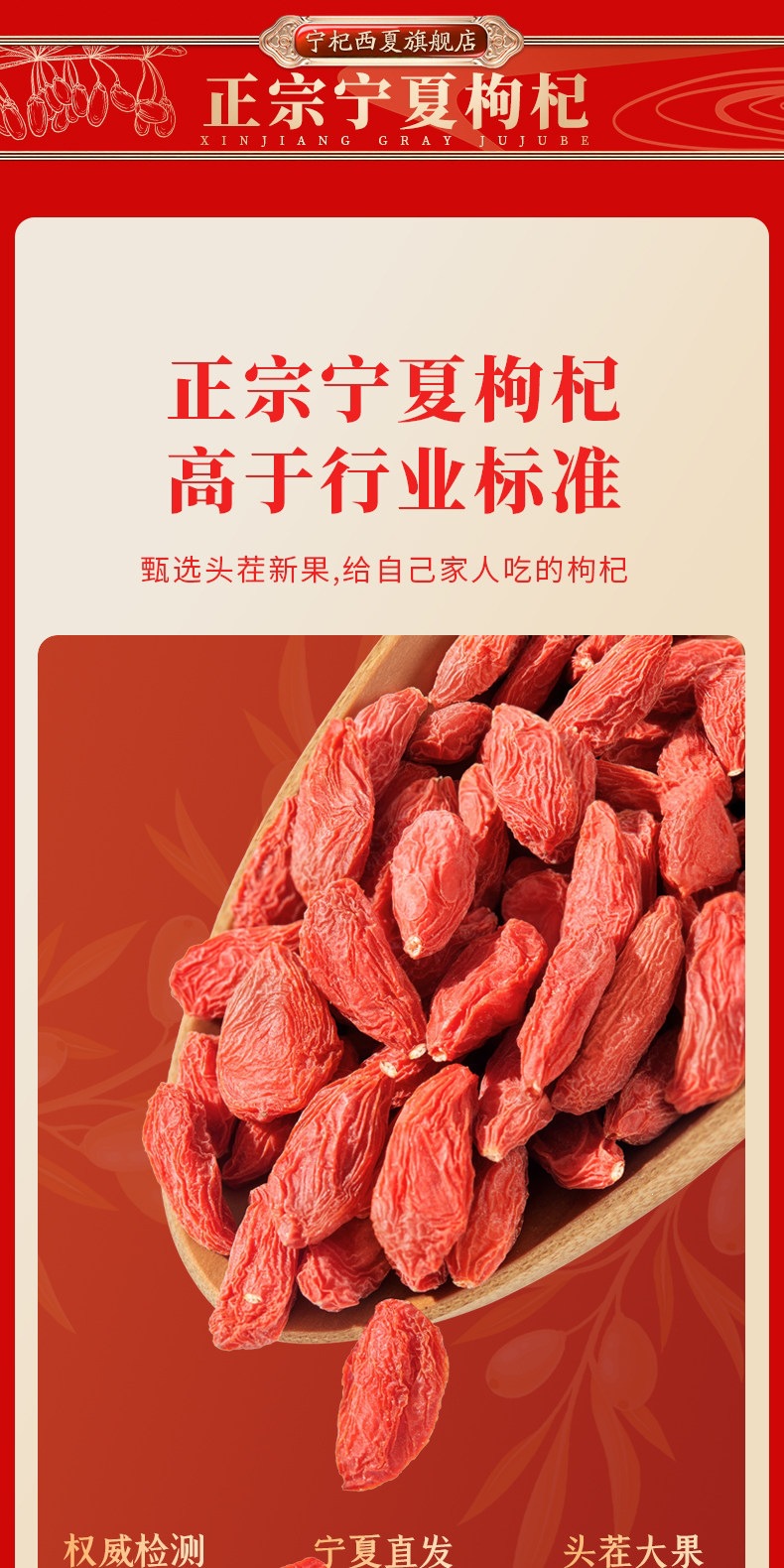
These goji berries are typically bright red to deep red, plump and slightly wrinkled, with a mild sweet aroma. They taste sweet and slightly tart when brewed or cooked, and soften nicely in soups and congee.
Technical Specifications
| Product Type | Dried goji berries |
|---|---|
| Chinese Name | 枸杞子 |
| Pinyin | Gou Qi Zi |
| Botanical Name | Lycium barbarum |
| Plant Part | Fruit |
| Form | Whole dried fruit |

Usage Scenarios
- Brewed as a daily herbal tea
- Added to soups and stews
- Cooked in congee
- Used in herbal decoctions
- Enjoyed as a culinary ingredient
Traditional Uses
In TCM theory, goji berries are traditionally used to nourish liver and kidney yin and blood. They are commonly brewed as tea, added to soups, congee, and herbal decoctions, often paired with chrysanthemum, red dates, or angelica. They are also used in seasonal tonic foods.
FAQ Q&A
Q: What are these goji berries?
A: They are dried fruits of Lycium barbarum, known in TCM as Gou Qi Zi (枸杞子), sourced from Ningxia Zhongning.
Q: What is their traditional value?
A: In TCM theory, goji berries are sweet and neutral, entering the liver and kidney channels, and are traditionally used to support liver and kidney yin and blood.
Q: How are they commonly used?
A: They are often brewed as tea, added to soups, congee, or herbal decoctions, and used as a culinary ingredient.
Additional information
| Weight | N/A |
|---|---|
| Dimensions | N/A |
| Model | 新货 大果250g 1罐, 新货 大果250g 2罐, 新货 大果250g 4罐 |
Related products
-

Dried Huang Jing Slices Polygonatum Rhizome Chicken Head Huang Jing 500g Bulk Herbal Tea and Soup Ingredient
Price range: $9.14 through $18.87 -
Dried Raspberry Fruit Fu Pen Zi 500g Whole Berries for Herbal Tea and Wine Infusion
Price range: $14.00 through $16.44 -
Dried Hawthorn Slices Shan Zha 500g Seedless Hollow Rings Freeze Dried Hawthorn for Tea and Culinary Use
Price range: $4.44 through $7.04 -
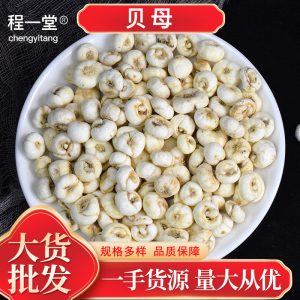
Fritillaria Bulb Chuan Bei Mu Dried Chinese Herbal Bulbs for Decoction and Traditional Use 500g
Price range: $18.06 through $94.21
Reviews
There are no reviews yet.