


Dried Goji Berries Ningxia Large Grade Goji Fruit for Tea Soup and Wine Soaking
Price range: $5.92 through $10.29
Description
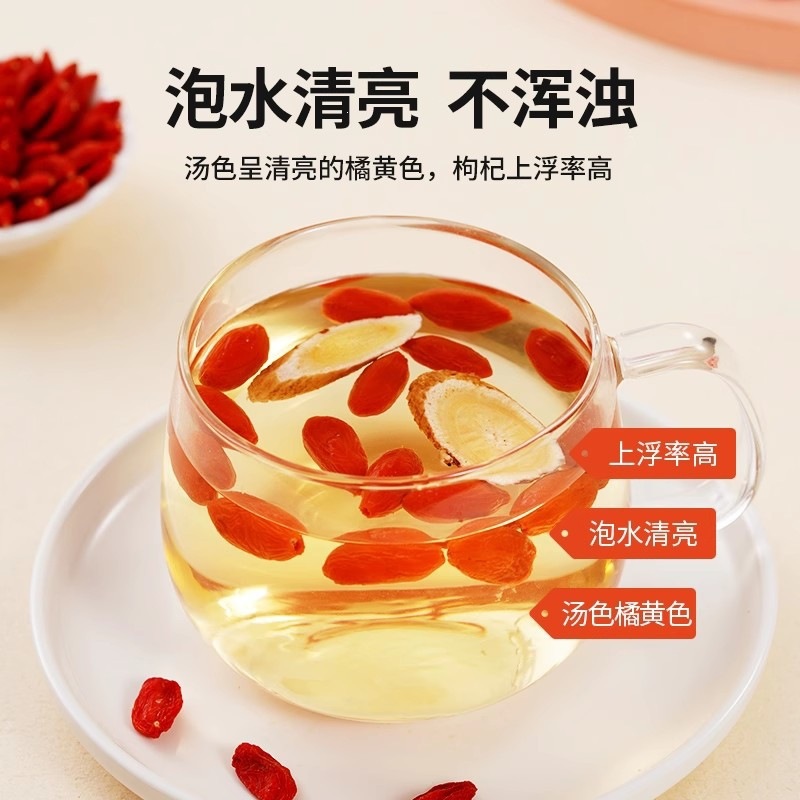
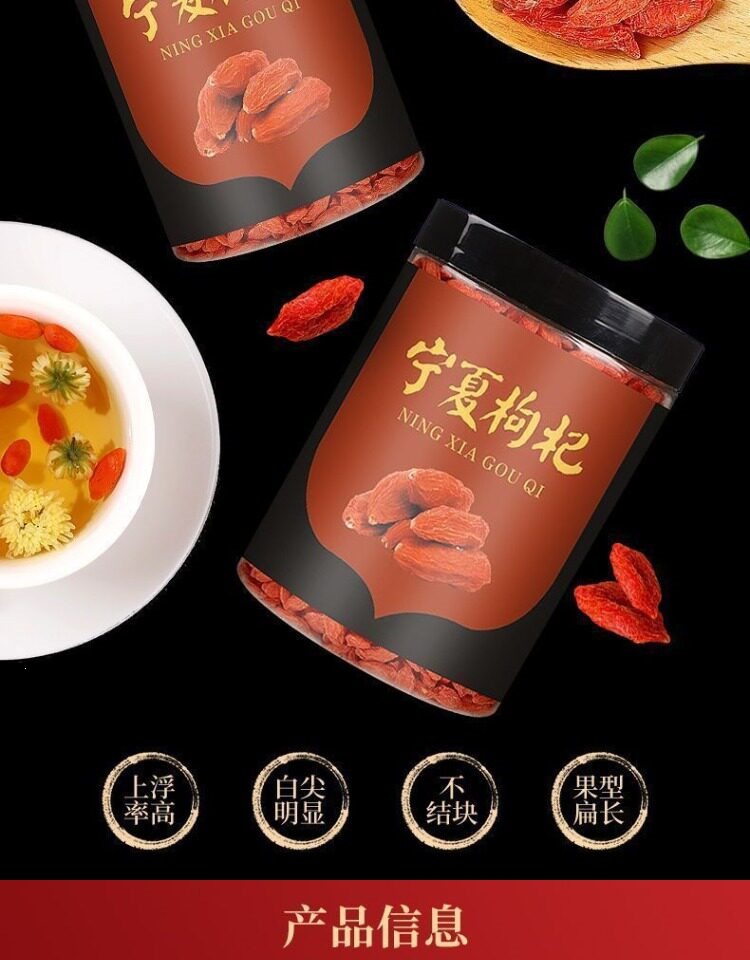
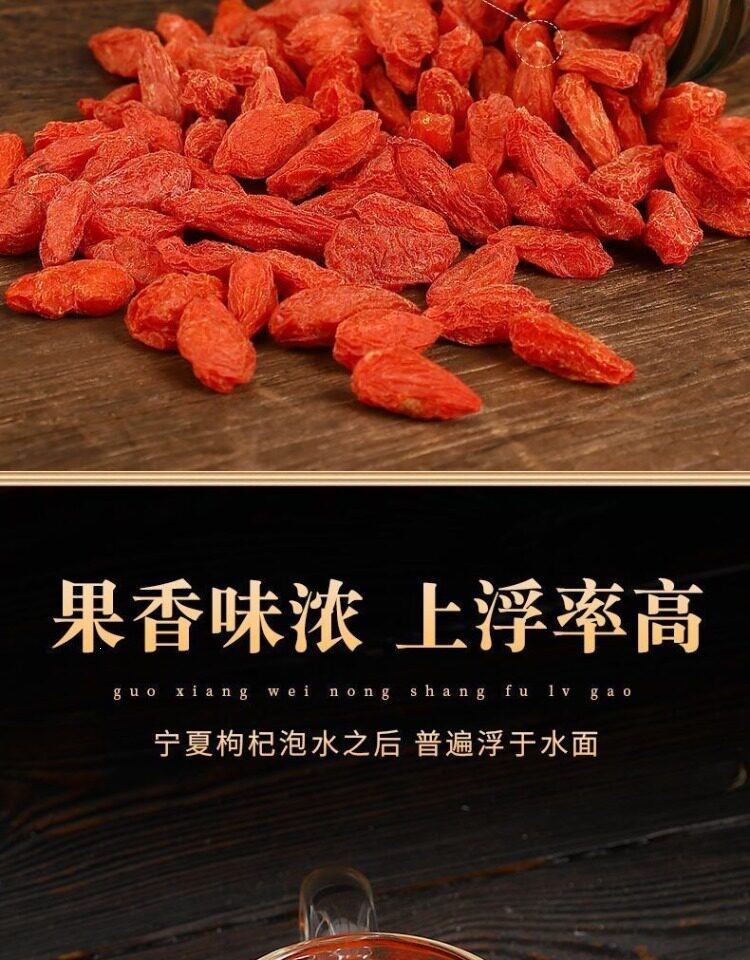
Dried Goji Berries, known in TCM as Gou Qi Zi (枸杞子), from Lycium barbarum. These sun-dried red berries are a classic Chinese herbal fruit used in daily wellness routines. In TCM theory, goji berries are sweet in flavor and slightly warm in nature, traditionally associated with the Liver and Kidney channels. They are commonly enjoyed as a mild herbal tea, added to soups and congee, or soaked in wine for traditional preparation.
Key Selling Points
- Identifiable TCM herb: Gou Qi Zi (枸杞子), Lycium barbarum fruit
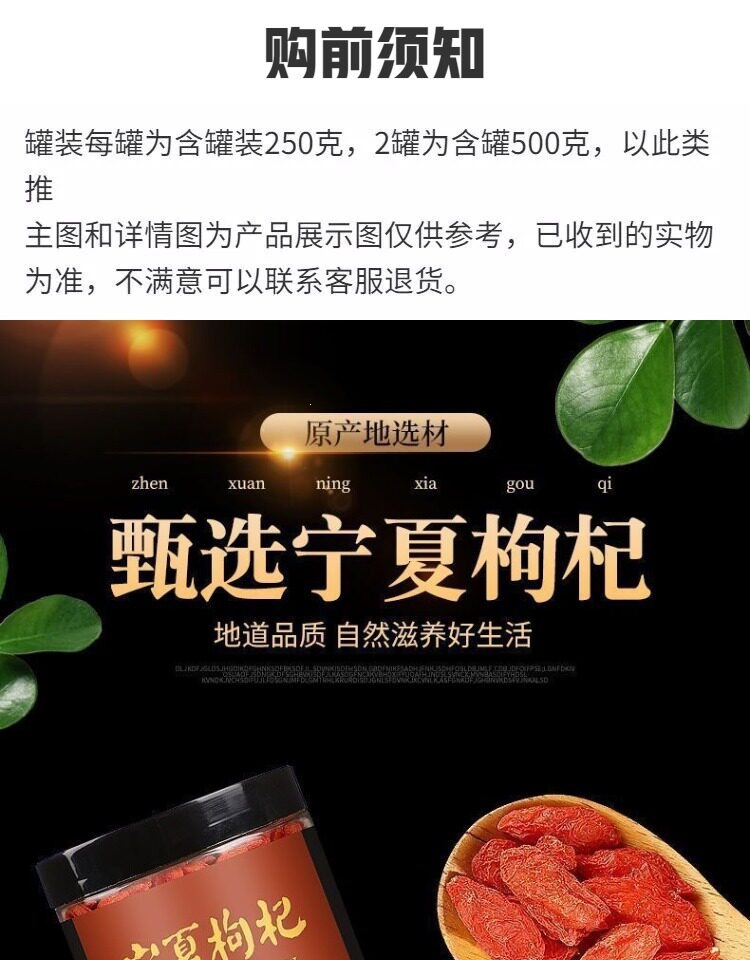
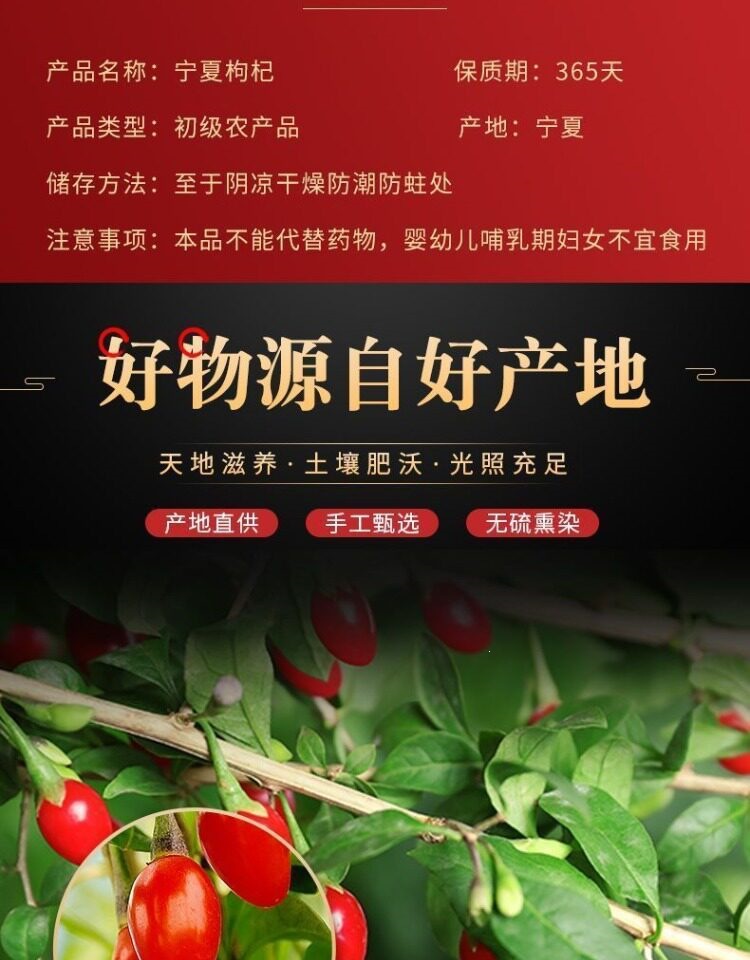
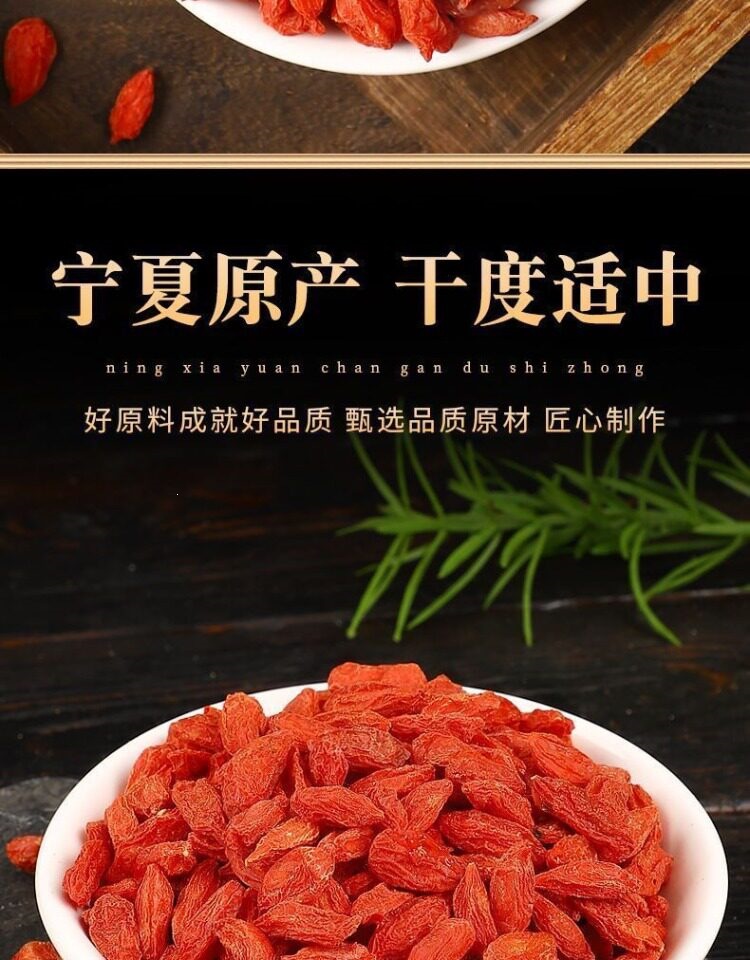
- Sourced from Ningxia, a well-known goji berry growing region
- Large-grade dried red berries with a naturally sweet taste
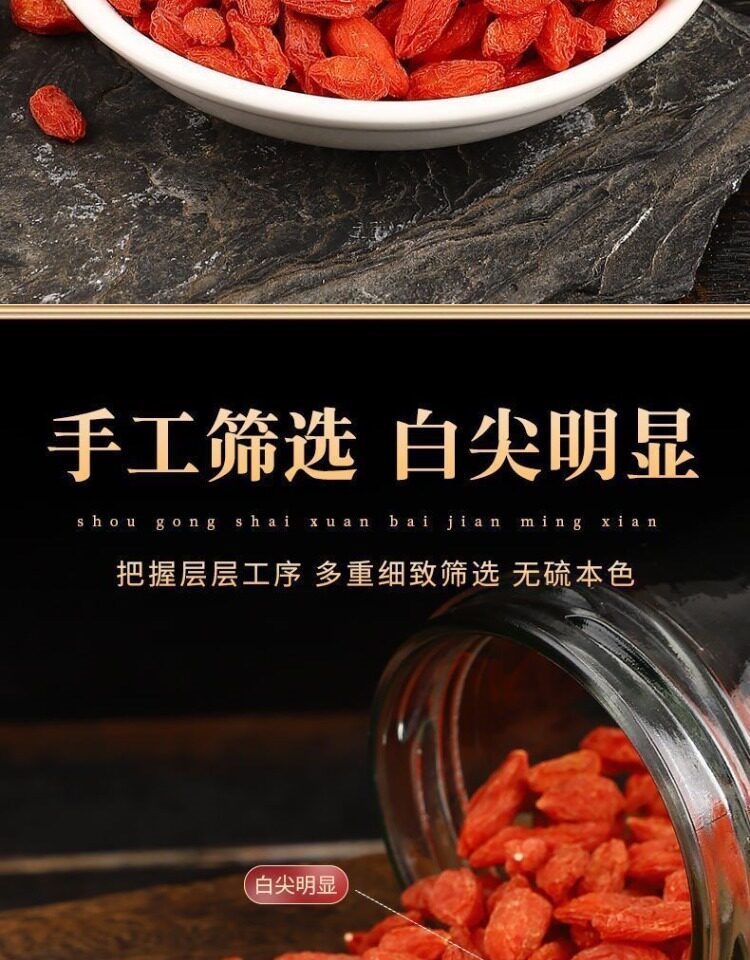
- No sulfur fumigation processing for a cleaner traditional herb
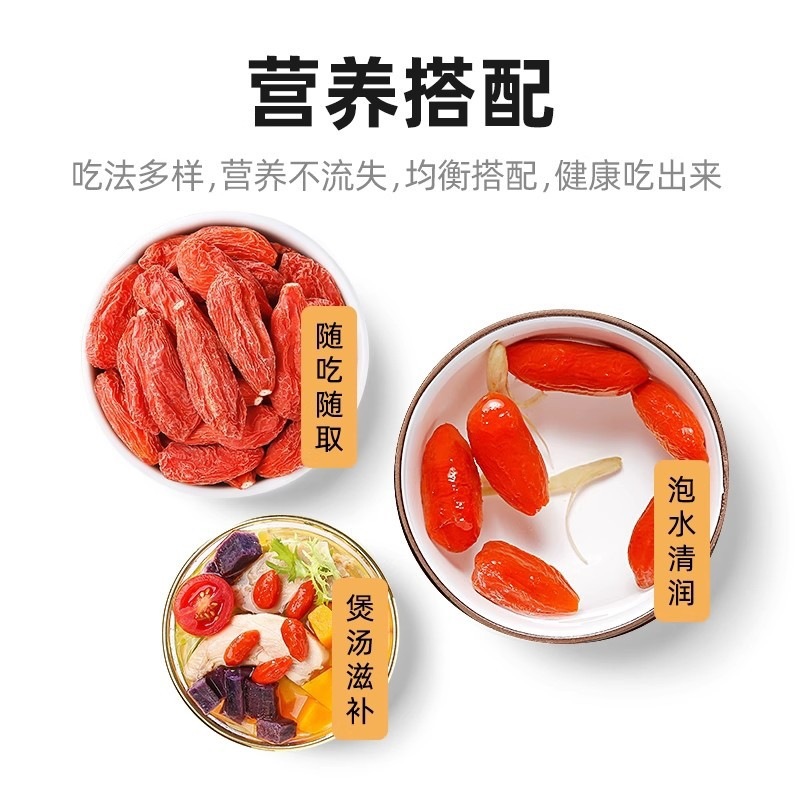
- Versatile for tea, soup, congee, or traditional wine soaking
Quality & Sensory
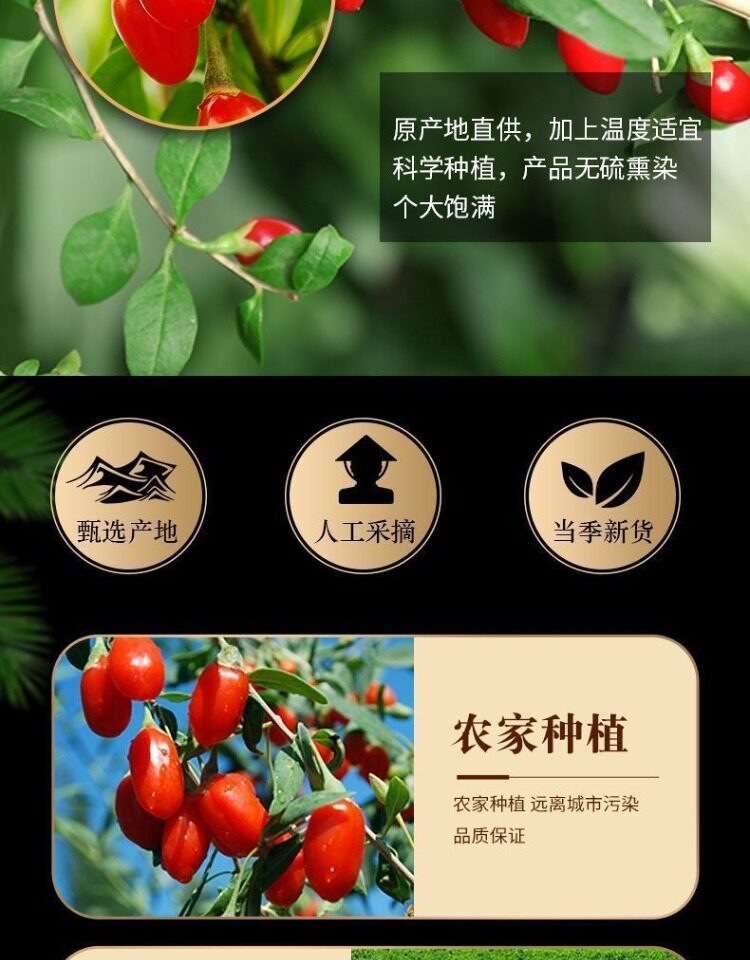
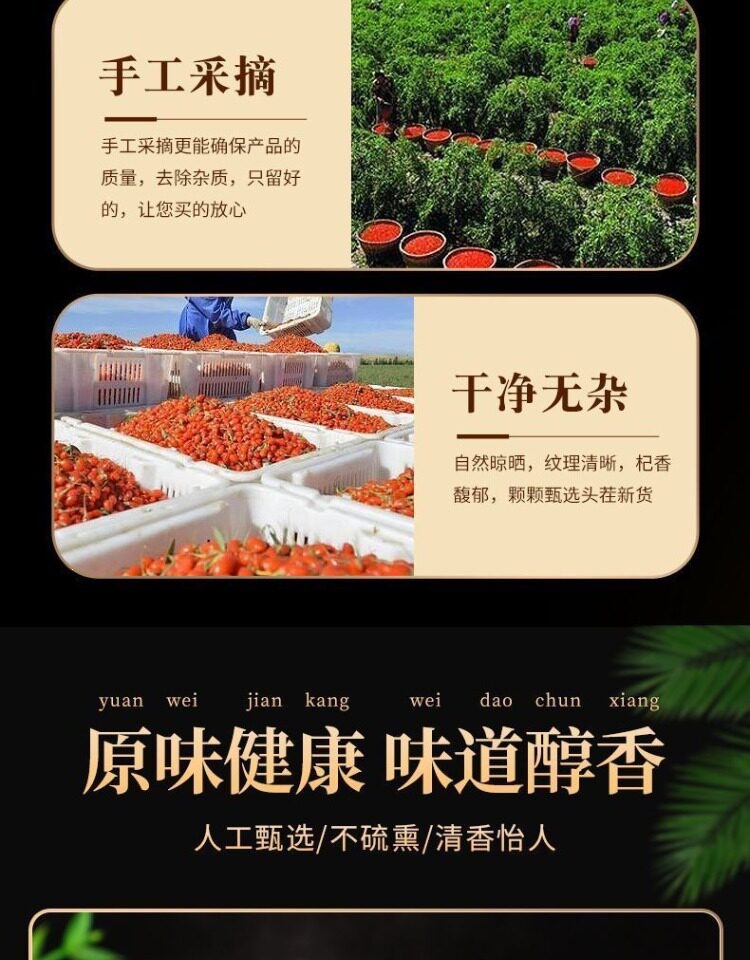
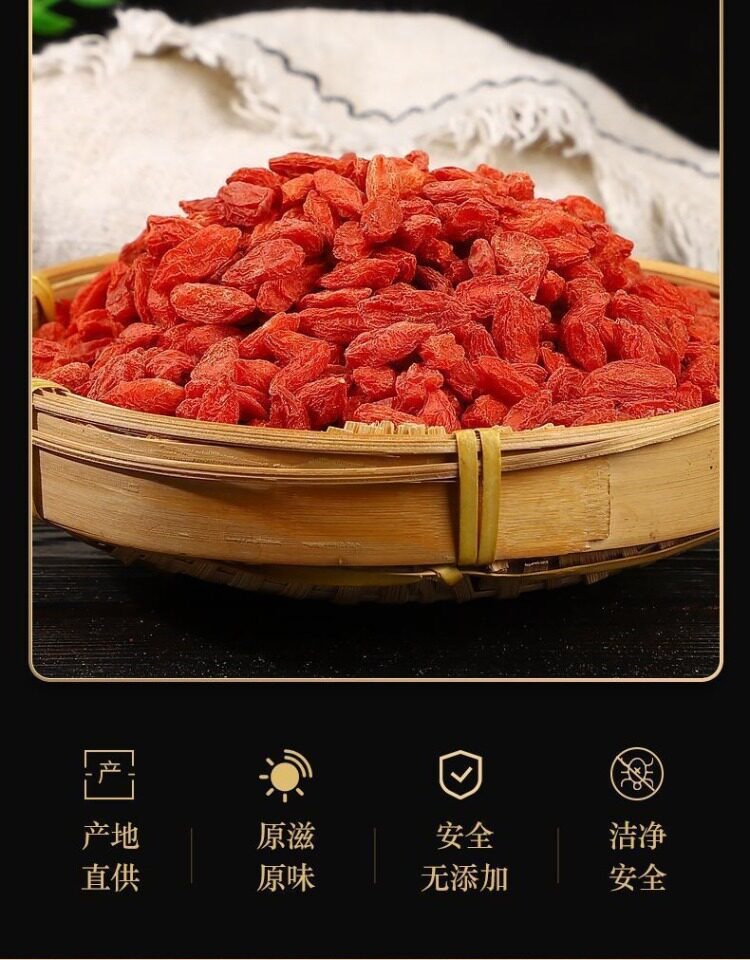
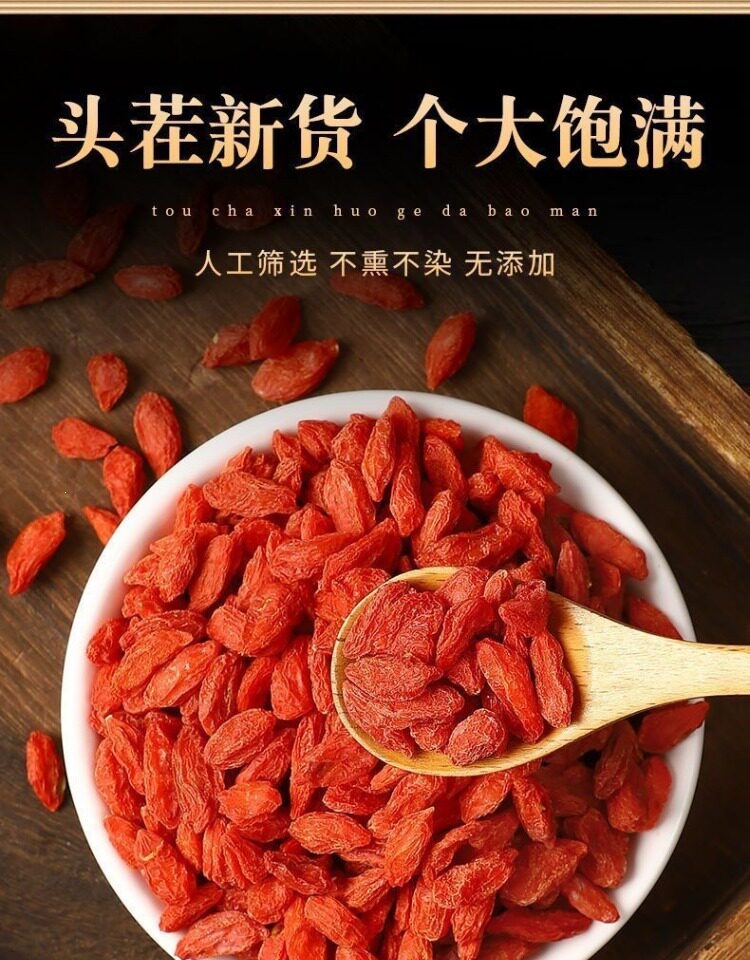
These dried goji berries are typically bright red to deep red in color with a slightly wrinkled, chewy texture. They have a mild, sweet aroma and a naturally sweet, slightly tart taste. When brewed or cooked, the berries soften and release a gentle sweetness into teas, soups, and congee.
Technical Specifications
| Product Type | Dried goji berries |
|---|---|
| Chinese Name | 枸杞子 |
| Pinyin | Gou Qi Zi |
| Botanical Name | Lycium barbarum |
| Plant Part | Fruit |
| Processing | No sulfur fumigation |
Usage Scenarios
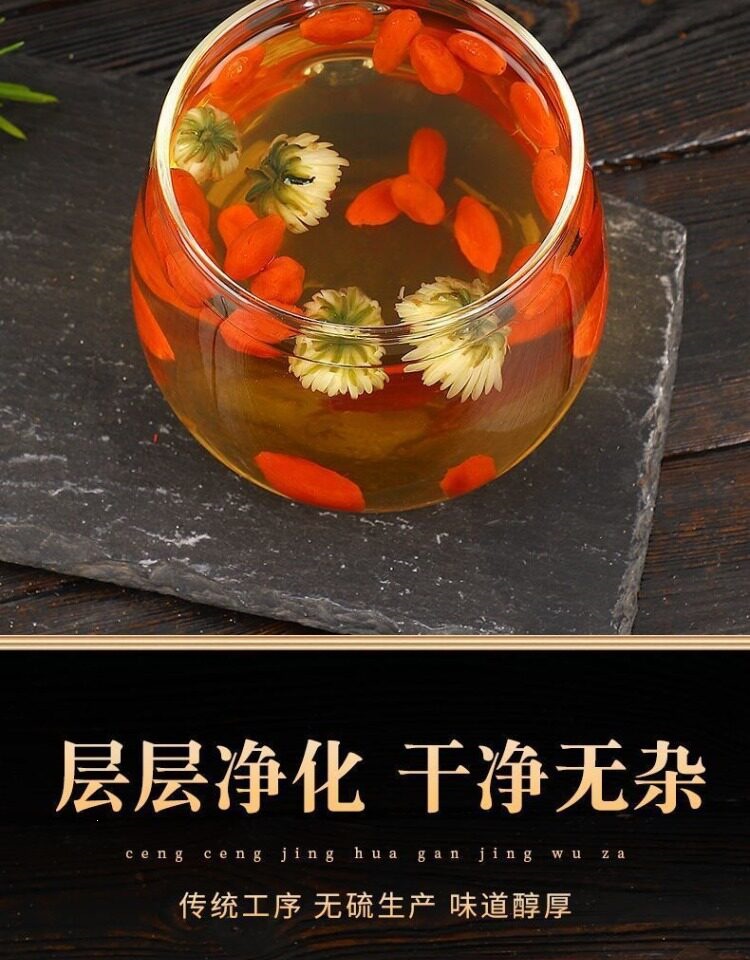
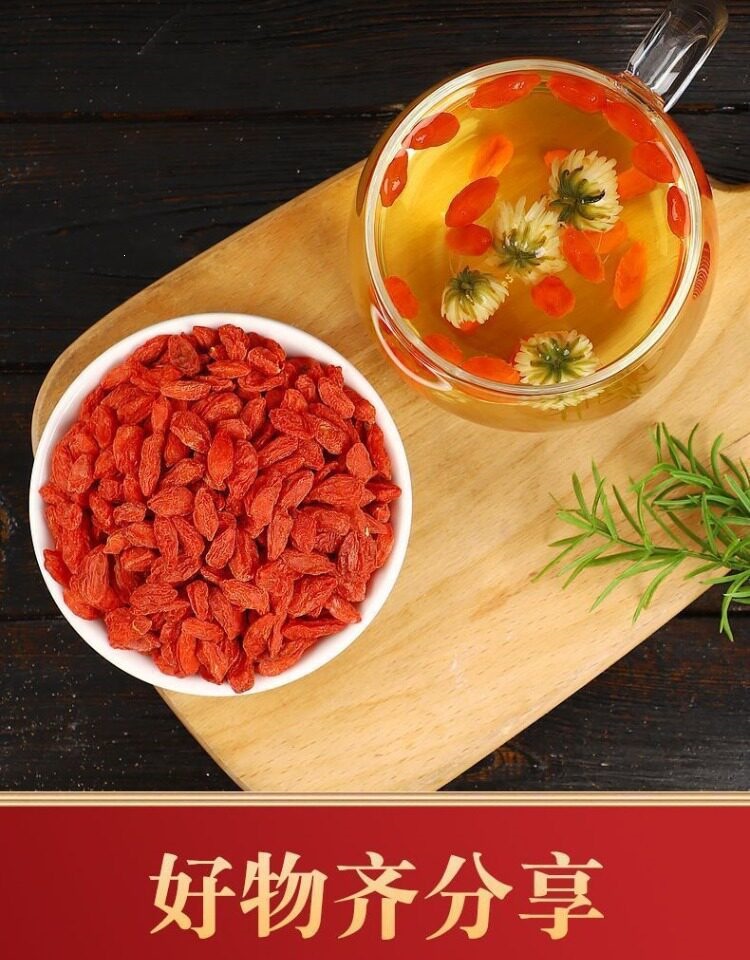
- Brewed as a daily herbal tea
- Added to soups and broths
- Cooked into congee
- Soaked in wine for traditional preparation
- Eaten directly as a dried fruit snack
Traditional Uses
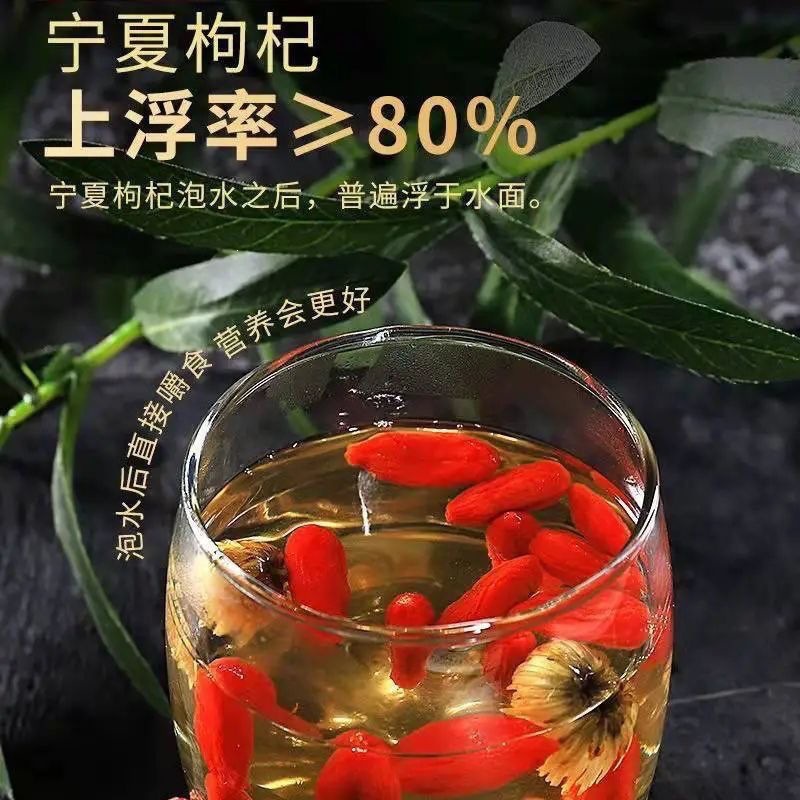
In TCM theory, Gou Qi Zi is traditionally used in daily tonics and longevity formulas. It is commonly brewed alone as a mild tea or combined with chrysanthemum flowers and red dates. Folk practice also adds goji berries to chicken soup, congee, and herbal wine, often in autumn and winter seasonal preparations.
FAQ Q&A
Q: What are these dried goji berries?
A: They are dried fruits of Lycium barbarum, known in TCM as Gou Qi Zi (枸杞子). They are a common Chinese herbal ingredient used in teas, soups, and traditional preparations.
Q: What is the traditional value of goji berries?
A: In TCM theory, goji berries are sweet and slightly warm, traditionally associated with the Liver and Kidney channels. They are used in daily tonics and seasonal wellness routines.
Q: How are goji berries commonly prepared?
A: They can be brewed as a tea, added to soup or congee, eaten directly, or soaked in wine. Rinse before use and adjust the amount to your recipe.

Additional information
| Weight | N/A |
|---|---|
| Dimensions | N/A |
| Model | 尝鲜款 1罐 30克, 1罐 250克 罐装 大颗粒, 2罐 500克 罐装 大颗粒, 2罐 300克 罐装 中颗粒, 1罐 150克 罐装 中颗粒, 1罐 100克 罐装 大颗粒, 2罐 200克 罐装 大颗粒, 1罐 85克 罐装 大颗粒, 2罐 170克 罐装 大颗粒, 尝鲜款 2罐 60克, 1罐 50克 罐装 |
Related products
-
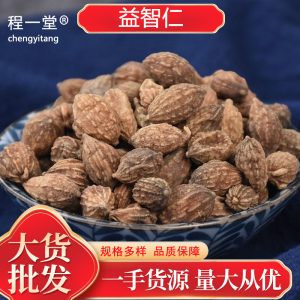
Yi Zhi Ren Dried Alpinia Oxyphylla Fruit 500g Traditional Herbal Tea and Decoction Ingredient
Price range: $11.74 through $13.36 -
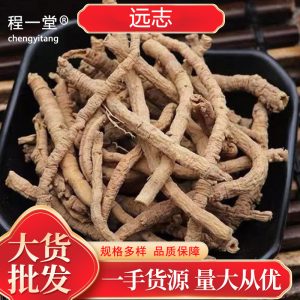
Dried Polygala Root Yuan Zhi 500g Traditional Chinese Herb for Decoction
Price range: $18.87 through $24.54 -

Dried Raspberry Fruit Fu Pen Zi Whole Berries for Herbal Tea and Wine Infusion 500g
Price range: $15.63 through $18.06 -
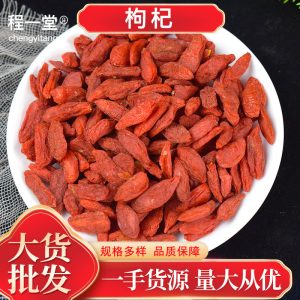
Ningxia Goji Berries Gou Qi Zi 500g Dried Red Wolfberry for Tea Soup and Snacking
Price range: $7.20 through $16.44
Reviews
There are no reviews yet.