
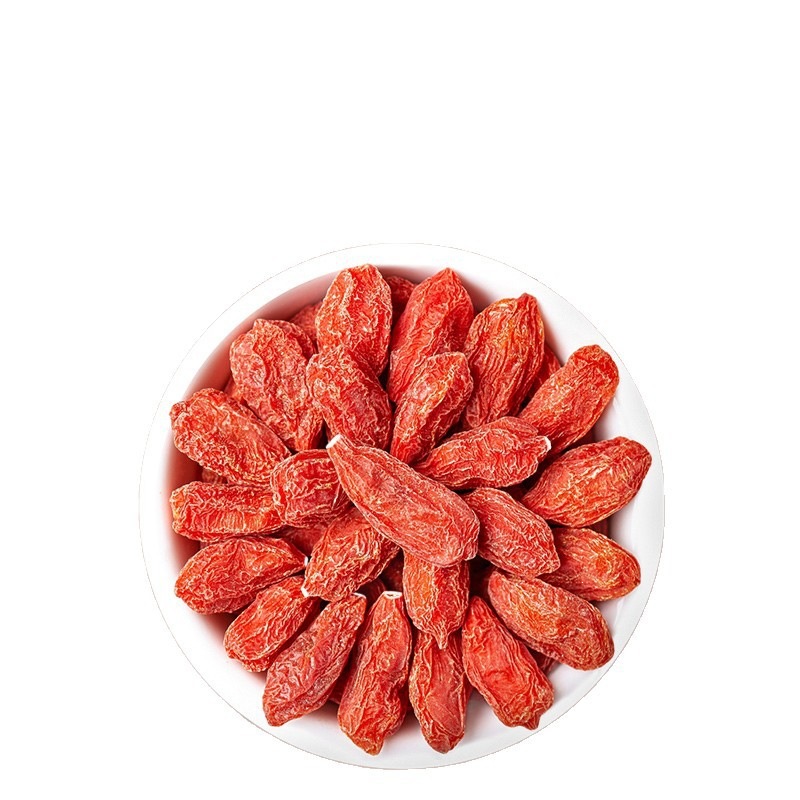
Dried Goji Berries Ningxia Large Grade A Gou Qi Zi 500g Jar for Tea Soup and Congee
Price range: $7.38 through $9.40
Description
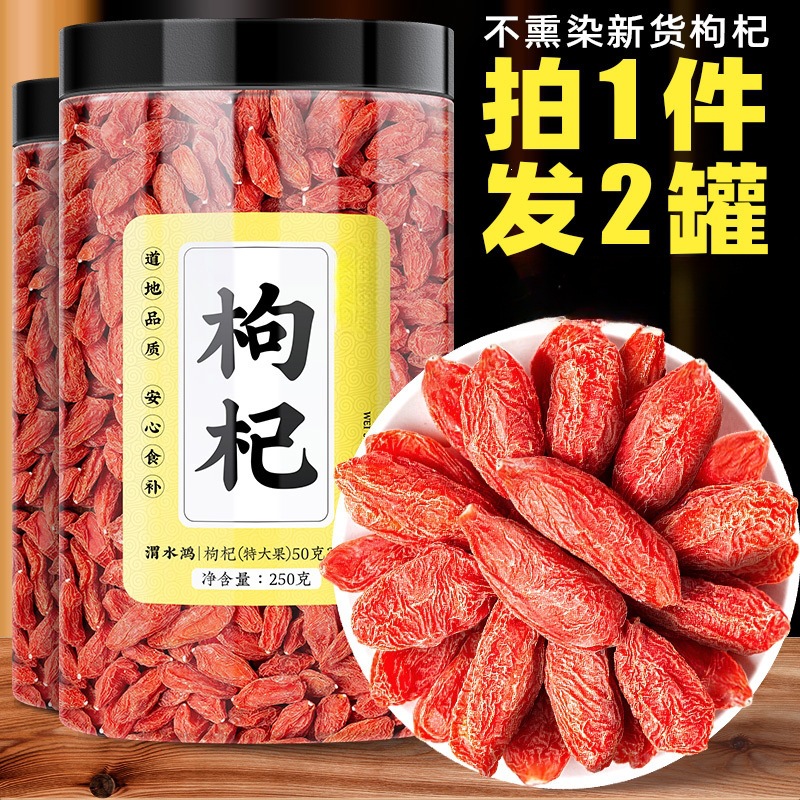
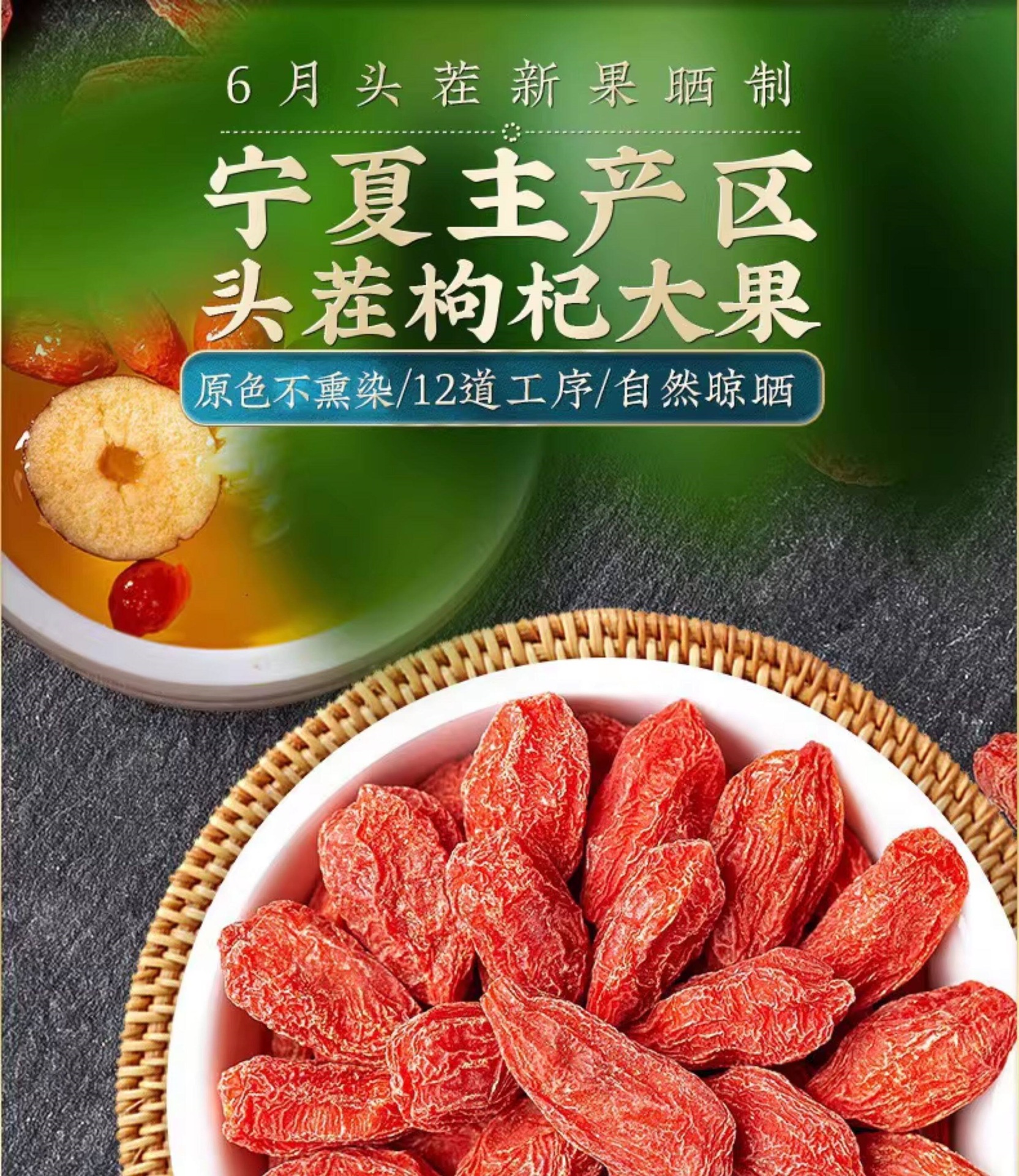
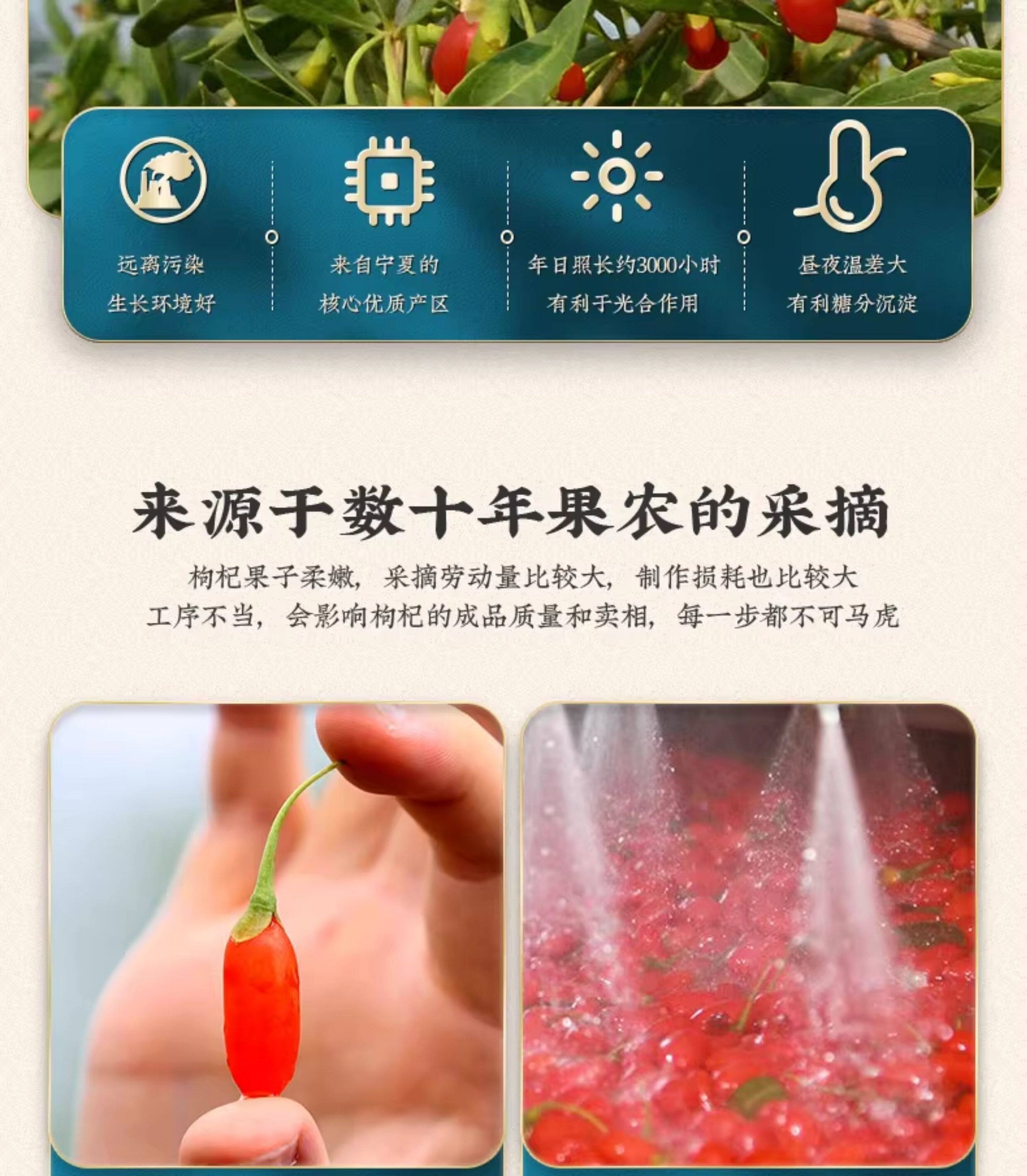
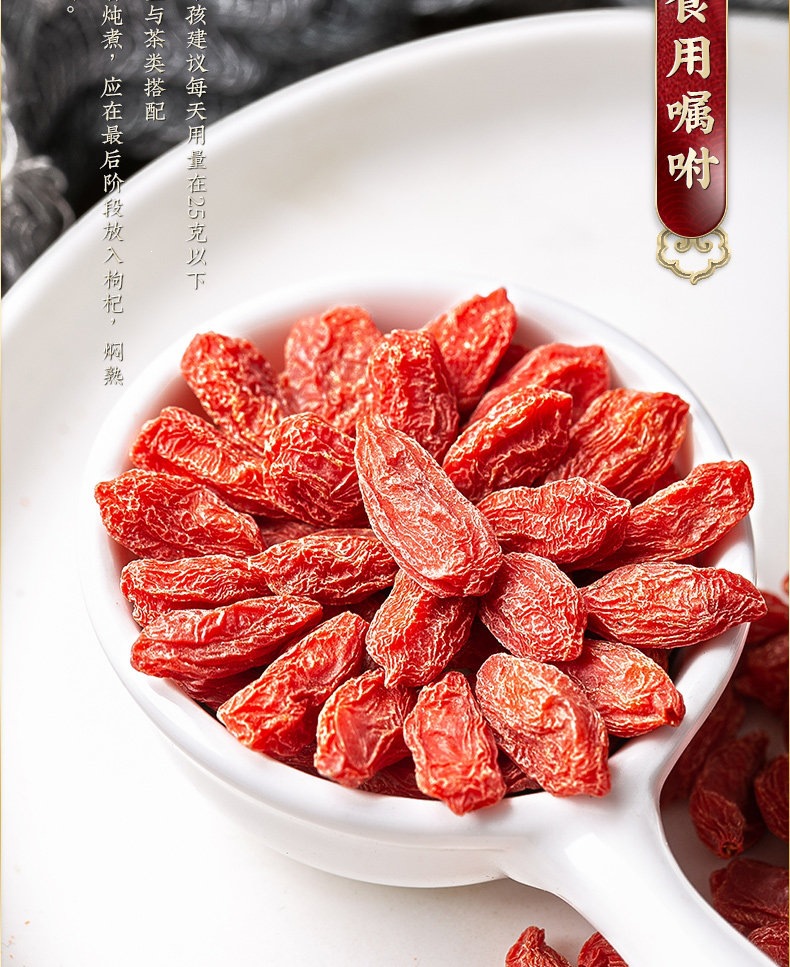
Dried Goji Berries, known in TCM as Gou Qi Zi (枸杞子), from Lycium barbarum. These Ningxia-grown red berries are a classic TCM tonic herb traditionally associated with nourishing Liver and Kidney yin and supporting eye health. Sweet in flavor and neutral in nature, they are commonly enjoyed in teas, soups, and congee as a gentle daily wellness food.
Key Selling Points
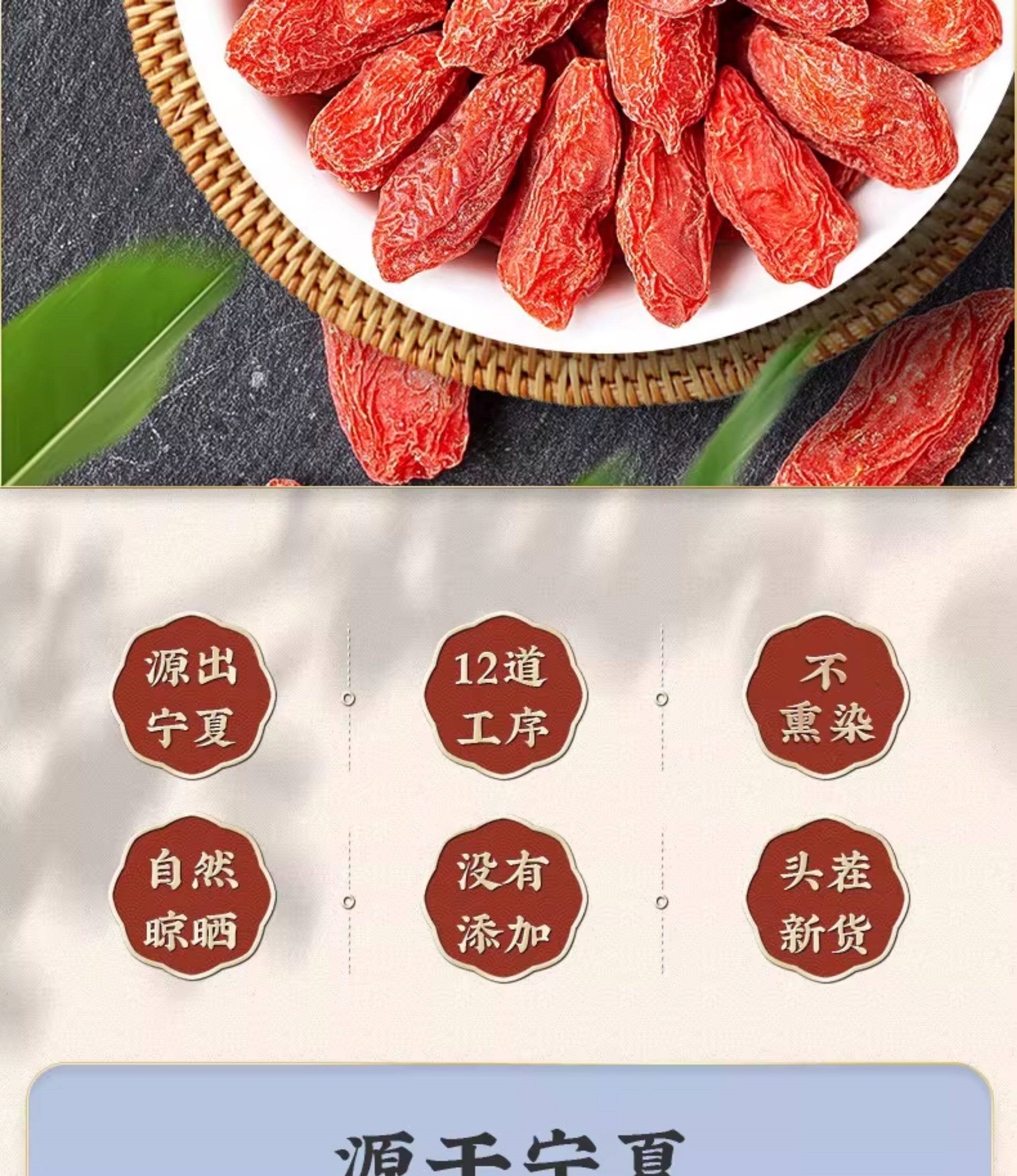
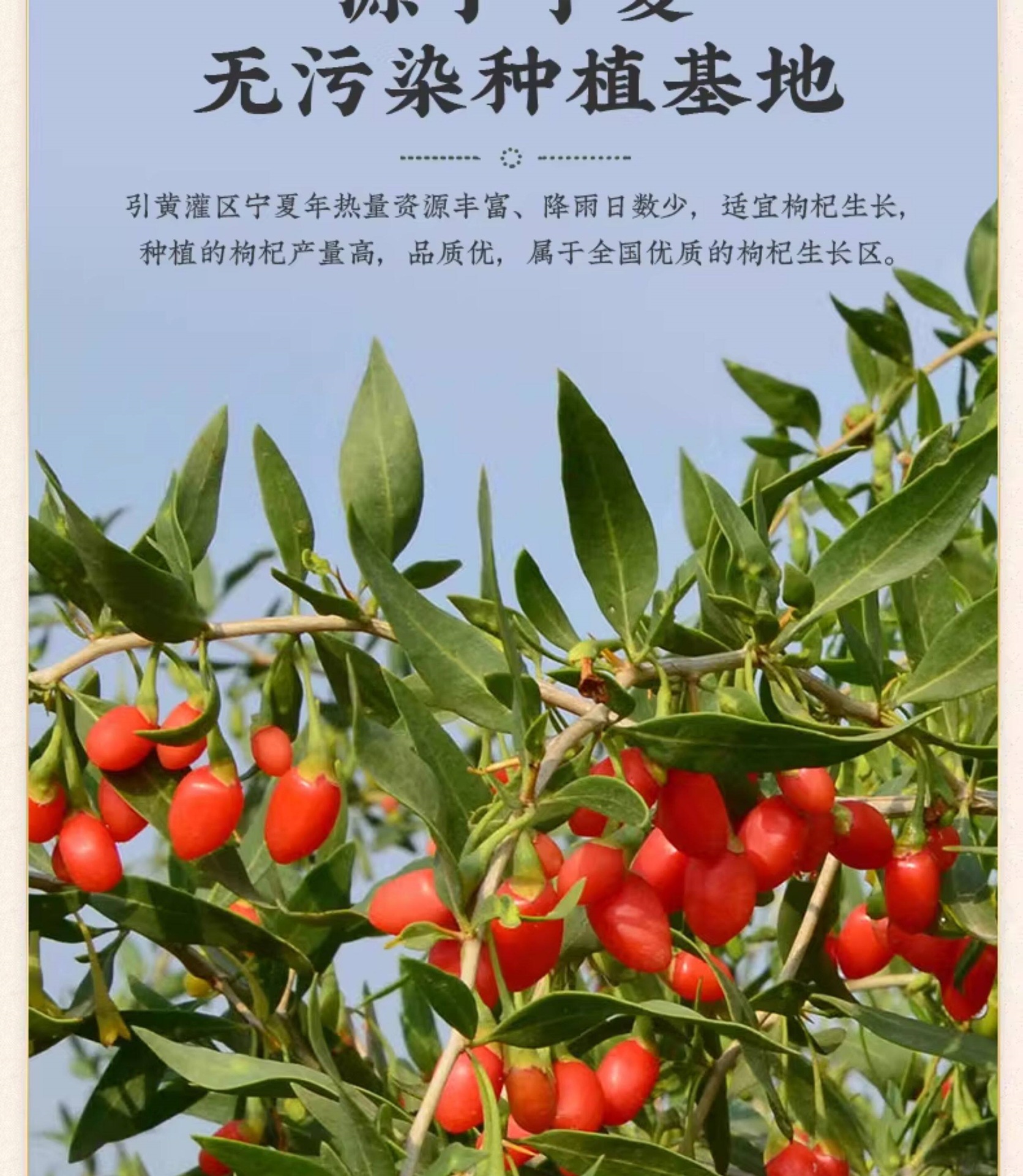
- Ningxia-origin Lycium barbarum goji berries
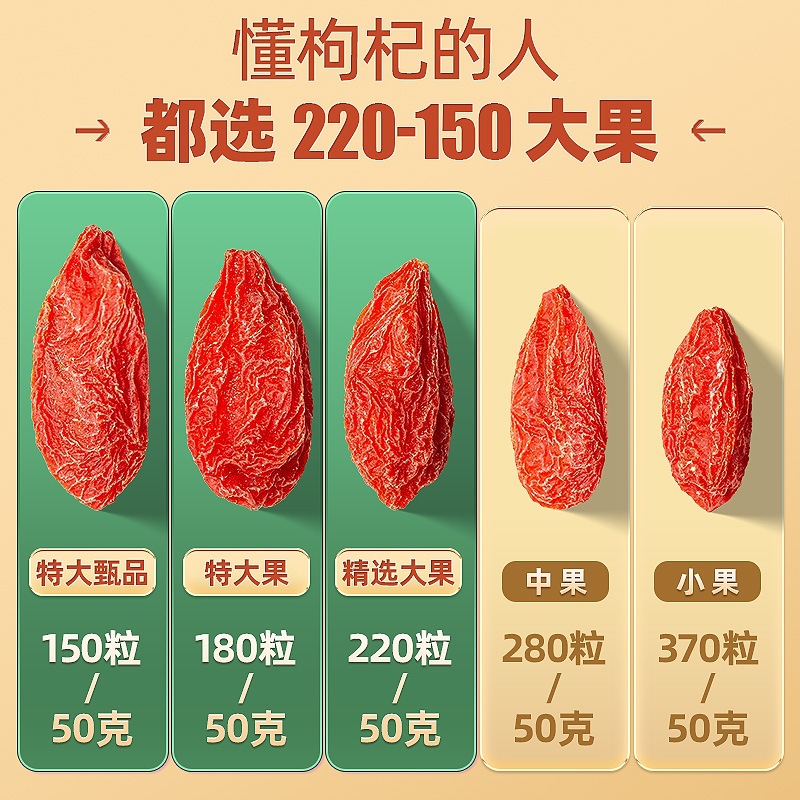
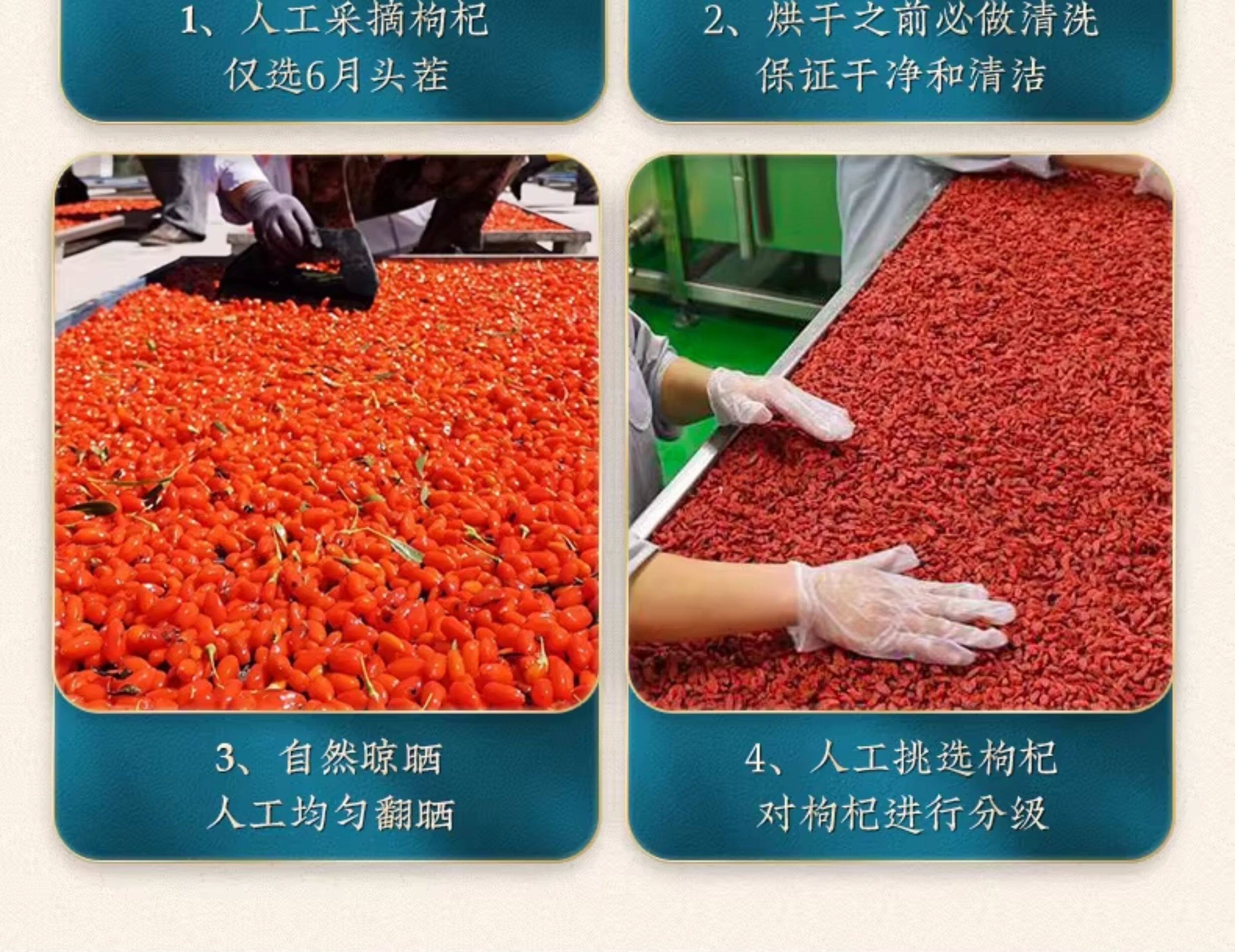
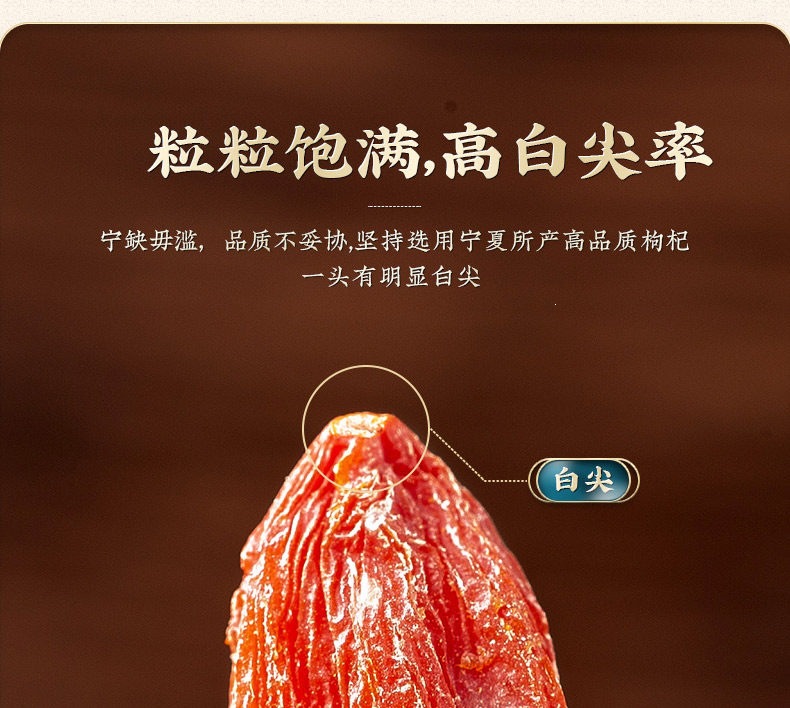
- Grade A large first-harvest fruit selected for size
- Traditional TCM herb for Liver and Kidney yin support
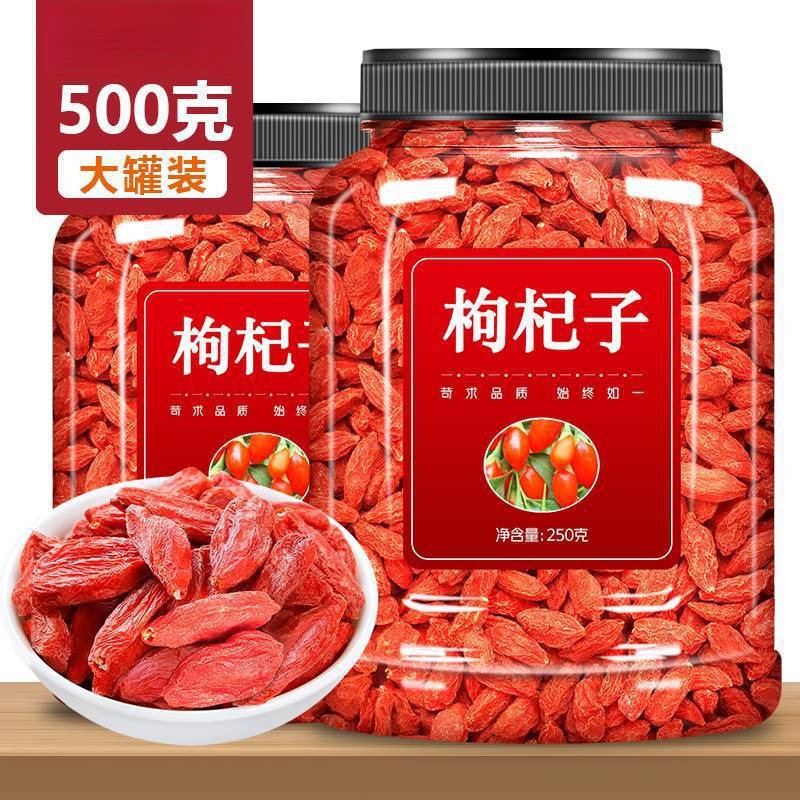
- Dried whole berries in a resealable jar
- Versatile in teas soups congee and culinary dishes
Quality & Sensory
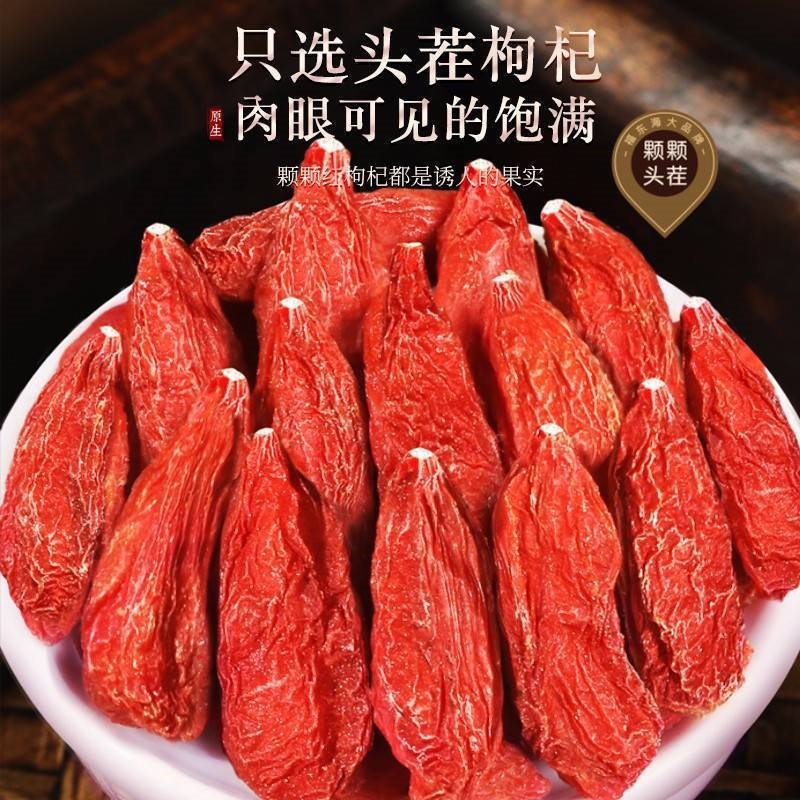
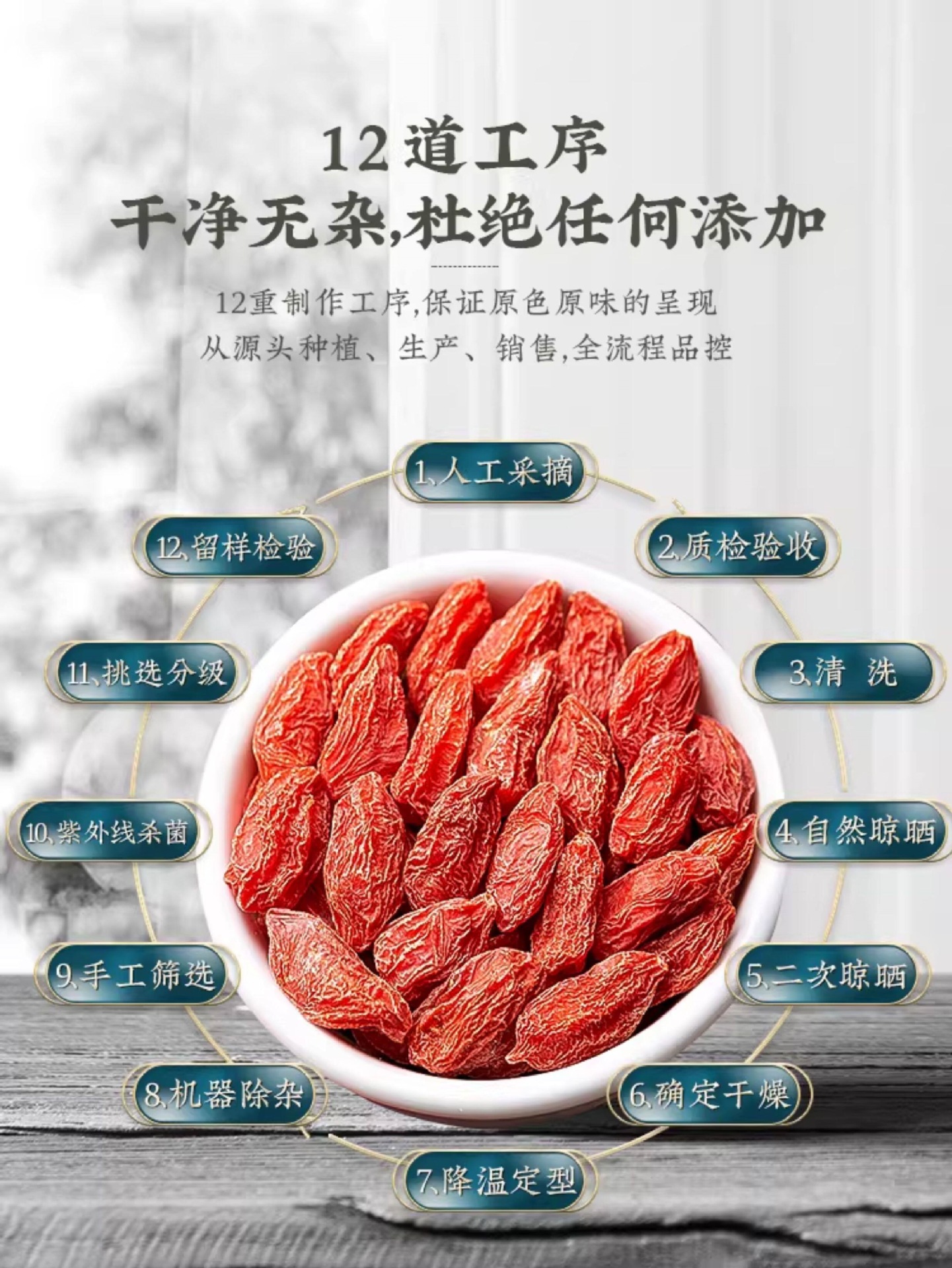
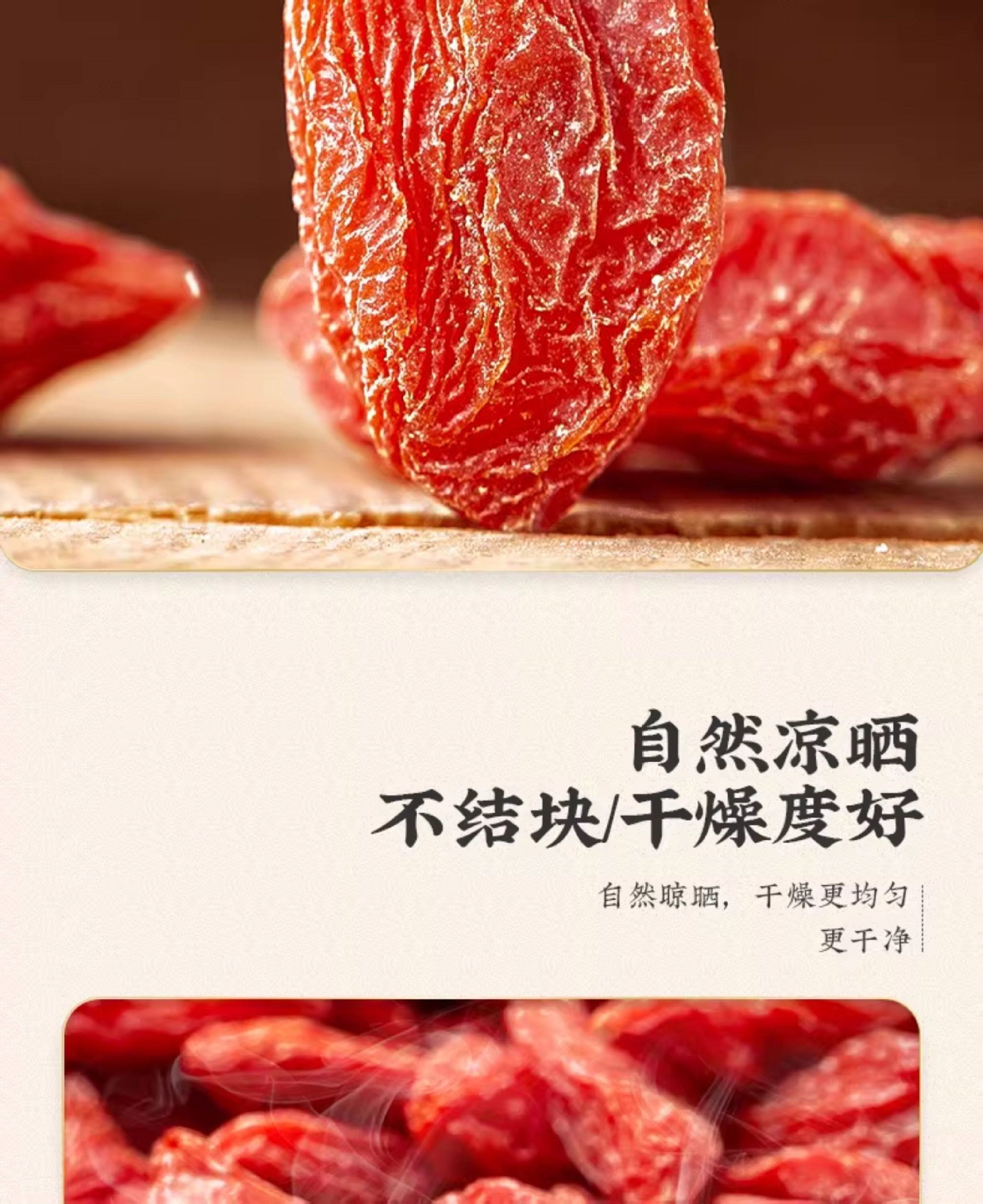
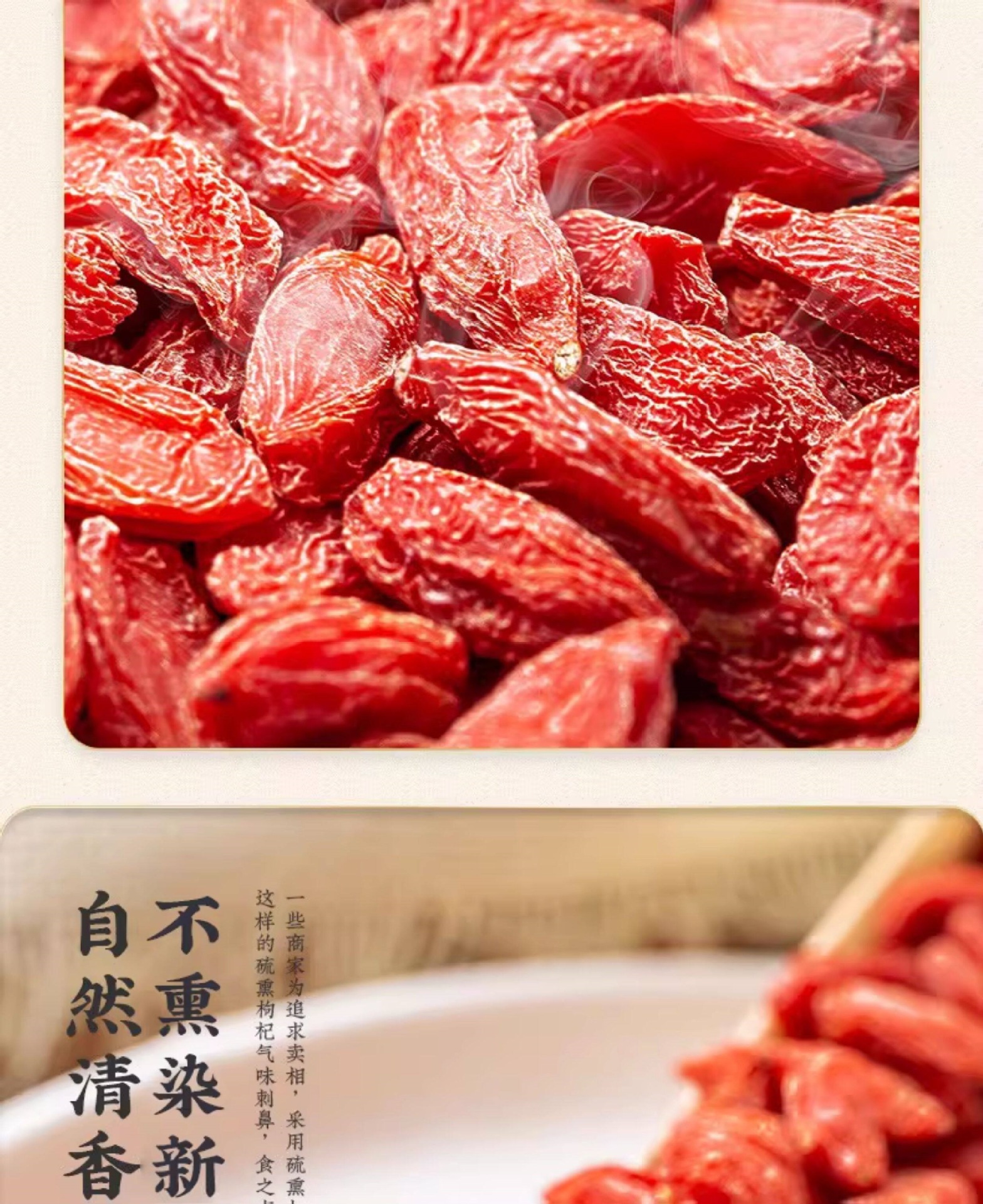
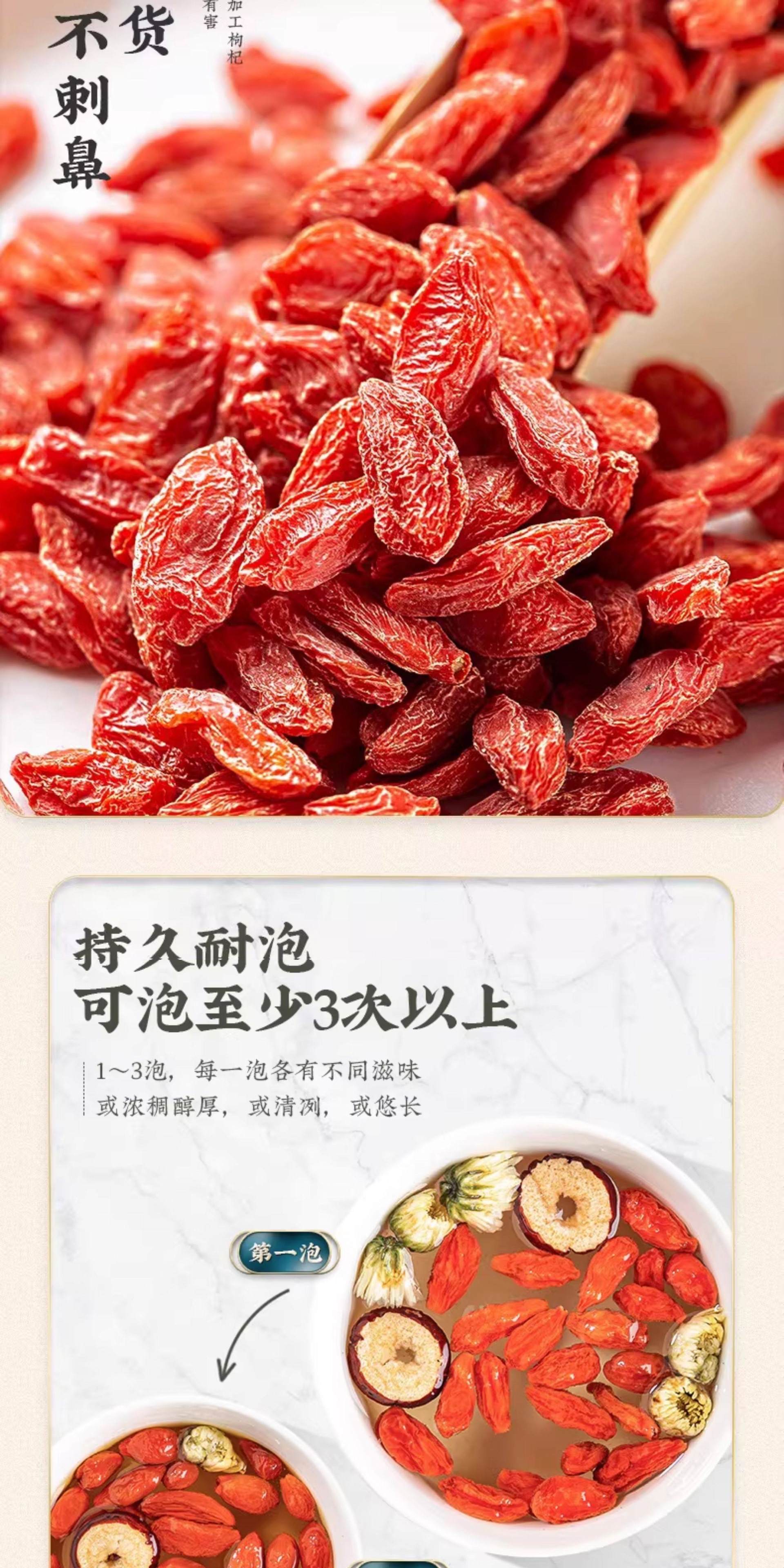
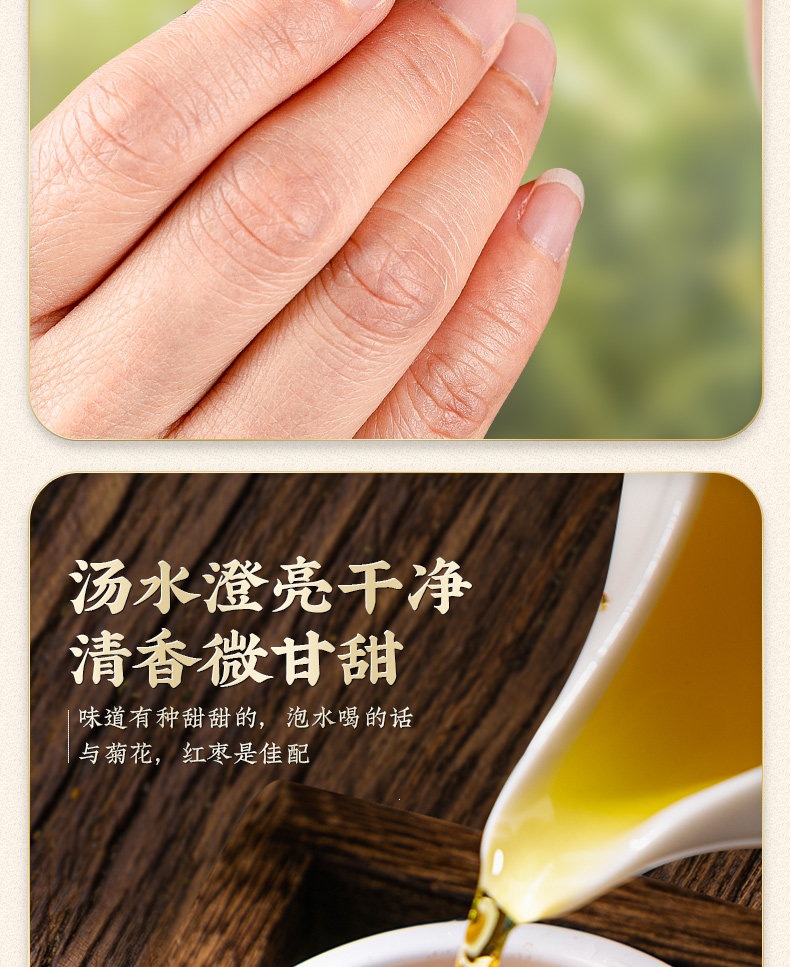
These dried goji berries are typically bright red to deep orange-red with a slightly wrinkled surface and soft chewy texture. They have a mild sweet aroma and a naturally sweet slightly tart taste that softens when brewed or simmered in soups and congee.
Technical Specifications
| Product Type | Dried goji berries |
|---|---|
| Chinese Name | 枸杞子 |
| Pinyin | Gou Qi Zi |
| Botanical Name | Lycium barbarum |
| Plant Part | Fruit |
| Form | Dried whole berries |
Usage Scenarios
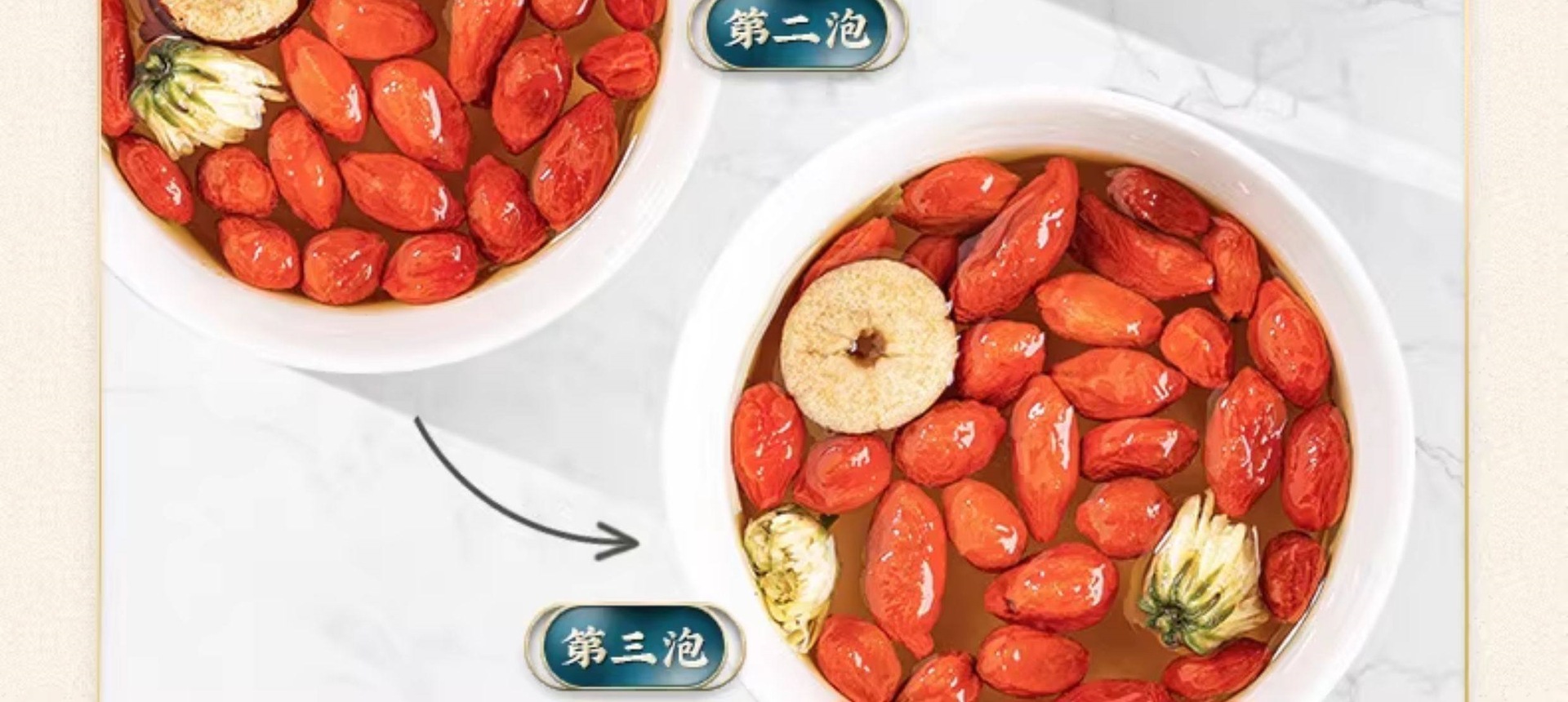
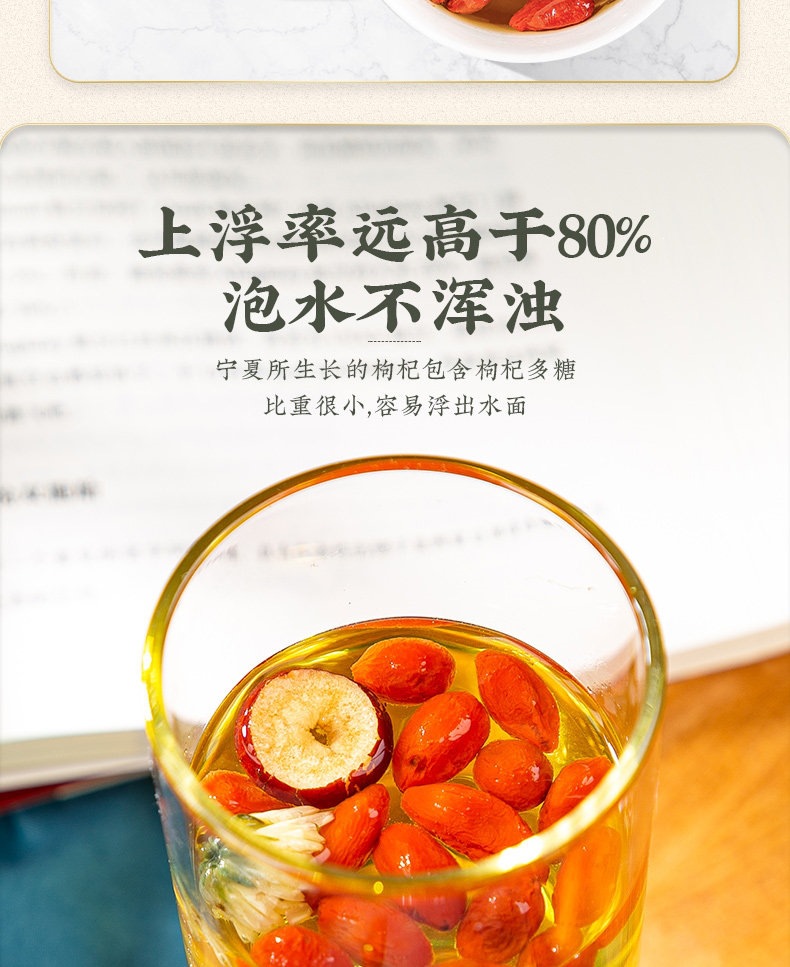
- Brewed as a daily herbal tea alone or with chrysanthemum
- Simmered in chicken or pork soup
- Cooked into congee or rice porridge
- Added to herbal decoctions
- Used as a mild sweet culinary garnish
Traditional Uses
In TCM theory, Gou Qi Zi is traditionally used to nourish Liver and Kidney yin and to support the eyes. It is commonly simmered in soups with Chinese yam and pork, cooked into congee with red dates, or brewed as a daily tea with chrysanthemum. Folk practice often pairs it with other gentle tonic herbs for seasonal wellness.
FAQ Q&A
Q: What are these dried goji berries?
A: They are dried whole fruits of Lycium barbarum, known in TCM as Gou Qi Zi (枸杞子), sourced from Ningxia and sold as Grade A large berries.
Q: What is their traditional value in TCM?
A: In TCM theory, goji berries are traditionally associated with nourishing Liver and Kidney yin and supporting eye health, with a sweet neutral nature.
Q: How are goji berries commonly used?
A: They are typically brewed in tea, simmered in soups, or cooked into congee. A small handful is usually enough per serving.
Additional information
| Weight | N/A |
|---|---|
| Dimensions | N/A |
| Model | 头茬大果250克, 头茬大果 220粒 50g 500克 主图款 |
Related products
-
Ningxia Goji Berries Gou Qi Zi 500g Dried Red Wolfberry for Tea Soup and Snacking
Price range: $7.20 through $16.44 -

Dried Raspberry Fruit Fu Pen Zi Whole Berries for Herbal Tea and Wine Infusion 500g
Price range: $15.63 through $18.06 -

Cabinda Bark Dried Herb 500g Traditional Herbal Infusion Ingredient
Price range: $12.38 through $37.50 -
Black Pepper Whole Peppercorns Hu Jiao 500g Bulk Culinary Spice for Cooking and Seasoning
Price range: $8.33 through $9.14
Reviews
There are no reviews yet.