
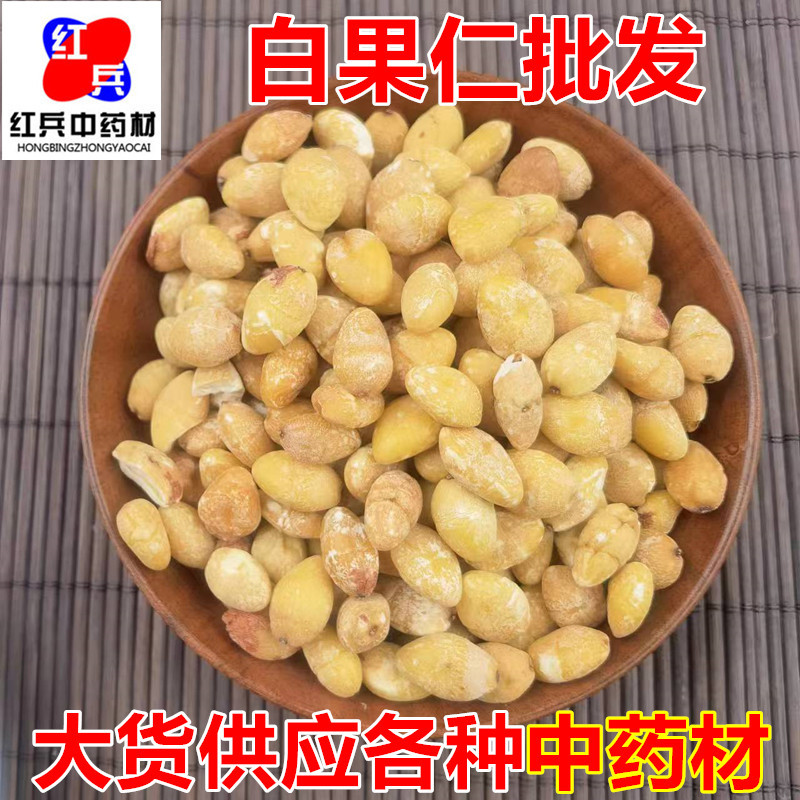
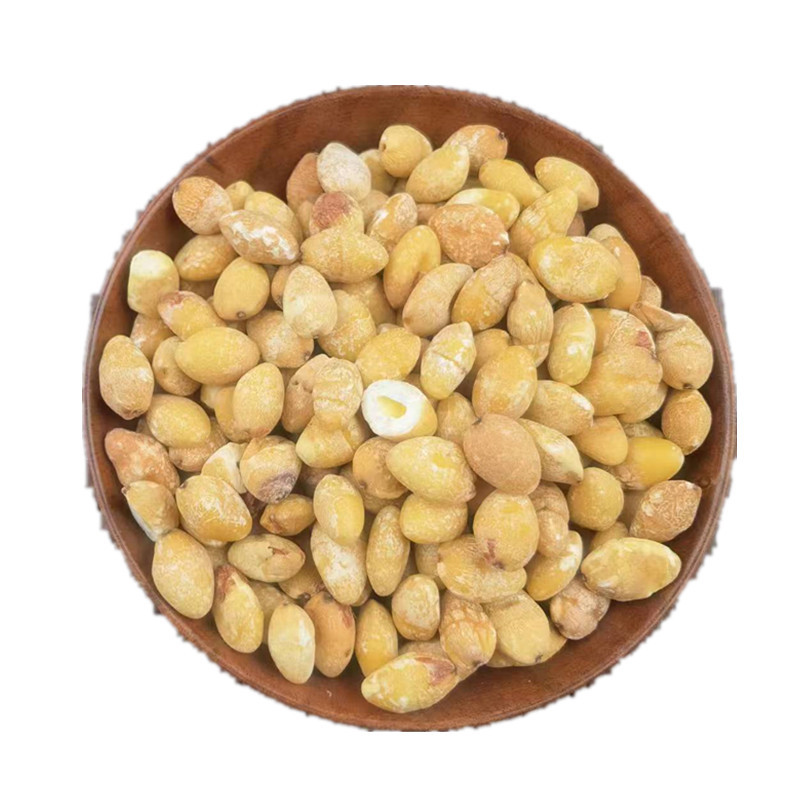
Dried Ginkgo Nuts Bai Guo Ren Peeled Ginkgo biloba Seeds for Soup and Culinary Use
$6.34
99937 in stock
Description
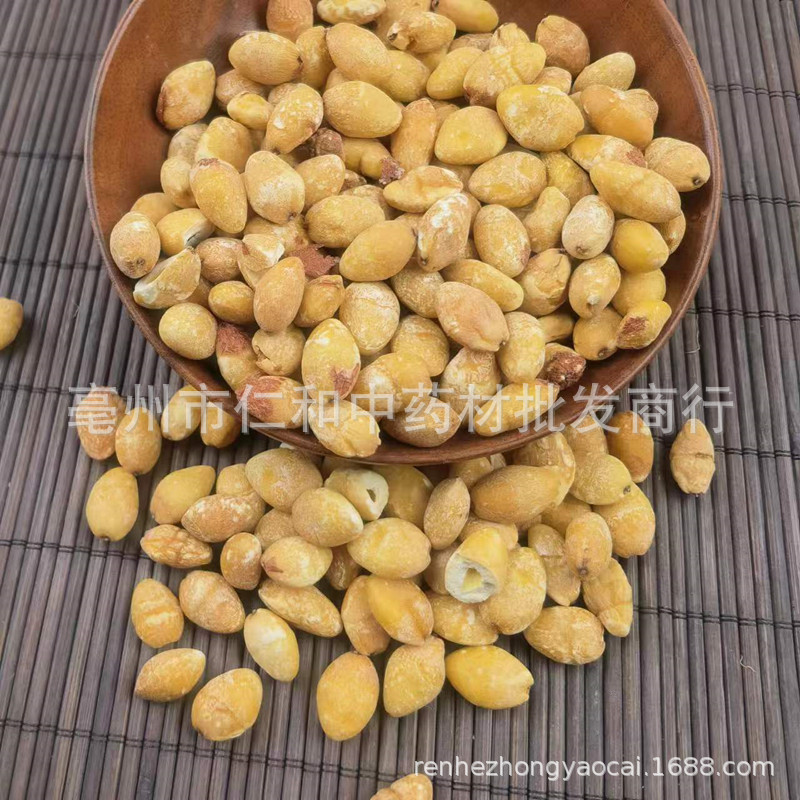
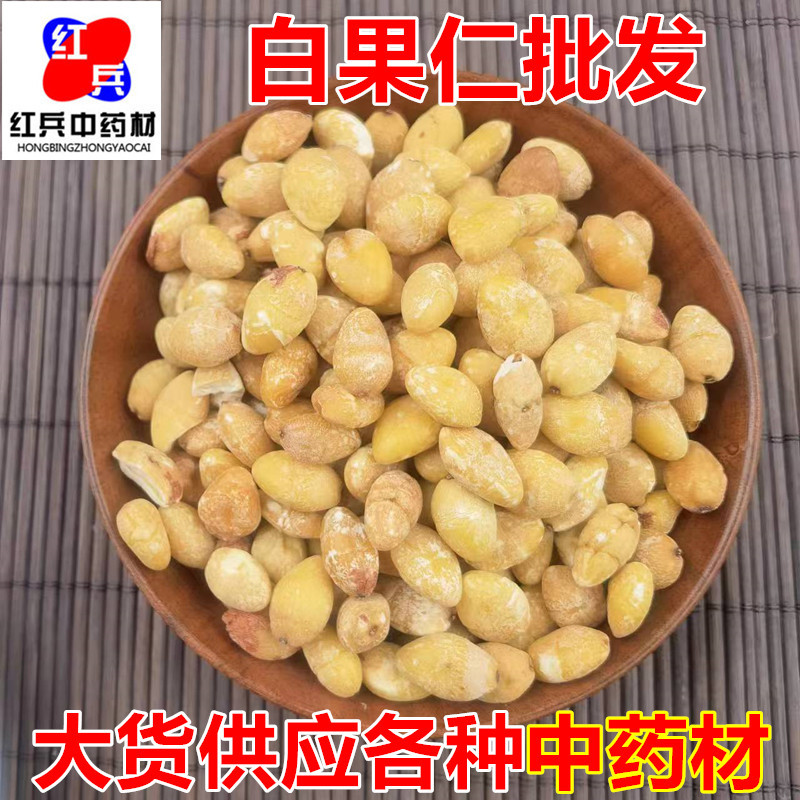
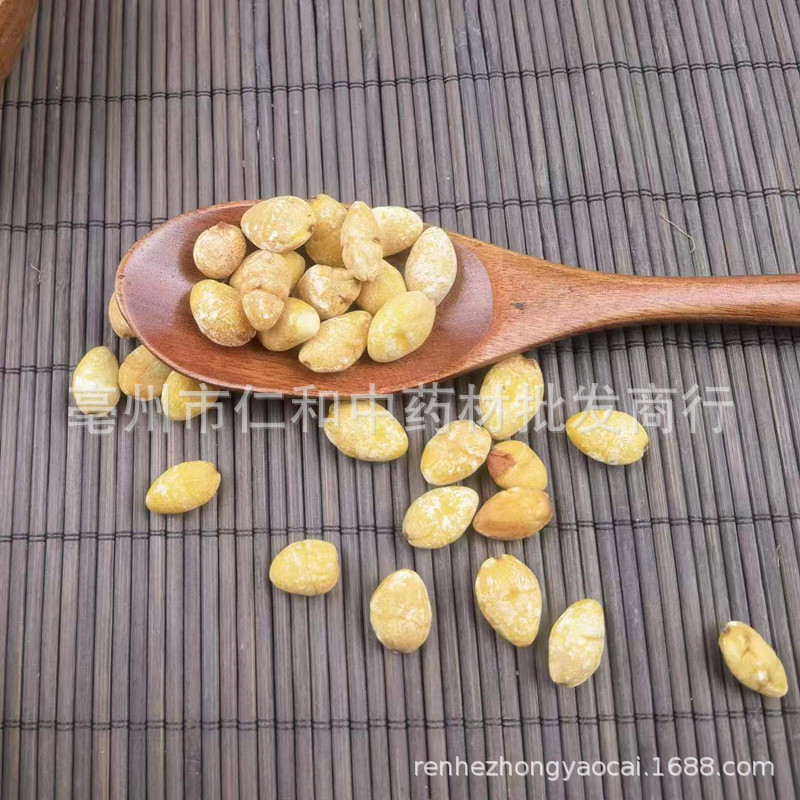
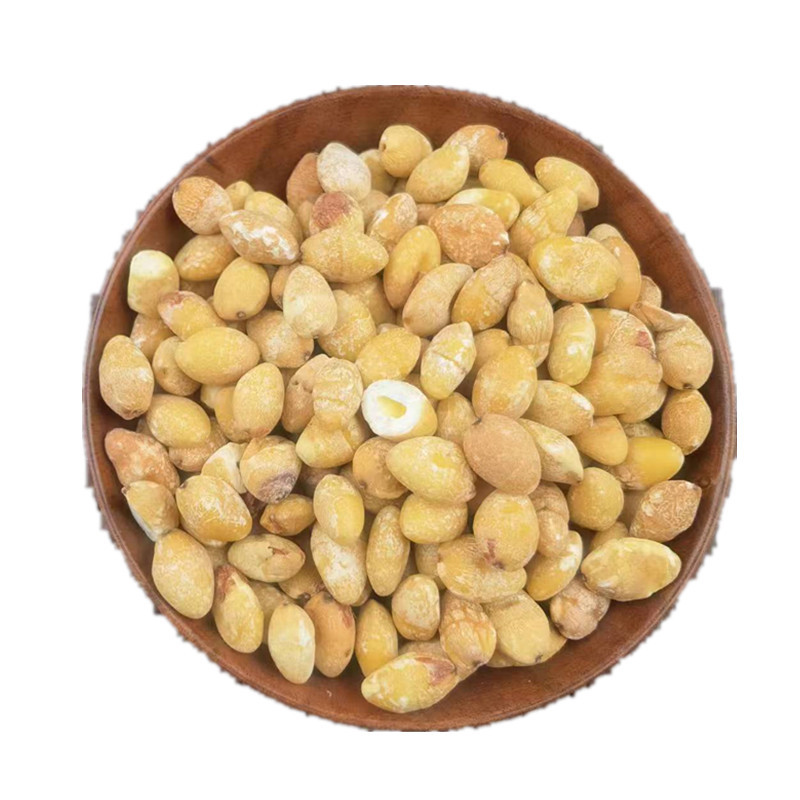
Dried Ginkgo Nuts, known in TCM as Bai Guo Ren (白果仁), are the shelled, dried seeds of Ginkgo biloba. Sold as a raw edible botanical in whole kernel form, they are traditionally associated with supporting lung and kidney channels in TCM theory. Typically used in soups, congee, and slow-cooked dishes, they should be cooked before eating and enjoyed in moderation as part of a balanced diet.
Key Selling Points
- Shelled and dried ginkgo seed kernels ready for cooking
- Botanical source Ginkgo biloba, a classic TCM herb
- Known in TCM as Bai Guo Ren with traditional lung and kidney associations
- Whole natural kernel form with no further processing
- Versatile for soups, congee, and traditional desserts
Quality & Sensory
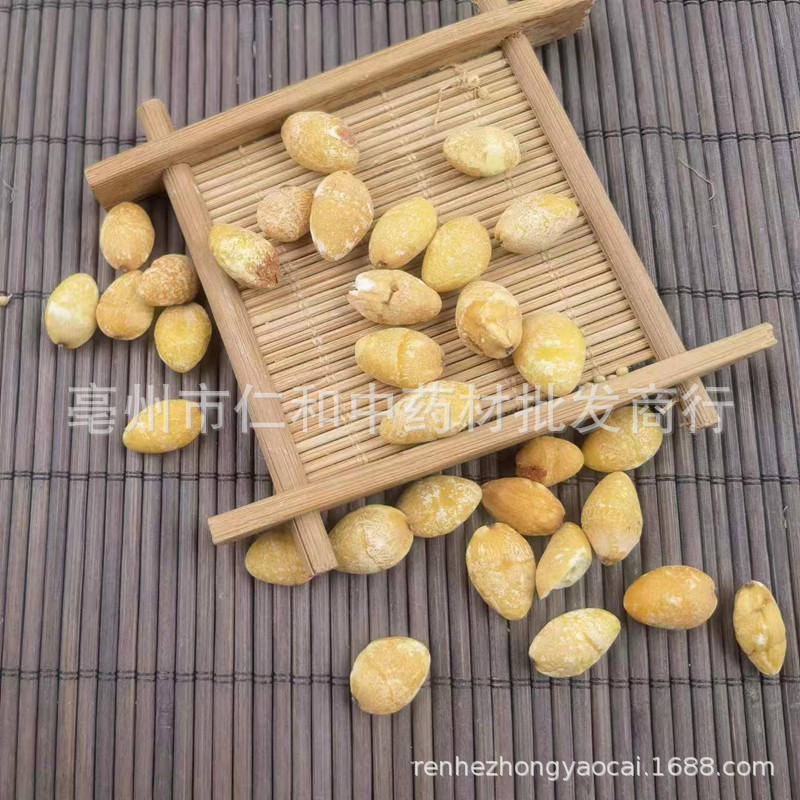
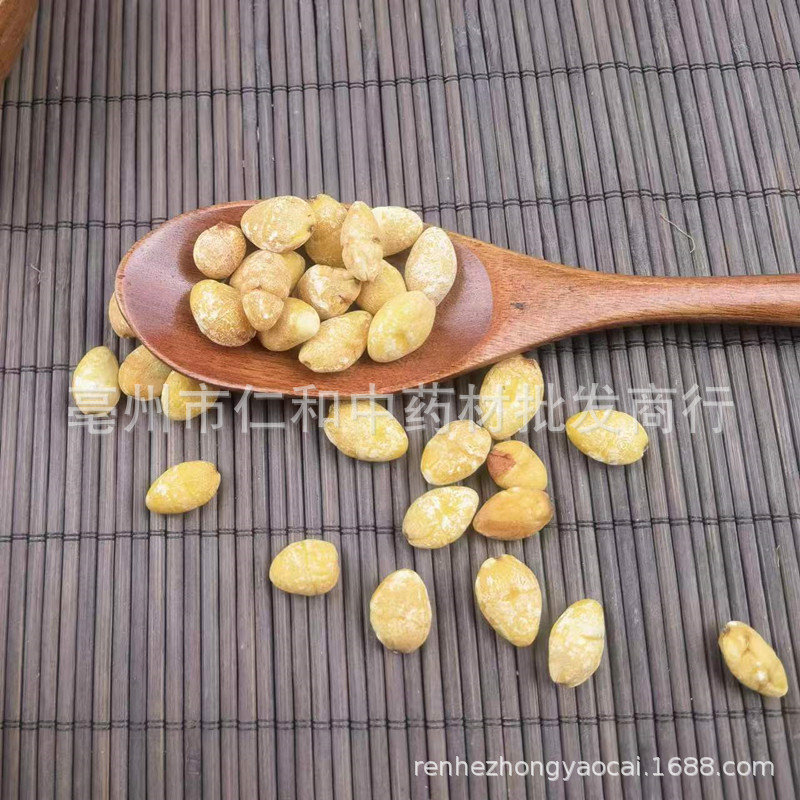
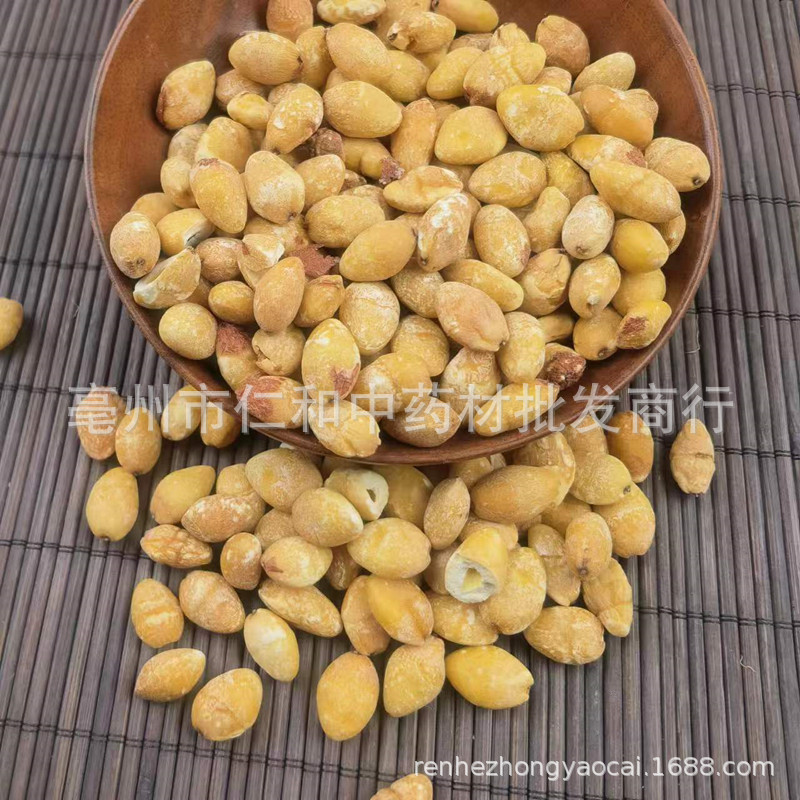
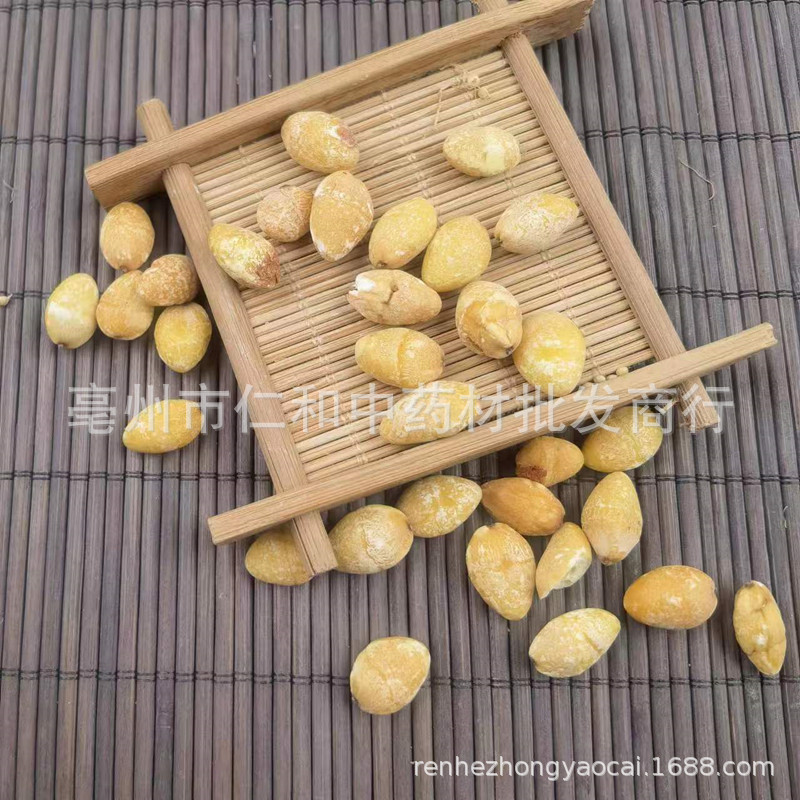
Typically pale yellow to light greenish-white kernels with a firm, smooth texture and a mild, faintly nutty aroma. When simmered or roasted, they develop a soft, starchy bite with a gently sweet, slightly bitter finish.
Technical Specifications
| Product Type | Raw edible botanical |
|---|---|
| Chinese Name | 白果仁 |
| Pinyin | Bai Guo Ren |
| Botanical Name | Ginkgo biloba |
| Plant Part | Seed kernel |
| Form | Whole dried kernels |
Usage Scenarios
- Simmered in soups with chicken, pork, or duck
- Added to congee and rice porridge
- Cooked into traditional desserts such as sweet soups
- Lightly roasted as a culinary ingredient
Traditional Uses
In TCM practice, Bai Guo Ren is traditionally used in decoctions and food therapy, often paired with ingredients like lily bulb, apricot kernel, or pear in soothing soups. It is a familiar ingredient in autumn and winter cooking, appearing in congee, sweet soups, and braised dishes. Traditionally, the kernels are always cooked before consumption and used in moderate amounts.
FAQ Q&A
Q: What is this product?
A: It is dried, shelled ginkgo seed kernels, known in TCM as Bai Guo Ren, from the Ginkgo biloba tree.
Q: What is it traditionally valued for?
A: In TCM theory it is traditionally associated with the lung and kidney channels and has long been used in food therapy and seasonal cooking.
Q: How is it commonly prepared?
A: The kernels are typically simmered in soups, congee, or sweet desserts, and should always be cooked before eating.
Additional information
| Weight | 0.6 kg |
|---|---|
| Dimensions | 20 × 15 × 8 cm |
Related products
-
Cabinda Bark Dried Herb 500g Traditional Herbal Infusion Ingredient
Price range: $12.38 through $37.50 -
Dried Cinnamon Bark Rou Gui 500g Whole Peeling Culinary Spice and Traditional Herbal Ingredient
Price range: $5.58 through $8.33 -
Astragalus Root Slices Huang Qi 500g Dried Herb for Soups and Teas
Price range: $7.36 through $22.11 -
Yi Zhi Ren Dried Alpinia Oxyphylla Fruit 500g Traditional Herbal Tea and Decoction Ingredient
Price range: $11.74 through $13.36
Reviews
There are no reviews yet.