
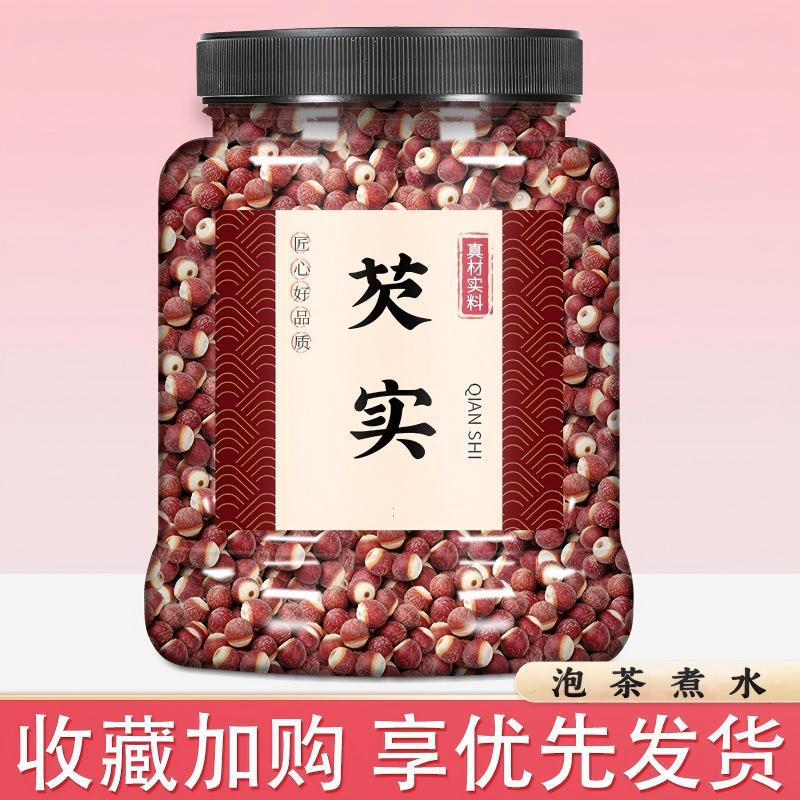
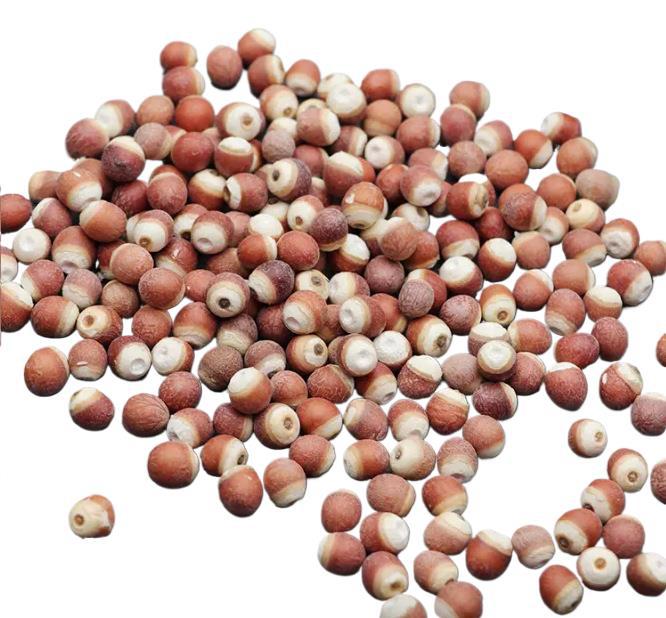
Dried Euryale Seed Large Grain Qian Shi 200g Chinese Herbal Soup and Congee Ingredient
Price range: $5.71 through $18.71
Description
Dried Euryale Seed, known in TCM as Qian Shi (芡实), from Euryale ferox, is the dried ripe seed of the water lily family. In TCM theory it is sweet and astringent in flavor, neutral in nature, and traditionally associated with the spleen and kidney channels. It is commonly used in soups, congee, and decoctions as a gentle traditional food herb. This product is a dried agricultural food ingredient and is not a medicine.
Key Selling Points
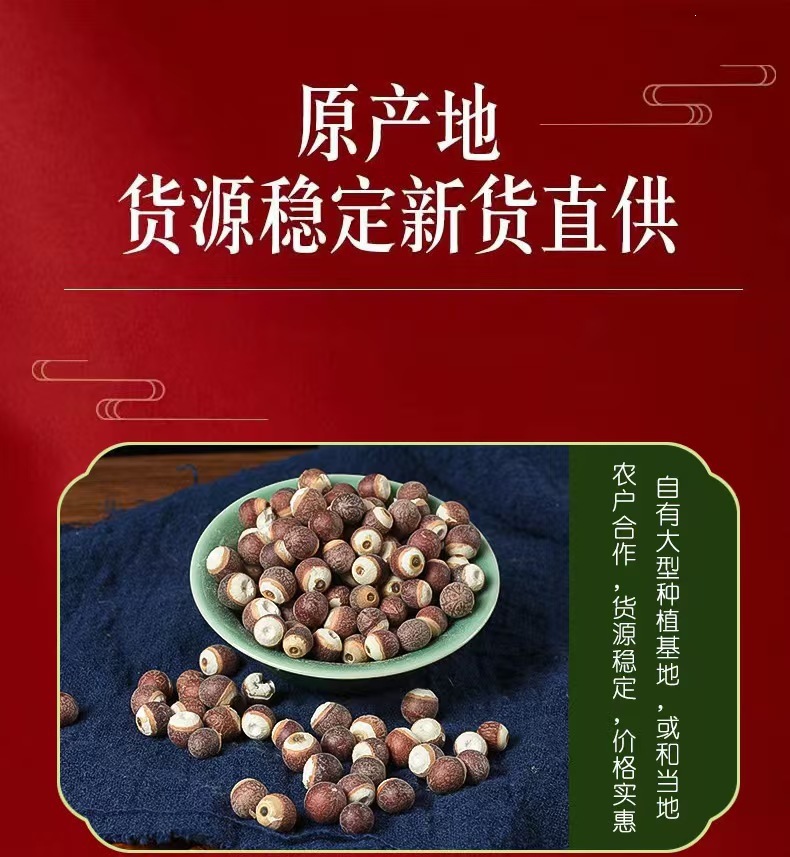
- Dried Euryale Seed, also called Qian Shi (芡实) in TCM
- Botanical source Euryale ferox, dried ripe seed
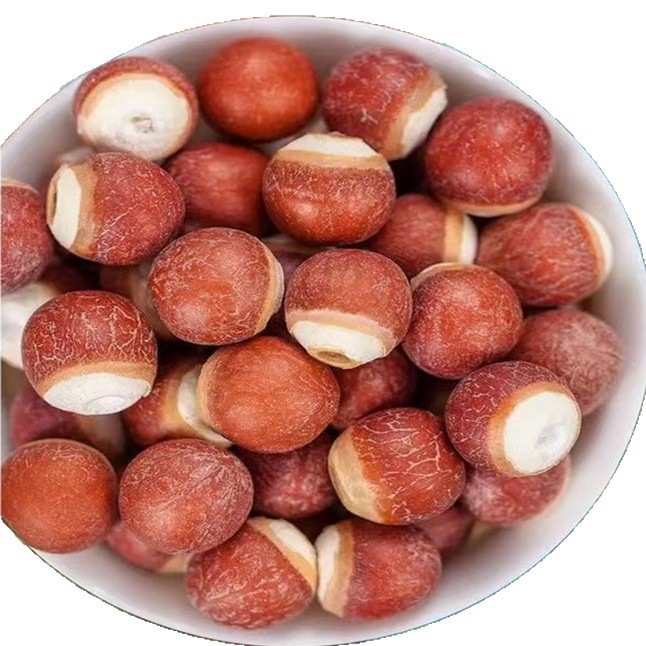
- Large grain chicken-head fruit seed with red skin
- Traditionally used in soups, congee, and decoctions
- Dried processing for long storage and easy cooking
Quality & Sensory
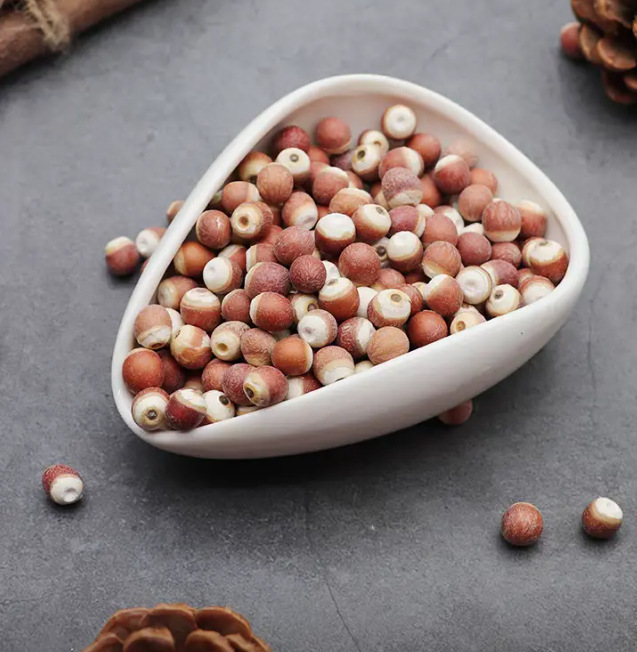
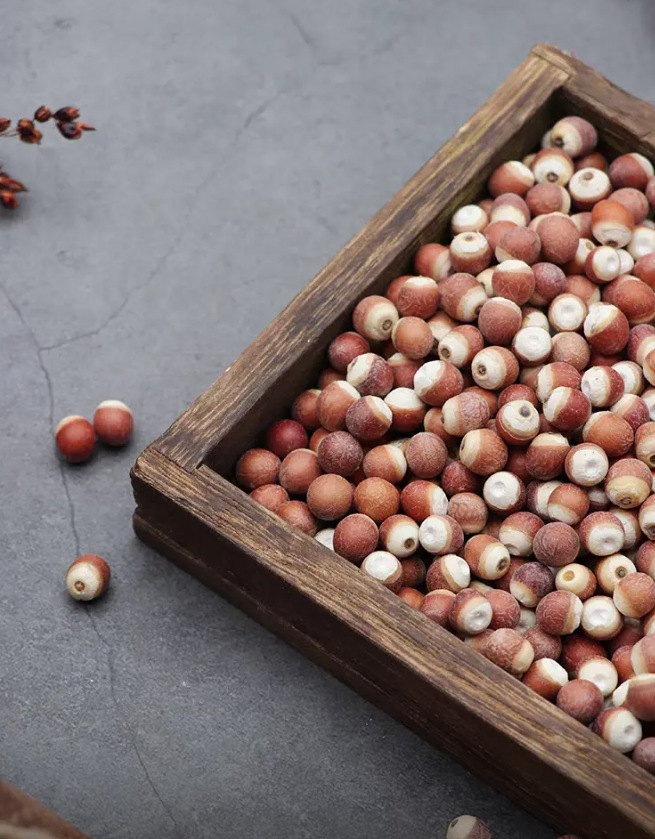
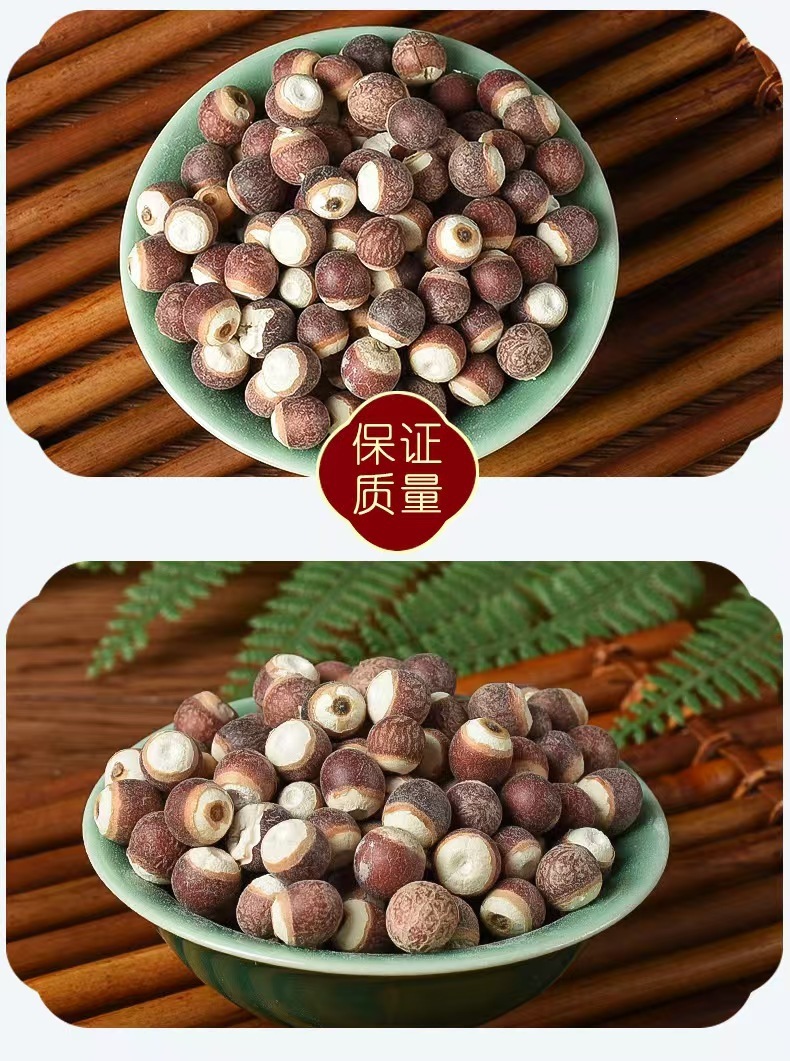
The seeds are typically large, round, and firm with a reddish-brown outer skin and a pale starchy interior. They have a mild, neutral aroma and a slightly sweet, astringent taste after cooking. When boiled, they become soft and chewy and are often used to add texture to soups and congee.
Technical Specifications
| Product Type | Dried Euryale Seed |
|---|---|
| Chinese Name | 芡实 |
| Pinyin | Qian Shi |
| Botanical Name | Euryale ferox |
| Plant Part | Dried ripe seed |
| Net Weight | 200g |
Usage Scenarios
- Added to soups and stews
- Cooked in congee or rice porridge
- Used in traditional decoctions
- Combined with山药 and 茯苓 in soup packs
Traditional Uses
In TCM theory, Qian Shi is traditionally used to support the spleen and kidney. It is often cooked in soups, congee, and decoctions, sometimes paired with Chinese yam (山药) and Poria (茯苓). It is also used in seasonal food preparations and as a gentle daily food herb in traditional wellness practices.
FAQ Q&A
Q: What is this product?
A: It is dried Euryale Seed, known in TCM as Qian Shi (芡实), from the Euryale ferox plant.
Q: What is its traditional value?
A: In TCM theory it is sweet and astringent, neutral in nature, and traditionally associated with the spleen and kidney channels.
Q: How is it commonly used?
A: It is typically cooked in soups, congee, or decoctions, often with other traditional herbs such as Chinese yam and Poria.
Additional information
| Weight | N/A |
|---|---|
| Dimensions | N/A |
| Model | 药材 大罐 1罐 芡实, 药材 大罐 2罐 芡实, 药材 大罐 3罐 芡实, 药材 大罐 4罐 芡实, 药材 大罐 5罐 芡实, 花茶 中罐 1罐 芡实, 新 药材 小 1罐 芡实100, 花茶 中罐 2罐 芡实 赤小豆, 花茶 中罐 2罐 芡实 红枸杞, 药材 中罐 3罐 芡实 山药 茯苓 |
Related products
-

Dried Raspberry Fruit Fu Pen Zi Whole Berries for Herbal Tea and Wine Infusion 500g
Price range: $15.63 through $18.06 -
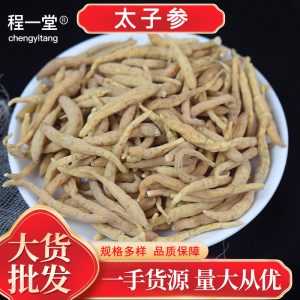
Taizishen Dried Pseudostellaria Root TCM Herbal Tea and Soup Ingredient 500g Bulk Pack
Price range: $10.28 through $15.63 -
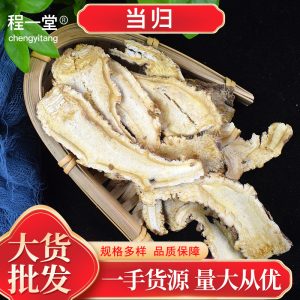
Dried Angelica Sinensis Slices Dang Gui 当归 500g Gansu Raw Herb for Decoction Soup and Tea
Price range: $16.44 through $35.88 -

Cabinda Bark Dried Herb 500g Traditional Herbal Infusion Ingredient
Price range: $12.38 through $37.50
Reviews
There are no reviews yet.