
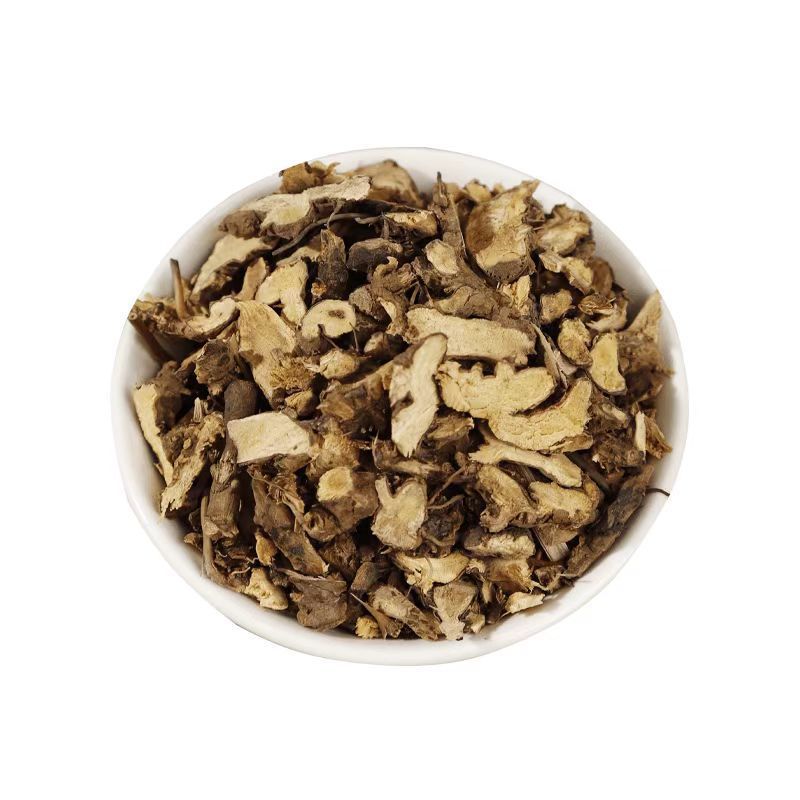
Dried Epimedium Root and Leaf Yin Yang Huo Herbal Decoction Pieces 1000g
Description
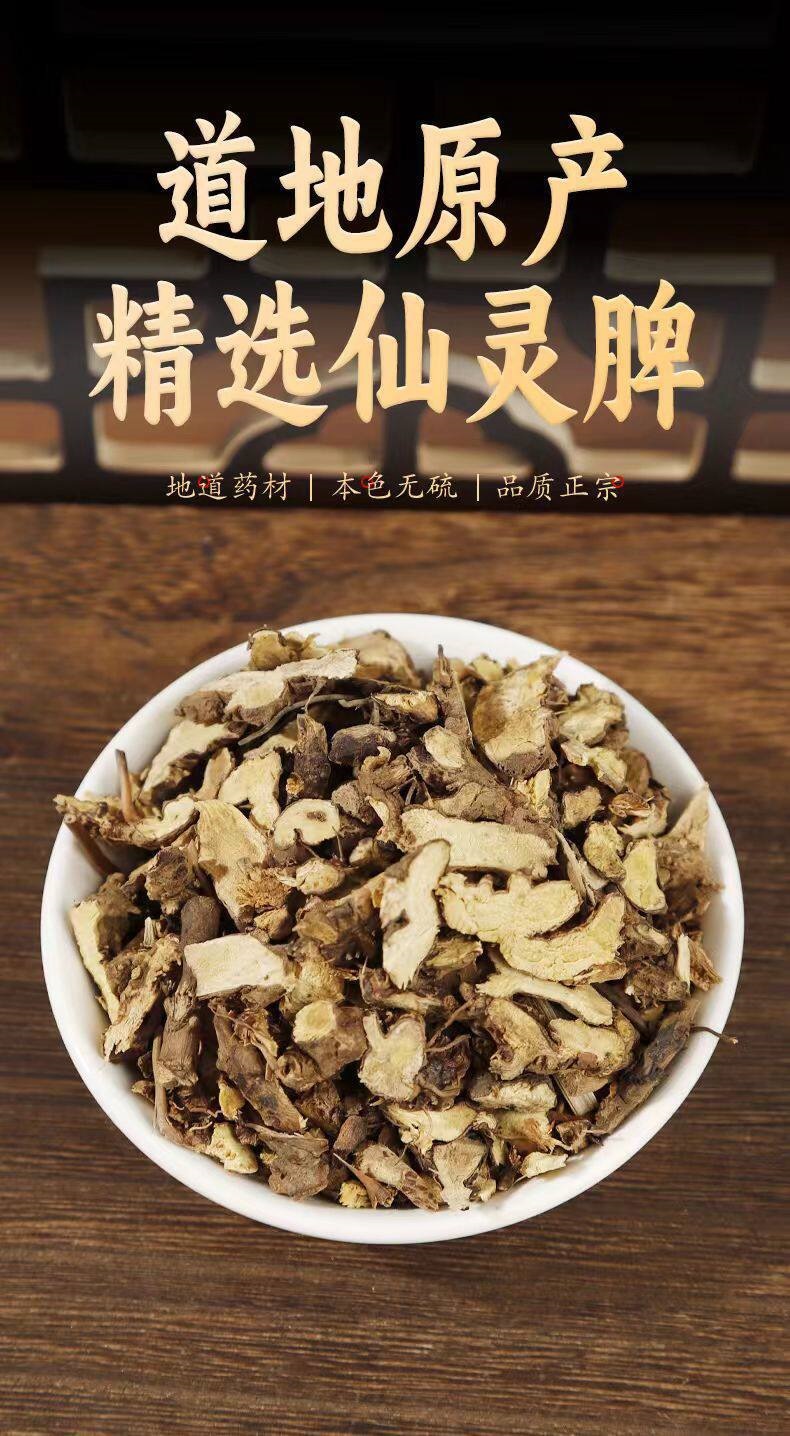
Dried Epimedium Root and Leaf, known in TCM as Yin Yang Huo (淫羊藿), from Epimedium species. This raw herb combines root and leaf in whole decoction-piece form. In TCM theory it is warm in nature, sweet and pungent in flavor, and enters the Liver and Kidney channels. Traditionally used in decoctions and soups, it is a classic yang-tonifying herb in Chinese herbal practice.
Key Selling Points
- Combines Epimedium root and leaf in one raw herb product
- Known in TCM as Yin Yang Huo (淫羊藿), a classic yang-tonifying botanical
- Whole decoction pieces suitable for simmering and slow cooking
- Warm nature with sweet and pungent flavor entering Liver and Kidney channels
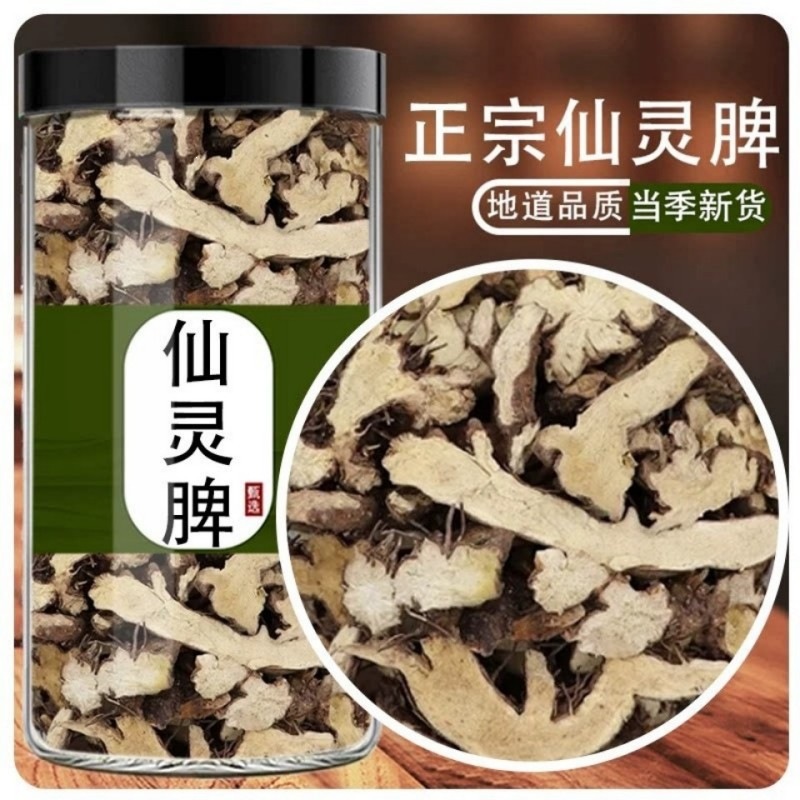
- Packed in sealed jars to protect freshness and aroma
Quality & Sensory
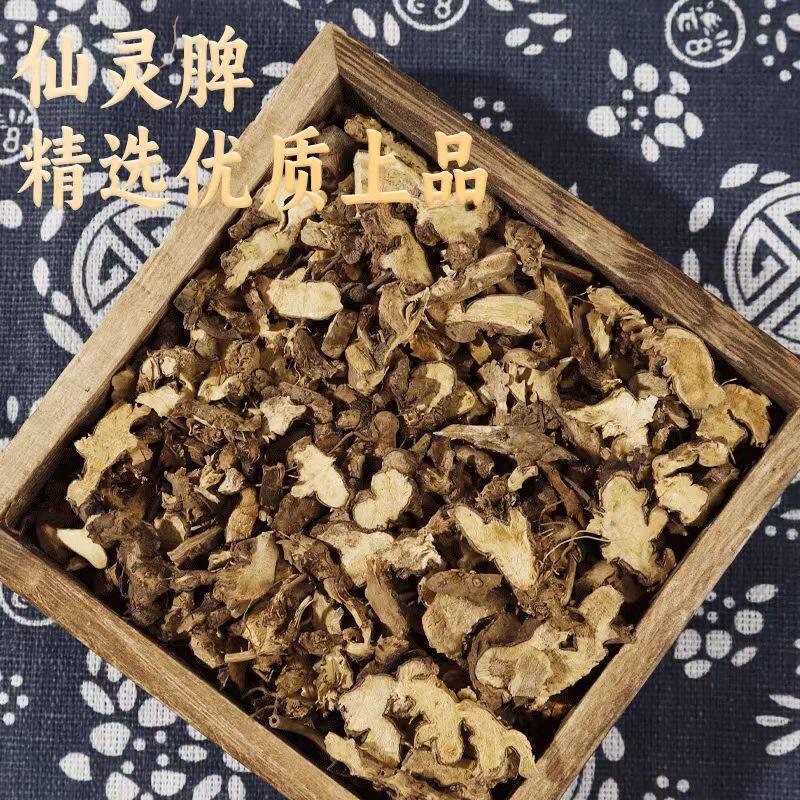
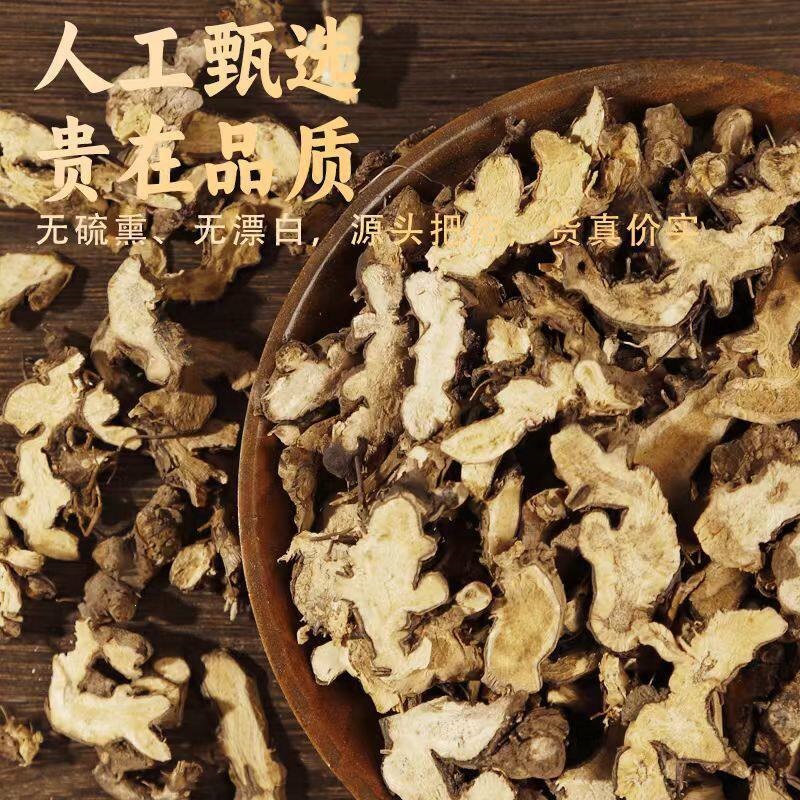
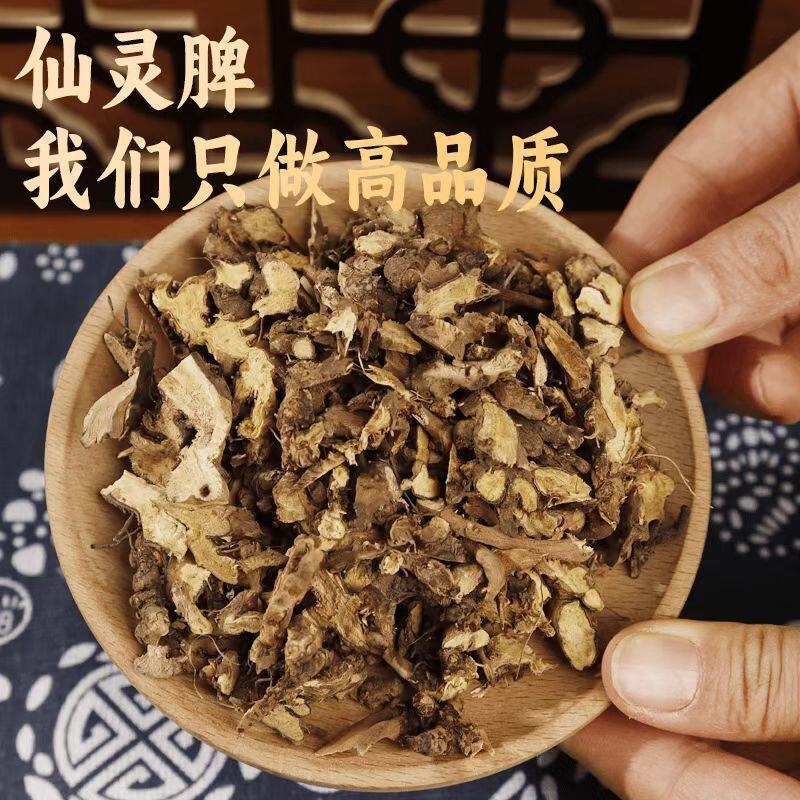
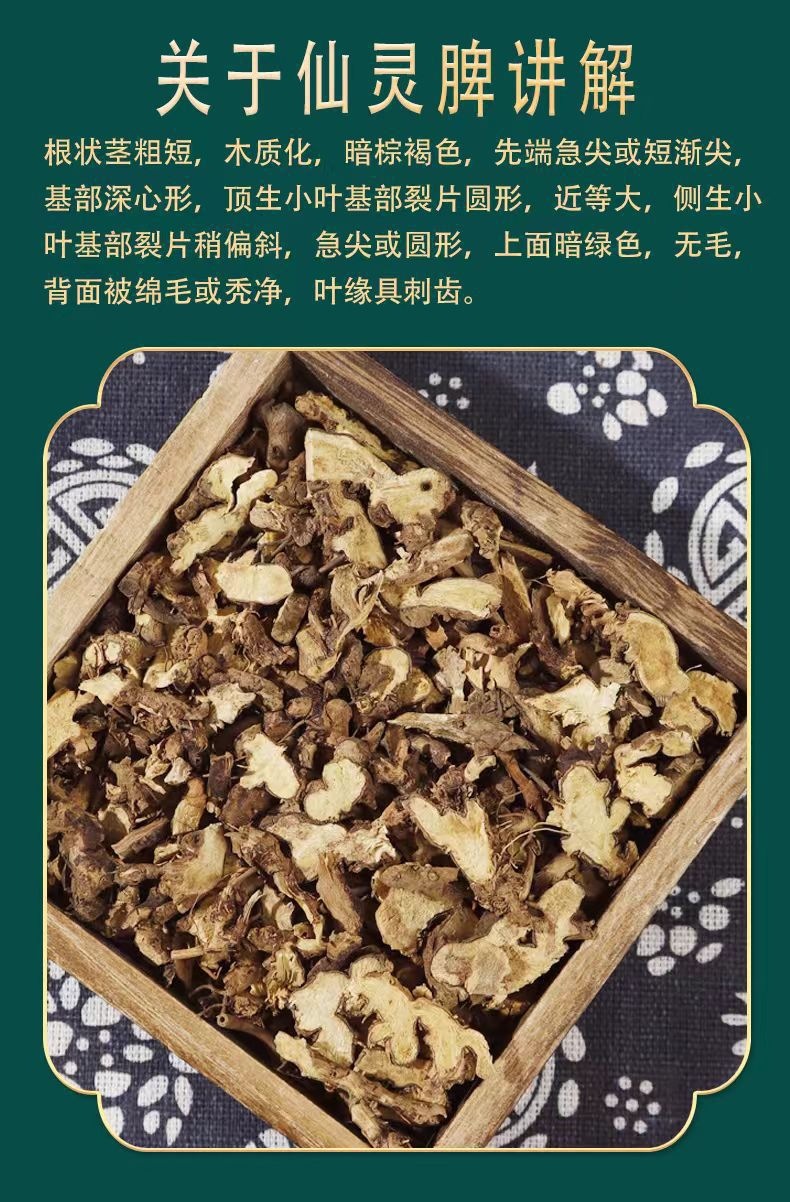
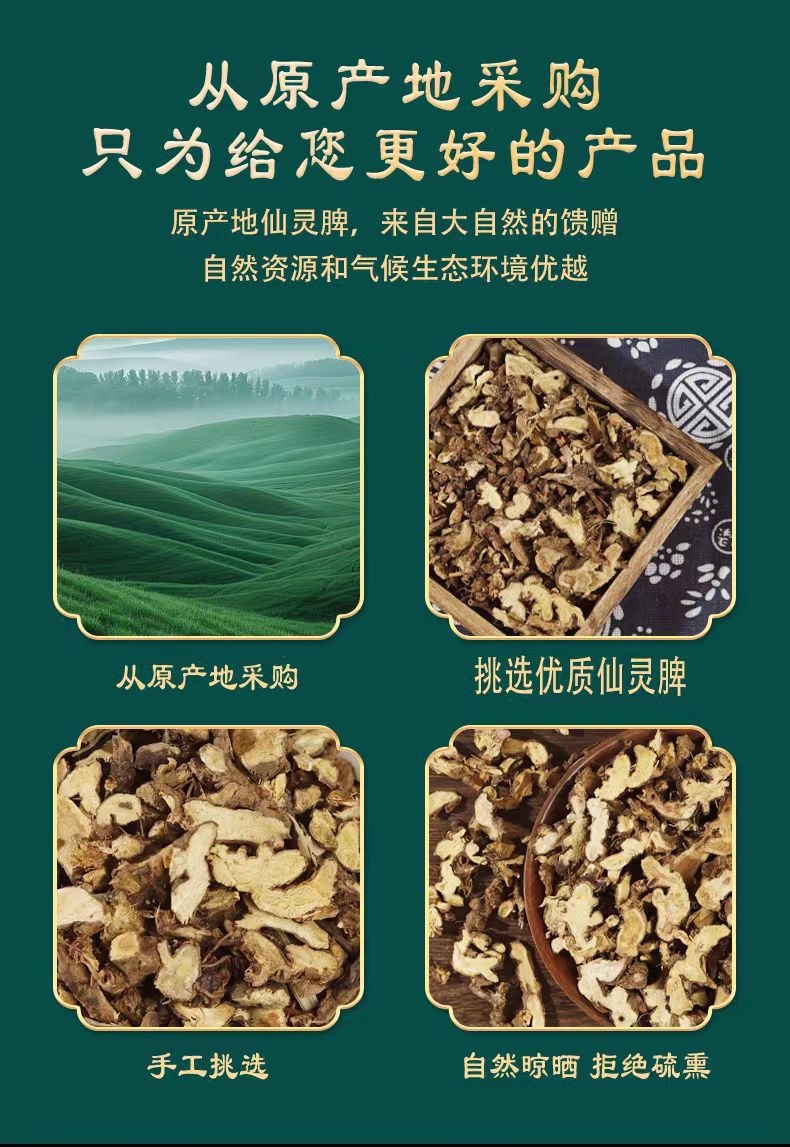
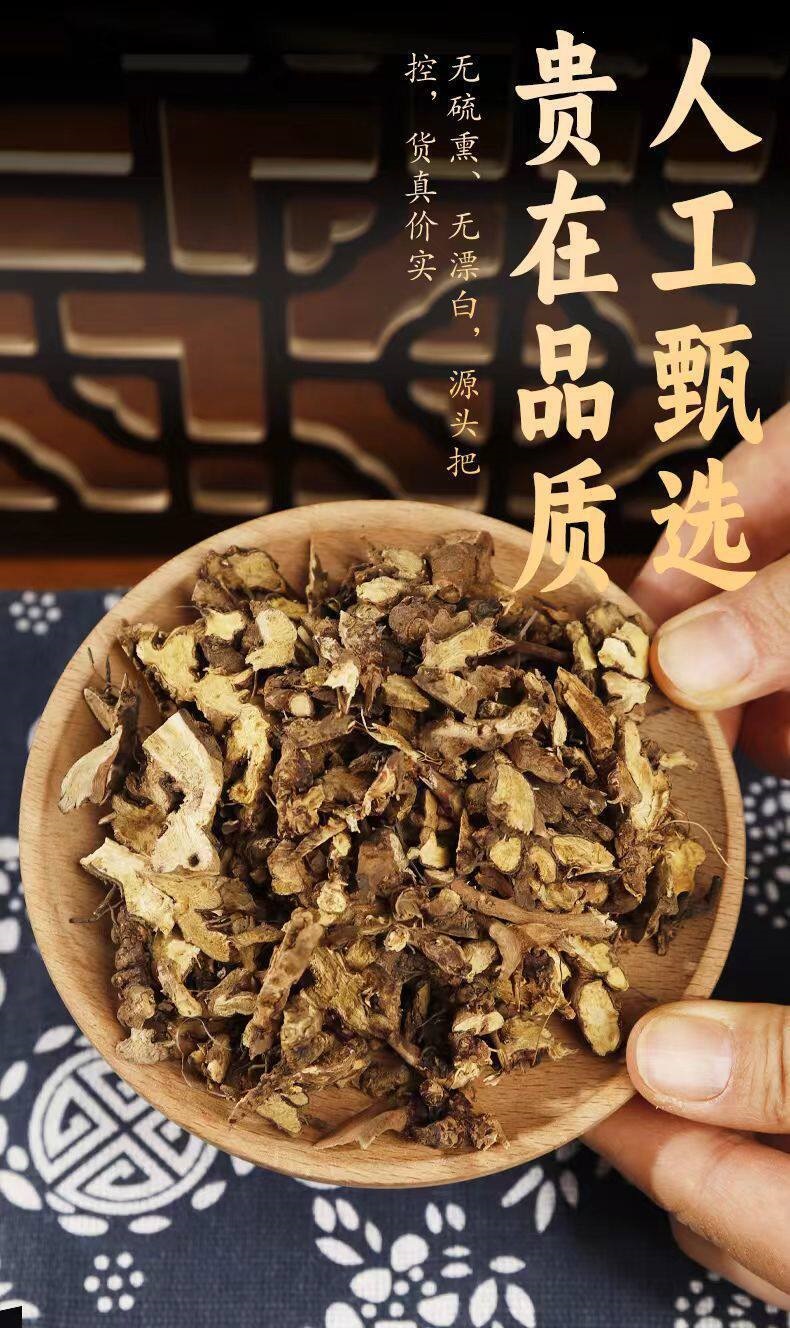
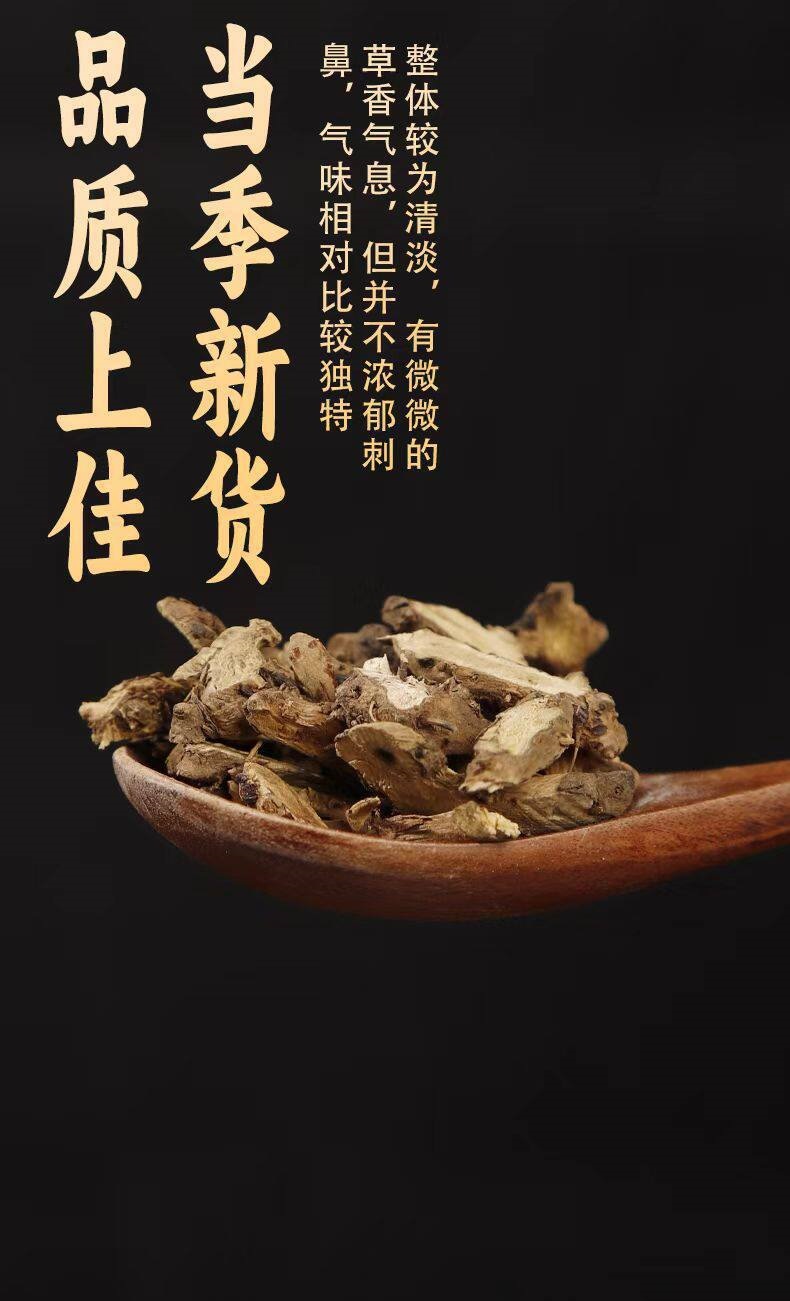
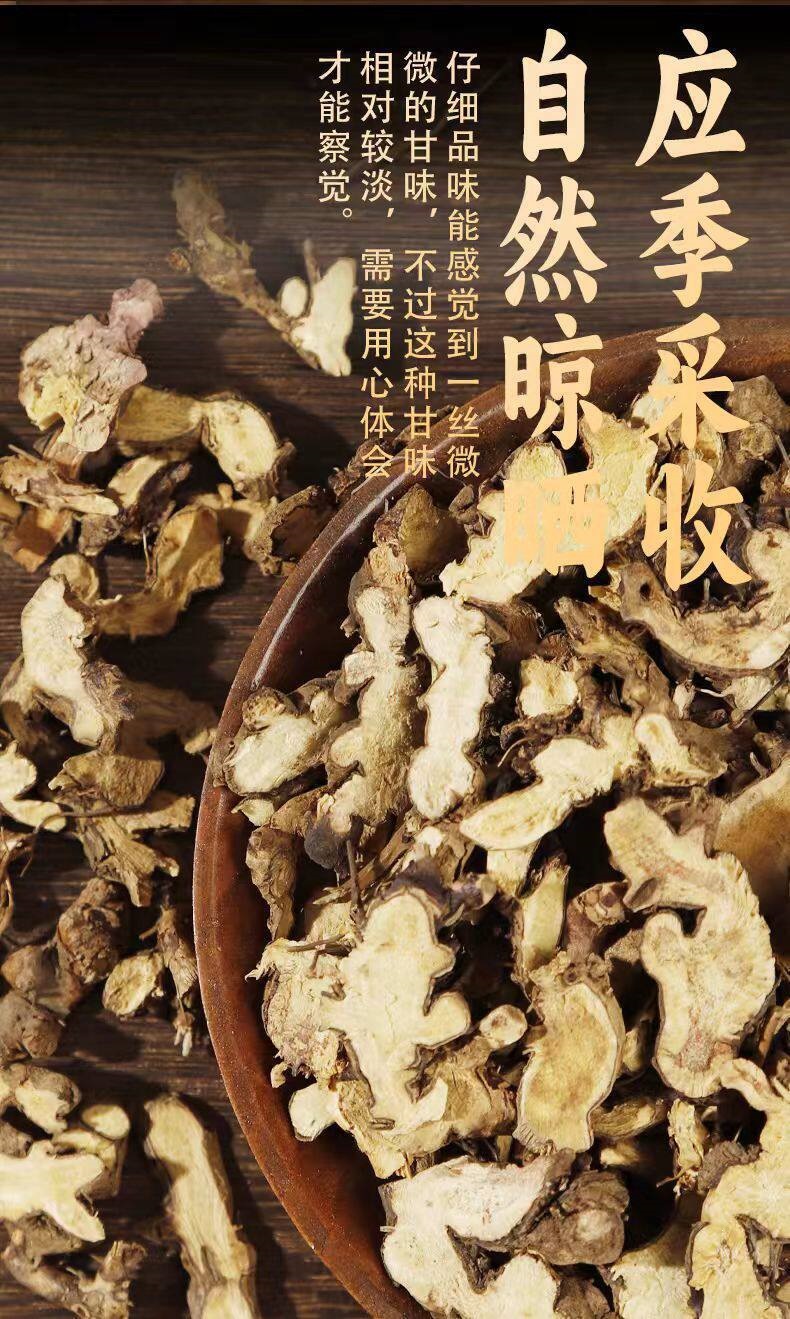
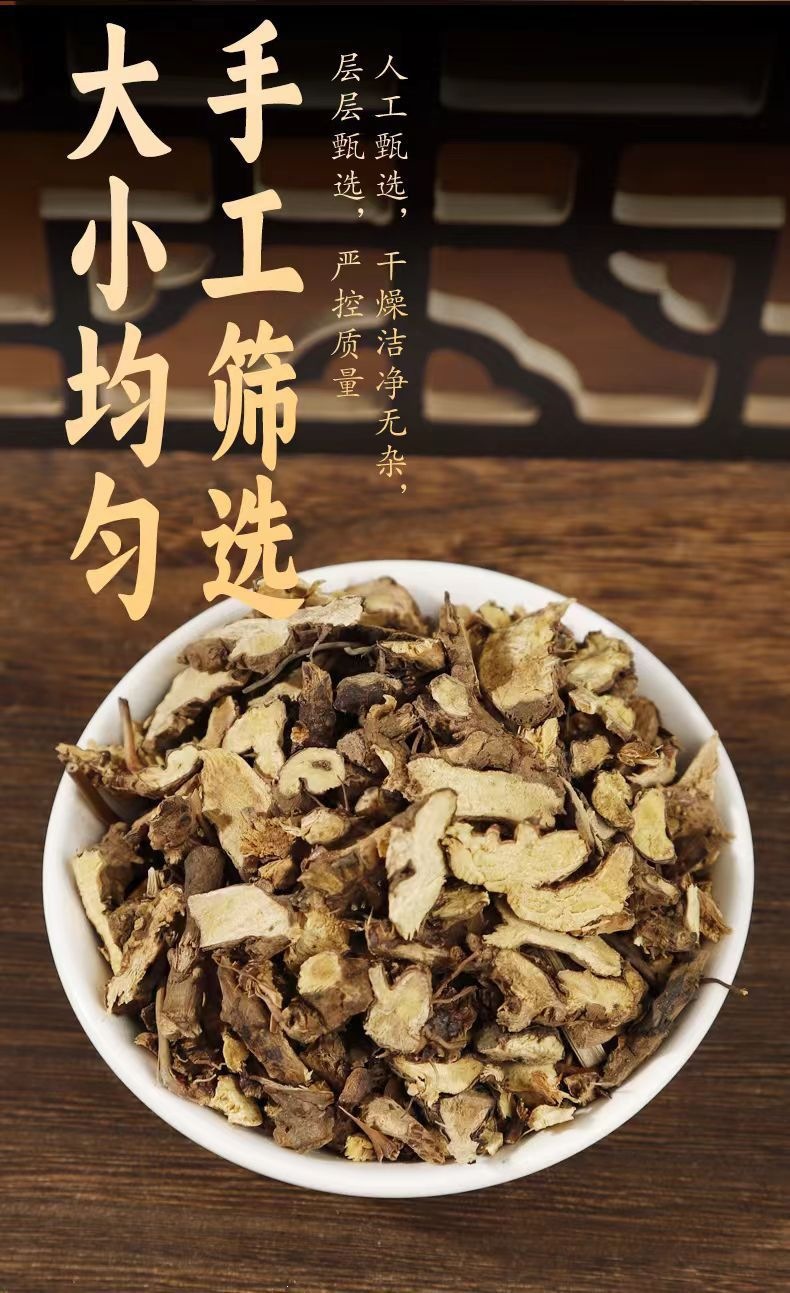
The dried root and leaf pieces are typically brownish-green to tan with a fibrous, leathery texture. The aroma is mild and earthy, and after decocting the liquid is typically light amber with a subtly bitter and slightly sweet herbal taste.
Technical Specifications
| Product Type | Dried raw herb decoction pieces |
|---|---|
| Chinese Name | 淫羊藿 |
| Pinyin | Yin Yang Huo |
| Botanical Name | Epimedium species |
| Plant Part | Root and leaf |
| Net Weight | 250g x 4 jars (1000g total) |
Usage Scenarios
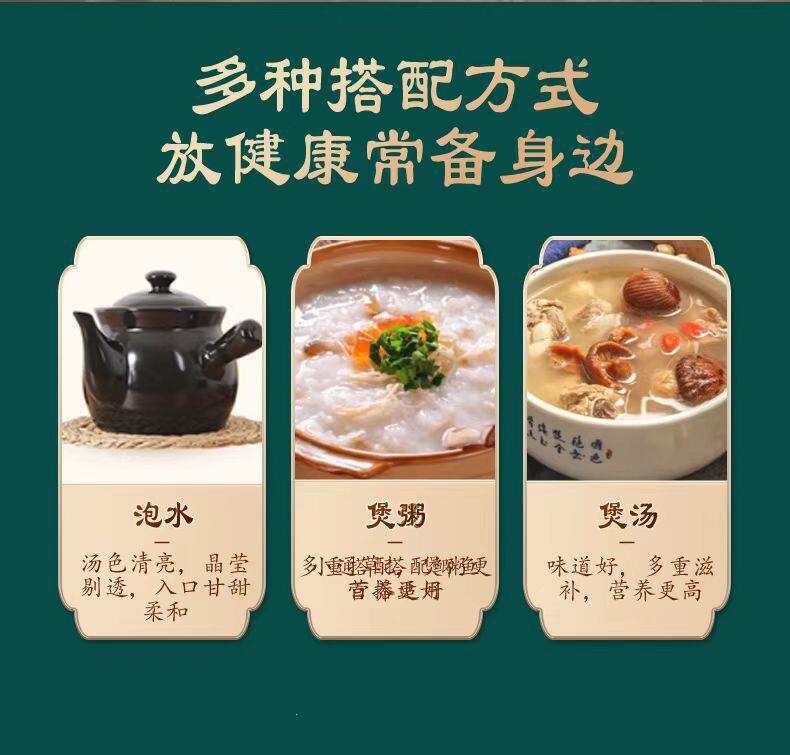
- Simmered in herbal decoctions with other TCM herbs
- Added to slow-cooked soups and broths
- Used in congee or grain porridges
- Combined in seasonal warming food preparations
Traditional Uses
In TCM theory, Yin Yang Huo is traditionally used to warm and tonify Kidney yang and to support the Liver and Kidney channels. It is commonly simmered in decoctions, often paired with herbs such as Rou Cong Rong or Gou Qi Zi, and is also added to long-simmered soups and congee in seasonal warming preparations.
FAQ Q&A
Q: What is this product?
A: It is dried Epimedium root and leaf, known in TCM as Yin Yang Huo (淫羊藿), sold as raw decoction pieces in sealed jars.
Q: What is its traditional value?
A: In TCM theory it is warm in nature, sweet and pungent in flavor, and enters the Liver and Kidney channels, where it is traditionally used to warm and tonify Kidney yang.
Q: How is it commonly prepared?
A: It is typically simmered in herbal decoctions or added to slow-cooked soups and congee. It is not usually eaten raw.
Additional information
| Model | 罐装洋火叶根75g 1罐, 罐装洋火叶根75g 2罐, 罐装洋火叶根250g 1罐, 罐装洋火叶根250g 2罐, 罐装洋火叶根250g 3罐, 罐装洋火叶根250g 4罐 |
|---|
Related products
-
Dried Cinnamon Bark Rou Gui 500g Whole Peeling Culinary Spice and Traditional Herbal Ingredient
Price range: $5.58 through $8.33 -
Dried Raspberry Fruit Fu Pen Zi 500g Whole Berries for Herbal Tea and Wine Infusion
Price range: $14.00 through $16.44 -

Cabinda Bark Dried Herb 500g Traditional Herbal Infusion Ingredient
Price range: $12.38 through $37.50 -
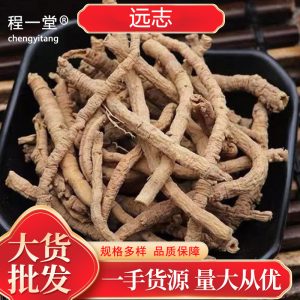
Dried Polygala Root Yuan Zhi 500g Traditional Chinese Herb for Decoction
Price range: $18.87 through $24.54
Reviews
There are no reviews yet.