
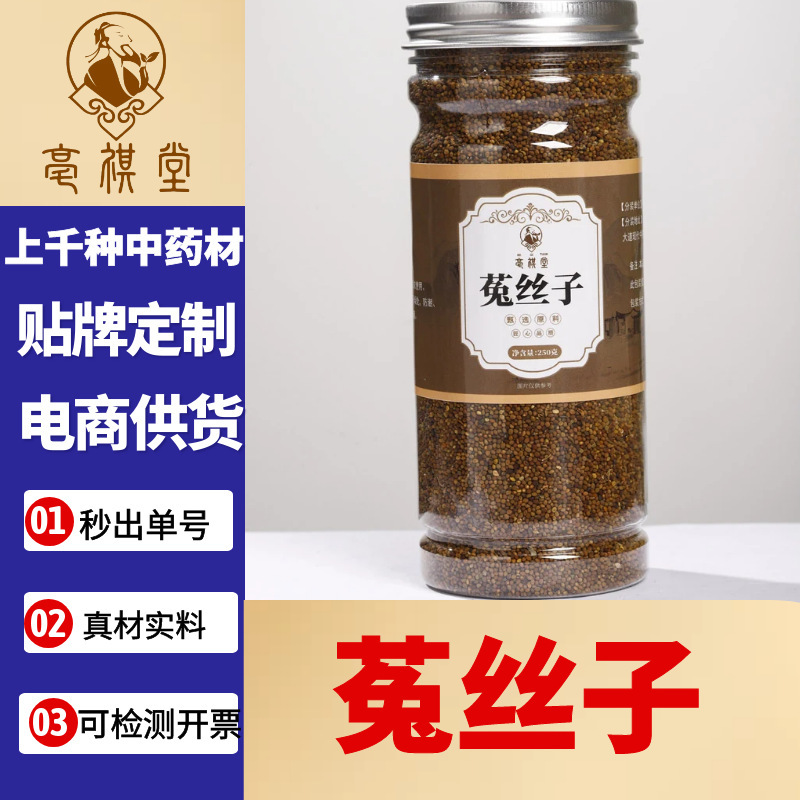
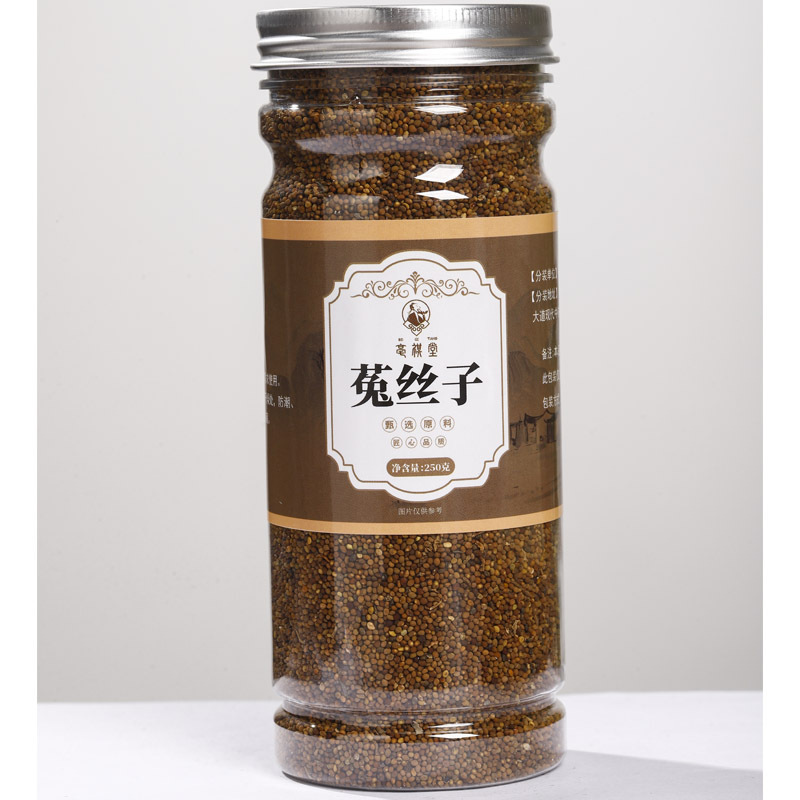
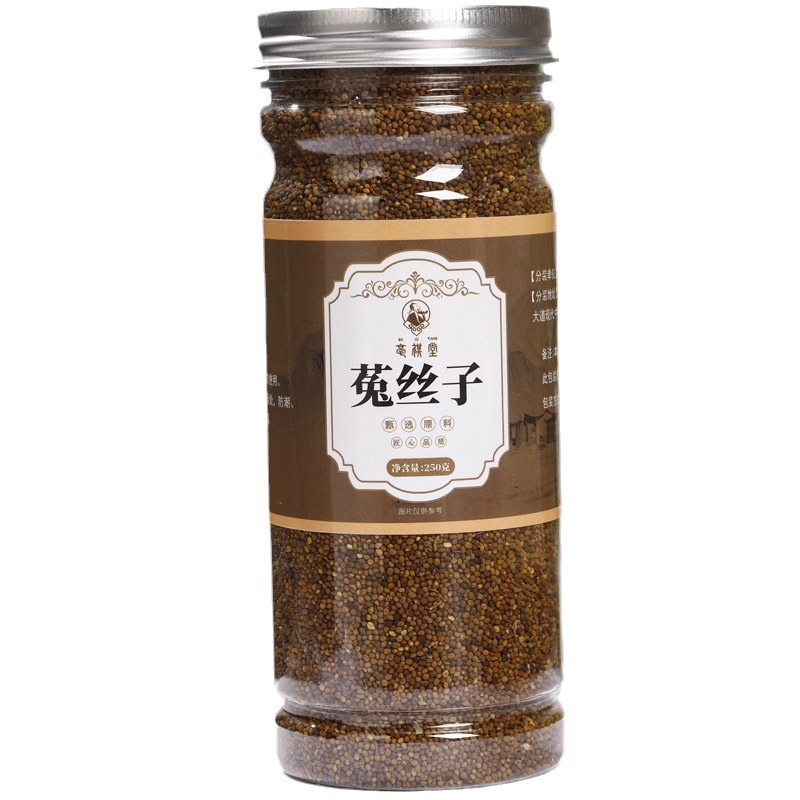
Dried Dodder Seed Tu Si Zi 250g Jar Chinese Herbal Botanicals for Traditional Decoction and Congee
$7.19
99887 in stock
Description
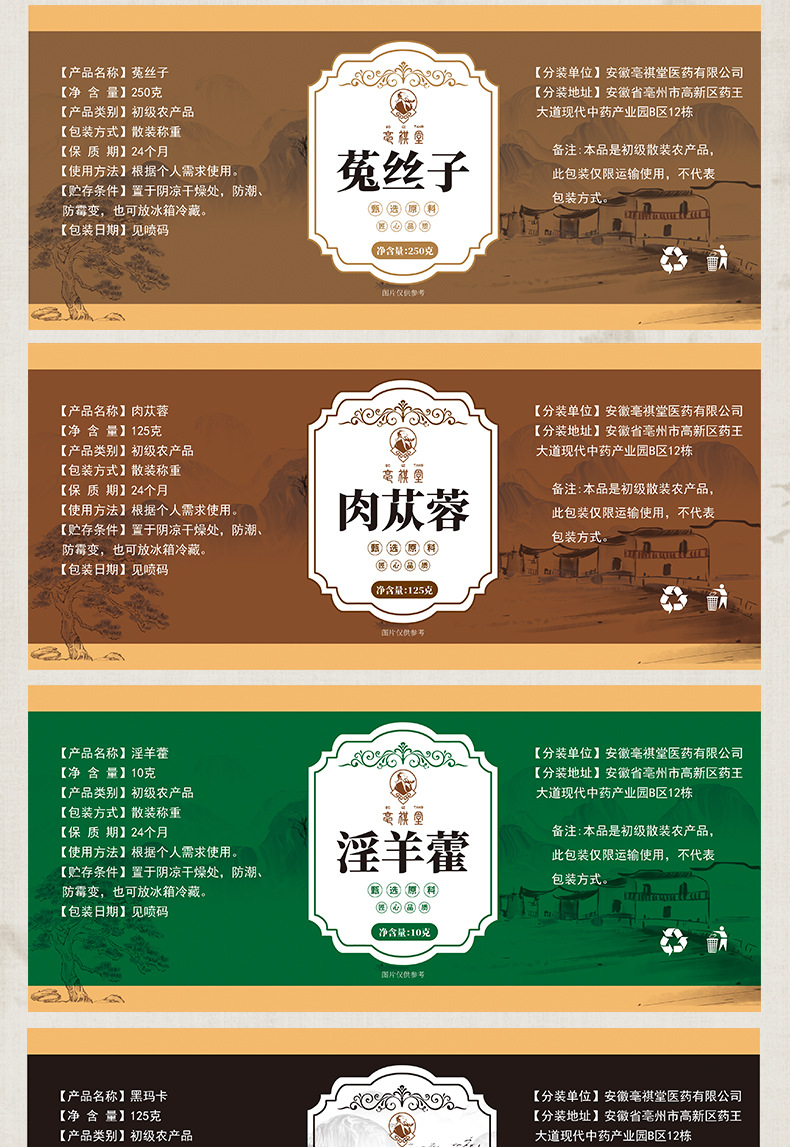
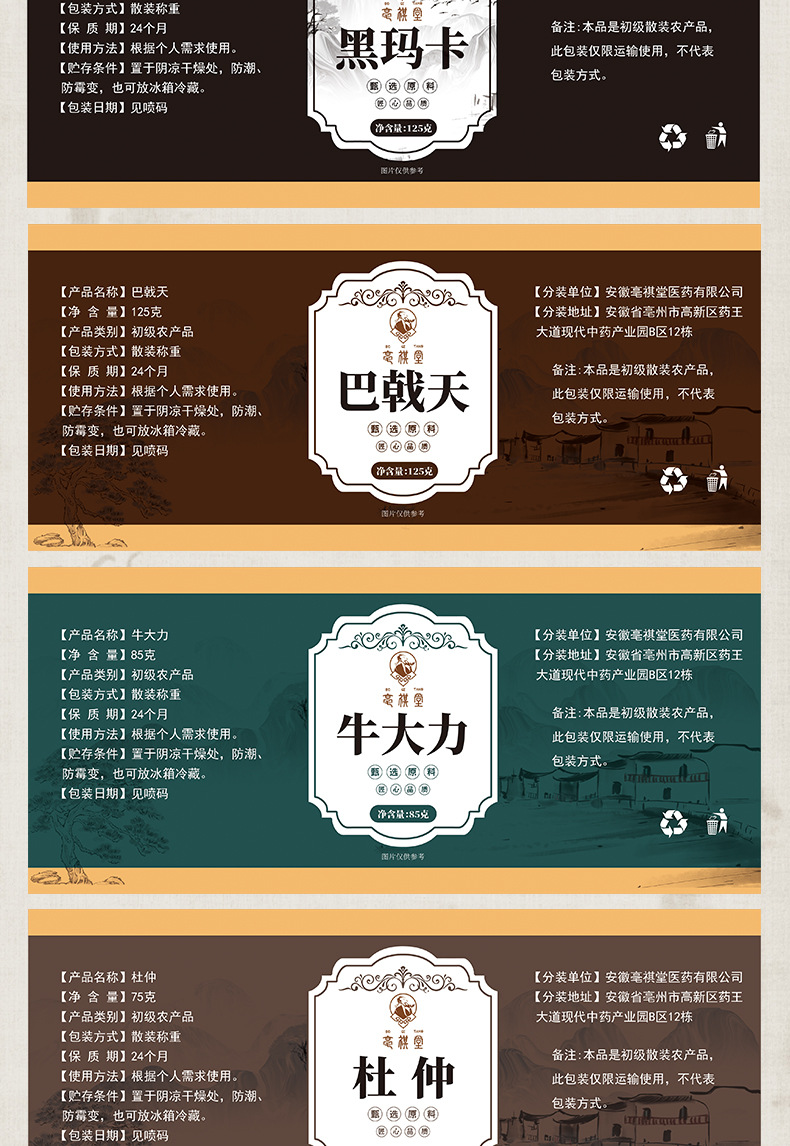
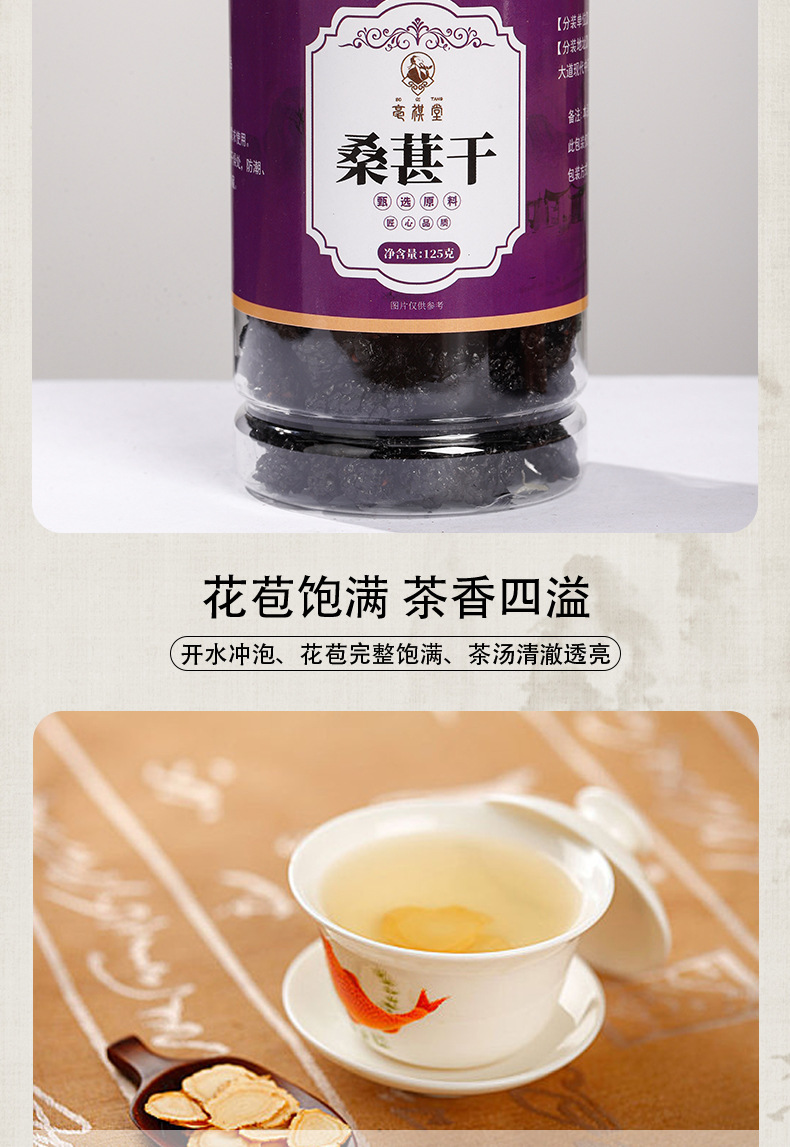
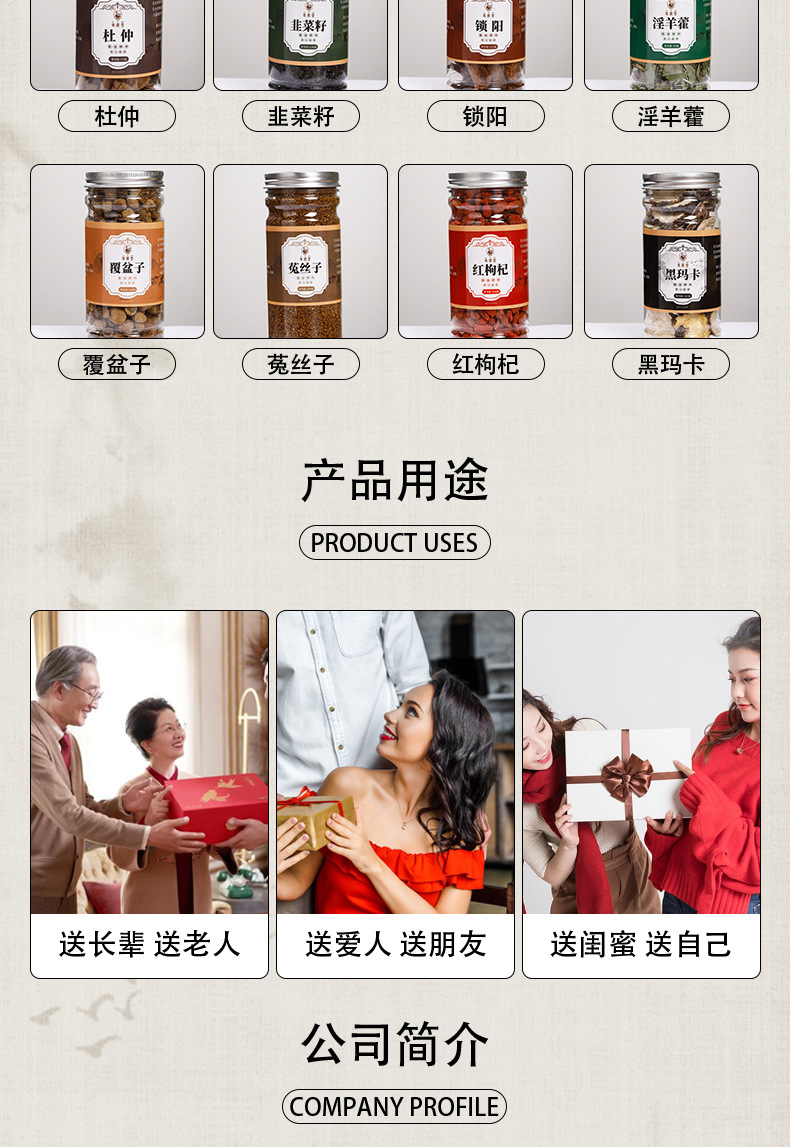
Dried Dodder Seed, known in TCM as Tu Si Zi (菟丝子), from Cuscuta chinensis, is a small dried seed used as a traditional Chinese herbal botanical. In TCM theory it is associated with the kidney and liver channels, with a mild, sweet nature. Traditionally used in decoctions, congee, and herbal formulas. This 250g jar is naturally sun-dried and stored in a cool, dry place.
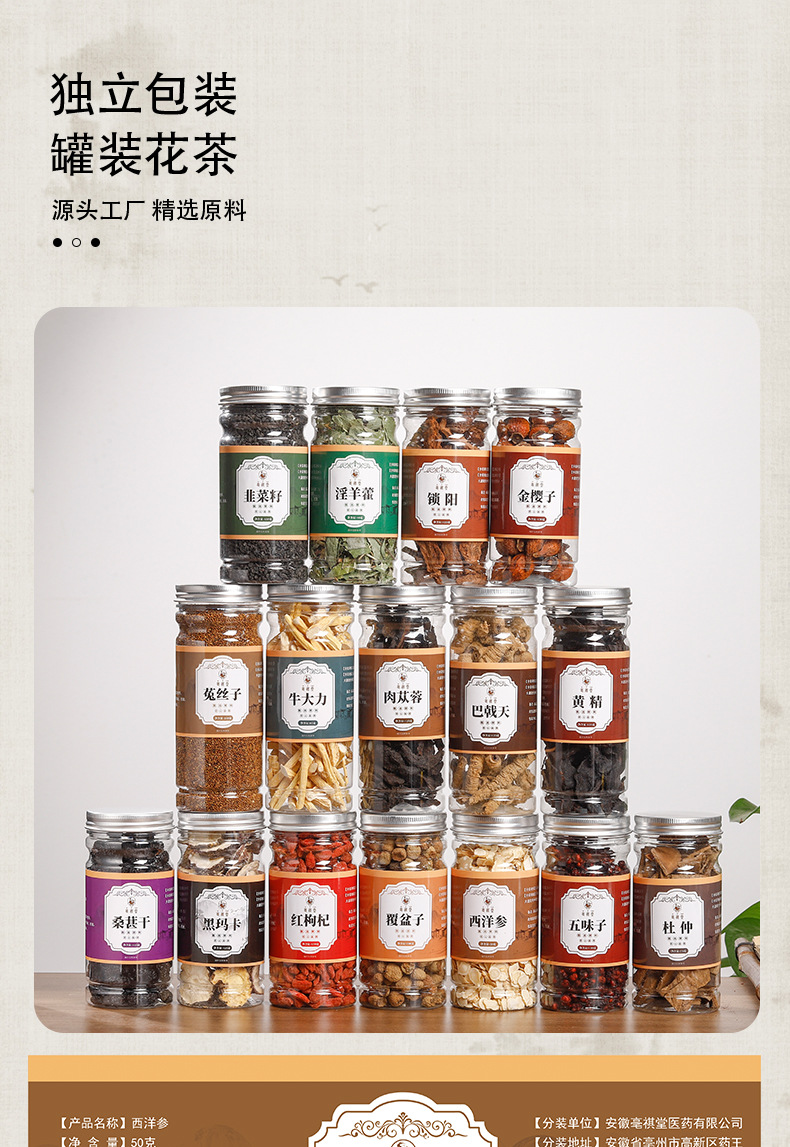
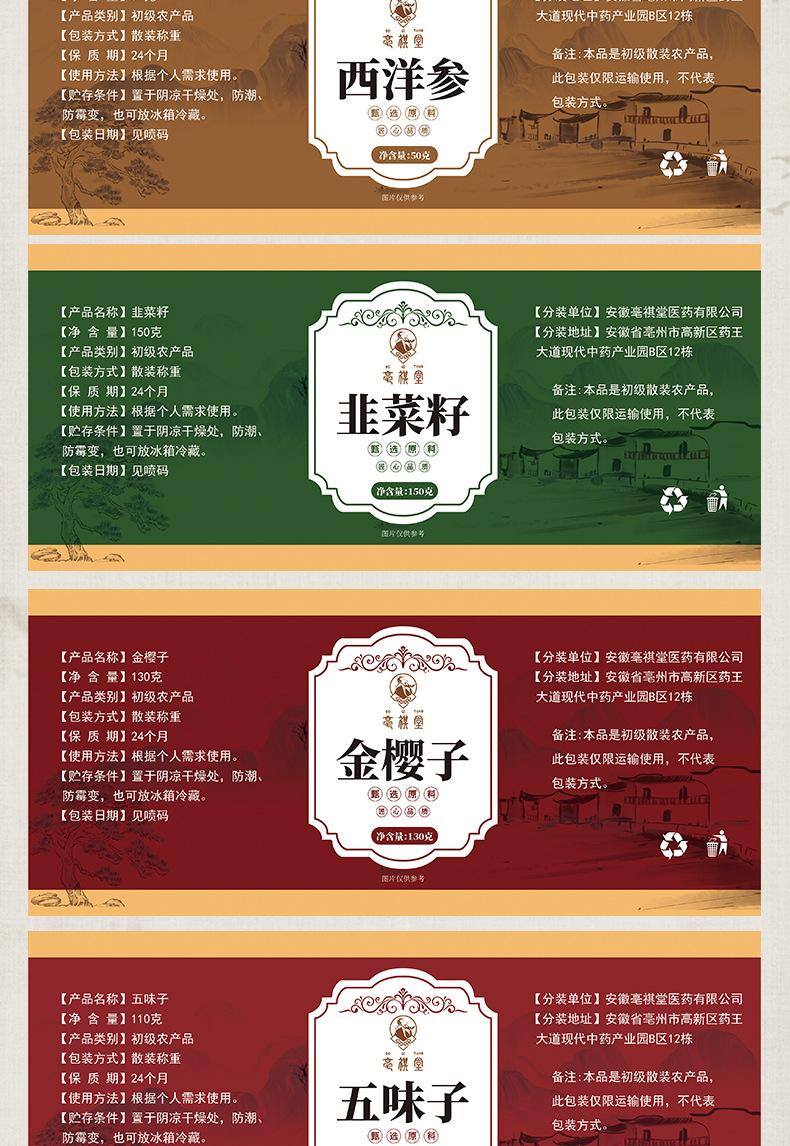
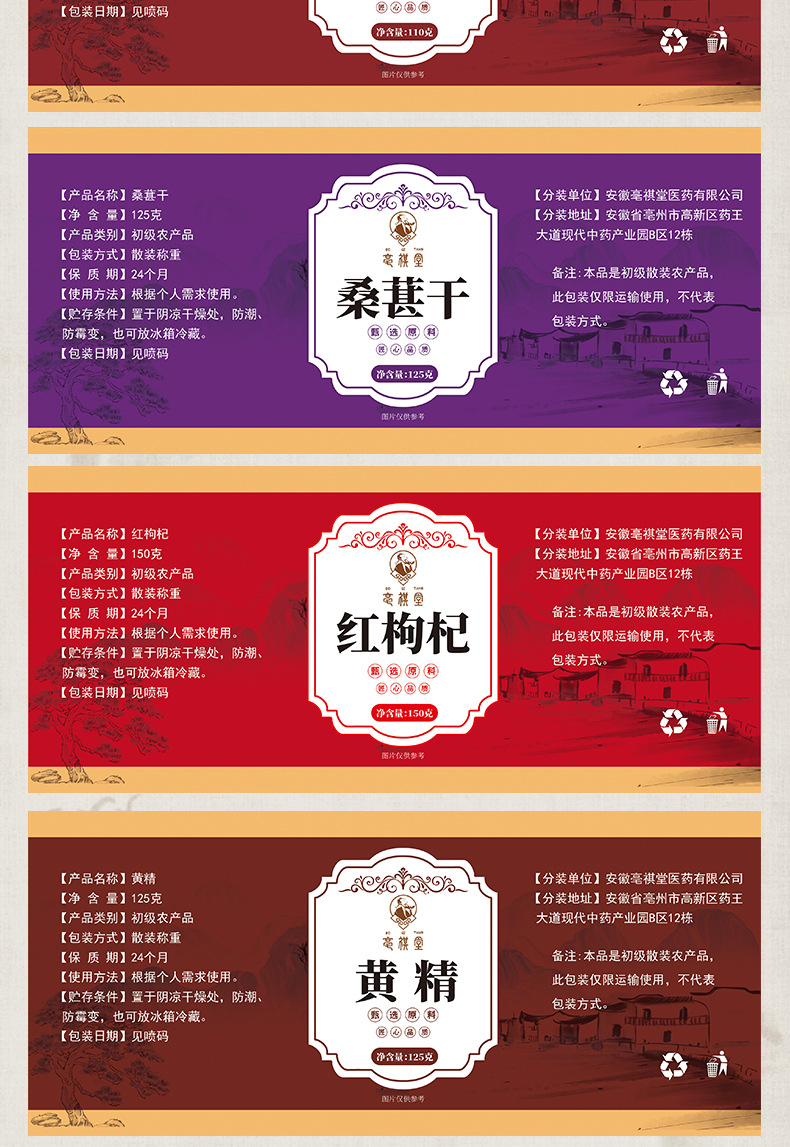
Key Selling Points
- Identified in TCM as Tu Si Zi (菟丝子), the dried seed of Cuscuta chinensis
- Naturally sun-dried to preserve the seed's traditional character
- Small, light seeds suited to decoctions, congee, and herbal blends
- Packed in a resealable 250g jar for convenient storage
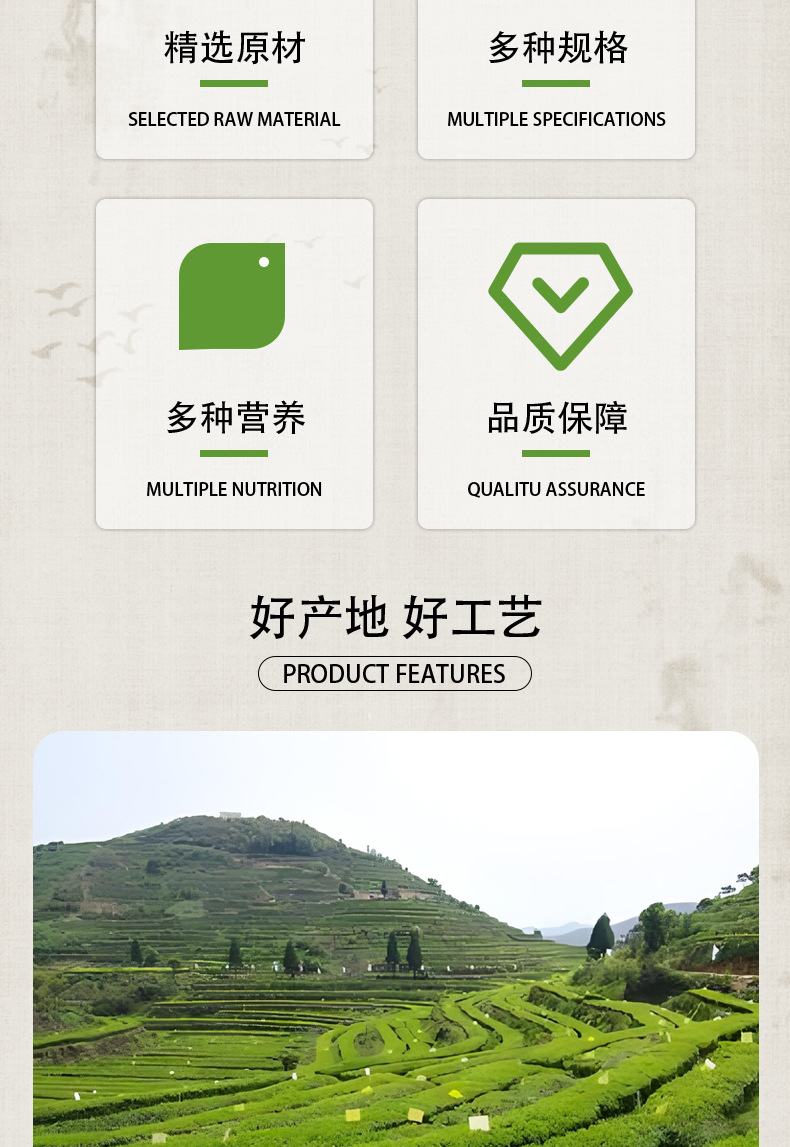
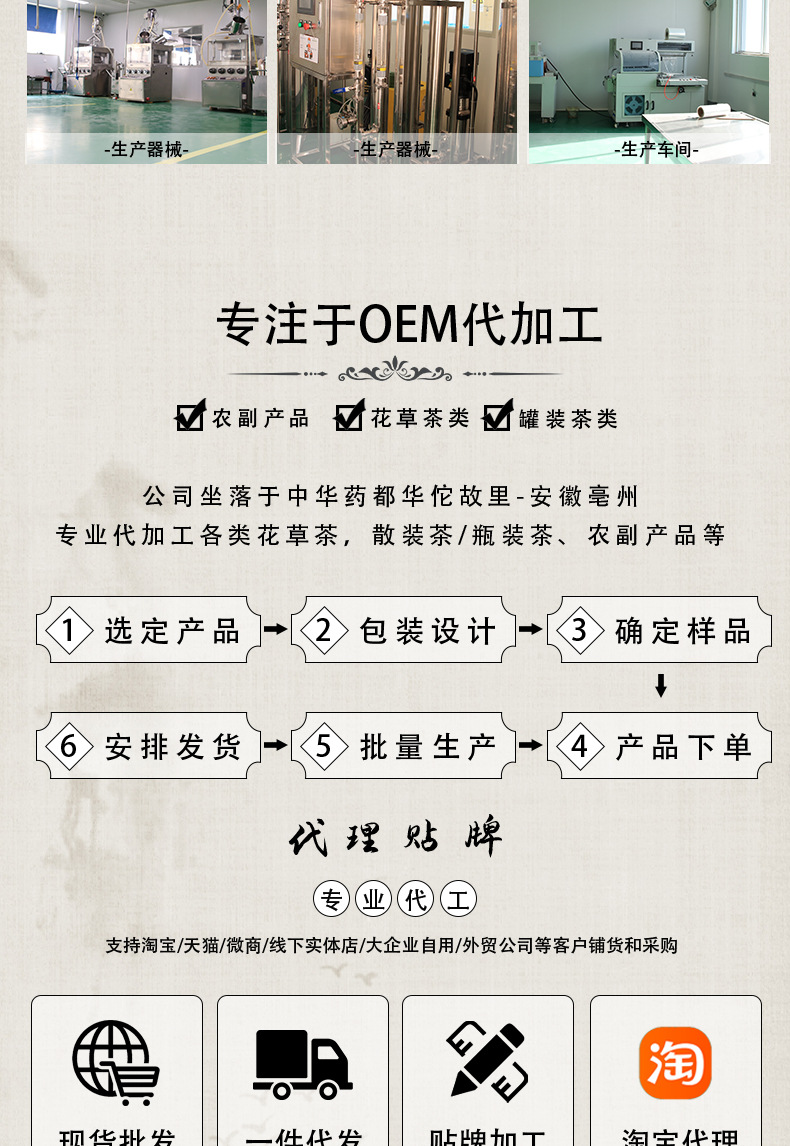
- Sourced from Bozhou, a well-known Chinese herbal trading region
Quality & Sensory
The seeds are typically small, pale brown to greyish-brown, and finely textured. They have a mild, faintly earthy aroma. When decocted or cooked, they contribute a subtle, neutral taste that blends easily with other herbs and grains.
Technical Specifications
| Product Type | Dried herbal seed |
|---|---|
| Chinese Name | 菟丝子 |
| Pinyin | Tu Si Zi |
| Botanical Name | Cuscuta chinensis |
| Plant Part | Seed |
| Net Weight | 250g |
Usage Scenarios
- Simmered in traditional herbal decoctions
- Cooked into congee with rice or millet
- Added to herbal soup recipes
- Blended with other dried botanicals for daily herbal tea
Traditional Uses
In TCM theory, Tu Si Zi is traditionally associated with the kidney and liver channels and is often included in formulas that support vitality. It is commonly simmered in decoctions, cooked into congee, or combined with herbs such as Gou Qi Zi and Shan Yao. Traditional preparations typically involve gentle simmering to extract its properties.
FAQ Q&A
Q: What is this product?
A: It is dried Dodder Seed, known in TCM as Tu Si Zi (菟丝子), from Cuscuta chinensis, supplied in a 250g jar.
Q: What is its traditional value?
A: In TCM theory it is associated with the kidney and liver channels and is traditionally used in formulas that support vitality.
Q: How is it commonly prepared?
A: It is typically simmered in decoctions, cooked into congee, or added to herbal soups and teas.
Additional information
| Weight | 1 kg |
|---|---|
| Dimensions | 15 × 10 × 10 cm |
Related products
-
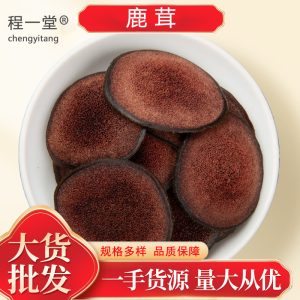
Deer Antler Slices Lu Rong 鹿茸片 Dried Slices for Wine Infusion and Soup 100g Wax Slices Pack
Price range: $68.29 through $92.59 -

Dried Huang Jing Slices Polygonatum Rhizome Chicken Head Huang Jing 500g Bulk Herbal Tea and Soup Ingredient
Price range: $9.14 through $18.87 -
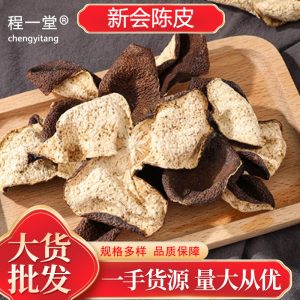
Xinhui Chenpi Dried Tangerine Peel 500g Sun Dried Aged Peel for Soup and Tea
Price range: $60.19 through $116.90 -
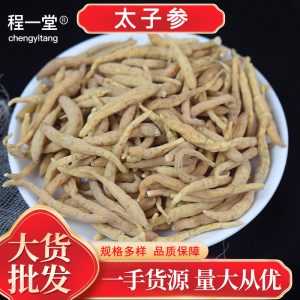
Taizishen Dried Pseudostellaria Root TCM Herbal Tea and Soup Ingredient 500g Bulk Pack
Price range: $10.28 through $15.63
Reviews
There are no reviews yet.