
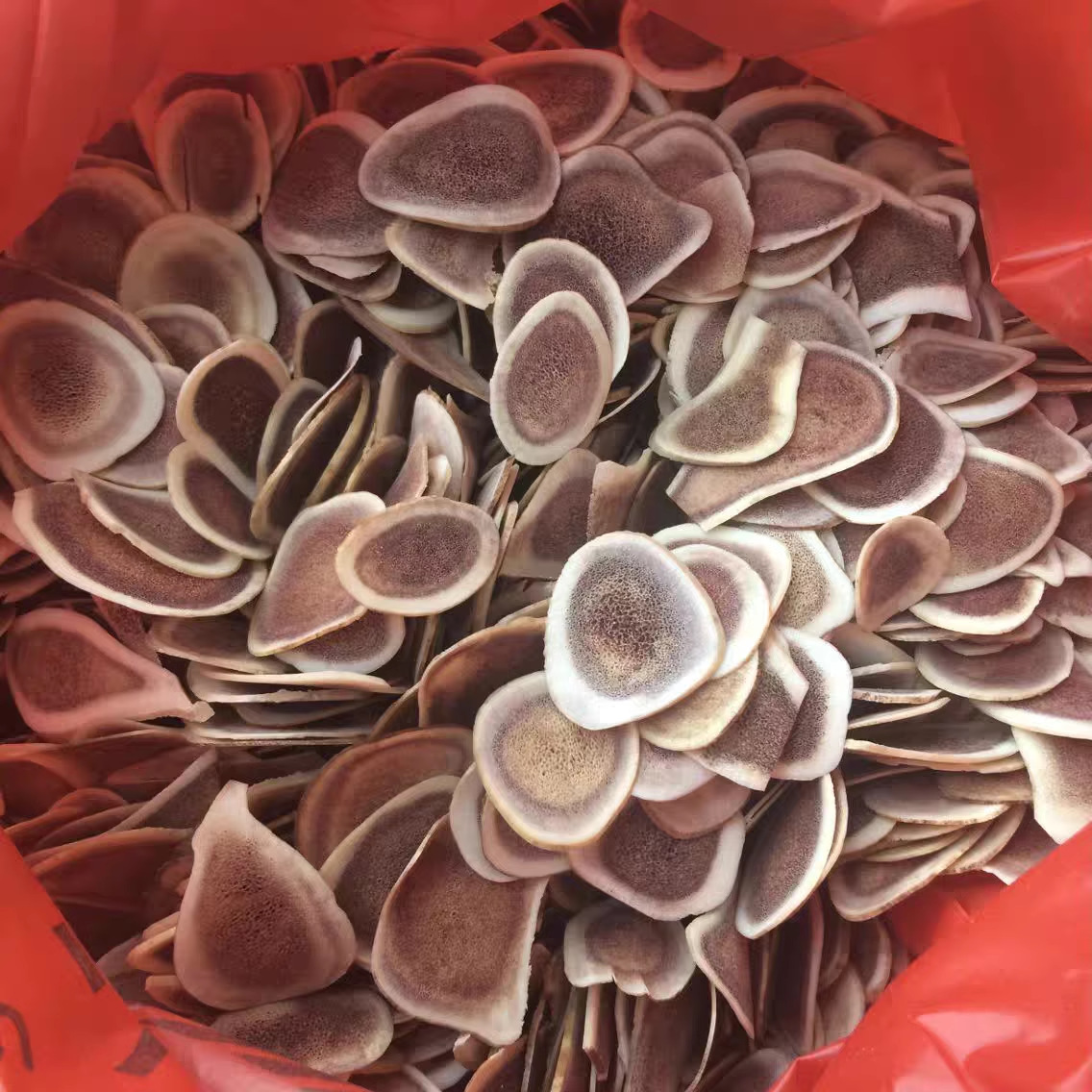
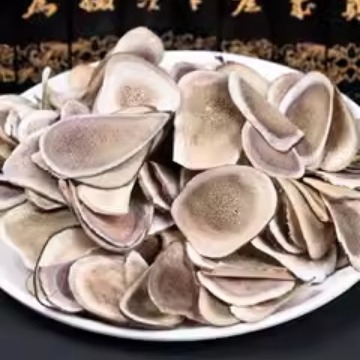
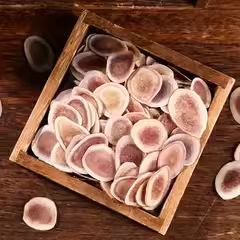
Dried Deer Antler Slices Lu Jiao Pian Traditional Chinese Herb for Wine and Tea 500g
Price range: $9.67 through $39.88
Description
Dried Deer Antler Slices, known in TCM as Lu Jiao Pian (鹿角片), from Cervus nippon farmed in Jilin, Northeast China. This traditional decoction piece is sliced from the antler bone and dried for storage. In TCM theory, deer antler is warm in nature, sweet and salty in flavor, and traditionally associated with the Kidney and Liver channels. It is commonly used in decoctions, soups, and infused wines as a traditional wellness ingredient.

Key Selling Points
- Traditional Chinese decoction piece sliced from farmed sika deer antler
- Sourced from Jilin, Northeast China, a well-known deer antler producing region
- Dried processing for stable storage and convenient use
- Suitable for making infused wine, decoctions, and soups
- 500g net weight with a 100g trial pack option
Quality & Sensory
The slices are typically pale yellow to light brown with a hard, dense texture and a subtle animal aroma. After decocting or soaking, the liquid is typically mild and slightly savory with a faintly sweet note. Color and texture may vary slightly between batches.
Technical Specifications
| Product Type | Dried decoction piece |
|---|---|
| Chinese Name | 鹿角片 |
| Pinyin | Lu Jiao Pian |
| Botanical Name | Cervus nippon |
| Plant Part | Antler bone |
| Net Weight | 500g |
Usage Scenarios
- Infused wine
- Decoction
- Soup
- Congee
Traditional Uses
In TCM theory, deer antler is traditionally used in decoctions and infused wines, often paired with herbs such as wolfberry or ginseng. It is also added to long-simmered soups and congee. Traditional preparation involves slicing, drying, and simmering or soaking in alcohol. It is associated with warming and tonifying traditions.
FAQ Q&A
Q: What is this product?
A: It is dried deer antler slices, known in TCM as Lu Jiao Pian (鹿角片), from farmed sika deer in Jilin, China.
Q: What is its traditional value?
A: In TCM theory, deer antler is warm, sweet and salty, and associated with the Kidney and Liver channels. It is traditionally used as a warming tonic ingredient.
Q: How is it commonly prepared?
A: It is commonly simmered in decoctions, added to soups or congee, or soaked in alcohol to make infused wine. Follow traditional recipes or consult a practitioner.
Additional information
| Weight | N/A |
|---|---|
| Dimensions | N/A |
| Model | 鹿角片250克, 鹿角片500克, 鹿角片1000克, 鹿角片100克体验装 |
Related products
-

Cabinda Bark Dried Herb 500g Traditional Herbal Infusion Ingredient
Price range: $12.38 through $37.50 -

Yi Zhi Ren Dried Alpinia Oxyphylla Fruit 500g Traditional Herbal Tea and Decoction Ingredient
Price range: $11.74 through $13.36 -
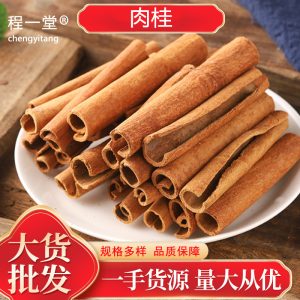
Dried Cinnamon Bark Rou Gui 500g Whole Peeling Culinary Spice and Traditional Herbal Ingredient
Price range: $5.58 through $8.33 -
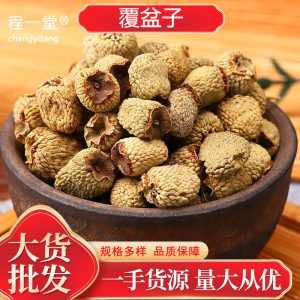
Dried Raspberry Fruit Fu Pen Zi Whole Berries for Herbal Tea and Wine Infusion 500g
Price range: $15.63 through $18.06
Reviews
There are no reviews yet.