
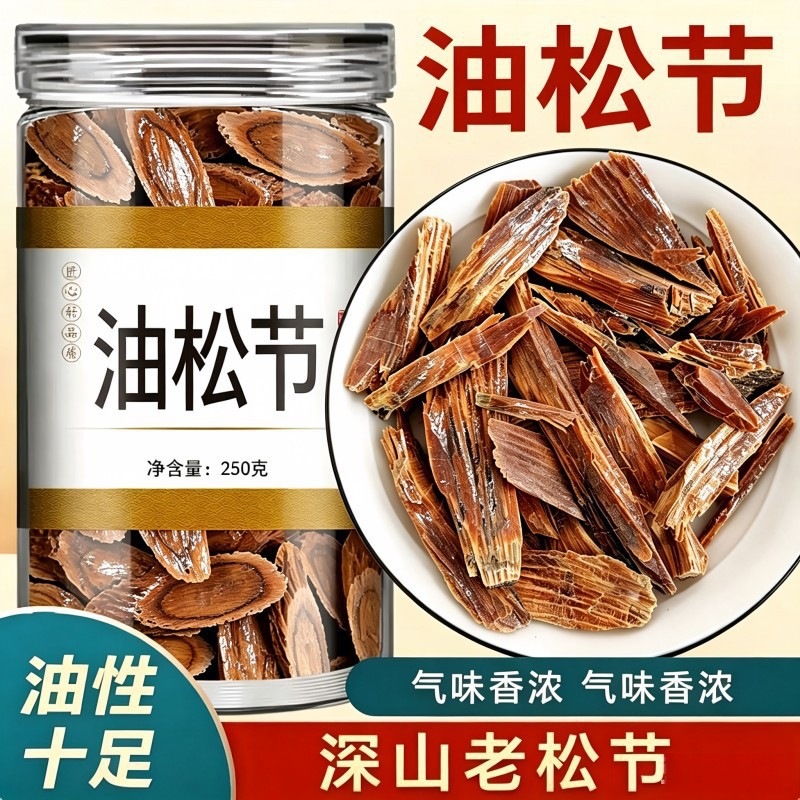
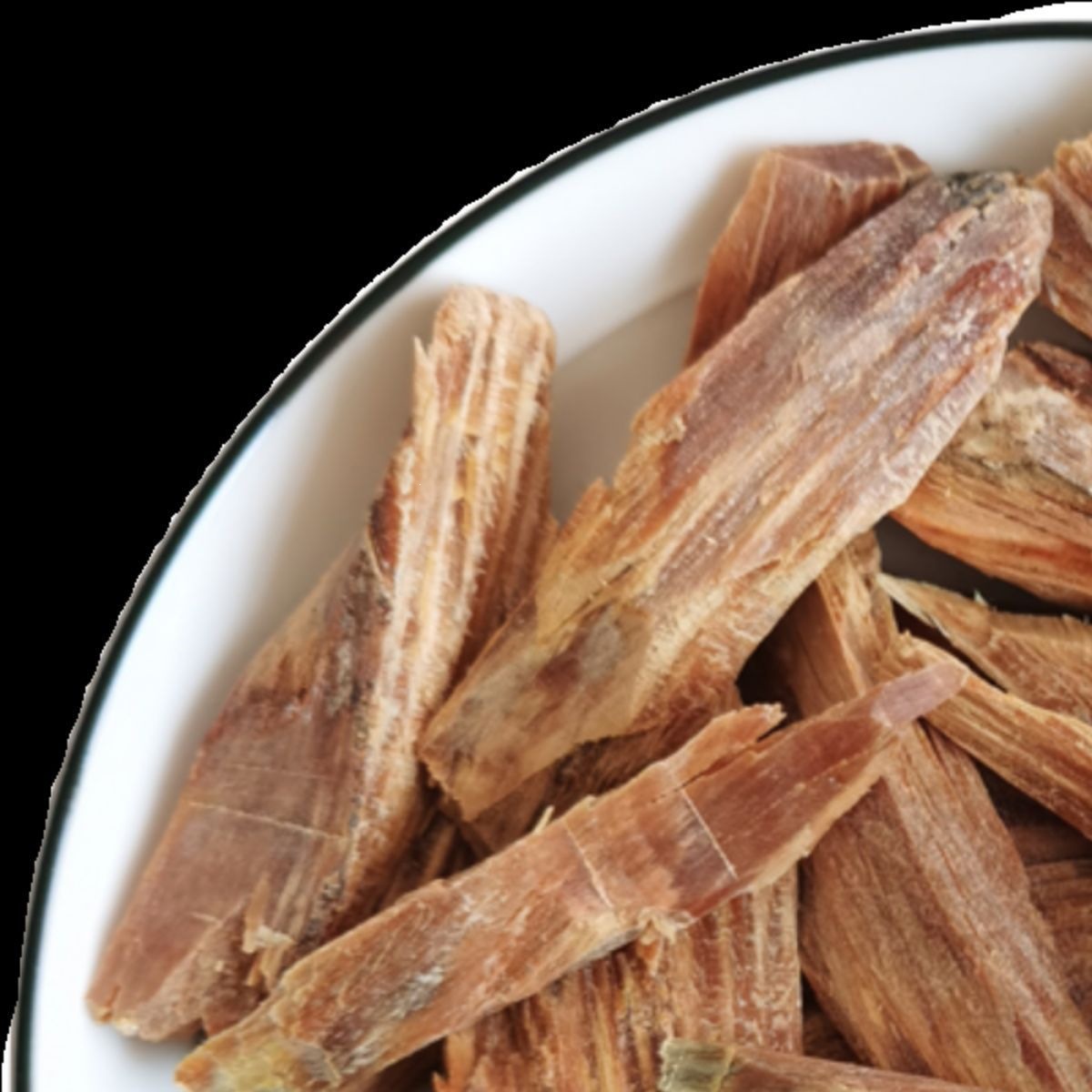
Dried Chinese Pine Nodular Branch You Song Jie 油松节 for Herbal Tea and Soup 60g x 5 Jars
Description
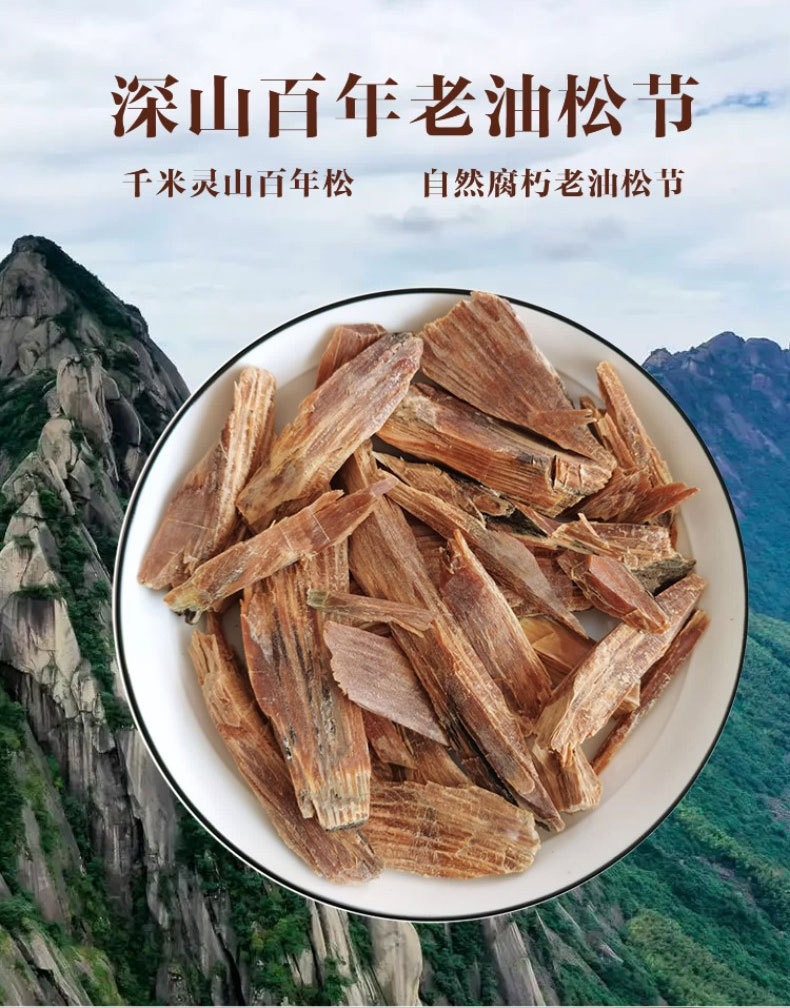
Dried Chinese Pine Nodular Branch, known in TCM as You Song Jie (油松节), from Pinus tabuliformis. This raw herb is the resin-rich nodular branch material of mature pine trees, traditionally used in Chinese herbal practice. In TCM theory it is associated with warm nature, bitter and pungent flavor, and the liver and kidney channels. It is commonly prepared as a decoction, tea, or soup ingredient for traditional wellness use.
Key Selling Points
- Identified in TCM as You Song Jie (油松节), the nodular branch of Pinus tabuliformis
- Resin-rich pine nodular branch material from mature trees
- Raw dried herb form suitable for decoction, tea, or soup
- Warm nature with bitter and pungent flavor in TCM theory
- Packaged as 60g x 5 jars for convenient storage
Quality & Sensory
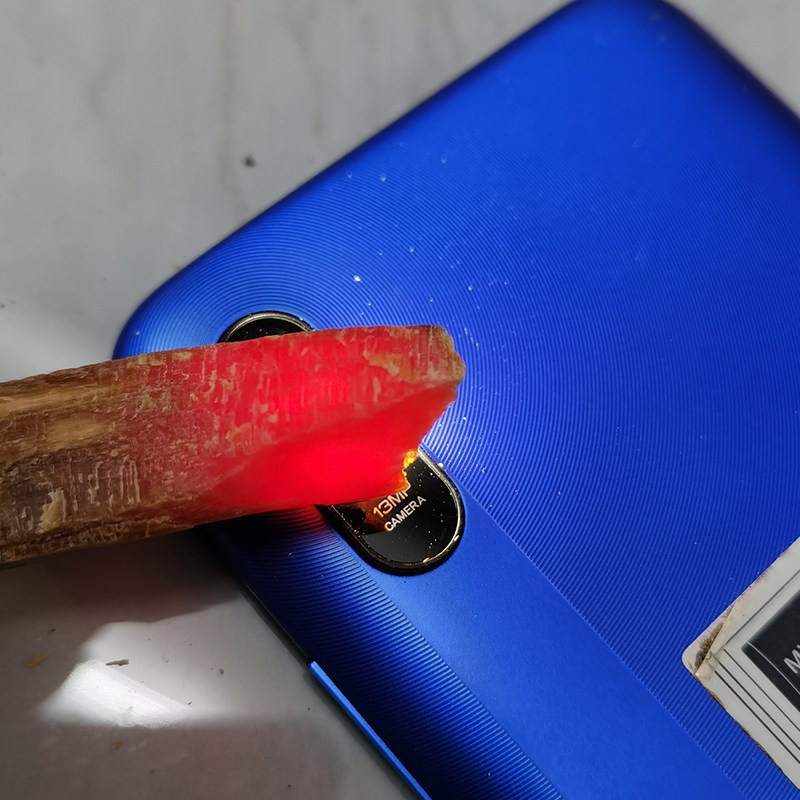
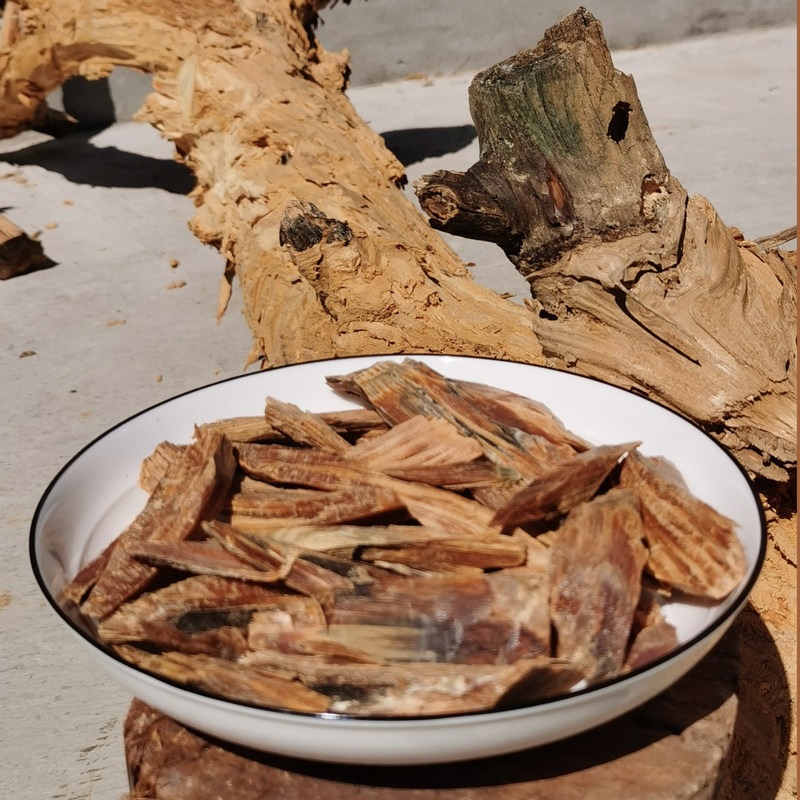
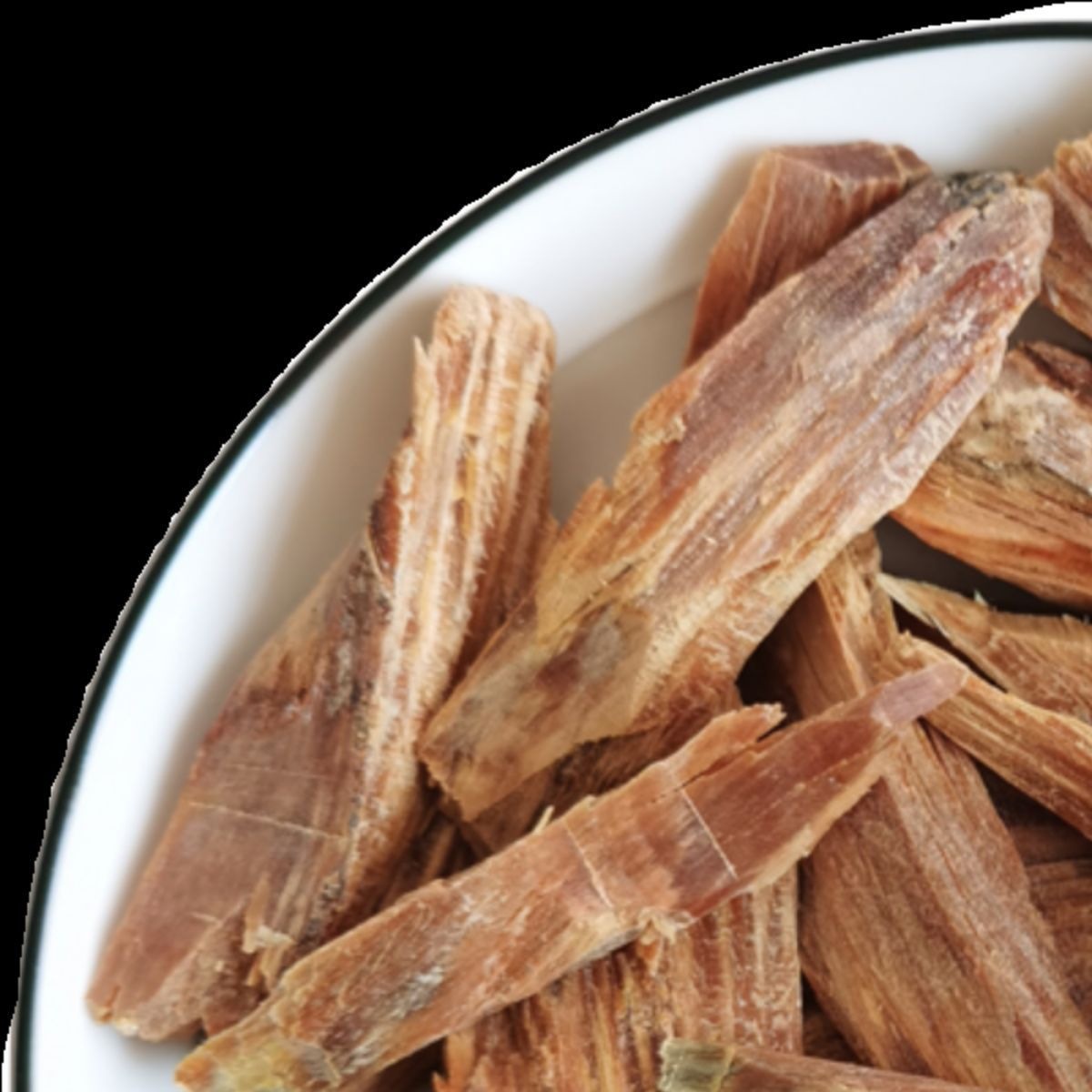
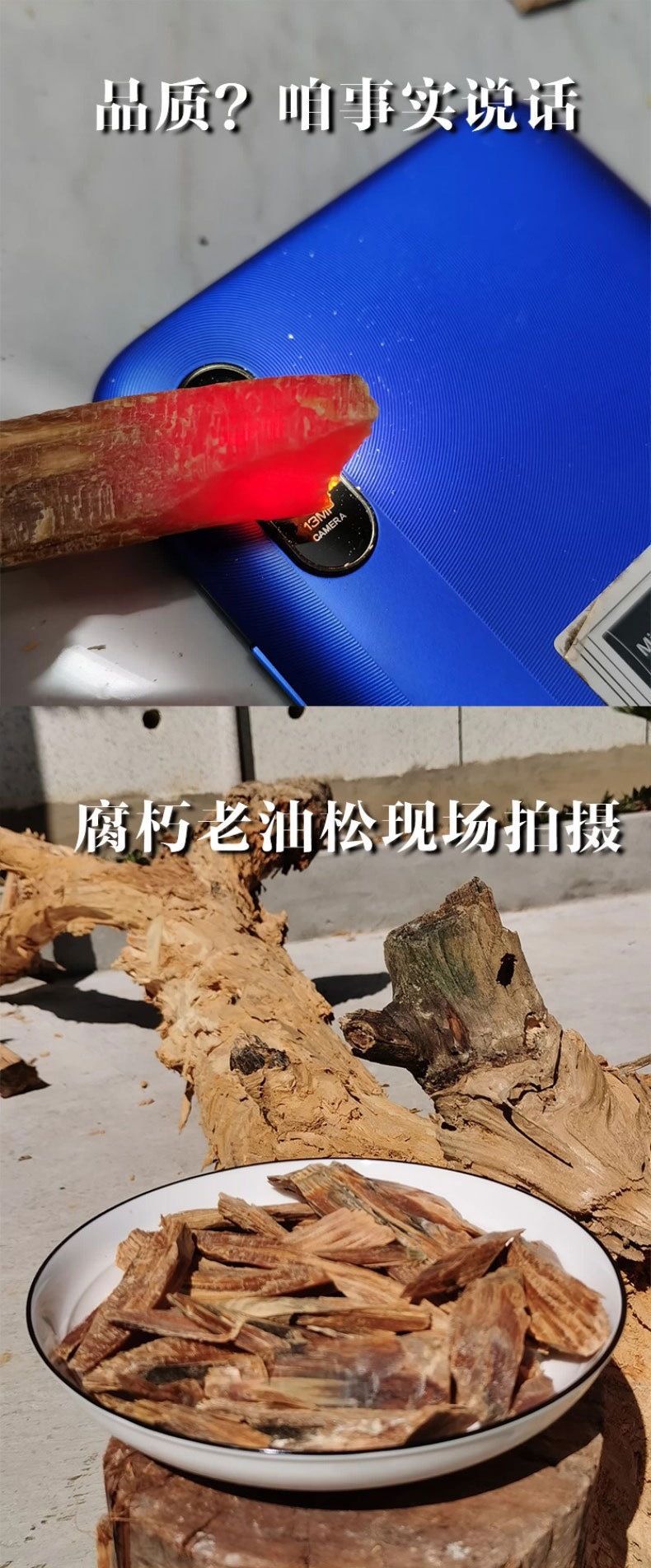
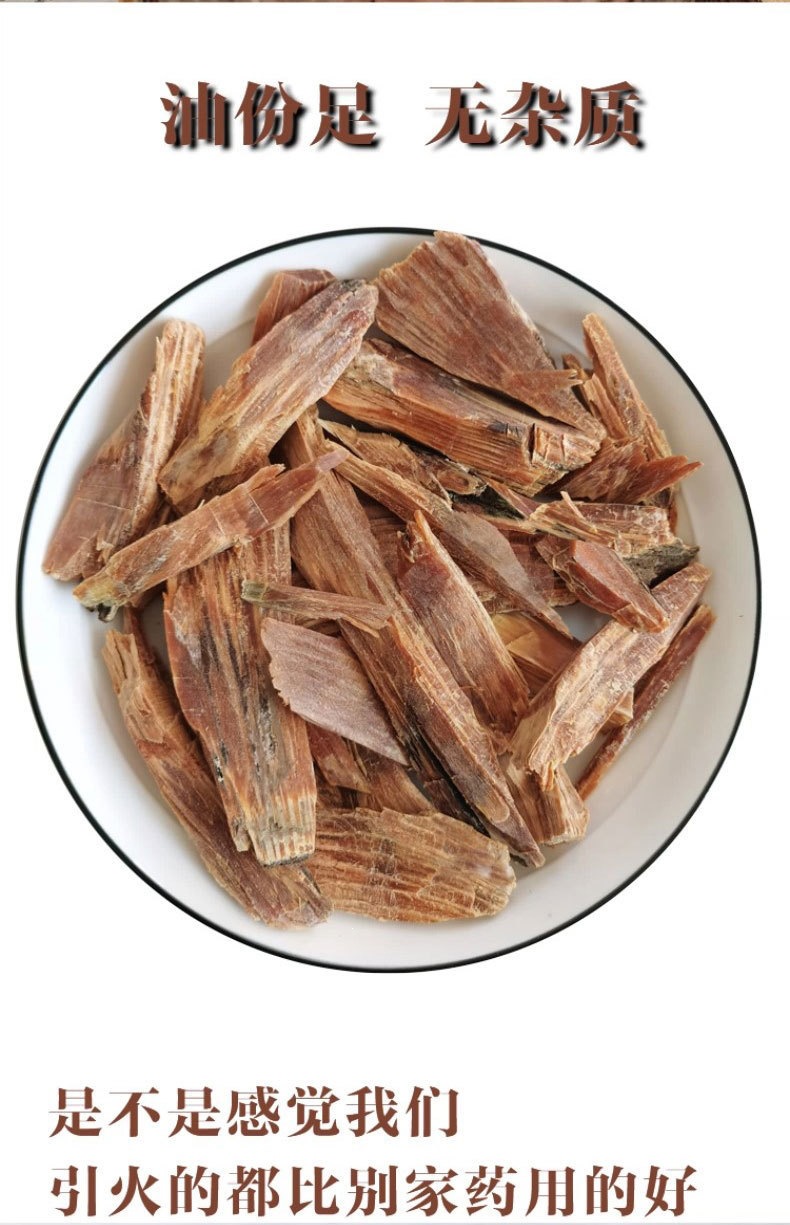
The dried nodular pieces are typically brownish to reddish-brown with a resinous appearance and a characteristic pine aroma. Texture is woody and firm. When decocted or brewed, the liquid is typically light amber with a mild pine-like, slightly bitter taste.
Technical Specifications
| Product Type | Dried raw herb |
|---|---|
| Chinese Name | 油松节 |
| Pinyin | You Song Jie |
| Botanical Name | Pinus tabuliformis |
| Plant Part | Nodular branch |
| Net Weight | 60g x 5 jars |

Usage Scenarios
- Simmered as a traditional herbal decoction
- Brewed as a warming herbal tea
- Added to soups or stews as a culinary herb
- Used in seasonal tonic preparations
Traditional Uses
In TCM theory, You Song Jie is traditionally used in decoctions for its warm, dispersing properties. It is often paired with other herbs in formulas associated with joint comfort and seasonal wellness. Folk practice includes simmering it in soups or steeping it as a tea, sometimes combined with ginger or red dates.
FAQ Q&A
Q: What is this product?
A: It is dried Chinese pine nodular branch, known in TCM as You Song Jie (油松节), from Pinus tabuliformis.
Q: What is its traditional value?
A: In TCM theory it is considered warm and associated with the liver and kidney channels, traditionally used for its dispersing and warming properties.
Q: How is it commonly prepared?
A: It is typically simmered as a decoction, brewed as a tea, or added to soups. It should not be used during pregnancy or breastfeeding.
Additional information
| Model | 油松节60g 1罐, 油松节60g 2罐, 油松节60g 3罐, 油松节60g 4罐, 油松节60g 5罐 |
|---|
Related products
-
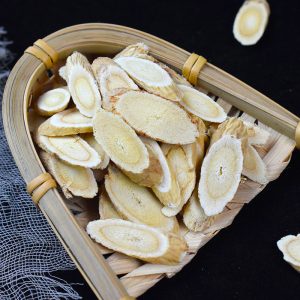
Astragalus Root Slices Huang Qi 500g Dried Herb for Soups and Teas
Price range: $7.36 through $22.11 -
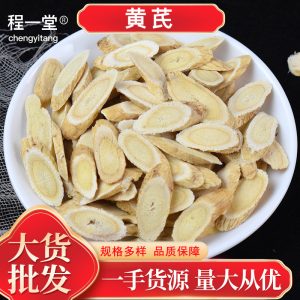
Astragalus Root Slices Huang Qi 斜片 Dried Herb for Decoction Soup and Tea 500g
Price range: $6.06 through $19.51 -
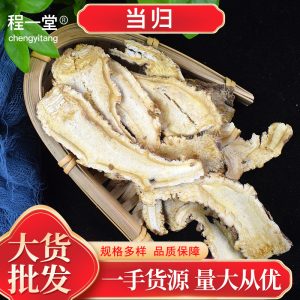
Dried Angelica Sinensis Slices Dang Gui 当归 500g Gansu Raw Herb for Decoction Soup and Tea
Price range: $16.44 through $35.88 -
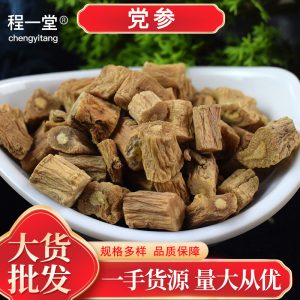
Dried Codonopsis Root Slices Dang Shen 500g Bulk Supply for Soups and Herbal Decoctions
Price range: $10.28 through $18.06
Reviews
There are no reviews yet.