
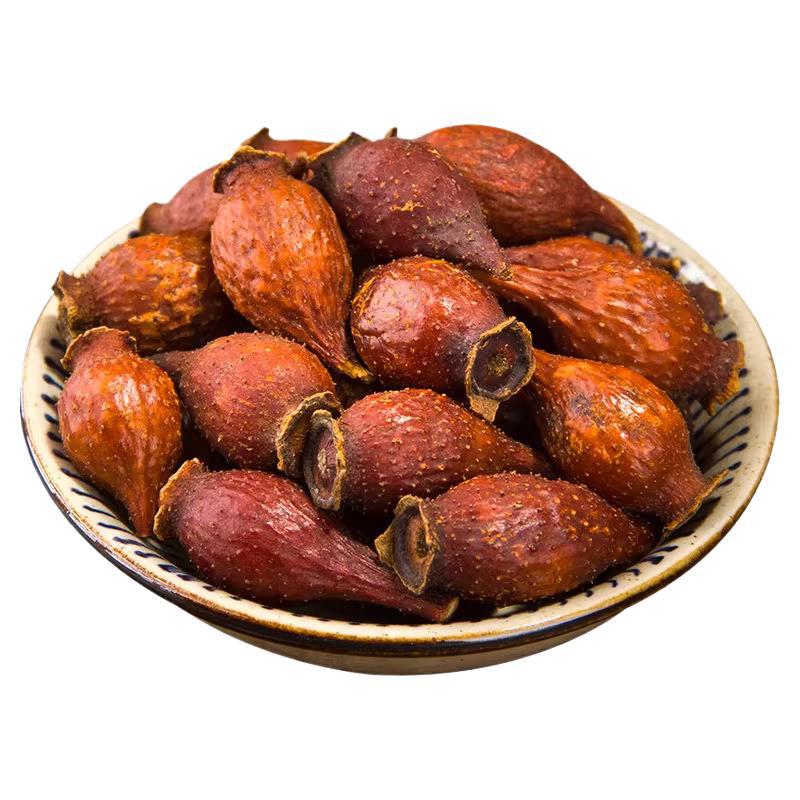
Dried Cherokee Rose Fruit Meat Jin Ying Zi 250g Jar for Tea Wine and Soup
Price range: $5.82 through $8.34
Description
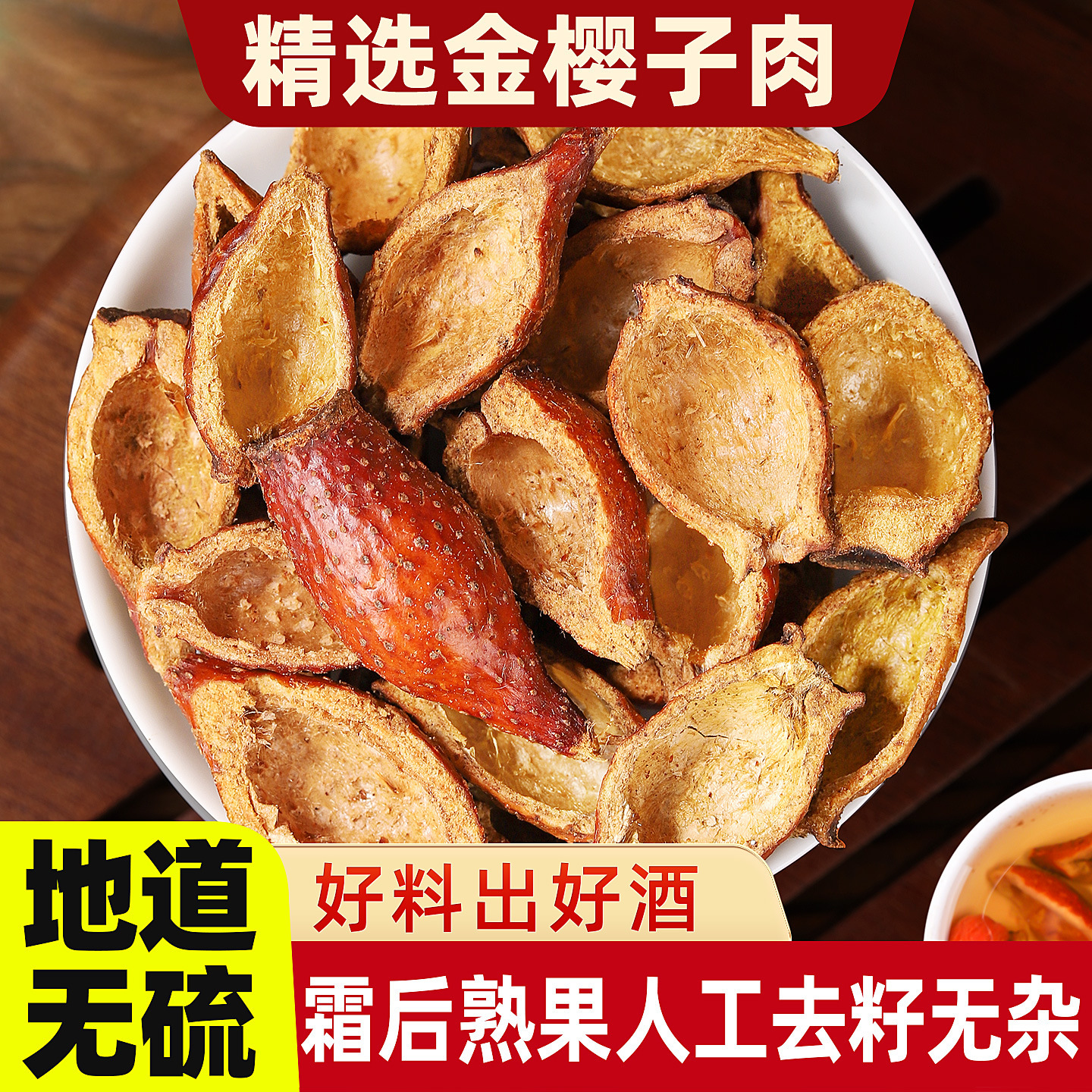
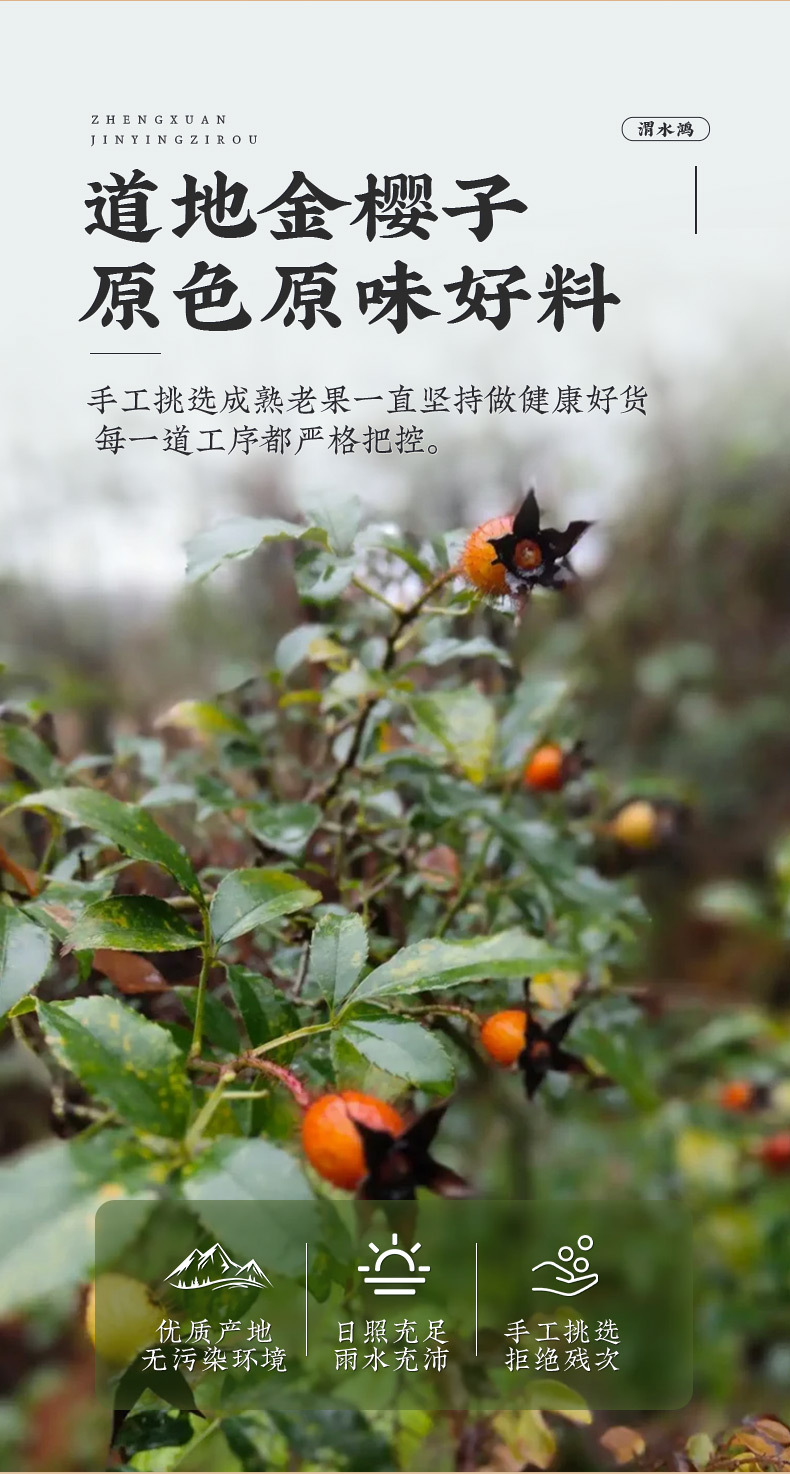
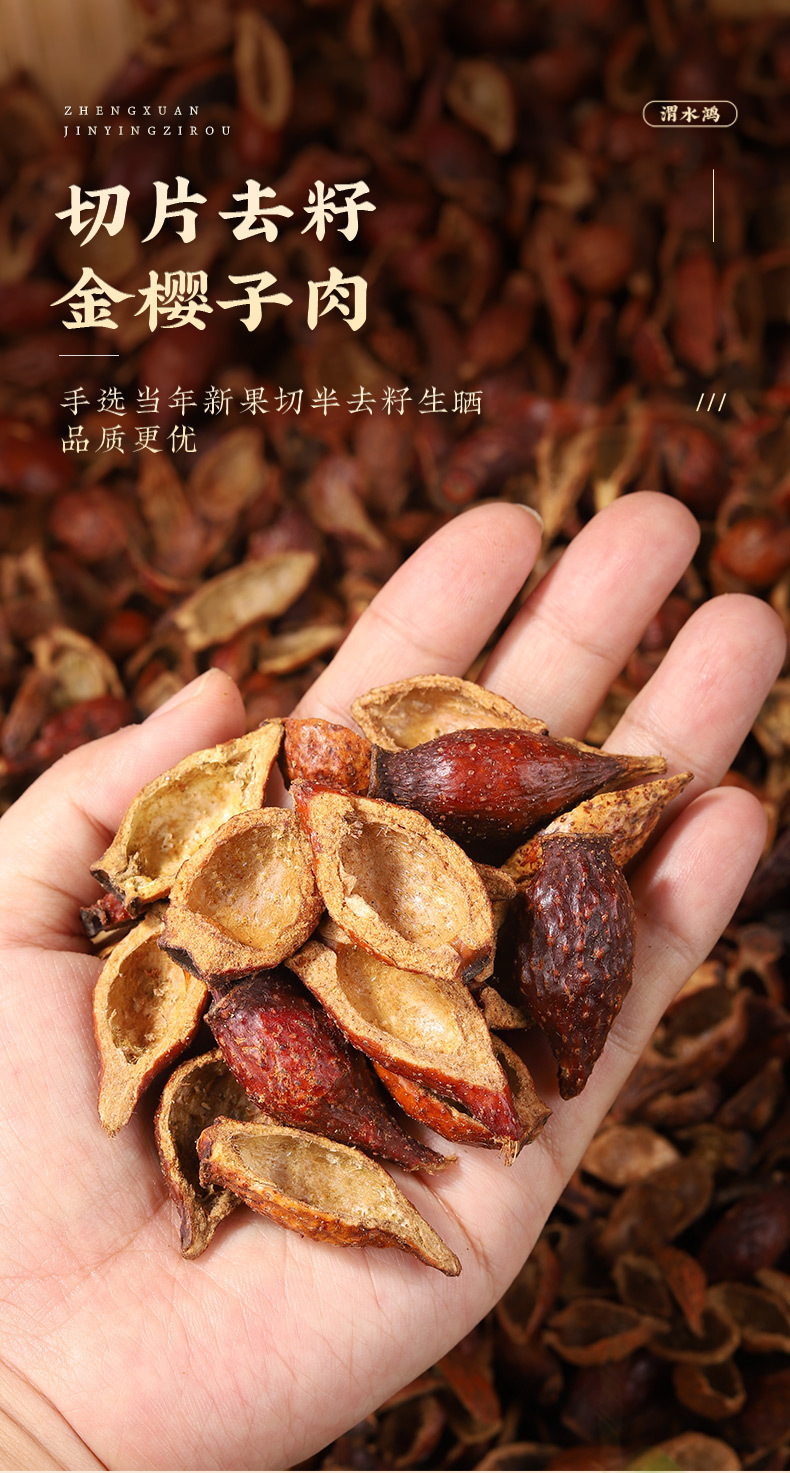
Dried Cherokee Rose Fruit Meat, known in TCM as Jin Ying Zi (金樱子), from Rosa laevigata. This product is the dried fruit flesh of the Cherokee rose, a traditional botanical used in Chinese herbal practice. In TCM theory, it is considered sour and astringent in flavor and neutral in nature, traditionally associated with the kidney, bladder, and large intestine channels. It is commonly prepared as a tea, decoction, or added to soups and wines for traditional wellness purposes.

Key Selling Points
- Dried fruit meat of Rosa laevigata, known in TCM as Jin Ying Zi (金樱子)
- Traditional TCM herb with sour and astringent flavor, neutral nature
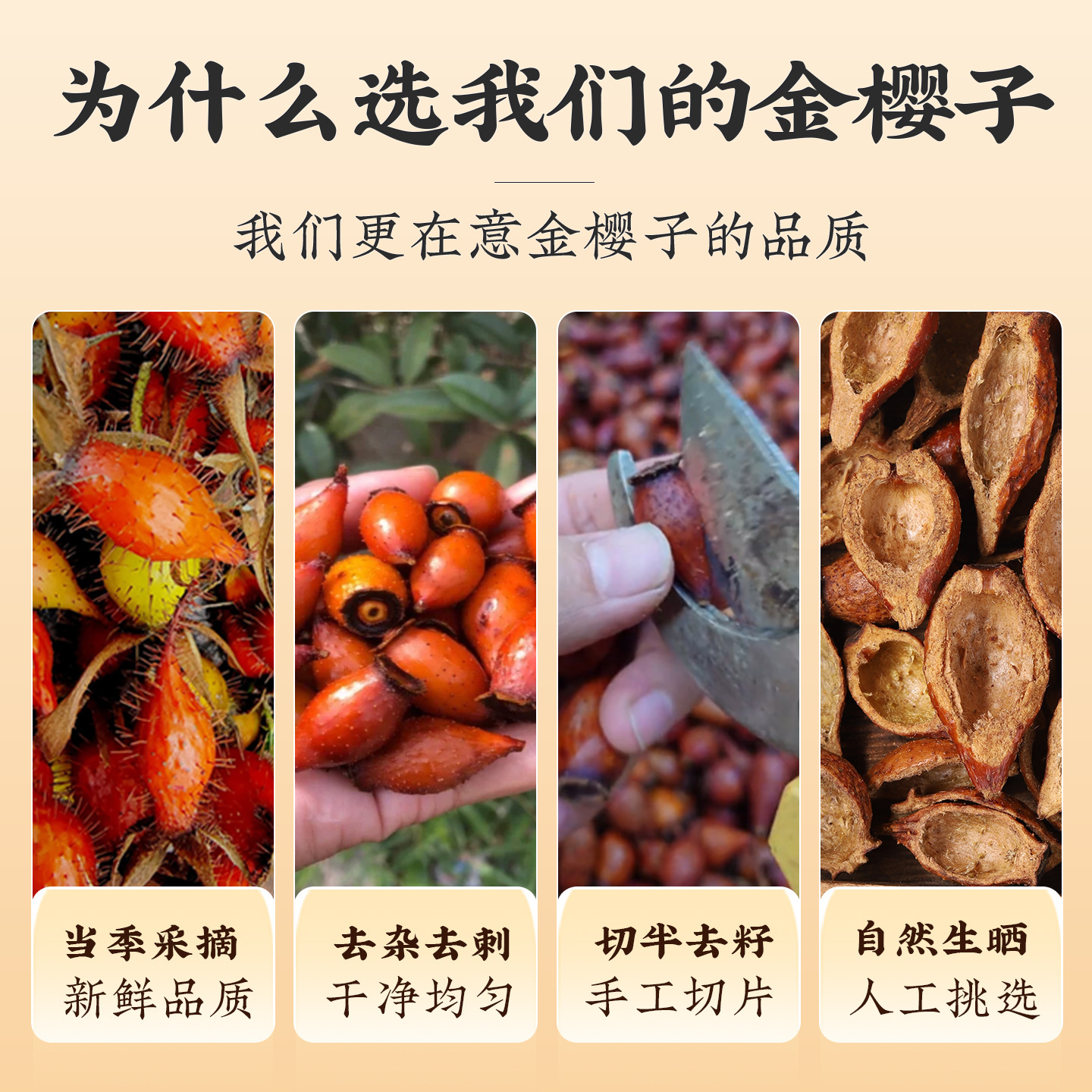
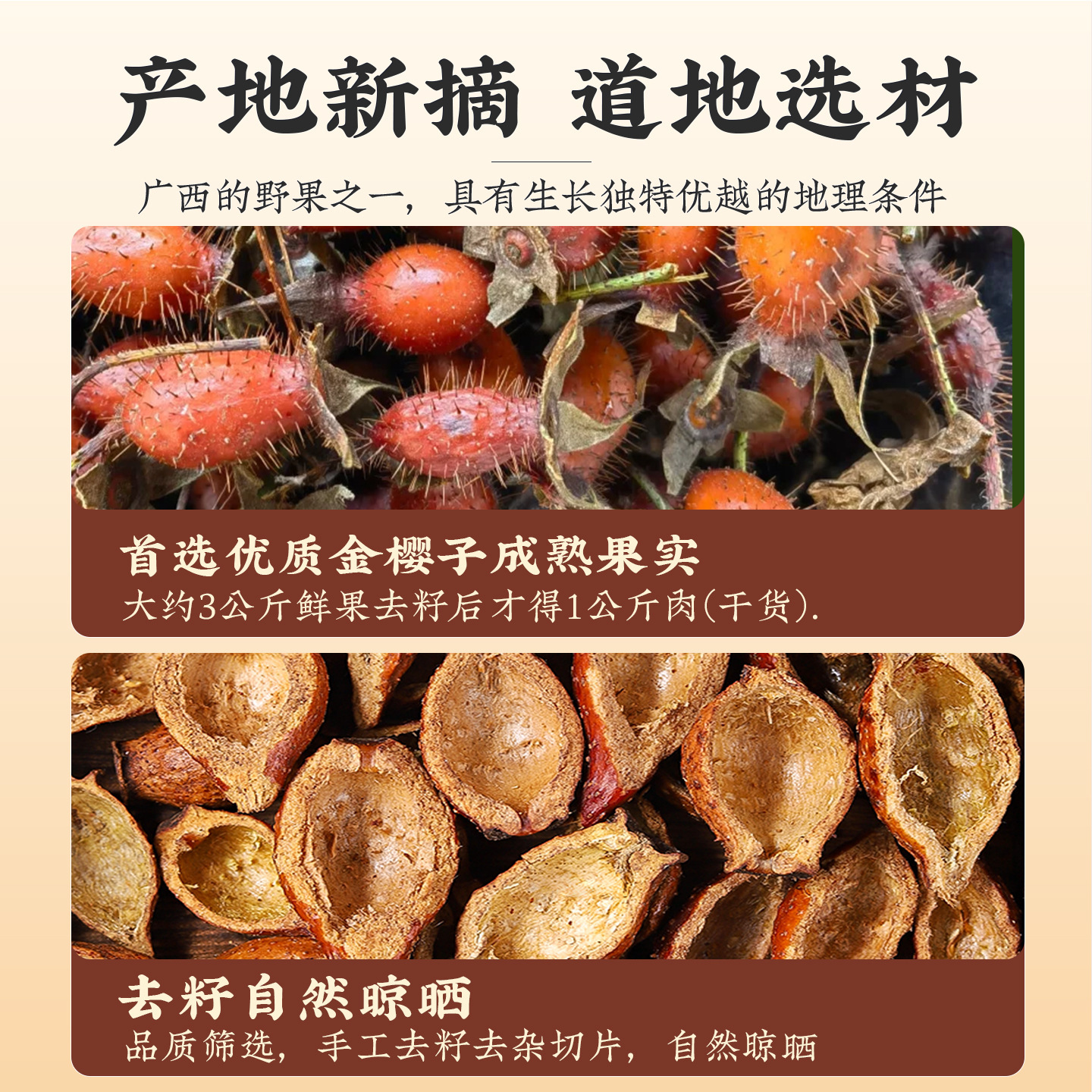
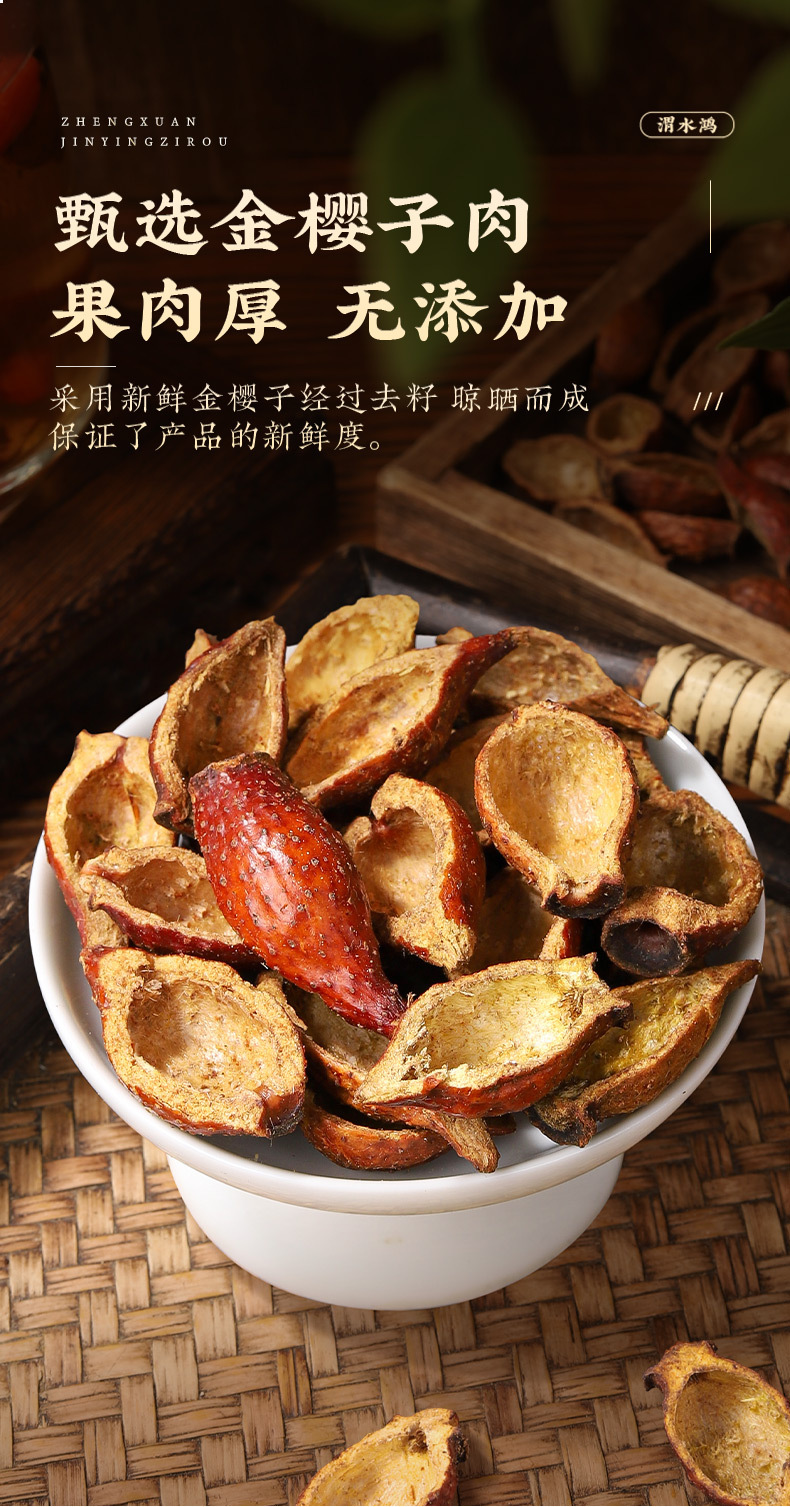
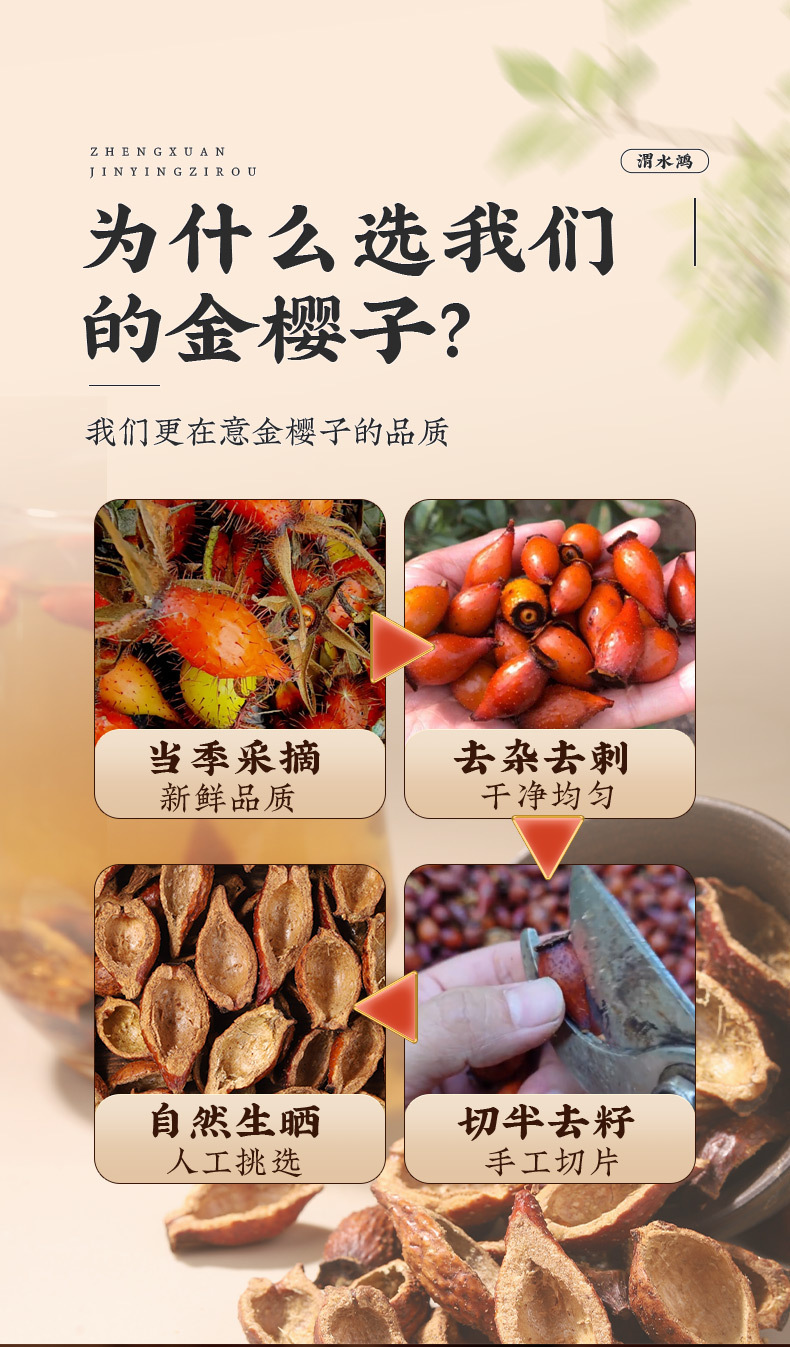
- Sun-dried processing to preserve natural qualities
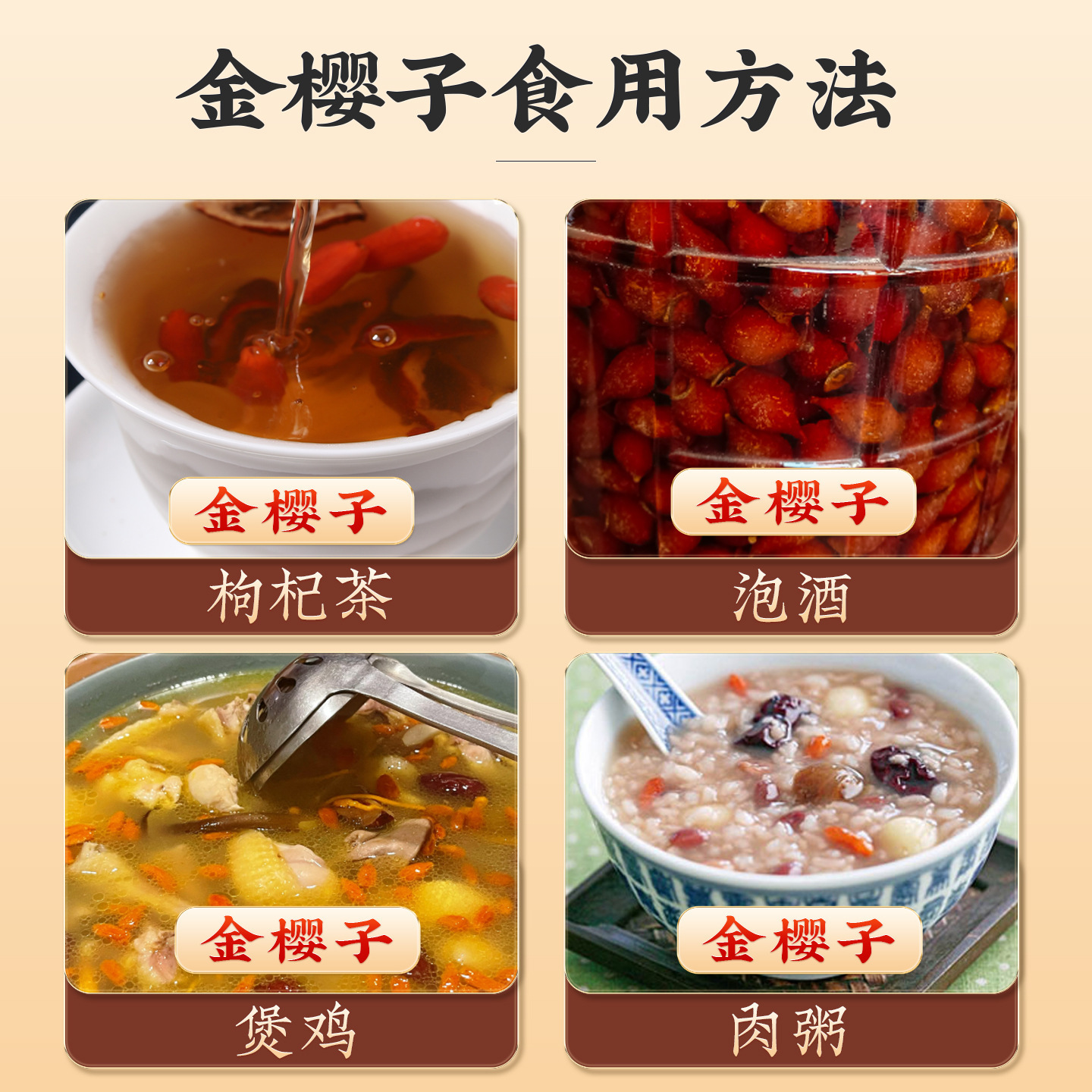
- Versatile for tea, wine infusion, or soup decoction
- Convenient 250g jar packaging for regular use
Quality & Sensory
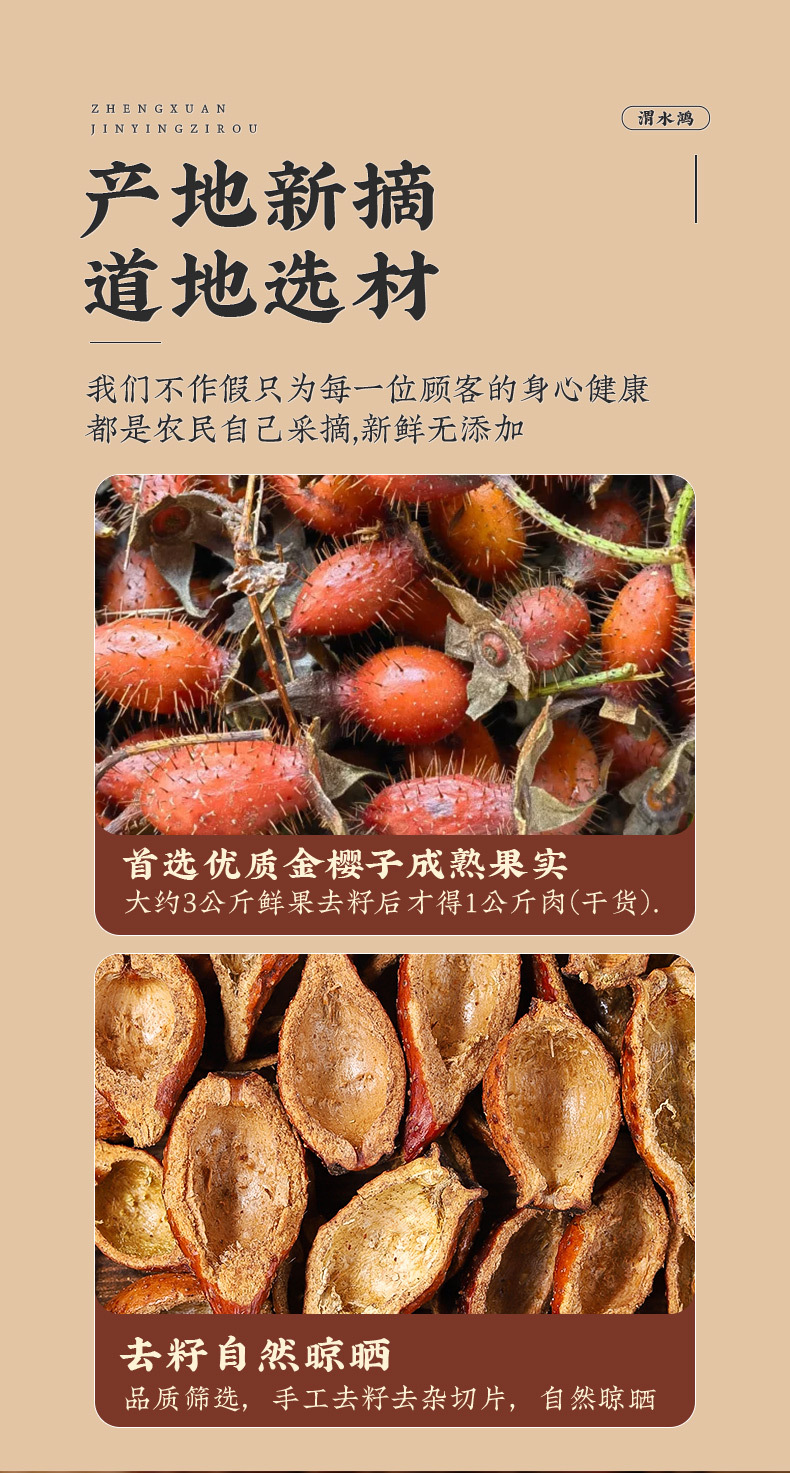
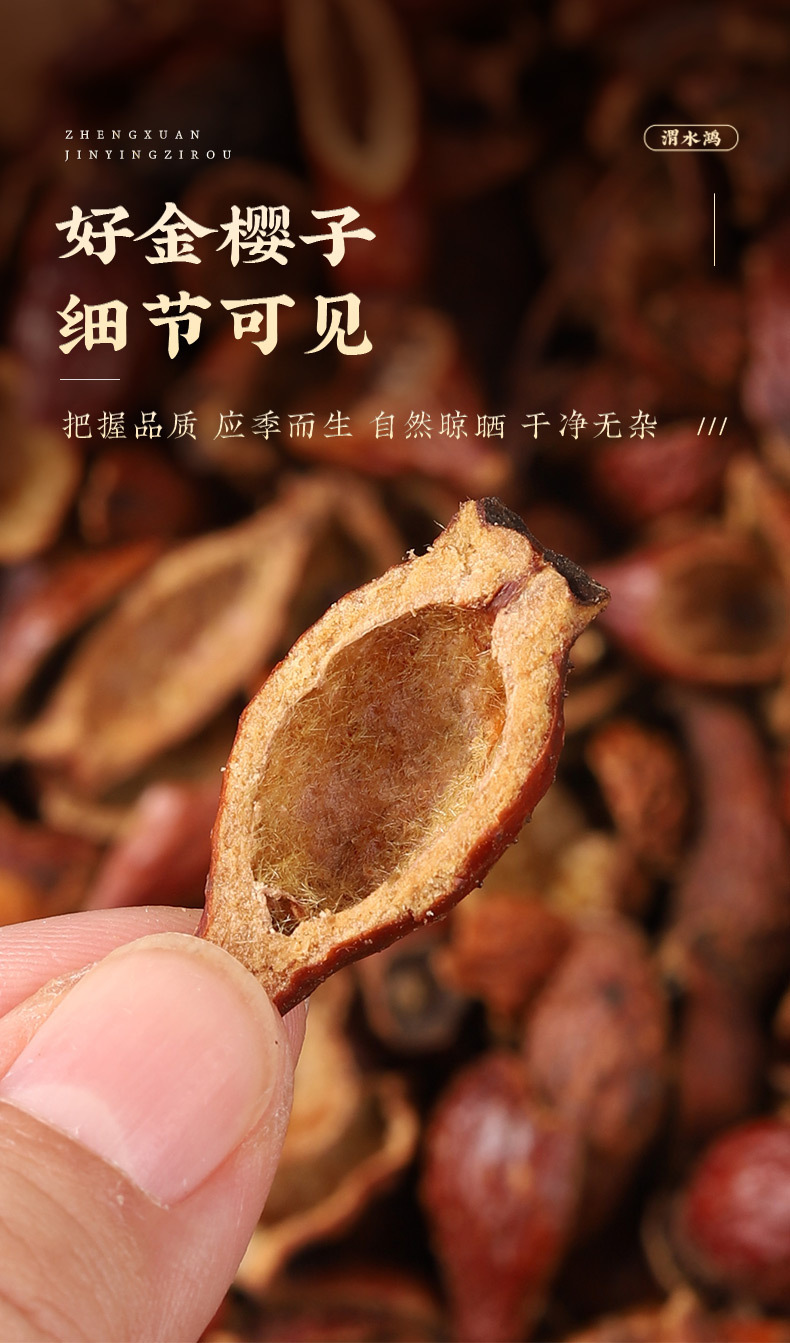
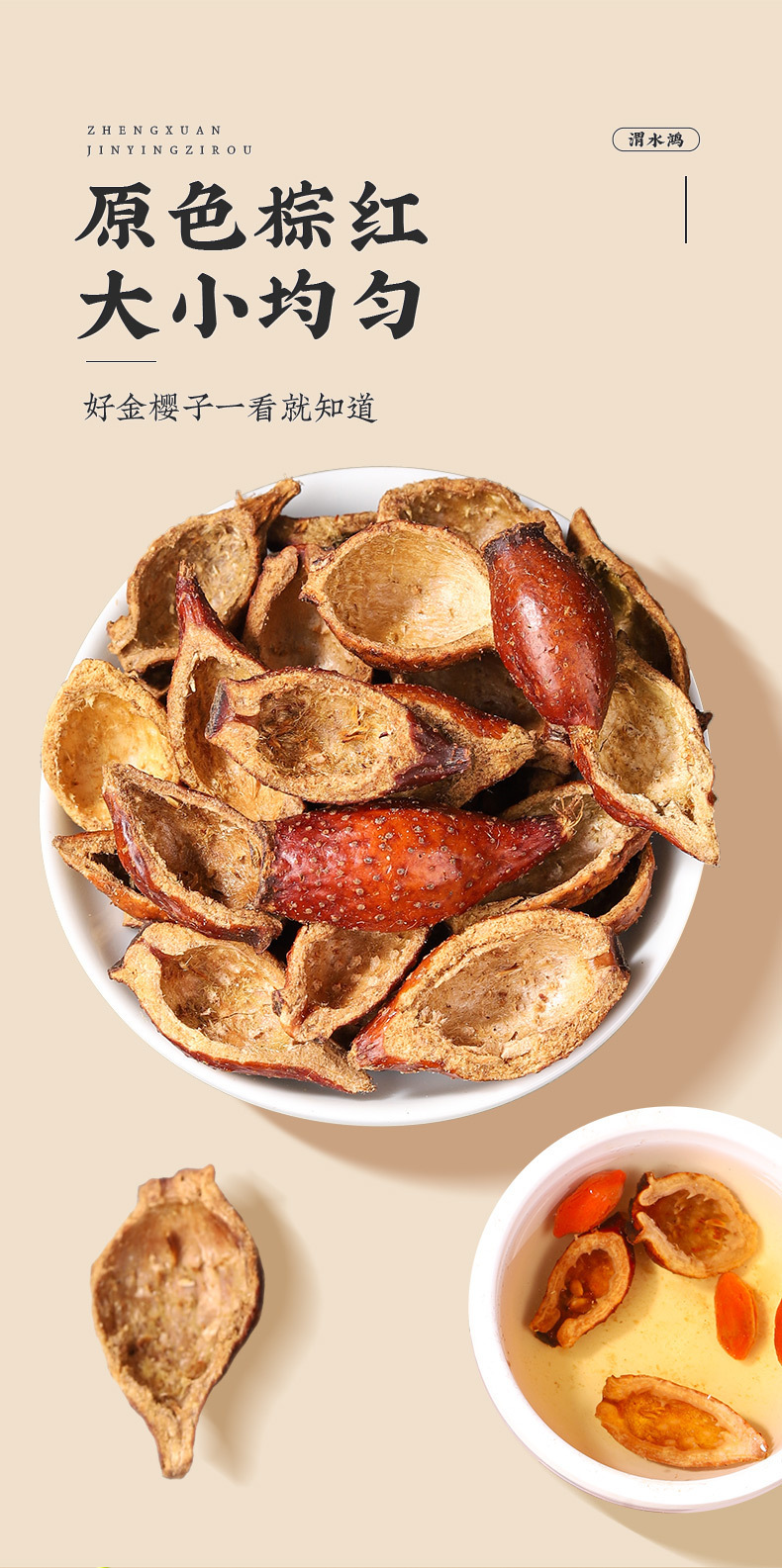
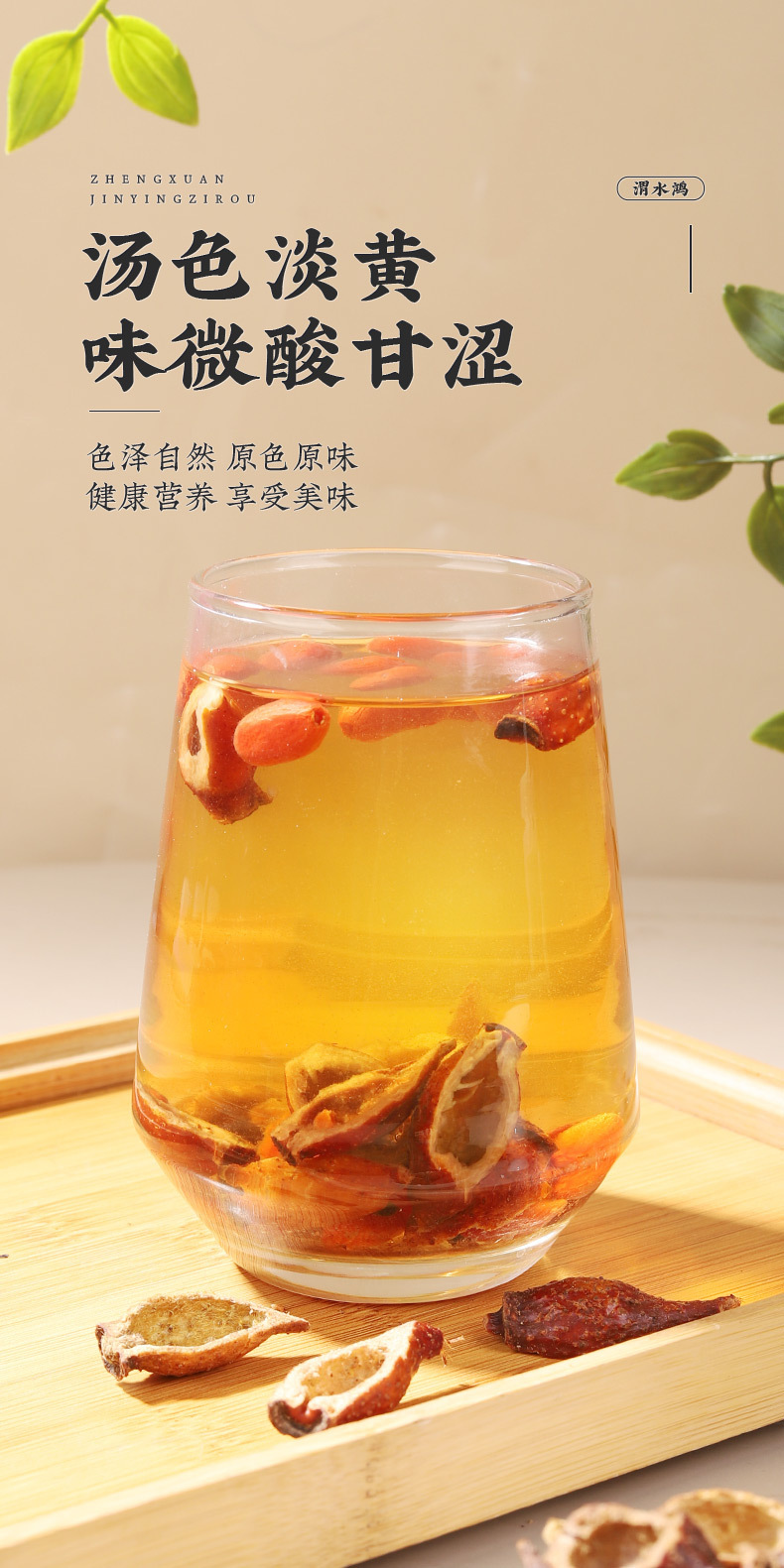
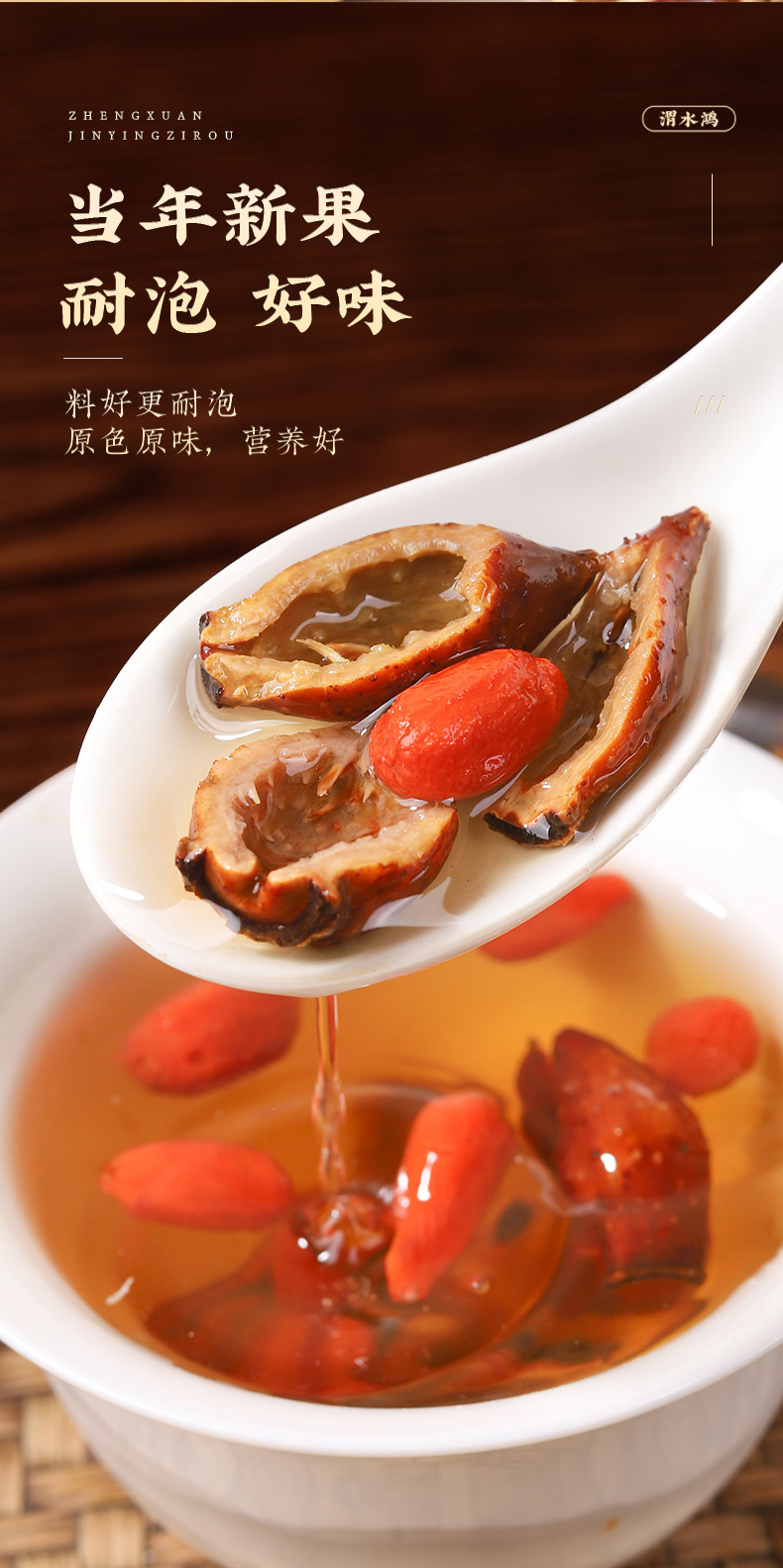
The dried fruit meat is typically reddish-brown to dark brown in color with a firm, slightly leathery texture. It has a mild, earthy aroma and a sour, astringent taste that becomes more pronounced when brewed or decocted.
Technical Specifications
| Product Type | Dried Fruit Meat |
|---|---|
| Chinese Name | 金樱子 |
| Pinyin | Jin Ying Zi |
| Botanical Name | Rosa laevigata |
| Plant Part | Fruit |
| Net Weight | 250g |
Usage Scenarios
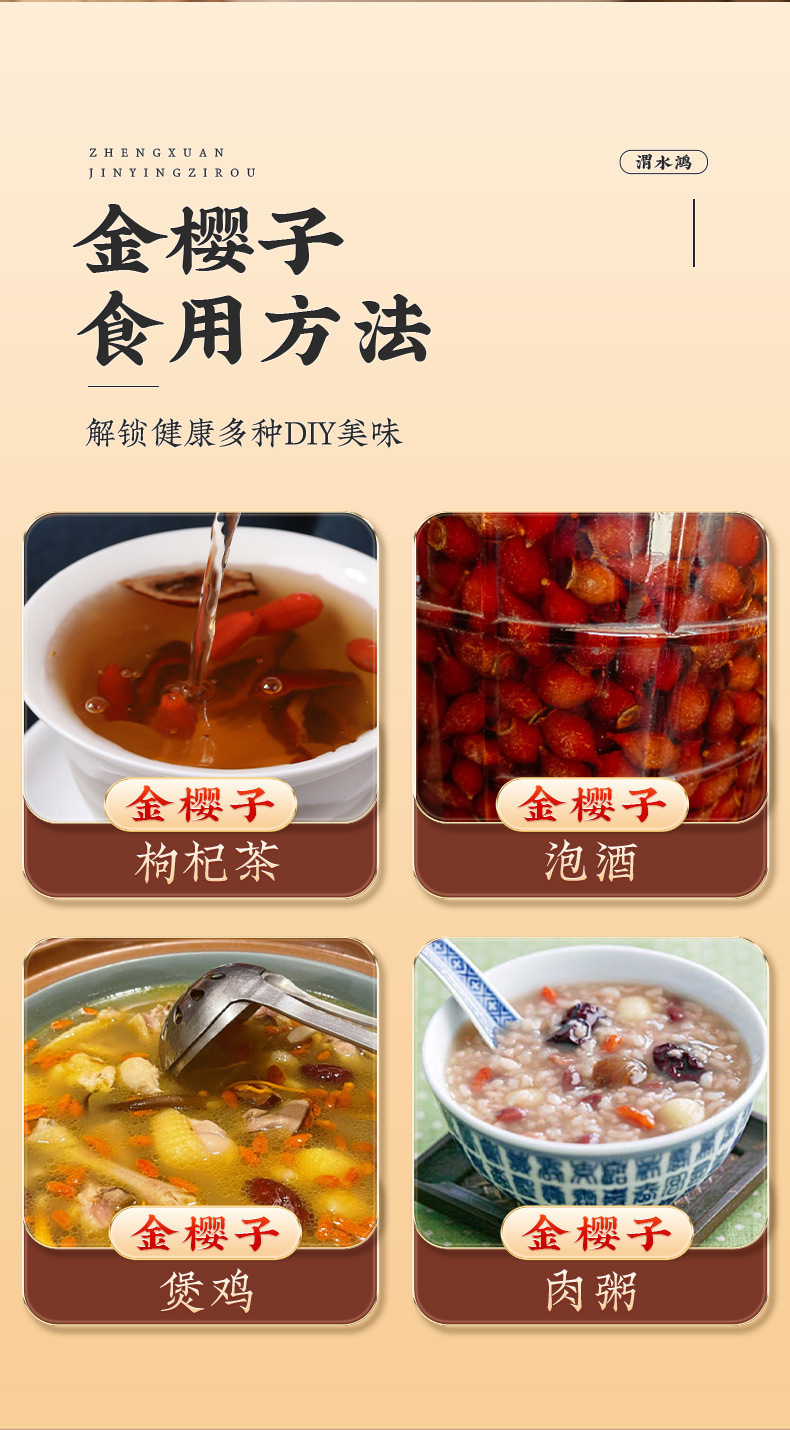
- Herbal tea
- Soup decoction
- Wine infusion
- Congee addition
Traditional Uses
In TCM theory, Jin Ying Zi is traditionally used to support kidney and bladder function and to help astringe the intestines. It is often decocted alone or combined with other herbs such as Wu Wei Zi or Shan Yao in formulas. Folk practice includes simmering it in soups with pork or chicken, or infusing it in rice wine for seasonal wellness.
FAQ Q&A
Q: What is this product?
A: It is the dried fruit meat of the Cherokee rose, known in TCM as Jin Ying Zi (金樱子), from Rosa laevigata.
Q: What are its traditional characteristics?
A: In TCM theory, it is considered sour and astringent in flavor and neutral in nature, traditionally associated with the kidney, bladder, and large intestine channels.
Q: How is it commonly prepared?
A: It is typically brewed as a tea, simmered in soups, or infused in wine. It can also be added to congee.
Additional information
| Weight | N/A |
|---|---|
| Dimensions | N/A |
| Model | 罐装 金樱子肉80g, 罐装 金樱子肉500g, 罐装 金樱子500g, 罐装 金樱子250g |
Related products
-

Fritillaria Bulb Chuan Bei Mu Dried Chinese Herbal Bulbs for Decoction and Traditional Use 500g
Price range: $18.06 through $94.21 -

Yi Zhi Ren Dried Alpinia Oxyphylla Fruit 500g Traditional Herbal Tea and Decoction Ingredient
Price range: $11.74 through $13.36 -

Ningxia Goji Berries Gou Qi Zi 500g Dried Red Wolfberry for Tea Soup and Snacking
Price range: $7.20 through $16.44 -
Taizishen Dried Pseudostellaria Root TCM Herbal Tea and Soup Ingredient 500g Bulk Pack
Price range: $10.28 through $15.63
Reviews
There are no reviews yet.