
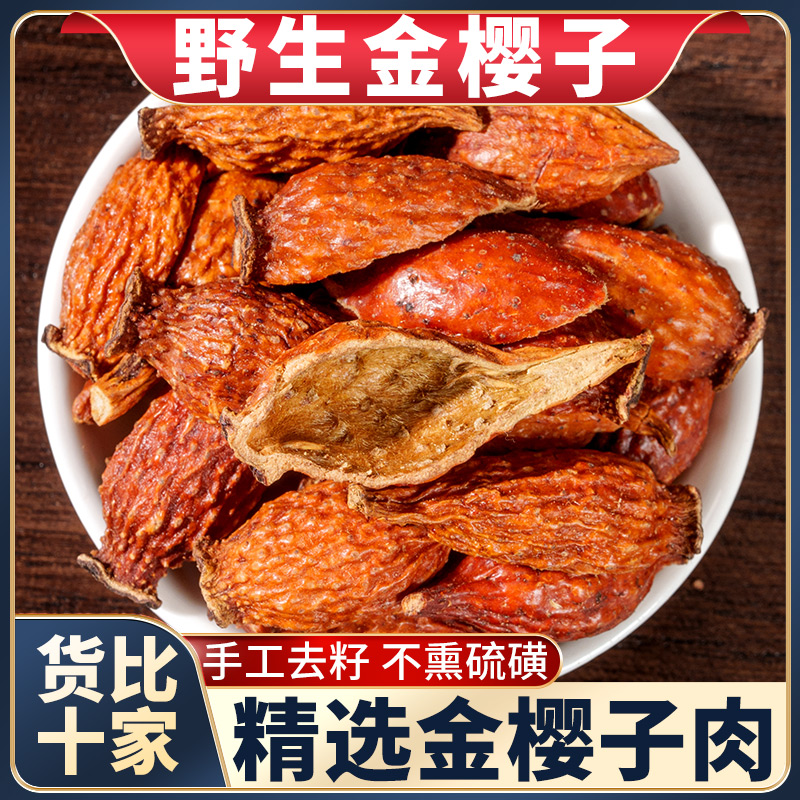
Dried Cherokee Rose Fruit Meat Jin Ying Zi 175g Wild Harvested Herbal Tea and Wine Infusion
Price range: $5.67 through $8.71
Description
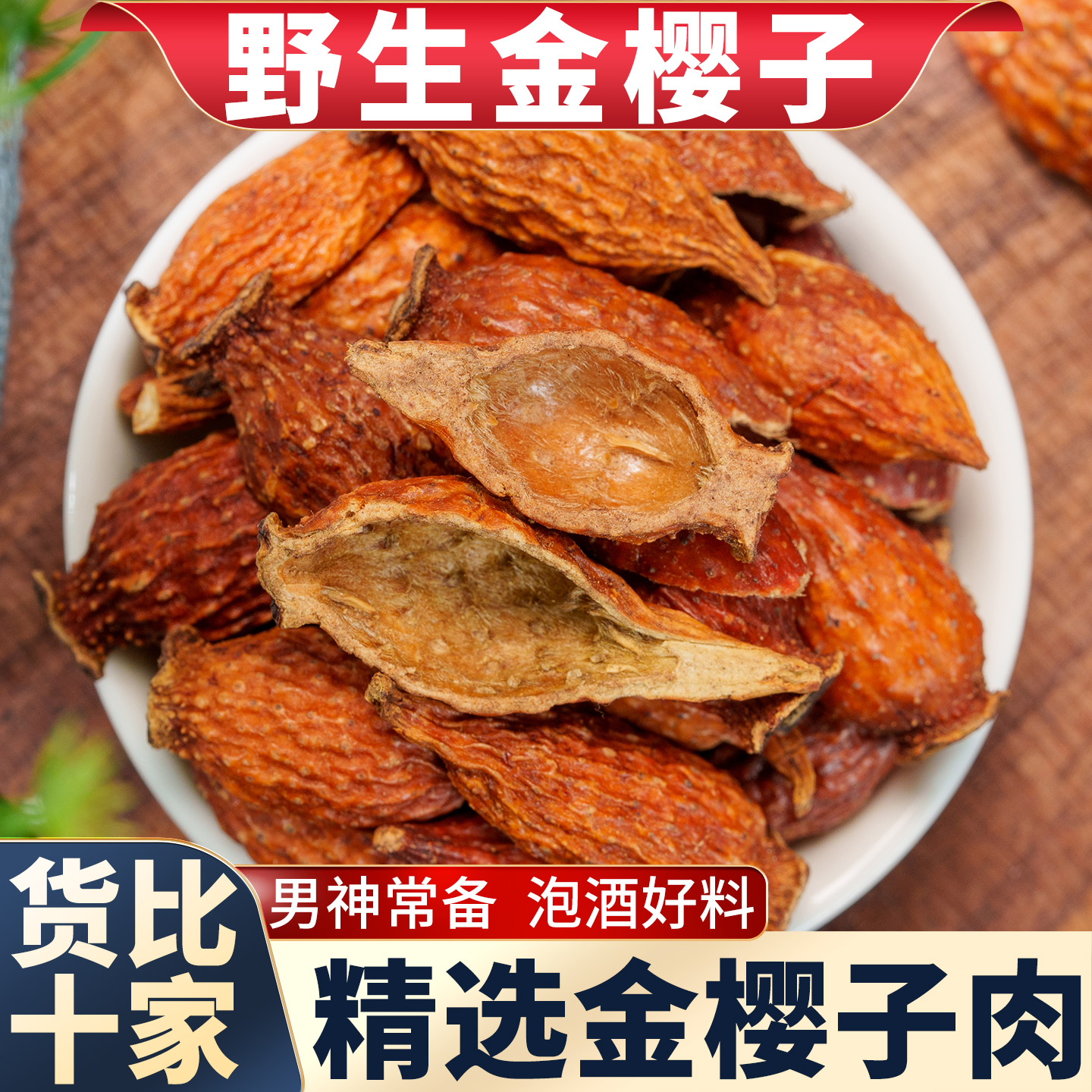
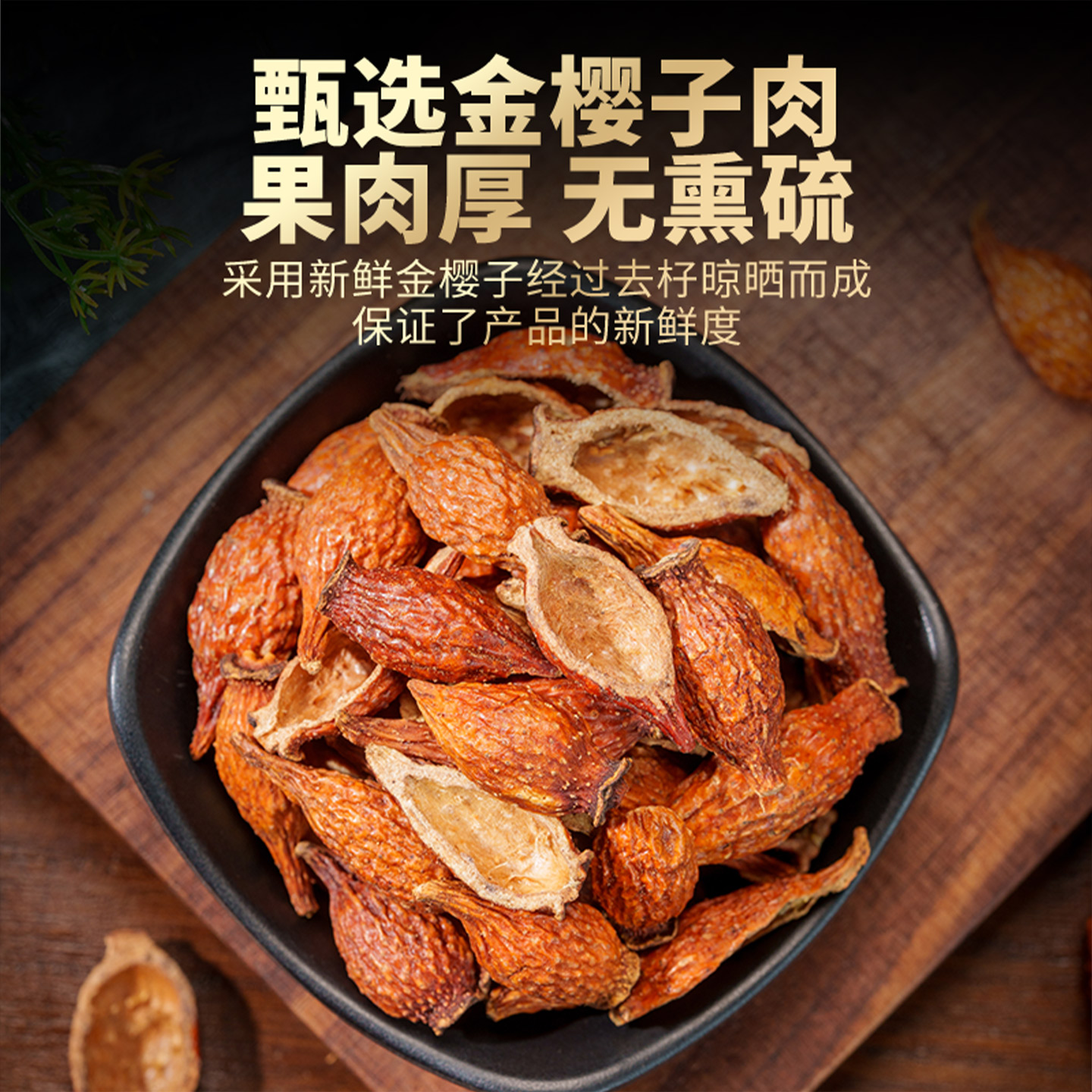
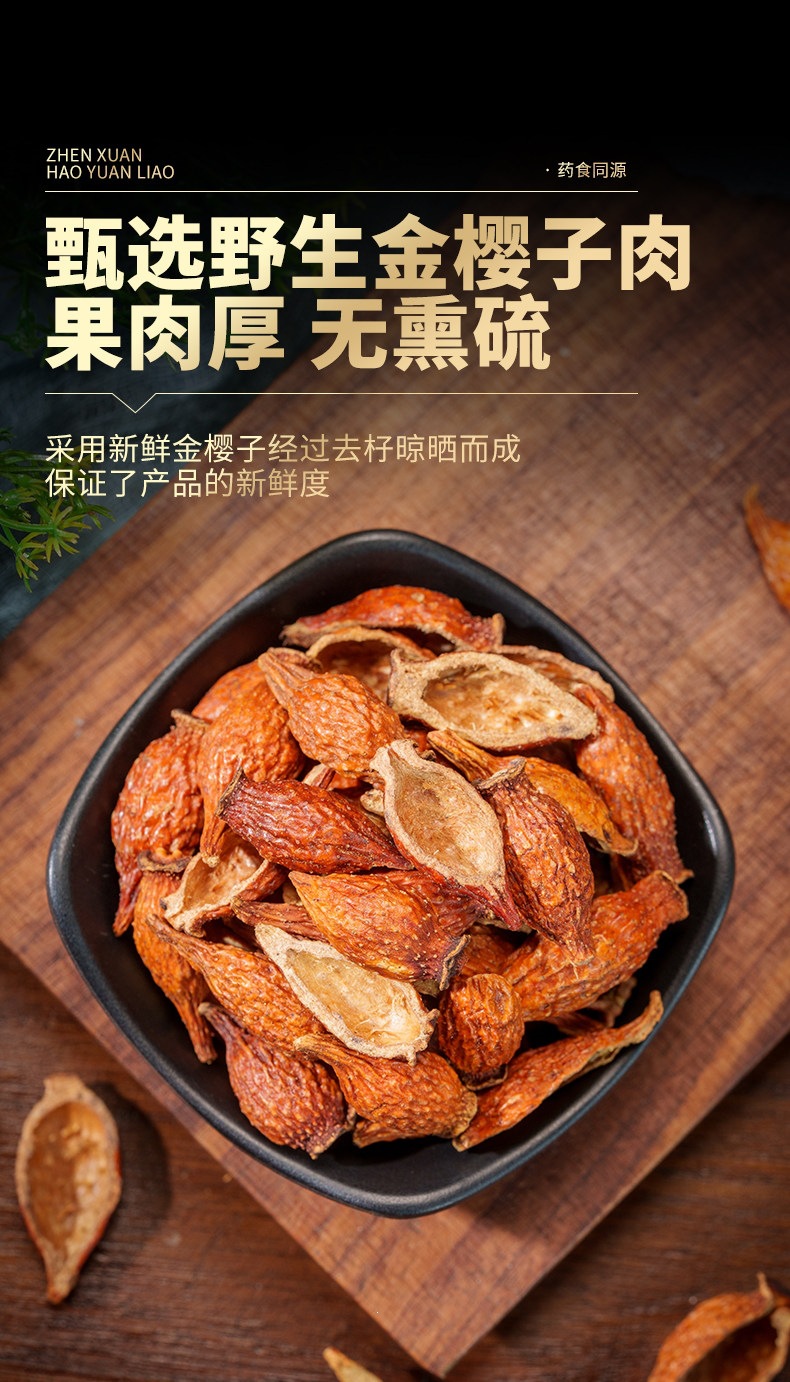
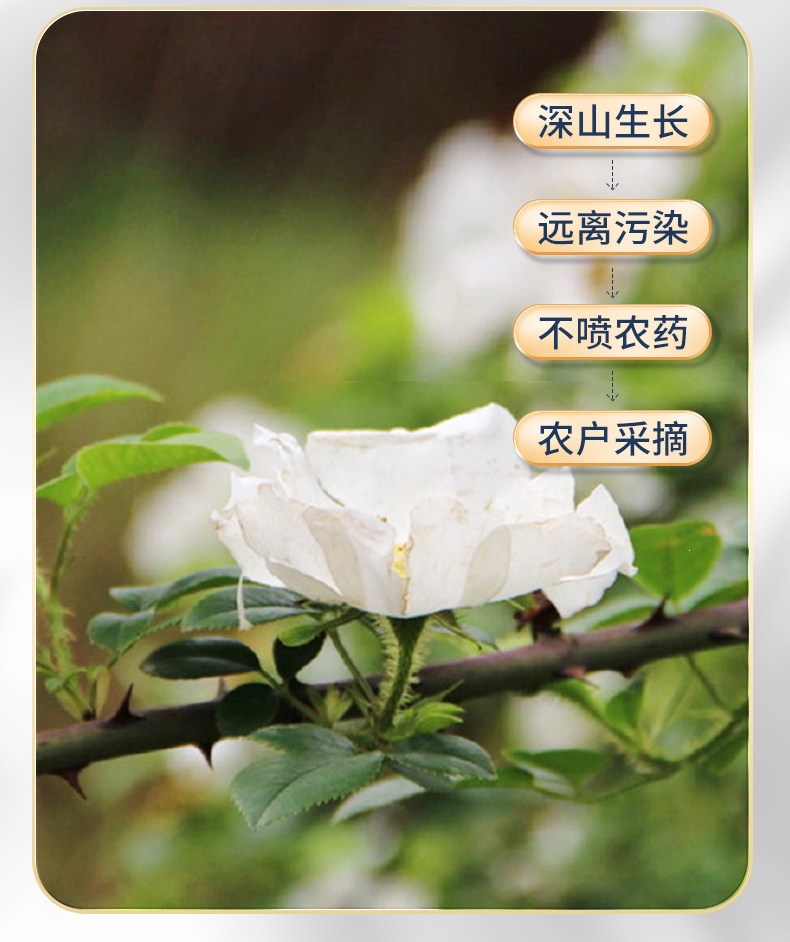
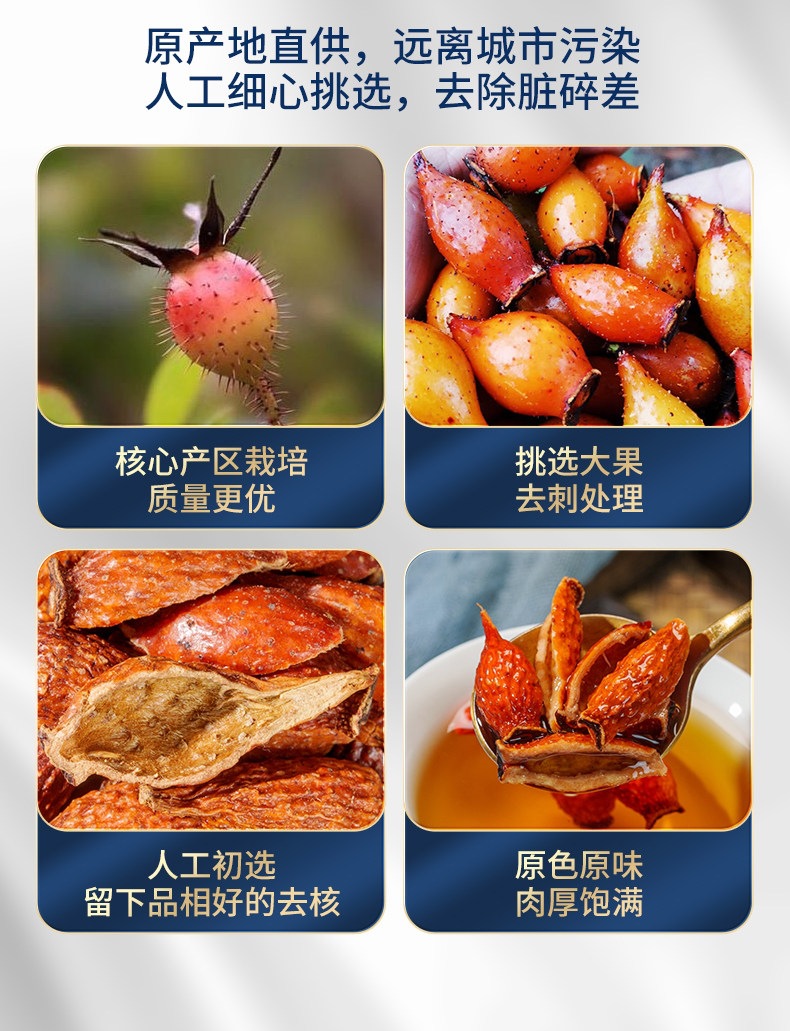
Dried Cherokee Rose Fruit Meat, known in TCM as Jin Ying Zi (金樱子), from Rosa laevigata. This wild-harvested fruit meat is sun-dried and traditionally used in herbal decoctions and wine infusions. In TCM theory it is associated with the kidney and bladder channels, with a sour, astringent nature. It is commonly prepared as a tea or added to tonic soups and medicinal wines for traditional wellness support.


Key Selling Points
- Identified as Jin Ying Zi (金樱子), the dried fruit meat of Rosa laevigata
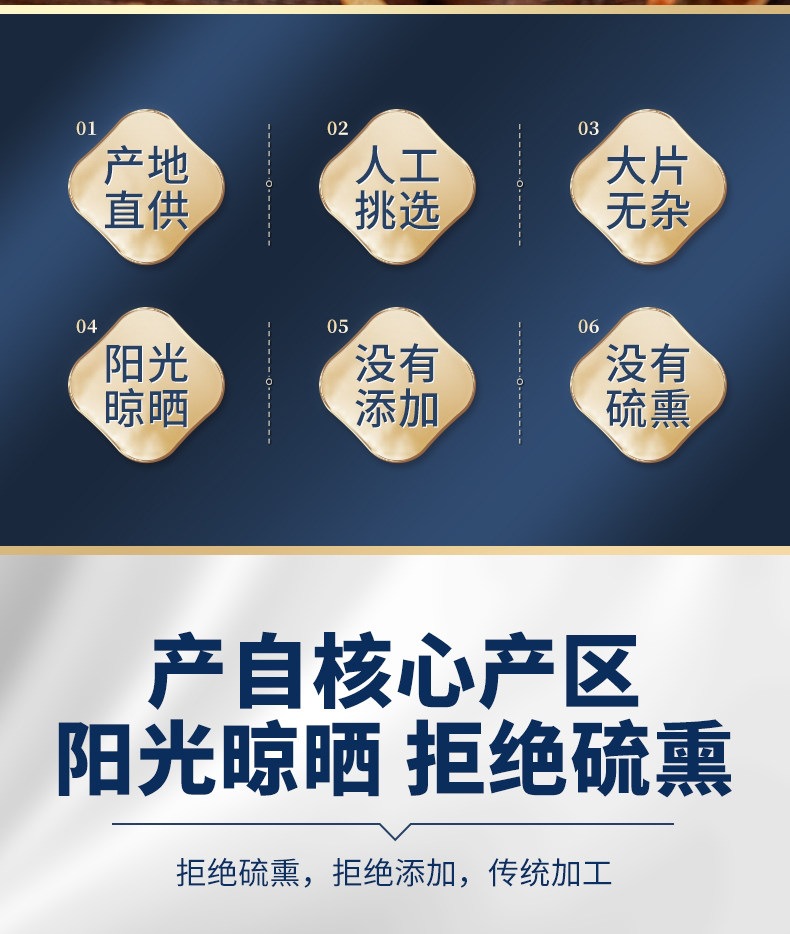
- Wild-harvested from mainland China and sun-dried for traditional use
- Sour and astringent in TCM nature, associated with kidney and bladder channels
- Suitable for herbal teas, decoctions, soups, and wine infusions
- Pre-packaged in 175g net weight with 12-month shelf life
Quality & Sensory
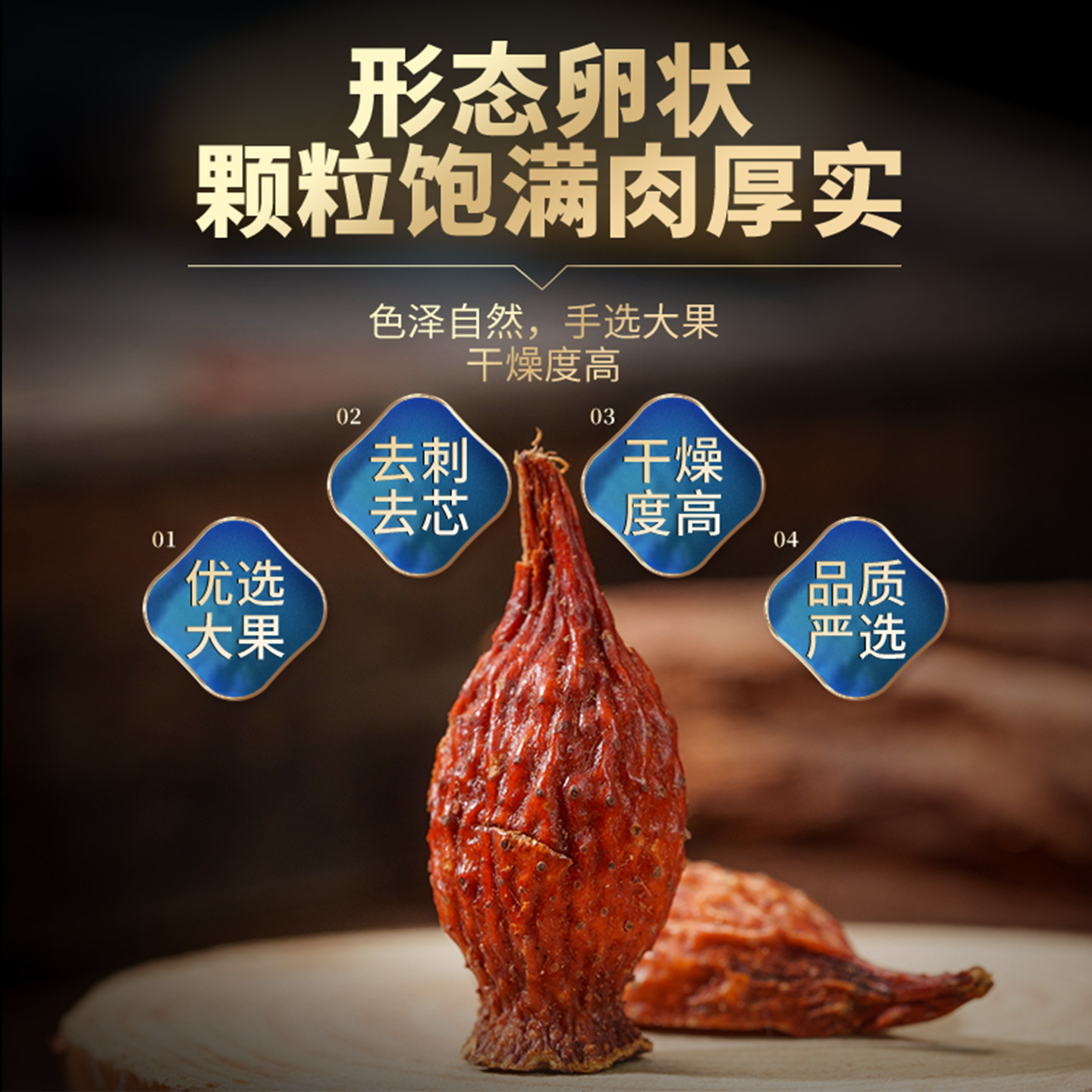
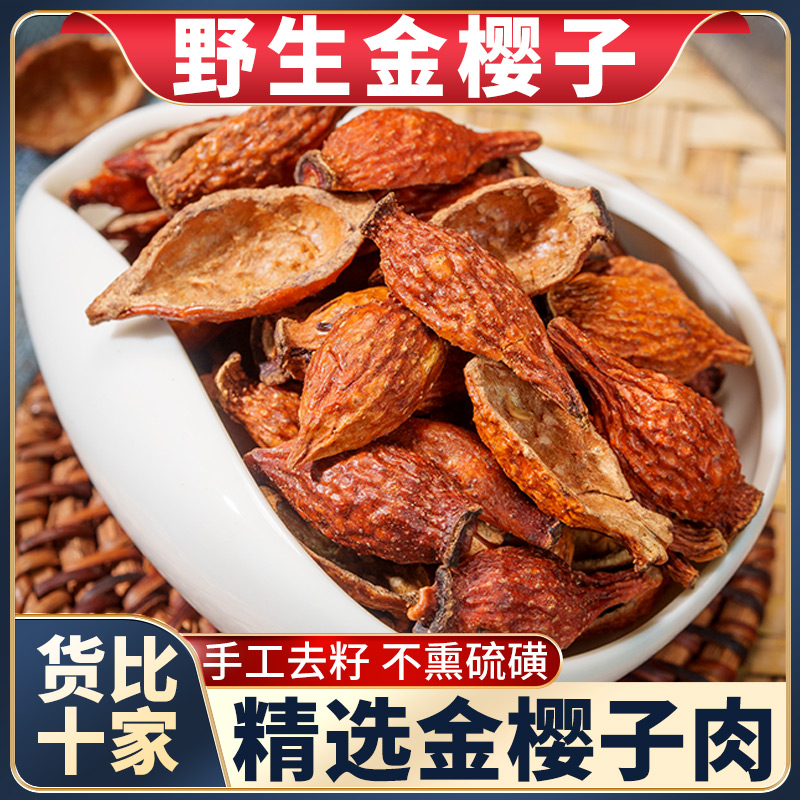
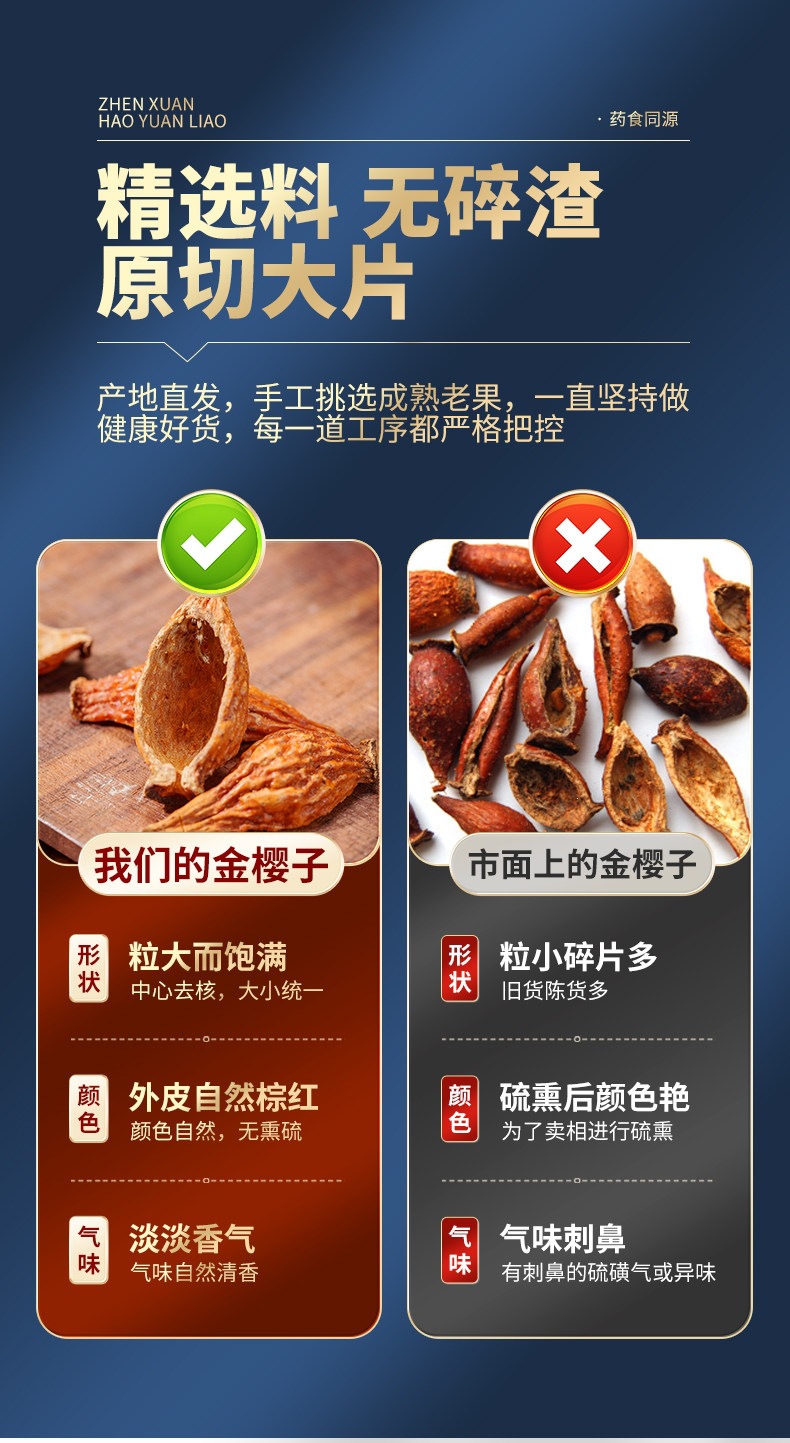
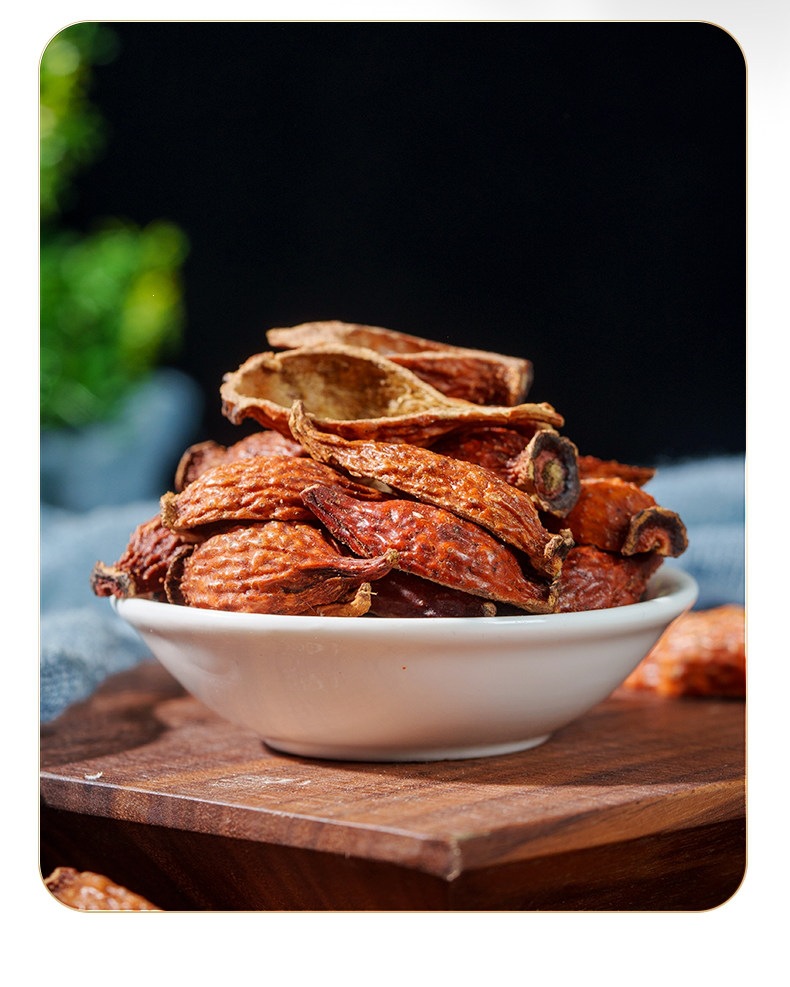
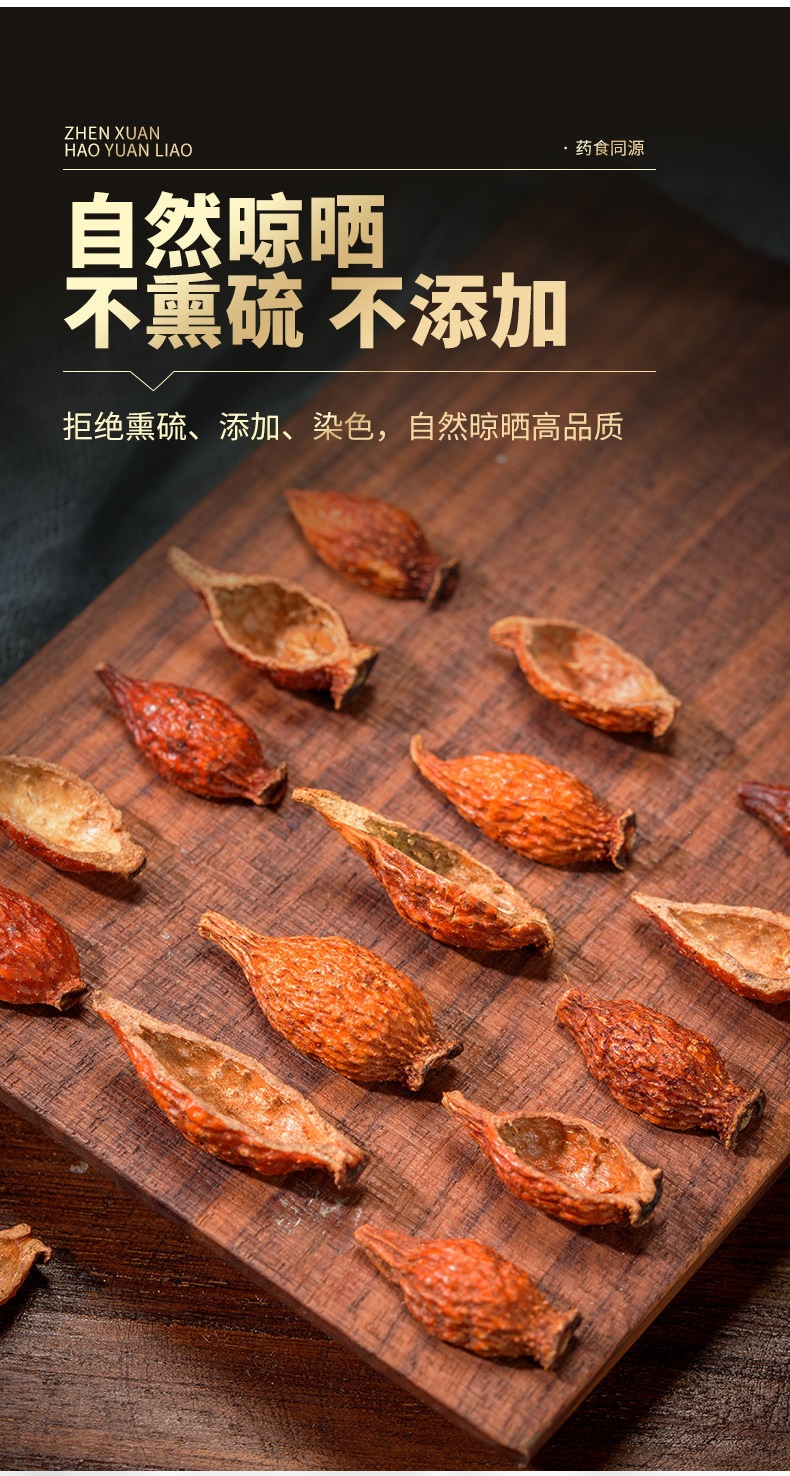
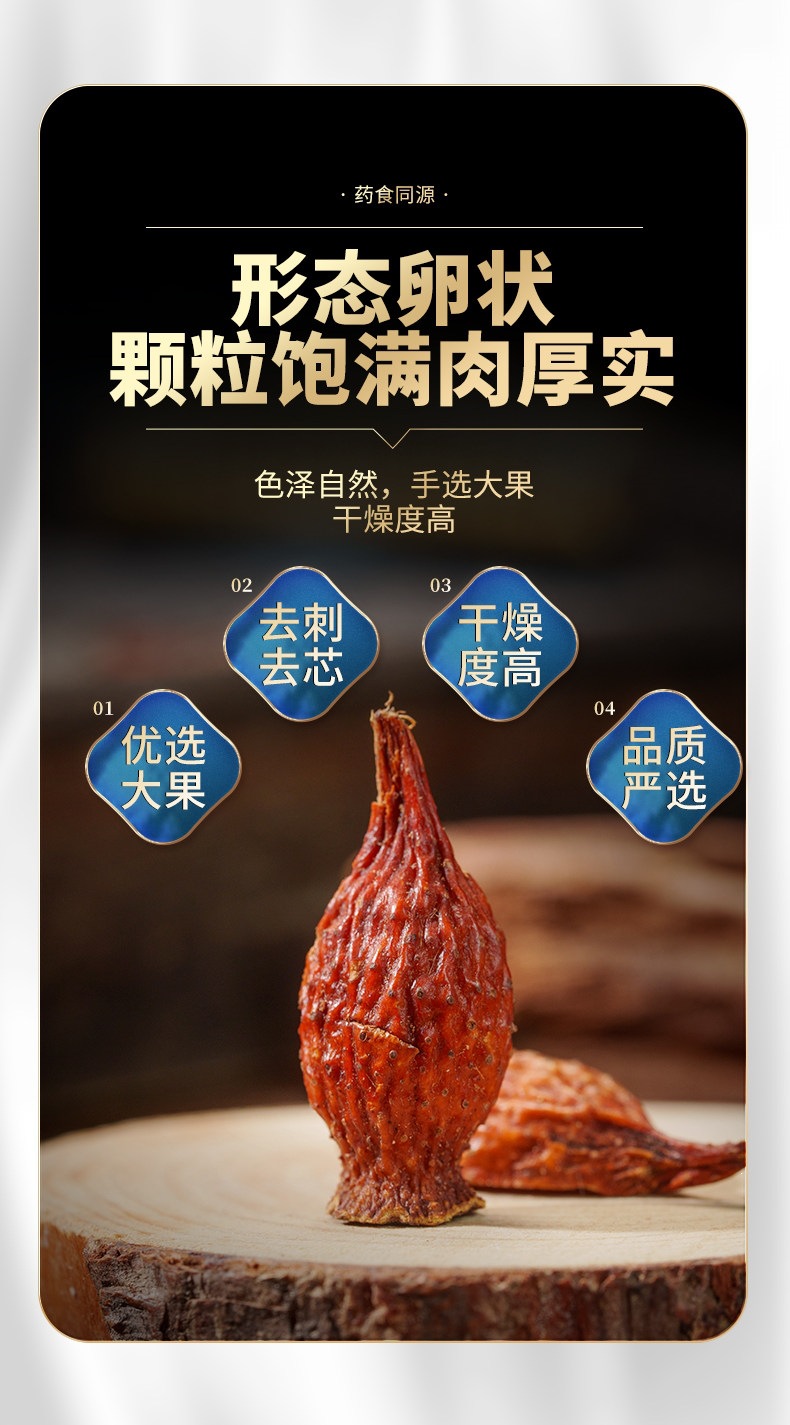
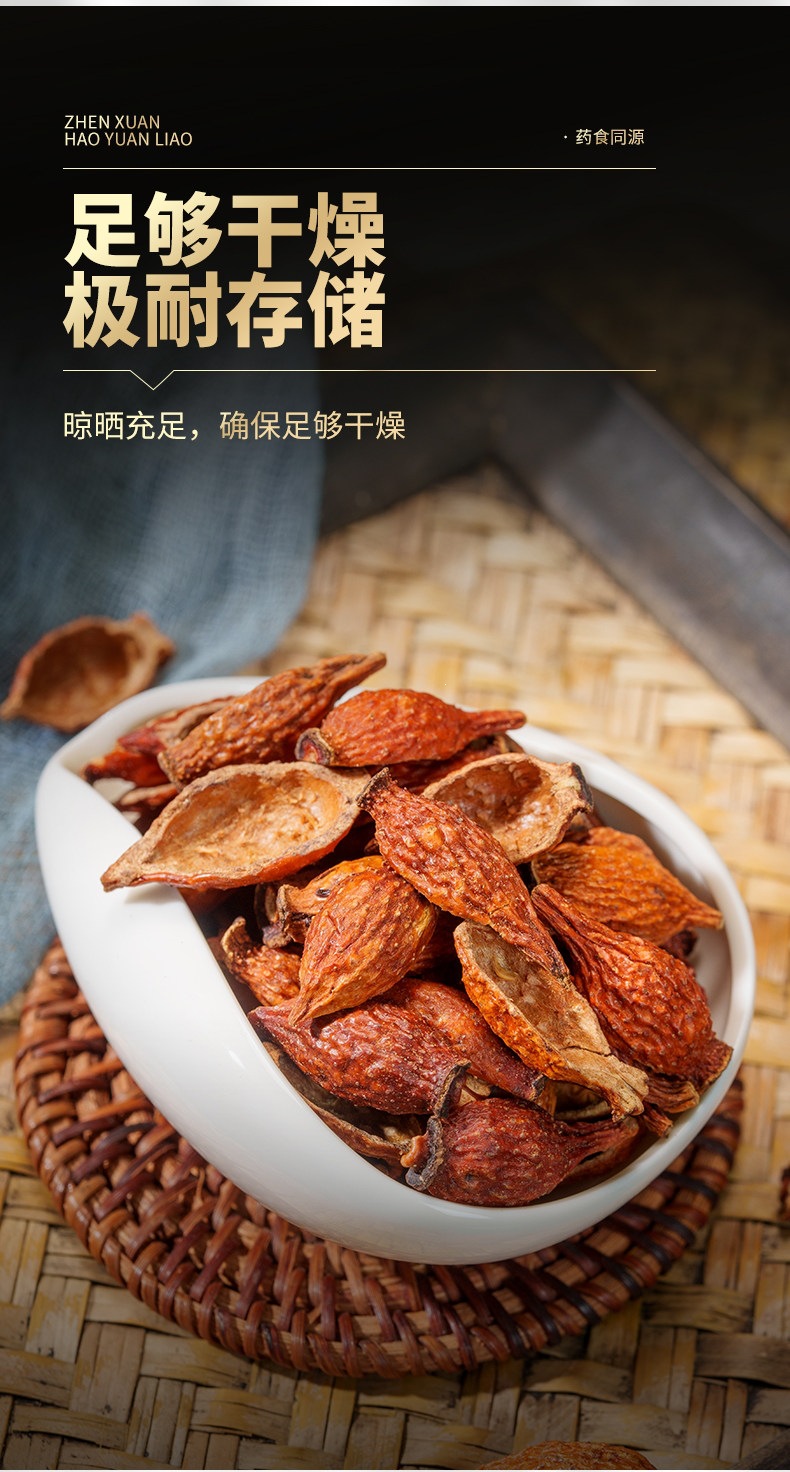
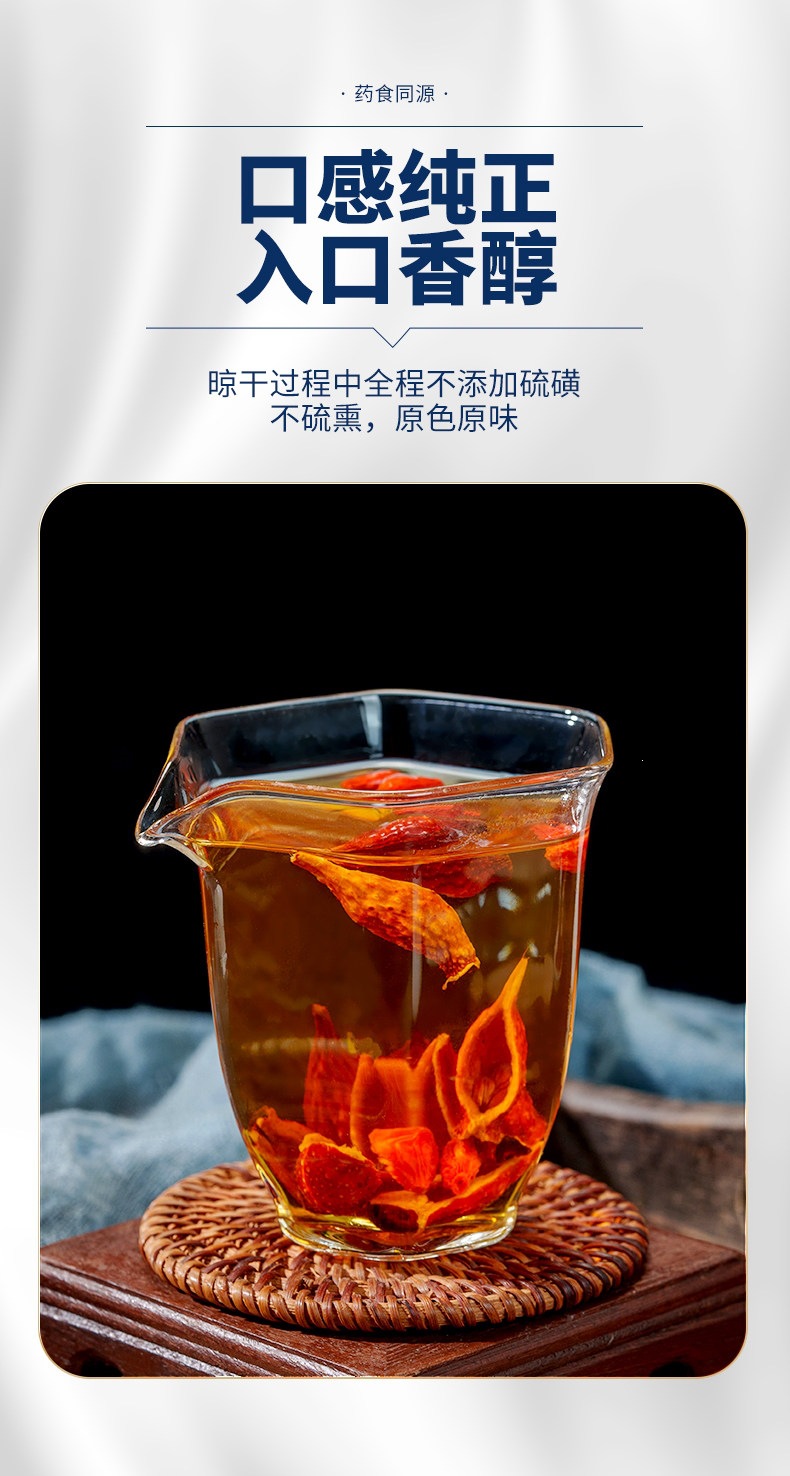
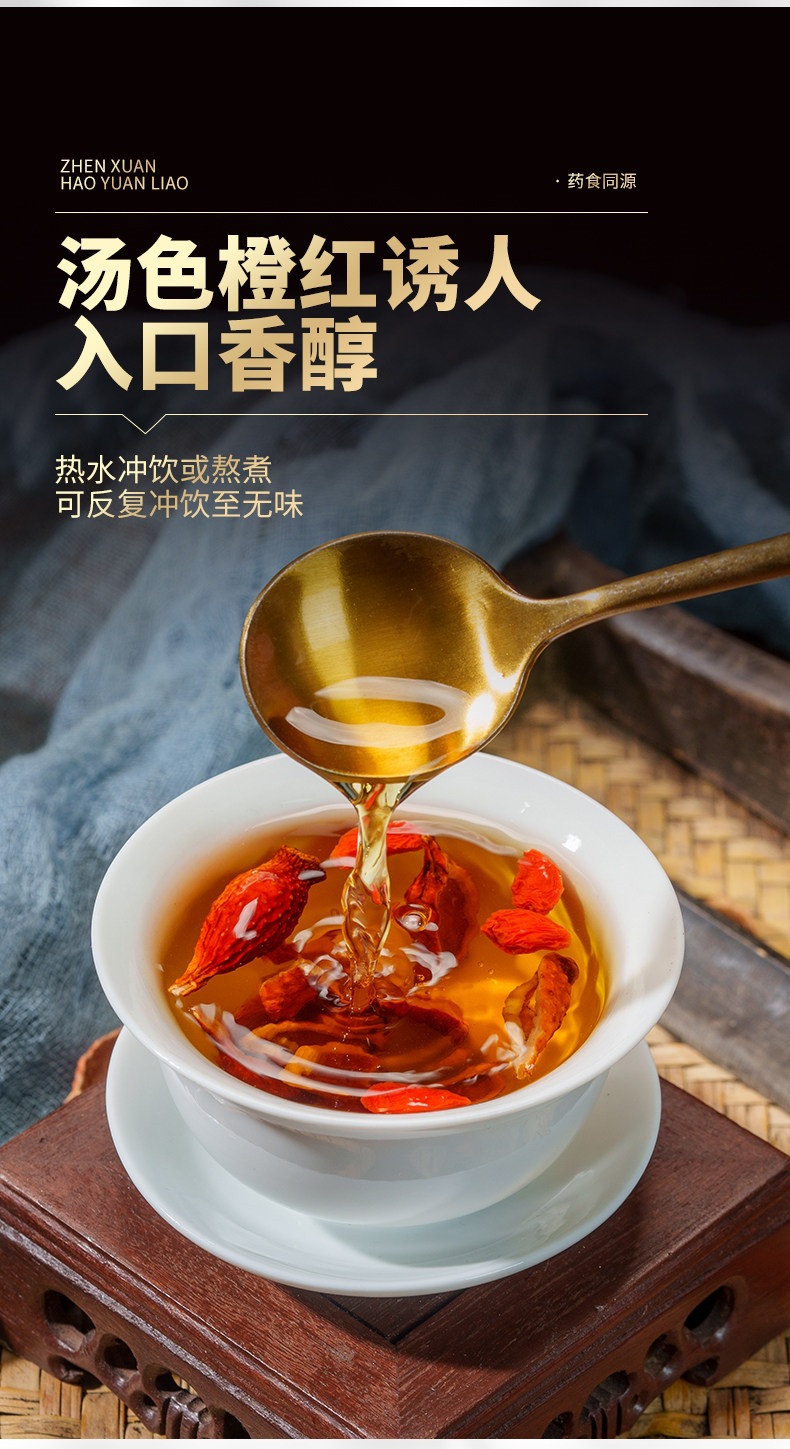
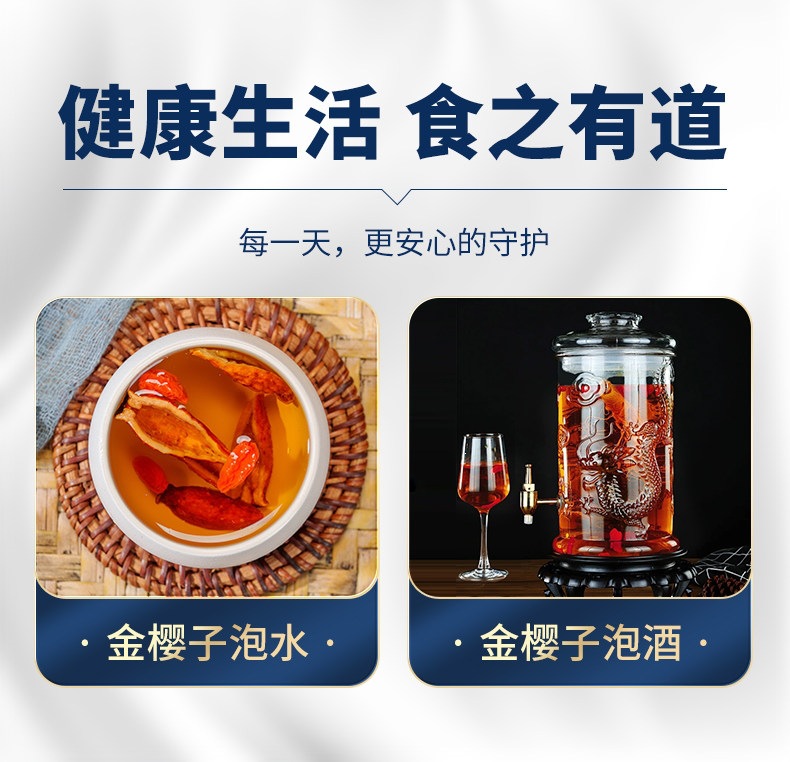
The dried fruit meat is typically reddish-brown to amber in color with a firm, slightly leathery texture. It has a mild, sweet-sour aroma. When decocted or steeped, the liquid is typically light amber with a sour, astringent taste and a subtle fruity note.

Technical Specifications
| Product Type | Dried fruit meat |
|---|---|
| Chinese Name | 金樱子 |
| Pinyin | Jin Ying Zi |
| Botanical Name | Rosa laevigata |
| Plant Part | Fruit |
| Net Weight | 175g |
Usage Scenarios
- Herbal tea or decoction
- Tonic soup
- Medicinal wine infusion
- Congee
- Seasonal food use
Traditional Uses
In TCM theory, Jin Ying Zi is traditionally used in decoctions and infusions to support kidney and bladder function. It is often paired with herbs such as Gou Ji (Goji) and Shan Yao (Chinese Yam) in tonic soups. Folk practice includes soaking in rice wine or baijiu to make a traditional herbal wine. It may also be added to congee for a sour, astringent flavor.
FAQ Q&A
Q: What is this product?
A: It is dried Cherokee Rose fruit meat, known in TCM as Jin Ying Zi (金樱子), from Rosa laevigata.
Q: What is its traditional value?
A: In TCM theory, it is associated with the kidney and bladder channels and is traditionally used for its astringent properties.
Q: How is it commonly prepared?
A: It is commonly decocted as a tea, added to soups, or soaked in wine for traditional herbal infusions.
Additional information
| Weight | N/A |
|---|---|
| Dimensions | N/A |
| Model | 金樱子100g 1罐, 金樱子250g 1罐, 金樱子肉250g 1罐, 金樱子肉250g 2罐 |
Related products
-
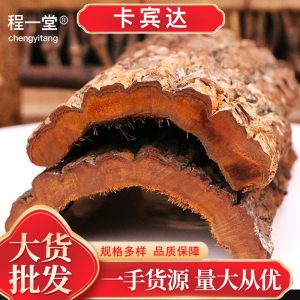
Cabinda Bark Dried Herb 500g Traditional Herbal Infusion Ingredient
Price range: $12.38 through $37.50 -
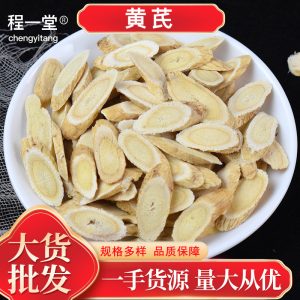
Astragalus Root Slices Huang Qi 斜片 Dried Herb for Decoction Soup and Tea 500g
Price range: $6.06 through $19.51 -
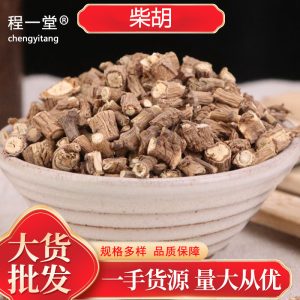
Chai Hu Bupleurum Root Dried Herb 500g Traditional TCM Decoction Herb
Price range: $9.14 through $16.44 -
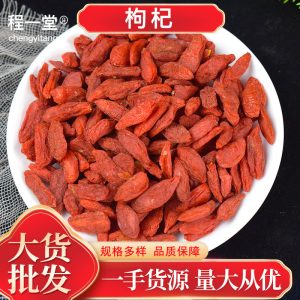
Ningxia Goji Berries Gou Qi Zi 500g Dried Red Wolfberry for Tea Soup and Snacking
Price range: $7.20 through $16.44
Reviews
There are no reviews yet.