
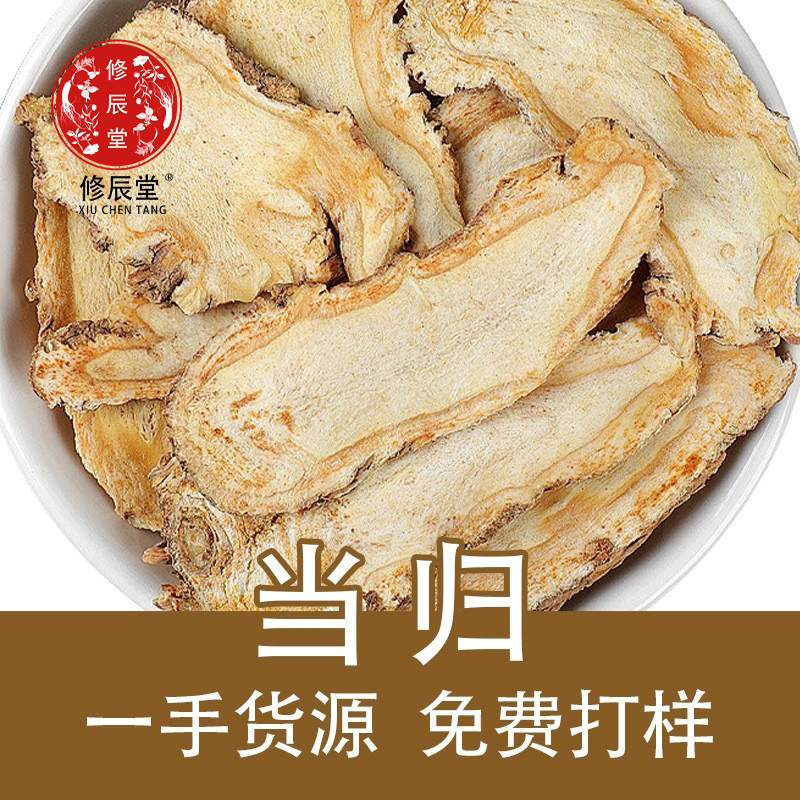
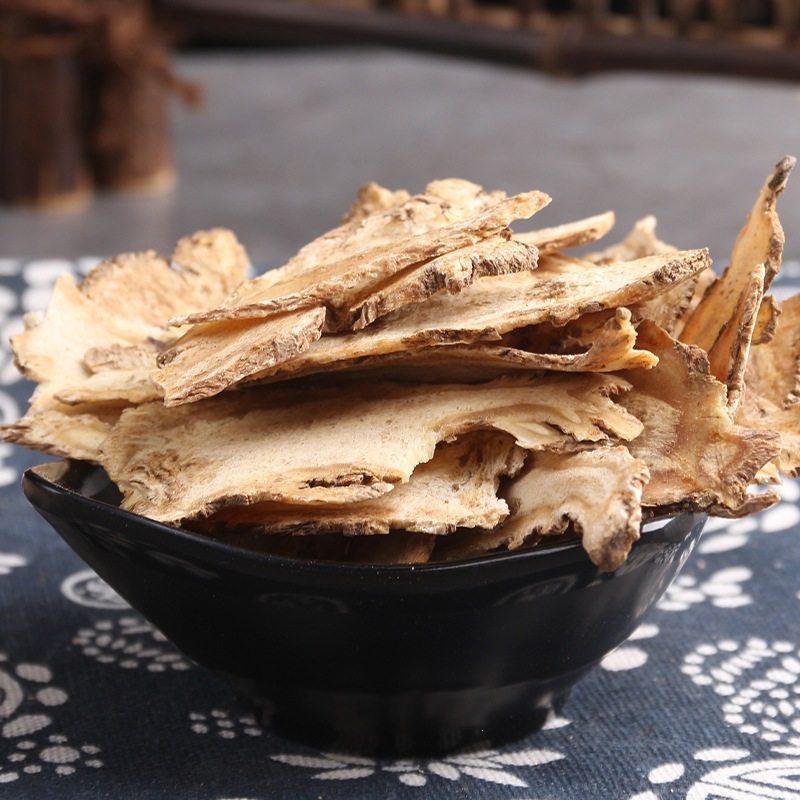
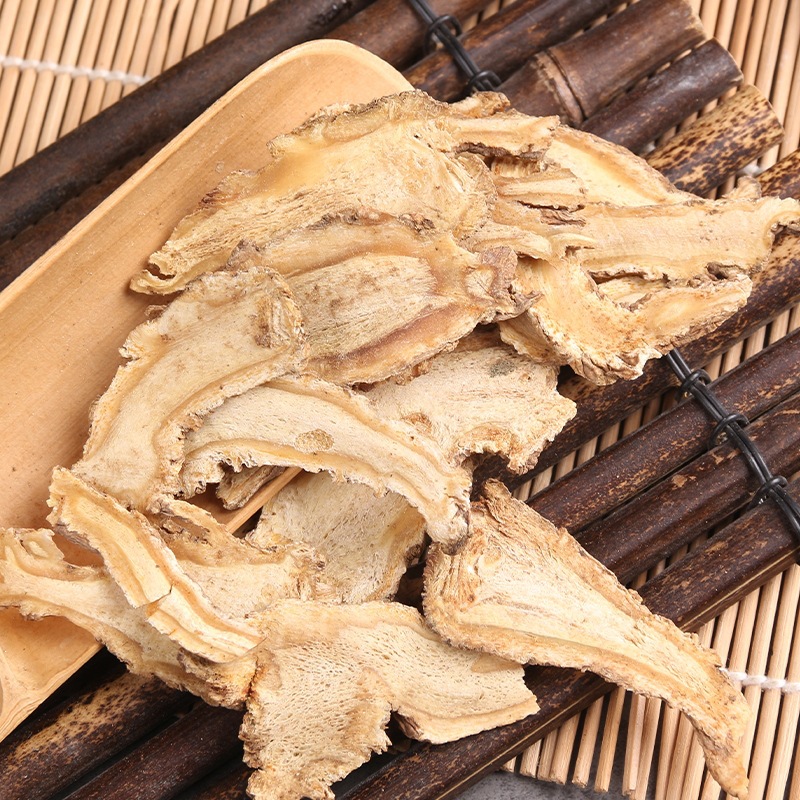
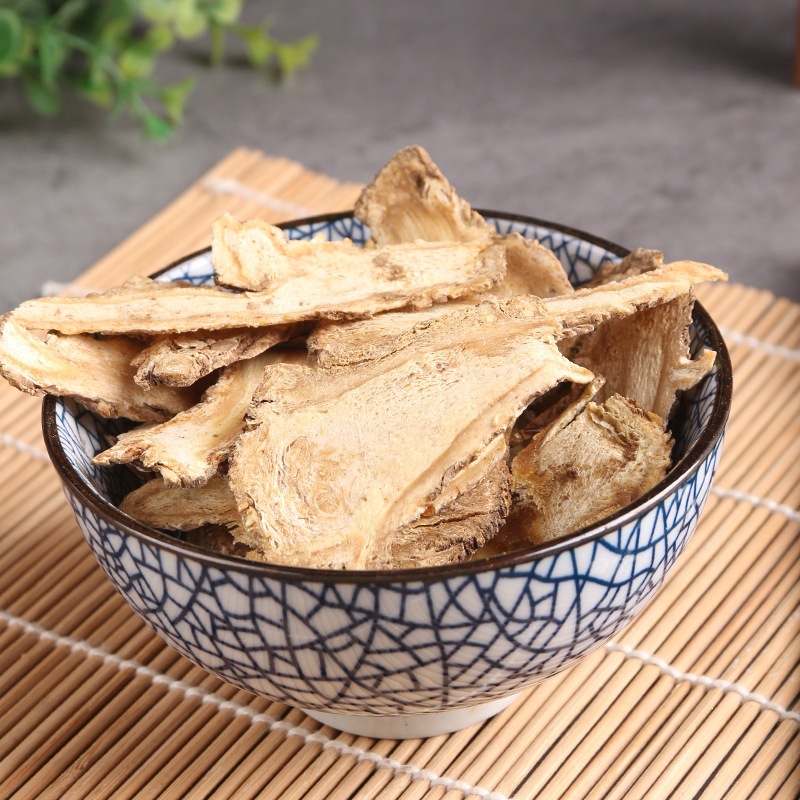
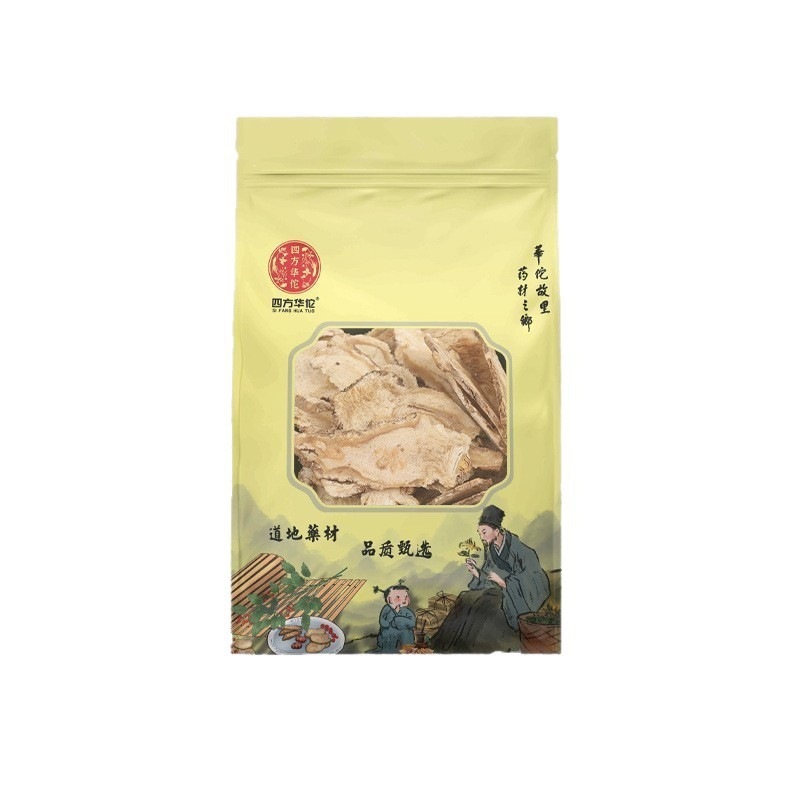
Dried Angelica Root Slices Dang Gui Head Slices for Herbal Soup and Decoction 250g
Price range: $8.67 through $35.71
Description
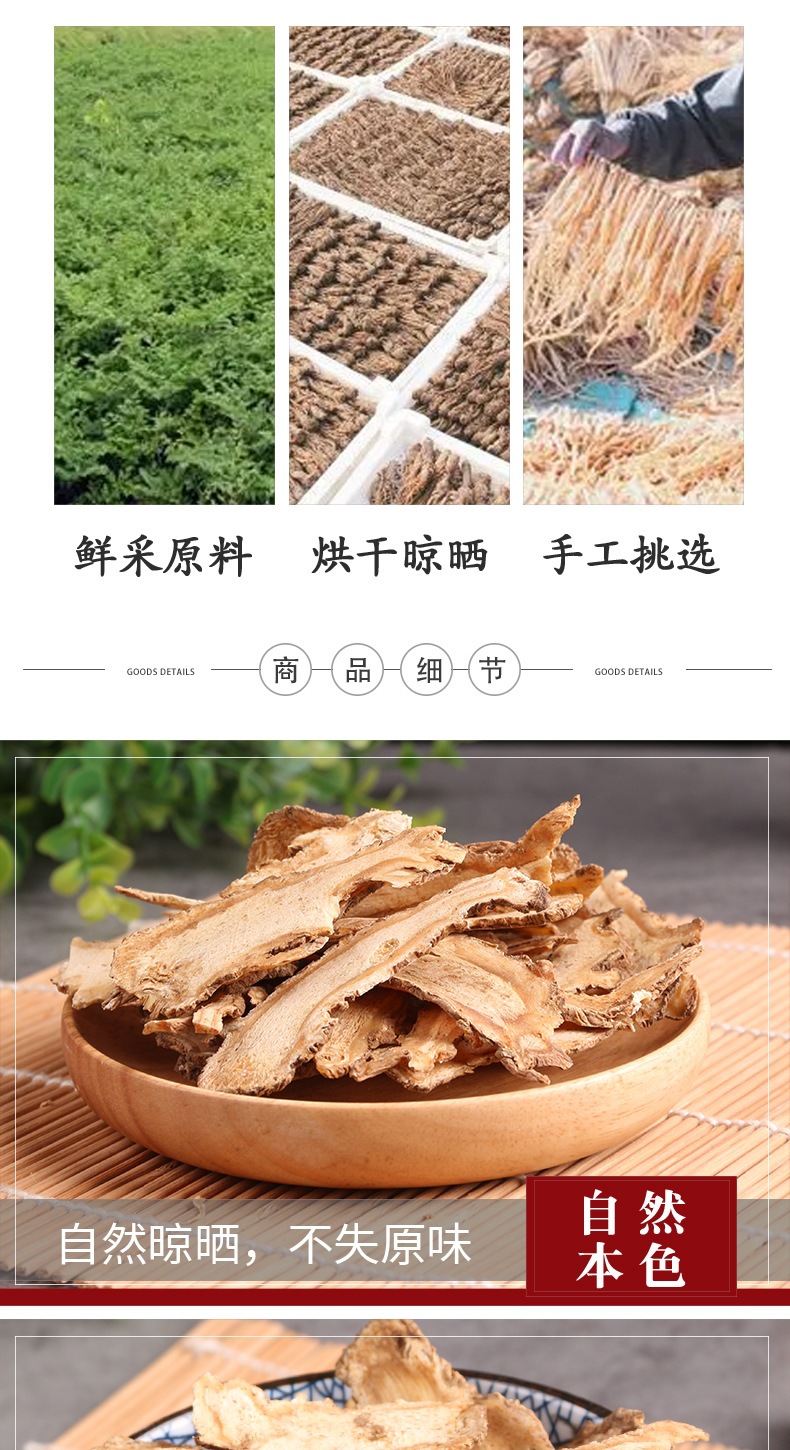
Dried Angelica Root Slices, known in TCM as Dang Gui (当归), from Angelica sinensis, are sliced pieces of the root head. In TCM theory, Dang Gui is warm and sweet with a tendency to enter the Liver, Heart, and Spleen channels. Traditionally used in decoctions, soups, and congee, these dried slices are a common household herbal ingredient for general wellness support.
Key Selling Points
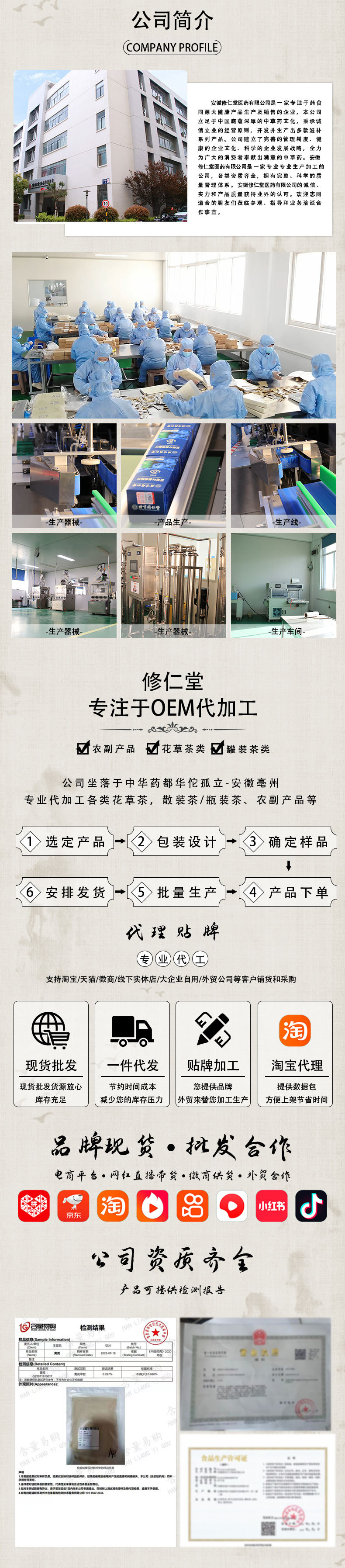
- Identified as Dang Gui (当归), the root of Angelica sinensis
- Sourced from Minxian, Gansu, a well-known production area
- Root head slices, air-dried without sulfur fumigation
- Dried decoction pieces suitable for soups and decoctions
- 250g net weight in a food-grade agricultural product format
Quality & Sensory
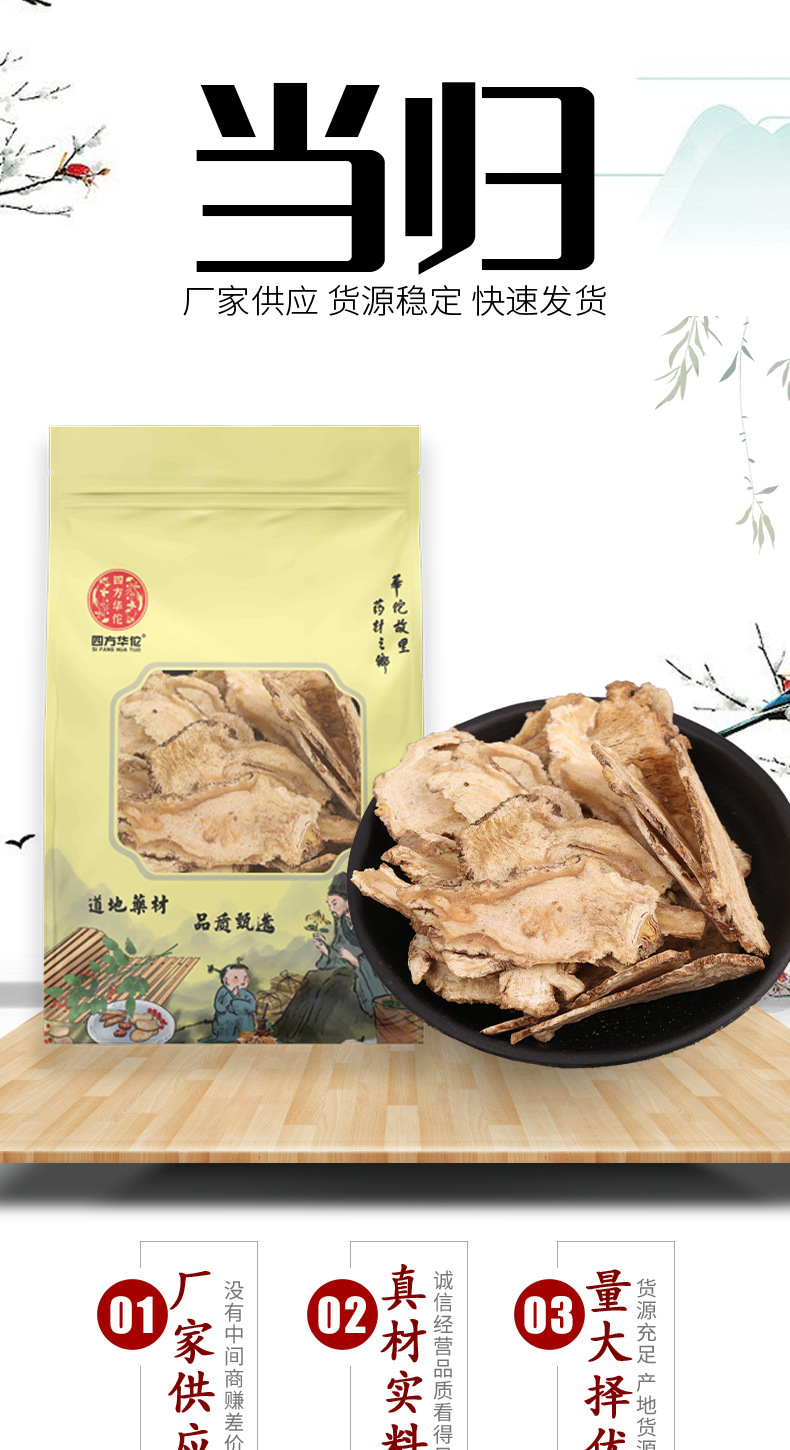
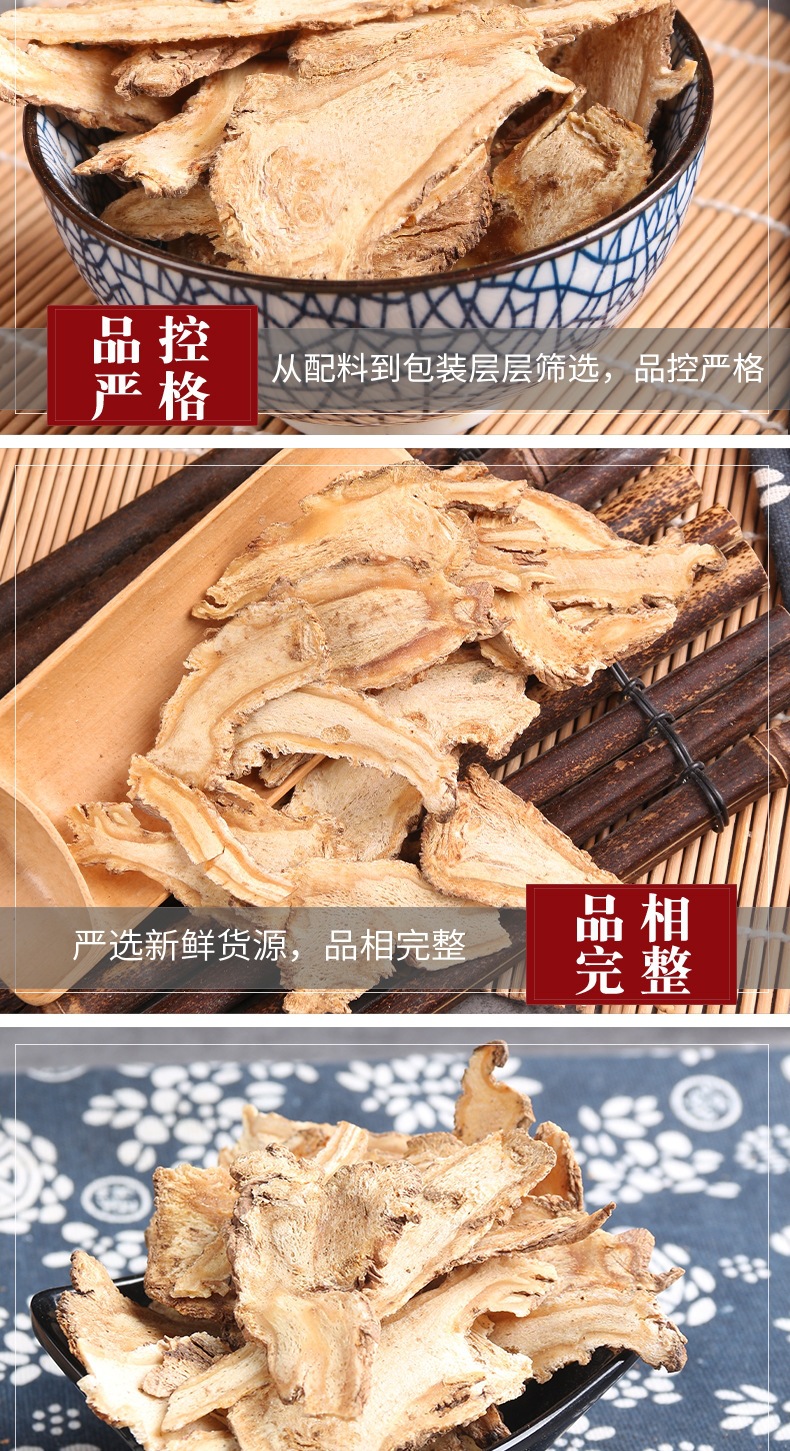
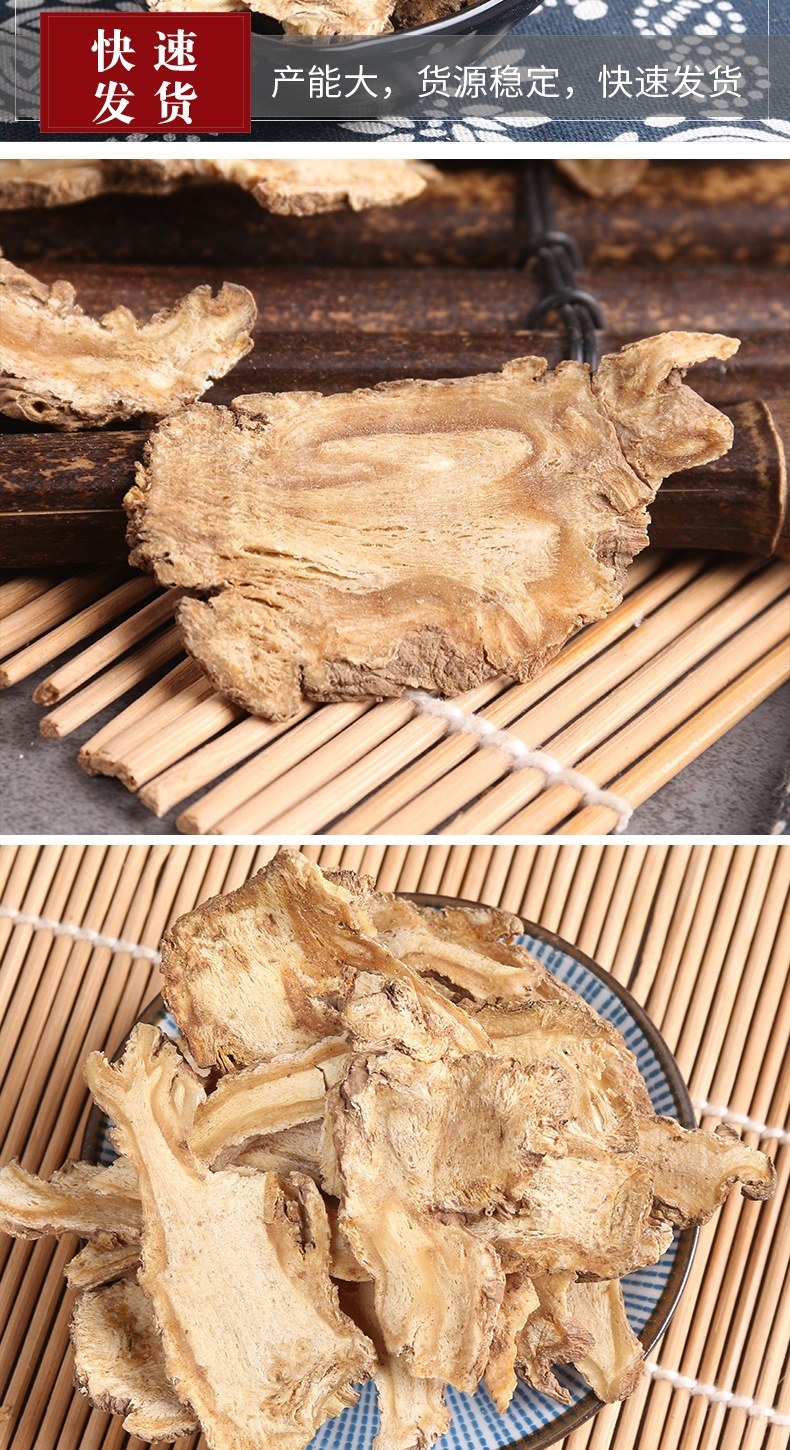
The slices are typically light yellowish-brown to brown with a firm, slightly fibrous texture. They have a characteristic sweet, earthy aroma. When decocted or simmered in soup, the liquid is typically mildly sweet and herbal, with a gentle warming quality.
Technical Specifications
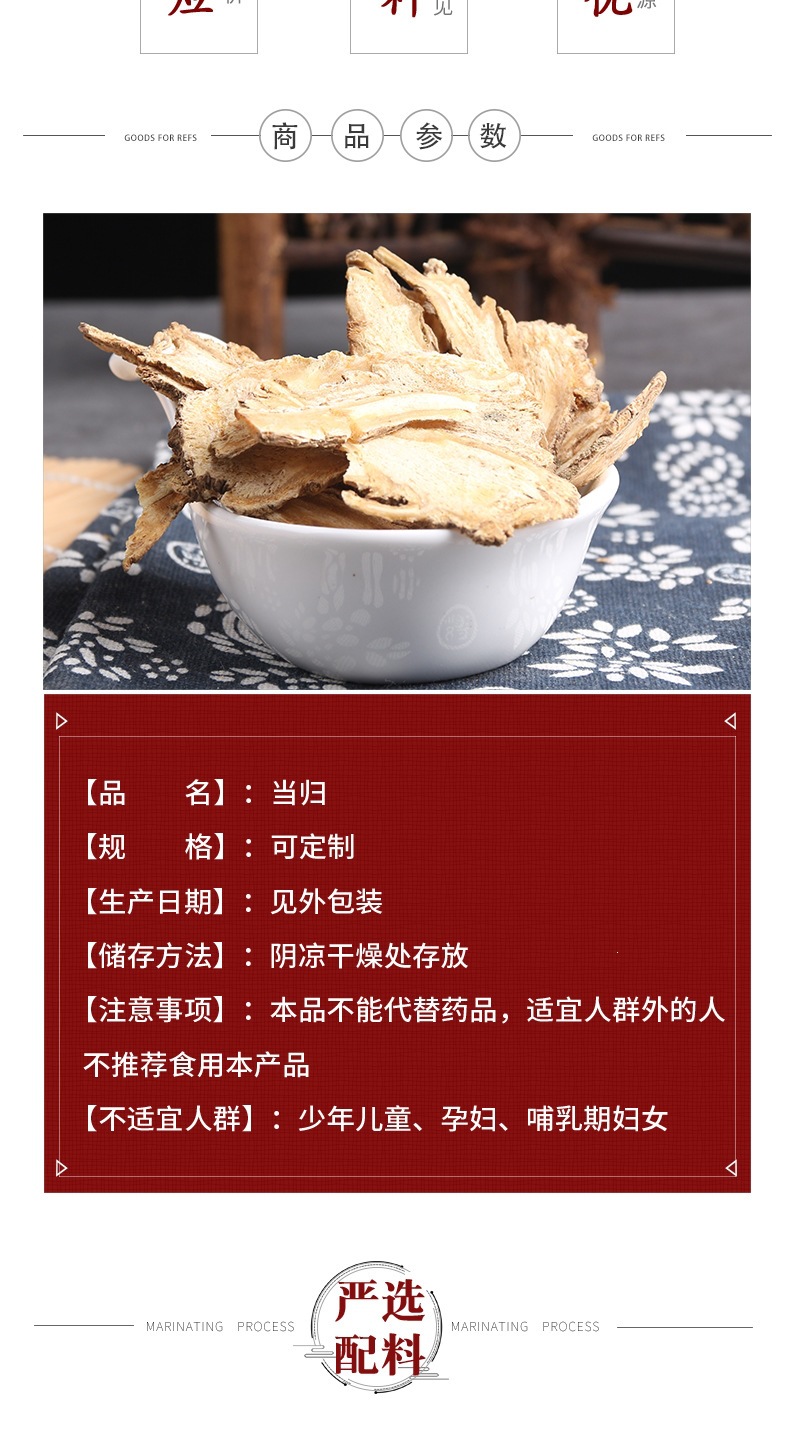
| Product Type | Dried herbal decoction pieces |
|---|---|
| Chinese Name | 当归 |
| Pinyin | Dang Gui |
| Botanical Name | Angelica sinensis |
| Plant Part | Root head |
| Form | Sliced |
Usage Scenarios
- Simmered in herbal soups with chicken or pork
- Added to traditional decoctions with other herbs
- Cooked into congee for a warming meal
- Used in seasonal home cooking as a culinary herb
Traditional Uses
In TCM theory, Dang Gui is traditionally used to nourish and invigorate the Blood and to regulate the menses. It is commonly simmered in soups with chicken, pork, or lamb, or decocted with herbs such as Huang Qi and Gou Qi Zi. It is also added to congee and seasonal warming dishes in folk practice.
FAQ Q&A
Q: What is this product?
A: It is dried Angelica sinensis root head slices, known in TCM as Dang Gui (当归), sold as a food-grade agricultural product.
Q: What is Dang Gui traditionally used for?
A: In TCM theory, it is traditionally associated with nourishing Blood and regulating the menses, and is often used in soups and decoctions.
Q: How is it commonly prepared?
A: It is typically simmered in water or soup with other herbs or meats, or cooked into congee. It is not usually eaten raw.
Additional information
| Weight | N/A |
|---|---|
| Dimensions | N/A |
| Model | 选装当归片100克, 选装当归片250克, 选装当归片500克, 选装当归片1000克 |
Related products
-

Cabinda Bark Dried Herb 500g Traditional Herbal Infusion Ingredient
Price range: $12.38 through $37.50 -
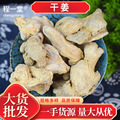
Dried Ginger Root Gan Jiang 500g Bulk Chinese Herb Zingiber officinale Rhizome for Decoction and Culinary Use
$5.90 -

Ningxia Goji Berries Gou Qi Zi 500g Dried Red Wolfberry for Tea Soup and Snacking
Price range: $7.20 through $16.44 -
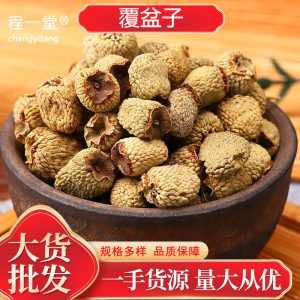
Dried Raspberry Fruit Fu Pen Zi Whole Berries for Herbal Tea and Wine Infusion 500g
Price range: $15.63 through $18.06
Reviews
There are no reviews yet.