
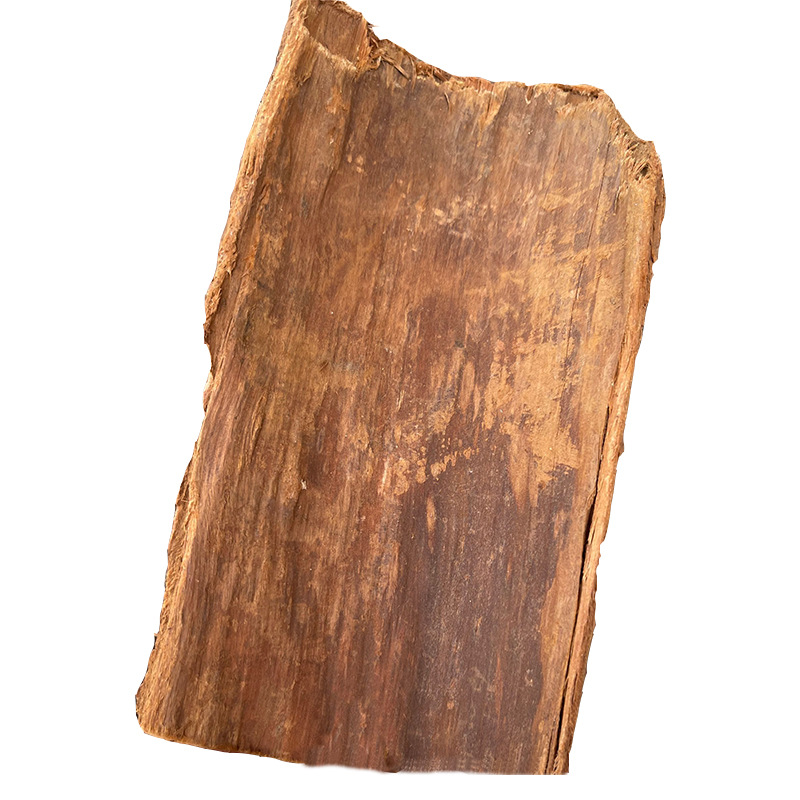
Cabinda Bark Dried Angolan Tree Bark for Herbal Tea and Infusions 500g Thick Cut
Price range: $11.13 through $35.71
Description
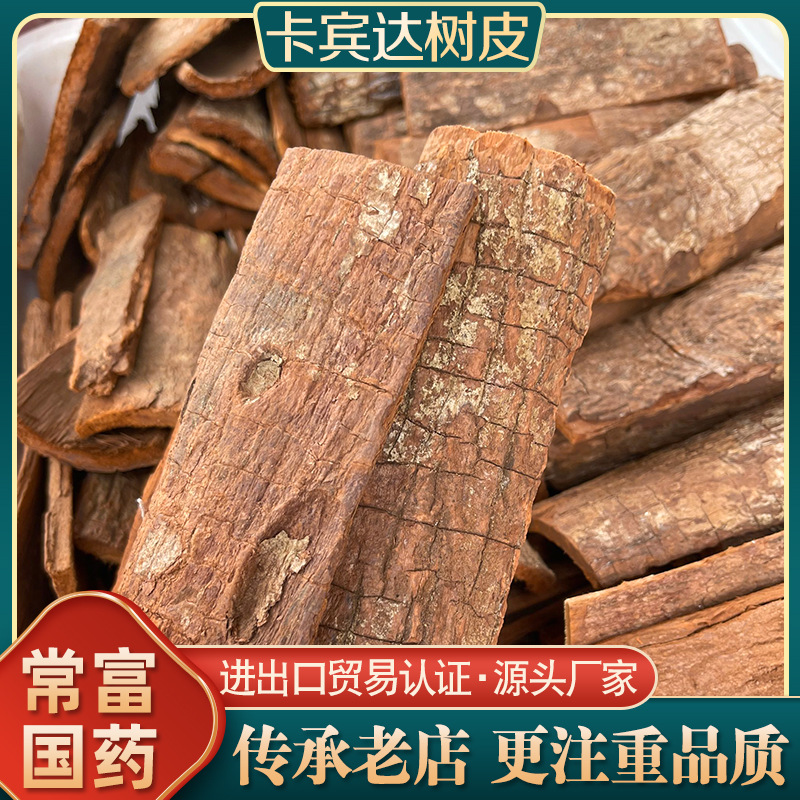
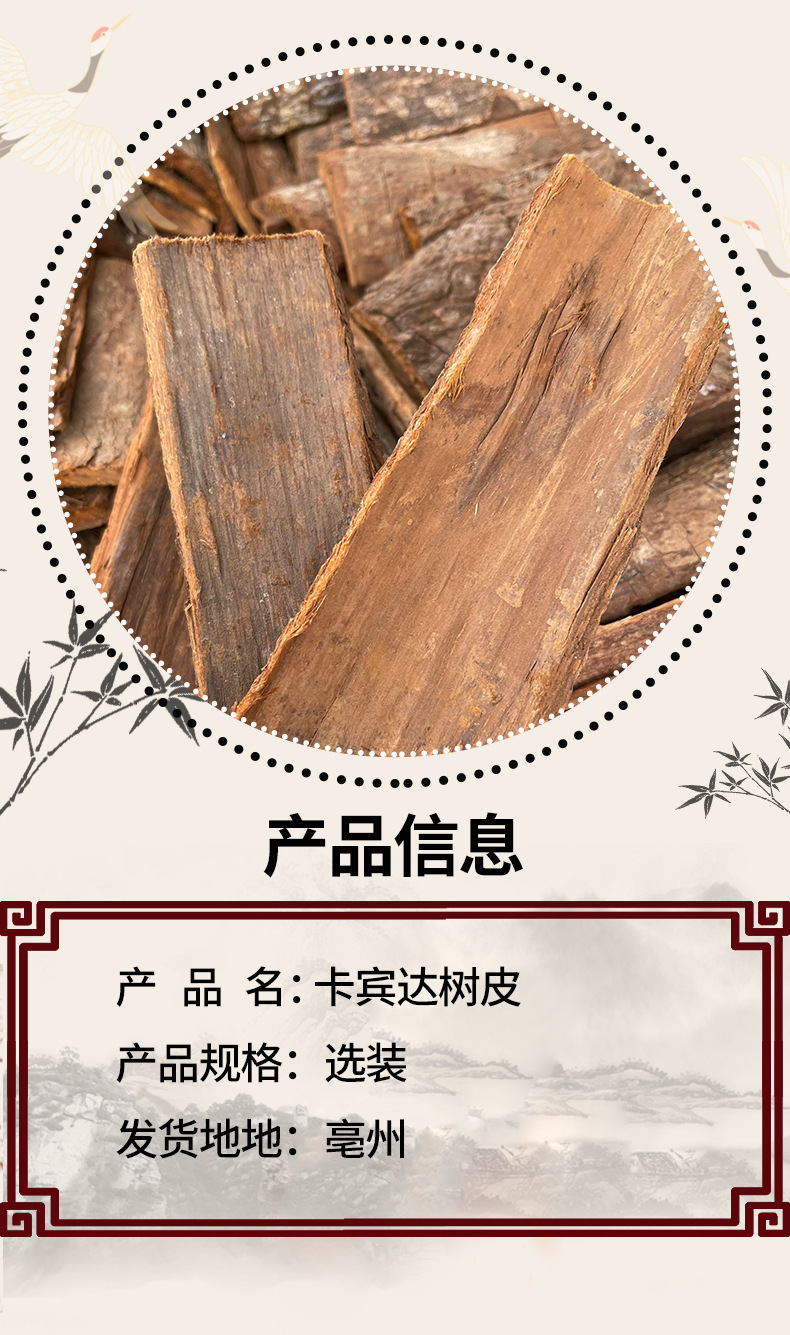
Cabinda Bark, known in Chinese herbal trade as Ka Bin Da Shu Pi (卡宾达树皮), is dried bark harvested from mature Angolan Cabinda trees. This listing offers thick-cut bark pieces, naturally sun-dried and sold as a raw botanical for traditional herbal use. In folk herbal practice it is traditionally associated with male vitality and general wellness. It is commonly prepared as a decoction, infusion, or added to herbal wine. This product is a food-grade raw herb and is not intended to replace medication.
Key Selling Points
- Authentic Cabinda tree bark sourced from Angola and sold as a raw edible botanical
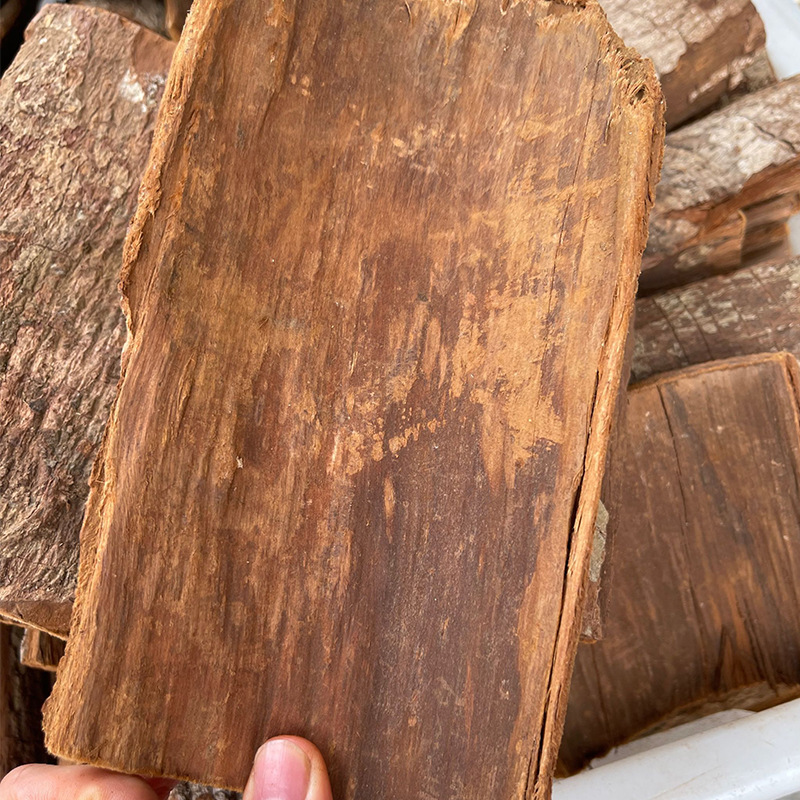
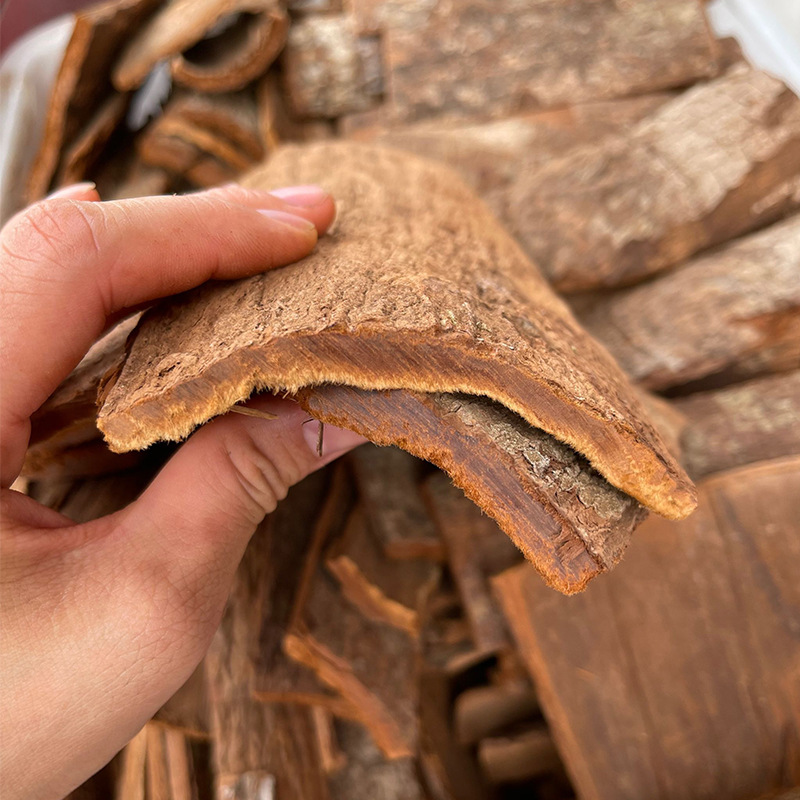
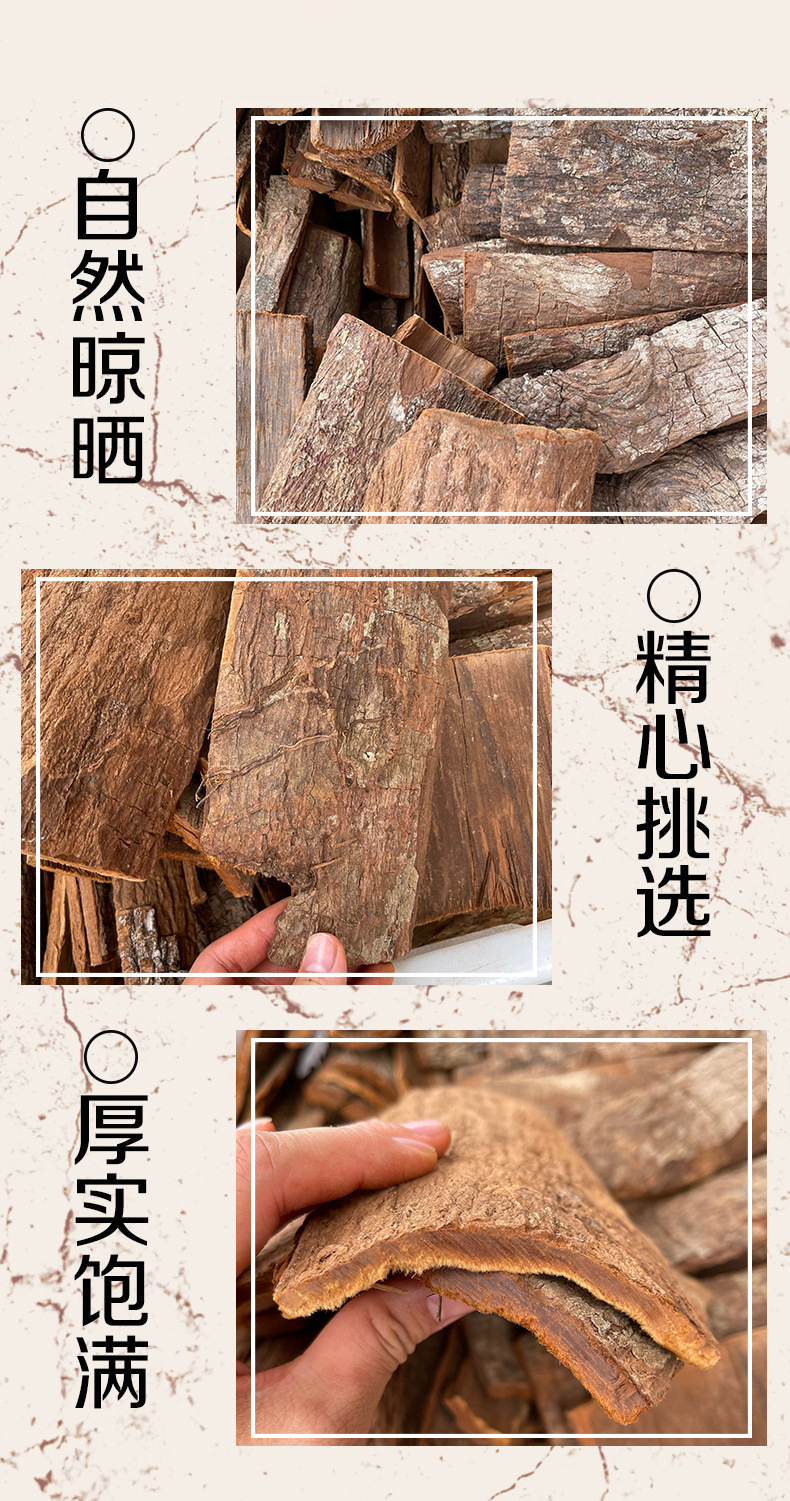
- Thick mature bark pieces around 1.8 cm, naturally sun-dried without further processing
- Traditionally used in folk herbalism for male vitality and daily wellness support
- Versatile form suitable for herbal tea, decoction, or traditional wine infusion
- Supplied in a 500g pack with a 12-month shelf life when stored cool and dry
Quality & Sensory
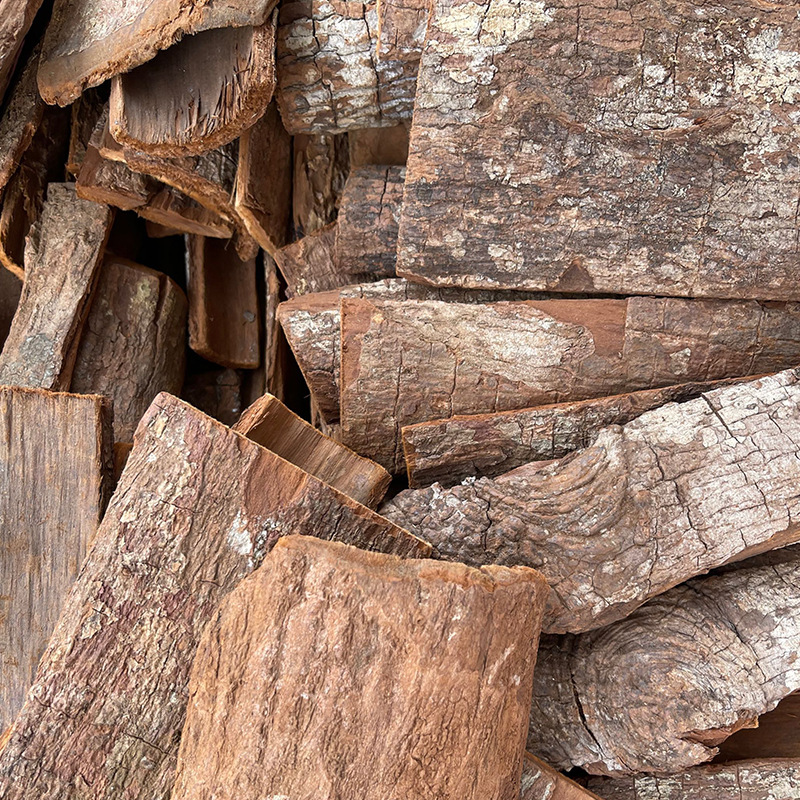
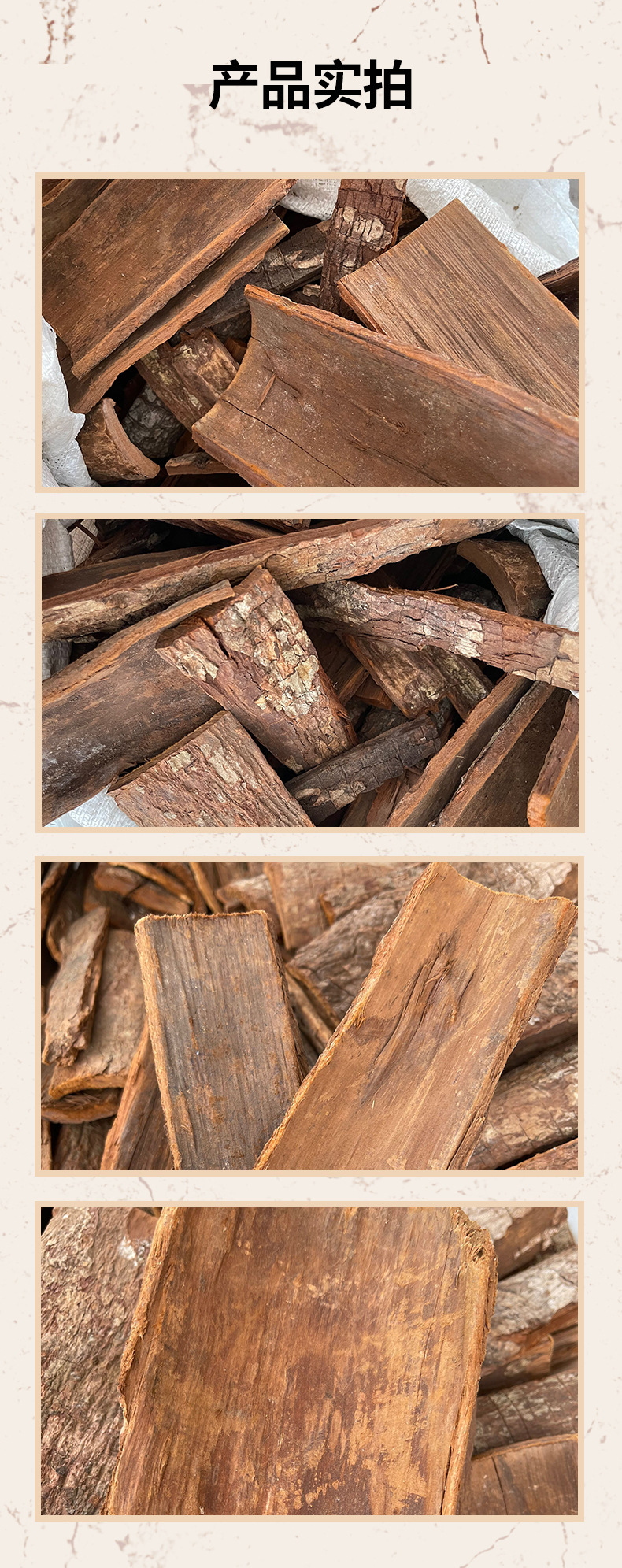
The bark pieces are typically dark brown to reddish-brown with a rough, fibrous outer surface and a dense, woody texture. The aroma is typically earthy and slightly astringent, and when simmered or steeped the liquid typically develops a deep amber tone with a bitter, woody taste.
Technical Specifications
| Product Type | Raw herb |
|---|---|
| Chinese Name | 卡宾达树皮 |
| Pinyin | Ka Bin Da Shu Pi |
| Plant Part | Tree bark |
| Form | Thick-cut dried bark pieces |
| Net Weight | 500 g |
Usage Scenarios
- Simmered as a traditional herbal decoction
- Steeped as a bitter herbal tea or infusion
- Added to herbal wine in folk preparation
- Used in slow-cooked herbal soups
Traditional Uses
In folk herbal practice, Cabinda bark has traditionally been associated with supporting male vitality and general stamina. It is most commonly prepared by simmering the bark in water to make a decoction, steeping it as a tea, or soaking it in liquor as a traditional infusion. Some users combine it with other tonic herbs in seasonal wellness routines. Traditional use does not constitute medical advice.
FAQ Q&A
Q: What is this product?
A: It is dried Cabinda tree bark from Angola, cut into thick pieces and sold as a raw botanical for traditional herbal preparation.
Q: What is it traditionally used for?
A: In folk herbalism it is traditionally associated with male vitality and general wellness, and it is commonly prepared as a decoction, tea, or wine infusion.
Q: How is it commonly prepared?
A: The bark is typically simmered in water for a decoction, steeped as a tea, or soaked in liquor according to traditional practice.

Additional information
| Weight | N/A |
|---|---|
| Dimensions | N/A |
| Packaging specifications | About 0 8 thick, 1 1 2 thick section, 1 3 1 5 thick style, About 1 8 thick |
Related products
-
Fritillaria Bulb Chuan Bei Mu Dried Chinese Herbal Bulbs for Decoction and Traditional Use 500g
Price range: $18.06 through $94.21 -
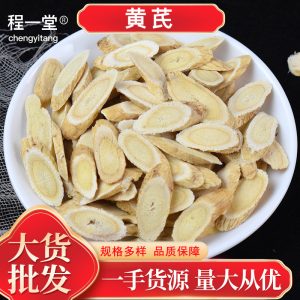
Astragalus Root Slices Huang Qi 斜片 Dried Herb for Decoction Soup and Tea 500g
Price range: $6.06 through $19.51 -
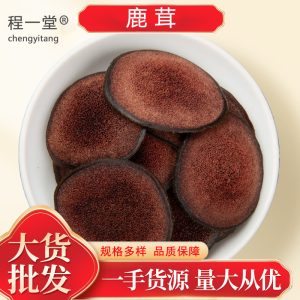
Deer Antler Slices Lu Rong 鹿茸片 Dried Slices for Wine Infusion and Soup 100g Wax Slices Pack
Price range: $68.29 through $92.59 -
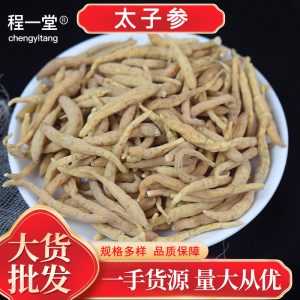
Taizishen Dried Pseudostellaria Root TCM Herbal Tea and Soup Ingredient 500g Bulk Pack
Price range: $10.28 through $15.63
Reviews
There are no reviews yet.