
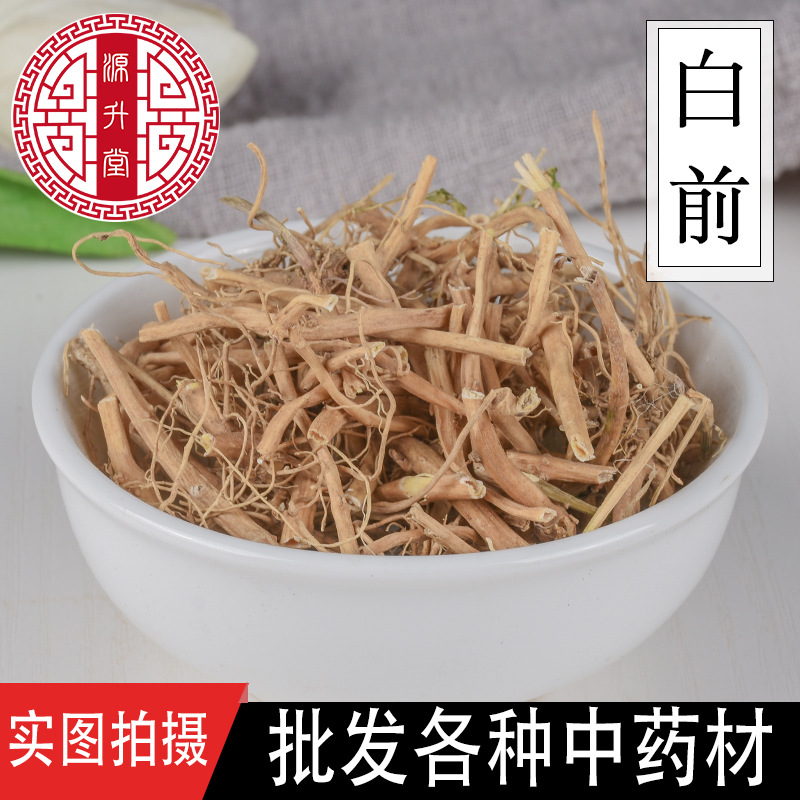
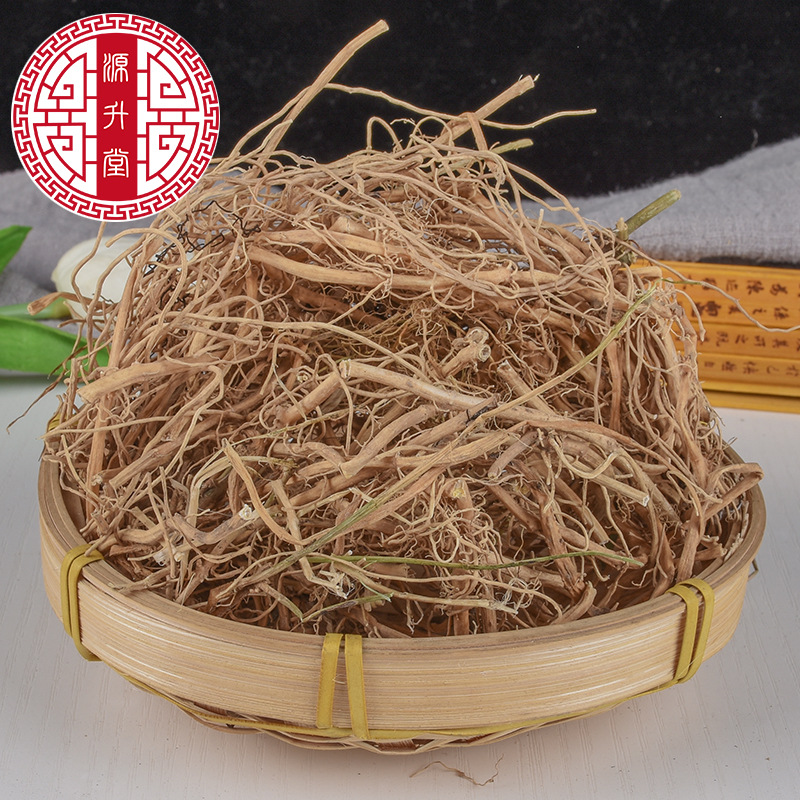
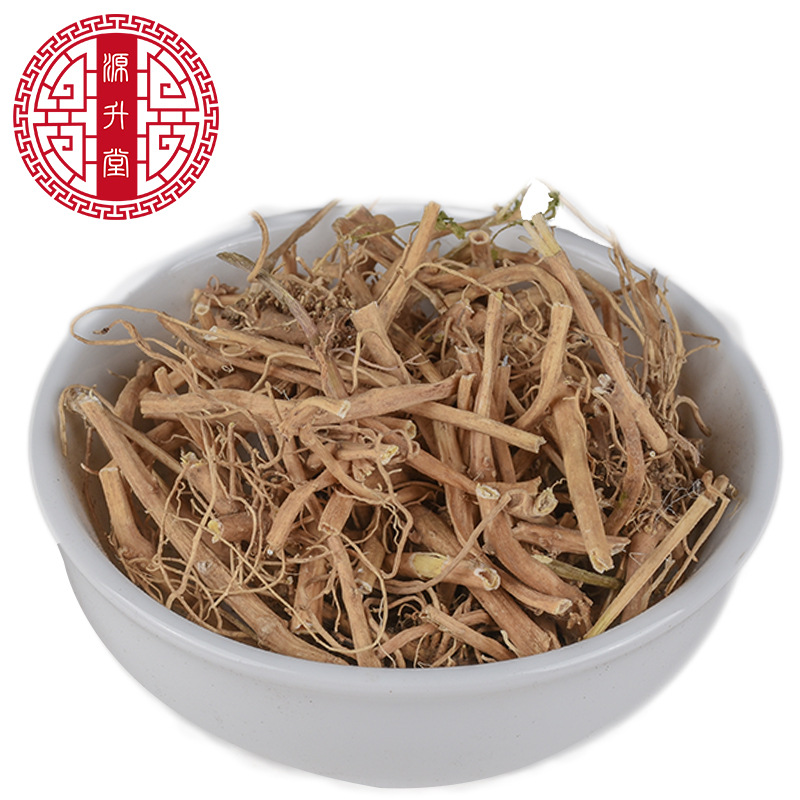
Bai Qian Root (Cynanchum stauntonii) — Dried Food-Herb Decoction Pieces, 500g
Price range: $7.12 through $9.60
Description
Bai Qian (Cynanchum stauntonii) is the dried root and rhizome of a traditional food herb known in Traditional Chinese Medicine (TCM) as Bái Qián (白前). For centuries, Bai Qian has been prized as a qi-directing, phlegm-transforming herb, traditionally used to ease cough, calm wheezing, and descend rebellious Lung qi. Its nature is acrid, bitter, and slightly warm, making it a focused yet gentle herb for soothing the Lung and restoring smooth breath.


Key Selling Points
- Traditional Lung-soothing food herb
- Dried Bai Qian root and rhizome pieces
- Cynanchum stauntonii
- Sourced from Hubei, China
- 500g value pack, new-crop quality
Quality & Sensory
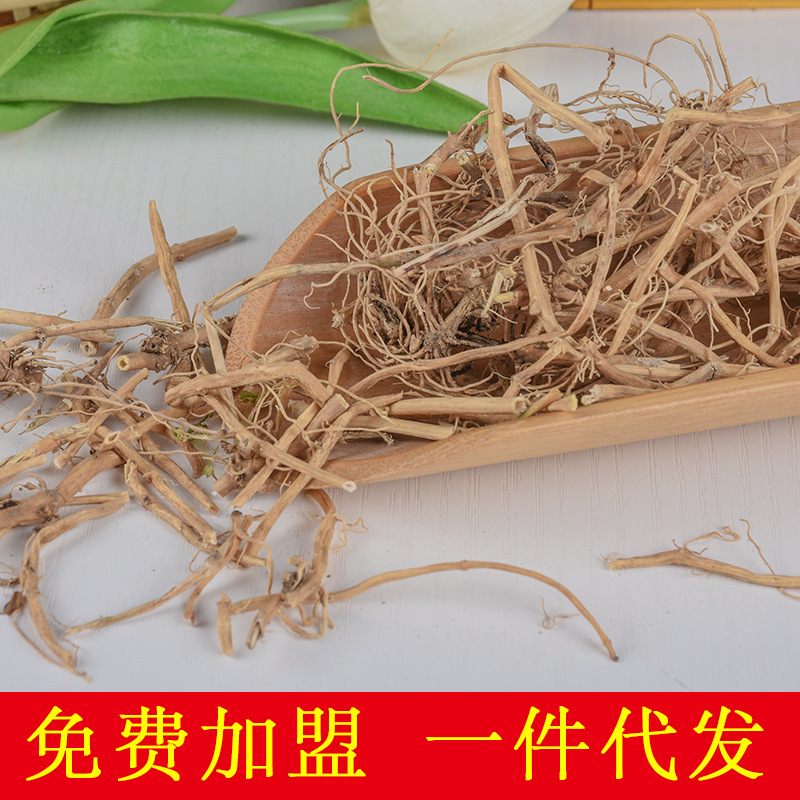
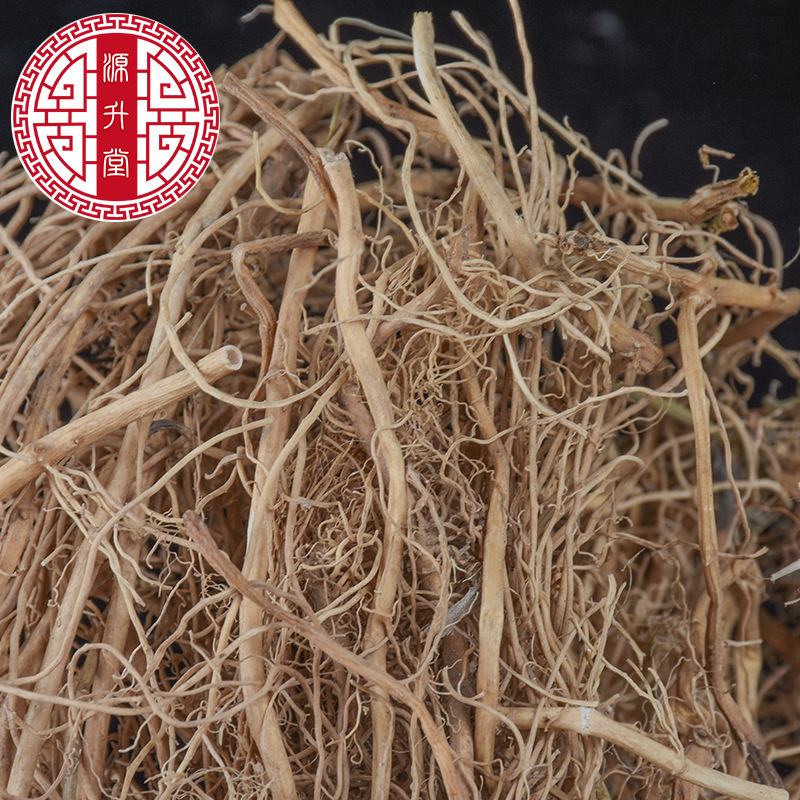
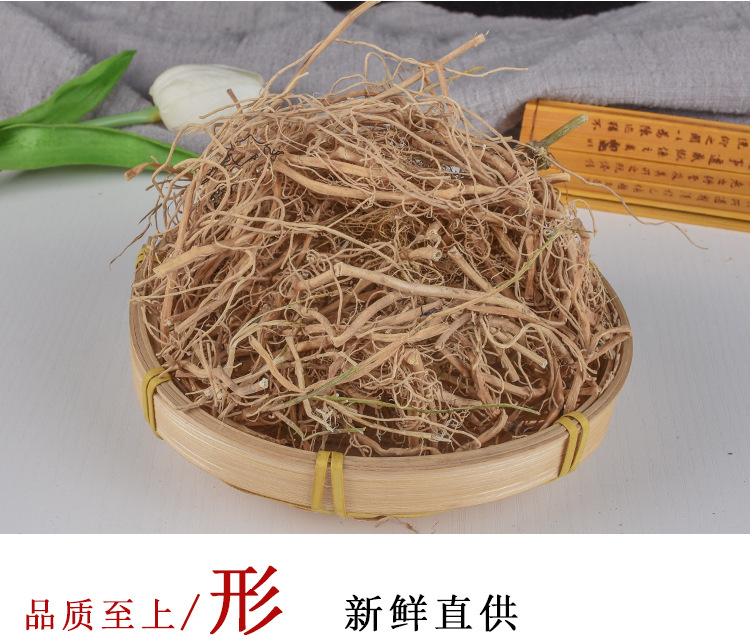
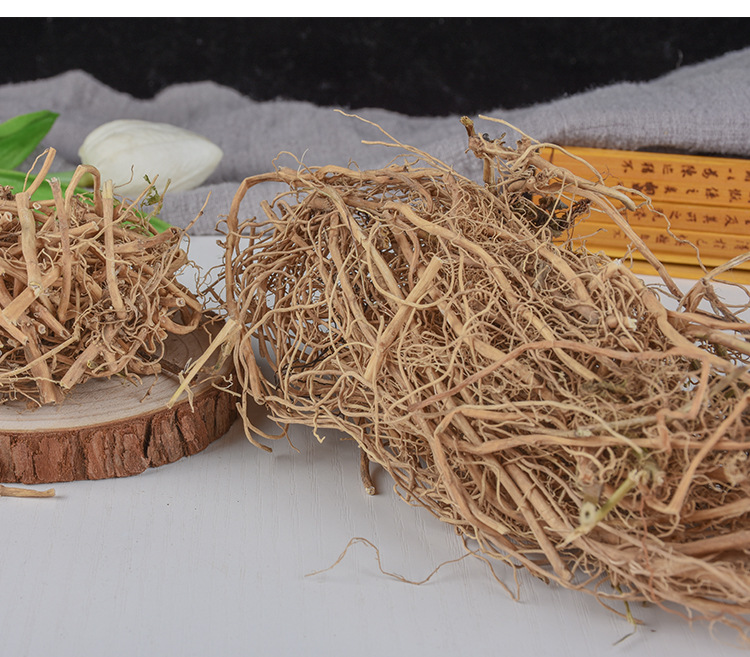
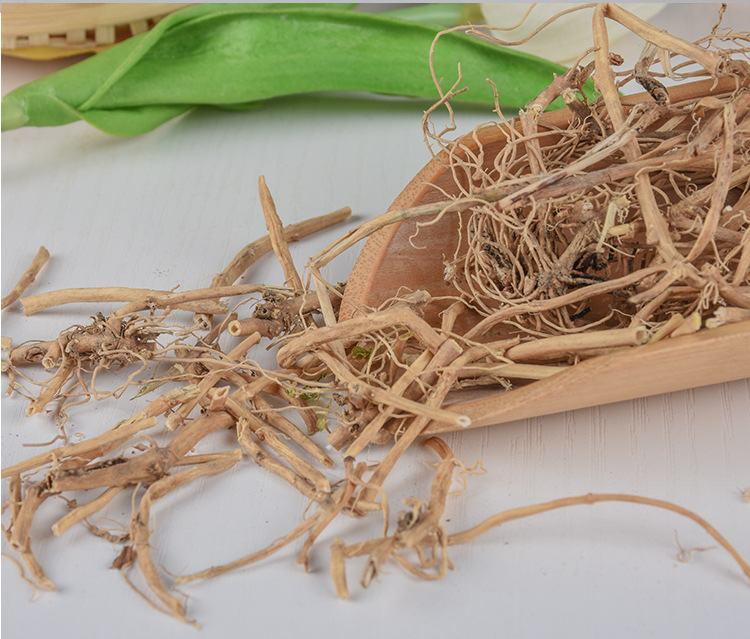
Each batch is carefully dried to preserve its pale grey-blue to stone-blue color, firm woody texture, and mild earthy aroma. When decocted, the pieces yield a light, subtly bitter infusion with a faint herbal sweetness, releasing their character slowly into the water.
Technical Specifications
| Product Type | Dried Herb Decoction Pieces |
|---|---|
| Common Name | Bai Qian |
| Botanical Name | Cynanchum stauntonii |
| Origin | Hubei, China |
| Net Weight | 500g |
| Storage | Store at room temperature, keep dry |

Usage Scenarios
- Herbal decoction with other food-herb ingredients
- Lung-soothing tea blends
- Seasonal soup and broth
- Medicinal food soup packs
- Daily food-herb wellness routine


Traditional Uses
In folk herbal practice, Bai Qian is decocted into soups and gentle daily teas to support the Lung and ease the chest. It is a common ingredient in seasonal decoctions, where it pairs with ingredients like almond, fritillary bulb, and tangerine peel. As a food-herb, it is simmered slowly in broths to bring a mild, earthy note to the pot.


FAQ Q&A
Q: What is Bai Qian?
A: Bai Qian is the common Chinese name for the dried root and rhizome of Cynanchum stauntonii. It is a traditional food herb used in decoctions and soups.
Q: What is the traditional wellness value of Bai Qian?
A: In traditional Chinese food wellness culture, Bai Qian is associated with soothing the Lung, transforming phlegm, and descending qi. It is often used in decoctions and soups for daily seasonal nourishment.
Q: How do I use dried Bai Qian pieces?
A: Rinse the pieces and simmer them with other food-herb ingredients in a decoction or soup, or brew them in hot water as part of a tea blend. Adjust the quantity to your recipe and taste preference.
Additional information
| Weight | N/A |
|---|---|
| Dimensions | N/A |
| Packaging specifications | High quality goods 0 5kg item, Select goods 0 5kg item |
Related products
-
Mu Dan Pi Slices (Moutan Cortex) — Unsmoked Dan Pi Root Bark for Cooking & Tea
Price range: $4.61 through $11.57 -
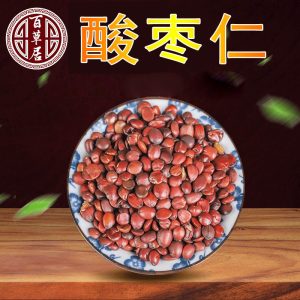
Suan Zao Ren (Ziziphus jujuba var. spinosa) — Hebei Stir-Fried & Raw Jujube Seed, 500g
Price range: $5.74 through $81.25 -
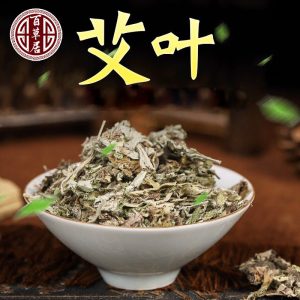
Dried Ai Ye (Artemisia argyi) — 3-Year Aged Qichun Mugwort Leaf, Unsulfured, 500g
Price range: $4.20 through $4.77 -
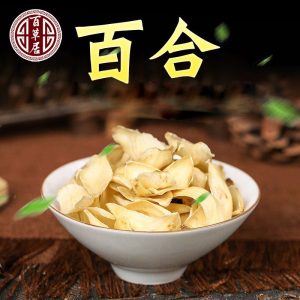
Bai He Dried Lily Bulb (Lilium lancifolium) — Sulfur-Free Hunan Lily for Tea, Soup & Congee
$11.25
Reviews
There are no reviews yet.