
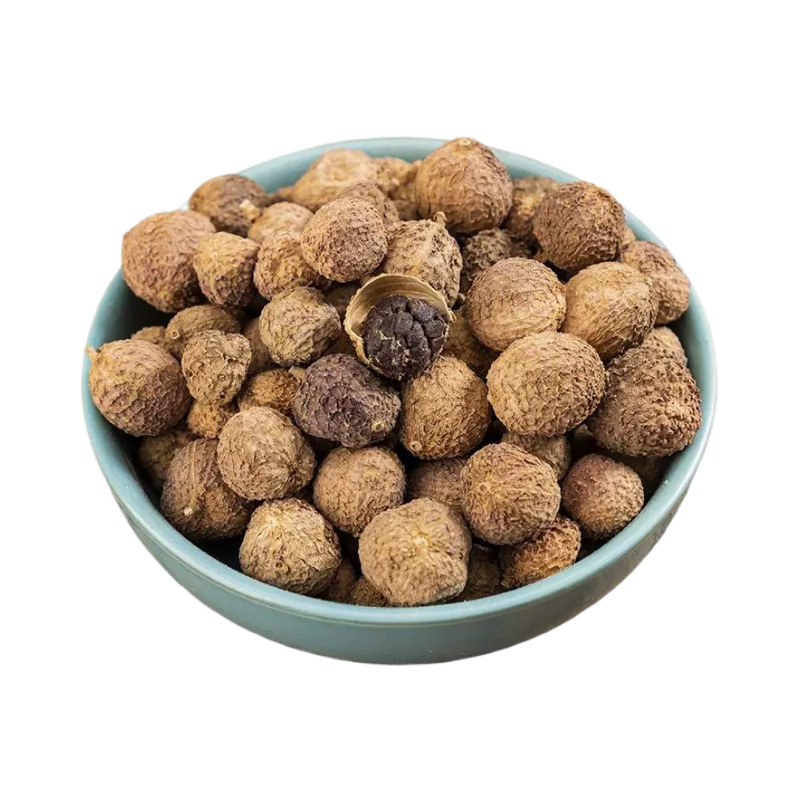
Yangchun Amomum Sha Ren Dried Fruit 500g Traditional Chinese Herb for Digestive Comfort and Cooking
Price range: $10.65 through $23.30
Description
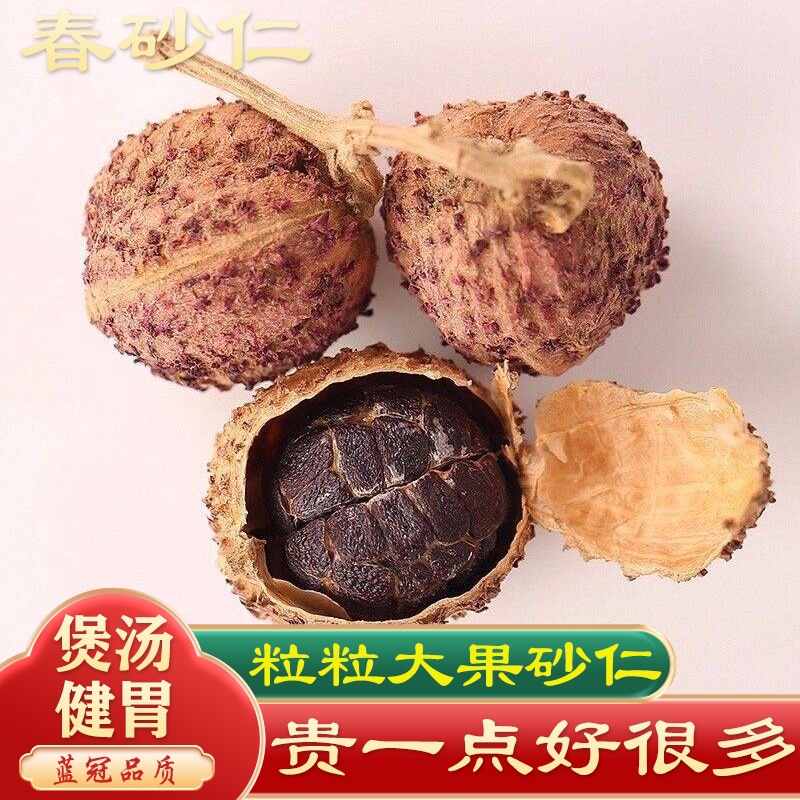
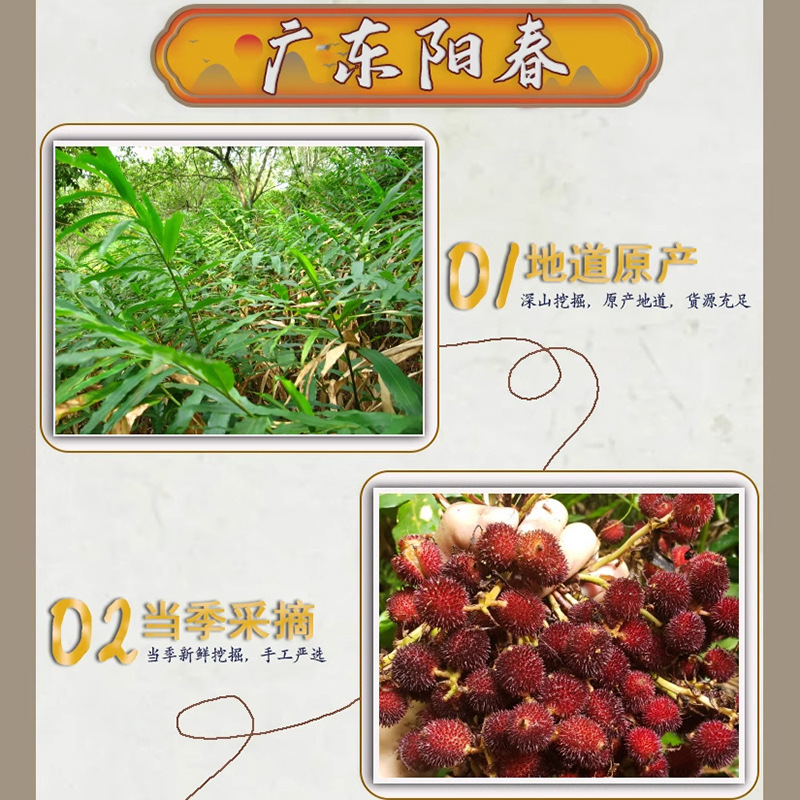
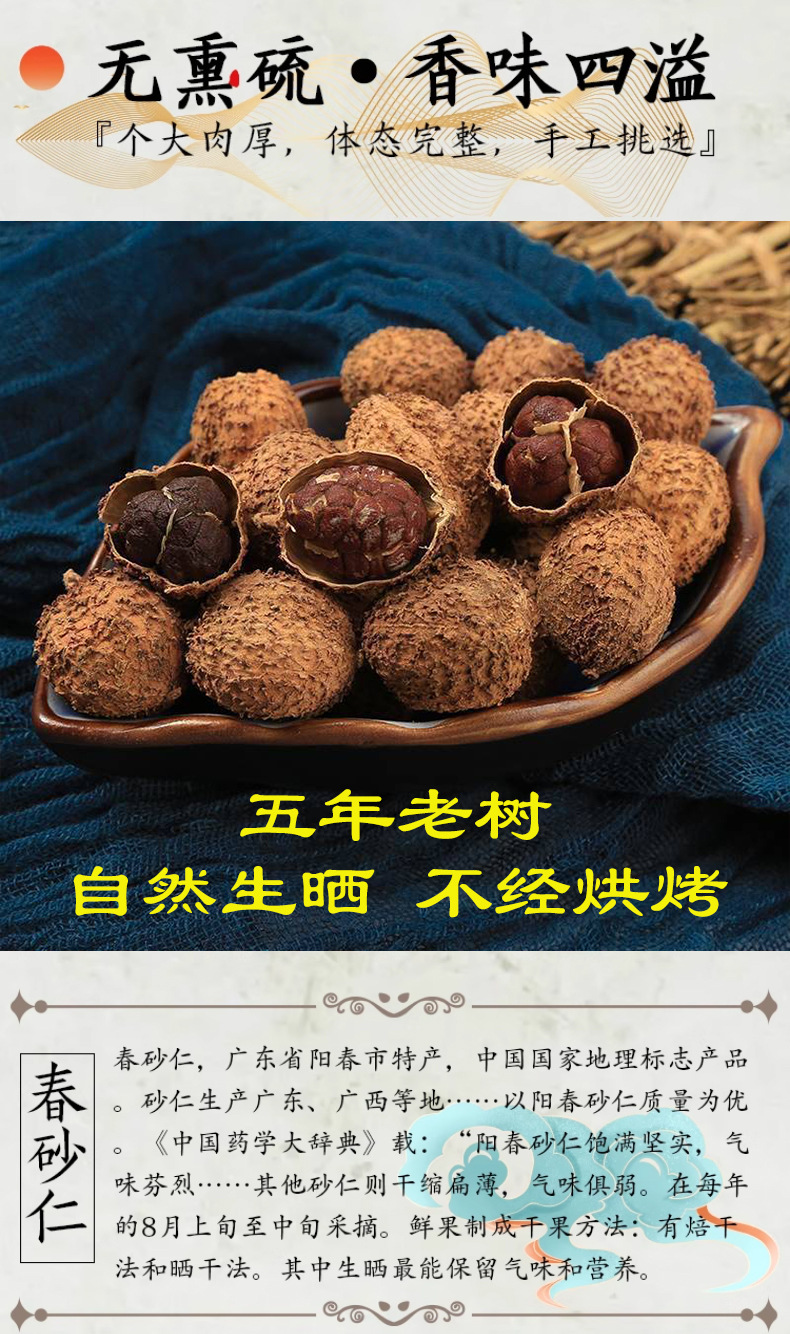
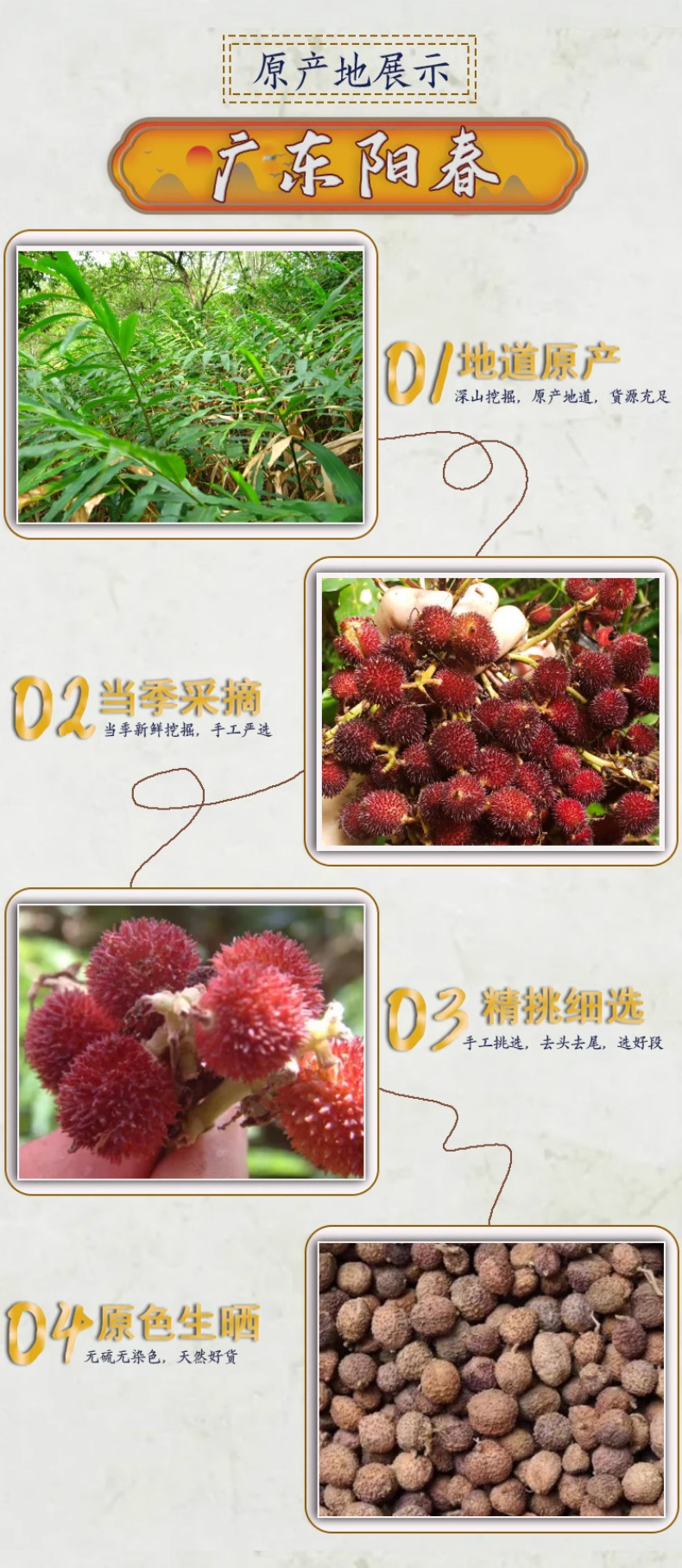
Yangchun Amomum, known in TCM as Sha Ren (砂仁), from Amomum villosum, is the dried ripe fruit of a ginger-family plant traditionally sourced from Yangchun, Guangdong. In TCM theory it is aromatic, pungent, and warm, entering the spleen, stomach, and kidney channels, and is traditionally associated with supporting digestive comfort. This hand-selected lot is sold as a raw culinary and herbal ingredient for decoctions, soups, and cooking.
Key Selling Points
- Authentic Yangchun Sha Ren (砂仁) dried fruit, a prized regional specialty of Guangdong
- Botanical source Amomum villosum, the species most valued in traditional Chinese herbal practice
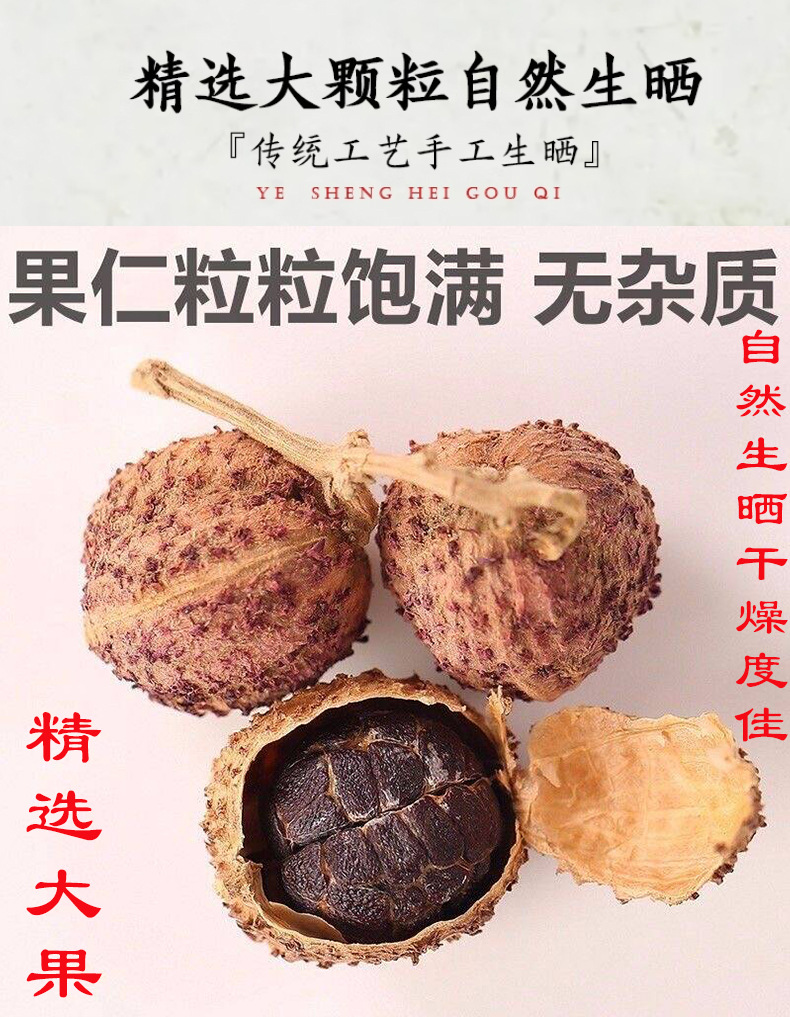
- Hand-selected whole fruits with intact aromatic seed clusters
- Traditionally used in TCM to support spleen and stomach comfort and ease damp-related fullness
- Versatile raw ingredient for decoctions, soups, congee, and savory cooking
Quality & Sensory
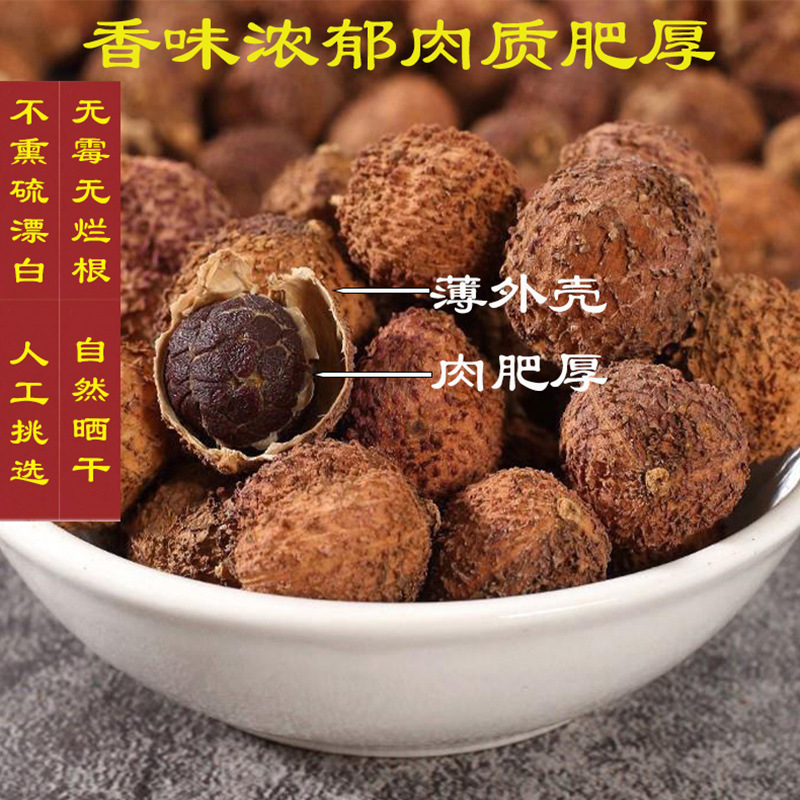
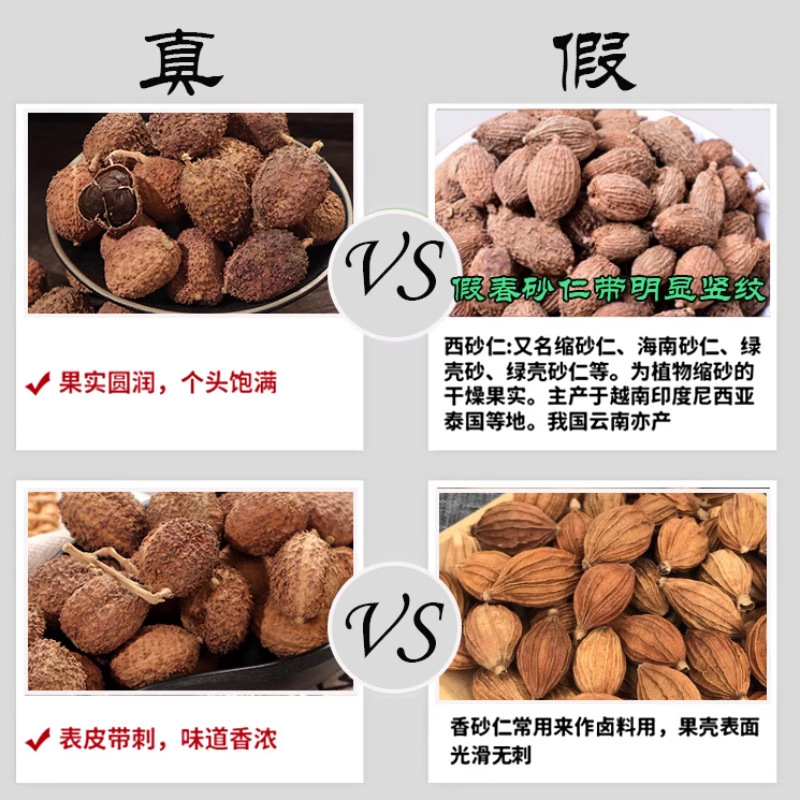
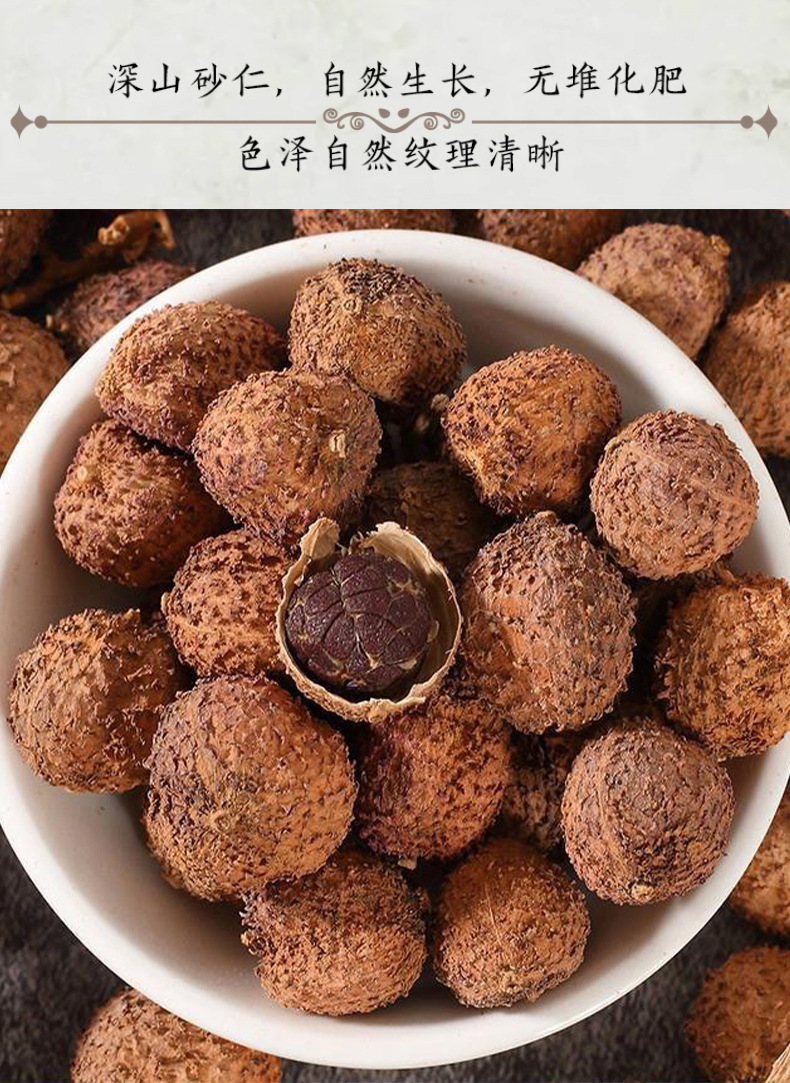
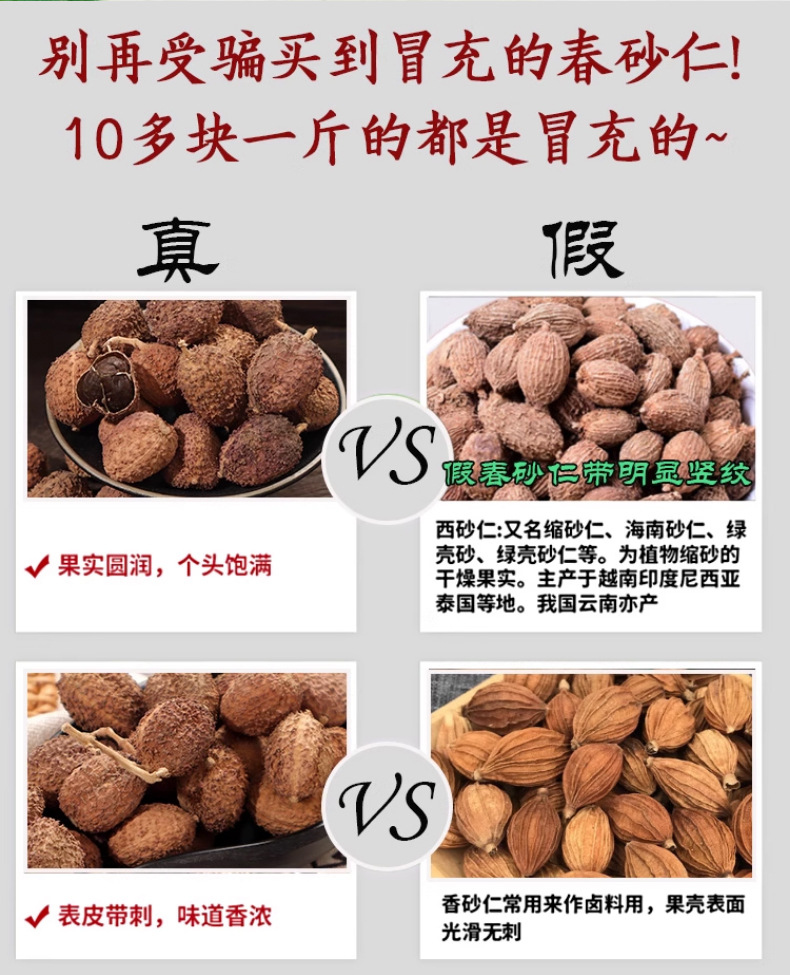
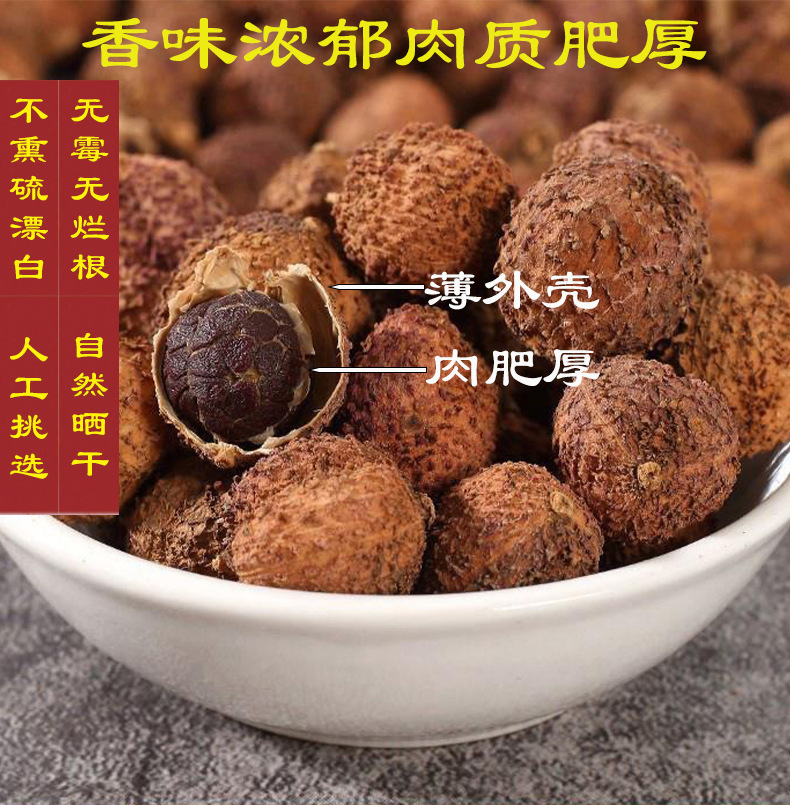
Whole dried fruits typically show a brownish-red, slightly prickly outer shell with a firm texture. The seeds inside are dark and strongly aromatic, releasing a camphor-like, spicy fragrance when crushed. In decoction the flavor is typically pungent, warm, and slightly bitter with a lingering aromatic note.
Technical Specifications
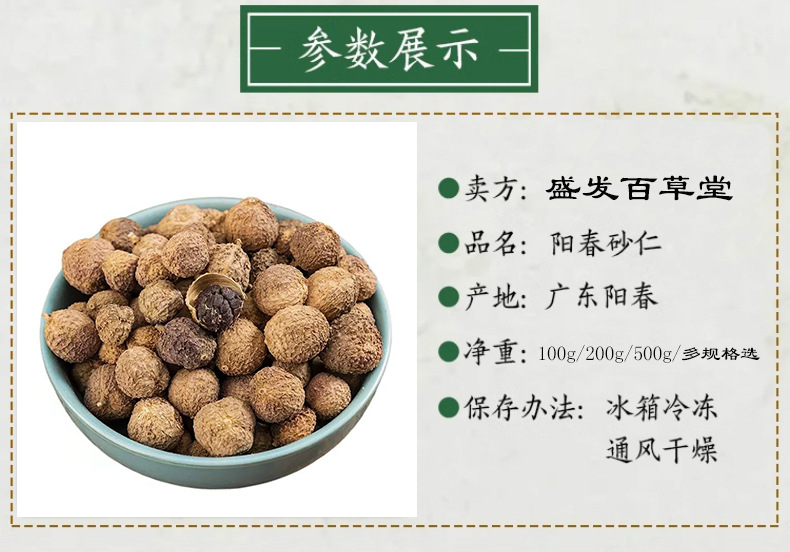
| Product Type | Raw herb, edible agricultural product |
|---|---|
| Chinese Name | 阳春砂 |
| Pinyin | Yangchun Sha Ren |
| Botanical Name | Amomum villosum |
| Plant Part | Dried ripe fruit |
| Net Weight | 500 g |
Usage Scenarios
- Simmered in herbal decoctions with other digestive herbs
- Added whole or crushed to slow-cooked soups and braises
- Cooked into congee for a traditional warming breakfast
- Used as an aromatic spice in meat dishes and marinades
Traditional Uses
In TCM practice, Sha Ren is traditionally used to move qi, transform dampness, and warm the middle burner, and it appears in classical formulas such as Xiang Sha Liu Jun Zi Tang. Cooks often crack the fruits and add them near the end of simmering to preserve the volatile aroma. It is also a familiar ingredient in Cantonese soups and medicinal cuisine, especially during damp or humid seasons.
FAQ Q&A
Q: What is this product?
A: It is 500 g of hand-selected dried whole fruits of Amomum villosum, known in TCM as Yangchun Sha Ren (砂仁), sold as a raw edible agricultural product.
Q: What is it traditionally valued for?
A: In TCM theory it is pungent and warm and is traditionally associated with supporting spleen and stomach function and resolving dampness. These are traditional uses, not medical claims.
Q: How is it commonly prepared?
A: The fruits are usually crushed or cracked and simmered briefly in decoctions, soups, or congee, or used whole as an aromatic spice in cooking.
Additional information
| Weight | N/A |
|---|---|
| Dimensions | N/A |
| Packaging specifications | 100g net weight of amomum villosum, 200g net weight of amomum villosum, 500g net weight of amomum villosum |
Related products
-
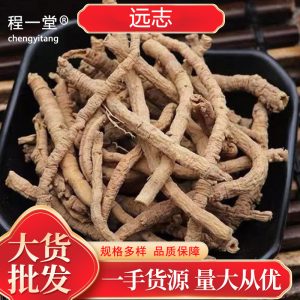
Dried Polygala Root Yuan Zhi 500g Traditional Chinese Herb for Decoction
Price range: $18.87 through $24.54 -
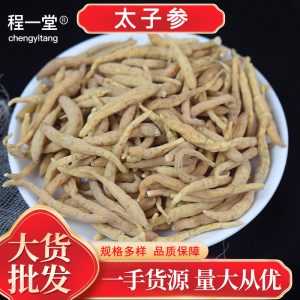
Taizishen Dried Pseudostellaria Root TCM Herbal Tea and Soup Ingredient 500g Bulk Pack
Price range: $10.28 through $15.63 -
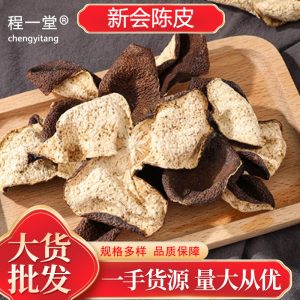
Xinhui Chenpi Dried Tangerine Peel 500g Sun Dried Aged Peel for Soup and Tea
Price range: $60.19 through $116.90 -

Dried Huang Jing Slices Polygonatum Rhizome Chicken Head Huang Jing 500g Bulk Herbal Tea and Soup Ingredient
Price range: $9.14 through $18.87
Reviews
There are no reviews yet.