
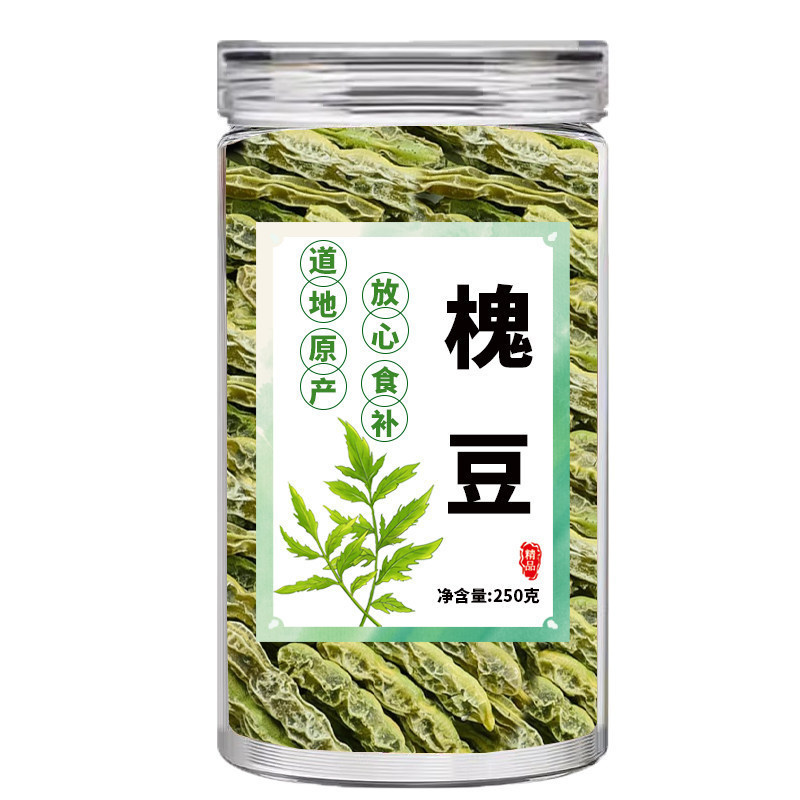
Wild Sophora Japonica Fruit Huai Jiao Dried Herb for Cooking and Decoction 500g
Price range: $5.67 through $8.65
Description
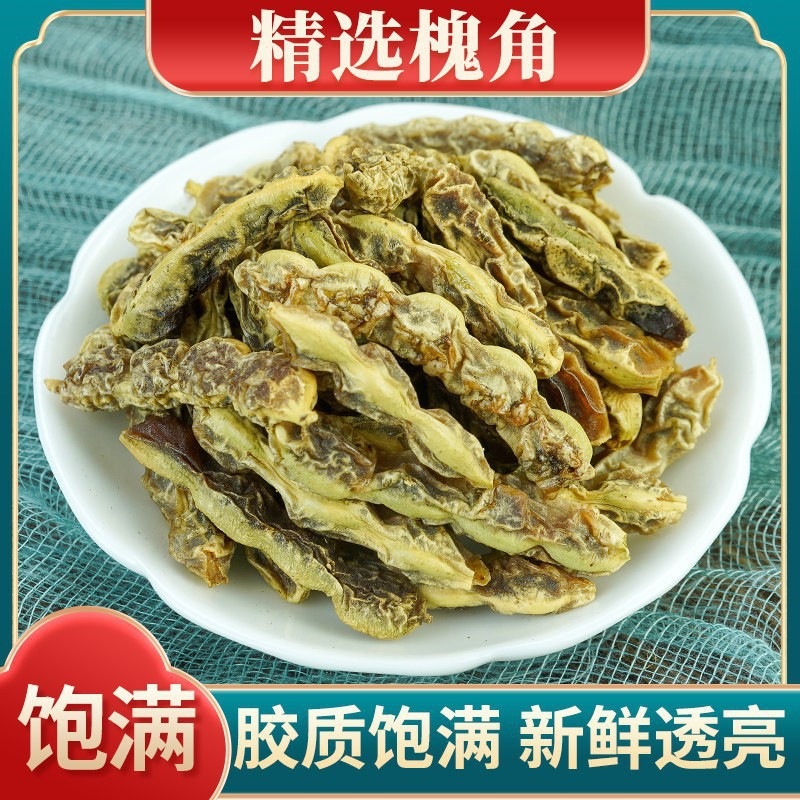
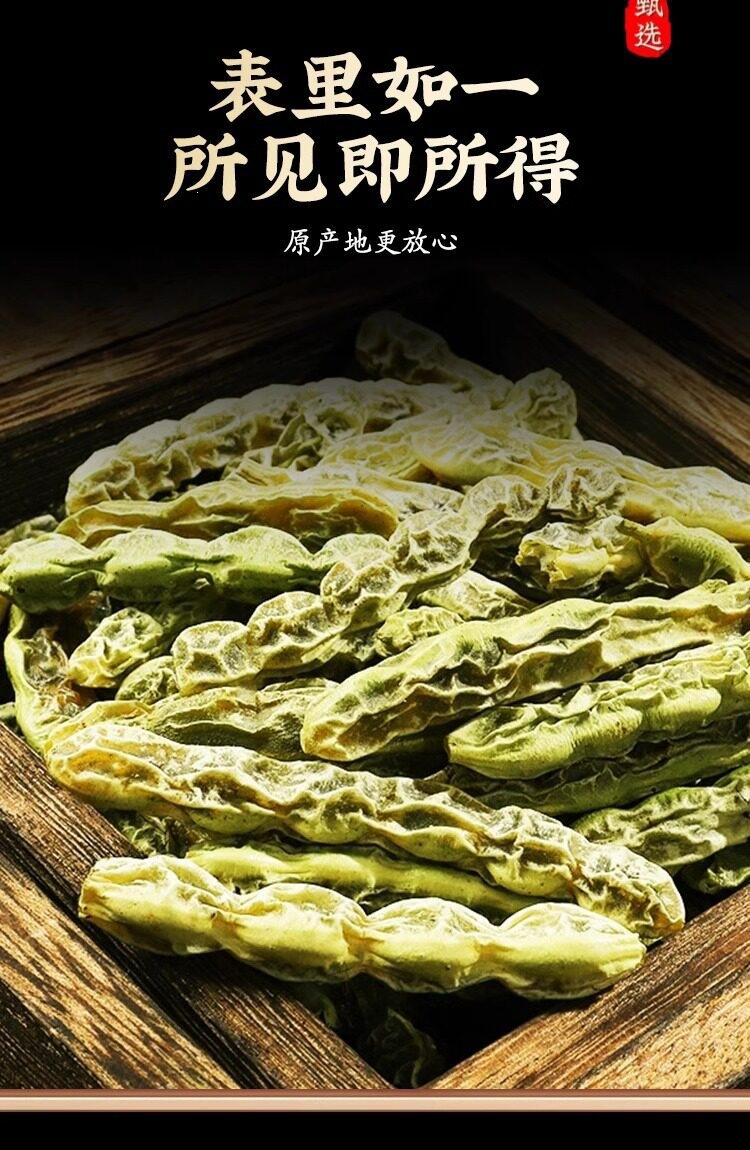
Dried Wild Sophora Fruit, known in TCM as Huai Jiao (槐角) or Huai Shi Zi, from Sophora japonica. These naturally sun-dried pods are a traditional Chinese herbal ingredient used in cooking and decoctions. In TCM theory, Huai Jiao is bitter and cold, traditionally associated with the Liver and Large Intestine channels. It is commonly prepared in soups or simmered as a herbal decoction.
Key Selling Points
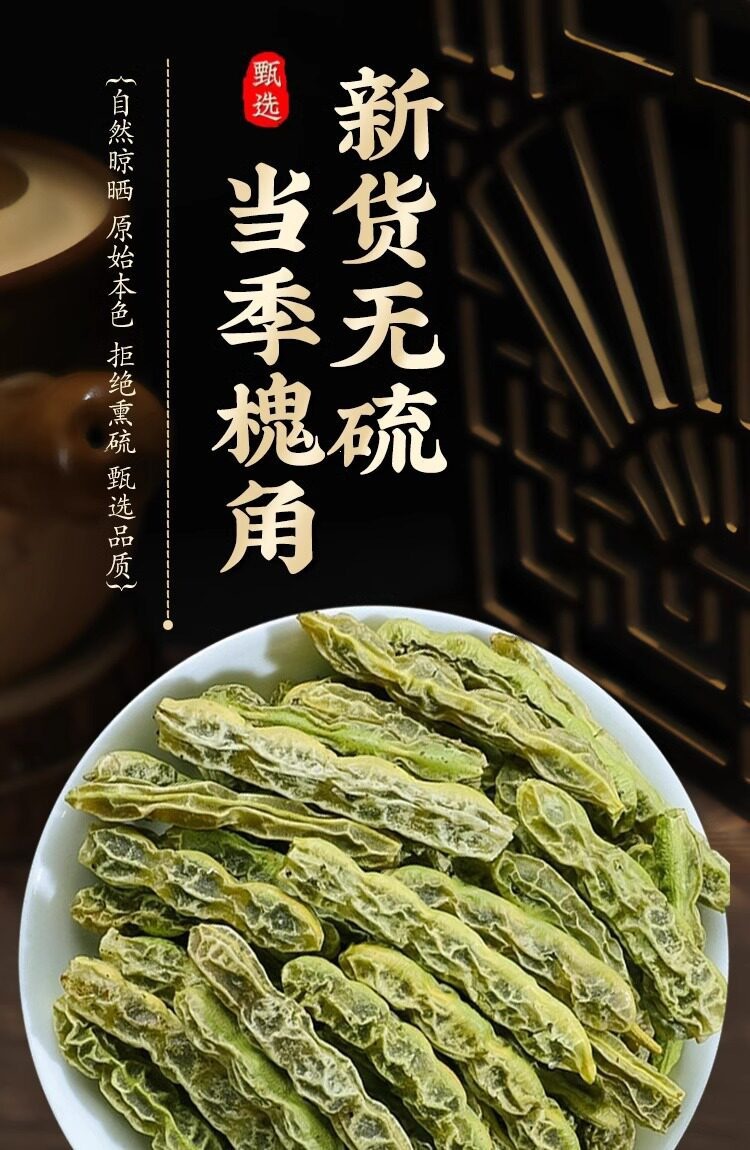
- Wild-harvested Sophora japonica fruit pods, not cultivated
- Naturally sun-dried to preserve traditional character
- Known in TCM as Huai Jiao (槐角) or Huai Shi Zi
- Bitter and cold in TCM nature, enters Liver and Large Intestine channels
- Suitable for cooking, soups, and traditional decoctions
Quality & Sensory
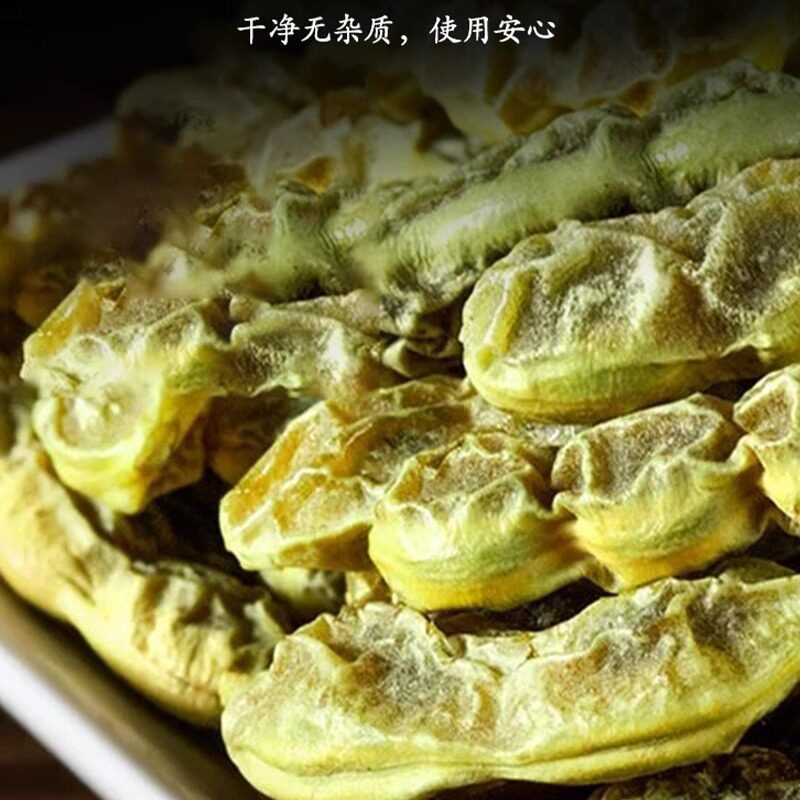
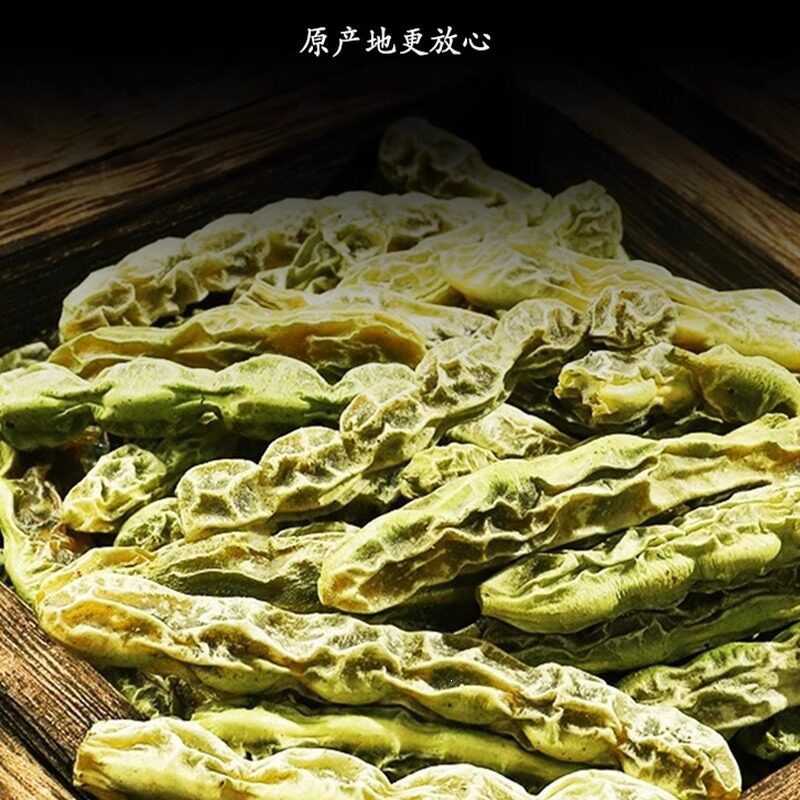
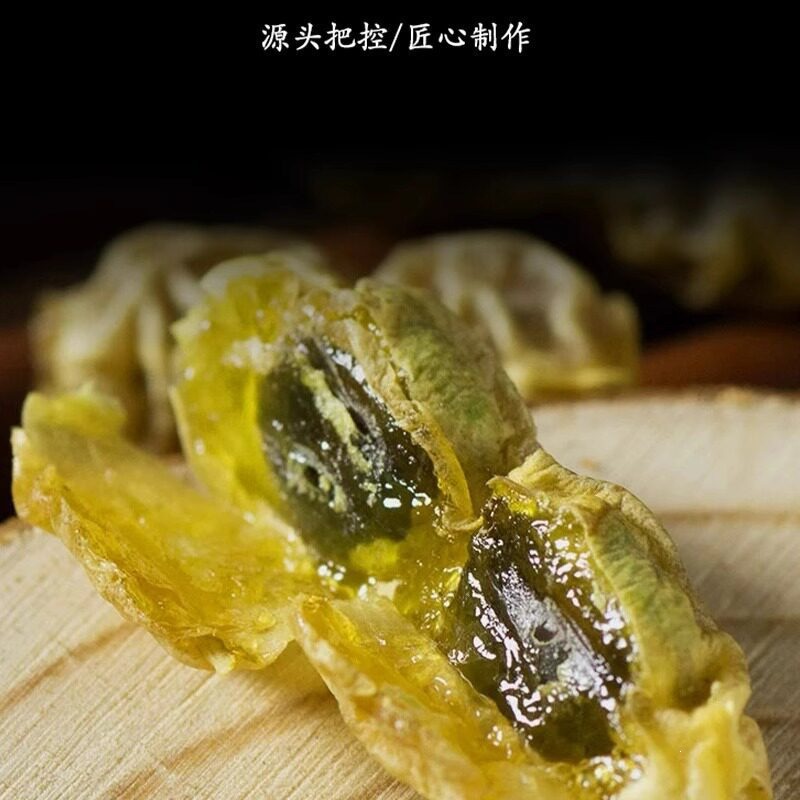
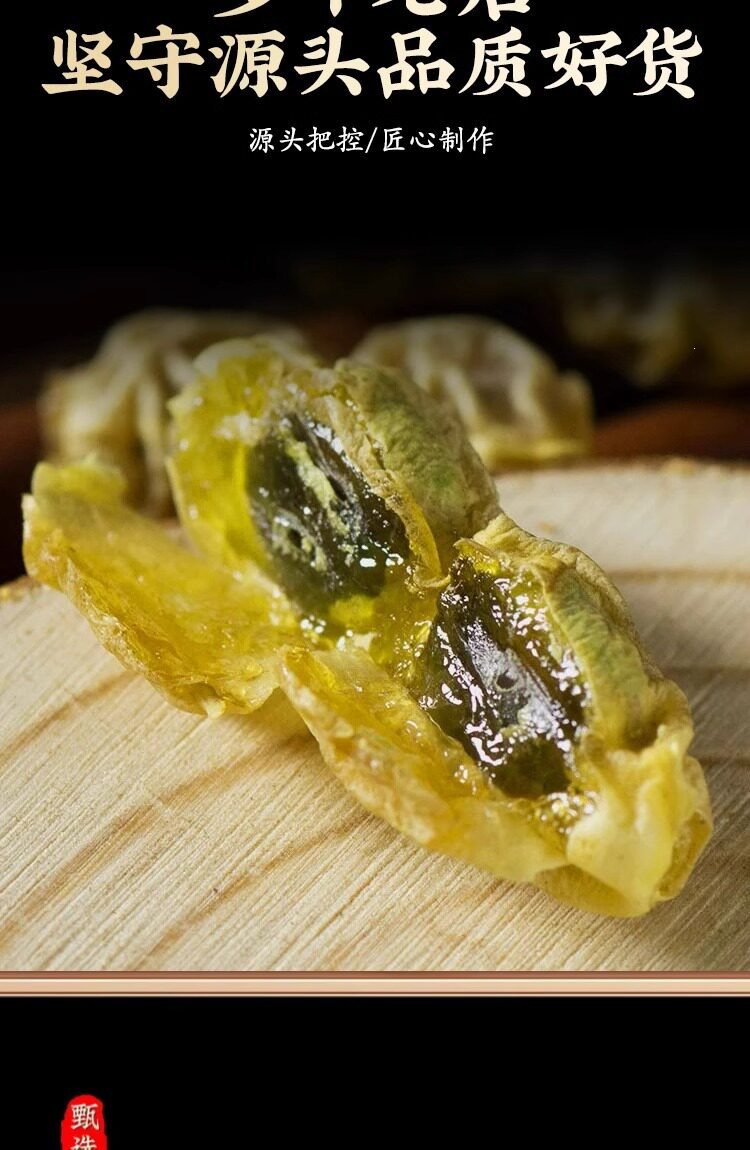
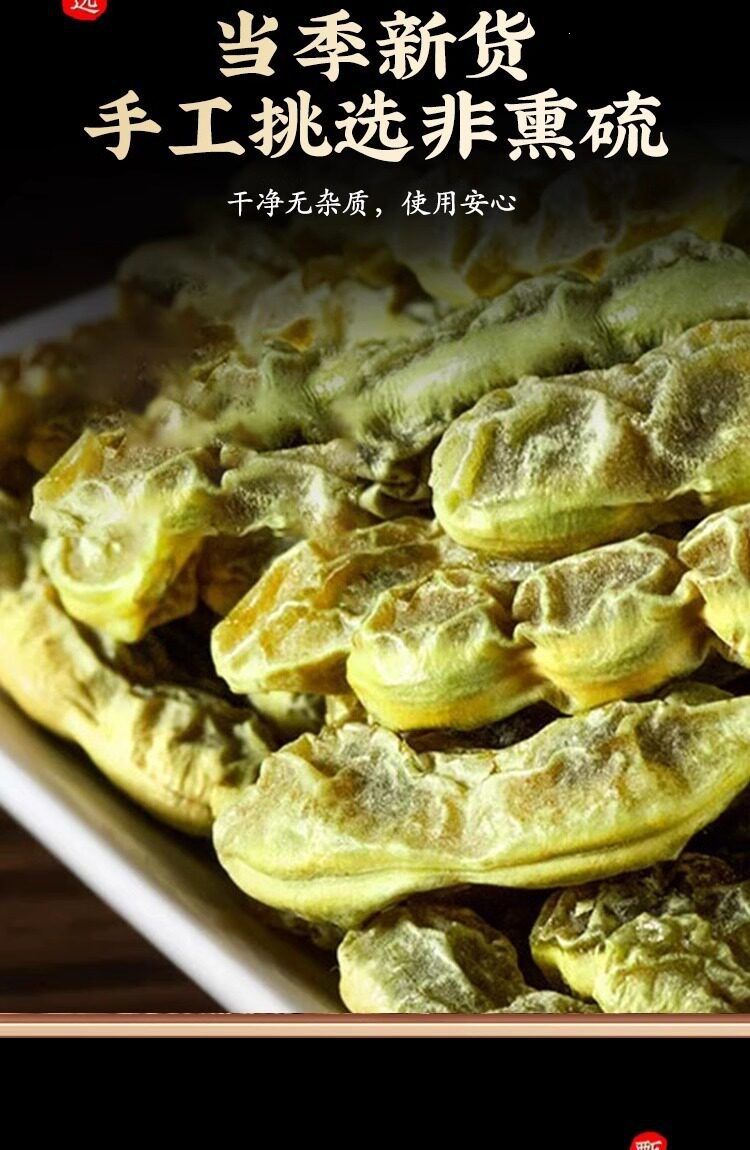
The dried pods are typically brownish-green to dark brown with a wrinkled, leathery texture. They have a mild, earthy aroma and a distinctly bitter taste when decocted or simmered. Color and texture may vary slightly between batches due to natural sun-drying.
Technical Specifications
| Product Type | Dried herbal fruit pods |
|---|---|
| Chinese Name | 槐角 |
| Pinyin | Huai Jiao |
| Botanical Name | Sophora japonica |
| Plant Part | Fruit pod |
| Processing | Naturally sun-dried |
Usage Scenarios
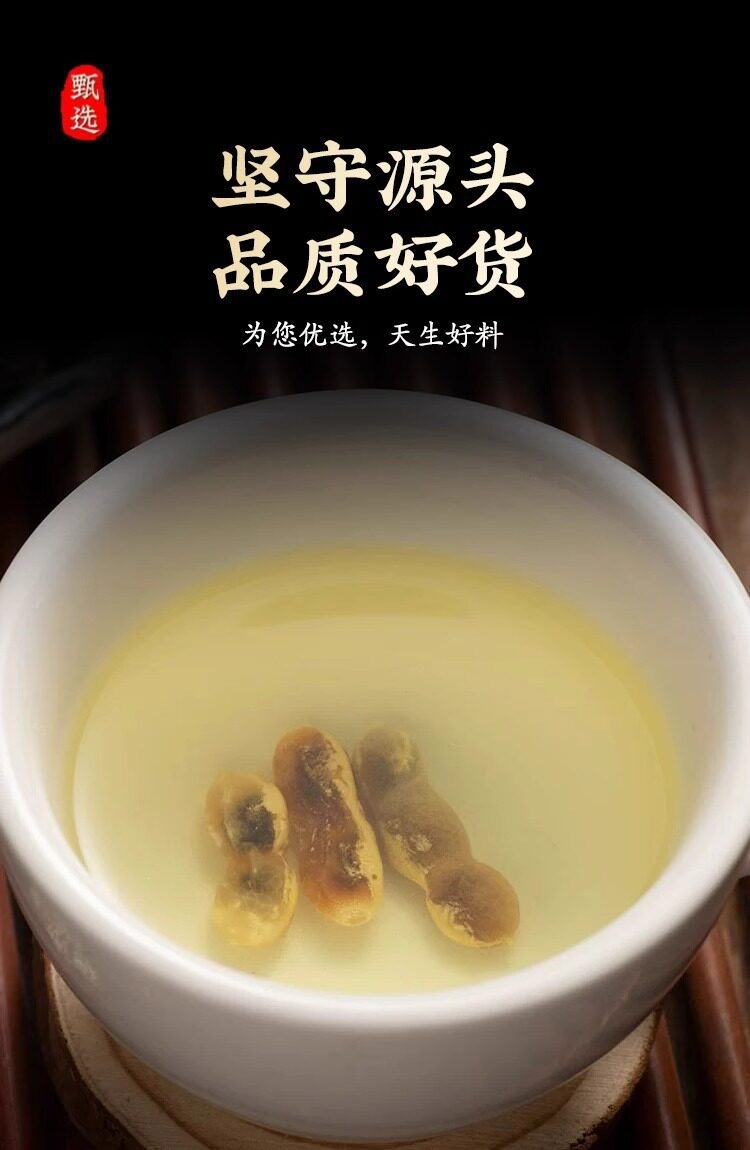
- Simmered as a traditional herbal decoction
- Added to soups and stews as a culinary herb
- Used in congee or grain dishes
- Prepared as a seasonal food ingredient
Traditional Uses
In TCM theory, Huai Jiao is traditionally used in decoctions and soups, often paired with other cooling herbs. It is commonly simmered alone or with ingredients like honeysuckle or dandelion. Folk practice includes adding it to congee or slow-cooked broths for its bitter, cooling character. It is not typically used as a daily tea due to its strong bitterness.
FAQ Q&A
Q: What is this product?
A: It is dried wild Sophora japonica fruit pods, known in TCM as Huai Jiao (槐角).
Q: What are its traditional characteristics?
A: In TCM theory, it is bitter and cold, associated with the Liver and Large Intestine channels.
Q: How is it commonly prepared?
A: It is usually simmered in decoctions or added to soups and congee. It is not typically consumed raw.
Additional information
| Weight | N/A |
|---|---|
| Dimensions | N/A |
| Model | 生槐角100g 1罐, 生槐角100g 2罐, 生槐角250g 1罐, 生槐角250g 2罐, 生槐角500g 1罐, 生槐角500g 2罐 |
Related products
-

Dried Huang Jing Slices Polygonatum Rhizome Chicken Head Huang Jing 500g Bulk Herbal Tea and Soup Ingredient
Price range: $9.14 through $18.87 -
Taizishen Dried Pseudostellaria Root TCM Herbal Tea and Soup Ingredient 500g Bulk Pack
Price range: $10.28 through $15.63 -
Dried Raspberry Fruit Fu Pen Zi Whole Berries for Herbal Tea and Wine Infusion 500g
Price range: $15.63 through $18.06 -
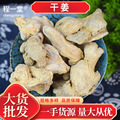
Dried Ginger Root Gan Jiang 500g Bulk Chinese Herb Zingiber officinale Rhizome for Decoction and Culinary Use
$5.90
Reviews
There are no reviews yet.