
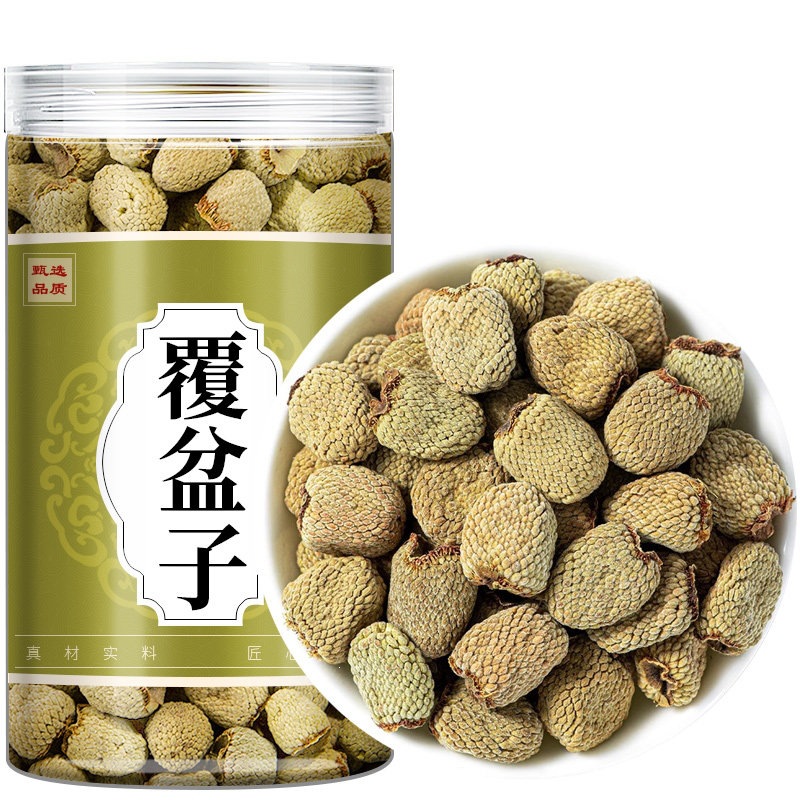
Wild Raspberry Fruit Dried Fu Pen Zi Herbal Tea Traditional Chinese Herbal Wellness 500g
Price range: $6.30 through $14.42
Description
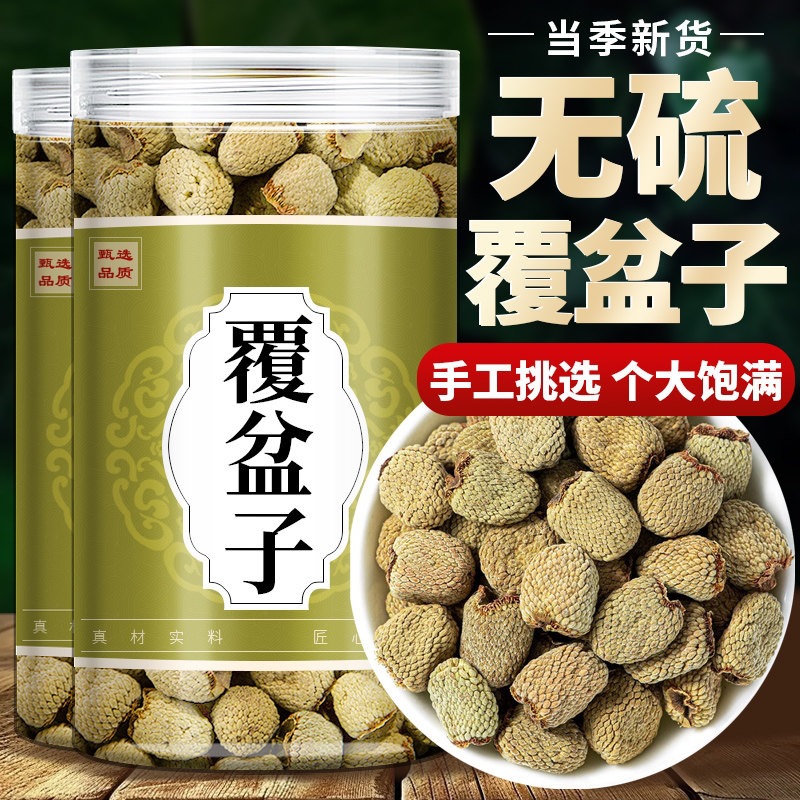
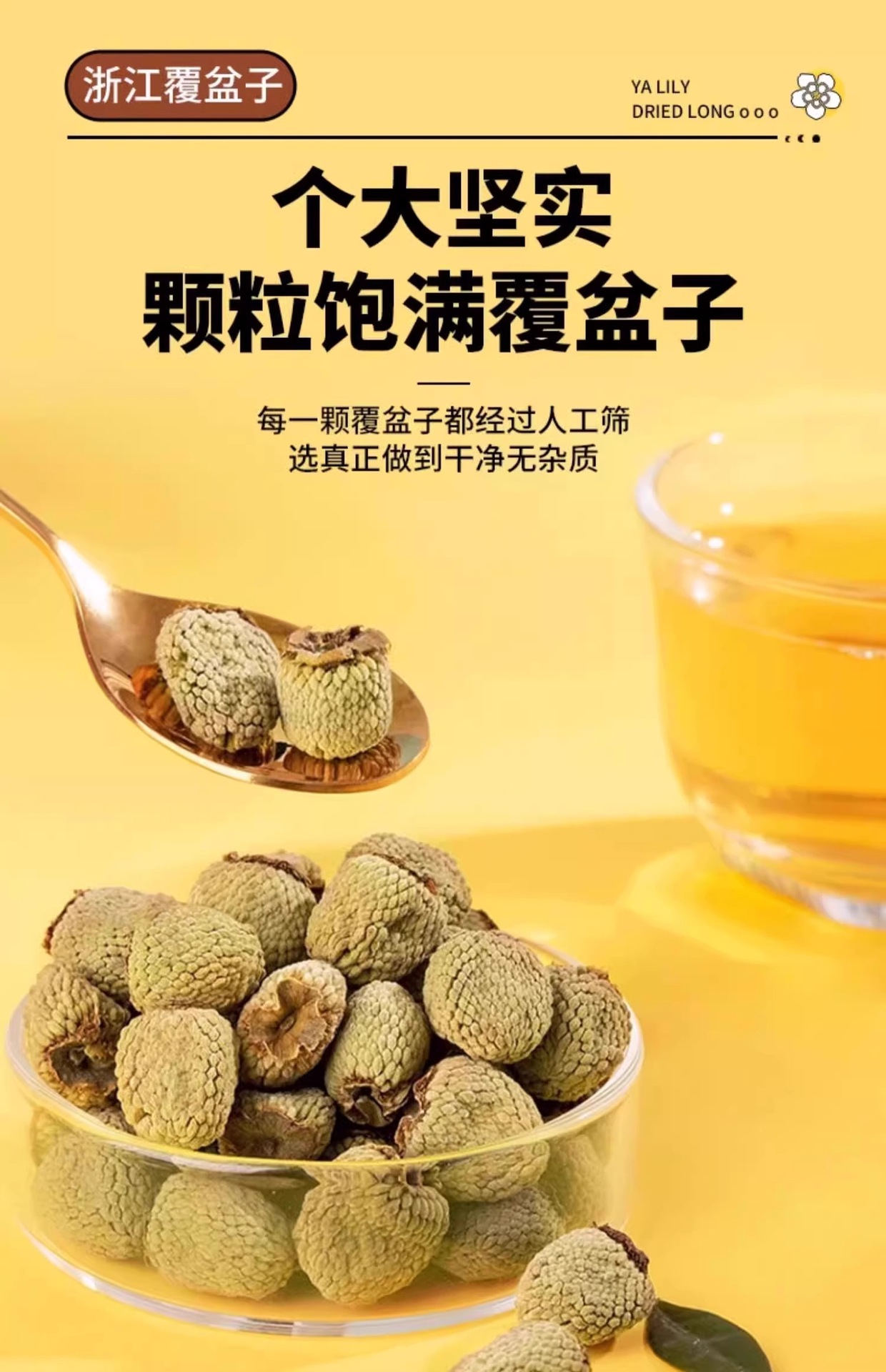
Dried Wild Raspberry Fruit, known in TCM as Fu Pen Zi (覆盆子), from Rubus idaeus or related Rubus species. These sun-dried berry fruits are traditionally used in Chinese herbal wellness. In TCM theory, Fu Pen Zi is considered sweet and slightly warm, entering the Kidney and Bladder channels. It is commonly prepared as a tea or decoction and traditionally associated with supporting kidney and bladder wellness. Store frozen and use under professional guidance.

Key Selling Points
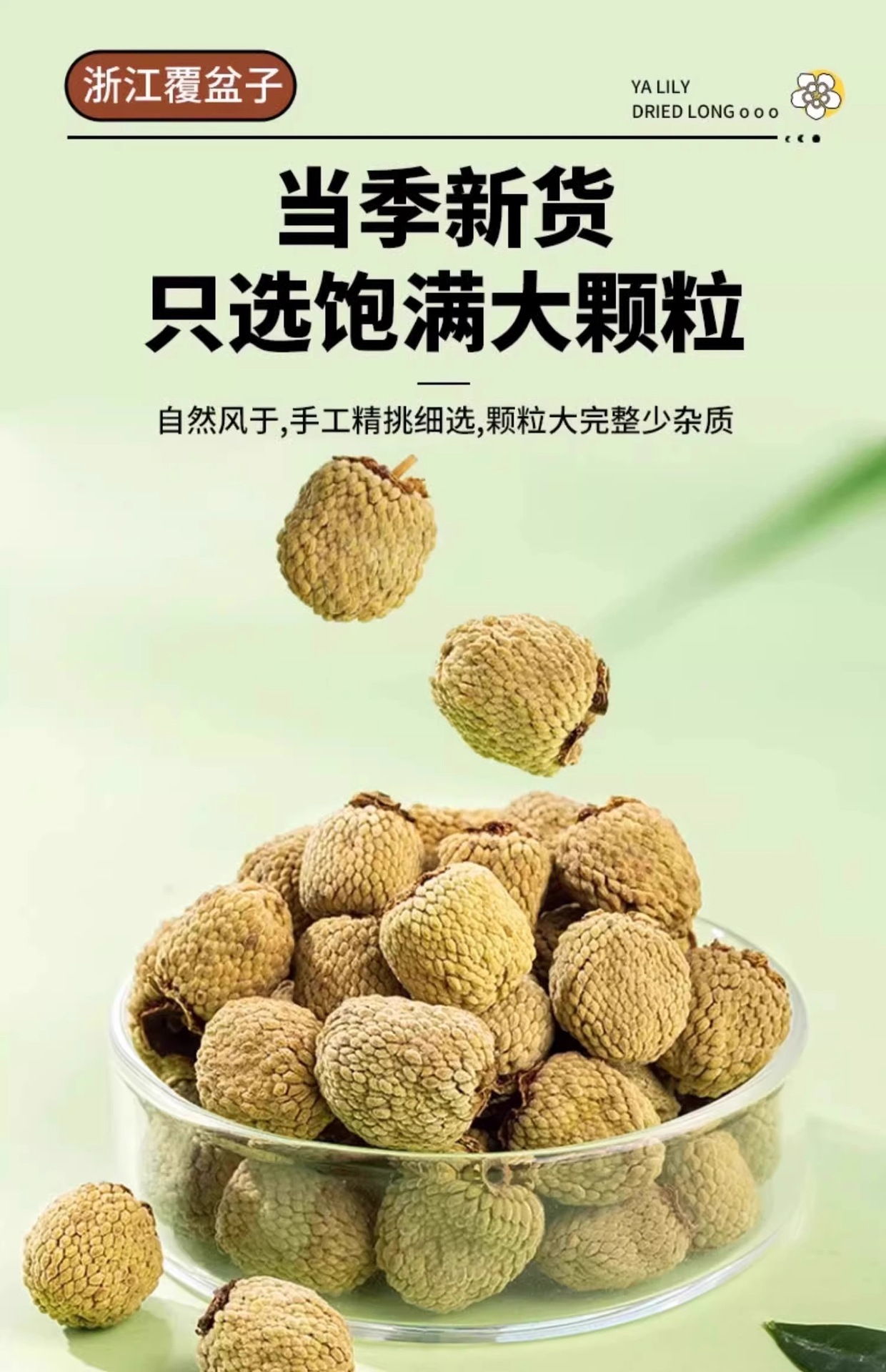
- Identified in TCM as Fu Pen Zi (覆盆子), the dried fruit of Rubus species
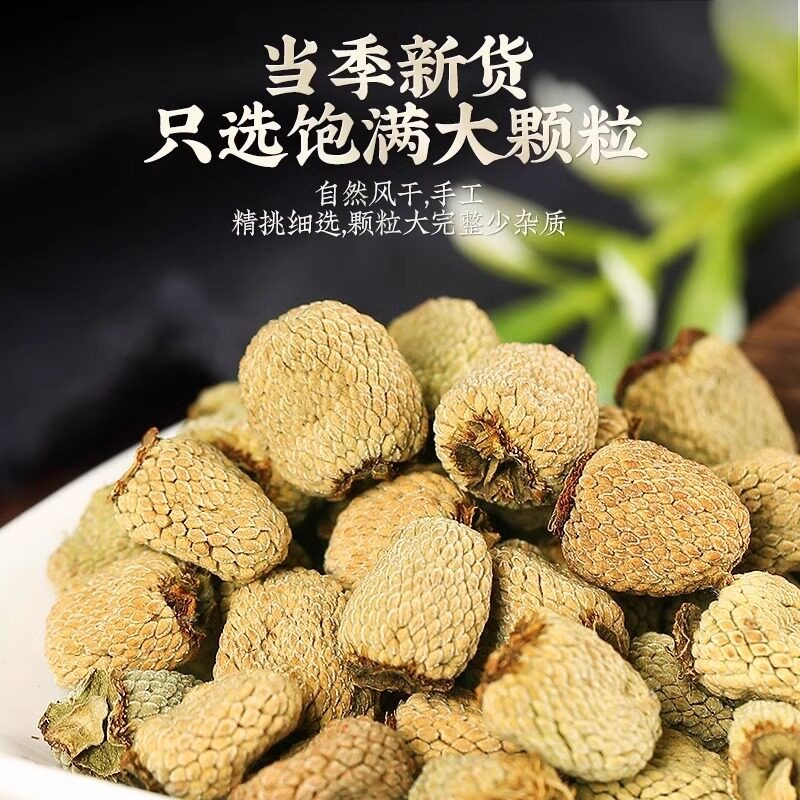
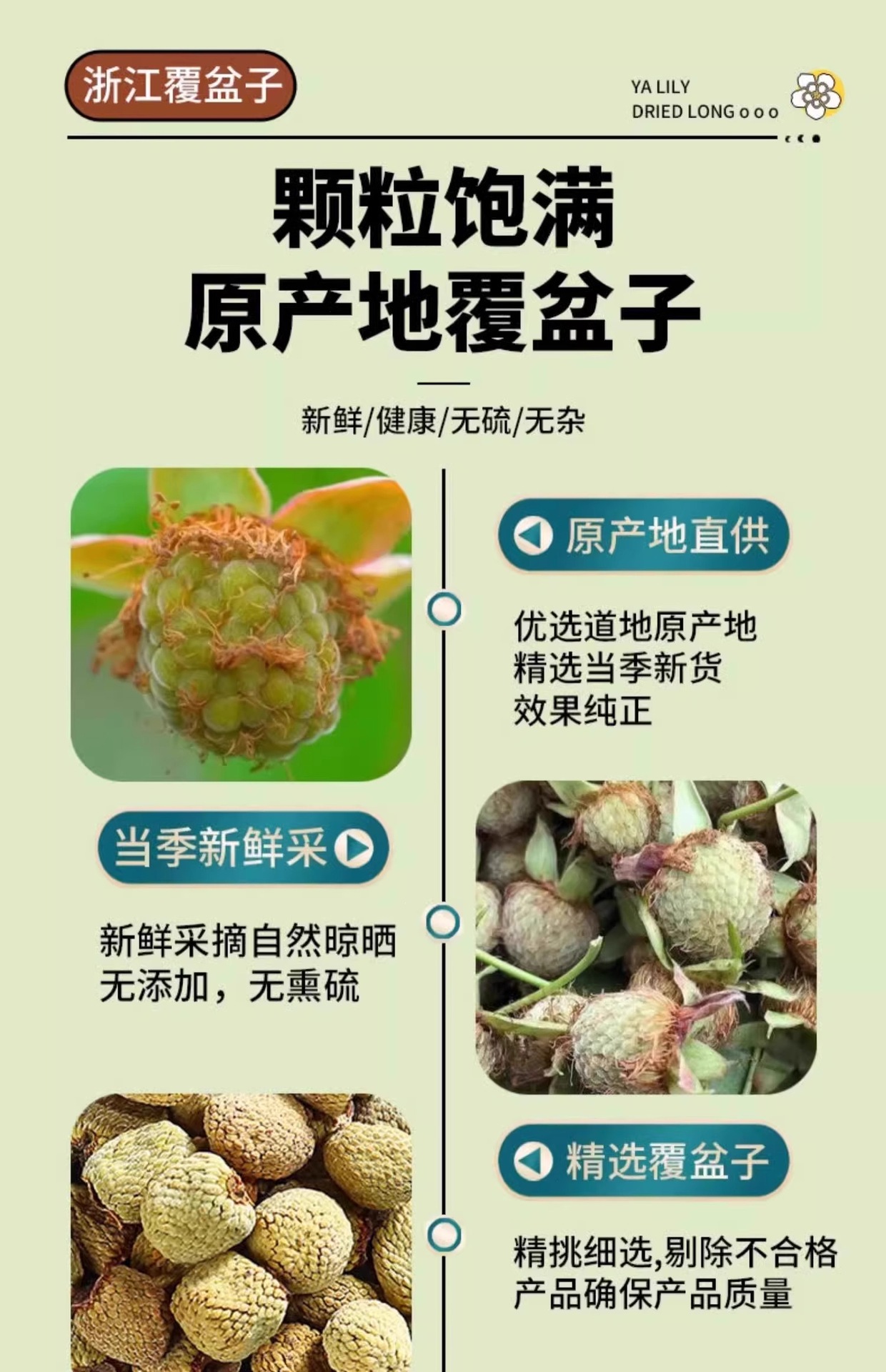
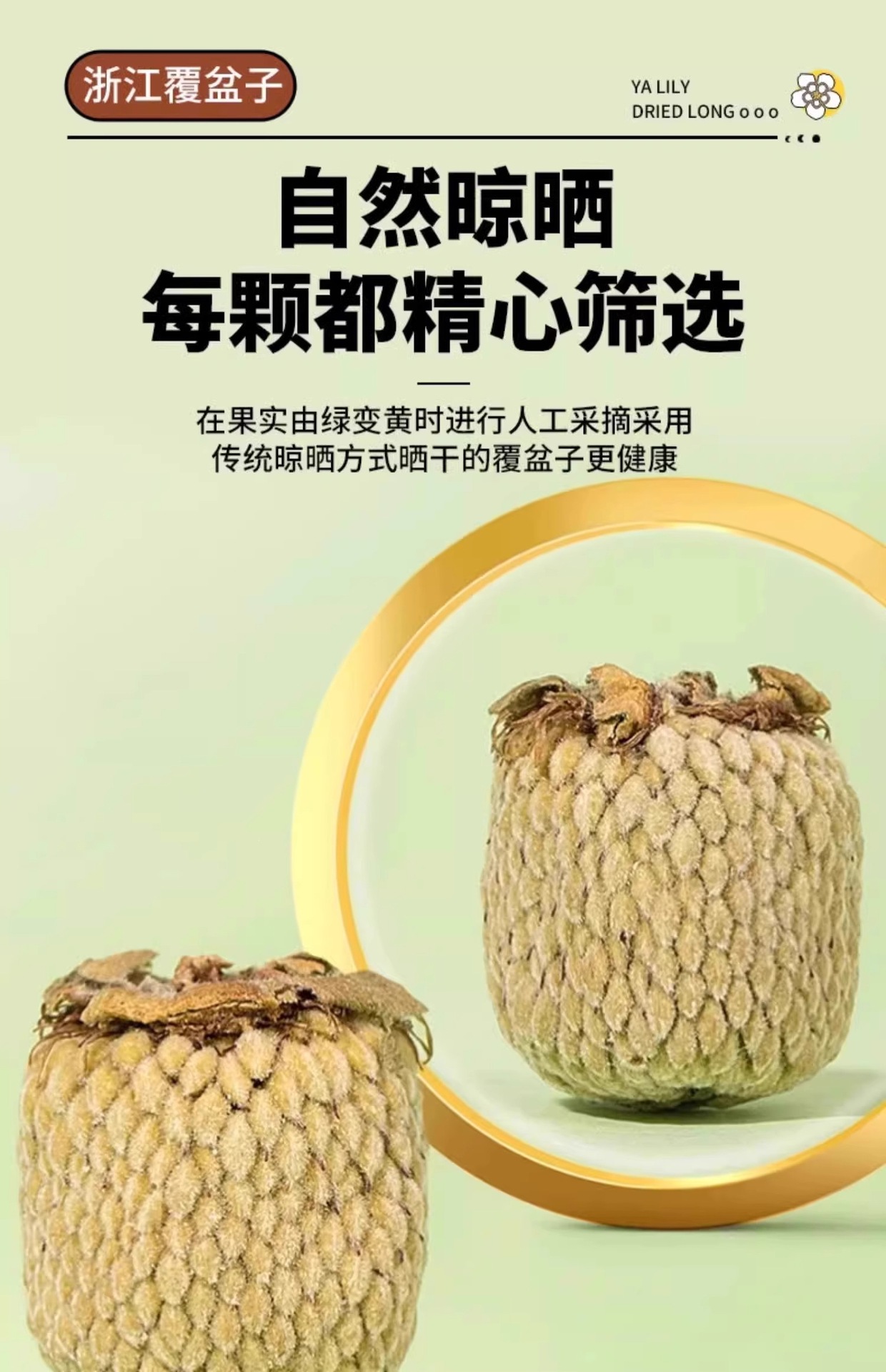
- Wild-harvested raspberry fruit, sun-dried to preserve natural character
- Traditionally associated with Kidney and Bladder channel support in TCM theory
- Versatile form suitable for teas, decoctions, congee, and culinary use
- 500g pre-packaged net weight with frozen storage recommended

Quality & Sensory
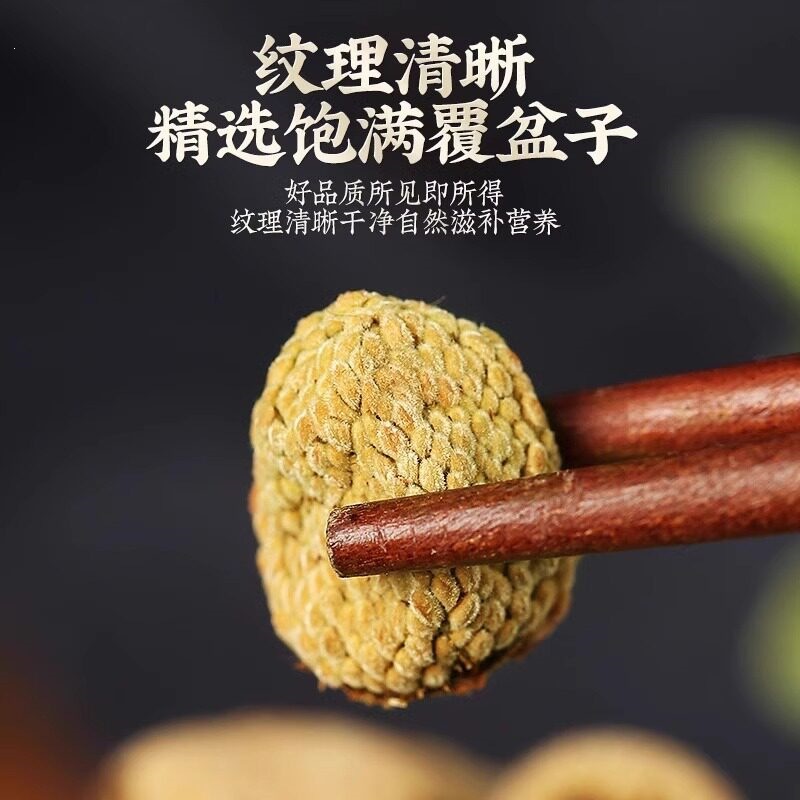
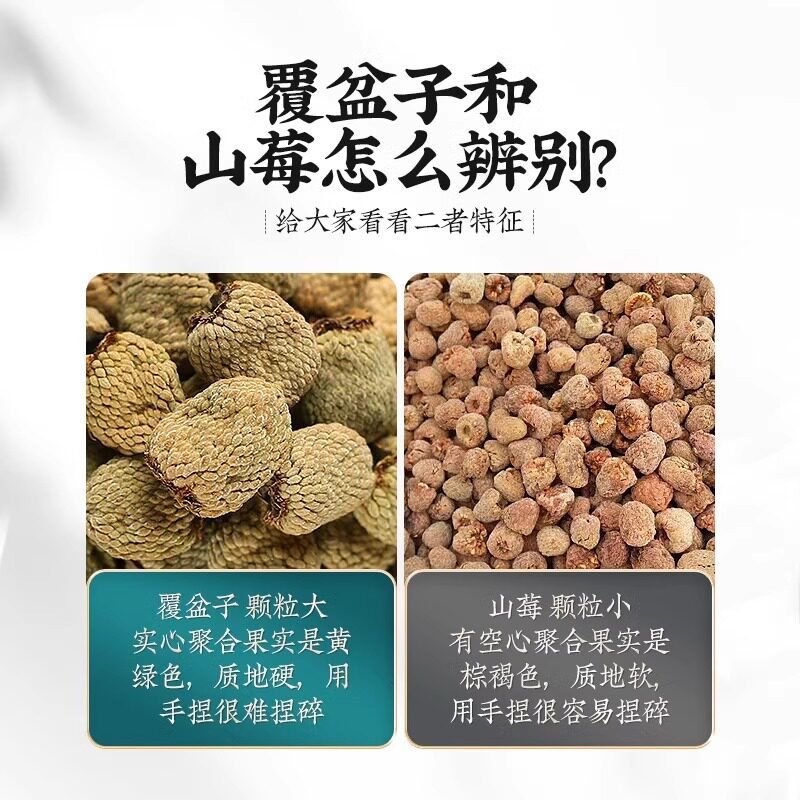
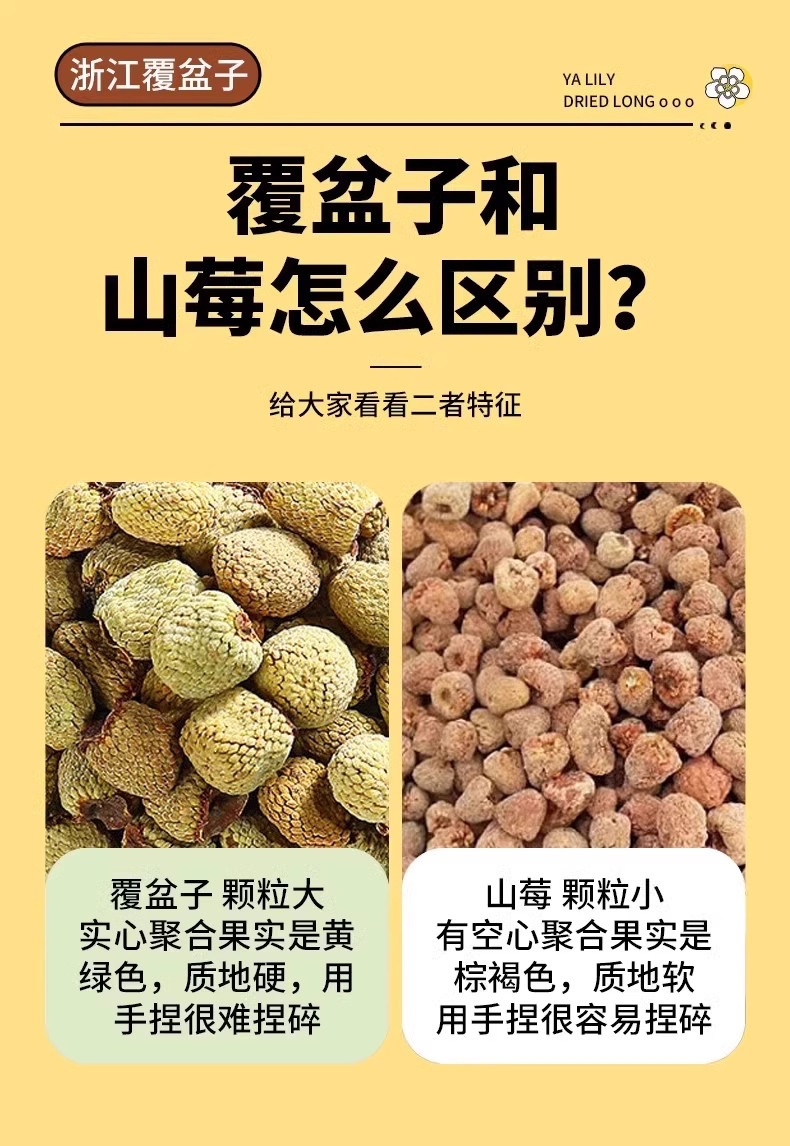
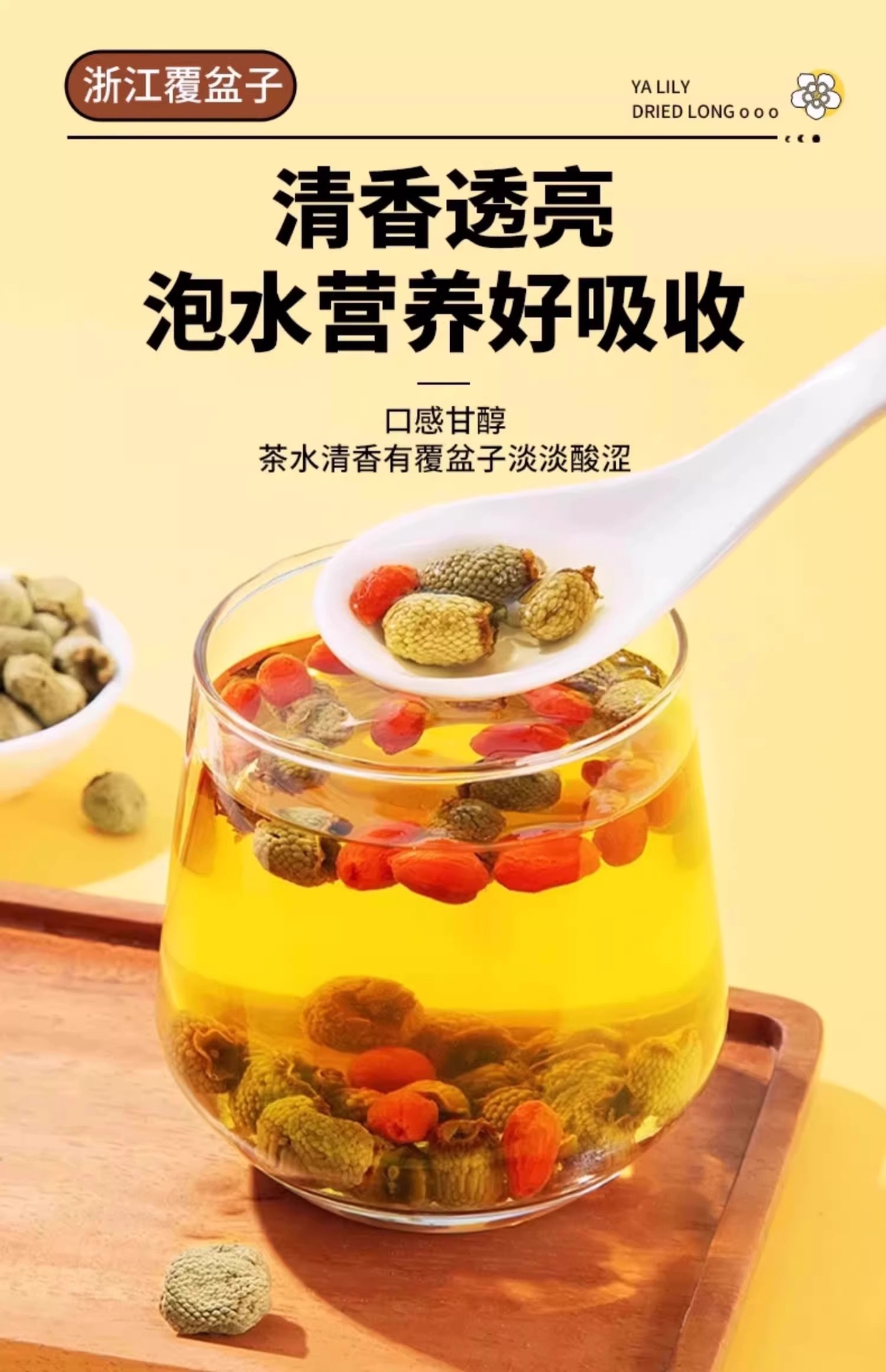
The dried fruits are typically small, reddish-brown to dark purple, with a wrinkled texture and a mild sweet-tart aroma. When brewed or decocted, the liquid is typically light amber with a gently sweet and slightly tart taste. Actual batch color and flavor may vary with harvest and storage.

Technical Specifications
| Product Type | Dried herbal fruit |
|---|---|
| Chinese Name | 覆盆子 |
| Pinyin | Fu Pen Zi |
| Botanical Name | Rubus idaeus |
| Plant Part | Fruit |
| Net Weight | 500g |

Usage Scenarios
- Brewed as a daily herbal tea
- Simmered in traditional decoctions
- Added to congee or porridge
- Used in seasonal soup or culinary preparations

Traditional Uses
In TCM theory, Fu Pen Zi is traditionally used in decoctions and teas, often paired with herbs such as Gou Qi Zi or Shan Yao. It is also added to congee and seasonal soups in folk practice. Traditional texts associate it with Kidney and Bladder channel support, and it is commonly prepared by simmering the dried fruit in water.

FAQ Q&A
Q: What is this product?
A: It is dried wild raspberry fruit, known in TCM as Fu Pen Zi (覆盆子), from Rubus species.
Q: What is its traditional value?
A: In TCM theory, Fu Pen Zi is considered sweet and slightly warm, entering the Kidney and Bladder channels, and is traditionally associated with kidney and bladder wellness.
Q: How is it commonly prepared?
A: It is typically brewed as a tea, simmered in decoctions, or added to congee and soups. Follow professional guidance for personal use.

Additional information
| Weight | N/A |
|---|---|
| Dimensions | N/A |
| Model | 覆盆子100g 红枸杞100g, 覆盆子250g 红枸杞250g, 覆盆子100g 桑葚干100g, 桑葚250g 覆盆子250g, 覆盆子20克 体验装, 覆盆子100克 1瓶, 覆盆子250g 1瓶, 桑葚250g 1瓶 |
Related products
-
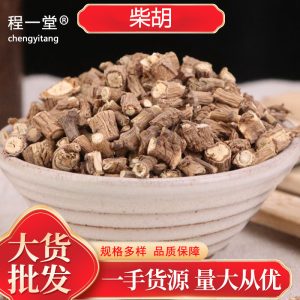
Chai Hu Bupleurum Root Dried Herb 500g Traditional TCM Decoction Herb
Price range: $9.14 through $16.44 -

Dried Raspberry Fruit Fu Pen Zi Whole Berries for Herbal Tea and Wine Infusion 500g
Price range: $15.63 through $18.06 -
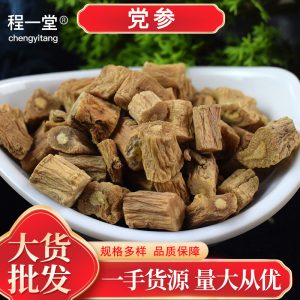
Dried Codonopsis Root Slices Dang Shen 500g Bulk Supply for Soups and Herbal Decoctions
Price range: $10.28 through $18.06 -
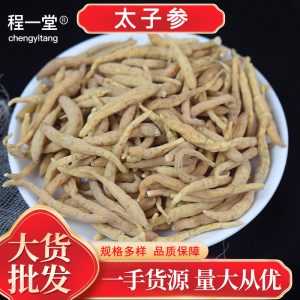
Taizishen Dried Pseudostellaria Root TCM Herbal Tea and Soup Ingredient 500g Bulk Pack
Price range: $10.28 through $15.63
Reviews
There are no reviews yet.