
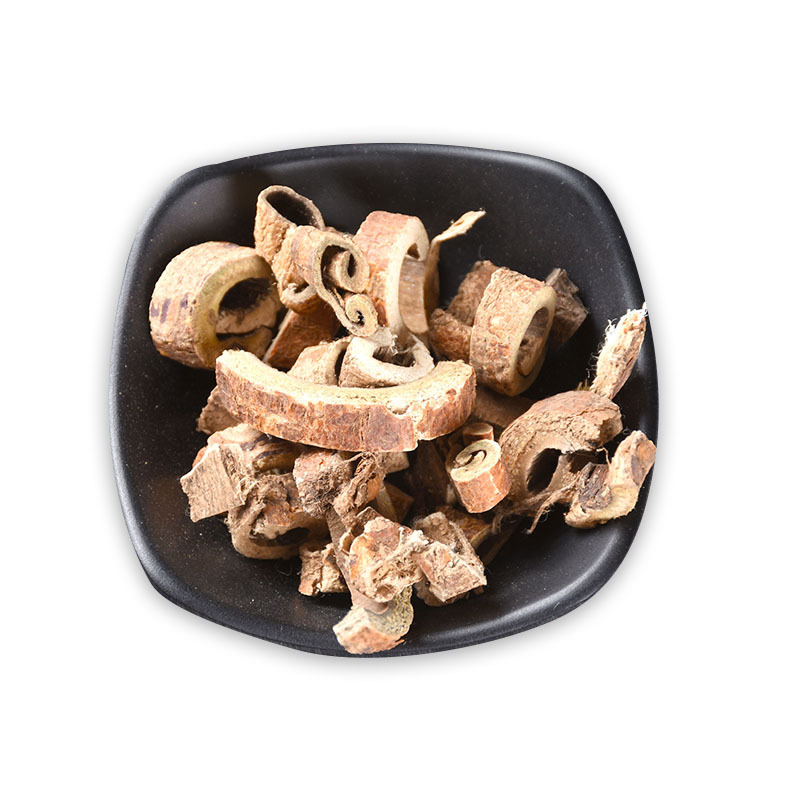
Sang Bai Pi (Morus alba) — Sulfur-Free Dried Mulberry Root Bark, 500g
Price range: $5.71 through $8.01
Description
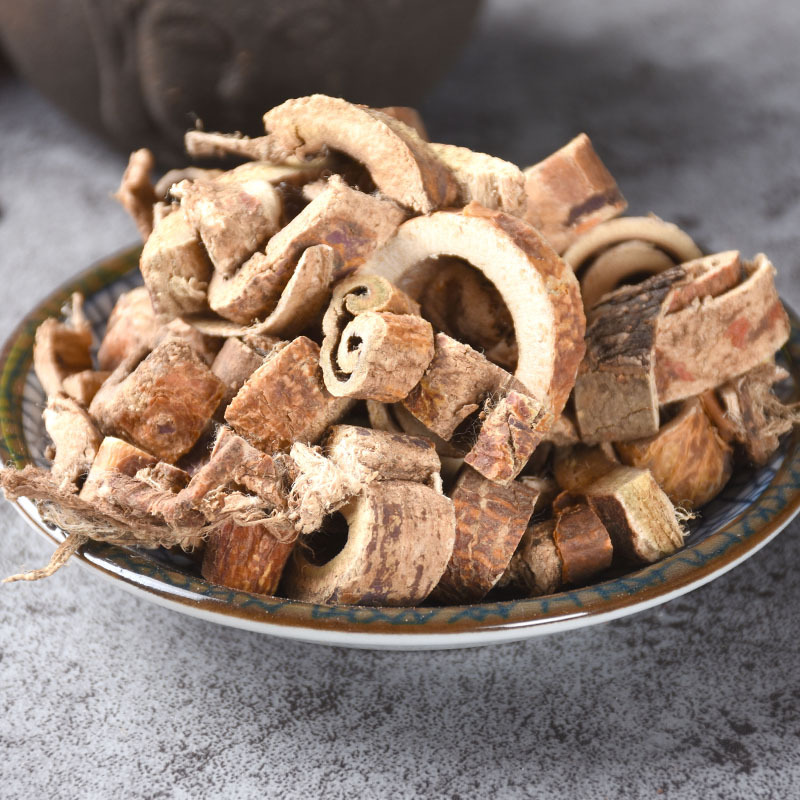
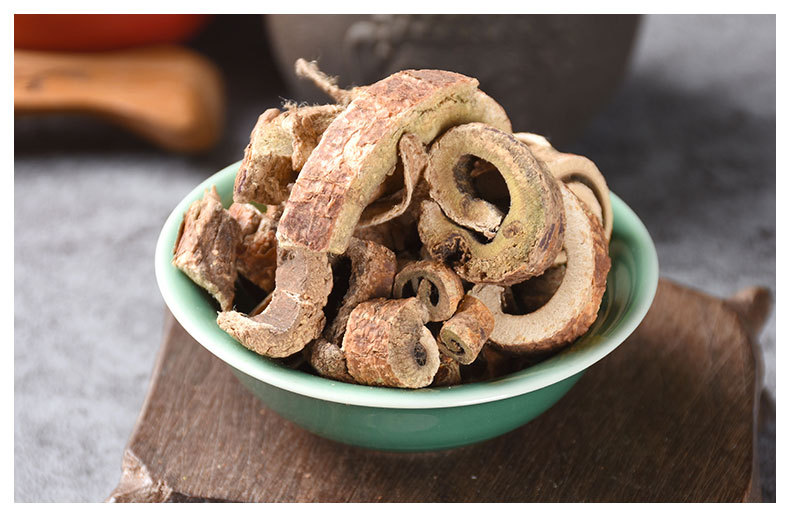
Sang Bai Pi (Morus alba) is the dried root bark of the white mulberry tree, known in Traditional Chinese Medicine (TCM) as Sāng Bái Pí (桑白皮). For centuries it has been prized as a lung-clearing, heat-draining herb traditionally used to ease cough, wheezing, and swelling, and to support smooth movement of fluids. Its nature is sweet and slightly cold, making it a gentle yet focused herb for clearing heat from the Lung channel and settling rising qi.


Key Selling Points
- Sulfur-free dried mulberry root bark
- Traditional Lung-clearing, heat-draining herb
- Botanical name Morus alba
- New-crop 500g bulk pack
- Sourced from Sichuan, China
Quality & Sensory
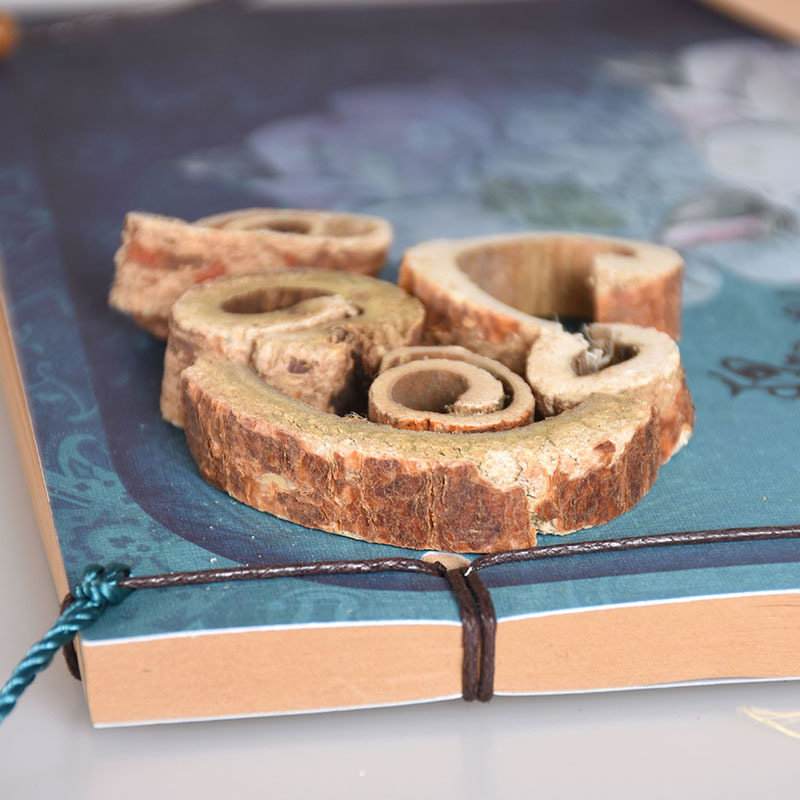
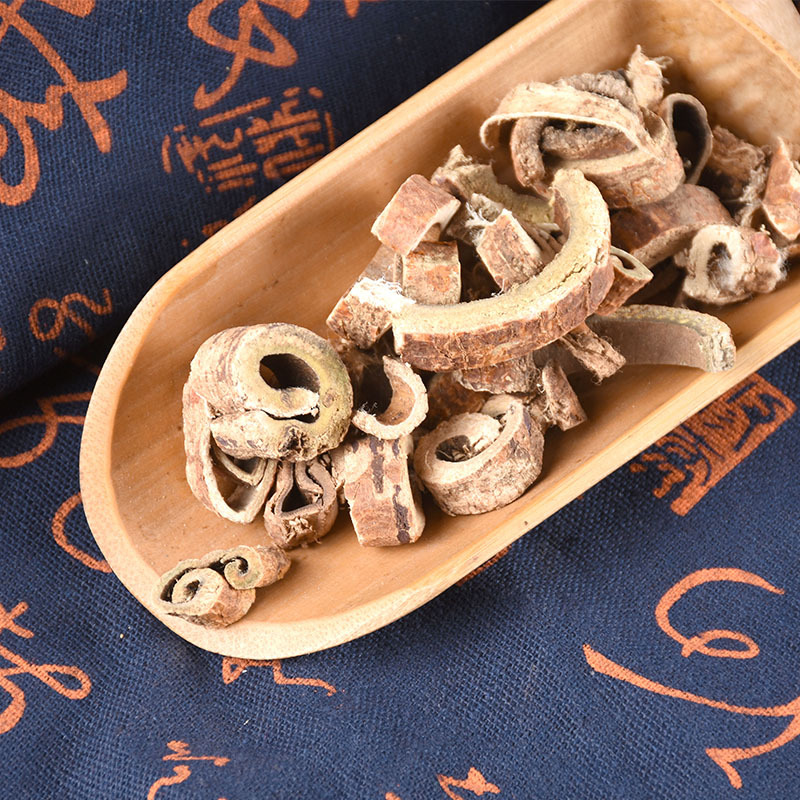
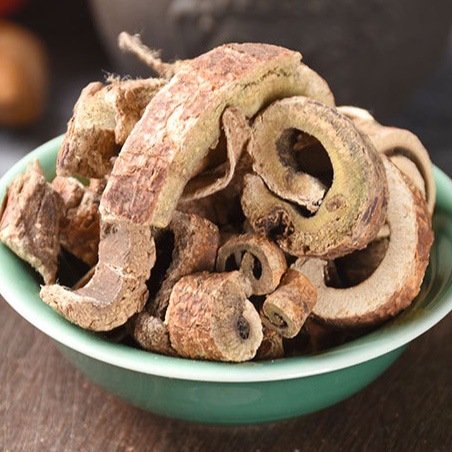
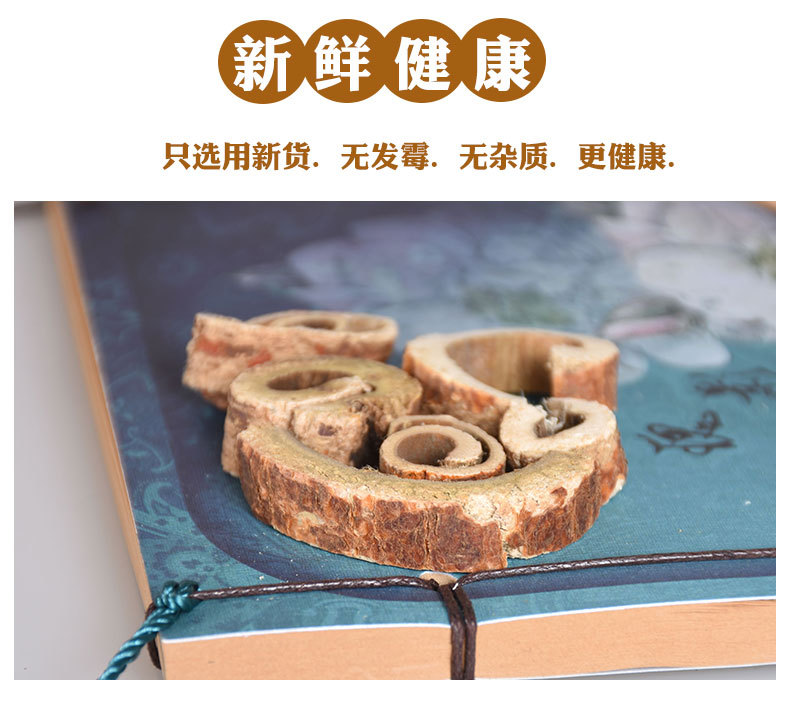
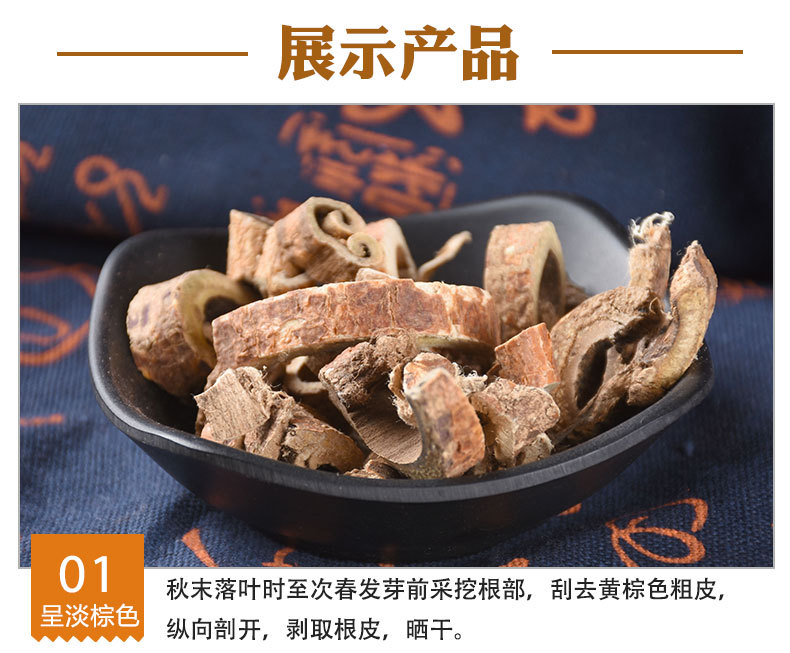
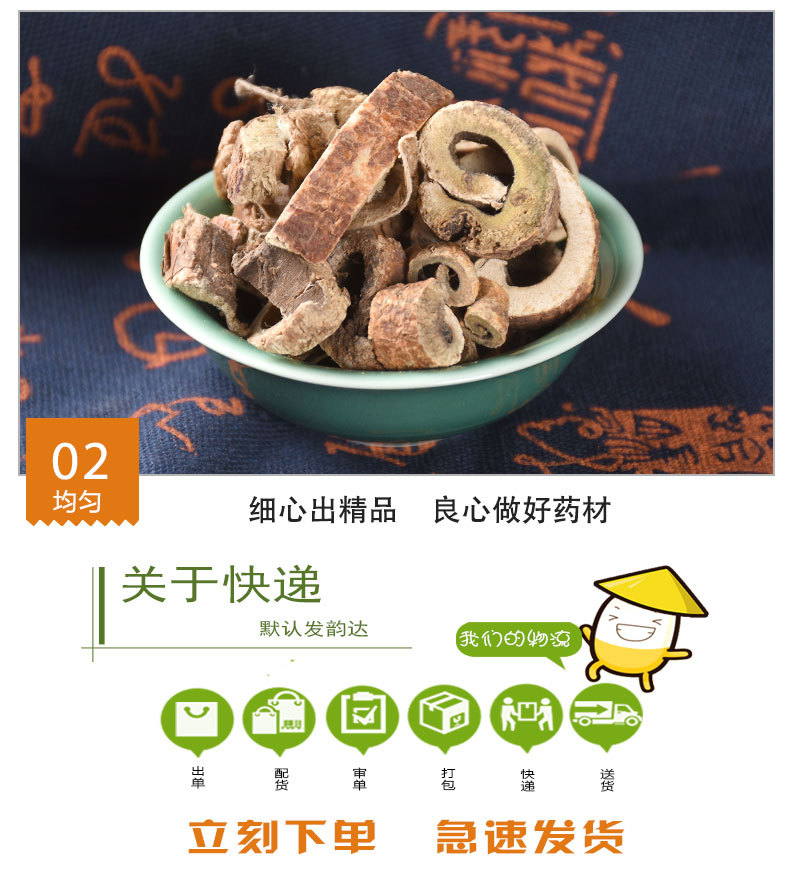
Each batch is carefully dried to preserve its pale yellowish-white outer surface, fibrous texture, and mild, faintly earthy aroma. When decocted, the bark yields a light, subtly sweet infusion with a soft, clean finish, releasing its character slowly into the water without bitterness.
Technical Specifications
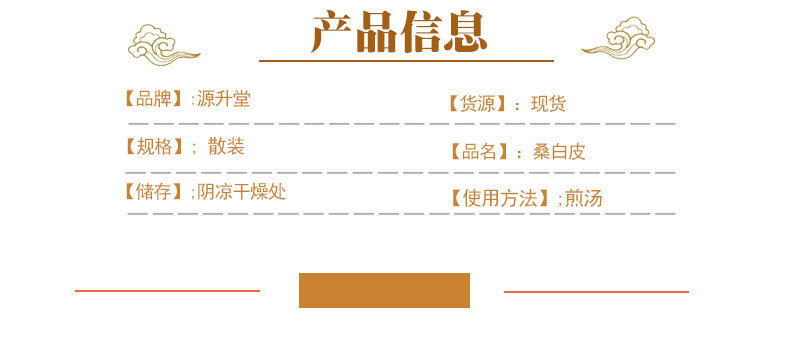
| Product Type | Dried Herb / Decoction Piece |
|---|---|
| Common Name | Sang Bai Pi |
| Botanical Name | Morus alba |
| Origin | Sichuan, China |
| Net Weight | 500g |
| Shelf Life | 18 months |


Usage Scenarios
- Traditional herbal decoctions
- Lung-clearing tea blends
- Seasonal soup and broth
- Herbal pairing formulas
- Daily food-herb wellness routine


Traditional Uses
In folk herbal practice, Sang Bai Pi is decocted into soups, teas, and seasonal formulas to clear heat from the Lung and support comfortable breathing. It is often paired with herbs like apricot kernel, fritillary bulb, and scutellaria in traditional decoctions, and appears in gentle daily teas for dry or warm seasons. As a food herb, it is simmered slowly to draw out its mild, sweet character.


FAQ Q&A
Q: What is Sang Bai Pi?
A: Sang Bai Pi is the dried root bark of the white mulberry tree, Morus alba. It is a traditional Chinese herb used in decoctions and food-herb formulas.
Q: What is the traditional wellness value of Sang Bai Pi?
A: In TCM theory, Sang Bai Pi enters the Lung channel and is traditionally used to clear Lung heat, settle rising qi, and support fluid movement. It is often included in decoctions for seasonal respiratory comfort.
Q: How do I use dried Sang Bai Pi?
A: Rinse the bark and simmer it in water as part of a decoction or tea blend, or add it to soups. Adjust the quantity to your recipe and taste preference.

Additional information
| Weight | N/A |
|---|---|
| Dimensions | N/A |
| Packaging specifications | Optional mulberry bark 0 5kg piece, Tonghuo mulberry white skin 0 5kg piece |
Related products
-
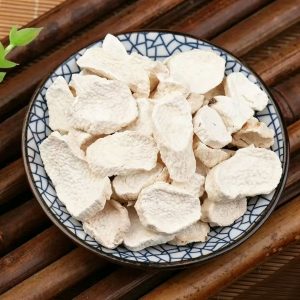
Huai Shan Yao Dried Slices (Dioscorea opposita) — Iron Stick Yam from Jiaozuo, Henan
Price range: $4.61 through $9.14 -
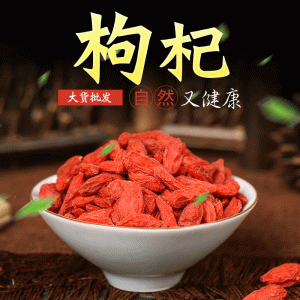
Goji Berries (Lycium barbarum) — Ningxia Zhongning Dried Red Goji, Sulfur-Free First Harvest
Price range: $7.52 through $8.66 -
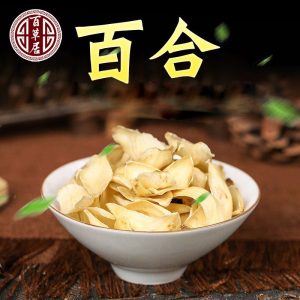
Bai He Dried Lily Bulb (Lilium lancifolium) — Sulfur-Free Hunan Lily for Tea, Soup & Congee
$11.25 -
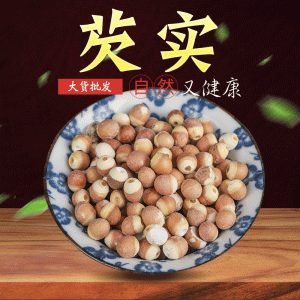
Qian Shi (Euryale ferox) — Dried Gorgon Nut Seeds, Zhaoqing Guangdong, 500g
Price range: $6.88 through $8.01
Reviews
There are no reviews yet.