
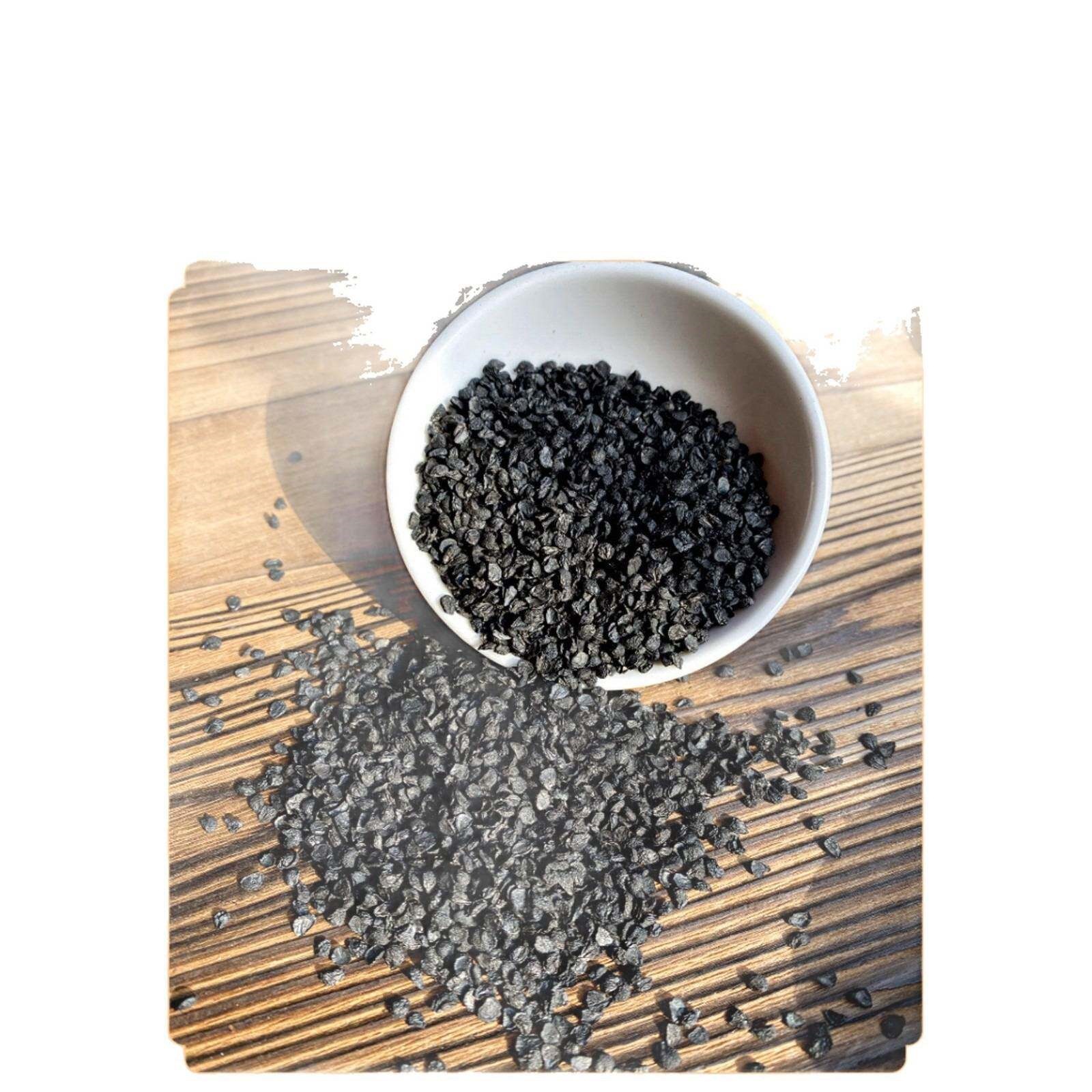
Roasted Leek Seed and Dodder Seed Combo Dried Herbal Decoction Pieces for Traditional Tea and Soup Use
Price range: $5.99 through $15.61
Description
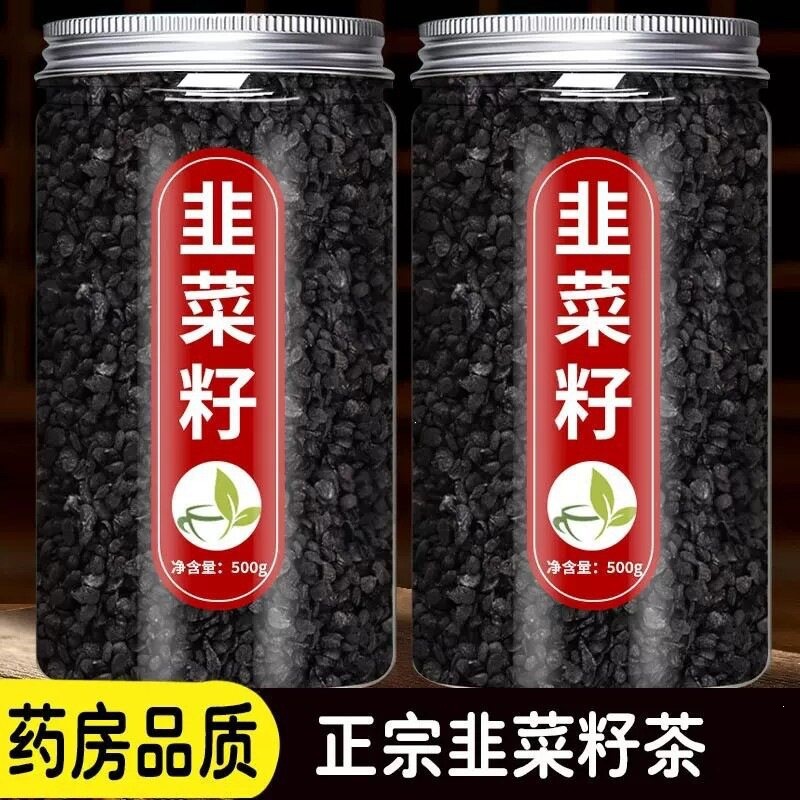
Roasted Leek Seed and Dodder Seed Combo, known in TCM as Jiu Cai Zi (韭菜籽) and Tu Si Zi (菟丝子), from Allium tuberosum and Cuscuta chinensis. This two-herb dried decoction piece set is traditionally used in TCM theory to support kidney yang and essence. Leek seed is warm and pungent-sweet; dodder seed is neutral-warm and sweet. Commonly simmered or steeped for daily herbal tea and soup use.
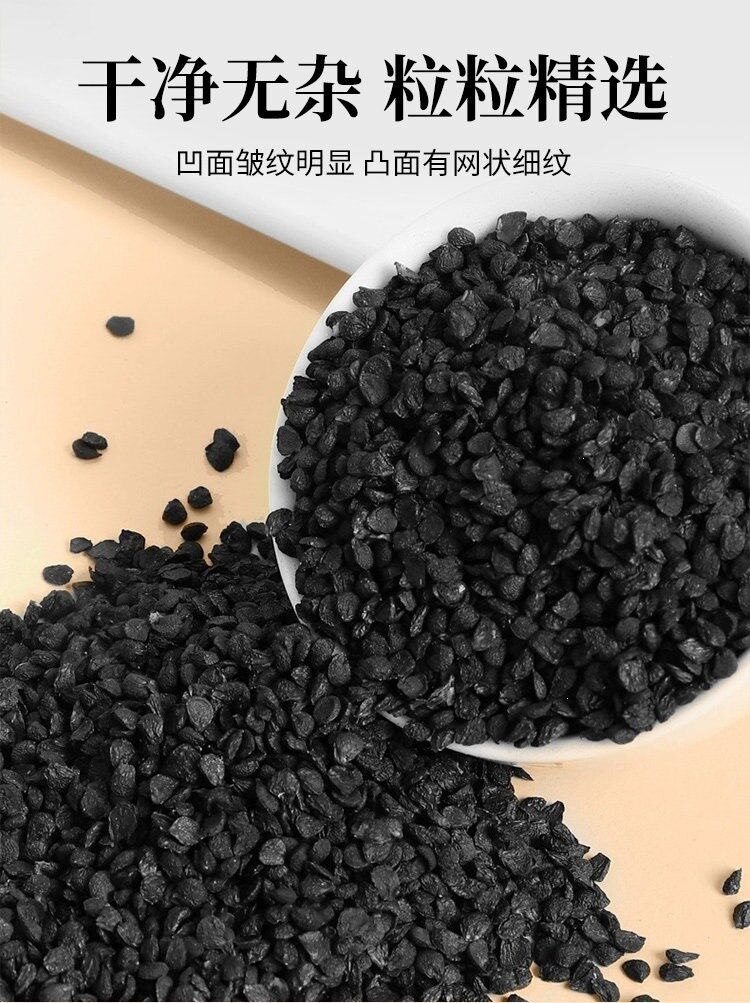
Key Selling Points
- Two-herb combo of roasted leek seed and dodder seed
- Leek seed is Allium tuberosum, dodder seed is Cuscuta chinensis
- Traditional TCM pairing associated with kidney yang support
- Dried decoction pieces suited for tea, soup, and congee
- Prepackaged 250 g jars with 12-month shelf life

Quality & Sensory
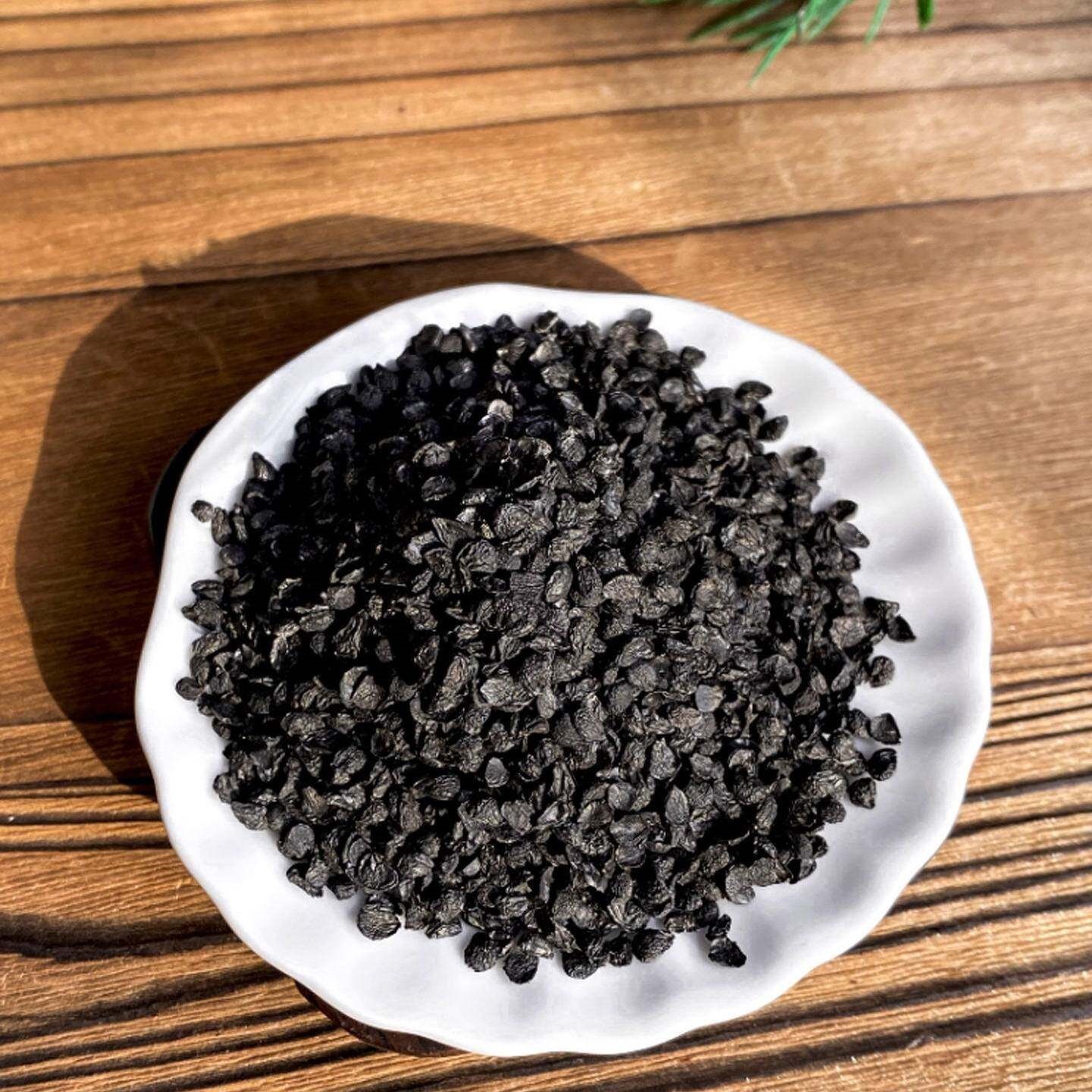
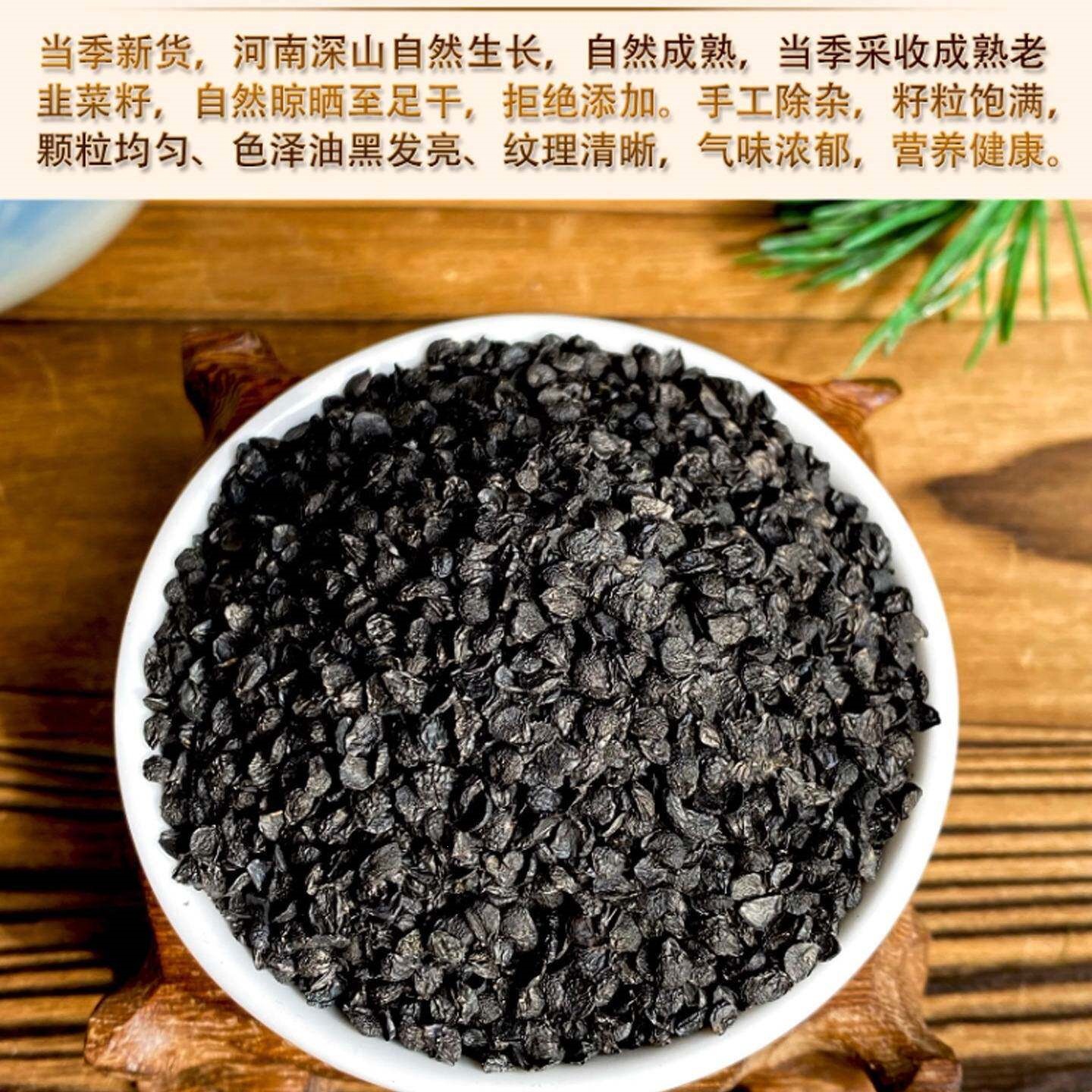
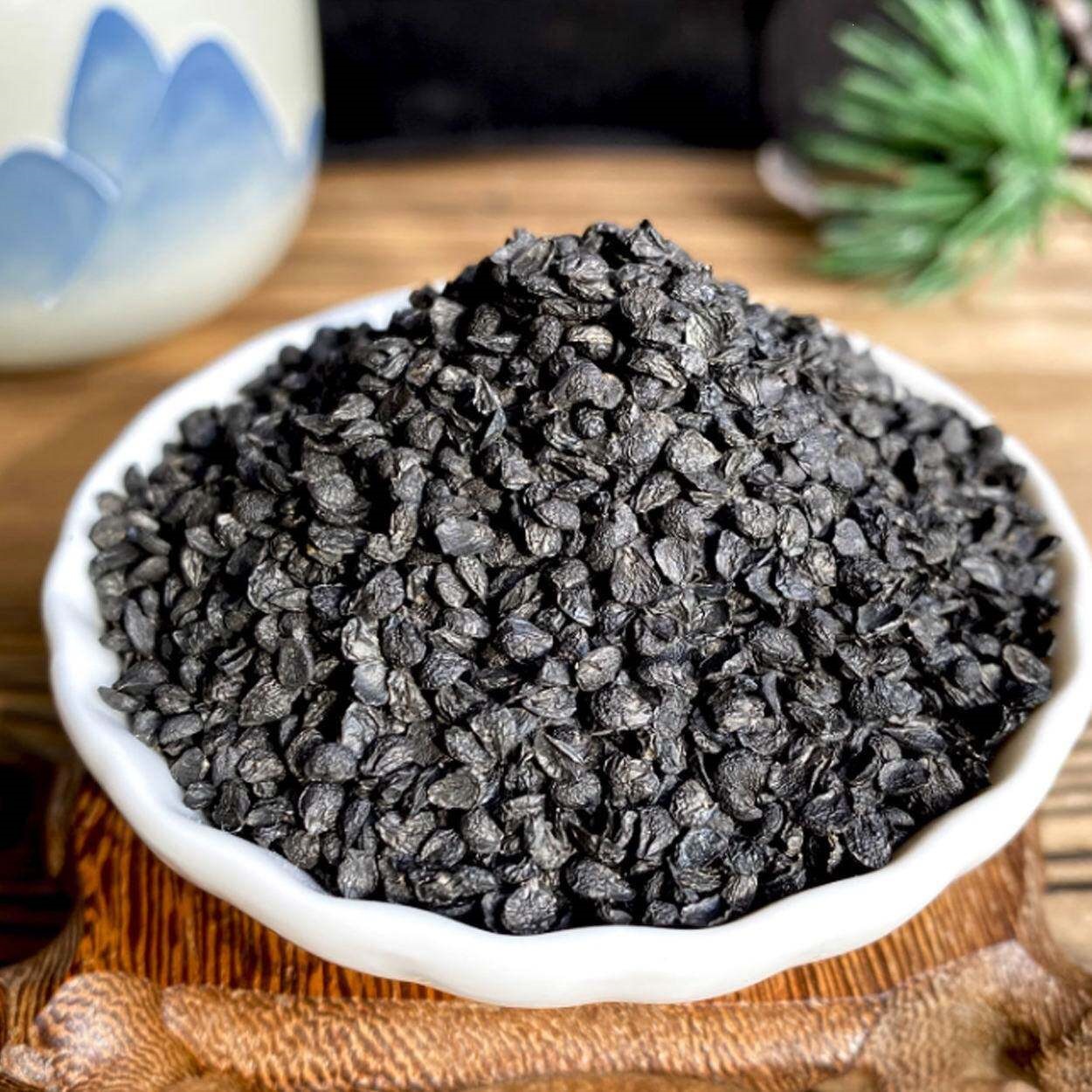
Roasted leek seeds are typically small, dark brown to black, with a warm toasted aroma and mild nutty taste. Dodder seeds are typically tiny, pale brown to greyish, with a subtle earthy scent. When simmered, the liquid is light amber with a gentle, slightly sweet herbal taste.
Technical Specifications
| Product Type | Dried herbal decoction piece combo |
|---|---|
| Chinese Name | 韭菜籽 菟丝子 |
| Pinyin | Jiu Cai Zi, Tu Si Zi |
| Botanical Name | Allium tuberosum, Cuscuta chinensis |
| Form | Dried seeds, roasted leek seed |
| Net Weight | 250 g leek seed + 250 g dodder seed |
Usage Scenarios
- Simmered as a traditional herbal tea
- Added to herbal soups and broths
- Cooked into congee or rice porridge
- Used in seasonal warming food preparations
Traditional Uses
In TCM theory, leek seed and dodder seed are traditionally paired to support kidney yang and essence. They are commonly simmered together as a decoction, added to soups, or cooked into congee. This pairing is often used in daily warming herbal preparations and seasonal tonics.
FAQ Q&A
Q: What is this product?
A: It is a two-herb combo of roasted leek seed (Jiu Cai Zi) and dodder seed (Tu Si Zi), sold as dried decoction pieces.
Q: What is it traditionally used for?
A: In TCM theory, this pairing is traditionally associated with supporting kidney yang and essence.
Q: How is it commonly prepared?
A: It is typically simmered as a tea or decoction, or added to soups and congee.
Additional information
| Weight | N/A |
|---|---|
| Dimensions | N/A |
| Model | 商家补贴 限时限量 韭菜籽30g三角包, 新货无杂 生韭菜籽150克, 新货无杂 生韭菜籽 250克, 新货无杂 生韭菜籽500克, 组合 韭菜籽250g 红枸杞250g 2罐, 组合 韭菜籽250克 菟丝子250克 2罐 |
Related products
-

Dried Raspberry Fruit Fu Pen Zi Whole Berries for Herbal Tea and Wine Infusion 500g
Price range: $15.63 through $18.06 -
Tie Pi Shi Hu Dried Dendrobium Stems 500g Huoshan Fengdou for Soup and Tea
Price range: $35.88 through $108.80 -
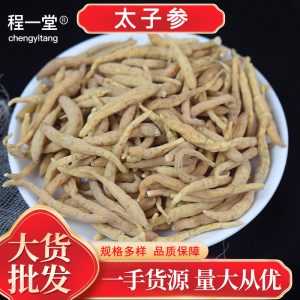
Taizishen Dried Pseudostellaria Root TCM Herbal Tea and Soup Ingredient 500g Bulk Pack
Price range: $10.28 through $15.63 -
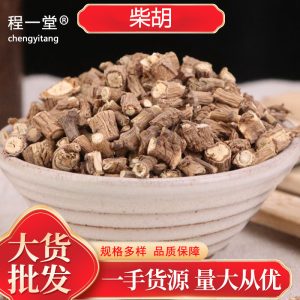
Chai Hu Bupleurum Root Dried Herb 500g Traditional TCM Decoction Herb
Price range: $9.14 through $16.44
Reviews
There are no reviews yet.