
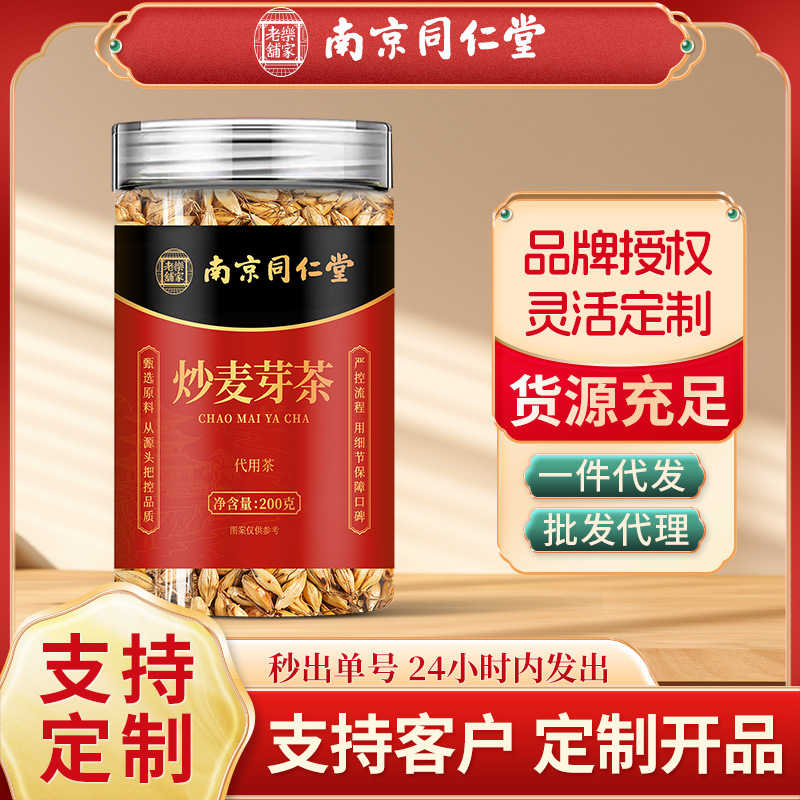



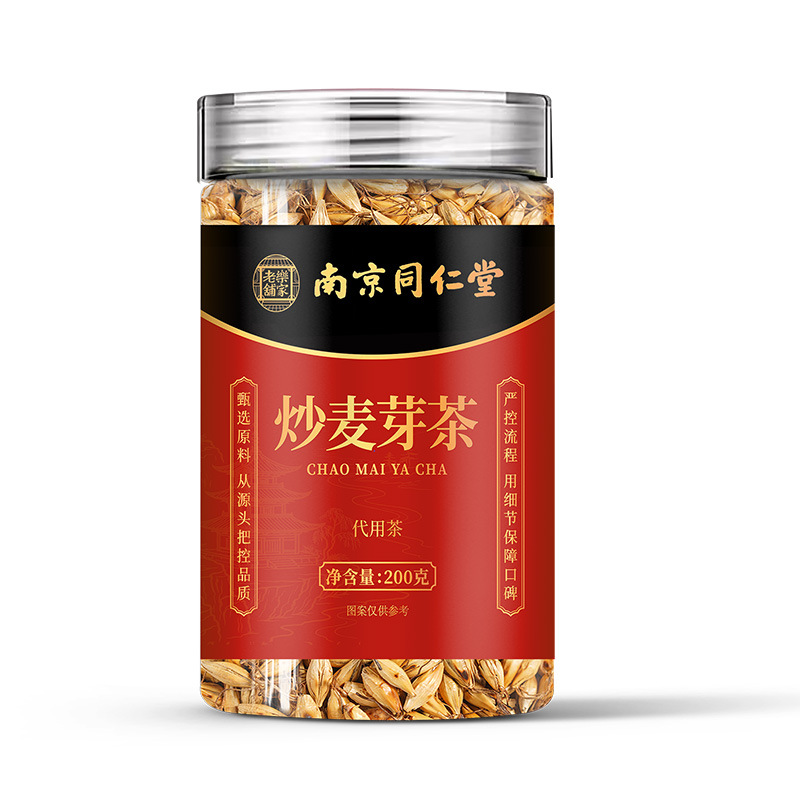
Roasted Barley Sprout Herbal Tea 200g Jar Mai Ya Traditional Chinese Wellness Tea
$5.60
9998 in stock
Description
Roasted Barley Sprout, known in TCM as Mai Ya (麦芽), from Hordeum vulgare, is the dried germinated grain of barley. In TCM theory it is sweet and neutral, entering the spleen and stomach channels. Traditionally used to support digestion and soothe occasional bloating after heavy meals. This 200g jar contains pre-packaged roasted sprouts ready for steeping as a daily herbal tea.

Key Selling Points
- Single-ingredient roasted barley sprout from Hordeum vulgare
- Known in TCM as Mai Ya (麦芽) with sweet neutral nature
- Pre-packaged 200g jar for convenient daily steeping
- Lightly roasted for a warm toasted aroma and mild taste
- Traditionally used in TCM to support healthy digestion
Quality & Sensory
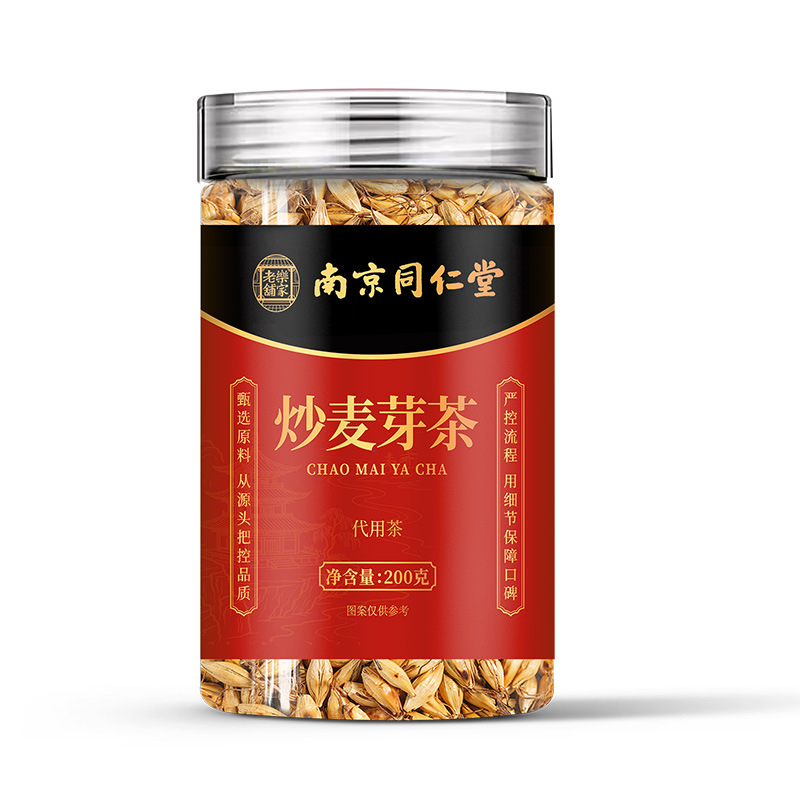
The roasted sprouts are typically golden to light brown with a dry crisp texture and a warm toasted grain aroma. When steeped, the liquor is typically pale amber with a mild nutty slightly sweet taste. Batch color and aroma may vary slightly with harvest and roasting.
Technical Specifications
| Product Type | Roasted barley sprout herbal tea |
|---|---|
| Chinese Name | 麦芽 |
| Pinyin | Mai Ya |
| Botanical Name | Hordeum vulgare |
| Plant Part | Germinated dried grain |
| Net Weight | 200g |
Usage Scenarios
- Steep as a daily herbal tea
- Add to congee during cooking
- Simmer in light soups
- Include in homemade decoctions
- Use as a gentle after-meal infusion
Traditional Uses
In TCM tradition, Mai Ya is often prepared as a simple decoction or tea after meals to support digestion. It is commonly paired with hawthorn (Shan Zha) or tangerine peel (Chen Pi) in traditional formulas. Folk practice also adds roasted barley sprout to congee and light soups for everyday digestive wellness.
FAQ Q&A
Q: What is this product?
A: It is a 200g jar of roasted barley sprout, known in TCM as Mai Ya (麦芽), from Hordeum vulgare.
Q: What is its traditional value?
A: In TCM theory Mai Ya is sweet and neutral, entering the spleen and stomach channels, and is traditionally used to support digestion.
Q: How is it commonly prepared?
A: It is typically steeped as a tea or simmered briefly in water, and can also be added to congee or light soups.
Additional information
| Weight | 0.43 kg |
|---|---|
| Dimensions | 12 × 12 × 15 cm |
Related products
-
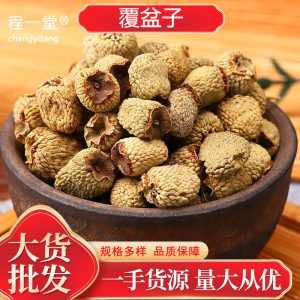
Dried Raspberry Fruit Fu Pen Zi Whole Berries for Herbal Tea and Wine Infusion 500g
Price range: $15.63 through $18.06 -
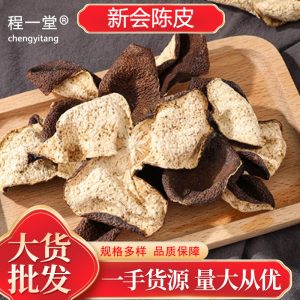
Xinhui Chenpi Dried Tangerine Peel 500g Sun Dried Aged Peel for Soup and Tea
Price range: $60.19 through $116.90 -
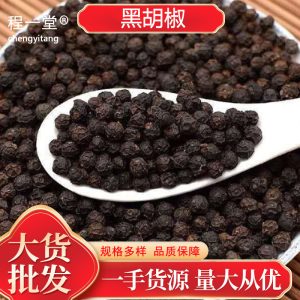
Black Pepper Whole Peppercorns Hu Jiao 500g Bulk Culinary Spice for Cooking and Seasoning
Price range: $8.33 through $9.14 -
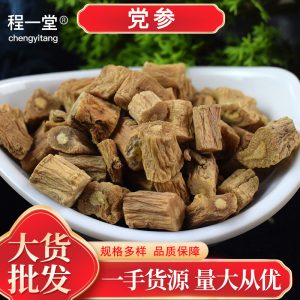
Dried Codonopsis Root Slices Dang Shen 500g Bulk Supply for Soups and Herbal Decoctions
Price range: $10.28 through $18.06
Reviews
There are no reviews yet.