
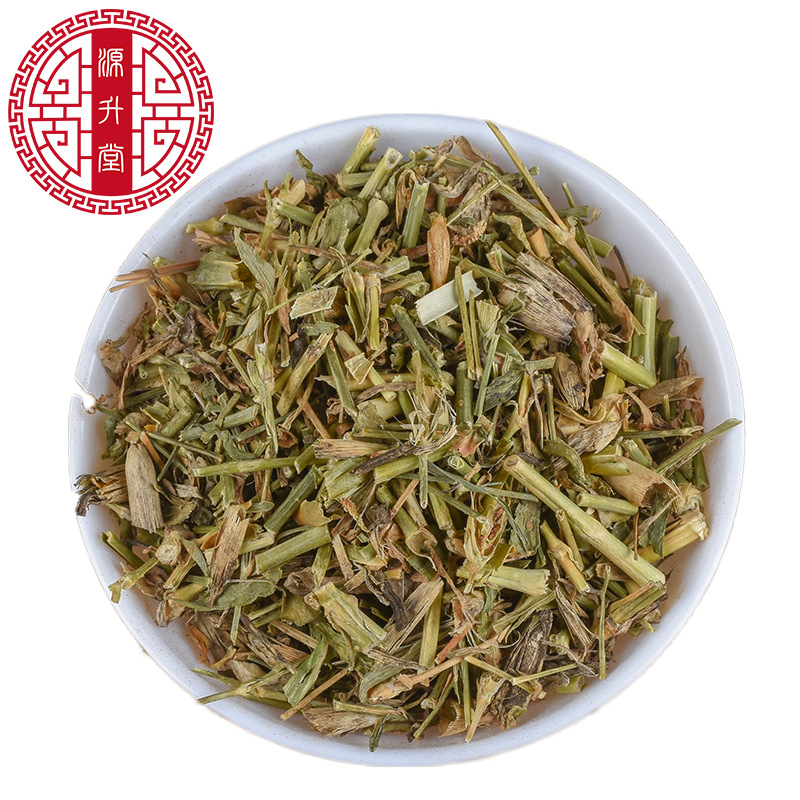
Qu Mai (Dianthus superbus) — Dried Food-Herb Aerial Parts from Hebei, 500g
$4.53
99999431 in stock
Description
Qu Mai (Dianthus superbus), known in Traditional Chinese Medicine (TCM) as Qú Mài (瞿麦), is the dried aerial part of a traditional food herb also called Fringed Pink or Chinese Pink. For centuries it has been prized as a cooling, damp-clearing herb used to support urinary smoothness and gently resolve internal heat. Its nature is bitter and cold, making it a focused yet traditional herb for clearing heat, promoting diuresis, and supporting the free flow of fluids.

Key Selling Points
- Traditional heat-clearing food herb
- Dried Qu Mai aerial parts
- Dianthus superbus
- Sourced from Hebei, China
- 500g bulk pack for daily decoction
Quality & Sensory
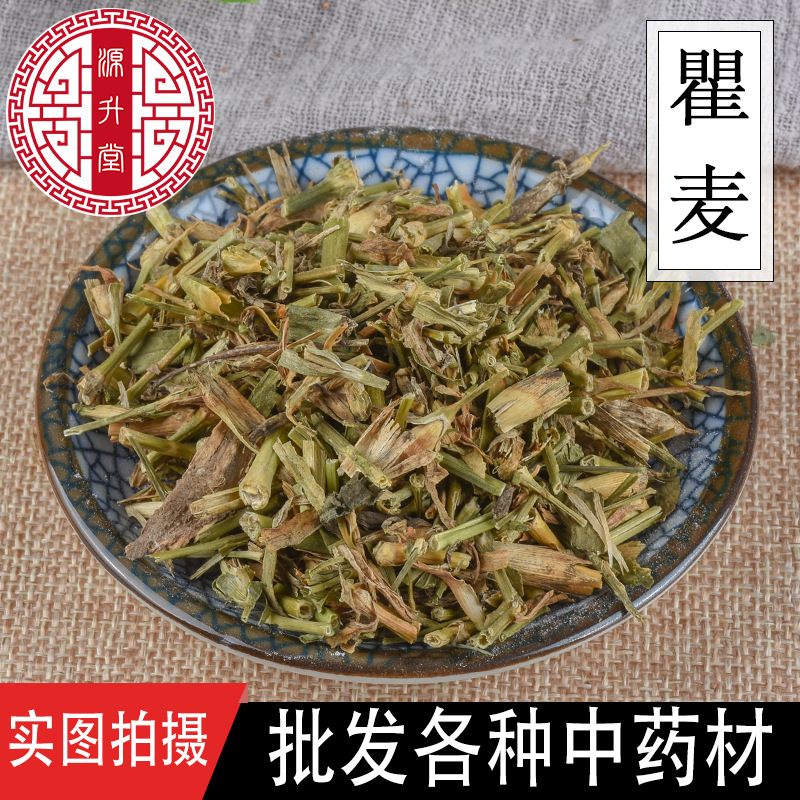
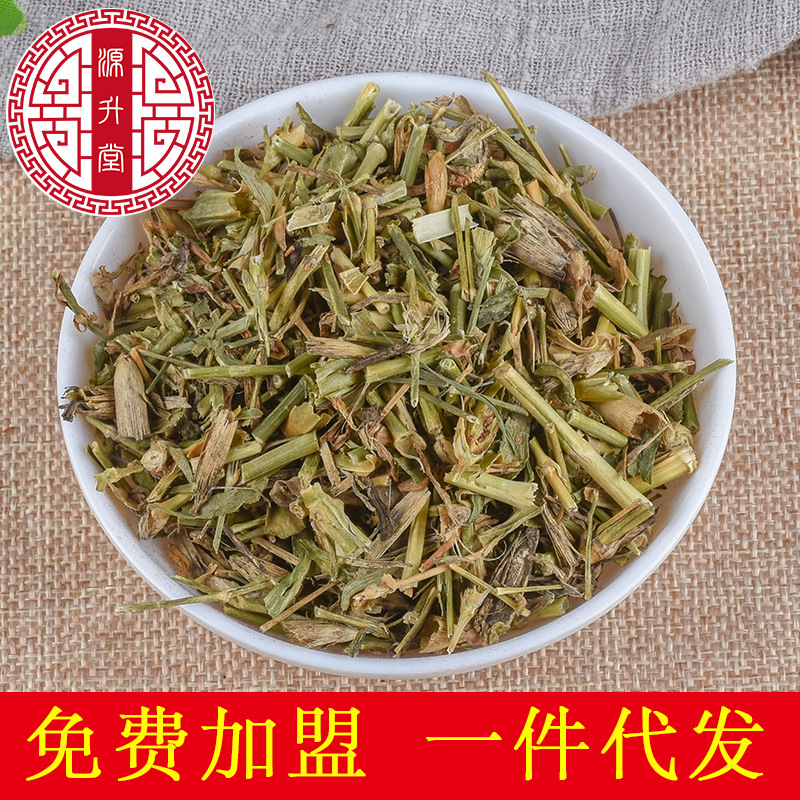
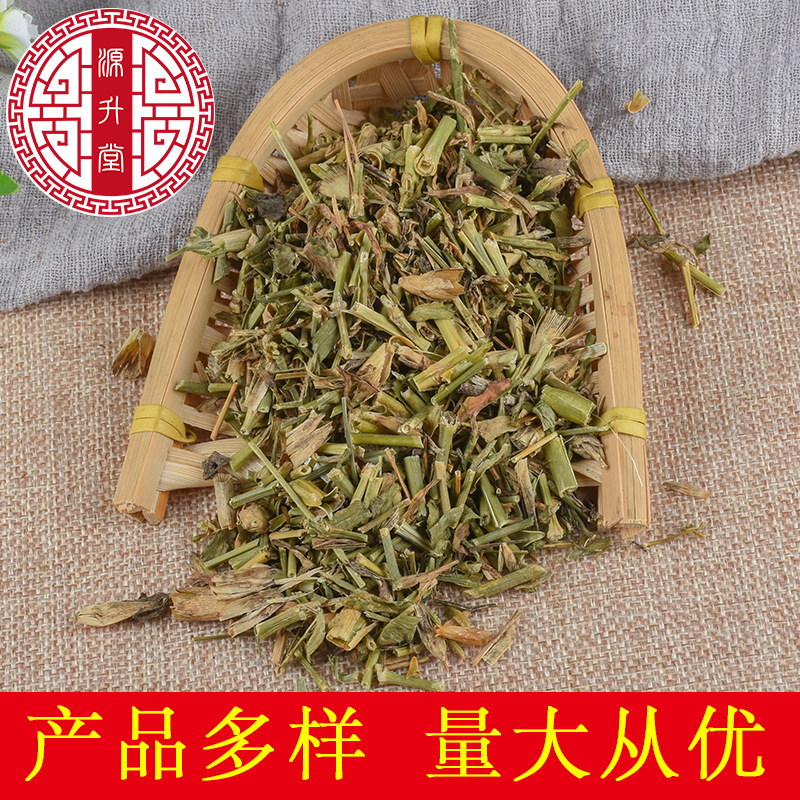
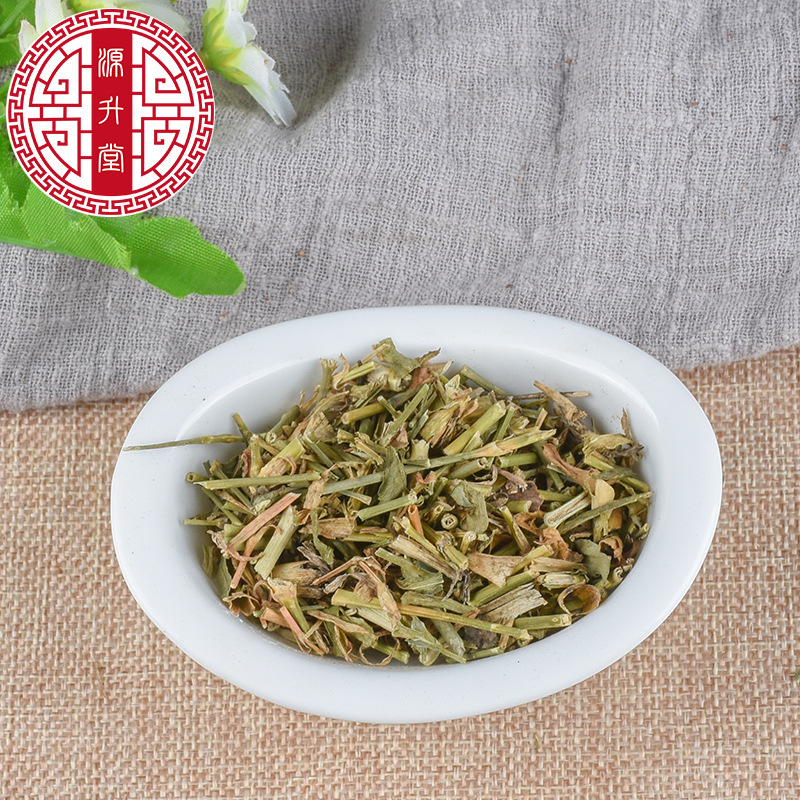
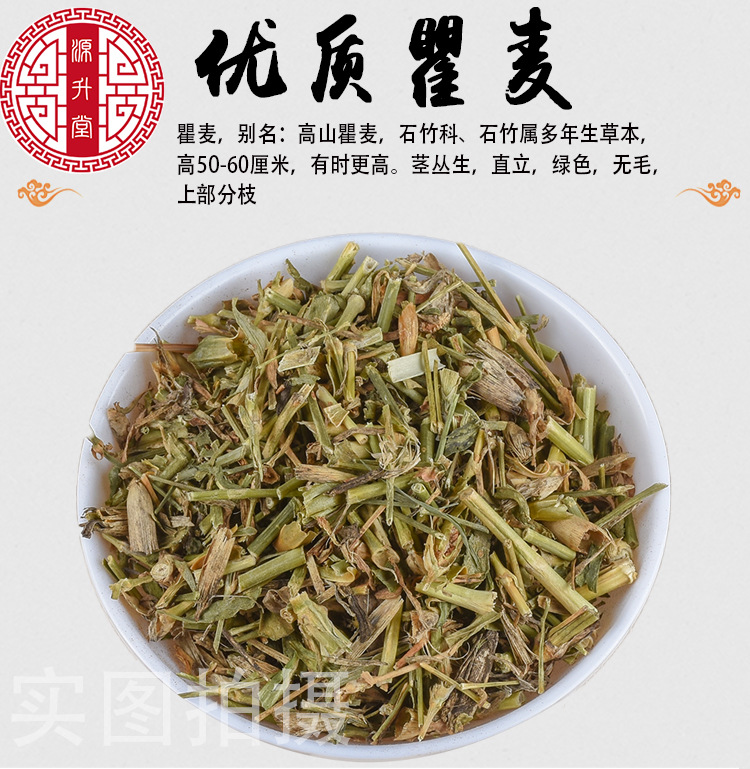
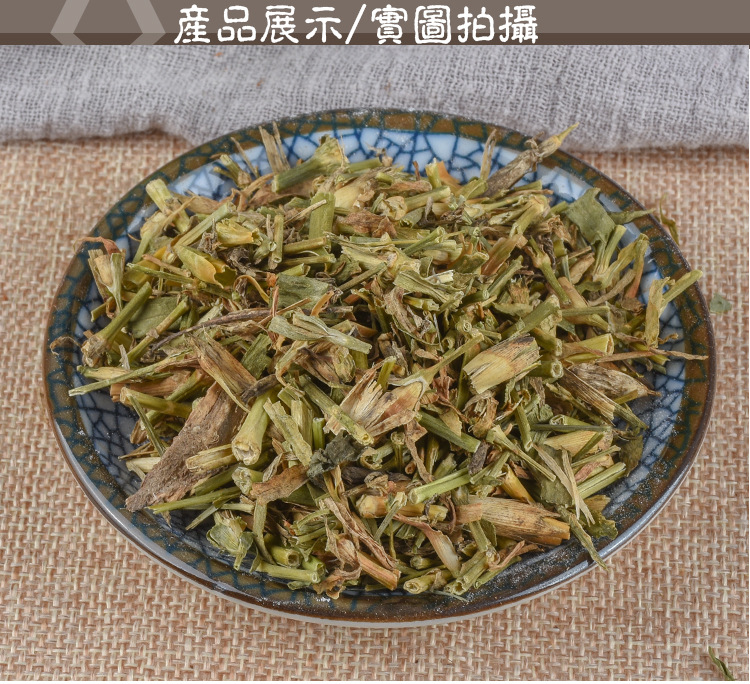
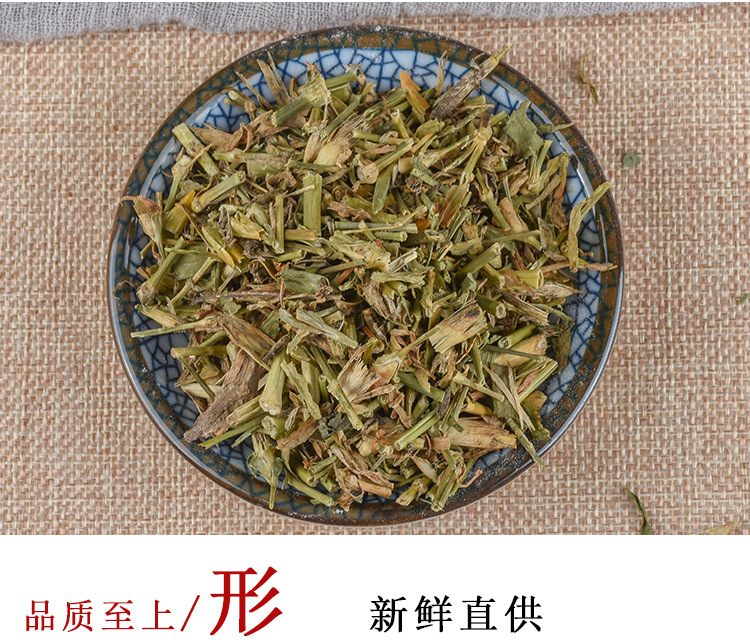
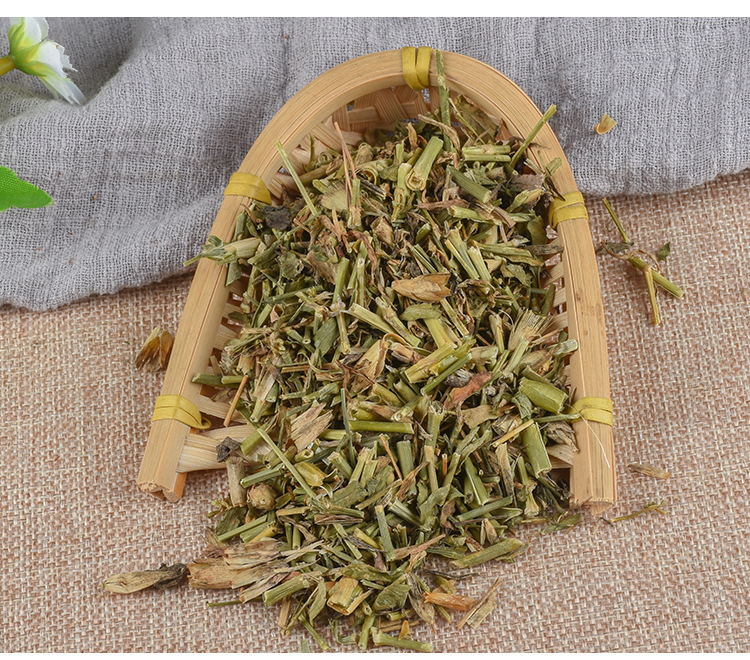
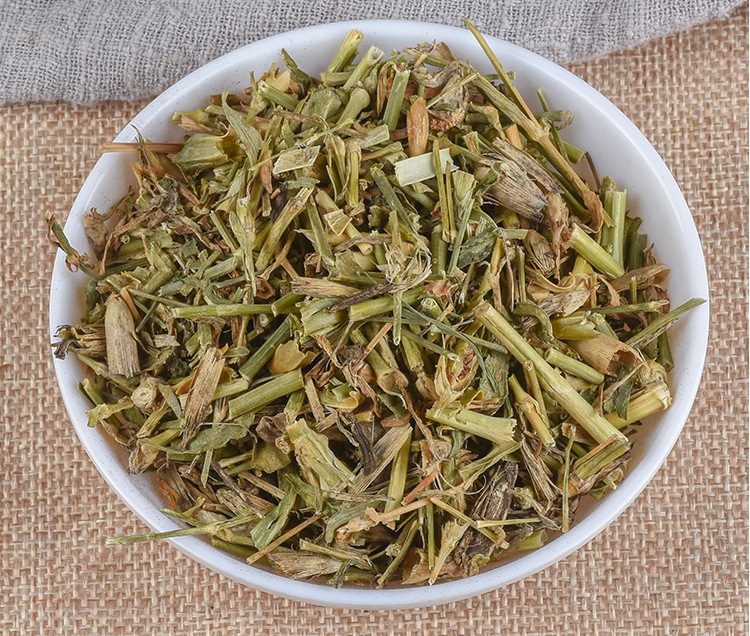
Each batch is carefully dried to preserve its greenish-yellow stems, slender leaves, and faintly floral aroma. When decocted, the herb yields a pale golden infusion with a mild, slightly bitter and grassy taste that softens as it cools, leaving a clean, refreshing finish.
Technical Specifications
| Product Type | Dried Herb |
|---|---|
| Common Name | Qu Mai |
| Botanical Name | Dianthus superbus |
| Form | Dried Aerial Parts |
| Origin | Hebei, China |
| Net Weight | 500g |
Usage Scenarios
- Traditional herbal decoction
- Herbal tea blends
- Seasonal cooling infusions
- Soup-pack ingredient
- Daily food-herb wellness routine


Traditional Uses
In folk herbal practice, Qu Mai is decocted alone or with other herbs into daily teas and cooling infusions, especially during warm seasons. It is a common ingredient in traditional formulas that support urinary comfort, and it is sometimes added to light soups and congee for its gentle heat-clearing character. As a tea, it is brewed with ingredients like plantain seed or bamboo leaf for a refreshing, mildly bitter cup.


FAQ Q&A
Q: What is Qu Mai?
A: Qu Mai is the common Chinese name for the dried aerial parts of Dianthus superbus, also called Fringed Pink. It is a traditional food herb used in decoctions and teas.
Q: What is the traditional wellness value of Qu Mai?
A: In traditional Chinese food wellness culture, Qu Mai is associated with clearing heat, promoting diuresis, and supporting the free flow of fluids. It is often used in cooling teas and seasonal decoctions.
Q: How do I use dried Qu Mai?
A: Rinse the herb and simmer it in water as a decoction, or brew it in hot water as part of a tea blend. Adjust the quantity to your recipe and taste preference.


Additional information
| Weight | 1 kg |
|---|---|
| Dimensions | 25 × 18 × 8 cm |
Related products
-
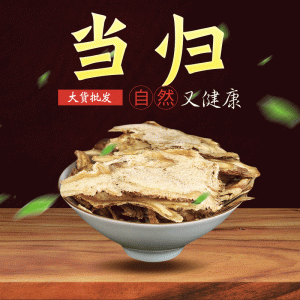
Dang Gui Slices (Angelica sinensis) — Gansu Minxian Dried Root Slices for Cooking & Tea
Price range: $4.44 through $20.49 -
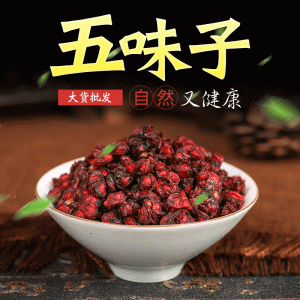
Liao Wu Wei Zi (Schisandra chinensis) — Dried Changbai Mountain Schisandra Berry, 500g
$6.88 -
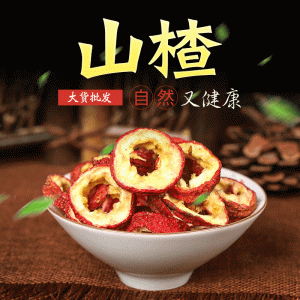
Shan Zha Slices (Crataegus pinnatifida) — Pitted Dried Hawthorn for Sour Plum Soup & Tea
Price range: $4.12 through $5.74 -
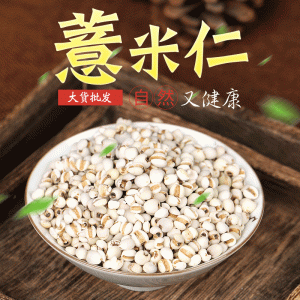
Yi Mi Ren (Coix Seed / Job’s Tears) — Guizhou Roasted Coix lacryma-jobi for Soup & Tea
Price range: $4.61 through $4.77
Reviews
There are no reviews yet.