
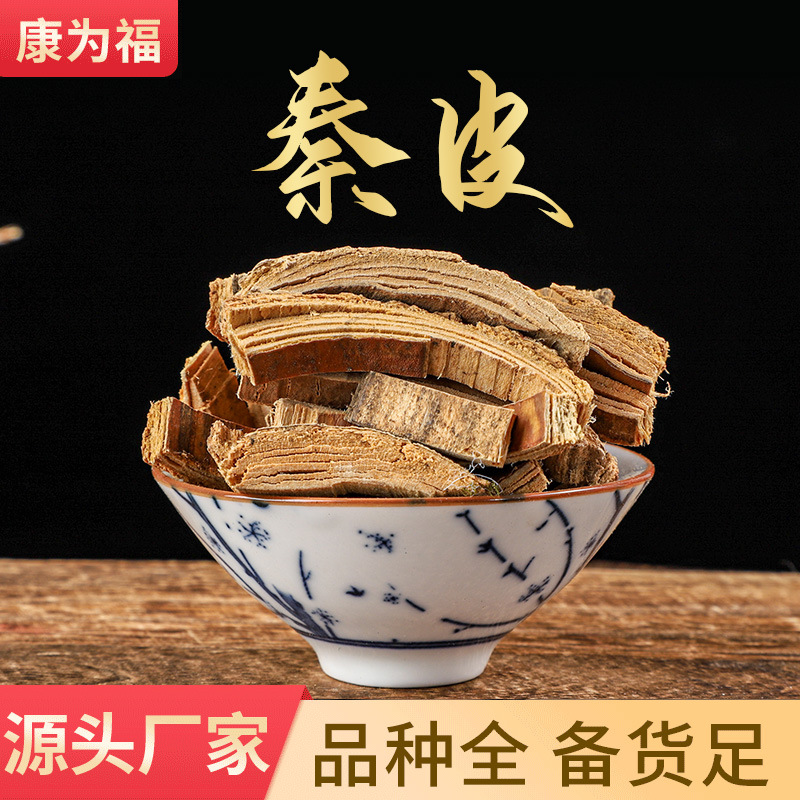
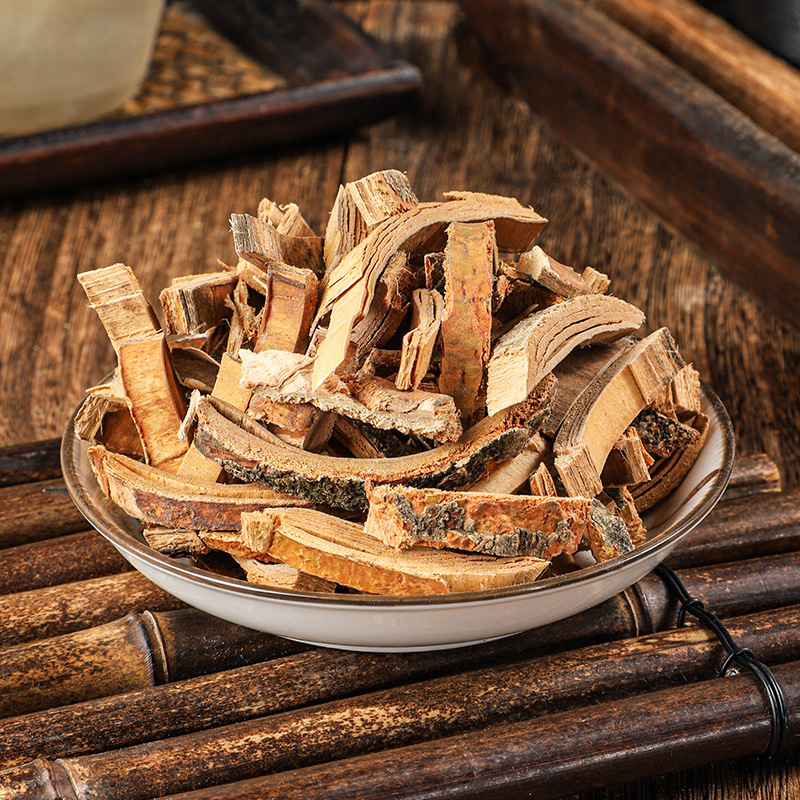
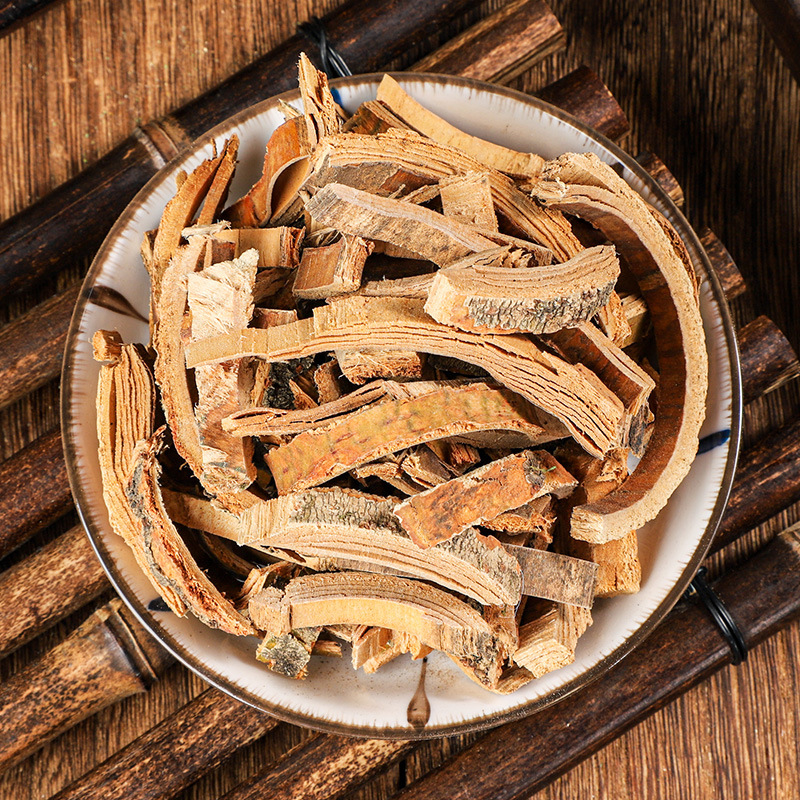
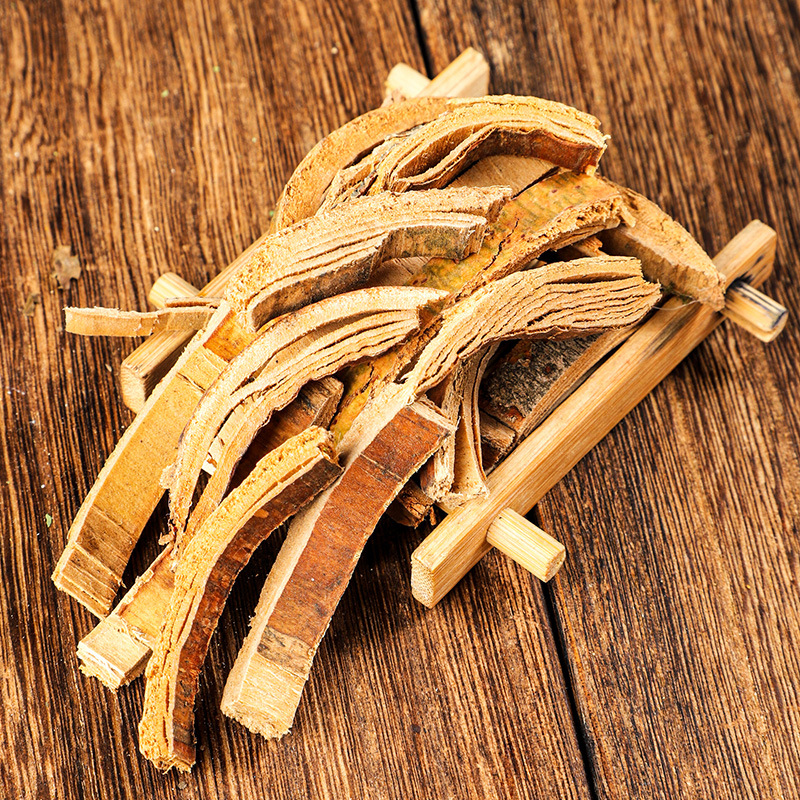
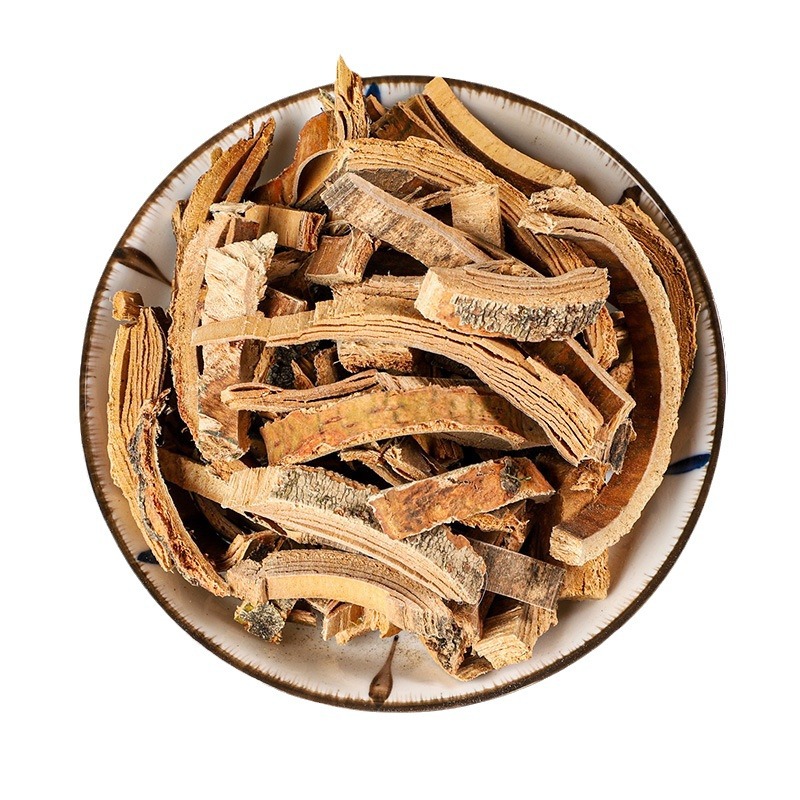
Qin Pi Powder (Fraxinus rhynchophylla) — Dried Food Herb for Tea, Congee & Soup
Price range: $5.00 through $5.10
Description
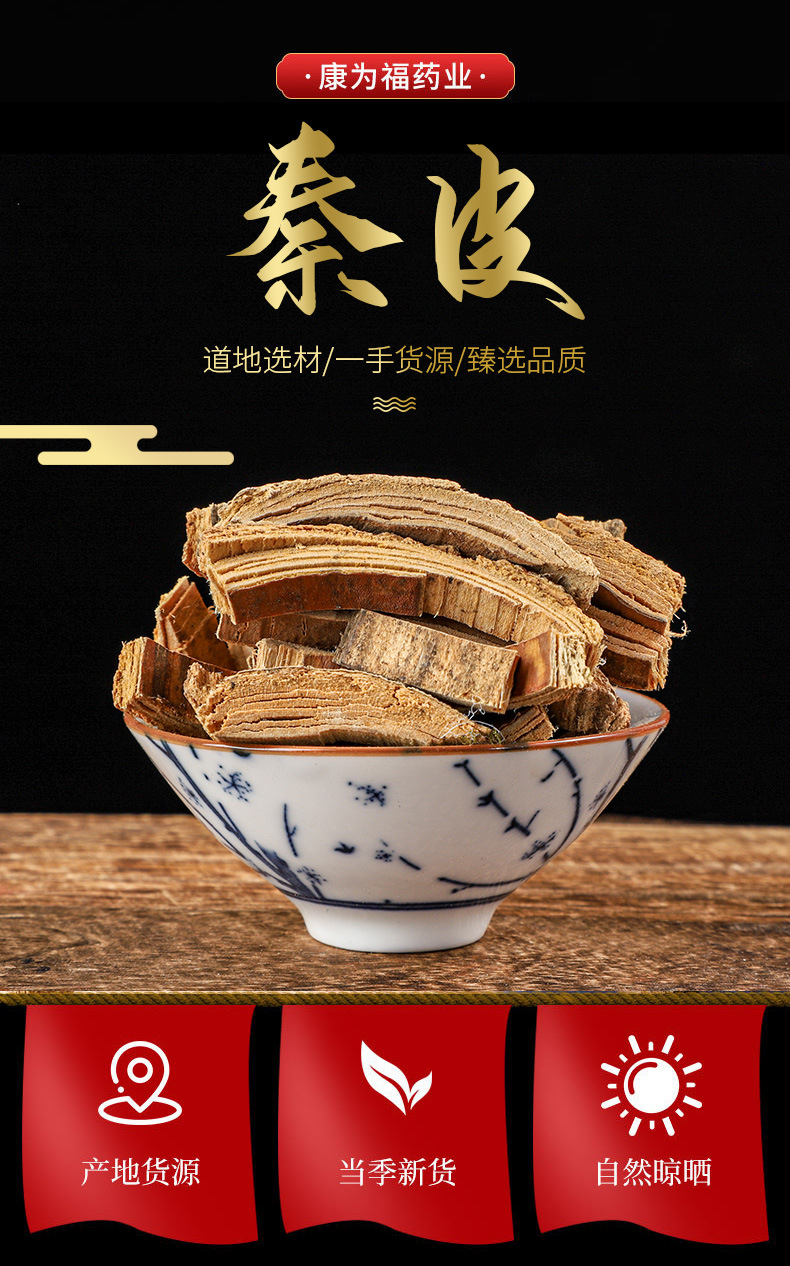
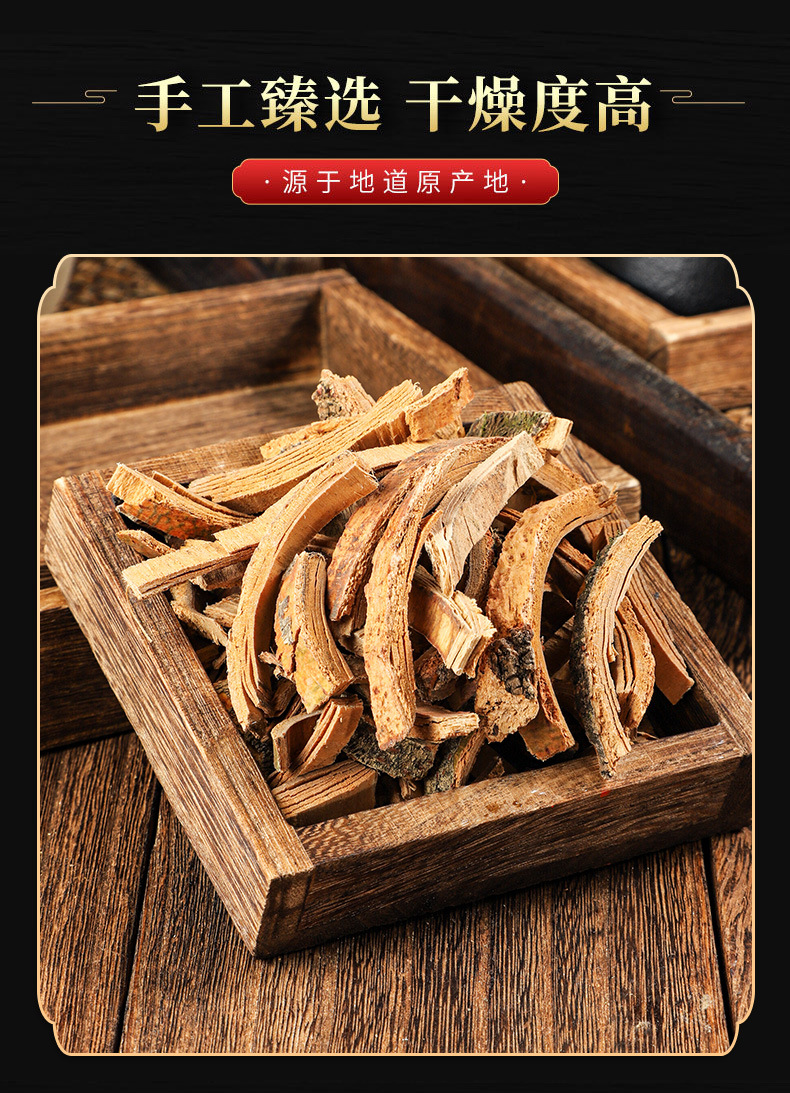
Qin Pi Powder (Fraxinus rhynchophylla) is the finely milled bark of a traditional herb known in Traditional Chinese Medicine (TCM) as Qín Pí (秦皮). Also called Qin Bai Pi, Wax Tree Bark, or Bitter Pomegranate Bark, Qin Pi has long been prized as a bitter, cold, astringent herb used to clear damp-heat, cool the Liver, and tighten the intestines. Its nature is bitter, astringent, and cold, making it a focused yet traditional herb for drying dampness and settling the lower burner.

Key Selling Points
- Traditional bitter-cold food herb
- Finely milled Qin Pi bark powder
- Fraxinus rhynchophylla
- Suitable for tea, congee, and soup
- 500g value pack from a broad-origin source
Quality & Sensory
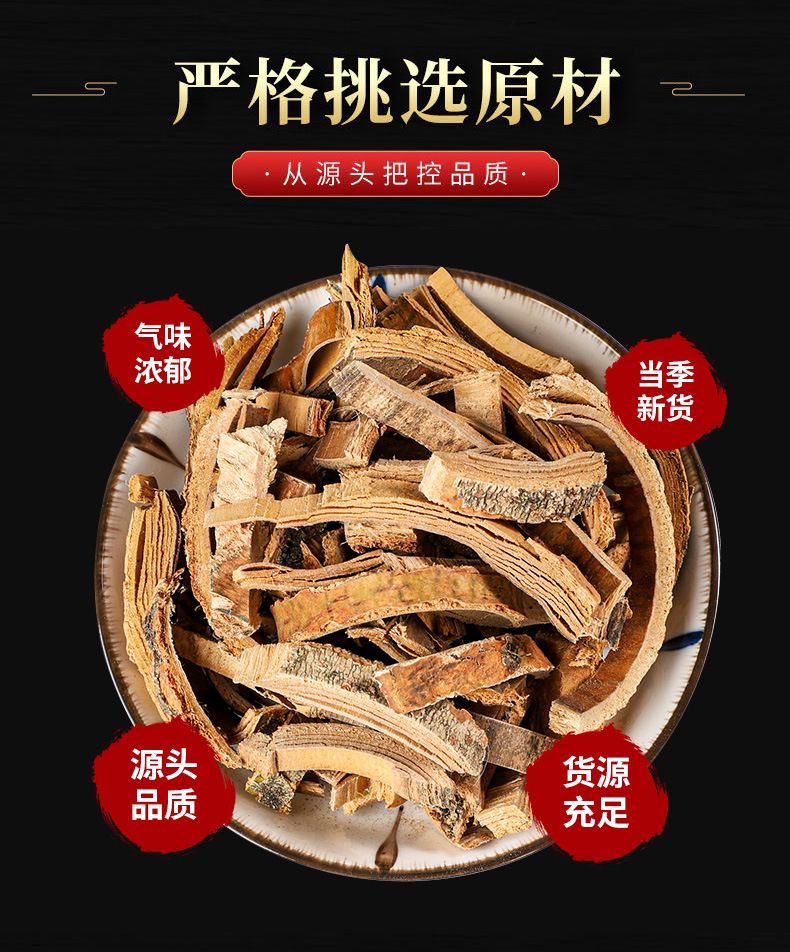
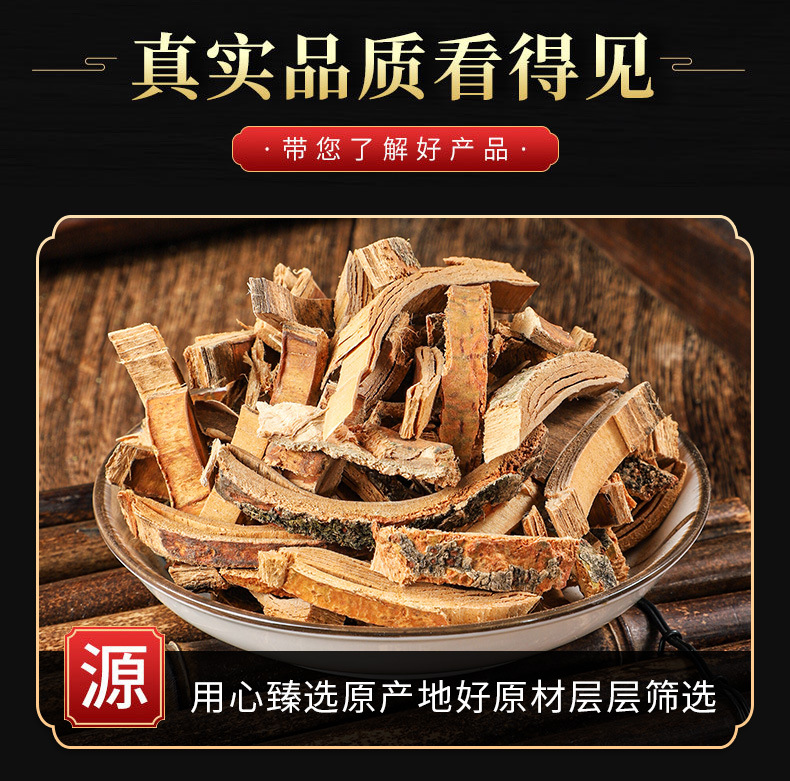
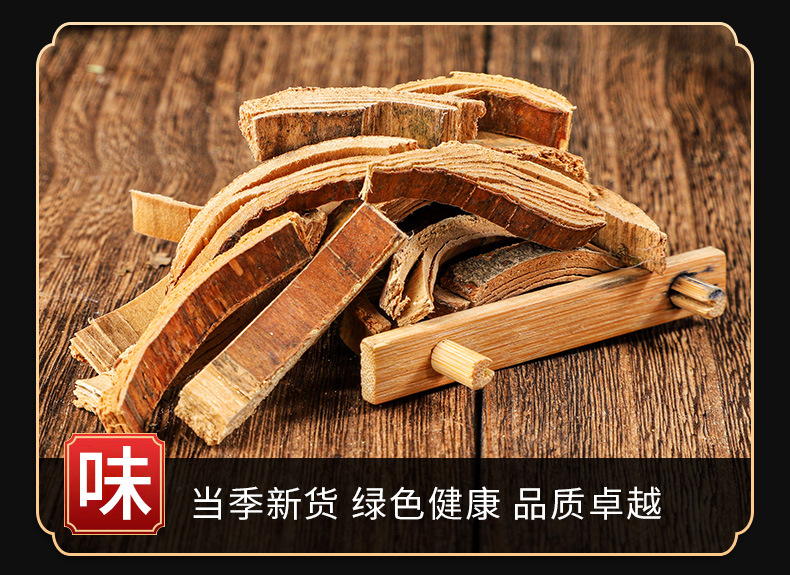
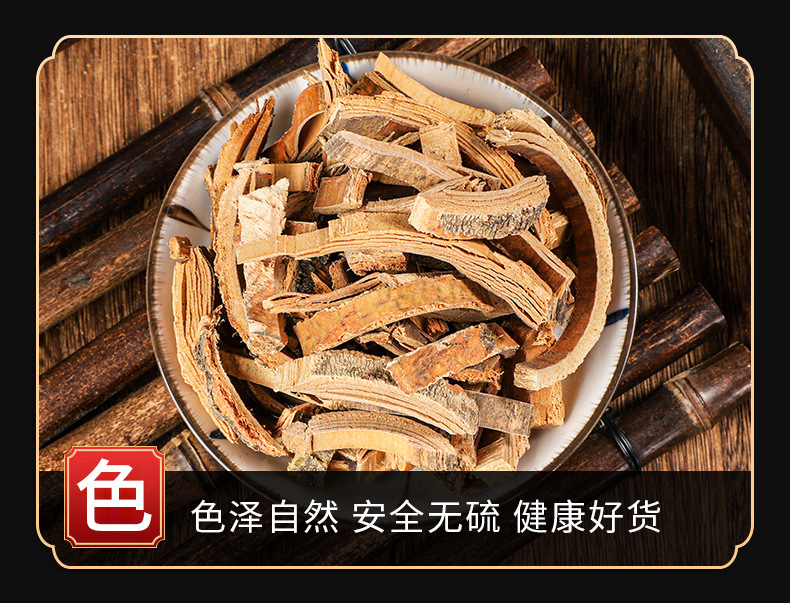
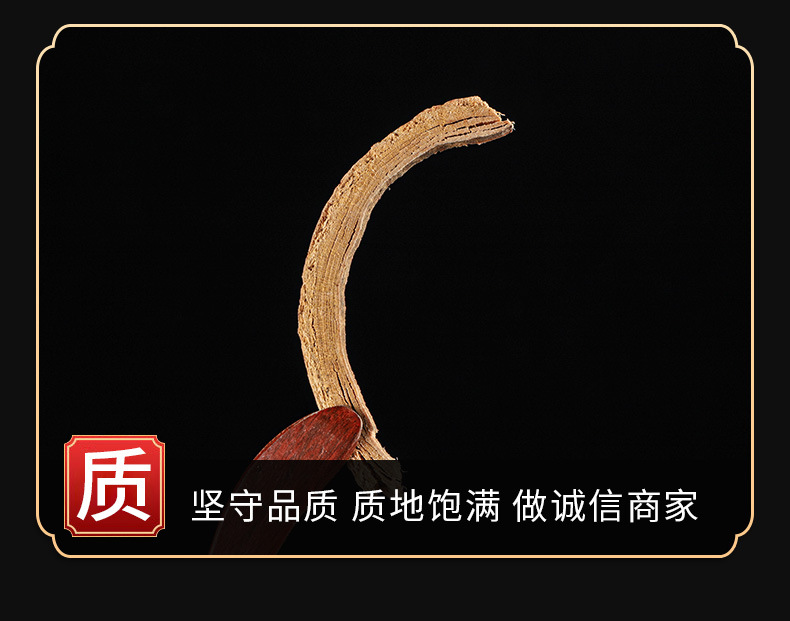
Each batch is carefully dried and milled to preserve its pale yellowish-brown color, fine smooth texture, and mild woody aroma. When brewed or simmered, the powder disperses easily and yields a distinctly bitter, slightly astringent infusion with an earthy, bark-like finish that softens when paired with jujube or goji berry.

Technical Specifications
| Product Type | Dried Herbal Powder |
|---|---|
| Common Name | Qin Pi |
| Botanical Name | Fraxinus rhynchophylla |
| Form | Powder |
| Net Weight | 500g |
| Primary Use | Herbal Tea, Congee, and Soup Ingredient |


Usage Scenarios
- Herbal tea and daily brews
- Congee and grain porridge
- Chinese-style soup and broth
- Blended herbal decoctions
- Seasonal food-therapy cooking


Traditional Uses
In folk herbal practice, Qin Pi is decocted into teas, congee, and soups to support the body during damp, warm seasons. It is a common ingredient in traditional food-therapy recipes, where it pairs with ingredients like jujube, goji berry, and lotus seed to soften its bitter edge. As a daily tea, it is brewed alone or blended with other herbs for a focused, astringent infusion.


FAQ Q&A
Q: What is Qin Pi?
A: Qin Pi is the common Chinese name for the dried bark of Fraxinus rhynchophylla, also called Qin Bai Pi, Wax Tree Bark, or Bitter Pomegranate Bark. It is a traditional food herb used in tea, congee, and soup.
Q: What is the traditional wellness value of Qin Pi?
A: In traditional Chinese food wellness culture, Qin Pi is associated with clearing damp-heat, cooling the Liver, and astringing the intestines. It is often used in teas and soups for daily seasonal nourishment.
Q: How do I use Qin Pi powder?
A: Add the powder to hot water as a tea, stir it into congee, or simmer it with soup ingredients. Adjust the quantity to your recipe and taste preference, and pair with jujube or goji berry to balance its bitterness.
Additional information
| Weight | N/A |
|---|---|
| Dimensions | N/A |
| Packaging specifications | Qinpi 500g, Qinpi powder 500g |
Related products
-
Prune & Phyllanthus Emblica Enzyme Drink (130g) — Fruit Ferment Beverage Sachet
$3.60 -

Flaxseed, Fig & Mulberry Botanical Drink (Linseed, Ficus carica, Morus alba) — Portable Herbal Beverage
$4.12 -
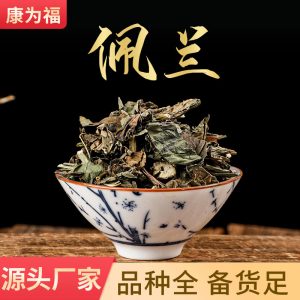
Pei Lan Powder (Eupatorium fortunei) — Dried Food Herb for Tea & Seasonal Blends
Price range: $4.91 through $5.08 -
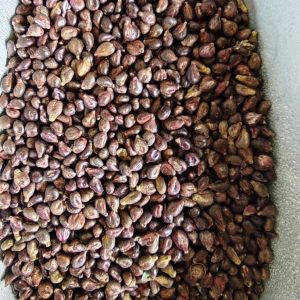
Grape Seed Powder (Vitis vinifera) — Food-Herb Botanical Powder, 500g
Price range: $4.69 through $7.45
Reviews
There are no reviews yet.