
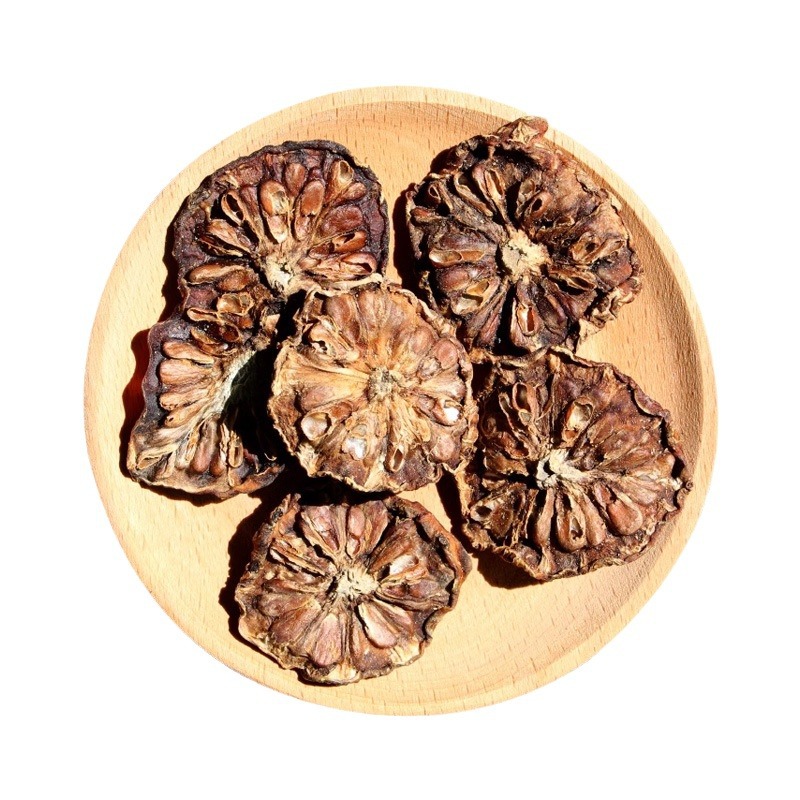
Noni Fruit Dried (Morinda citrifolia) — Hainan Noni Fruit for Soup & Tea
Price range: $5.49 through $6.30
Description
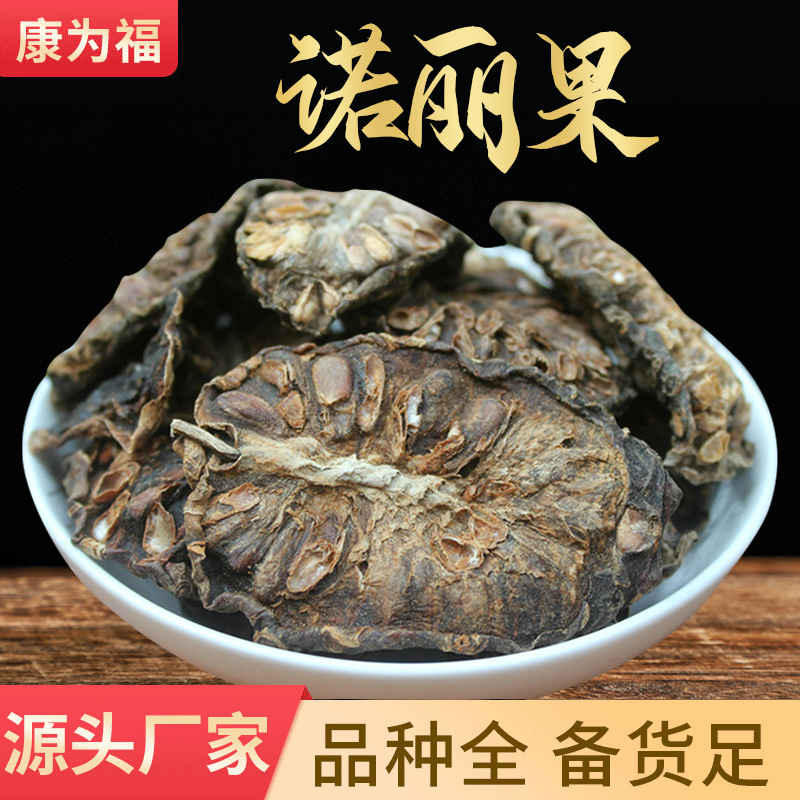
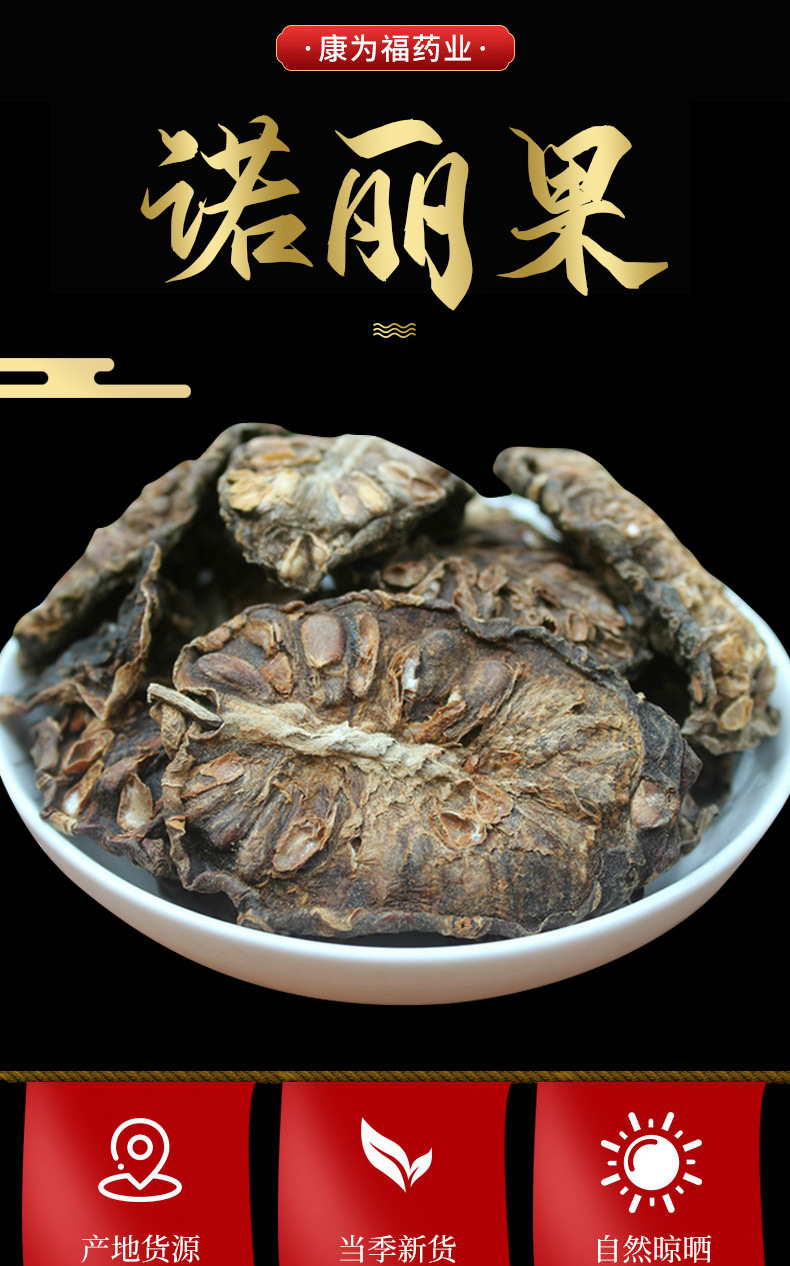
Noni Fruit Dried (Morinda citrifolia) is the dried fruit of a traditional Polynesian and Asian wellness botanical known in Chinese as Nuò Lì Guǒ (诺丽果). For generations, Noni has been prized as a nourishing, vitality-supporting fruit used in soups, teas, and daily tonics. Its nature is warm and its flavor is sour-sweet with a distinctive fermented aroma, making it a grounding fruit traditionally associated with supporting digestion, circulation, and overall wellness.

Key Selling Points
- Traditional Polynesian and Asian wellness fruit
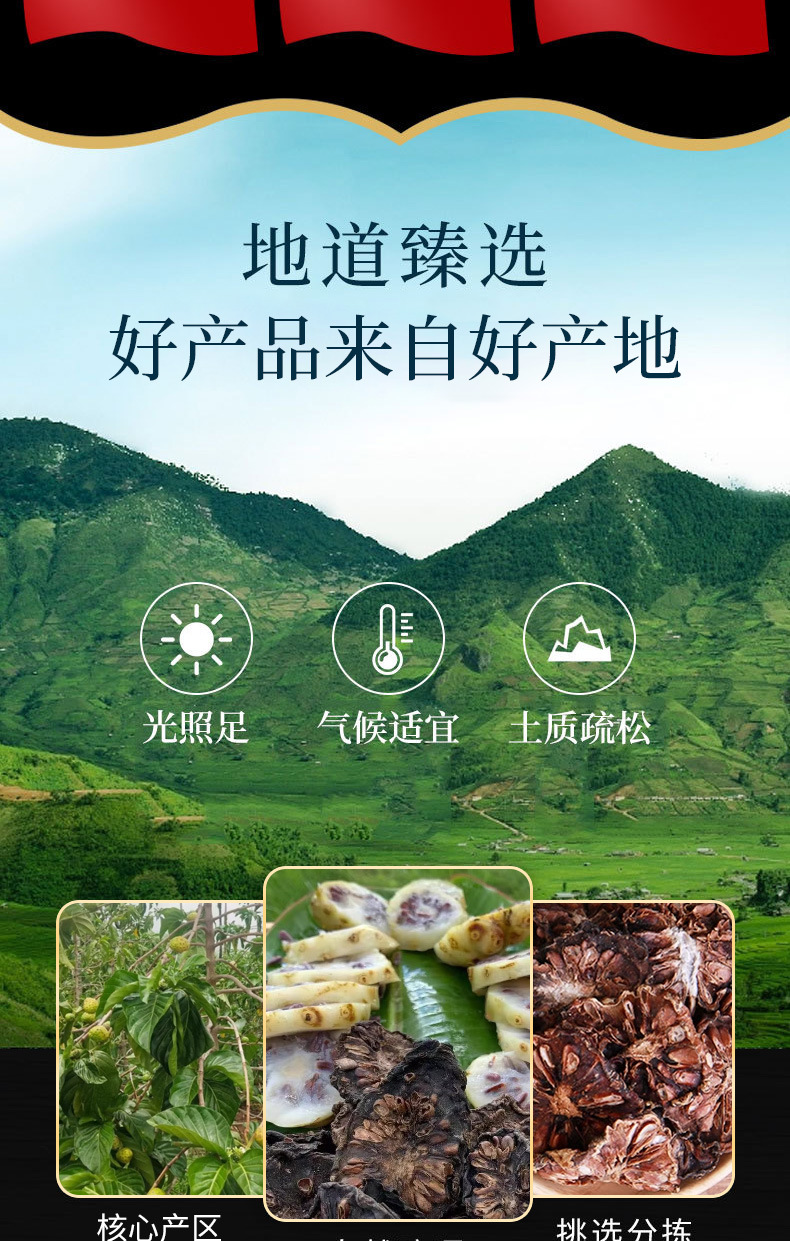
- Dried Noni fruit from Hainan origin
- Morinda citrifolia botanical identity
- Suitable for soup, tea, and daily tonic
- 500g premium dried fruit pack
Quality & Sensory
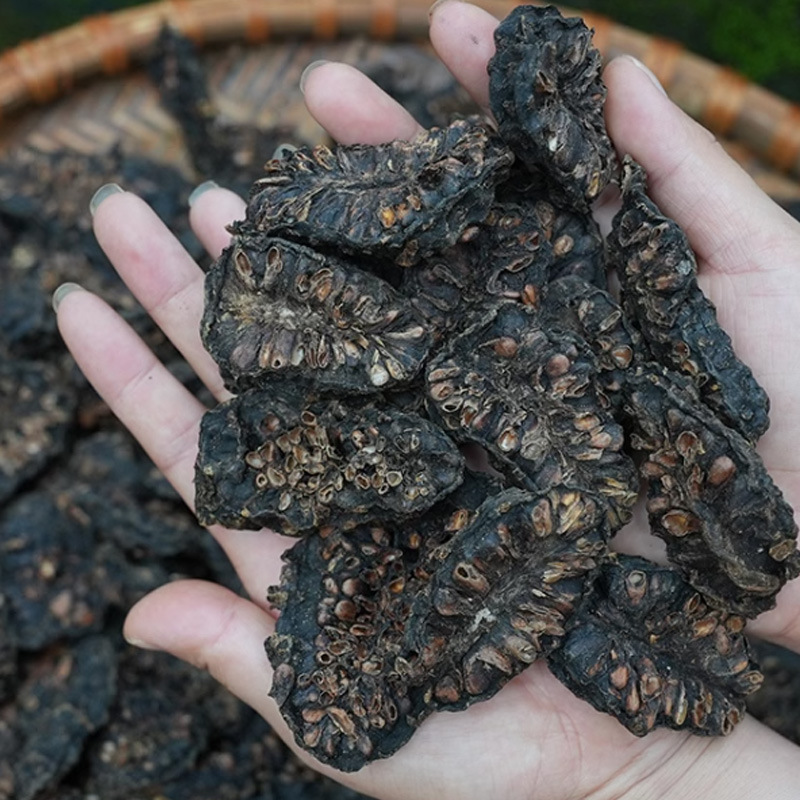
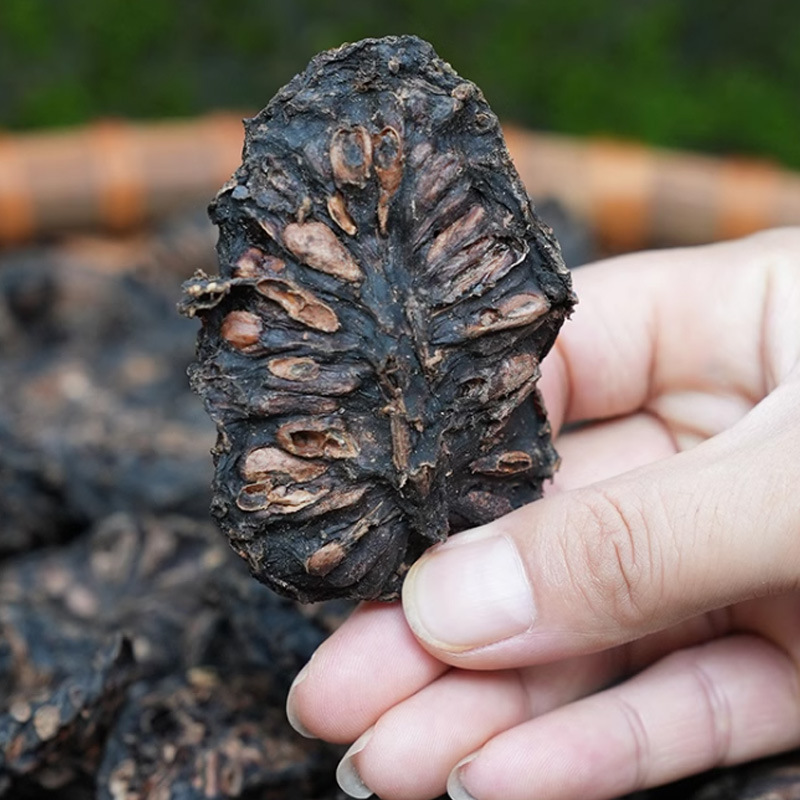
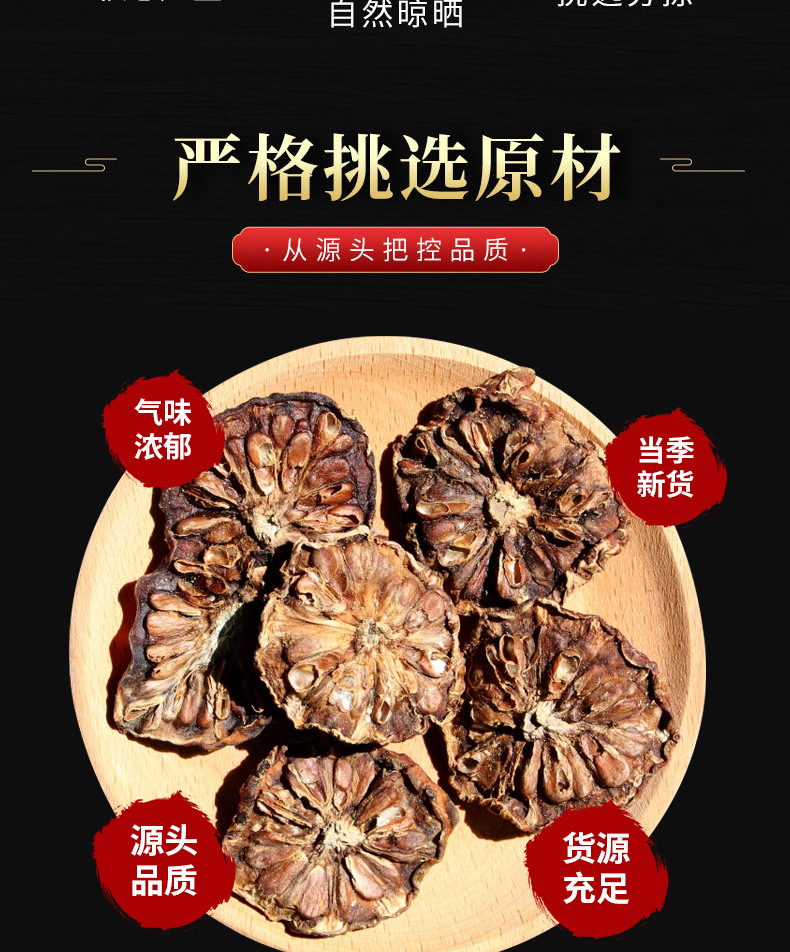
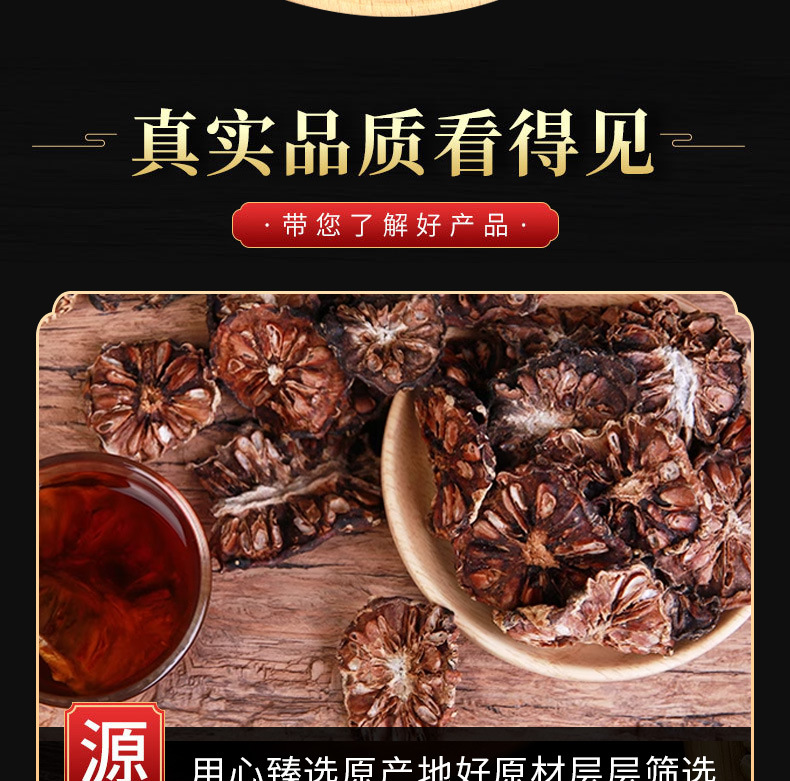
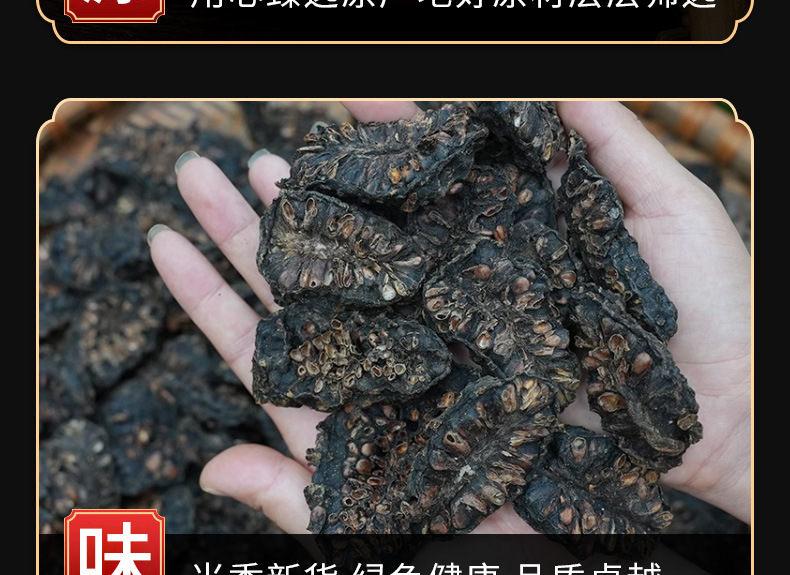
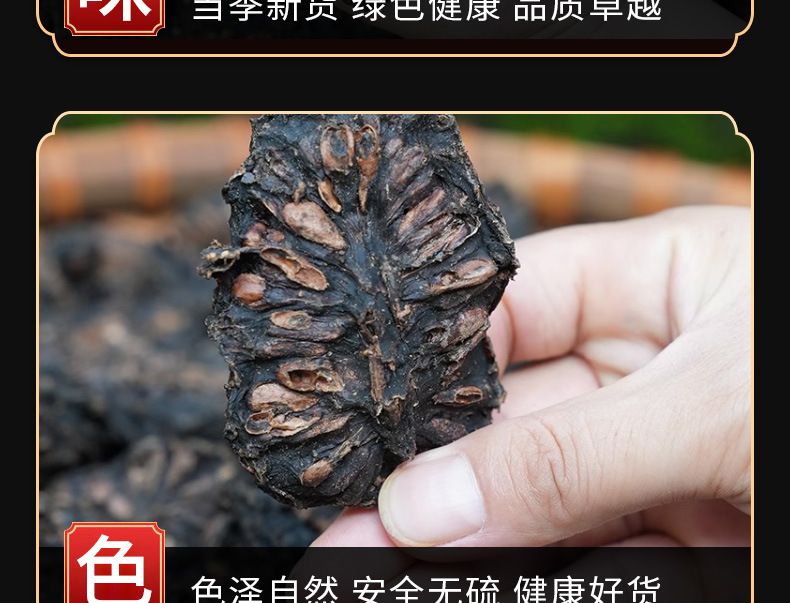
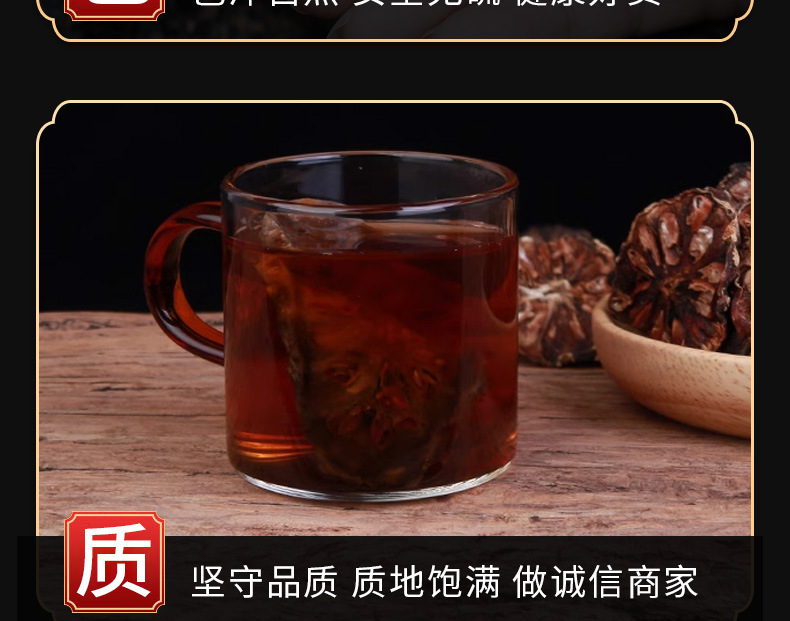
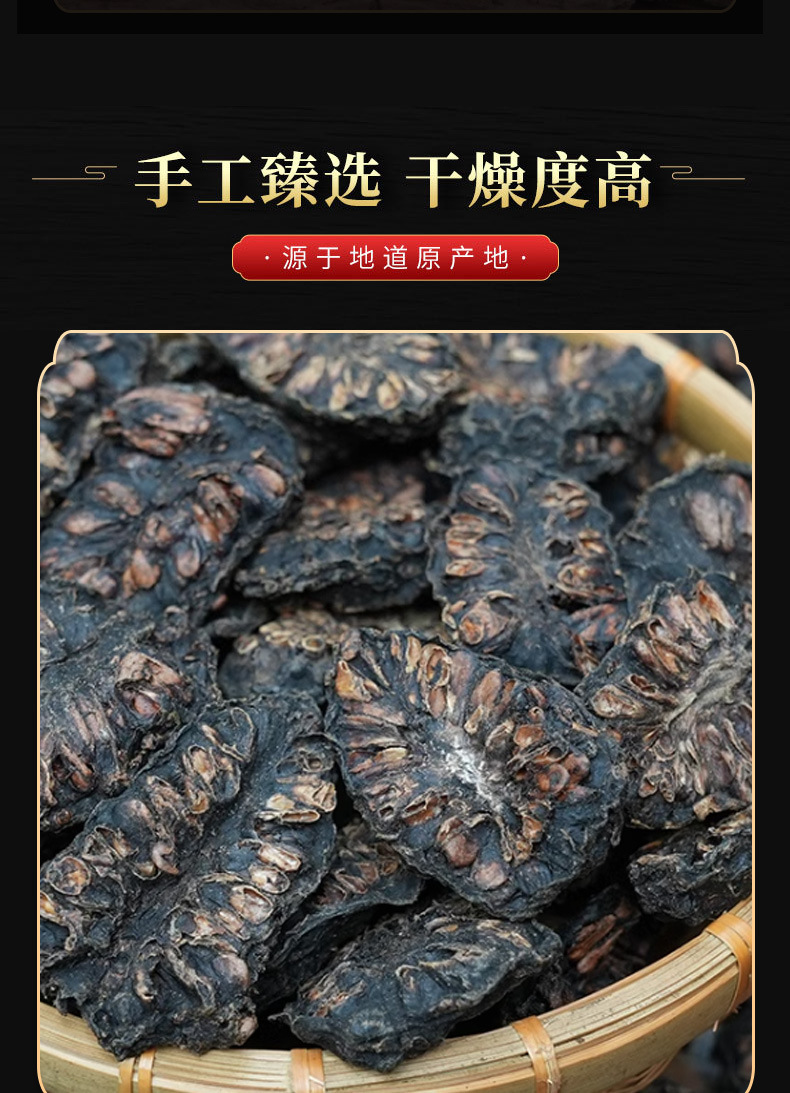
Each batch is carefully dried to preserve its deep amber-brown color, wrinkled leathery texture, and characteristic pungent fermented aroma. When simmered or brewed, the fruit softens and releases a tangy, slightly bitter flavor with earthy undertones, adding depth to broths and infusions.
Technical Specifications
| Product Type | Dried Fruit |
|---|---|
| Common Name | Noni Fruit |
| Botanical Name | Morinda citrifolia |
| Form | Dried Whole Fruit |
| Net Weight | 500g |
| Shelf Life | 24 months |
Usage Scenarios
- Chinese-style soup and broth
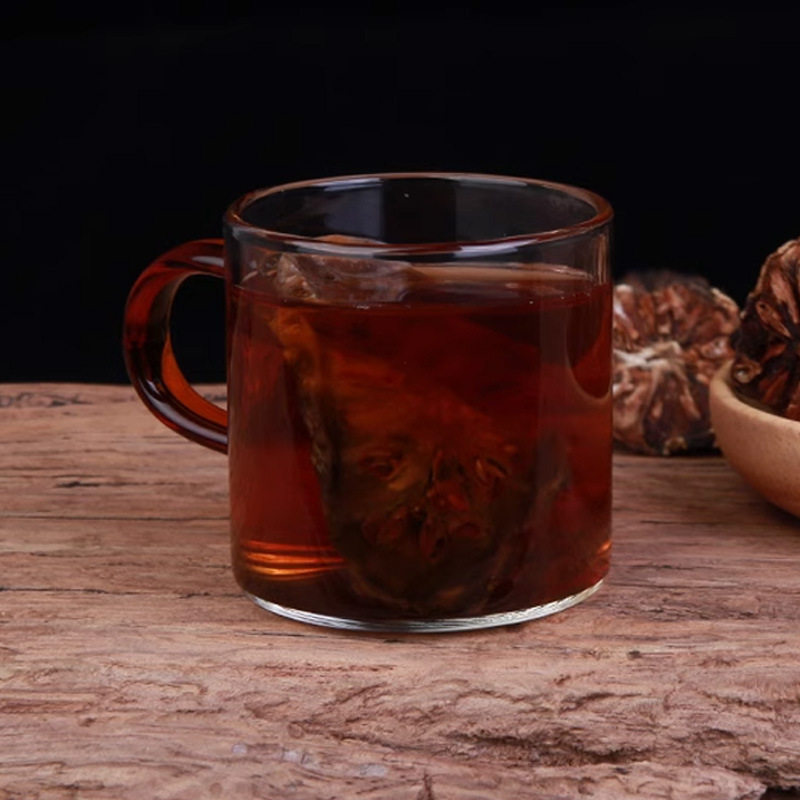
- Herbal tea and infusion
- Daily wellness tonic
- Seasonal slow-cooking
- Traditional decoction ingredient
Traditional Uses
In folk herbal practice, Noni fruit is decocted into soups, teas, and daily tonics to support vitality and overall wellness. It is a common ingredient in island and coastal wellness traditions, where it is simmered alone or paired with ingredients like ginger, jujube, and goji berry. As a tea, it is brewed for a tangy, warming infusion enjoyed throughout the day.

FAQ Q&A
Q: What is Noni Fruit?
A: Noni Fruit is the common English name for the dried fruit of Morinda citrifolia, known in Chinese as Nuò Lì Guǒ (诺丽果). It is a traditional wellness fruit used in soups and teas.
Q: What is the traditional wellness value of Noni Fruit?
A: In traditional food wellness culture, Noni fruit is associated with supporting vitality, digestion, and overall wellness. It is often used in soups and teas for daily nourishment.
Q: How do I use dried Noni Fruit?
A: Rinse the fruit and simmer it with soup ingredients, or brew it in hot water as part of a tea blend. Adjust the quantity to your recipe and taste preference.
Additional information
| Weight | N/A |
|---|---|
| Dimensions | N/A |
| Packaging specifications | Ordinary dried noni fruit 500g, Premium dried noni fruit 500g |
Related products
-
Dang Gui Slices (Angelica sinensis) — Minxian New-Crop Sulfur-Free Whole Root Slices, 500g
Price range: $5.42 through $11.57 -
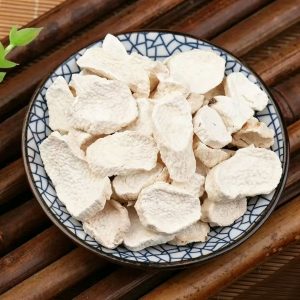
Huai Shan Yao Dried Slices (Dioscorea opposita) — Iron Stick Yam from Jiaozuo, Henan
Price range: $4.61 through $9.14 -
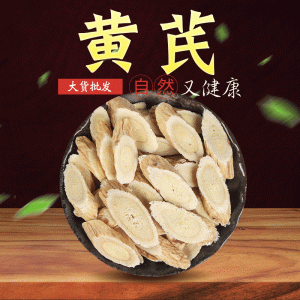
Huang Qi Slices (Astragalus membranaceus) — Dried Nail-Grade Root Slices for Tea & Soup
Price range: $5.74 through $12.06 -
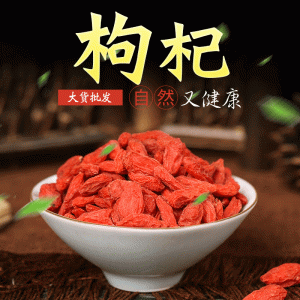
Goji Berries (Lycium barbarum) — Ningxia Zhongning Dried Red Goji, Sulfur-Free First Harvest
Price range: $7.52 through $8.66
Reviews
There are no reviews yet.