
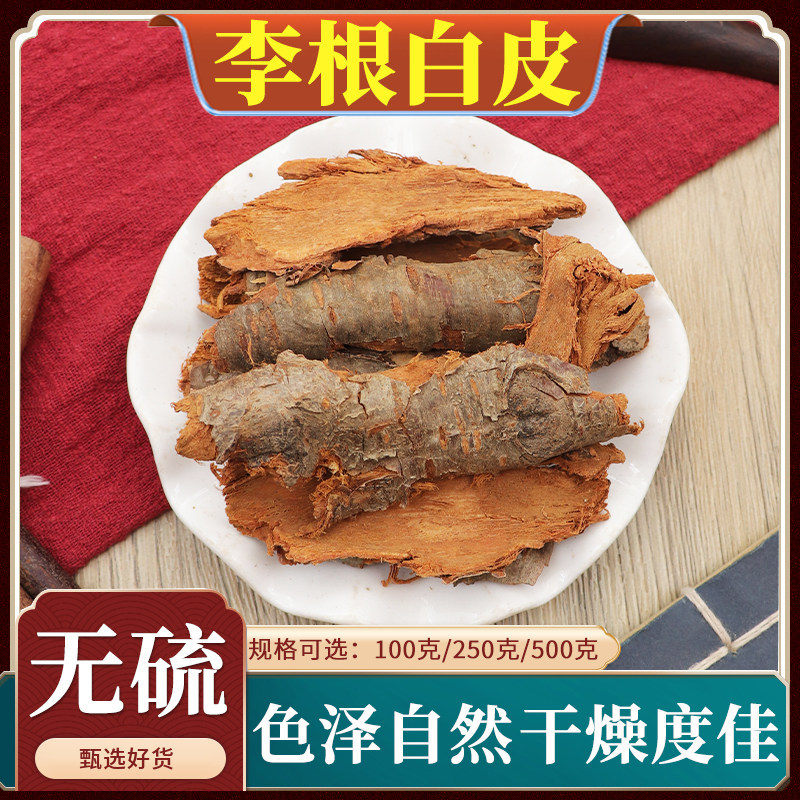
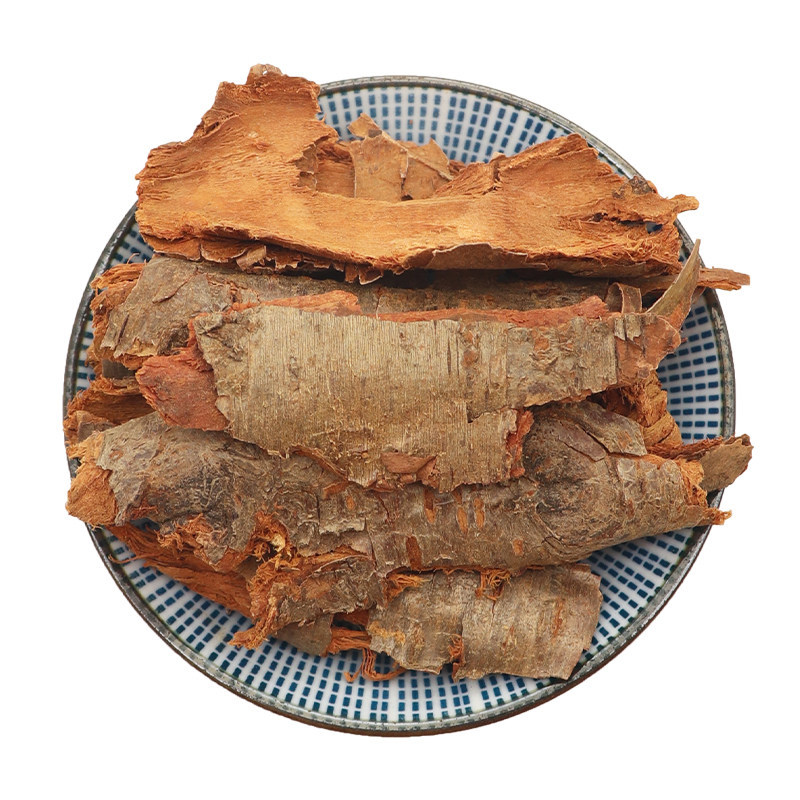
Li Gen Bai Pi Plum Root Bark 500g Dried Natural Unsulfured Herb for Decoction
$11.13
198 in stock
Description
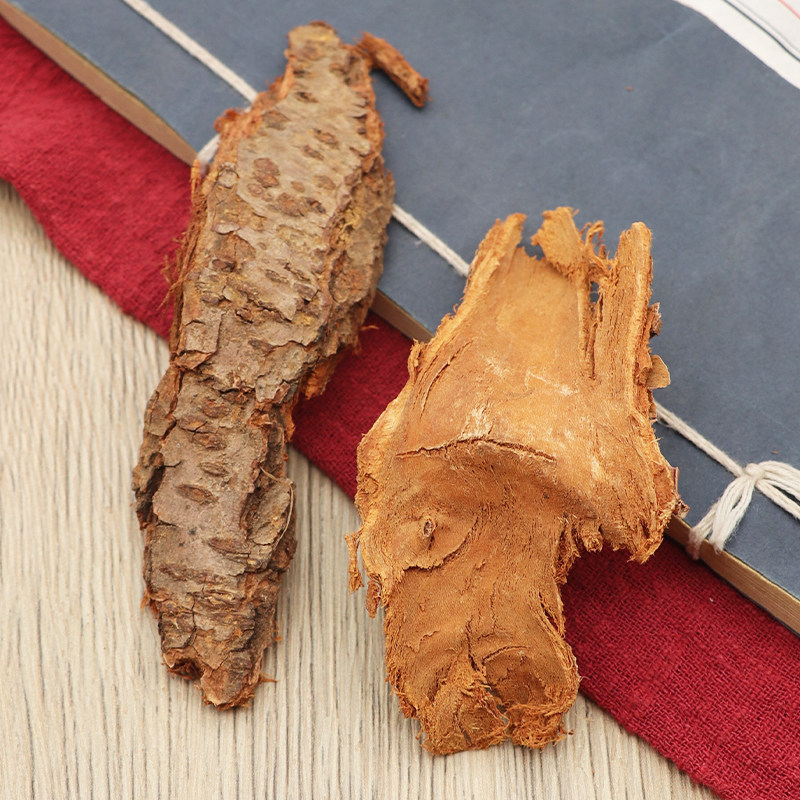
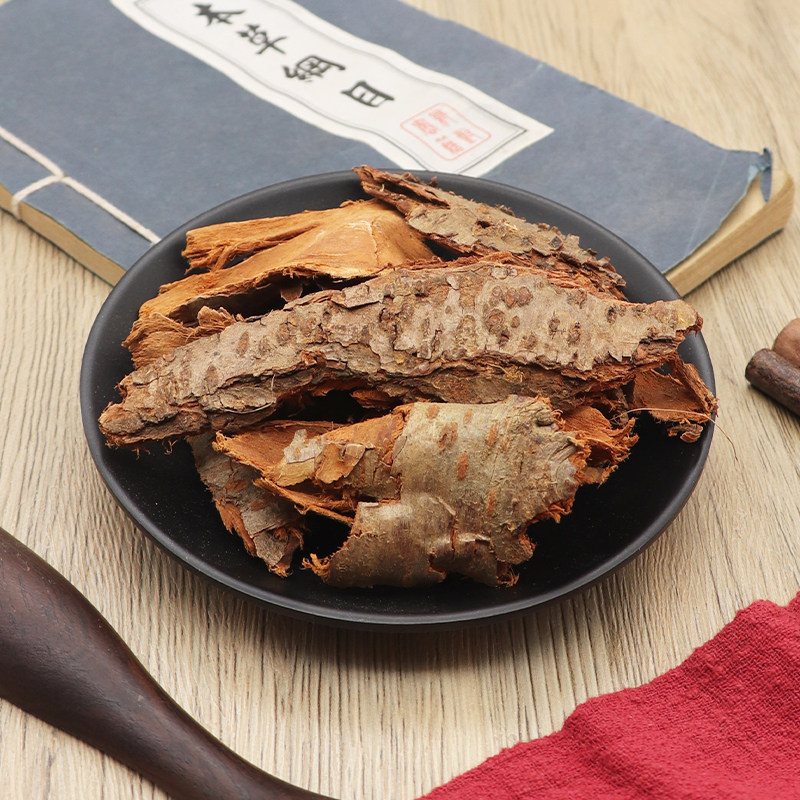
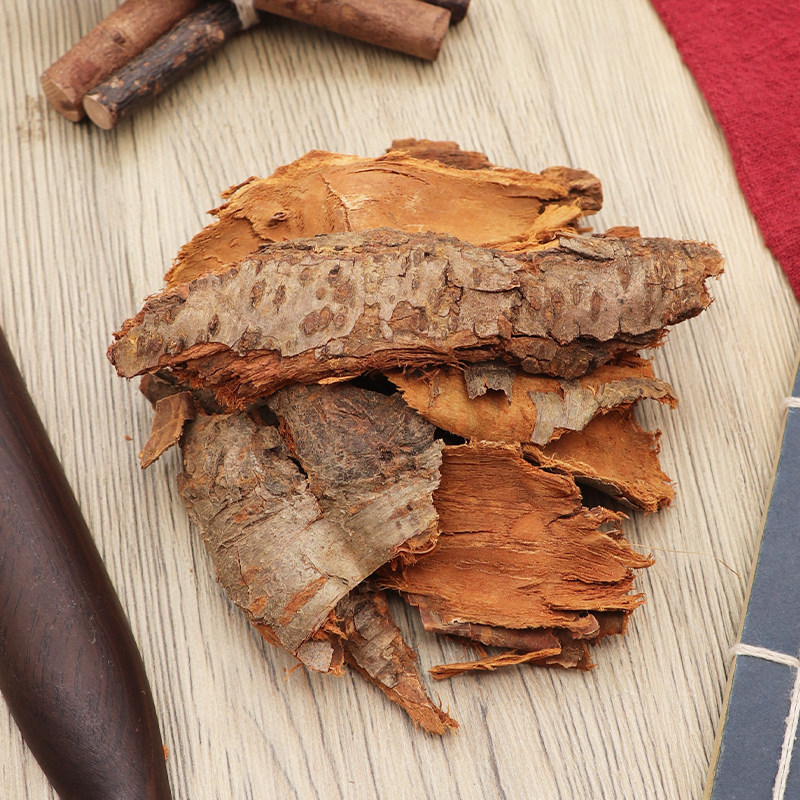
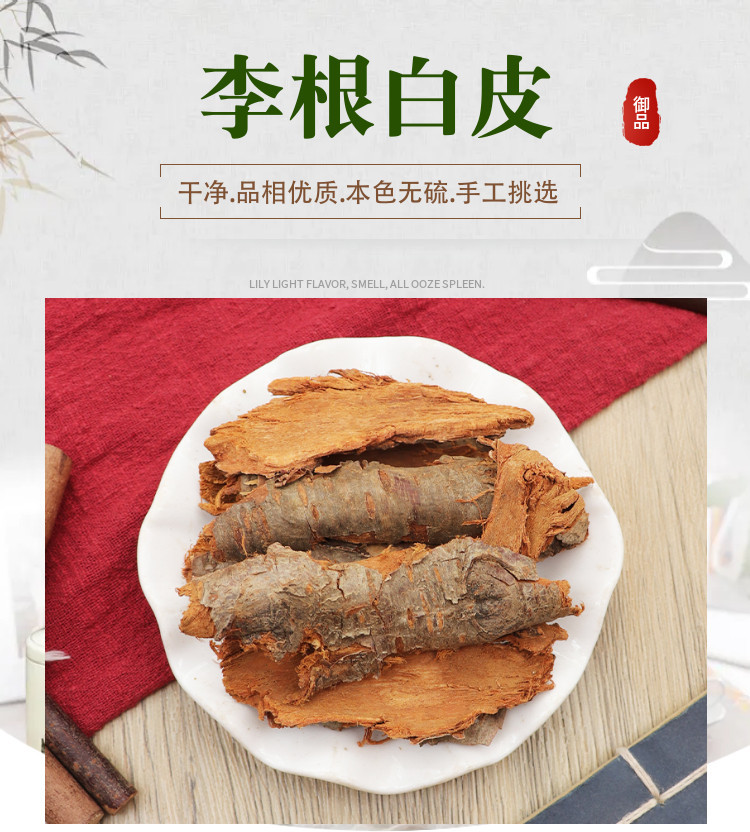
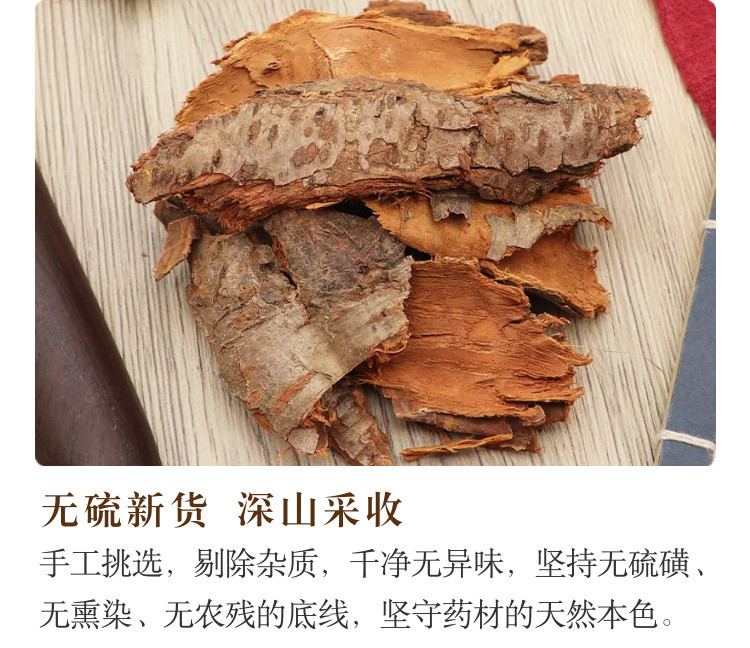
Plum Root Bark, known in TCM as Li Gen Bai Pi (李根白皮), is the dried root bark of Prunus salicina, the plum tree. Traditionally associated with soothing the liver and regulating qi, this sun-dried bark is valued in classical decoctions. Store frozen to preserve freshness and use under professional herbal guidance.
Key Selling Points
- Authentic dried plum root bark sourced from the root of Prunus salicina
- Known in TCM as Li Gen Bai Pi 李根白皮 with established traditional use
- Sun-dried and naturally processed with no sulfur fumigation
- Pre-packaged 500g bulk format suitable for decoction pieces
- Traditionally used in herbal formulas to soothe the liver and regulate qi
Quality & Sensory
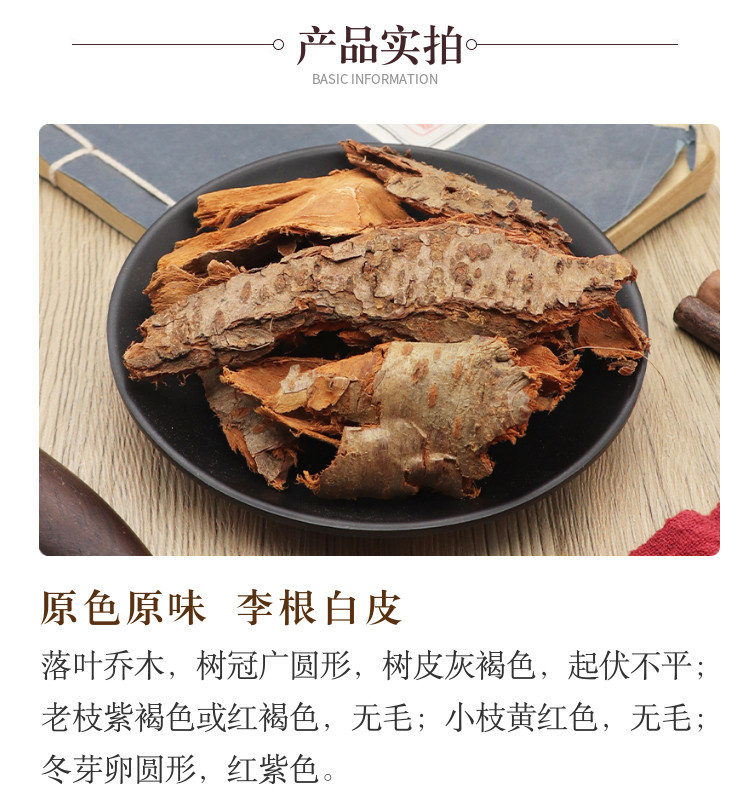
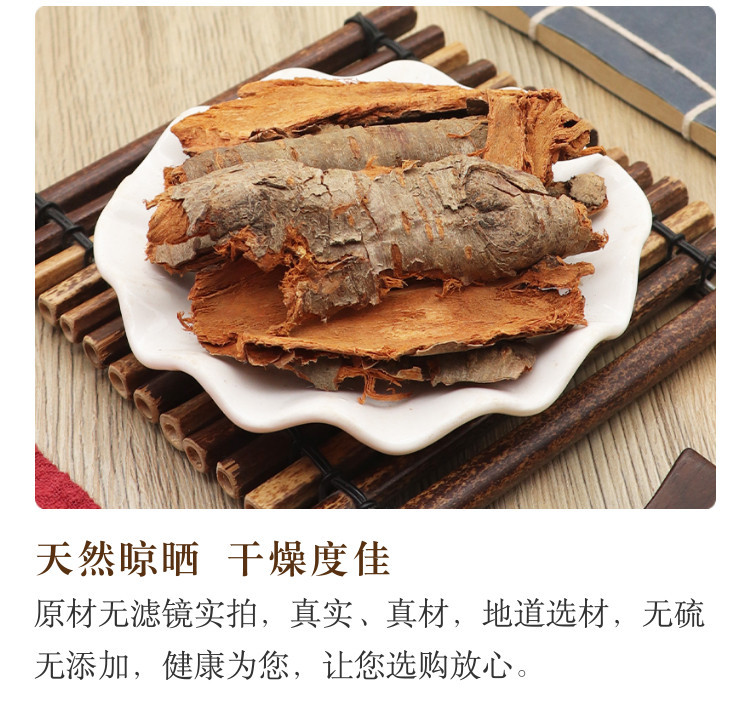
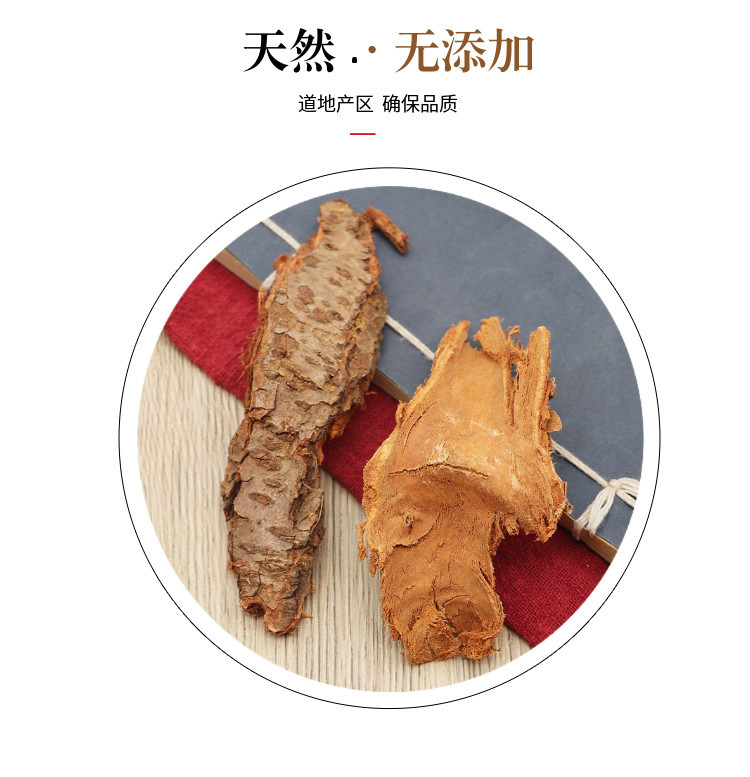
The bark typically appears in thin curled strips with a pale brown to grayish outer surface and lighter inner layer. Texture is dry and slightly fibrous, with a mild woody aroma. When decocted, it typically yields a light amber infusion with a subtle bitter-sweet taste.
Technical Specifications
| Product Type | Dried root bark decoction pieces |
|---|---|
| Chinese Name | 李根白皮 |
| Pinyin | Li Gen Bai Pi |
| Botanical Name | Prunus salicina |
| Plant Part | Root bark |
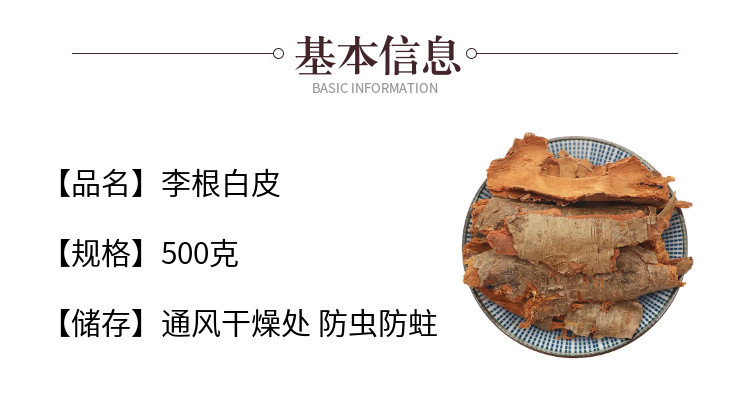
| Net Weight | 500g |
Usage Scenarios
- Simmered in traditional herbal decoctions
- Combined with other liver-soothing herbs in formulas
- Prepared as a mild herbal tea infusion
- Used in seasonal wellness soup preparations
Traditional Uses
In TCM theory, plum root bark is traditionally associated with soothing the liver, regulating qi, and easing discomfort. Classical texts describe its use in decoctions, often paired with herbs such as bupleurum or white peony. It has also been used in folk practice for seasonal wellness and digestive comfort.
FAQ Q&A
Q: What is this product?
A: This is dried plum root bark, known in TCM as Li Gen Bai Pi 李根白皮, from Prunus salicina. It is a raw herbal decoction piece.
Q: What is its traditional value?
A: In TCM theory it is traditionally associated with soothing the liver and regulating qi. It has been used in classical decoctions and folk herbal practice.
Q: How is it commonly prepared?
A: It is typically simmered in water as a decoction or combined with other herbs in formulas. Consult a qualified herbal practitioner for guidance.
Additional information
| Weight | 0.55 kg |
|---|---|
| Dimensions | 25 × 18 × 8 cm |
Related products
-
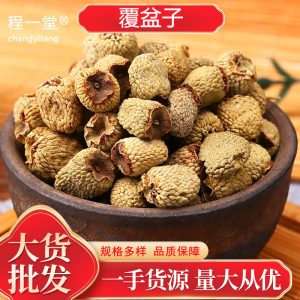
Dried Raspberry Fruit Fu Pen Zi 500g Whole Berries for Herbal Tea and Wine Infusion
Price range: $14.00 through $16.44 -
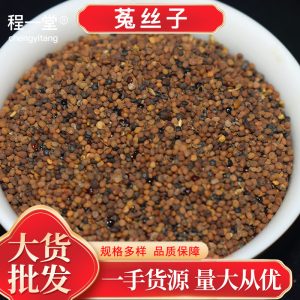
Dried Dodder Seed Tu Si Zi Whole Herb 500g Bulk Chinese Herbal Ingredient
Price range: $7.04 through $7.52 -
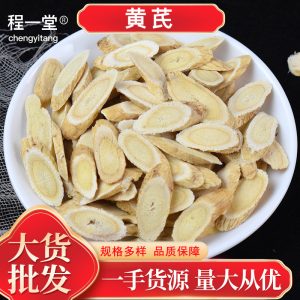
Astragalus Root Slices Huang Qi 斜片 Dried Herb for Decoction Soup and Tea 500g
Price range: $6.06 through $19.51 -

Dried Huang Jing Slices Polygonatum Rhizome Chicken Head Huang Jing 500g Bulk Herbal Tea and Soup Ingredient
Price range: $9.14 through $18.87
Reviews
There are no reviews yet.