
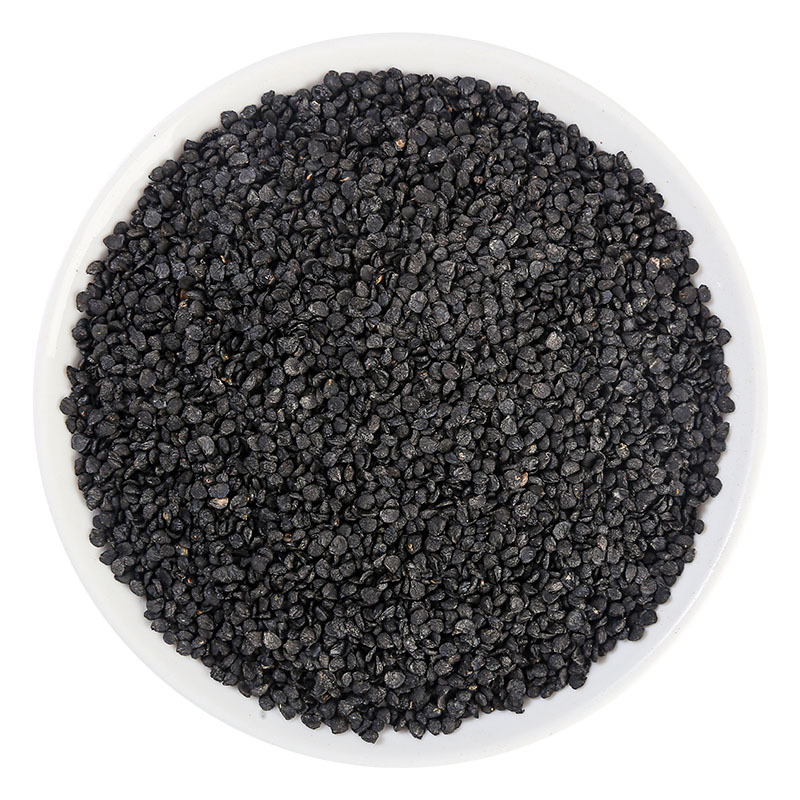
Jiu Cai Zi (Allium tuberosum) — Dried Chive Seeds for Herbal Tea & Soup
$12.87
99870 in stock
Description
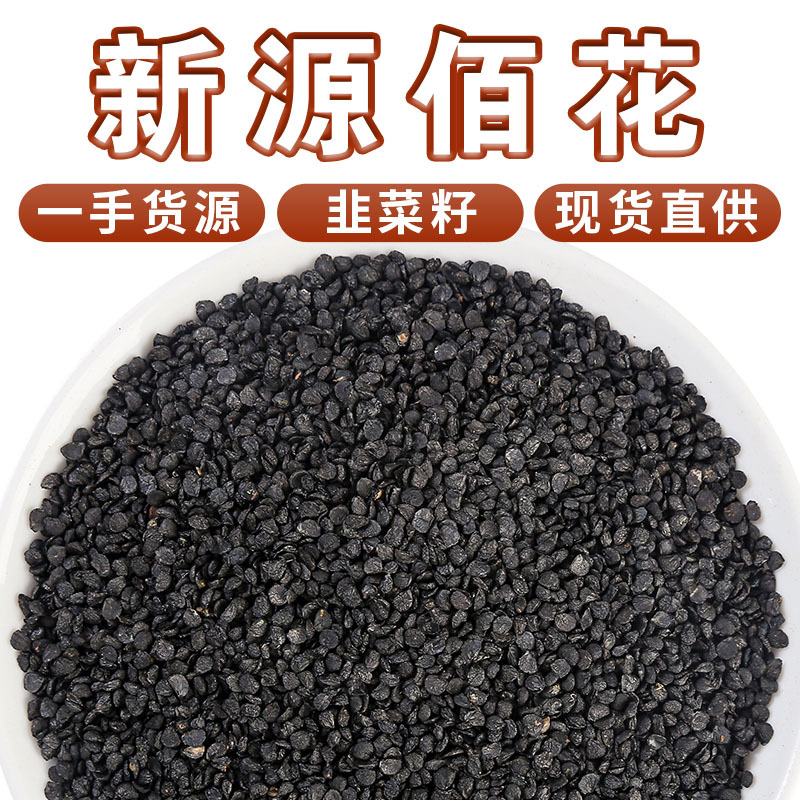
Jiu Cai Zi (Allium tuberosum), also known as Chinese Chive Seeds, are the dried mature seeds of a traditional food herb known in Traditional Chinese Medicine (TCM) as Jiǔ Cài Zǐ (韭菜籽). For centuries, Jiu Cai Zi has been prized as a warming, yang-supporting herb used in teas, soups, and daily tonics. Its nature is warm and pungent-sweet, making it a gentle yet invigorating herb for warming the Kidneys, supporting yang qi, and strengthening the lower body.


Key Selling Points
- Traditional warming yang-supporting food herb
- Dried Chinese Chive Seeds (Allium tuberosum)
- Food-herb (药食同源) ingredient
- Suitable for tea, soup, and congee
- New-crop, clean quality

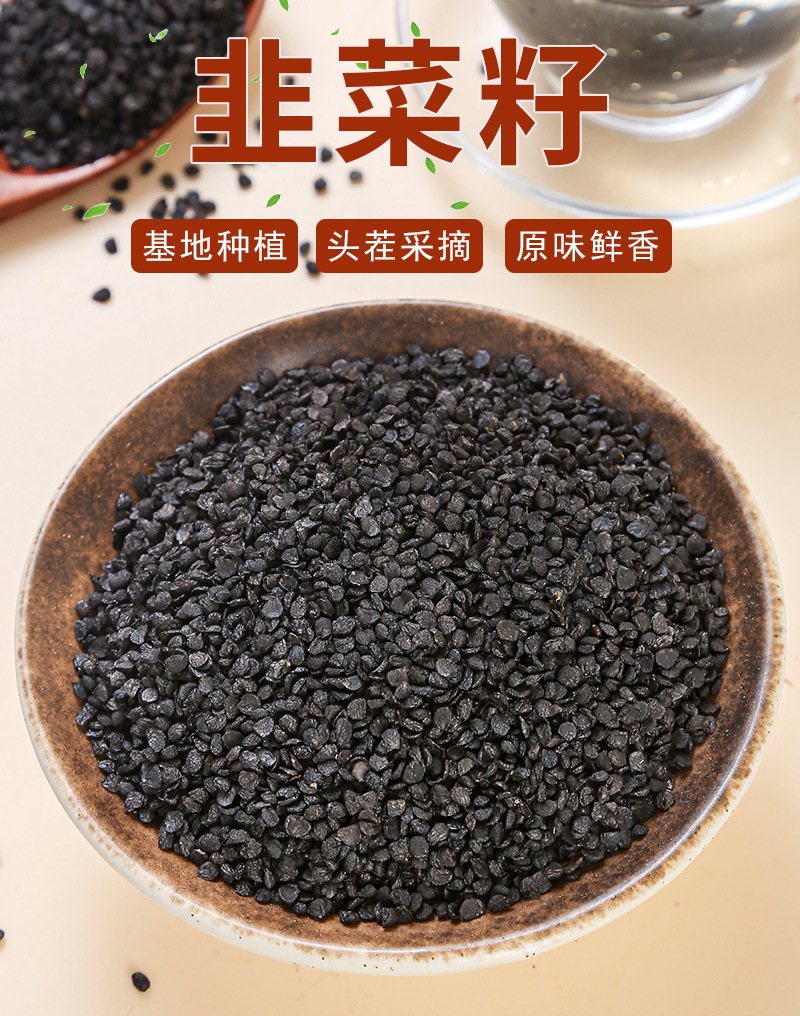
Quality & Sensory
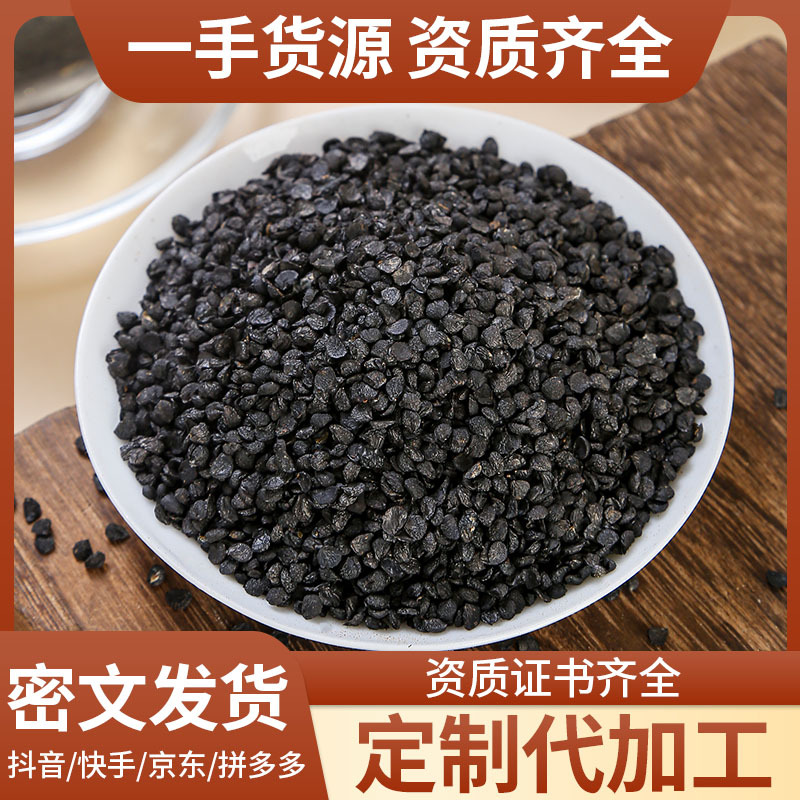
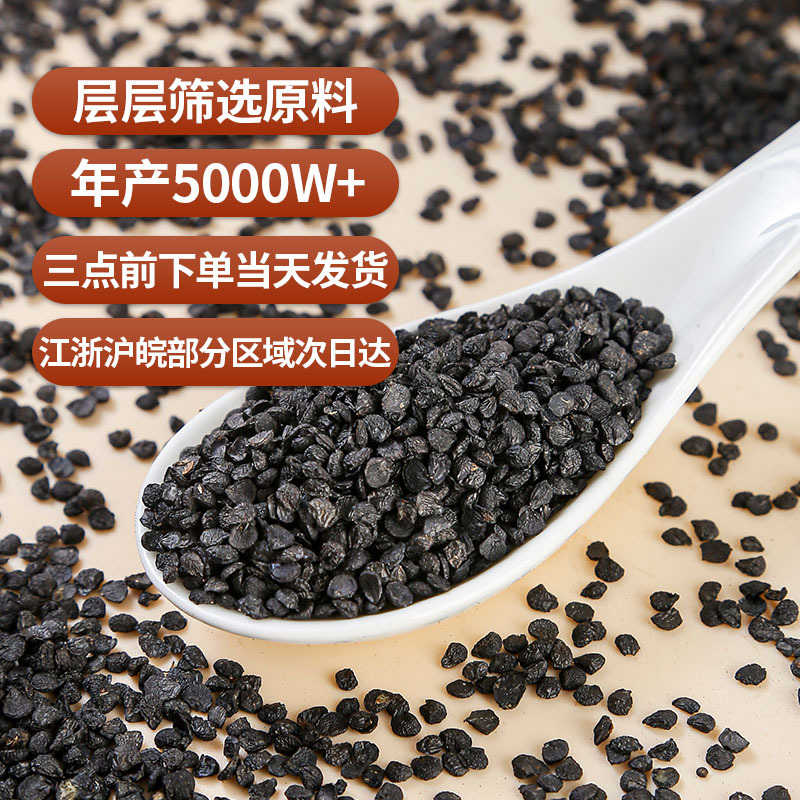
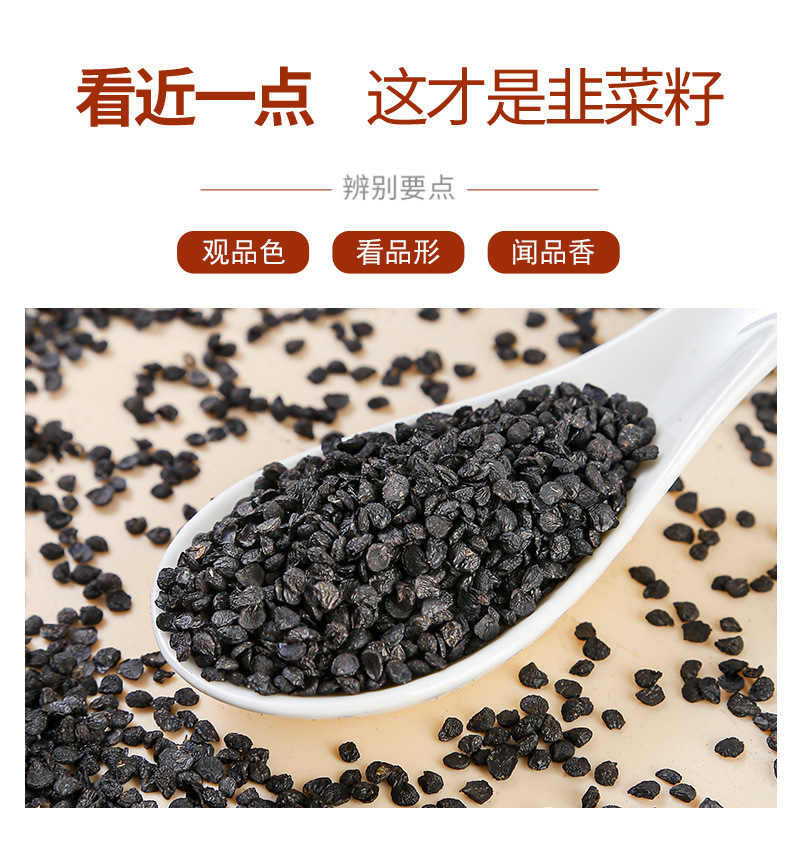
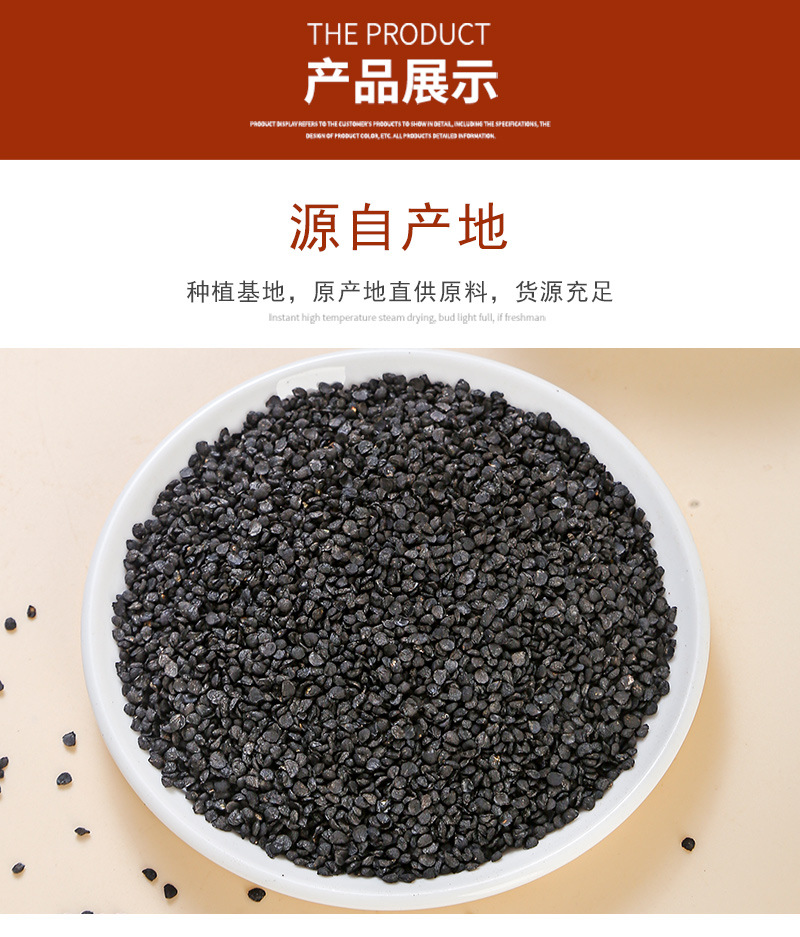
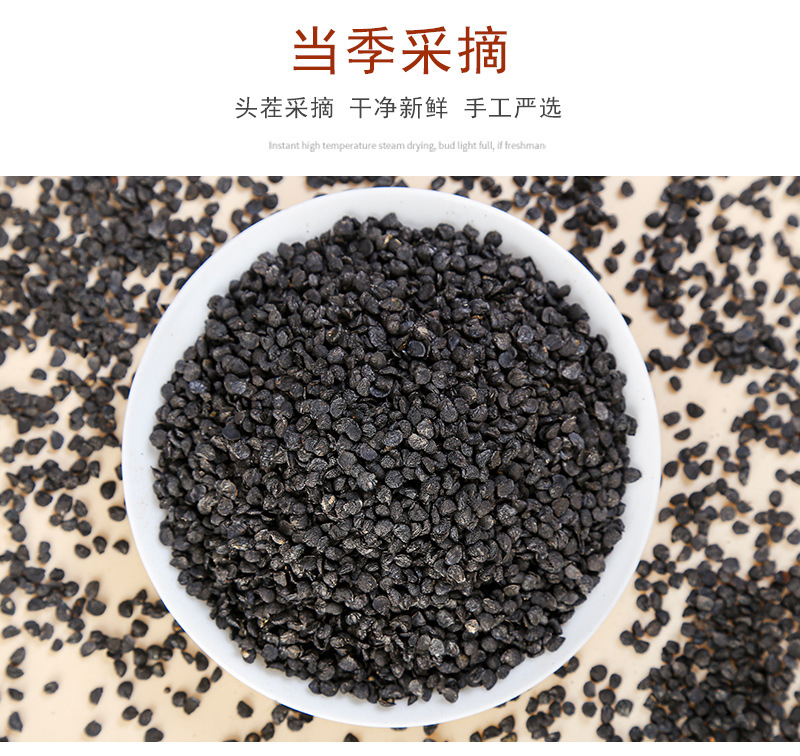
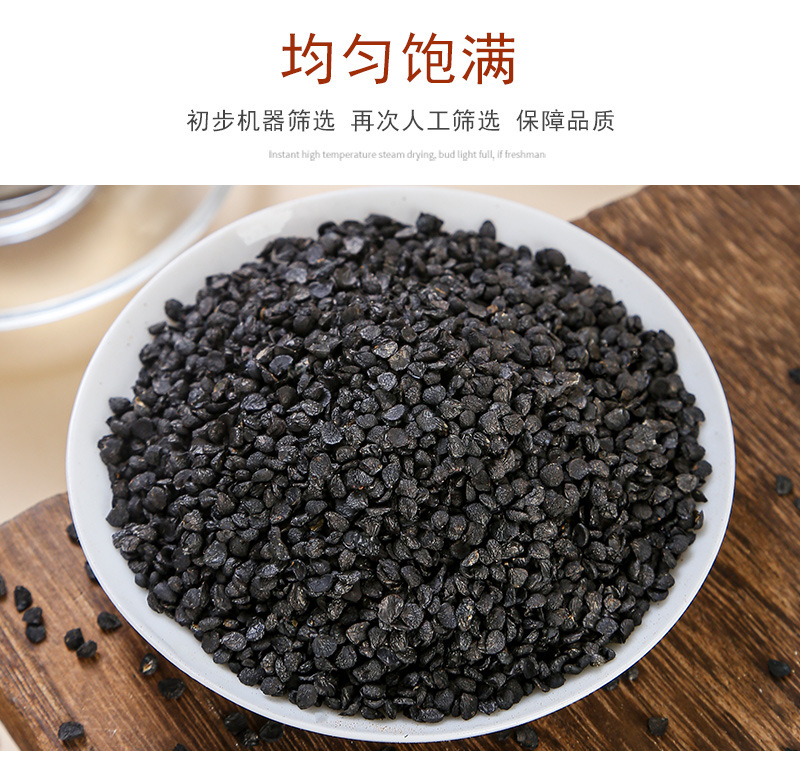
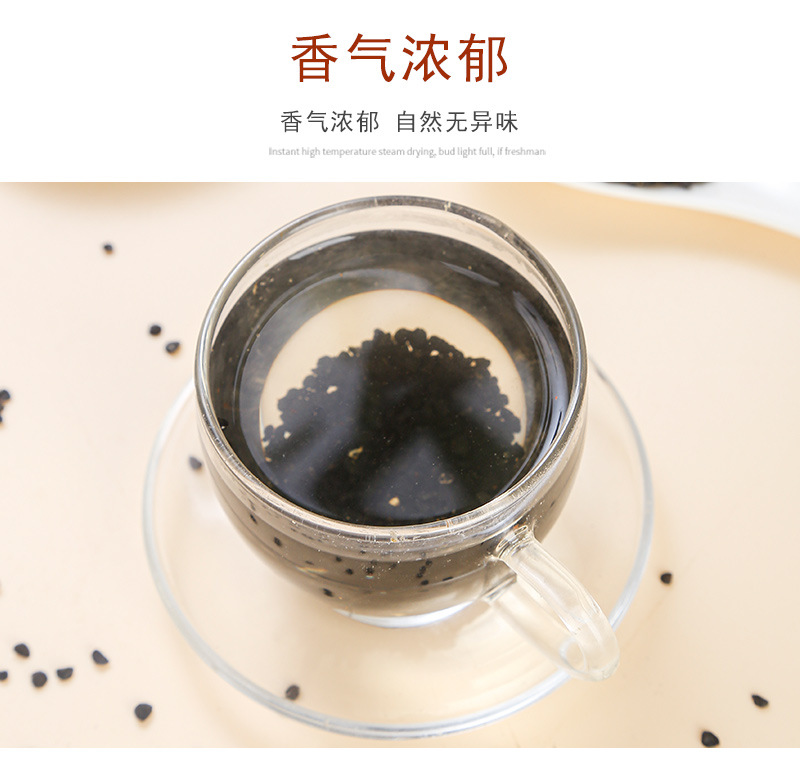
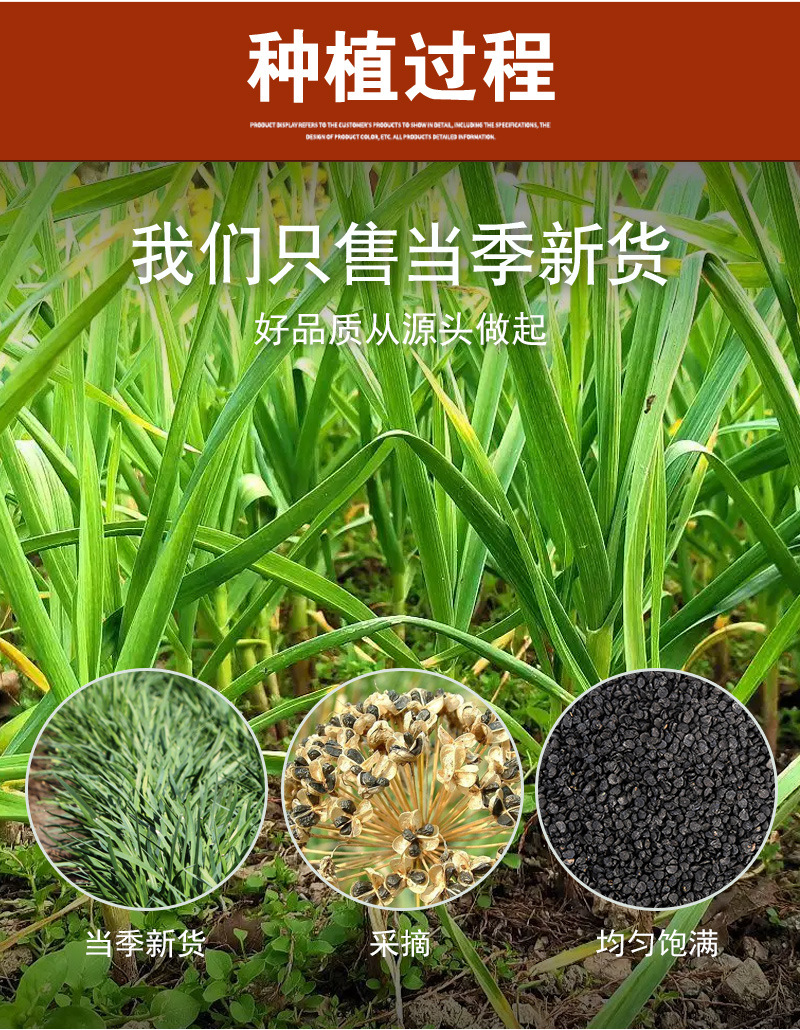
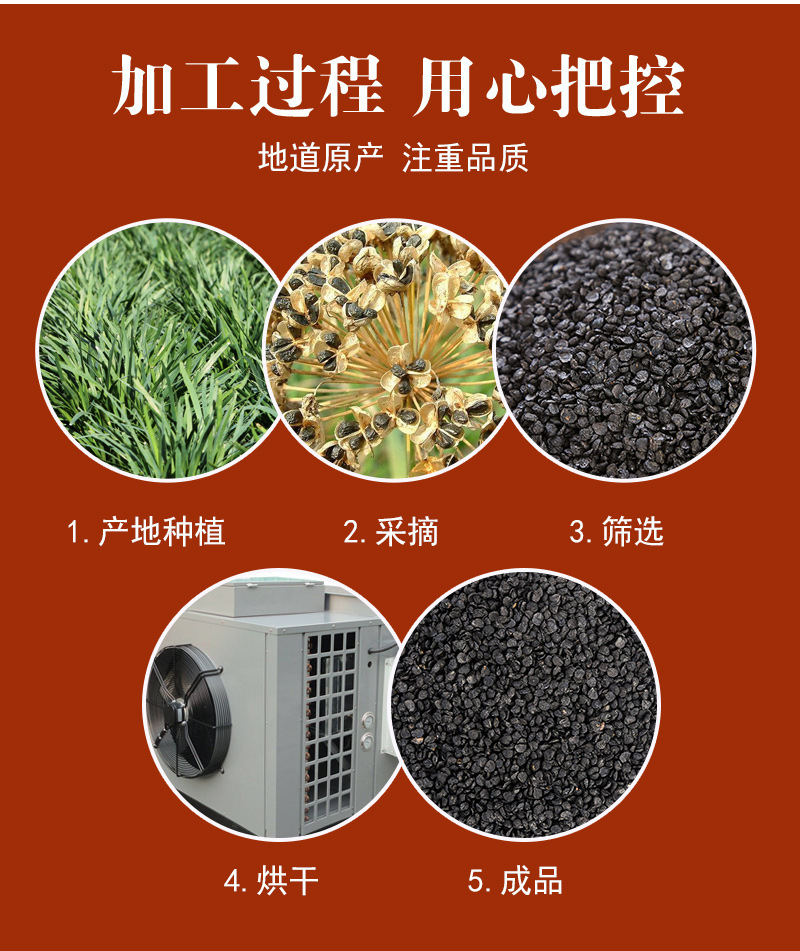
Each batch is carefully cleaned and dried to preserve its dark brown to black color, small round shape, and mild pungent aroma. When brewed or simmered, the seeds release a warm, slightly sweet and earthy flavor with a gentle pungency, adding depth to teas and broths without overpowering other ingredients.
Technical Specifications
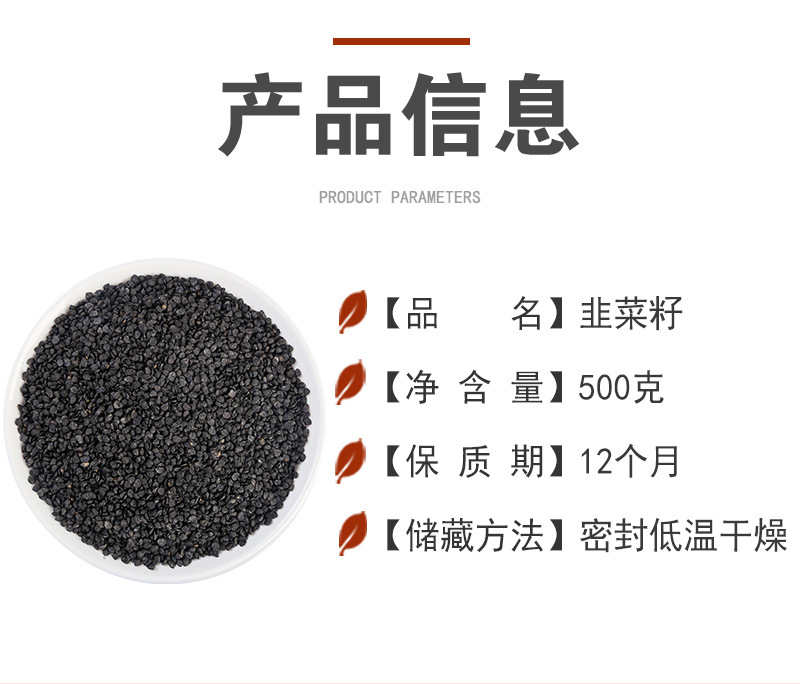
| Product Type | Dried Herb Seeds |
|---|---|
| Common Name | Jiu Cai Zi |
| Botanical Name | Allium tuberosum |
| Form | Dried Whole Seeds |
| Net Weight | 500g |
| Origin | Anhui, China |
Usage Scenarios
- Herbal tea blends with goji berry
- Chinese-style soup and broth
- Congee and grain porridge
- Daily warming tonic
- Commercial food-herb ingredient
Traditional Uses
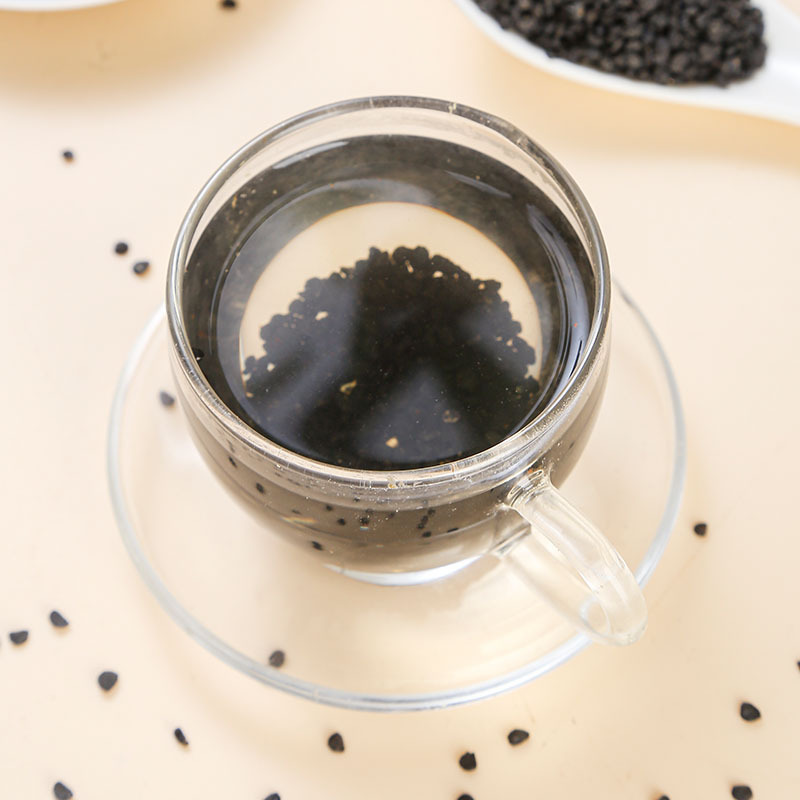
In folk herbal practice, Jiu Cai Zi is decocted into soups, congee, and warming tonics to support daily yang nourishment, especially during colder seasons. It is commonly paired with goji berry (枸杞) in teas and soup packs, where the two ingredients are simmered together for a gentle, warming infusion. As a daily tea, it is brewed alone or blended with other warming herbs for a light, mildly pungent cup.
FAQ Q&A
Q: What is Jiu Cai Zi?
A: Jiu Cai Zi is the common Chinese name for the dried mature seeds of Allium tuberosum, also known as Chinese Chive Seeds. It is a traditional food herb used in tea and soup.
Q: What is the traditional wellness value of Jiu Cai Zi?
A: In traditional Chinese food wellness culture, Jiu Cai Zi is associated with warming the Kidneys, supporting yang qi, and strengthening the lower body. It is often used in teas and soups for daily seasonal nourishment.
Q: How do I use dried Jiu Cai Zi?
A: Rinse the seeds and simmer them with soup ingredients, or brew them in hot water as part of a tea blend. Adjust the quantity to your recipe and taste preference.


Additional information
| Weight | 1 kg |
|---|---|
| Dimensions | 25 × 18 × 8 cm |
Related products
-
Dried Ai Ye (Artemisia argyi) — 3-Year Aged Qichun Mugwort Leaf, Unsulfured, 500g
Price range: $4.20 through $4.77 -
Liao Wu Wei Zi (Schisandra chinensis) — Dried Changbai Mountain Schisandra Berry, 500g
$6.88 -
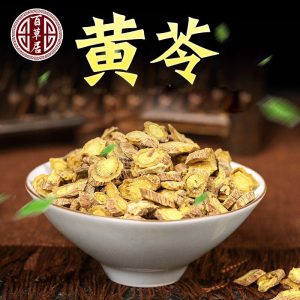
Huang Qin Slices (Scutellaria baicalensis) — Dried Chinese Skullcap Root, Unsulfured 500g
$6.23 -
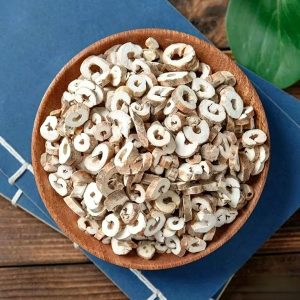
Mu Dan Pi Slices (Moutan Cortex) — Unsmoked Dan Pi Root Bark for Cooking & Tea
Price range: $4.61 through $11.57
Reviews
There are no reviews yet.