
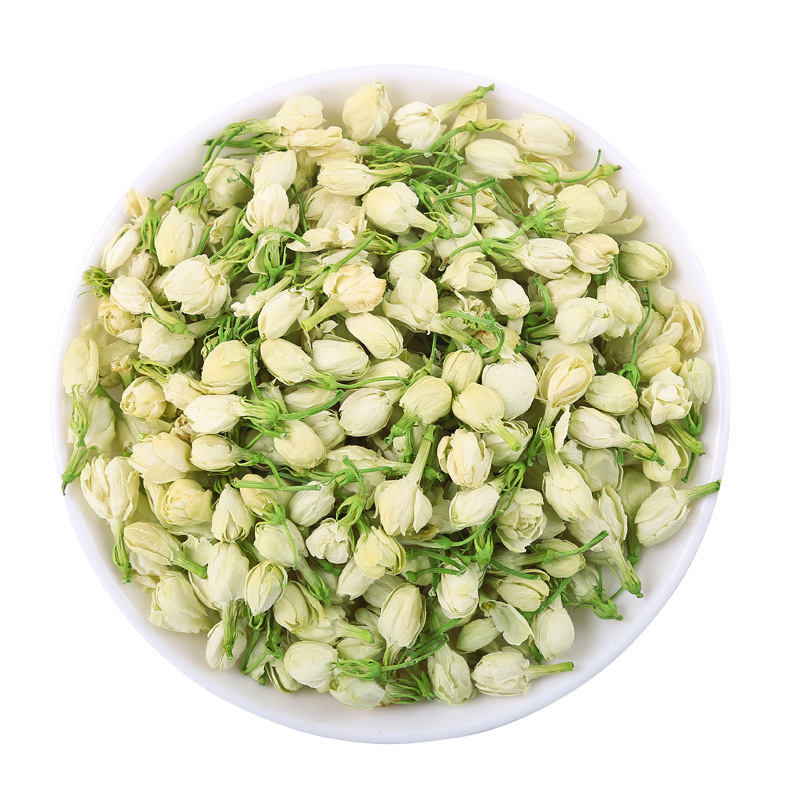
Jasmine Flower Tea (Jasminum sambac) — Dried Petals & Buds from Guangxi Hengxian
Price range: $7.39 through $12.08
Description
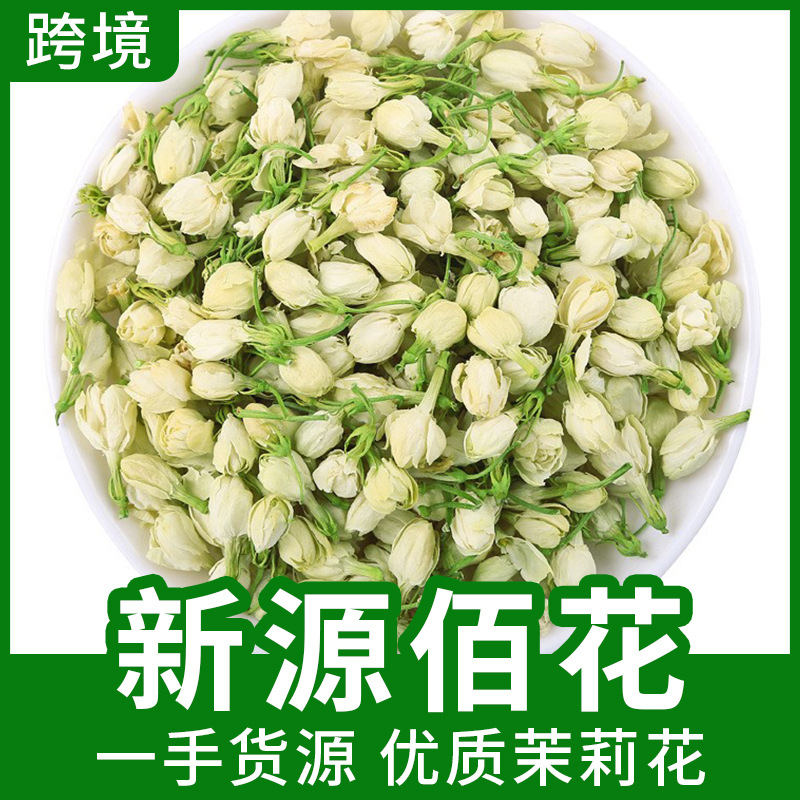
Jasmine Flower Tea (Jasminum sambac) is the dried flower petal and bud of the fragrant jasmine plant, known in Traditional Chinese Medicine (TCM) as Mò Lì Huā (茉莉花). Grown in Hengxian, Guangxi—one of China's most celebrated jasmine regions—this food-herb botanical has been prized for centuries as a gentle, qi-regulating, and spirit-lifting flower used to refresh the senses, ease low mood, and harmonize the flow of qi. Its nature is warm, sweet, and aromatic, making it a soft yet clarifying herb for daily tea and seasonal wellness.

Key Selling Points
- Traditional qi-regulating food-herb flower
- Dried jasmine petals and buds
- Jasminum sambac from Hengxian, Guangxi
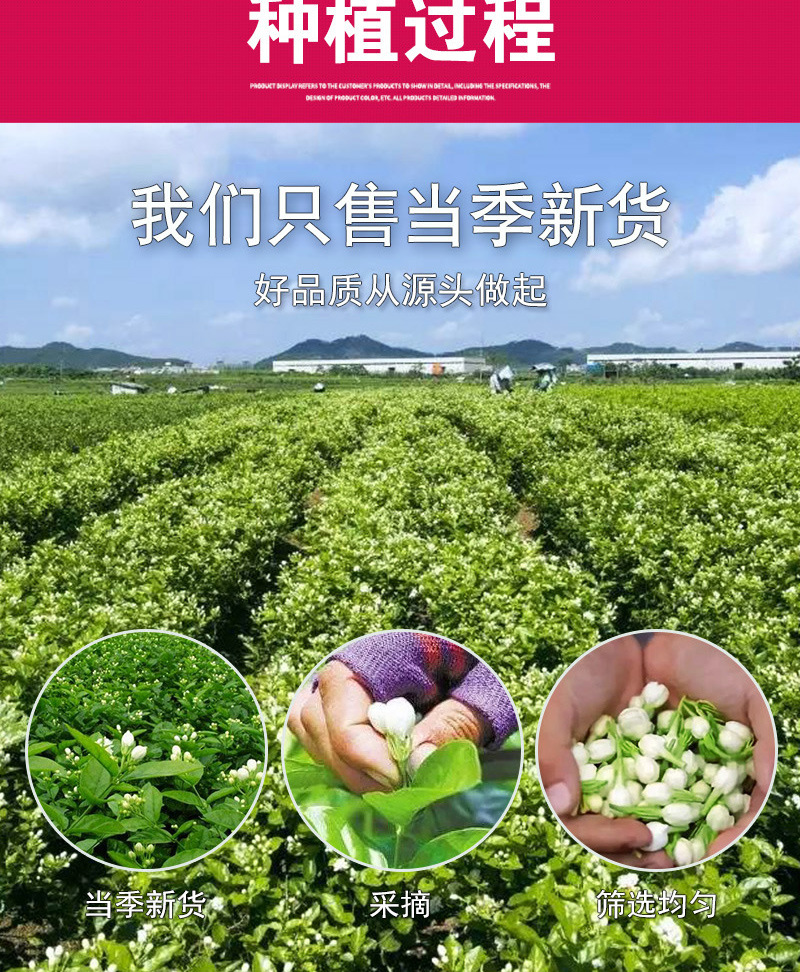
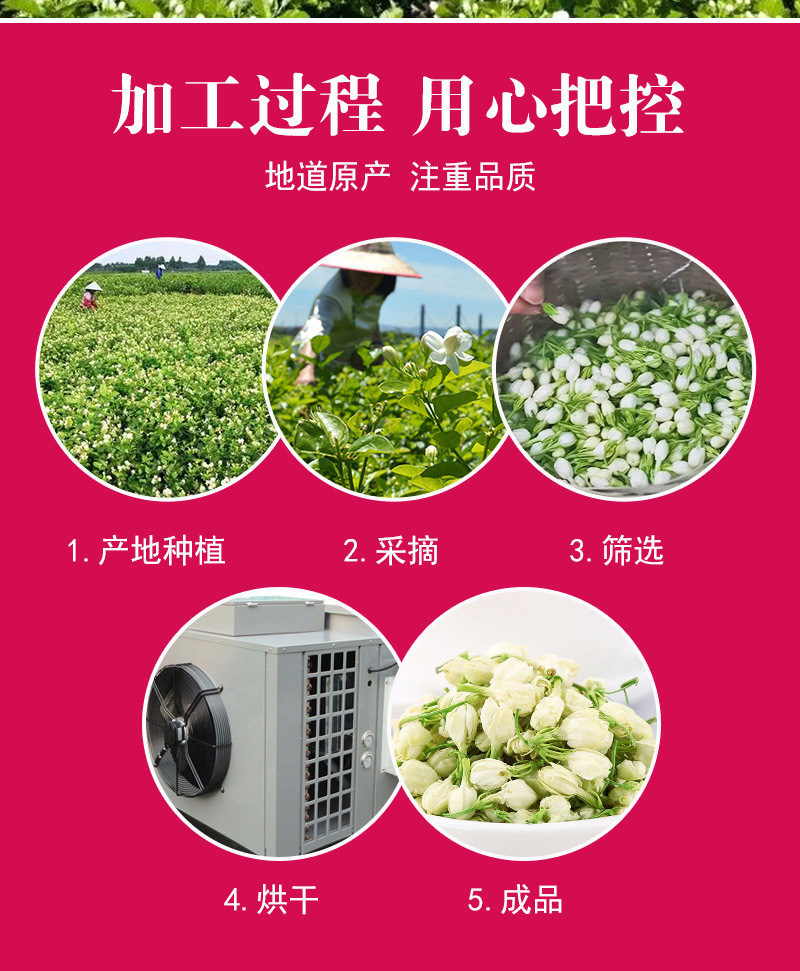
- Low-temperature slow-baked for aroma retention
- 500g loose bulk pack for daily tea

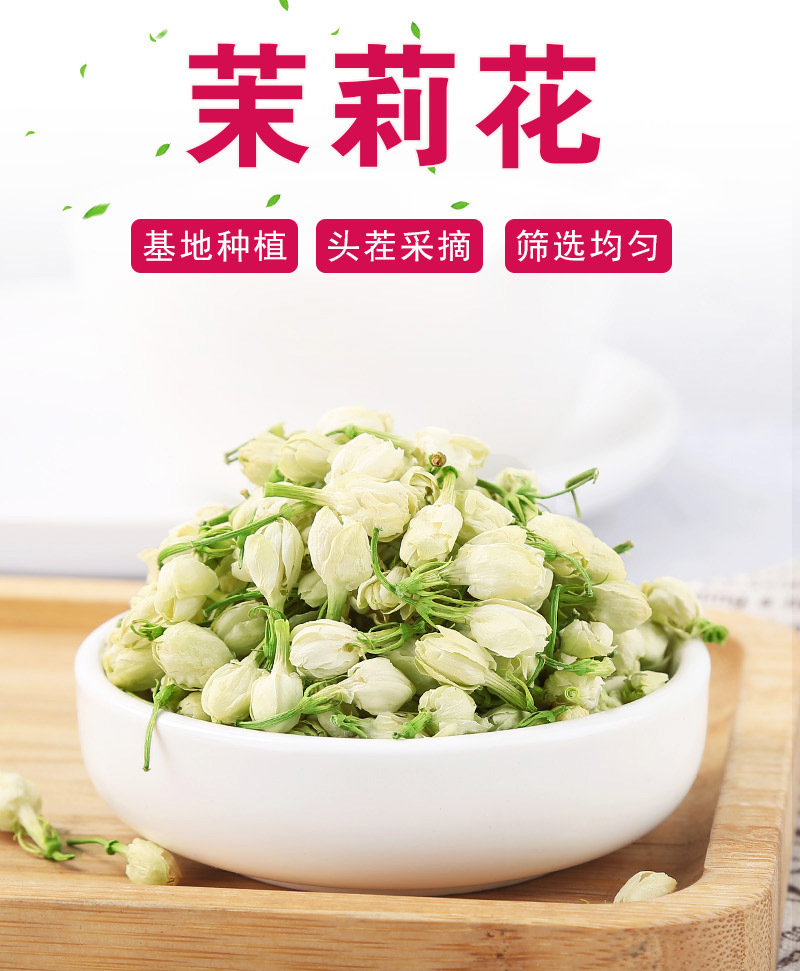
Quality & Sensory
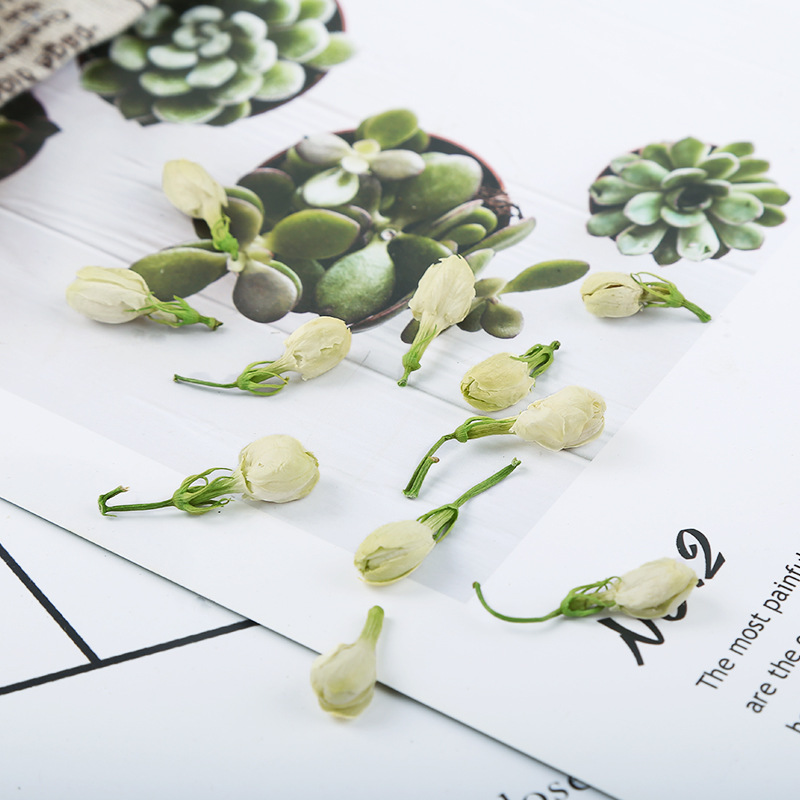
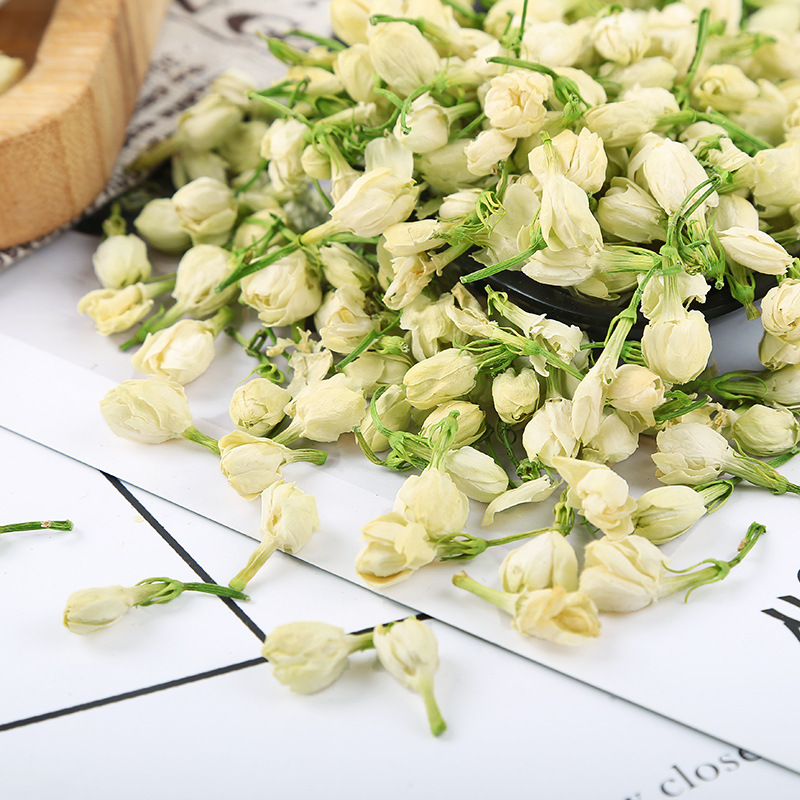
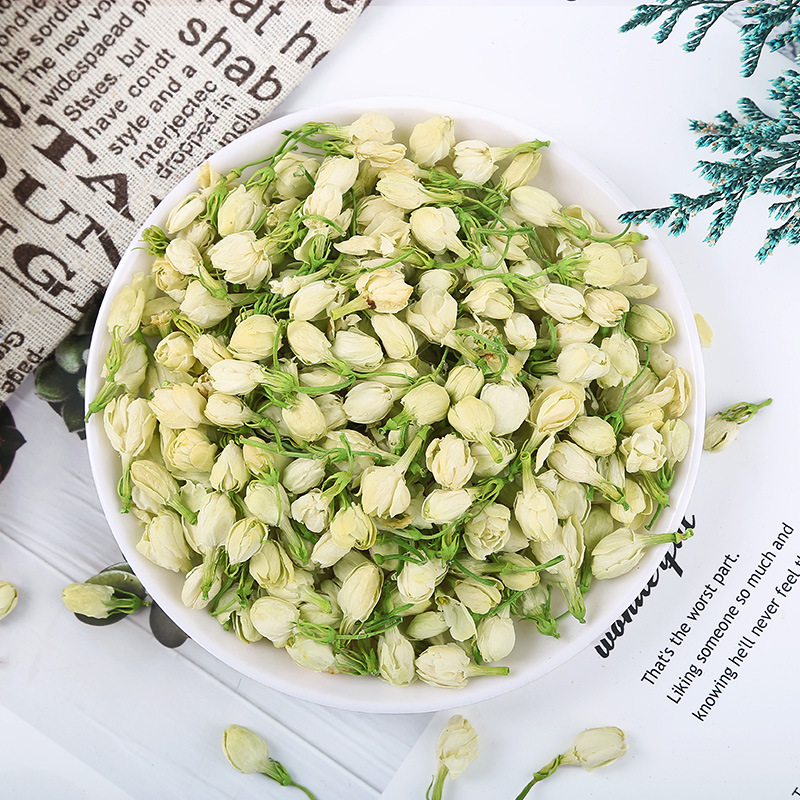
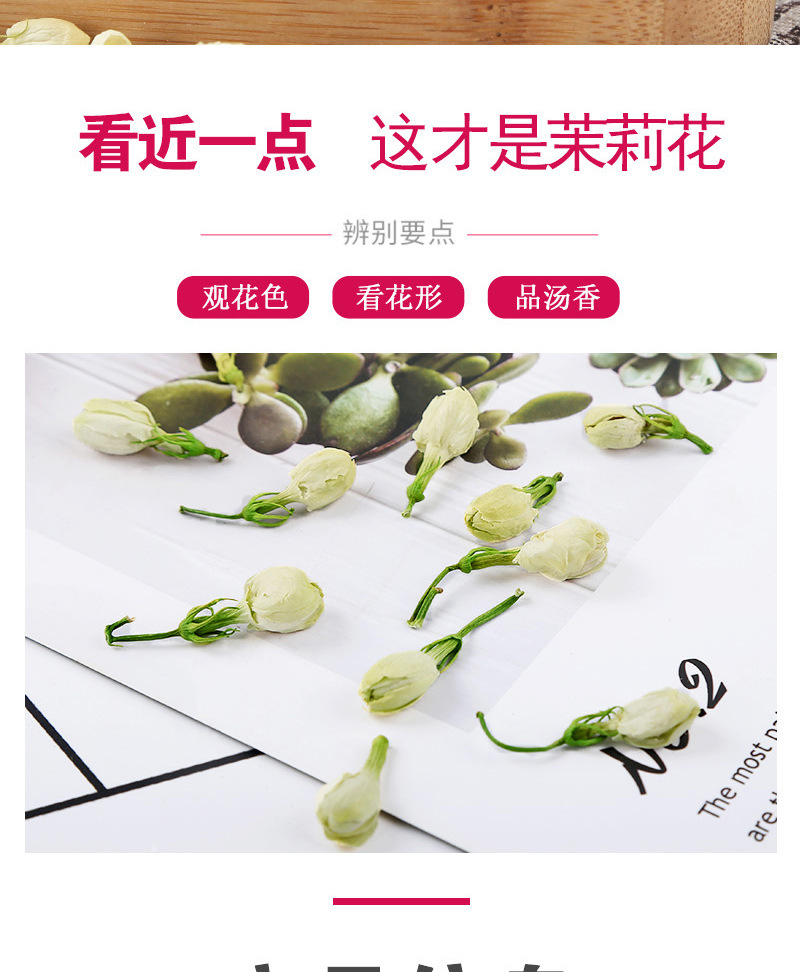
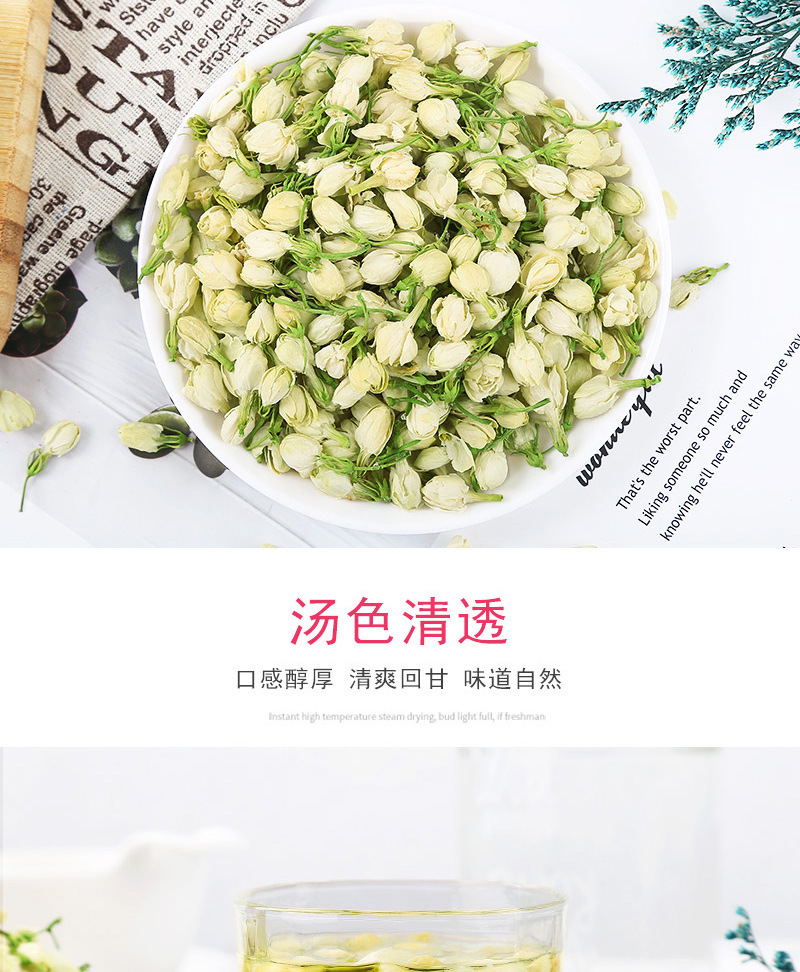
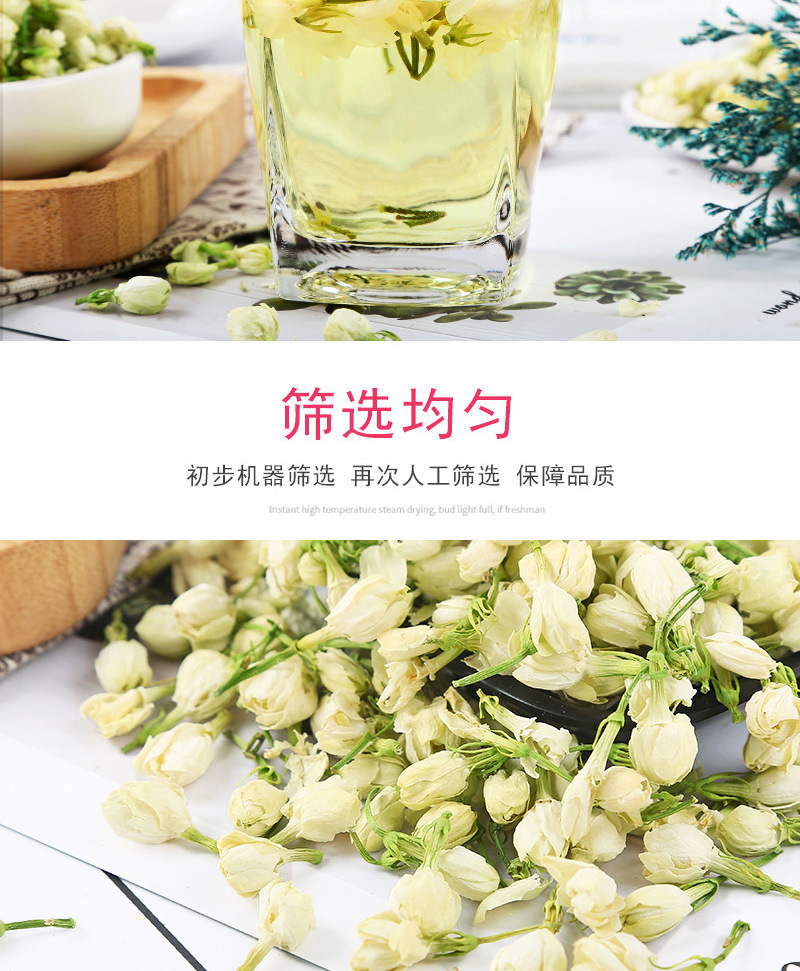
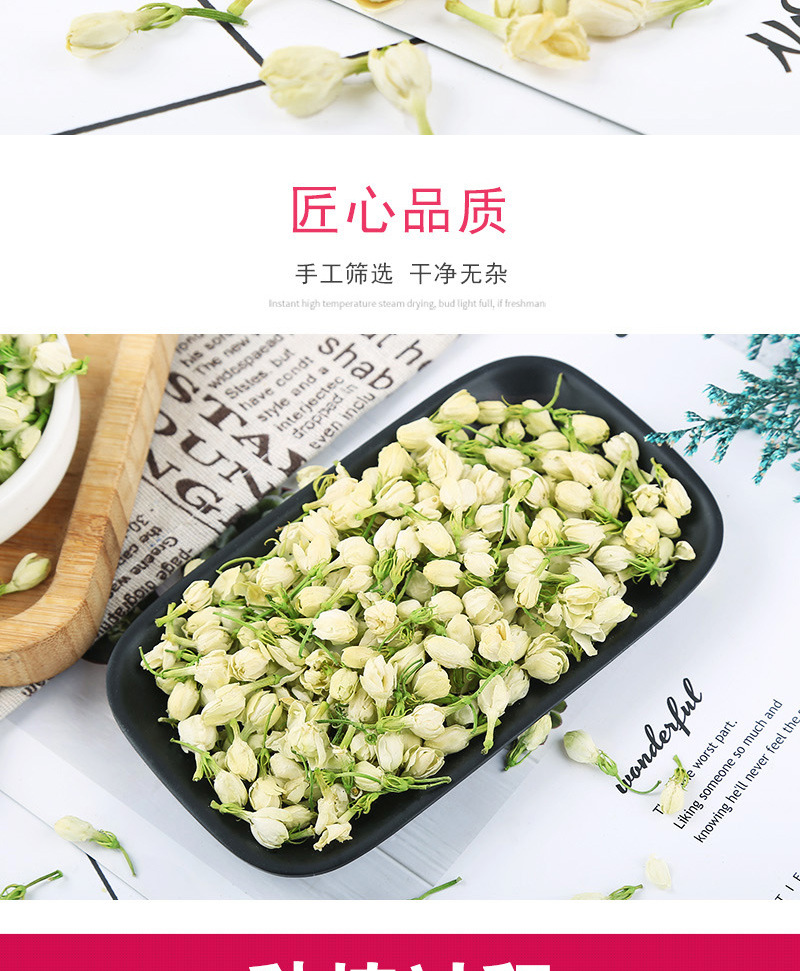
Each batch is gently low-temperature slow-baked to preserve the petals' creamy ivory-to-pale-gold color, soft papery texture, and bright, heady floral aroma. When brewed, the flowers unfurl and release a sweet, lingering jasmine fragrance with a smooth, lightly honeyed taste and a clean, refreshing finish that lingers in the cup.
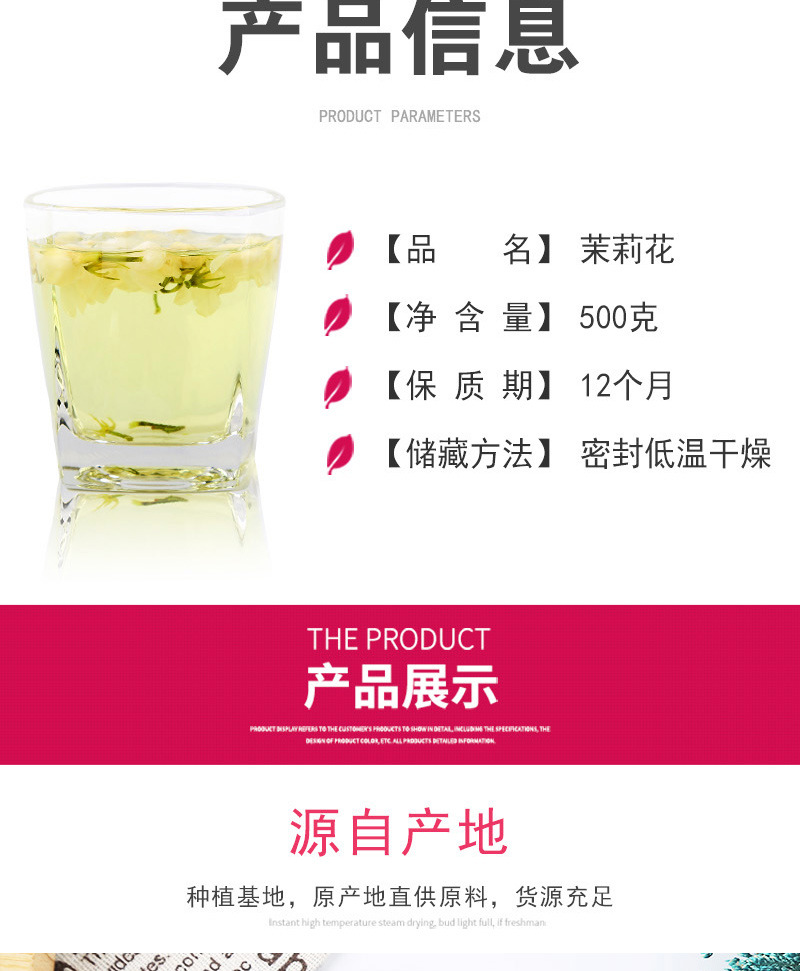
Technical Specifications
| Product Type | Dried Flower Tea |
|---|---|
| Common Name | Jasmine Flower |
| Botanical Name | Jasminum sambac |
| Origin | Hengxian, Guangxi, China |
| Net Weight | 500g |
| Processing | Low-Temperature Slow Baking |
Usage Scenarios
- Daily jasmine flower tea
- Blended herbal tea with green tea or chrysanthemum
- Aromatic addition to desserts and pastries
- Seasonal spring and summer refreshment
- Gift or bulk pantry staple
Traditional Uses
In folk herbal practice, jasmine flowers are brewed alone as a fragrant daily tea or blended with green tea, chrysanthemum, and rose bud to lift the spirit and smooth the flow of qi. They are also scattered into congee, sweet soups, and herbal decoctions, and used in sachets and pillow blends for their calming aroma. In TCM food therapy, jasmine is often taken in spring and summer to harmonize the Liver and soothe the mood.
FAQ Q&A
Q: What is Jasmine Flower Tea?
A: It is the dried petal and bud of Jasminum sambac, known in TCM as Mò Lì Huā (茉莉花). It is a traditional food-herb flower used as a fragrant daily tea and culinary aromatic.
Q: What is the traditional wellness value of jasmine flower?
A: In traditional Chinese food wellness culture, jasmine flower is associated with regulating qi, harmonizing the Liver, and lifting the spirit. It is often brewed as a tea for daily mood support and seasonal refreshment.
Q: How do I brew dried jasmine flowers?
A: Place a small pinch of flowers in a cup, pour hot water over them, and steep for 2–3 minutes. They can also be blended with green tea, chrysanthemum, or rose bud to taste.
Additional information
| Weight | N/A |
|---|---|
| Dimensions | N/A |
| Packaging specifications | Large flower jasmine 500g, 500g of jasmine flowers, 500g of fully opened jasmine, Jasmine snowflake petals 500g |
Related products
-
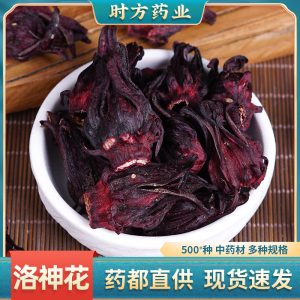
Roselle Dried Flowers (Hibiscus sabdariffa) — Yunnan Luoshen Hua Herbal Tea, 500g Bulk
Price range: $4.64 through $8.25 -
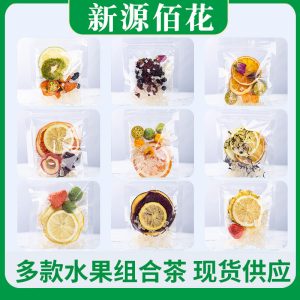
Freeze-Dried Fruit & Herbal Tea Bags (Passiflora edulis) — Cold-Brew Blend for Daily Hydration
Price range: $3.61 through $3.79 -
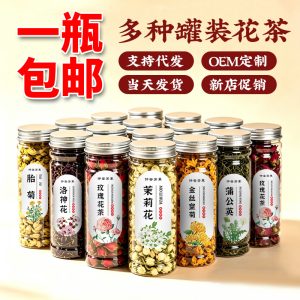
Goji Jujube Chrysanthemum Rose Herbal Tea Blend — Nourishing Flower Tea, 50g
Price range: $3.70 through $10.75 -
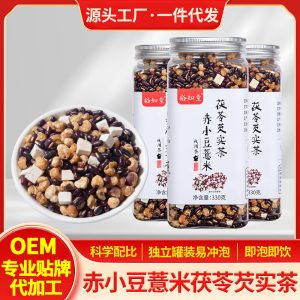
Three-Steam Three-Sun Red Bean Poria Coix Tea (330g) — Roasted Herbal Blend with Euryale
Price range: $5.50 through $9.79
Reviews
There are no reviews yet.