
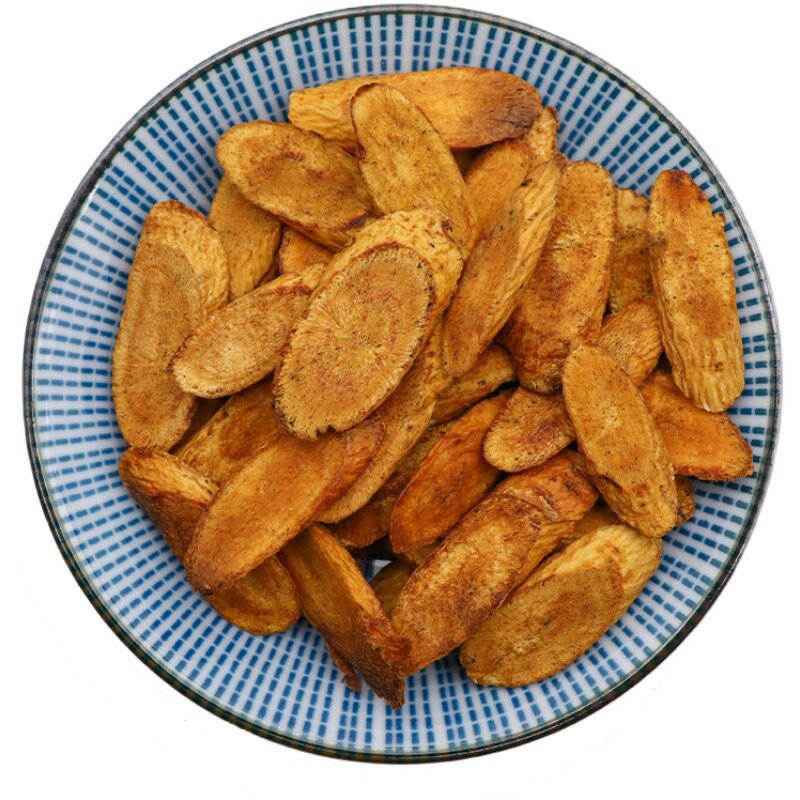
Honey-Processed Astragalus Root Slices Zhi Huang Qi for Herbal Tea and Soup 250g
Description
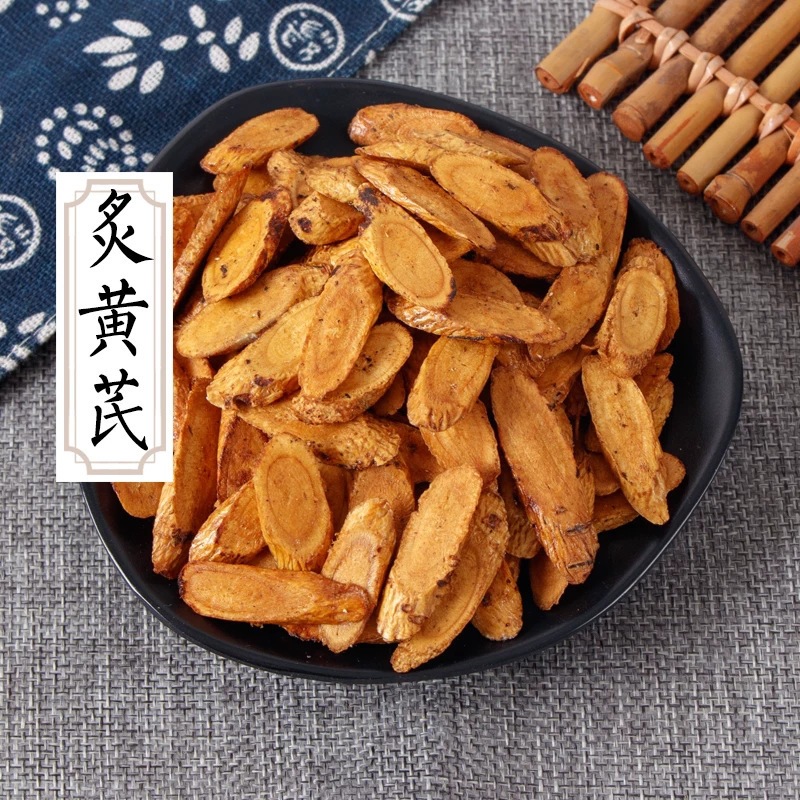
Honey-processed Astragalus root slices, known in TCM as Zhi Huang Qi (炙黄芪), from Astragalus membranaceus. This sliced, honey-fried form of Huang Qi is traditionally used in Chinese herbal practice to support qi and vitality. In TCM theory it is warm and sweet, entering the Spleen and Lung channels. It is commonly simmered in water, soups, or congee for daily wellness routines.
Key Selling Points
- Honey-processed Astragalus root slices, a traditional TCM decoction piece
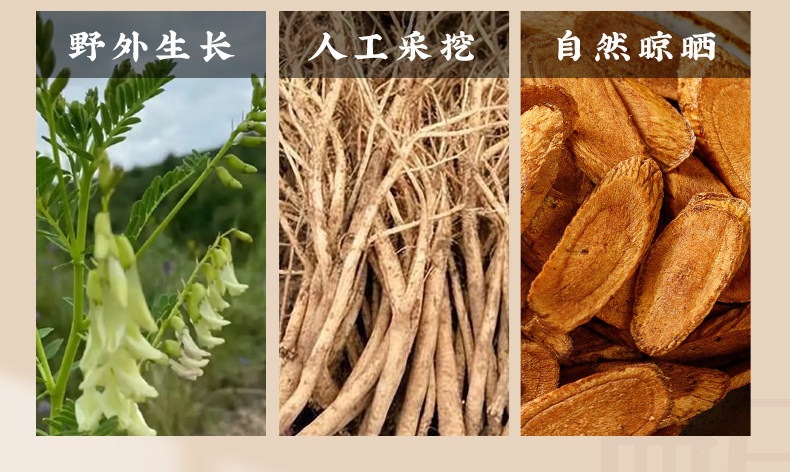
- Made from Astragalus membranaceus root and processed with honey
- Sliced form suited for teas, soups, and congee
- Warm sweet nature associated with the Spleen and Lung channels in TCM
- 250g per jar, sold as a two-jar pack
Quality & Sensory
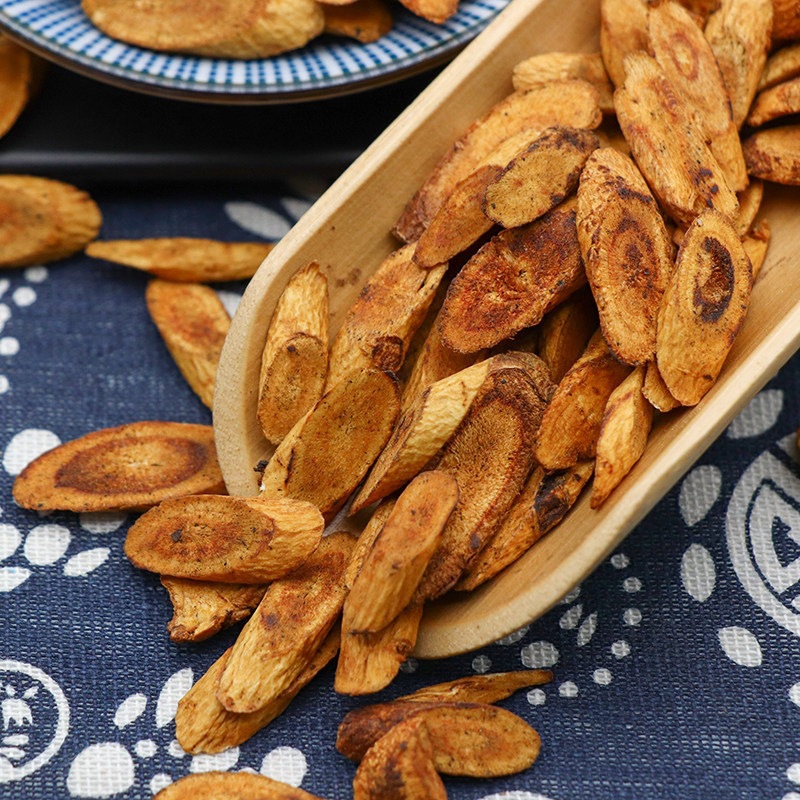
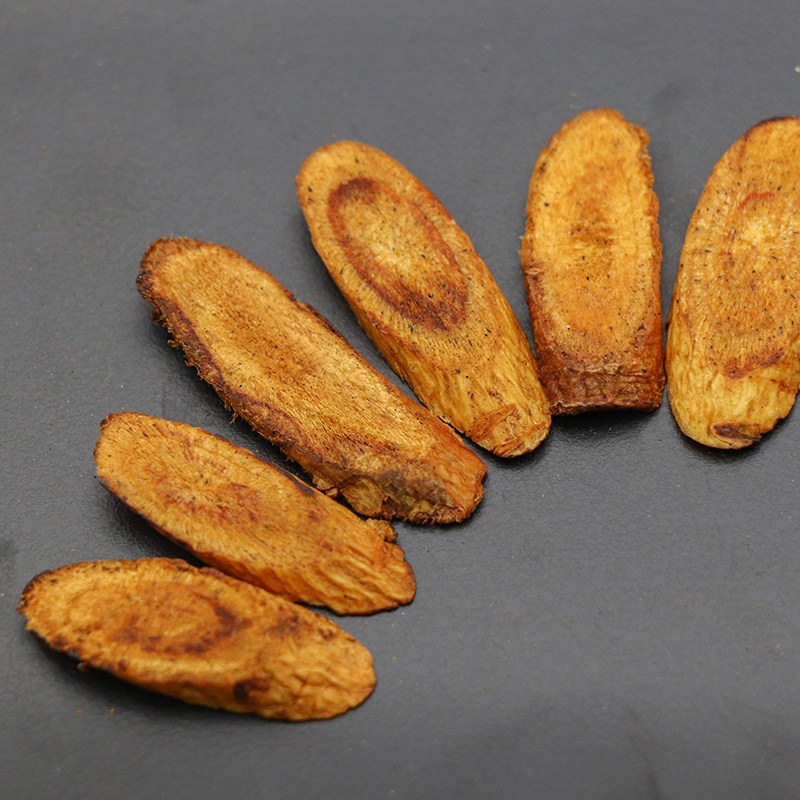
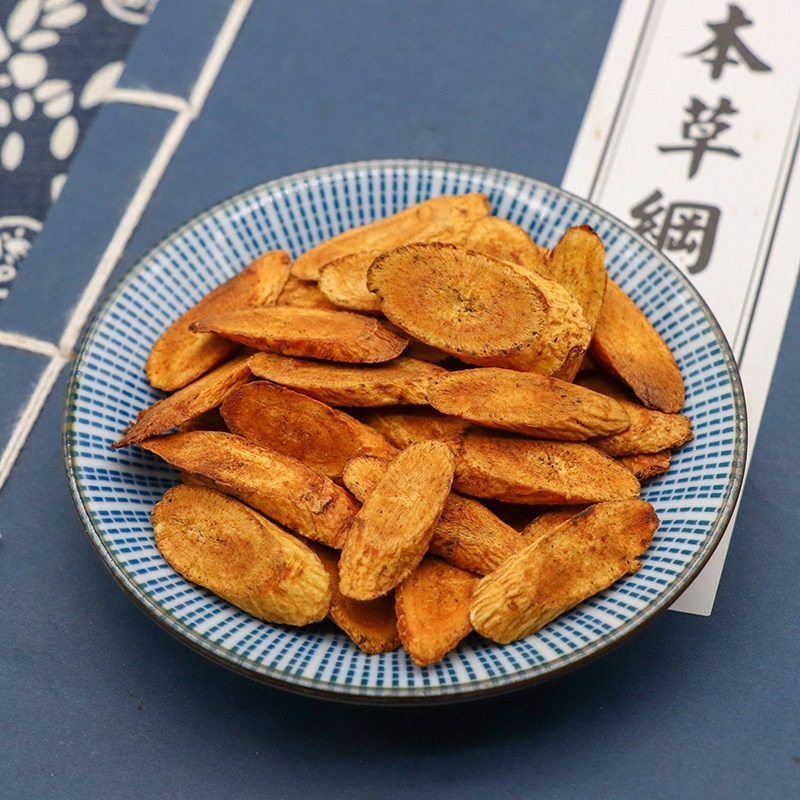
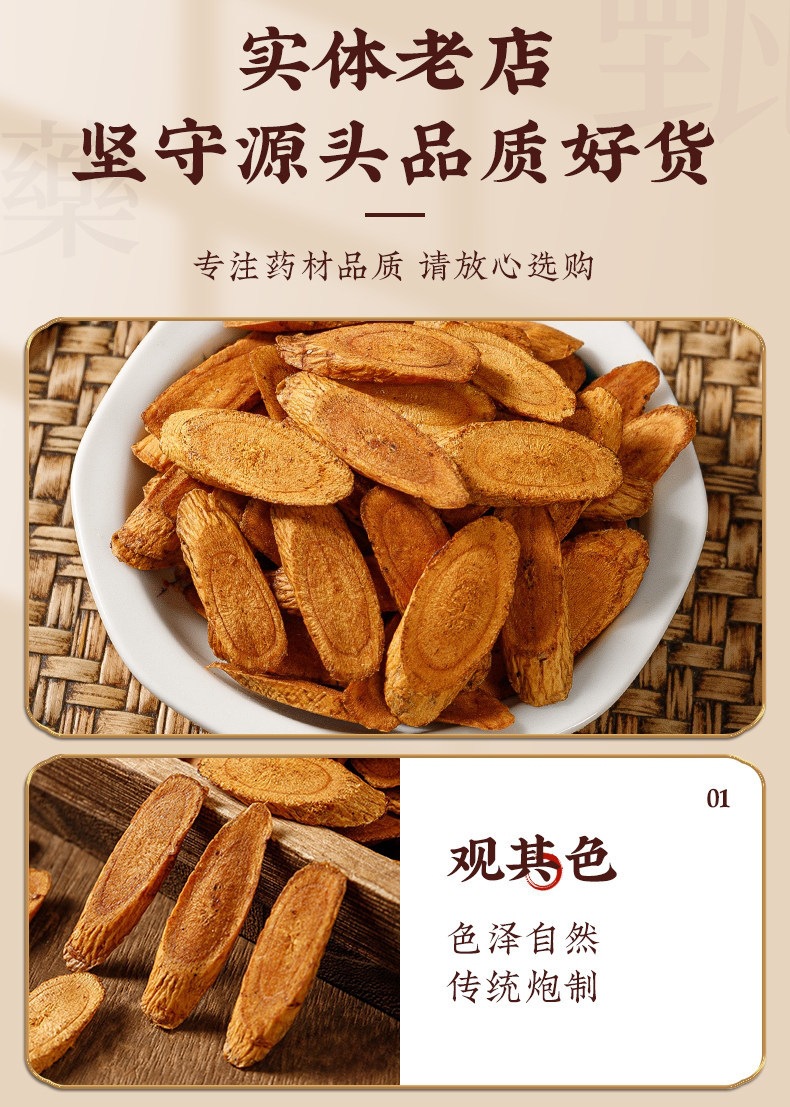
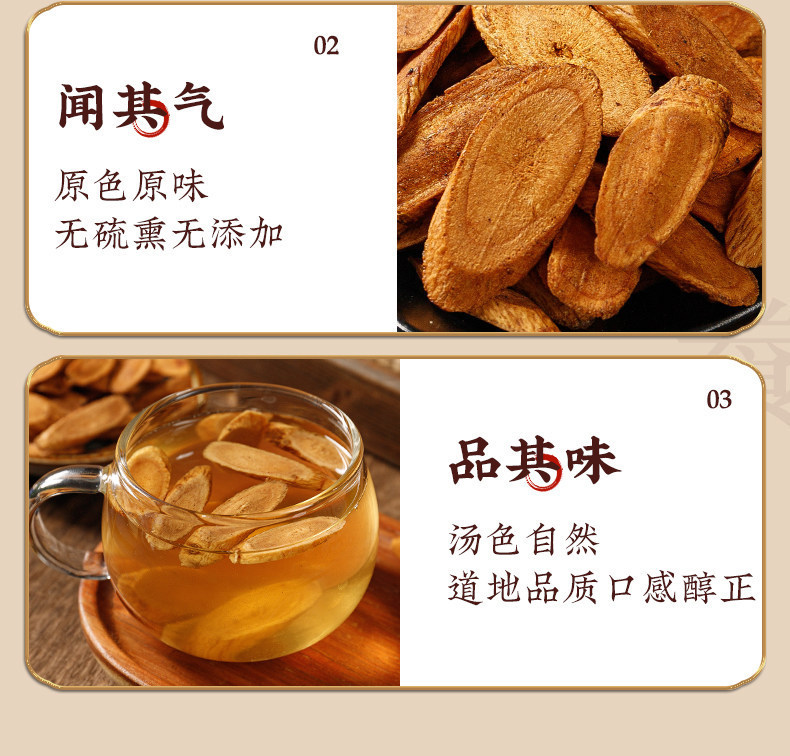
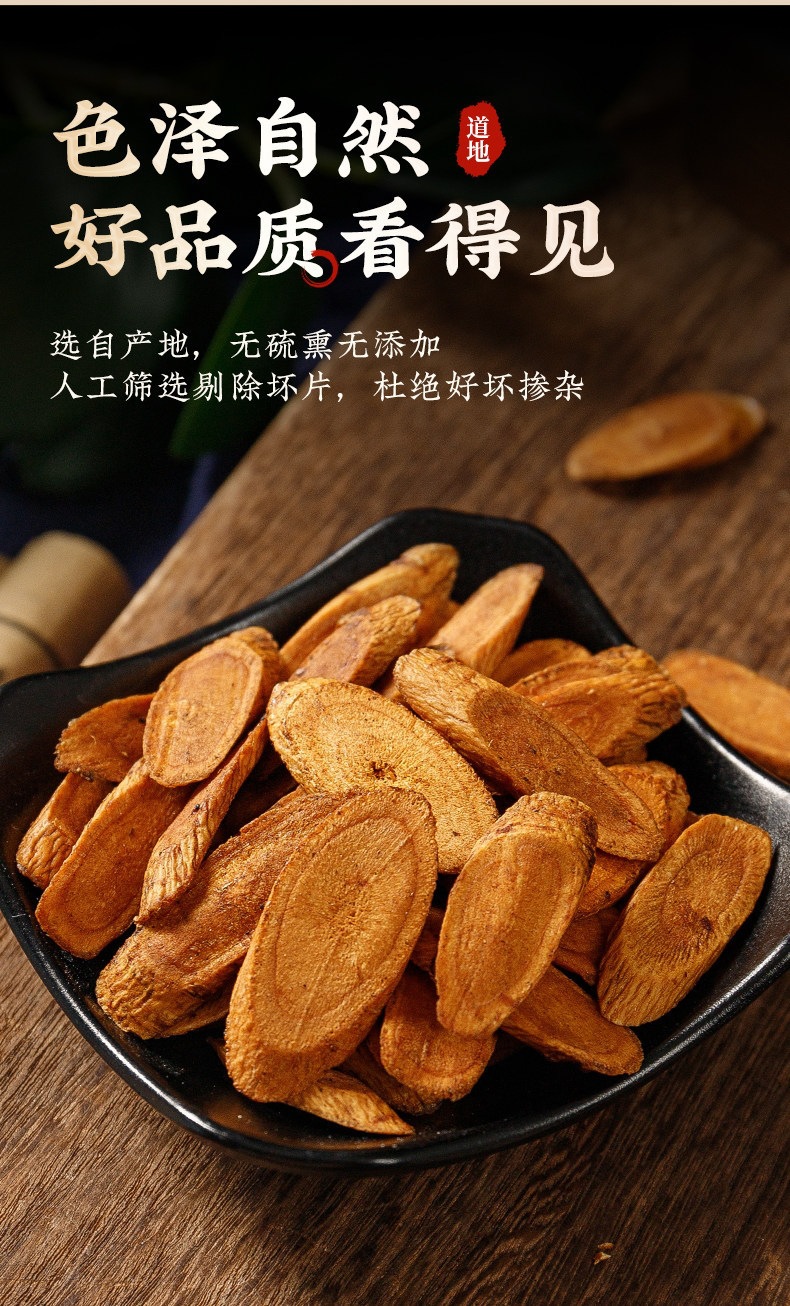
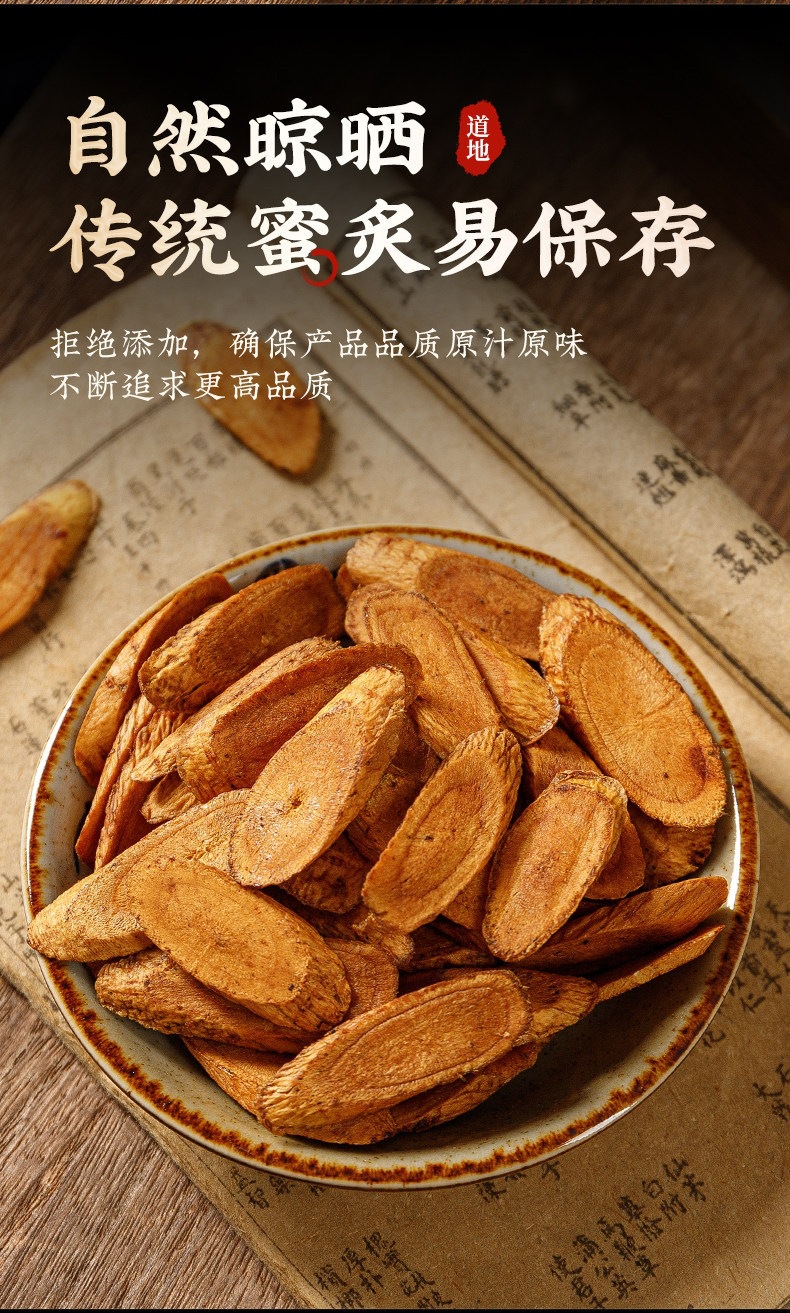
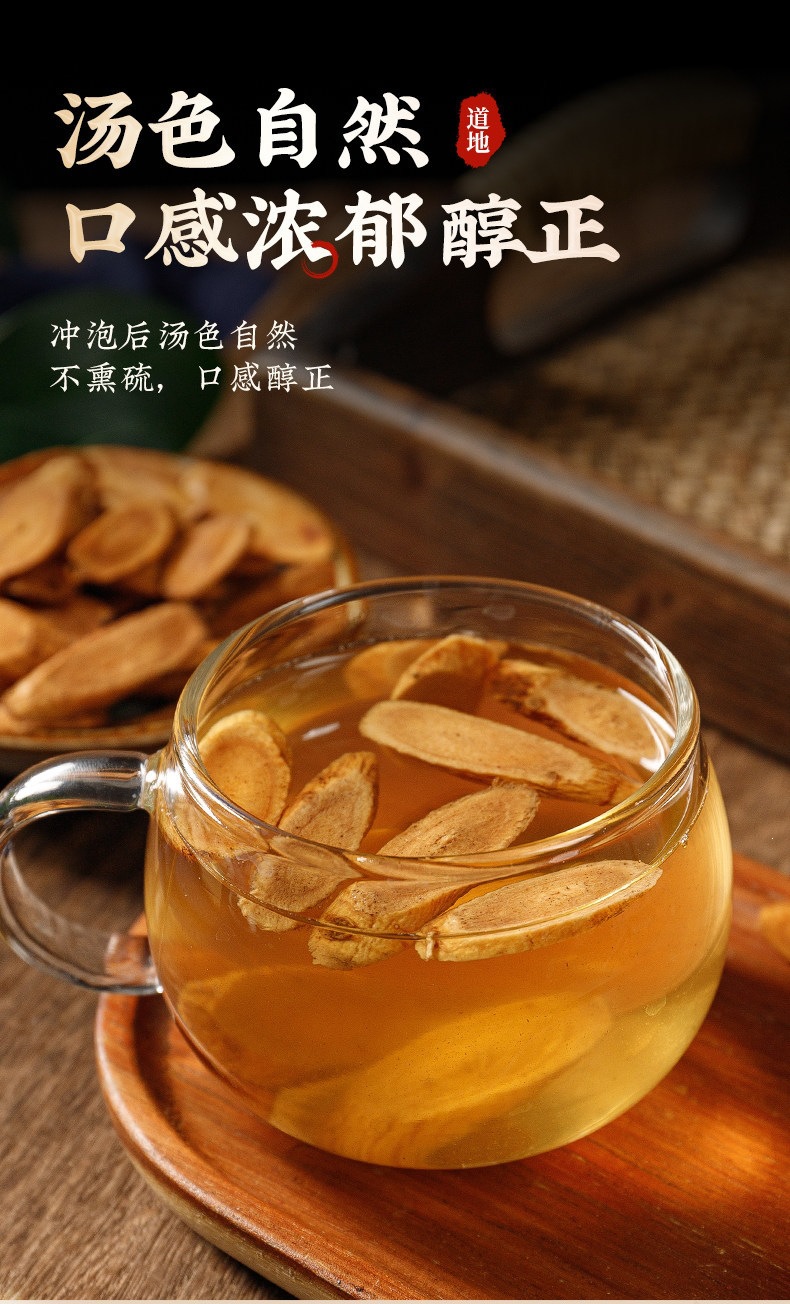
The slices are typically light yellow to amber with a firm, slightly fibrous texture and a mild sweet honey aroma. When simmered, the brew is typically gentle and sweet with a soft earthy root note. Color and taste may vary slightly between batches.
Technical Specifications
| Product Type | Honey-processed herbal decoction pieces |
|---|---|
| Chinese Name | 炙黄芪 |
| Pinyin | Zhi Huang Qi |
| Botanical Name | Astragalus membranaceus |
| Plant Part | Root |
| Form | Sliced |
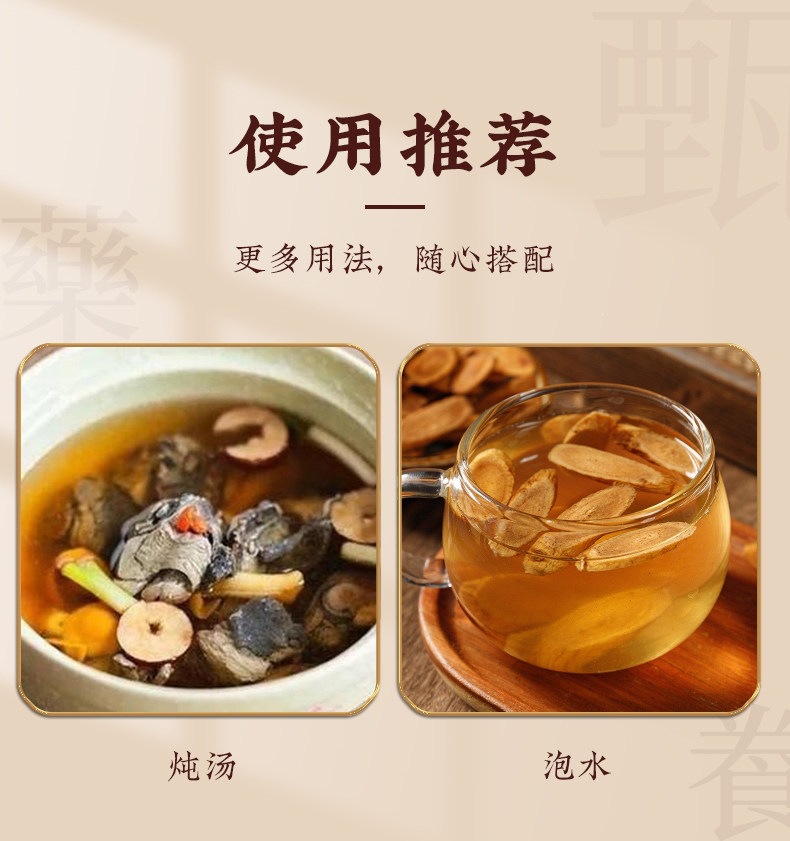
Usage Scenarios
- Simmered as a daily herbal tea
- Added to soups and broths
- Cooked into congee
- Used in traditional decoctions
Traditional Uses
In TCM theory, Zhi Huang Qi is traditionally used to support qi and vitality and is often simmered in water or soups. It is commonly paired with herbs such as Dang Shen, Gou Qi Zi, or Hong Zao in daily decoctions and congee. Honey processing is a traditional method used to modify the herb's character for gentler, sweeter preparations.
FAQ Q&A
Q: What is Zhi Huang Qi?
A: It is honey-processed Astragalus root, a traditional Chinese herbal decoction piece made from Astragalus membranaceus.
Q: What is it traditionally used for?
A: In TCM theory it is traditionally associated with supporting qi and vitality, and it is considered warm and sweet, entering the Spleen and Lung channels.
Q: How is it commonly prepared?
A: It is typically simmered in water as a tea or added to soups, broths, and congee.
Additional information
| Model | 炙黄芪100g 1罐, 炙黄芪250g 1罐, 炙黄芪250g 2罐 |
|---|
Related products
-
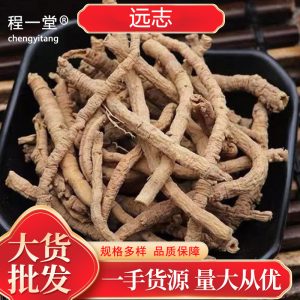
Dried Polygala Root Yuan Zhi 500g Traditional Chinese Herb for Decoction
Price range: $18.87 through $24.54 -

Dried Raspberry Fruit Fu Pen Zi Whole Berries for Herbal Tea and Wine Infusion 500g
Price range: $15.63 through $18.06 -
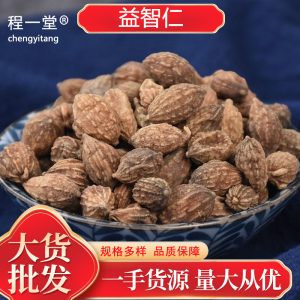
Yi Zhi Ren Dried Alpinia Oxyphylla Fruit 500g Traditional Herbal Tea and Decoction Ingredient
Price range: $11.74 through $13.36 -
Dried Ginger Root Gan Jiang 500g Bulk Chinese Herb Zingiber officinale Rhizome for Decoction and Culinary Use
$5.90
Reviews
There are no reviews yet.