
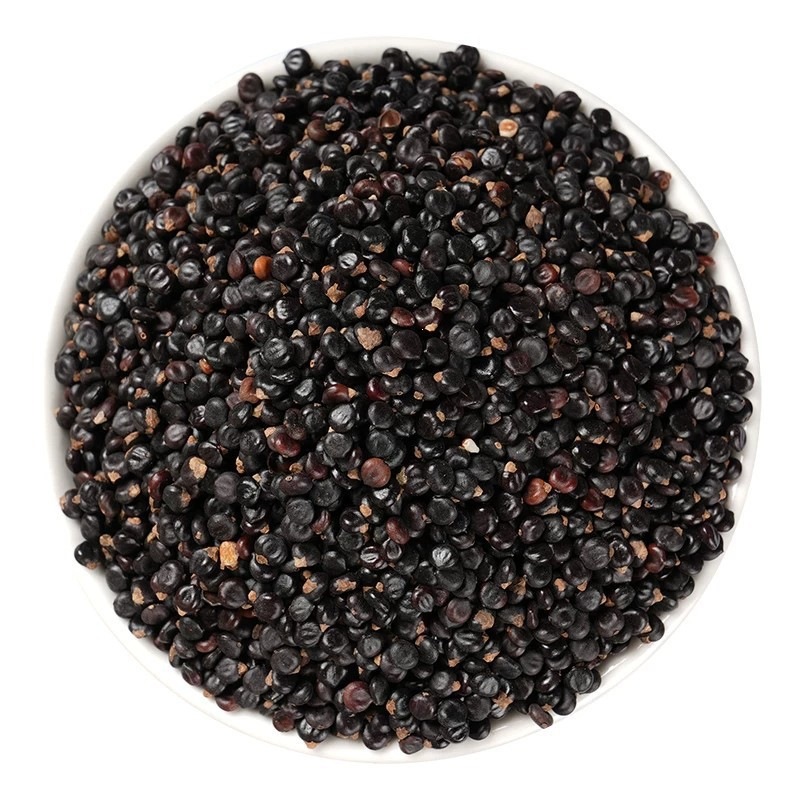
Dried Shui Hong Hua Zi Polygoni Orientalis Fruit for Herbal Tea Decoction
Description
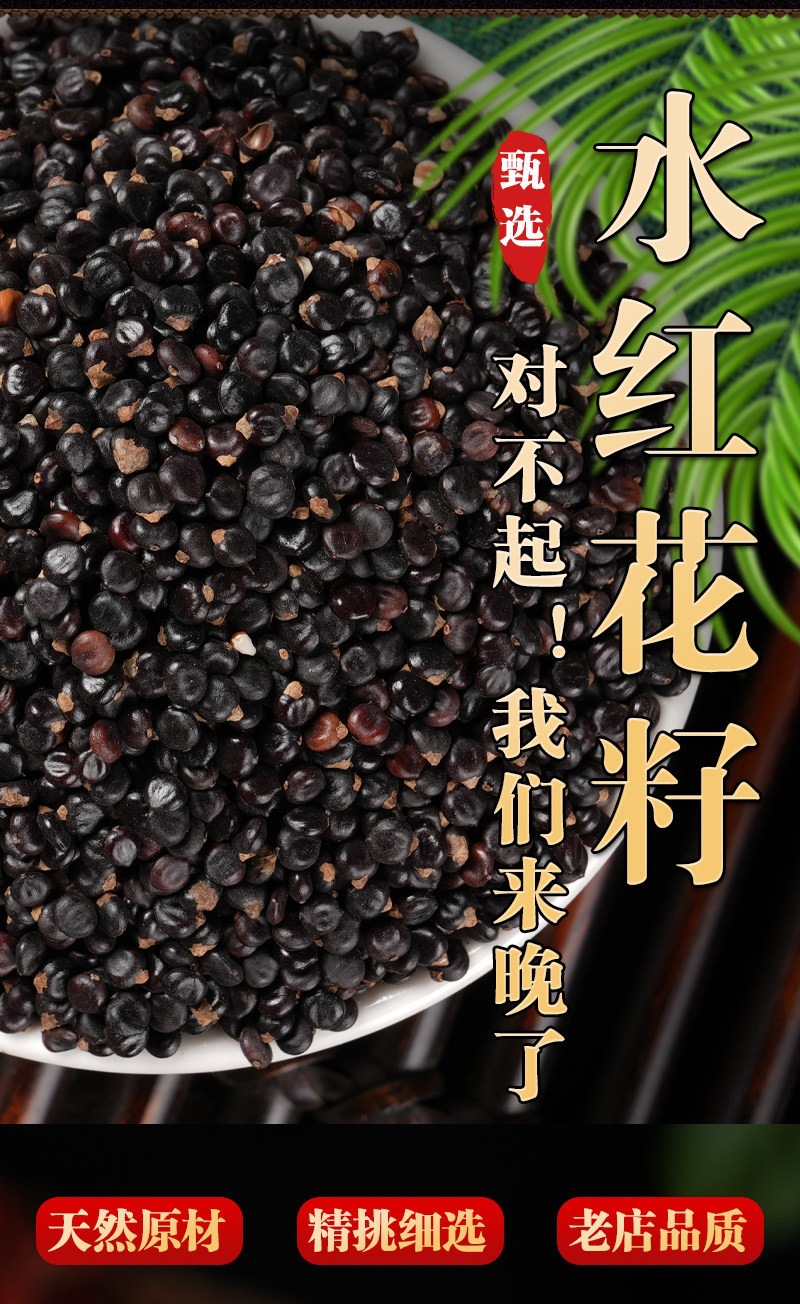
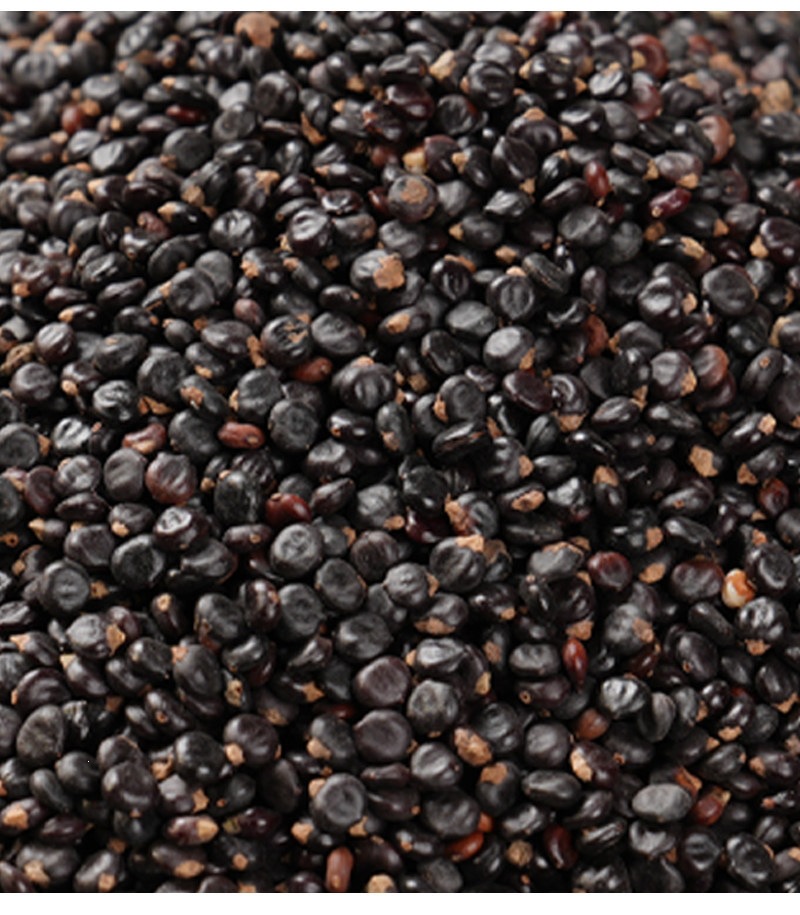
Dried Shui Hong Hua Zi (水红花子), pinyin Shui Hong Hua Zi, is the fruit of Polygonum orientale, also known as Prince's Feather. In TCM theory it is traditionally associated with the Liver and Stomach channels, with a slightly cold nature and salty flavor. Traditionally used in decoctions and teas. Store in a cool, dry place and use as a household herbal ingredient.
Key Selling Points
- Identifiable single herb: Shui Hong Hua Zi (水红花子), fruit of Polygonum orientale
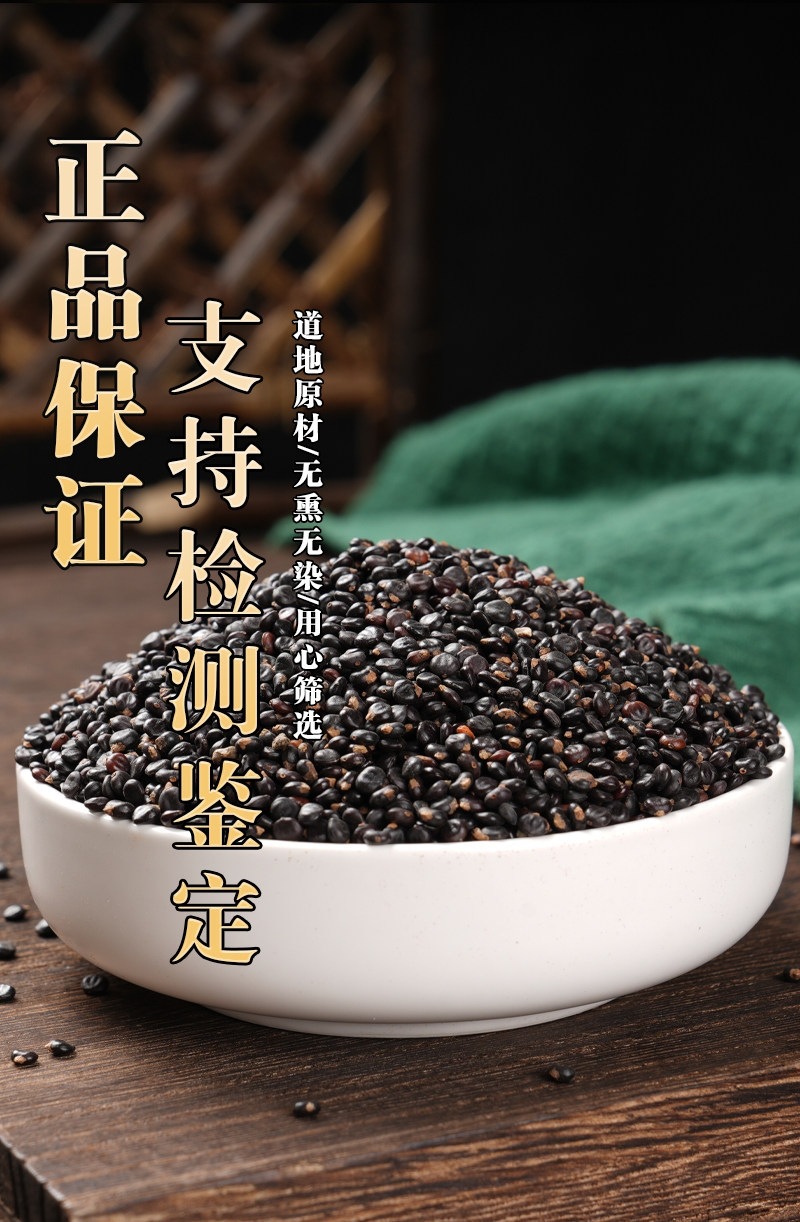
- Dried whole fruit form, sun-dried and packed in sealed jars
- Sourced from Hebei, China, and sold as an edible agricultural product
- Traditionally used in TCM decoctions and daily herbal teas
- Convenient jar packaging with a 12-month shelf life
Quality & Sensory
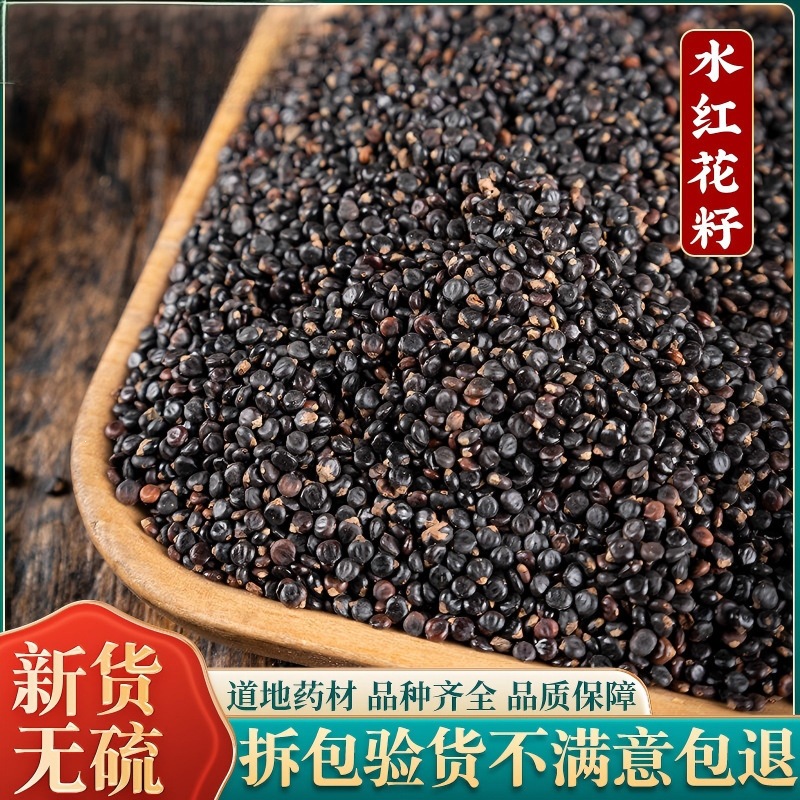
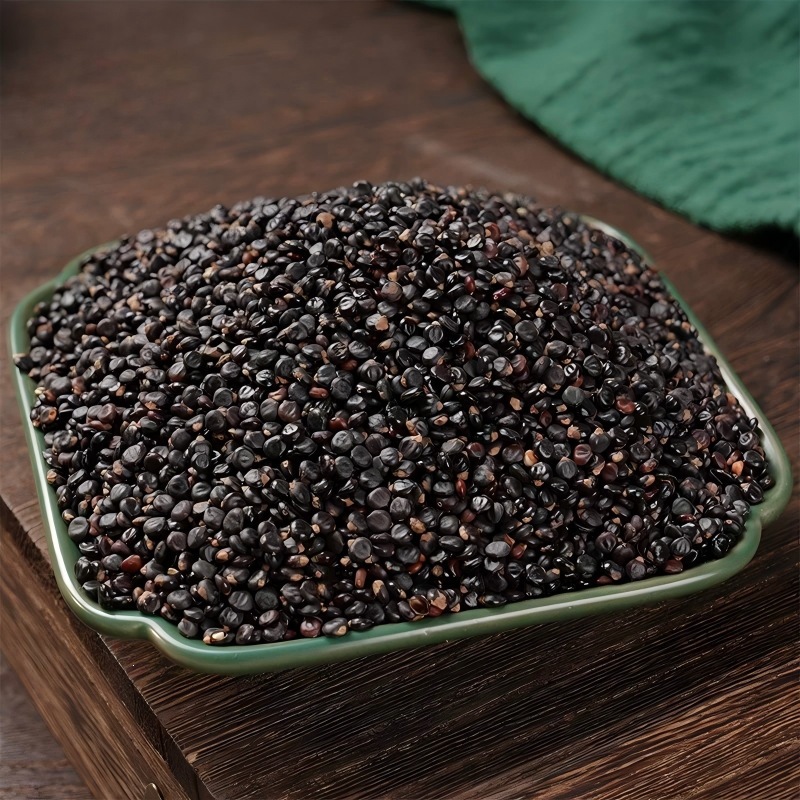
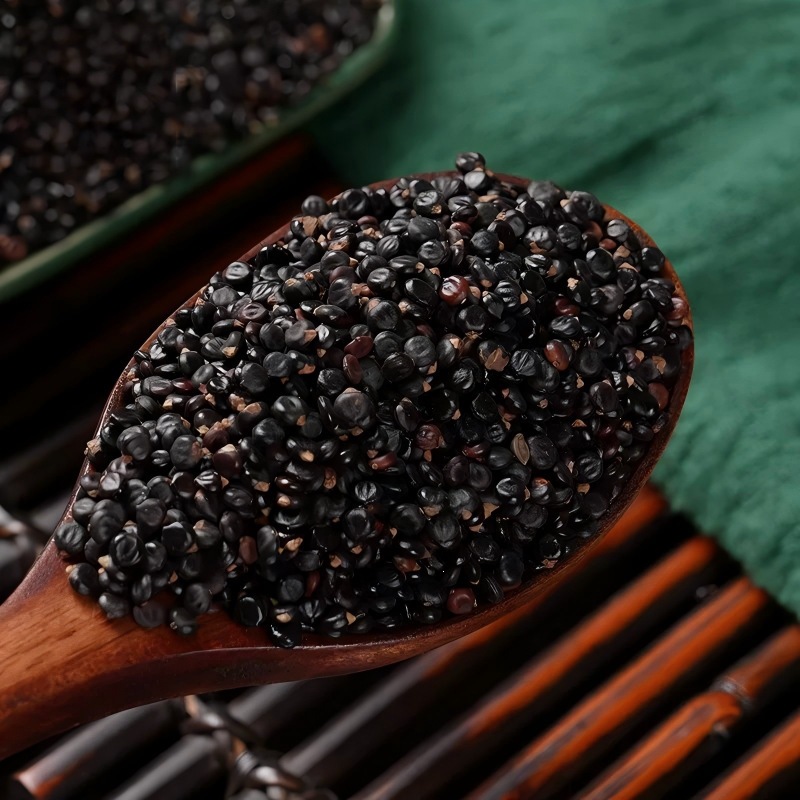
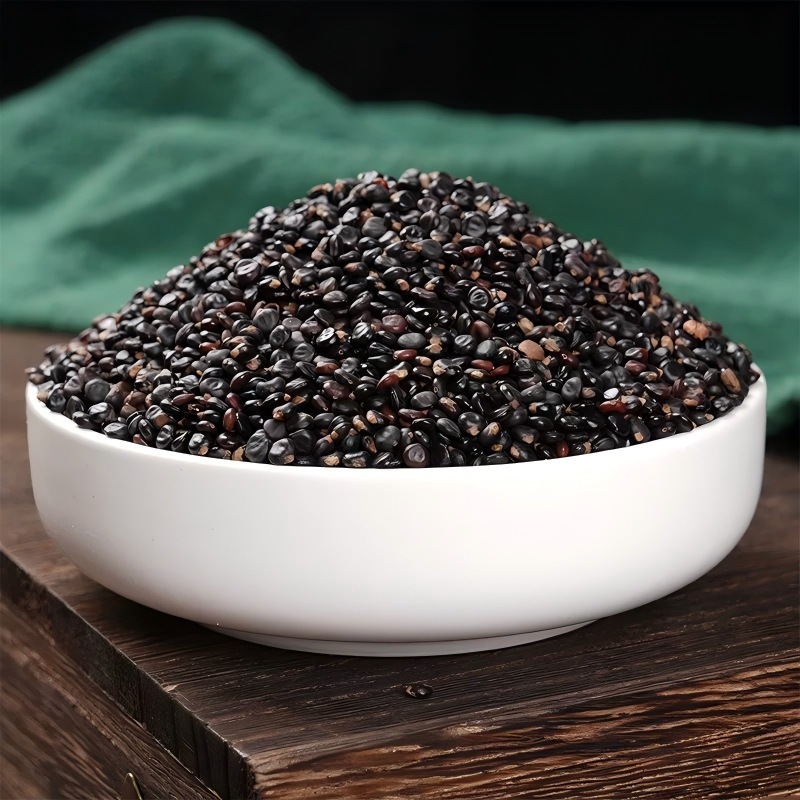
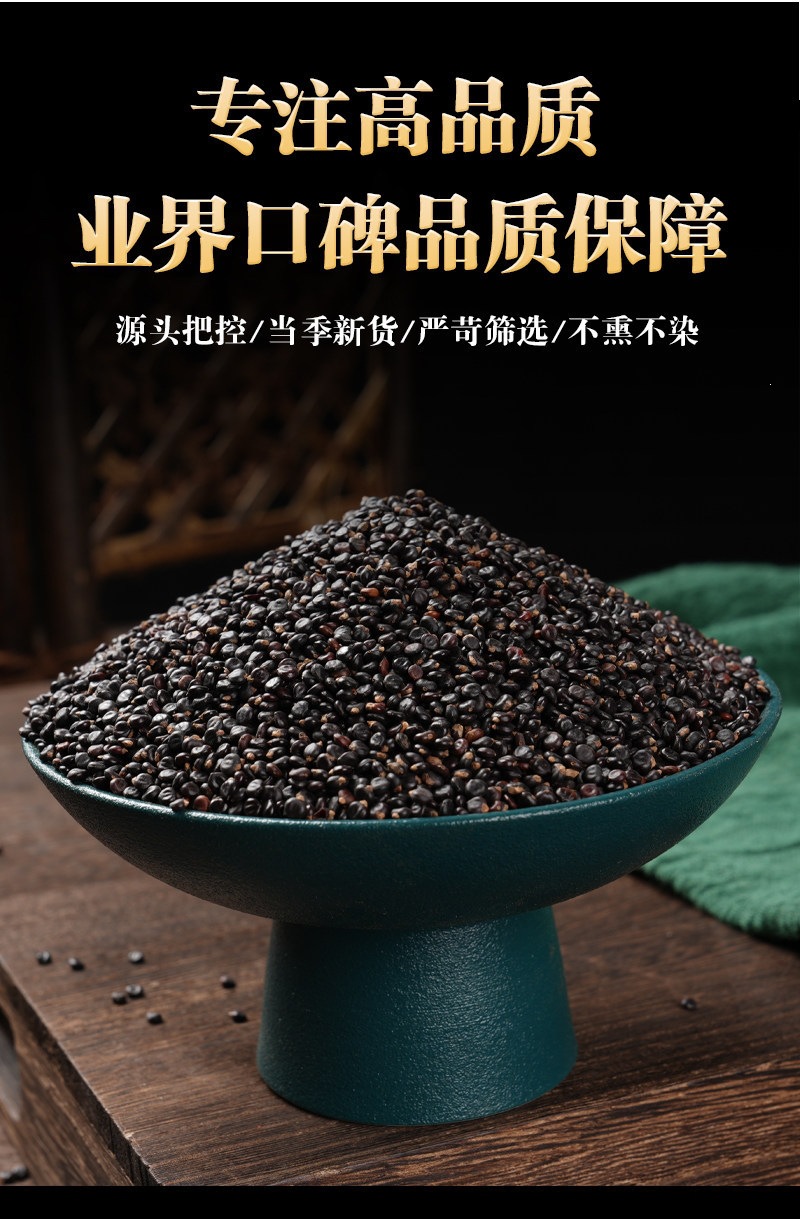
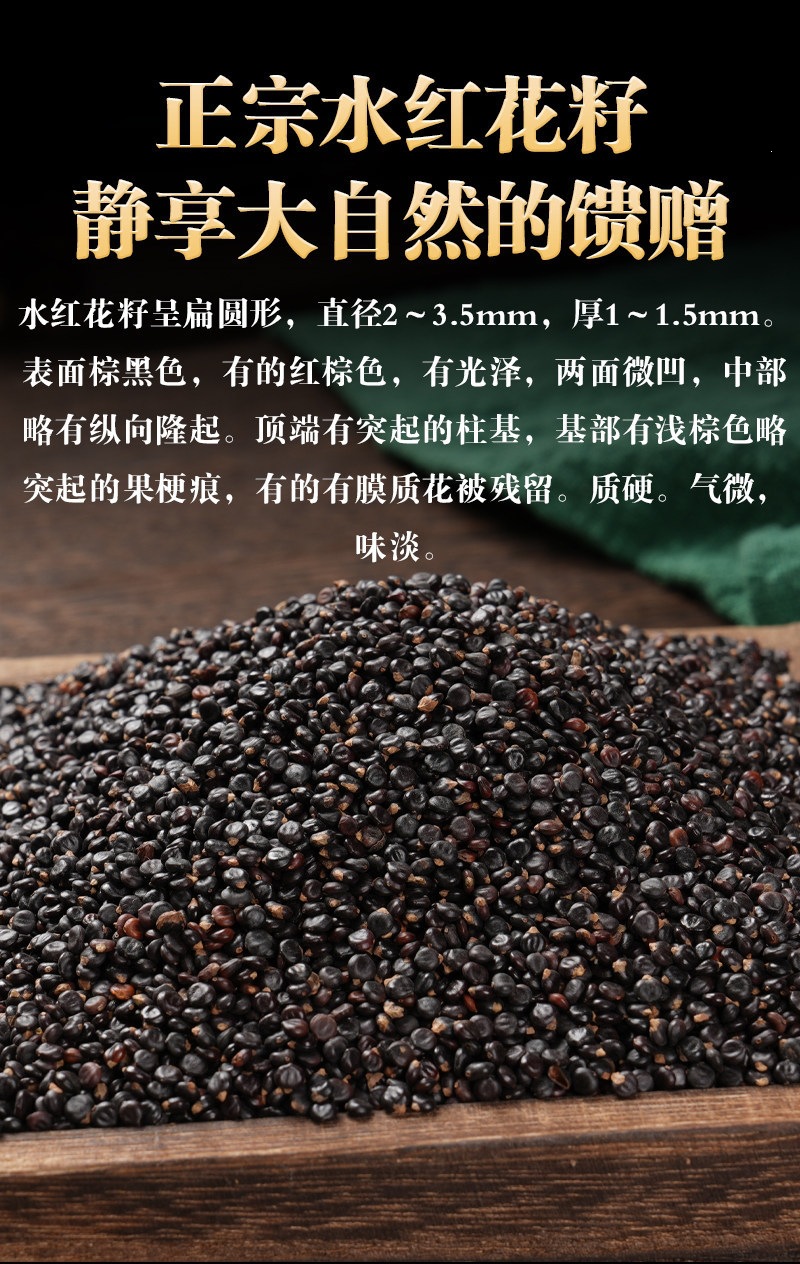
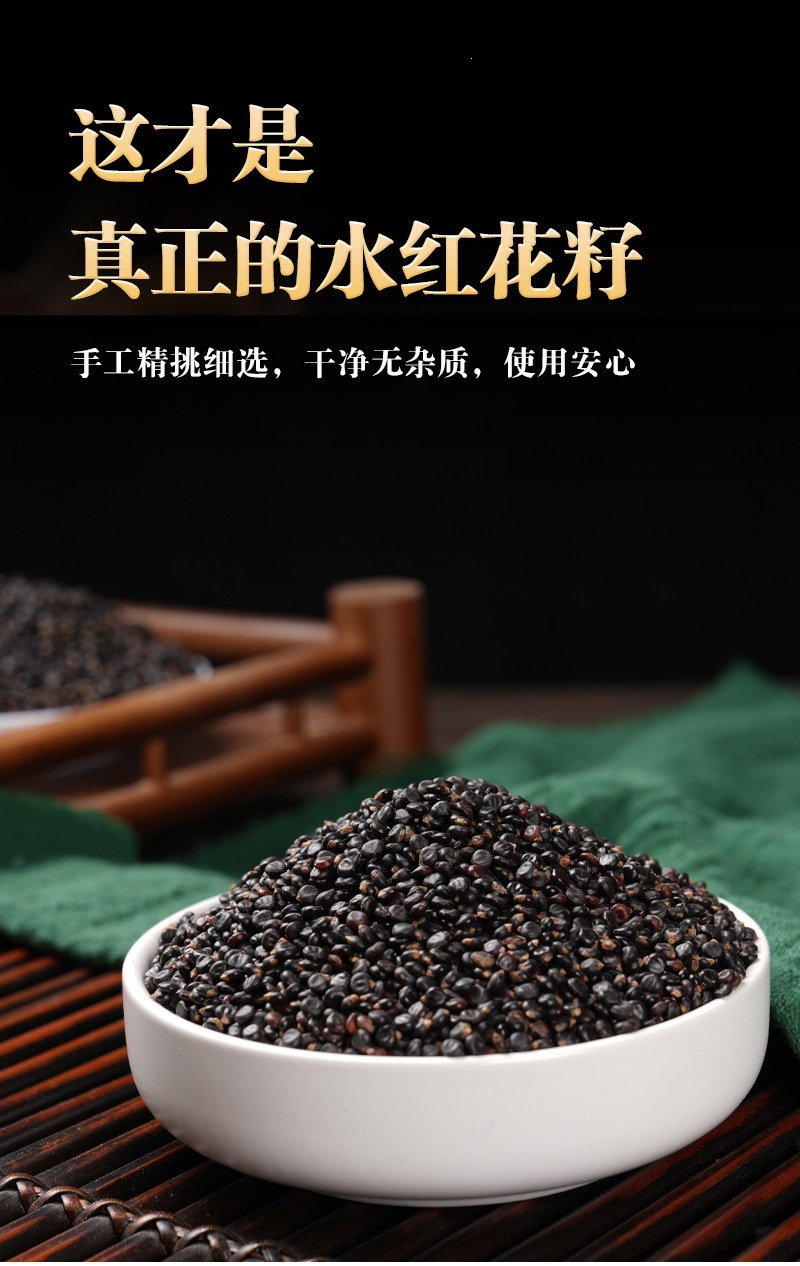
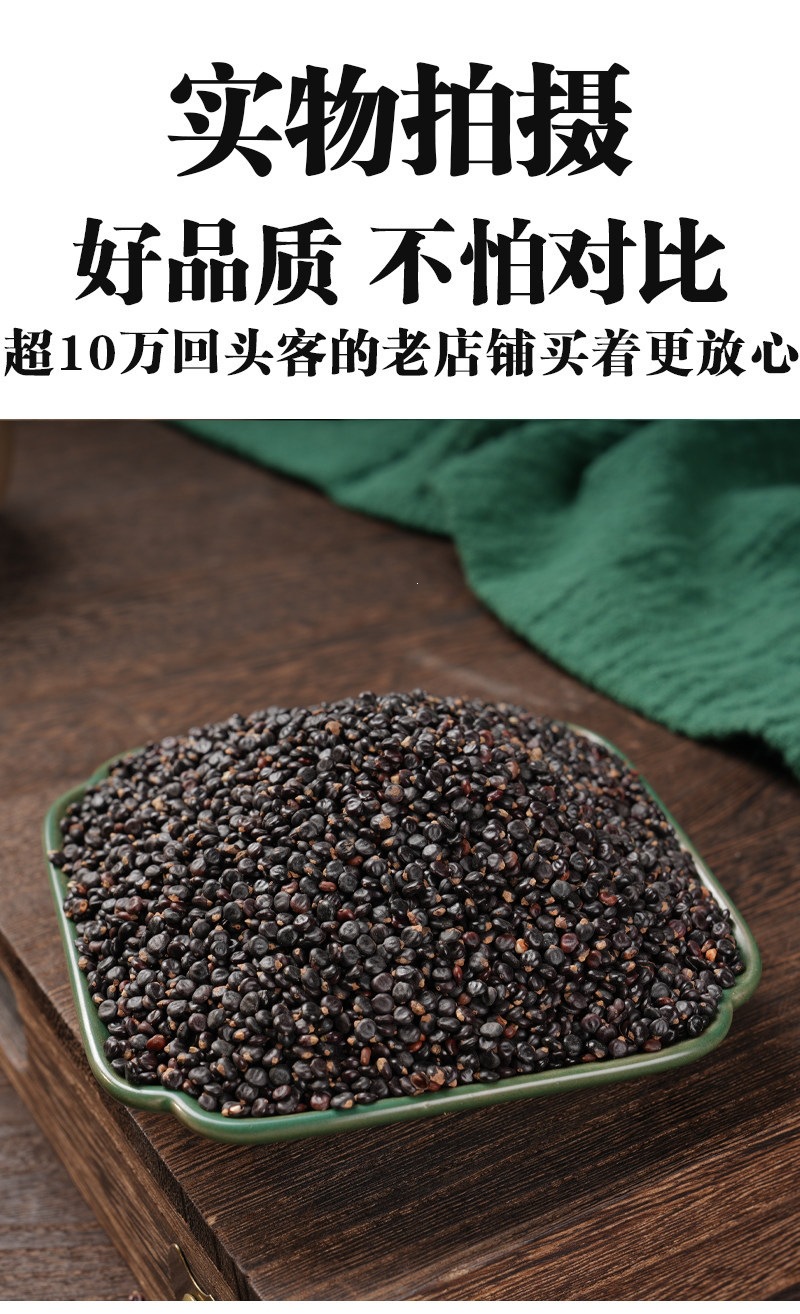
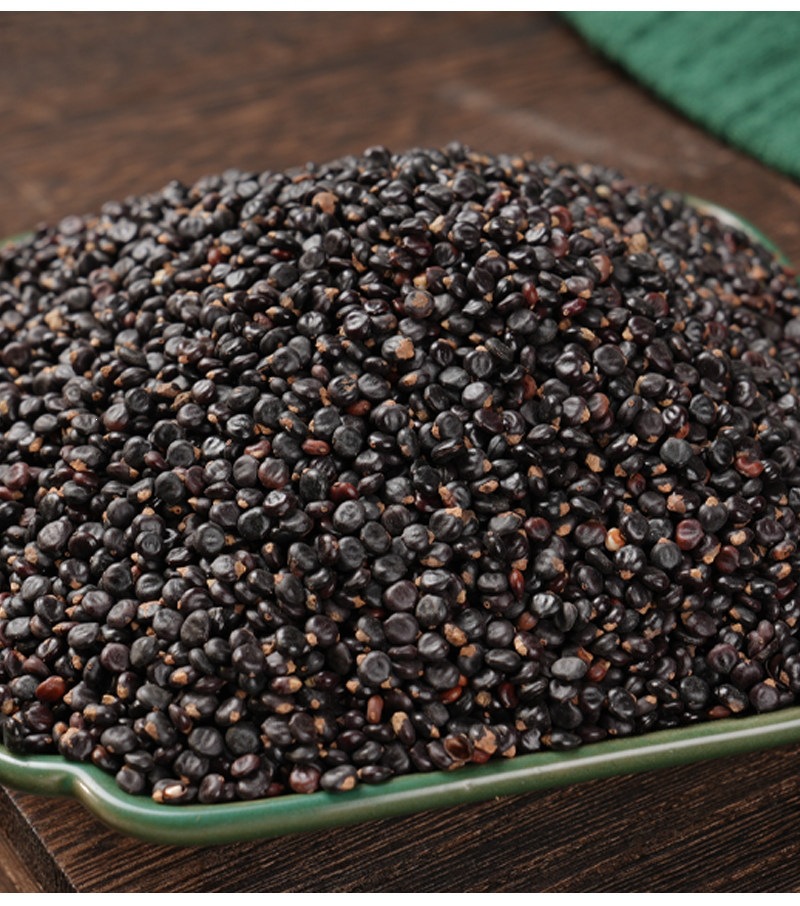
The dried fruits are typically small, dark reddish-brown to nearly black, with a firm, slightly wrinkled texture. They have a mild, earthy herbal aroma. When brewed or decocted, the liquid is typically light amber to brown with a subtle, mildly bitter and slightly salty taste.
Technical Specifications
| Product Type | Dried herbal fruit |
|---|---|
| Chinese Name | 水红花子 |
| Pinyin | Shui Hong Hua Zi |
| Botanical Name | Polygonum orientale |
| Plant Part | Fruit |
| Processing | Sun-dried |
Usage Scenarios
- Herbal tea or infusion
- Decoction with other herbs
- Added to soups or congee
- Seasonal household herbal drink

Traditional Uses
In TCM theory, Shui Hong Hua Zi is traditionally used in decoctions, often paired with other herbs for digestive or fluid-balancing formulas. Folk practice sometimes includes it in herbal teas or simmered soups. It is also traditionally used in seasonal preparations. It is not a substitute for medical care.
FAQ Q&A
Q: What is Shui Hong Hua Zi?
A: It is the dried fruit of Polygonum orientale, known in Chinese as 水红花子 (Shui Hong Hua Zi).
Q: What is its traditional value?
A: In TCM theory it is associated with the Liver and Stomach channels and is traditionally used in decoctions and teas.
Q: How is it commonly prepared?
A: It is typically brewed as a tea or simmered in a decoction with other herbs. It can also be added to soups or congee.
Additional information
| Model | 新货水红花子180克 1罐, 新货水红花子180克 2罐, 新货水红花子500克 1罐, 新货水红花子500克 2罐, 新货水红花子500克 3罐, 新货水红花子500克 4罐 |
|---|
Related products
-
Dried Angelica Sinensis Slices Dang Gui 当归 500g Gansu Raw Herb for Decoction Soup and Tea
Price range: $16.44 through $35.88 -
Dried Polygala Root Yuan Zhi 500g Traditional Chinese Herb for Decoction
Price range: $18.87 through $24.54 -
Fritillaria Bulb Chuan Bei Mu Dried Chinese Herbal Bulbs for Decoction and Traditional Use 500g
Price range: $18.06 through $94.21 -
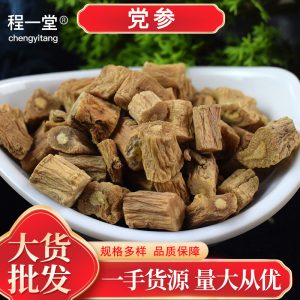
Dried Codonopsis Root Slices Dang Shen 500g Bulk Supply for Soups and Herbal Decoctions
Price range: $10.28 through $18.06
Reviews
There are no reviews yet.