
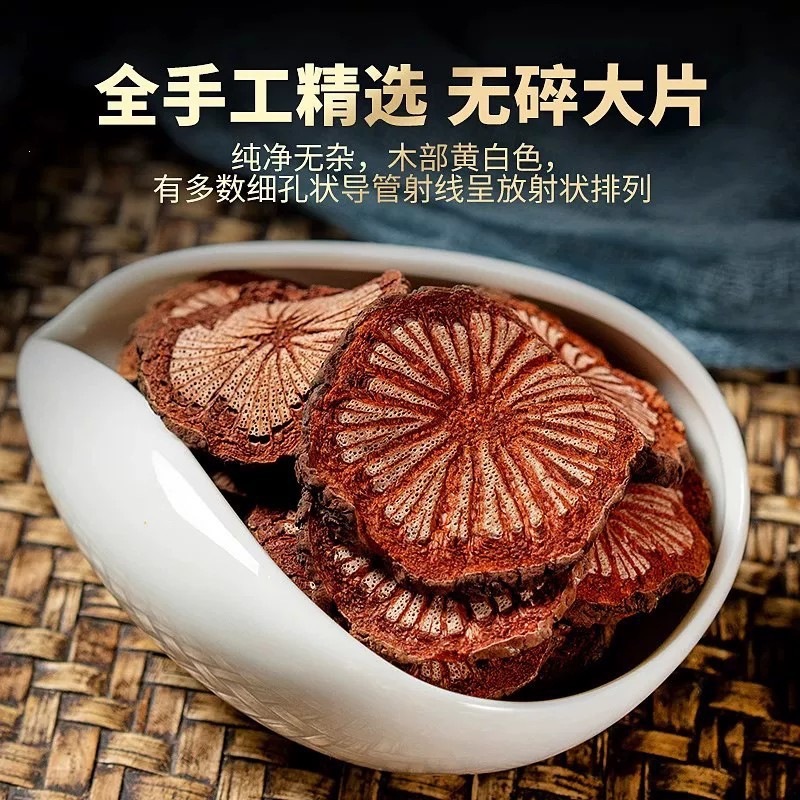
Dried Sargentodoxa Stem Slices Hong Teng Da Xue Teng for Herbal Decoction and Tea
Description
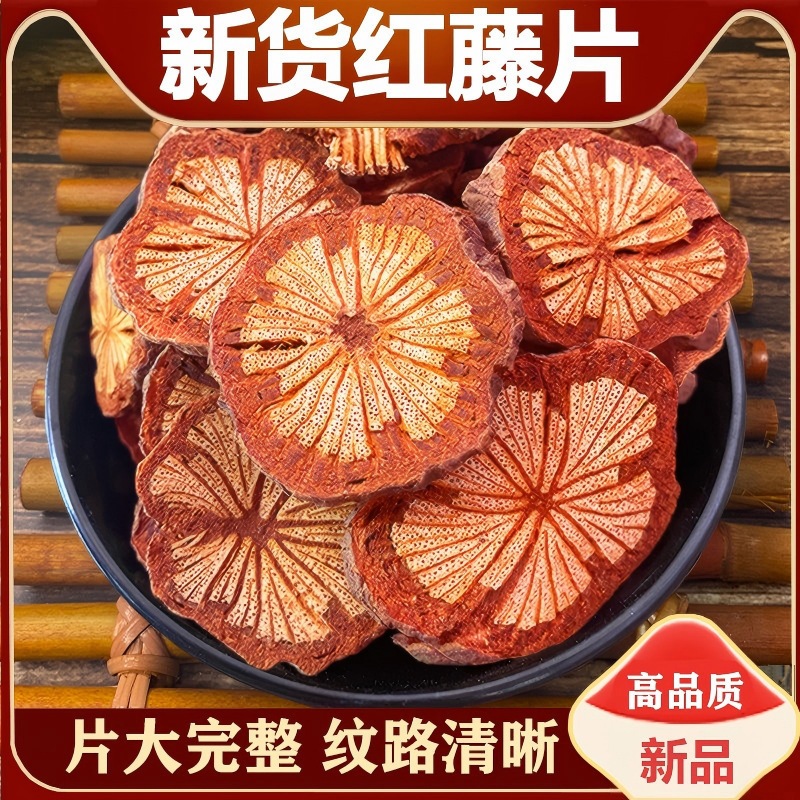
Dried Sargentodoxa Stem Slices, known in TCM as Hong Teng (红藤) or Da Xue Teng, from Sargentodoxa cuneata. This sun-dried stem herb is traditionally used in Chinese herbal practice for decoctions and teas. In TCM theory it is associated with bitter flavor and slightly cold nature, entering the Large Intestine and Liver channels. It is commonly prepared by simmering or steeping with other herbs such as Dan Shen and Chuan Xiong.
Key Selling Points
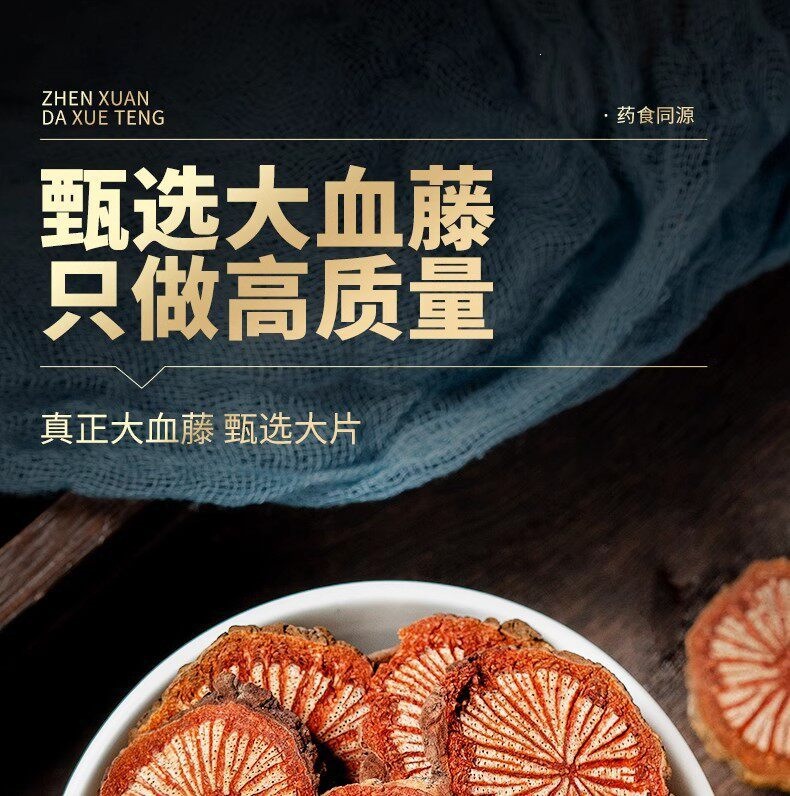
- Identified as Hong Teng (红藤), the dried stem of Sargentodoxa cuneata
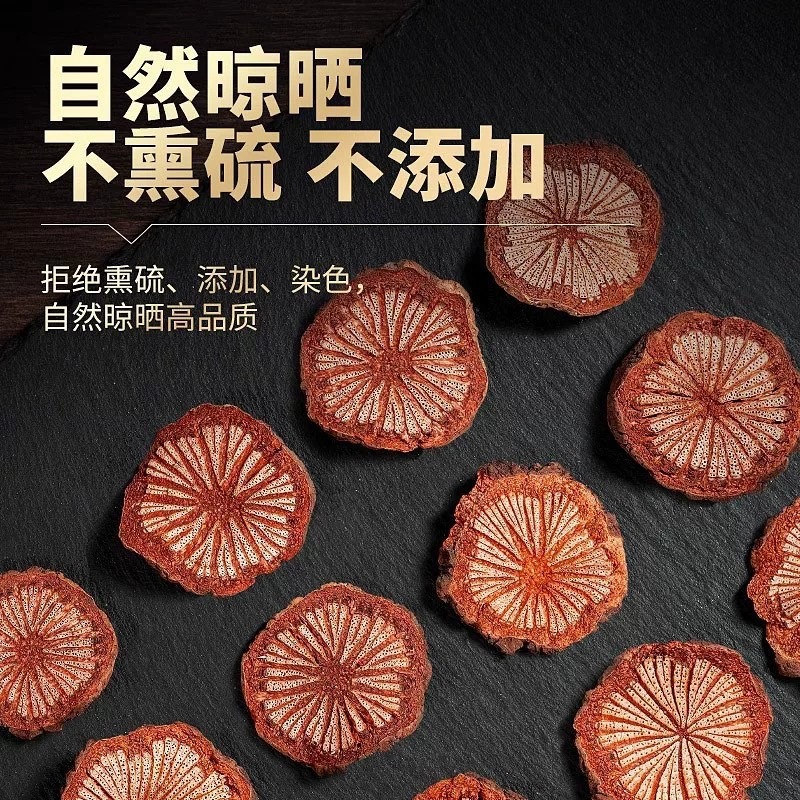
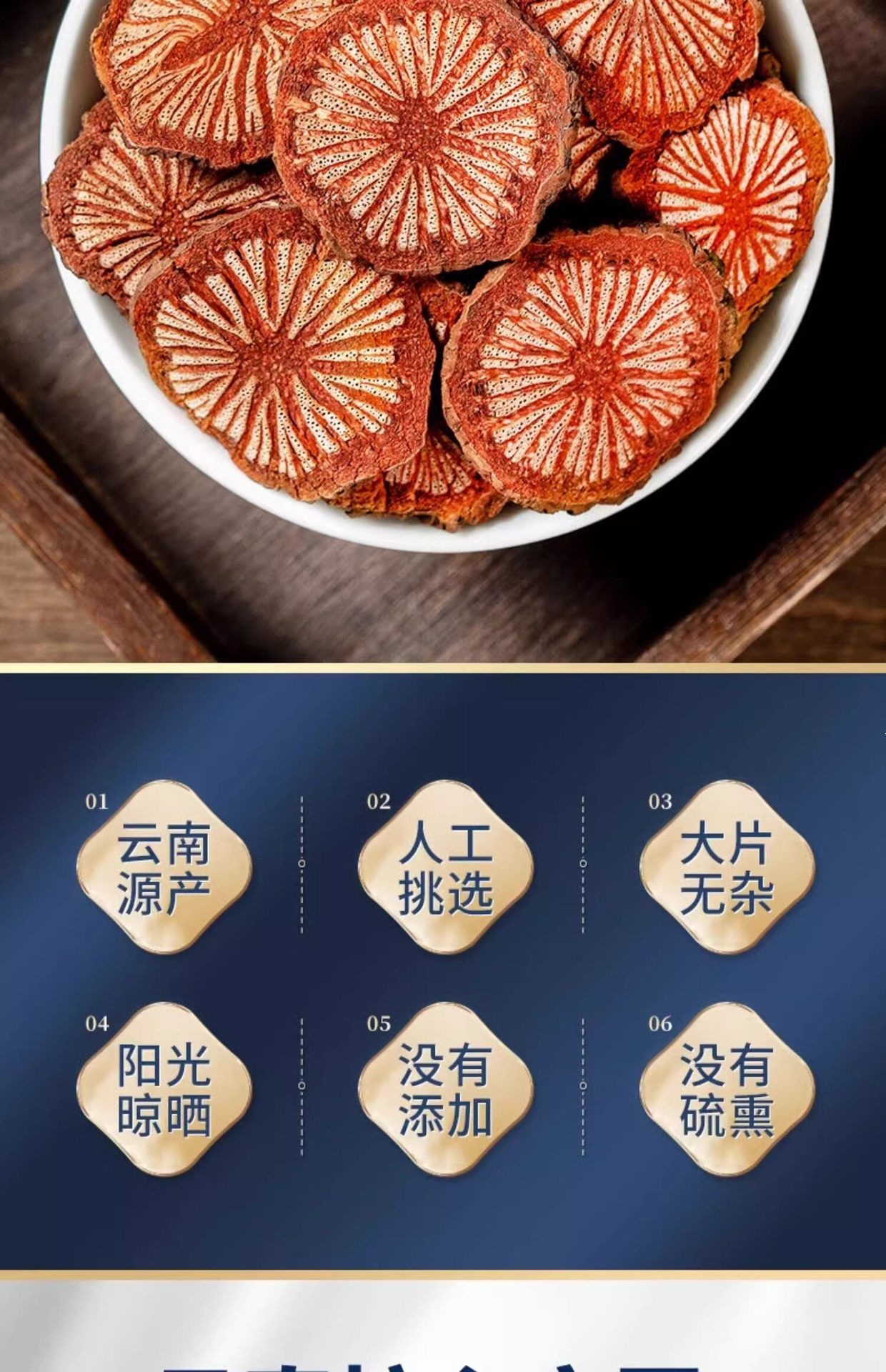
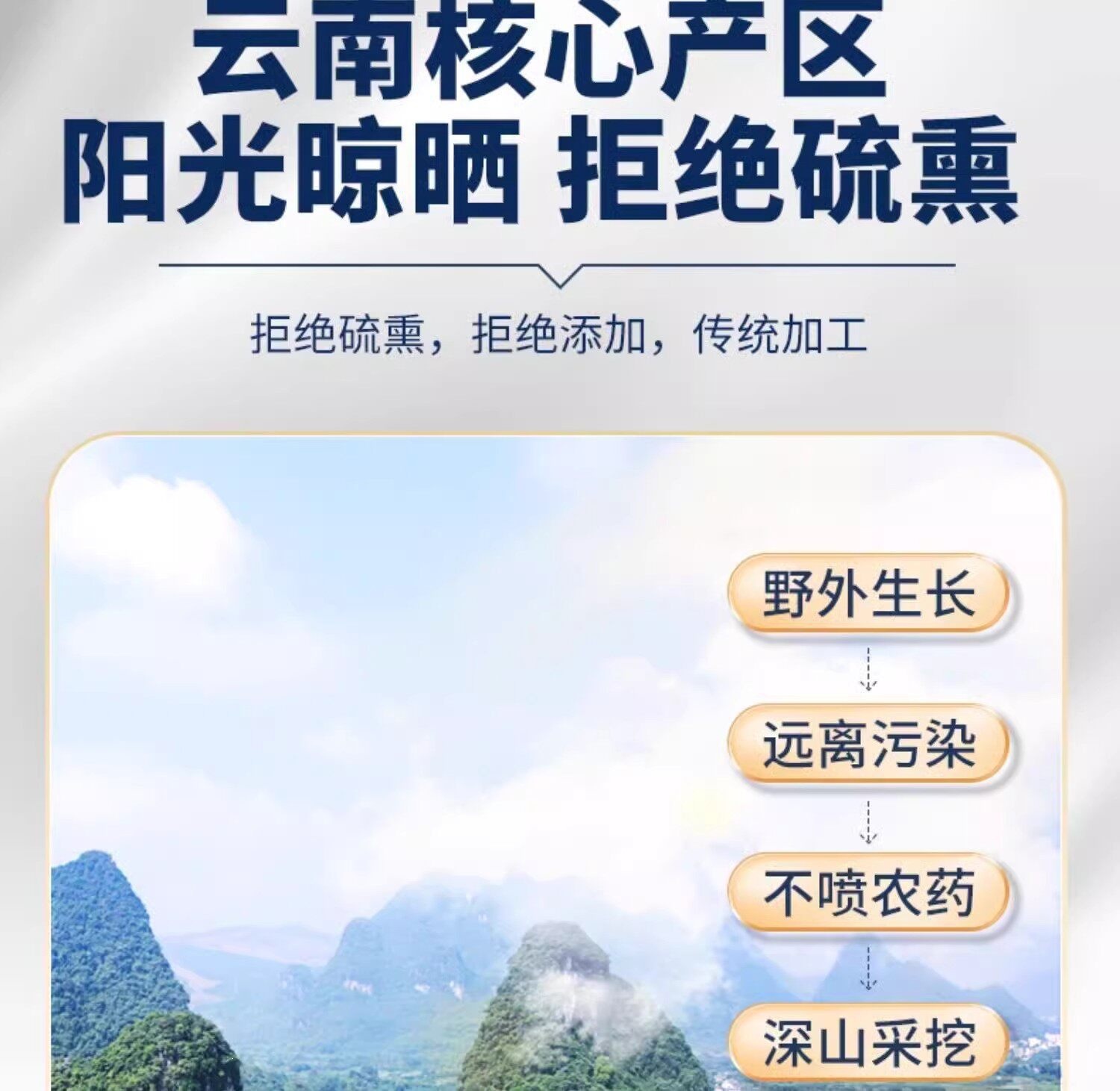
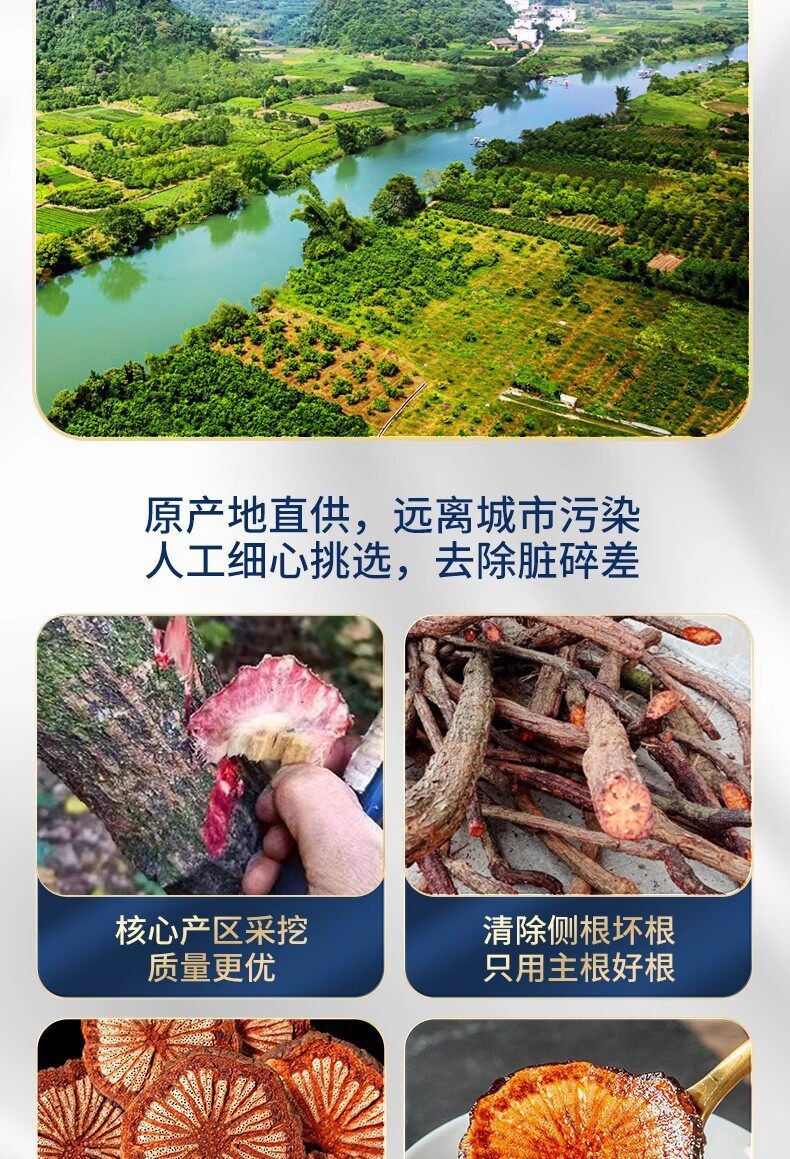
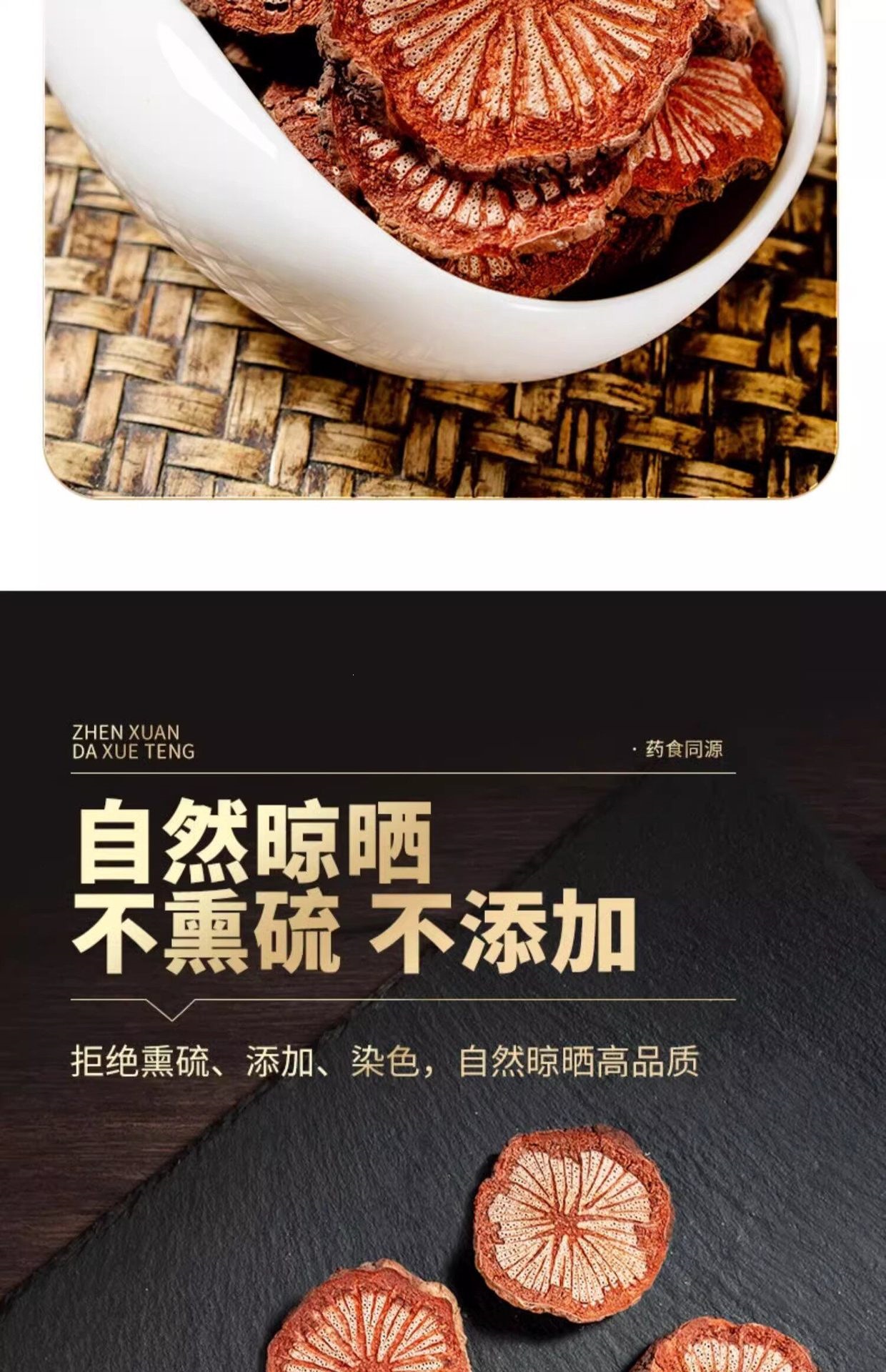
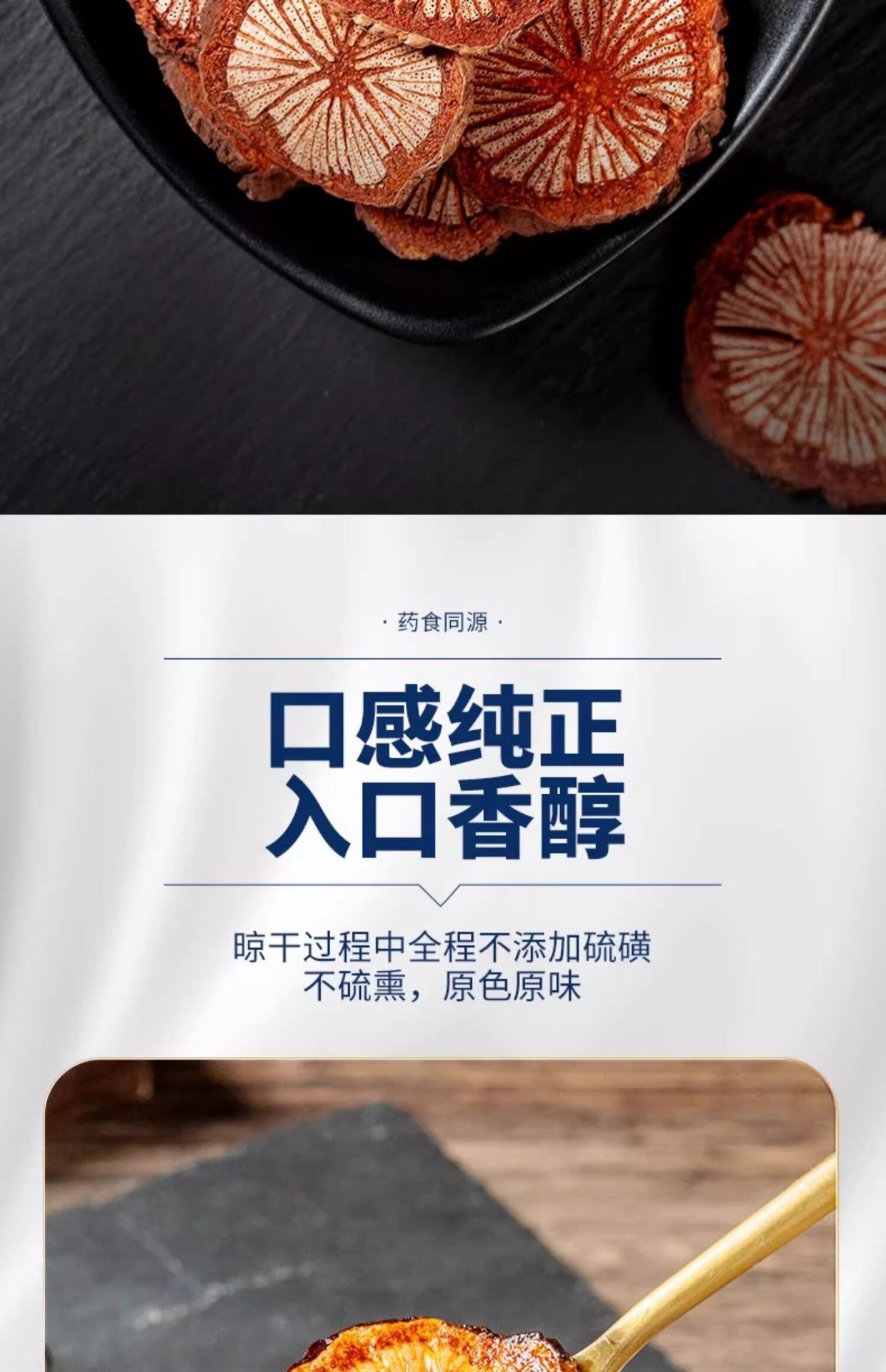
- Sun-dried processing without sulfur fumigation
- Canned storage for convenient home keeping
- Traditionally paired with Dan Shen and Chuan Xiong in decoctions
- Suitable for steeping or simmering as a daily herbal tea
Quality & Sensory
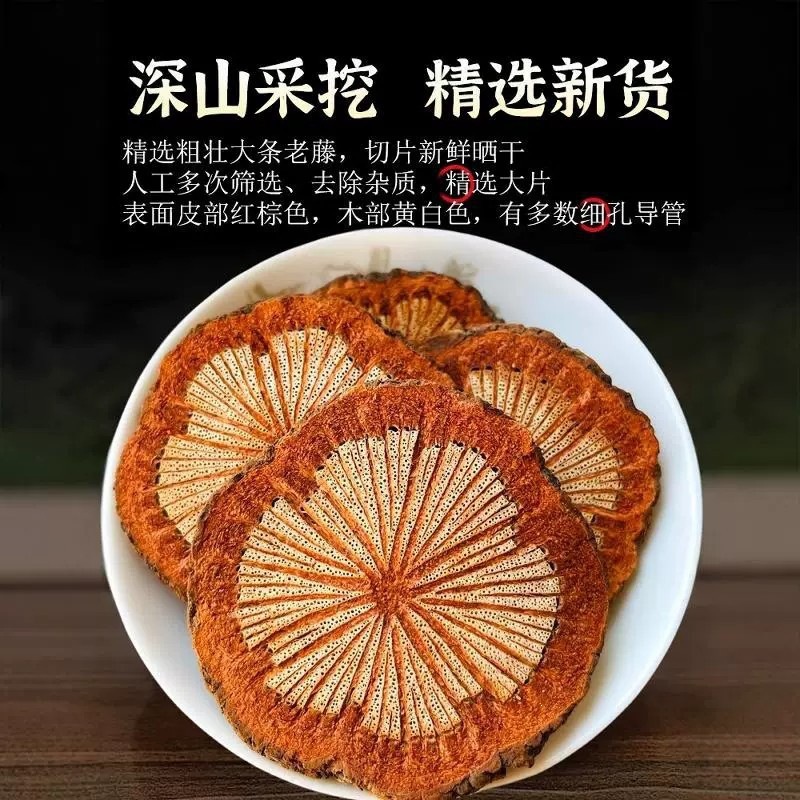
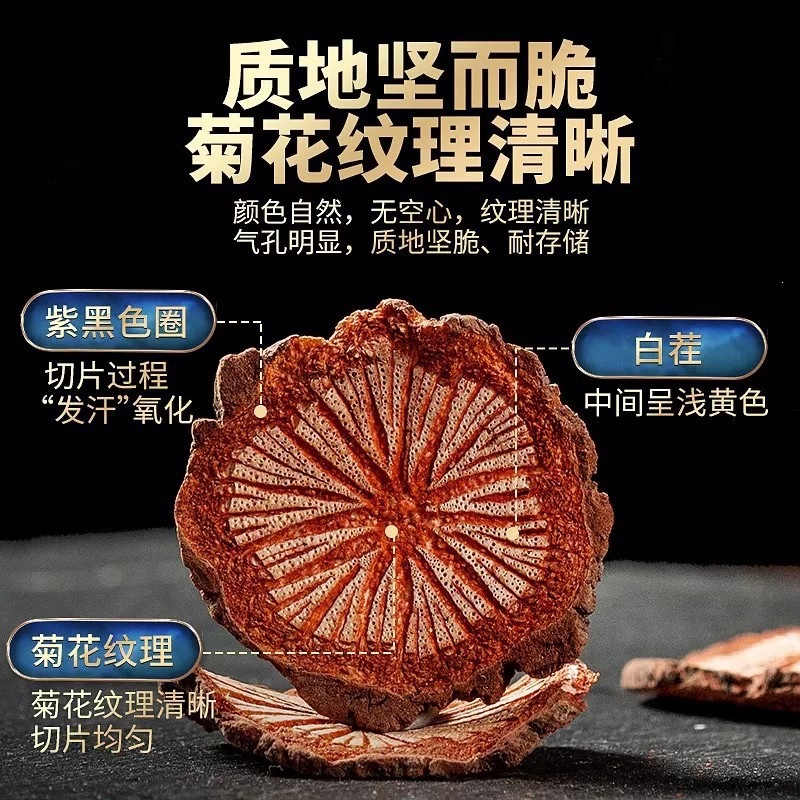
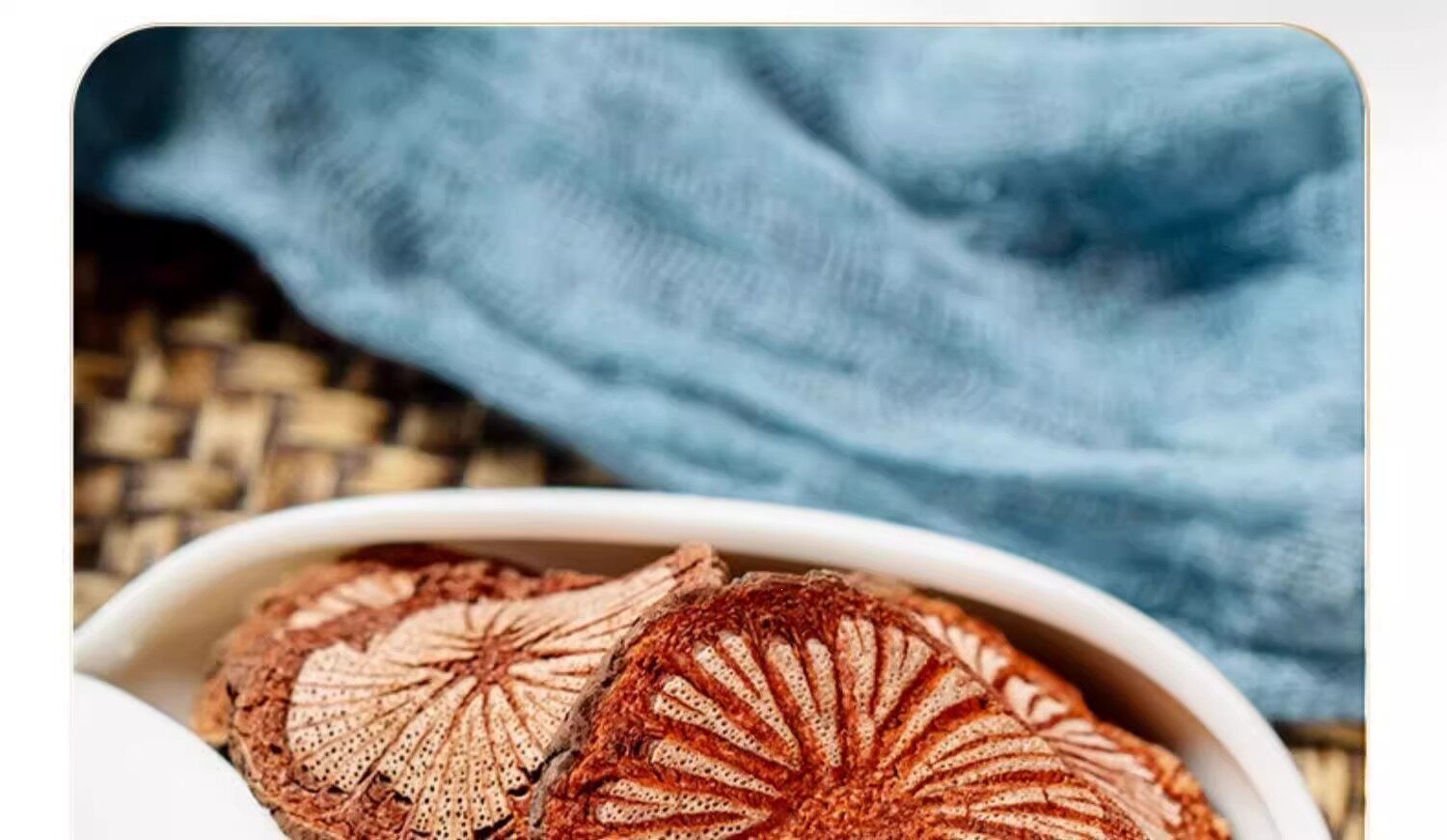
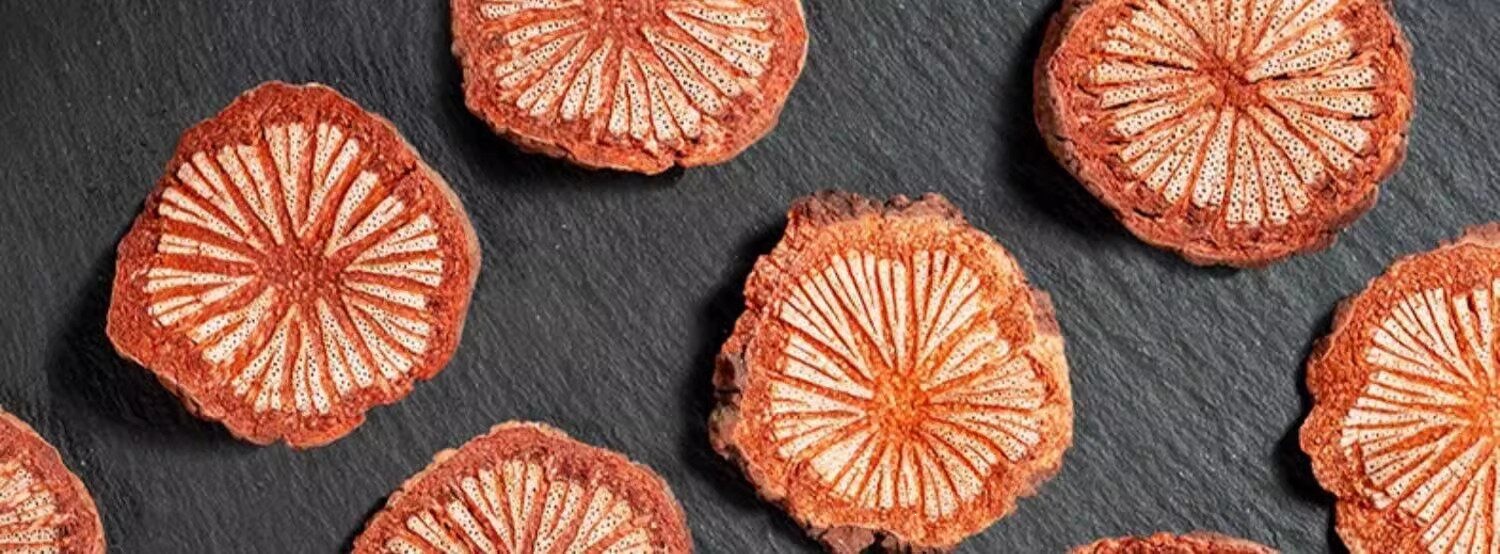
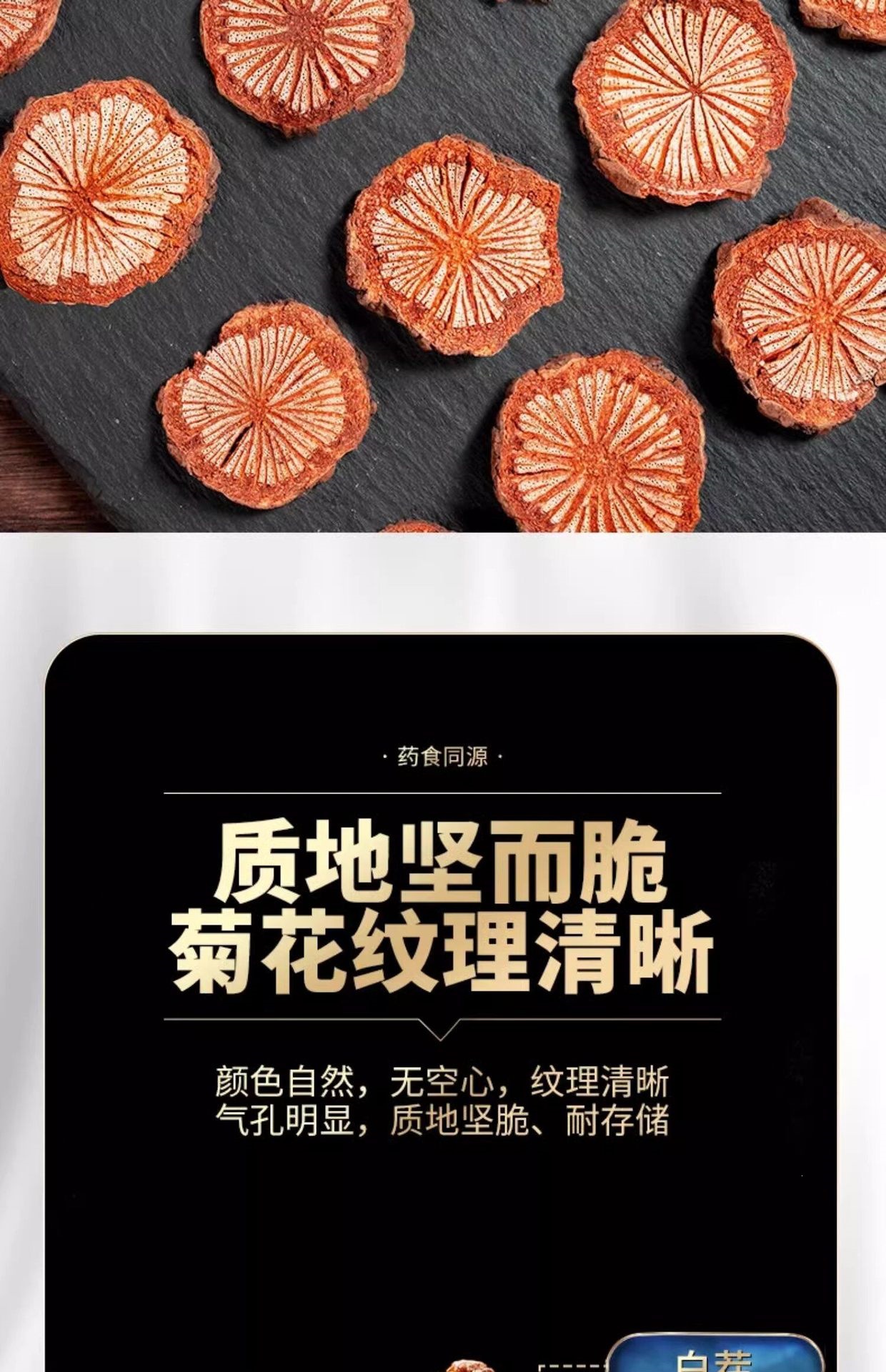
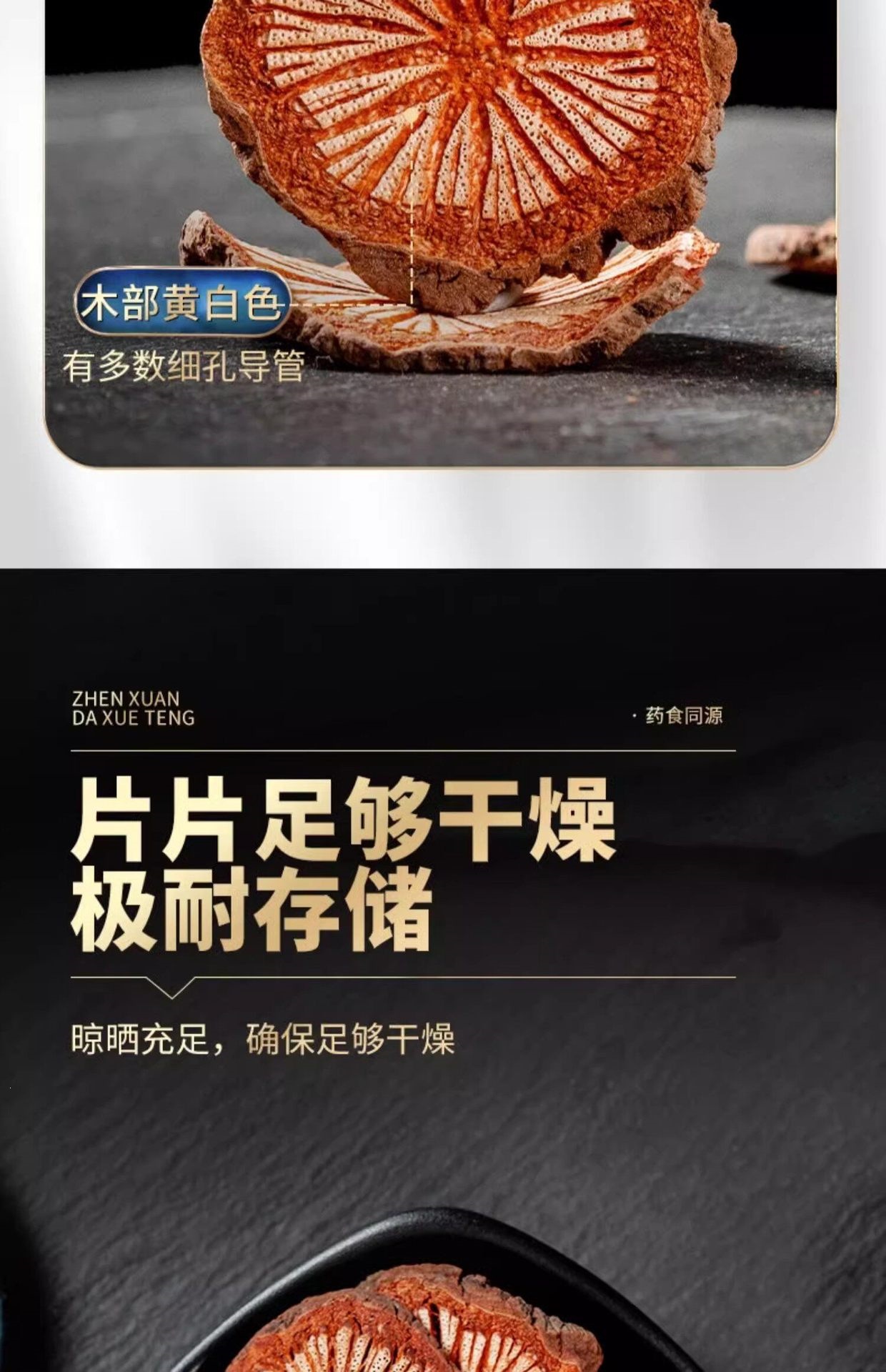
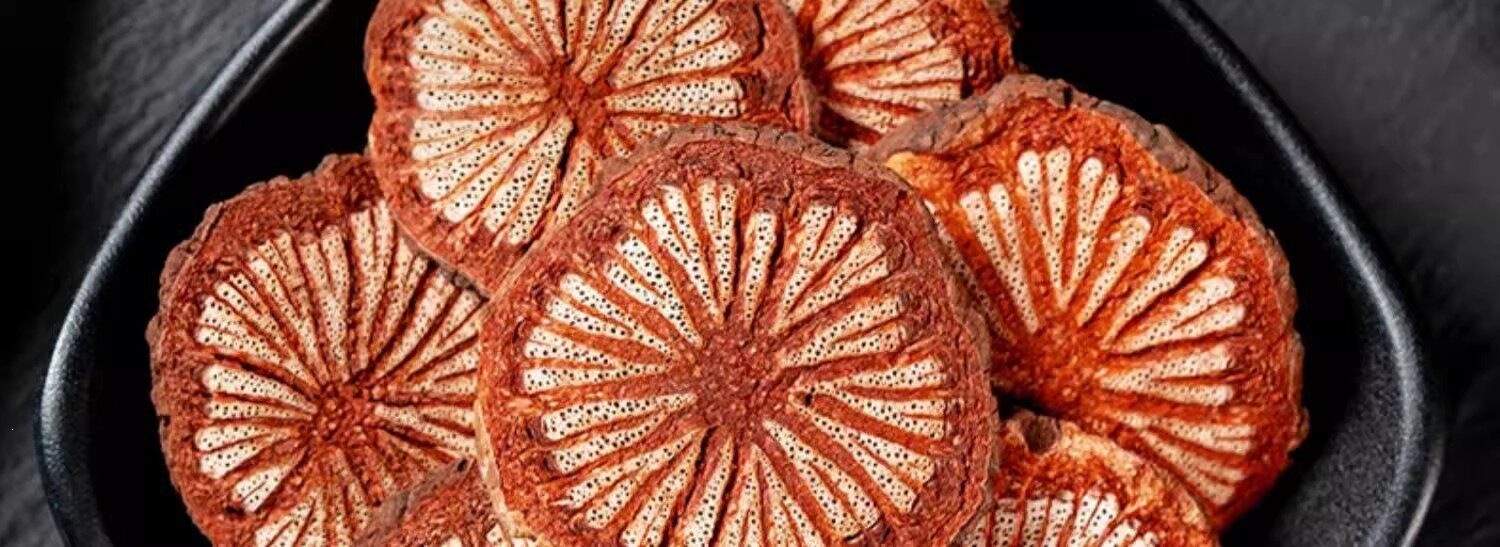
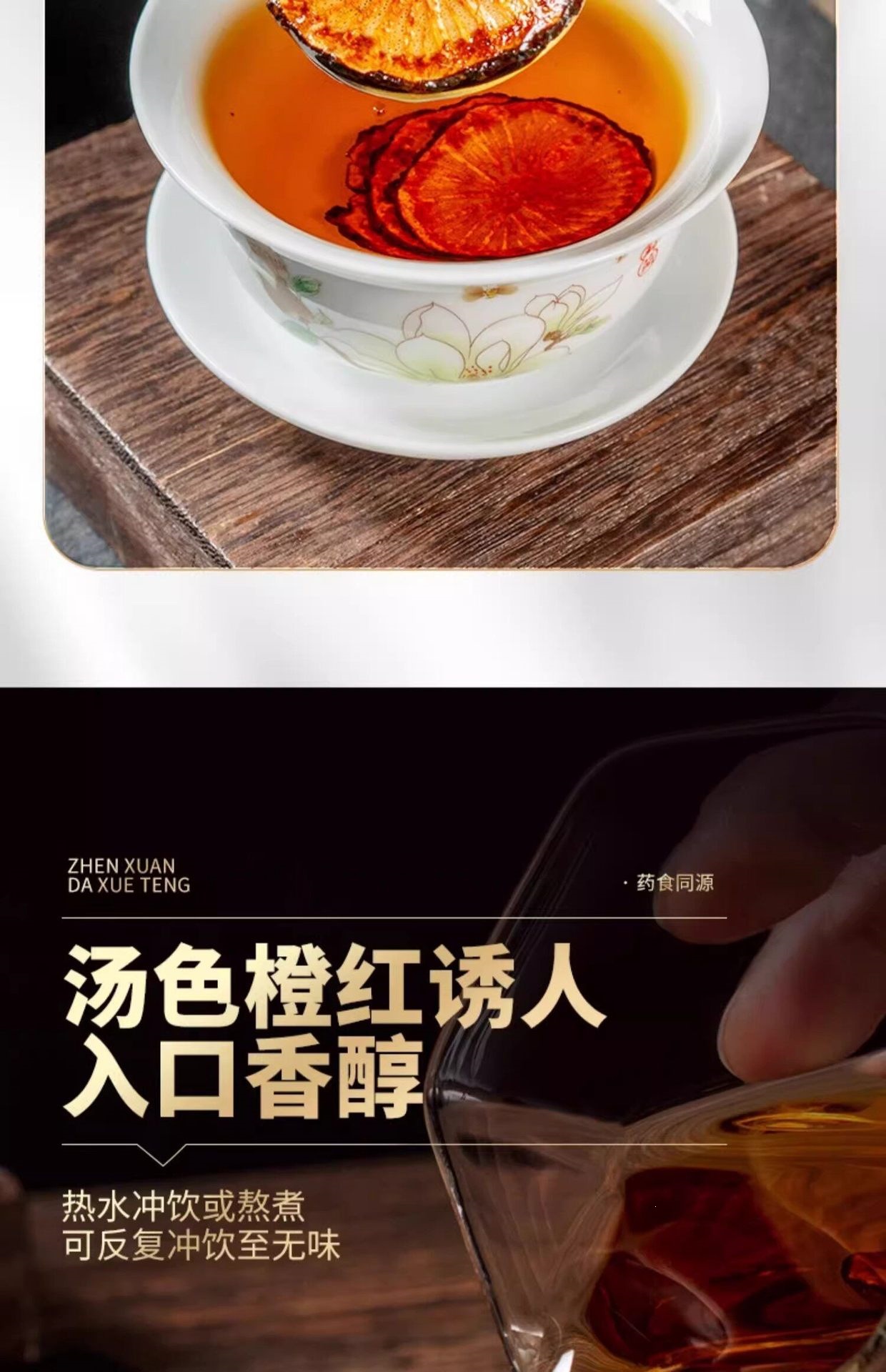
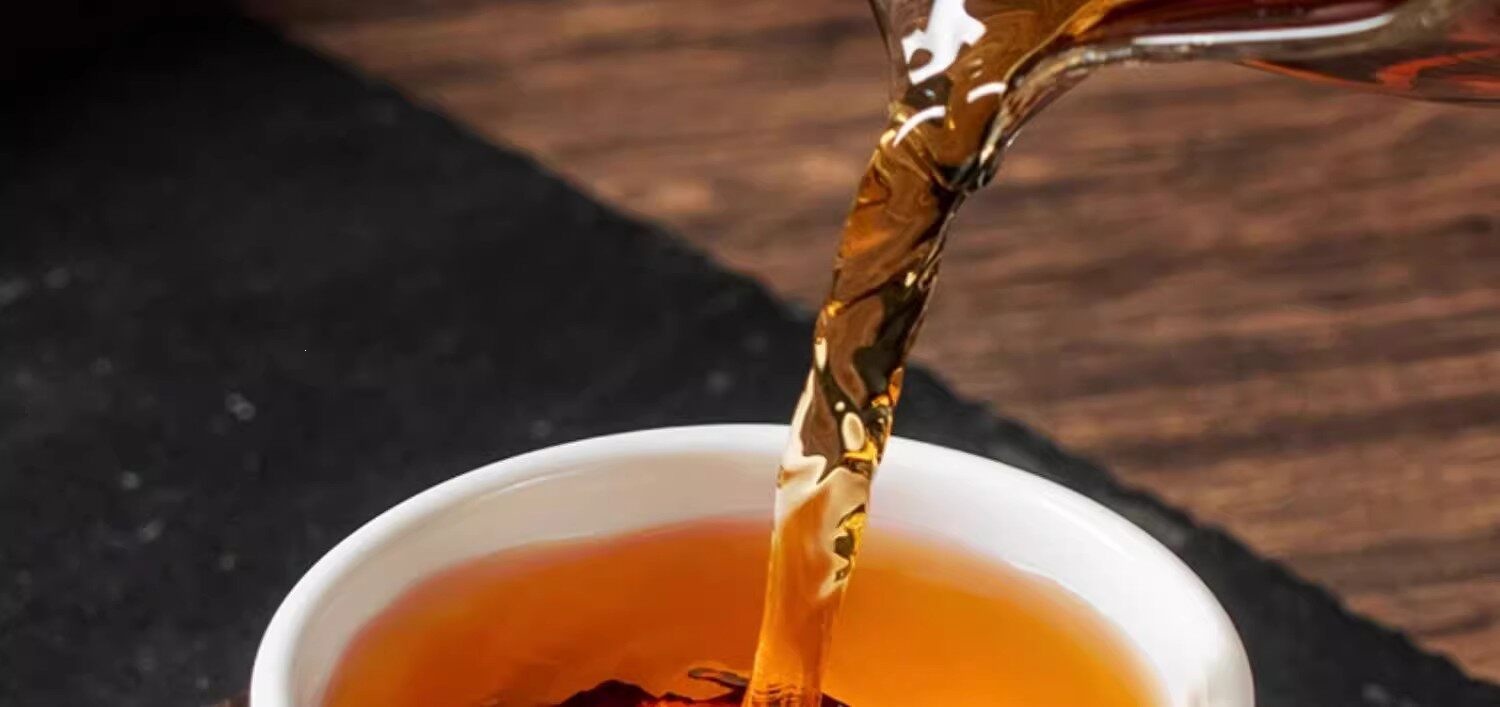
The dried stem slices typically show a reddish-brown to grayish-brown color with a woody, fibrous texture. They have a mild earthy aroma and a slightly bitter, astringent taste after brewing or decocting. Color and texture may vary slightly between batches.

Technical Specifications
| Product Type | Dried Herbal Stem Slices |
|---|---|
| Chinese Name | 红藤 |
| Pinyin | Hong Teng |
| Botanical Name | Sargentodoxa cuneata |
| Plant Part | Stem |
| Processing | Sun-dried |
Usage Scenarios
- Simmered as a single-herb decoction
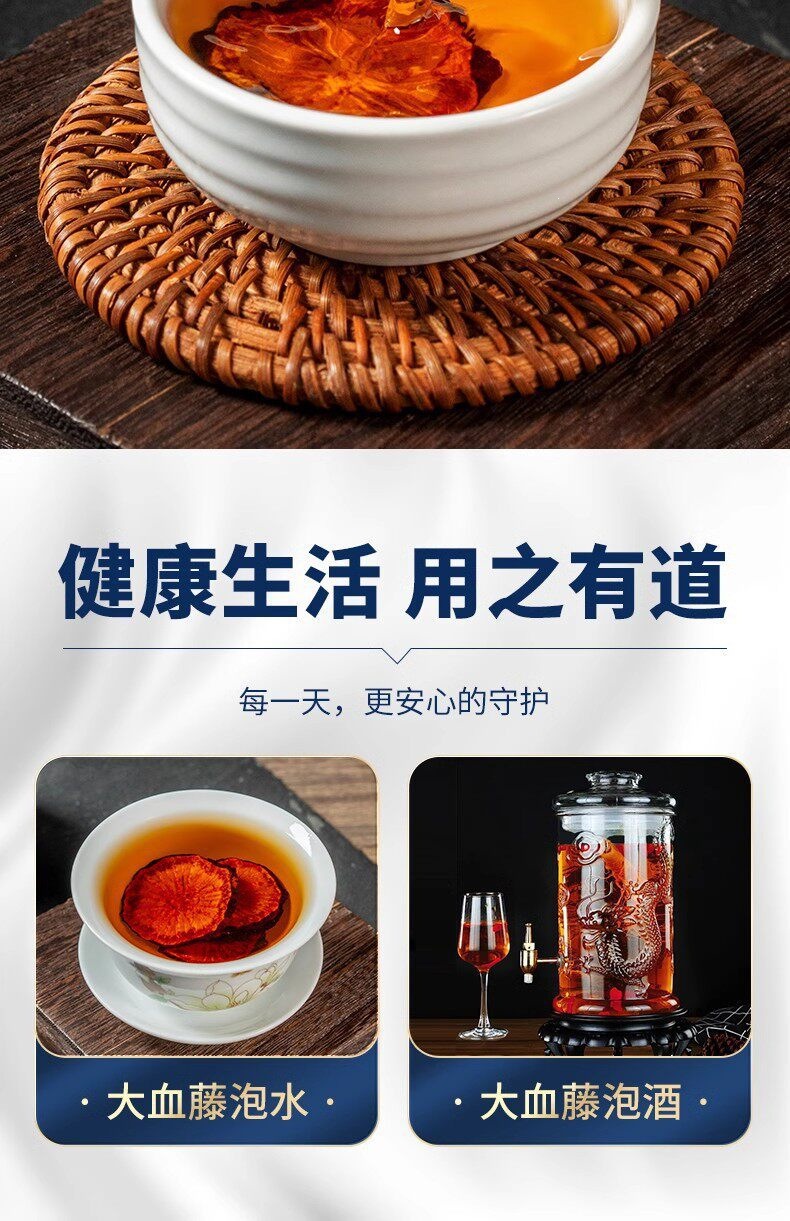
- Steeped with Dan Shen and Chuan Xiong as a herbal tea
- Added to traditional herbal soup recipes
- Used in home herbal decoction blends

Traditional Uses
In TCM theory, Hong Teng is traditionally used in decoctions for its bitter, slightly cold properties. It is commonly paired with Dan Shen and Chuan Xiong in classic herbal formulas. Folk practice often simmers the dried stem slices for 20 to 30 minutes, or steeps them in hot water for daily tea. It is also added to seasonal herbal soups.
FAQ Q&A
Q: What is this product?
A: It is dried Sargentodoxa stem slices, known in TCM as Hong Teng (红藤) or Da Xue Teng, from Sargentodoxa cuneata.
Q: What is its traditional value?
A: In TCM theory it is associated with bitter flavor and slightly cold nature, entering the Large Intestine and Liver channels, and is traditionally used in herbal decoctions.
Q: How is it commonly prepared?
A: It is typically simmered in water for 20 to 30 minutes as a decoction, or steeped with other herbs such as Dan Shen and Chuan Xiong for tea.
Additional information
| Model | 红藤50克 1罐, 红藤100克 1罐, 红藤250克 1罐, 红藤500克 1罐, 红藤500克 2罐, 组合 红藤 当归各250克 1罐, 组合 红藤 怀牛膝各250克 1罐, 组合 红藤 红枸杞各250克 1罐, 丹参 红藤 川芎各100克 1罐, 丹参 红藤 川芎各250克 1罐, 丹参 红藤 川芎各500克 1罐 |
|---|
Related products
-
Dried Raspberry Fruit Fu Pen Zi Whole Berries for Herbal Tea and Wine Infusion 500g
Price range: $15.63 through $18.06 -
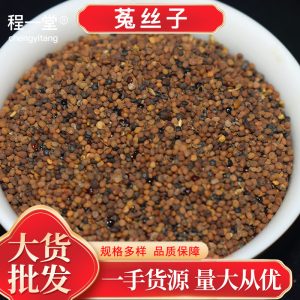
Dried Dodder Seed Tu Si Zi Whole Herb 500g Bulk Chinese Herbal Ingredient
Price range: $7.04 through $7.52 -

Dried Huang Jing Slices Polygonatum Rhizome Chicken Head Huang Jing 500g Bulk Herbal Tea and Soup Ingredient
Price range: $9.14 through $18.87 -

Fritillaria Bulb Chuan Bei Mu Dried Chinese Herbal Bulbs for Decoction and Traditional Use 500g
Price range: $18.06 through $94.21
Reviews
There are no reviews yet.