
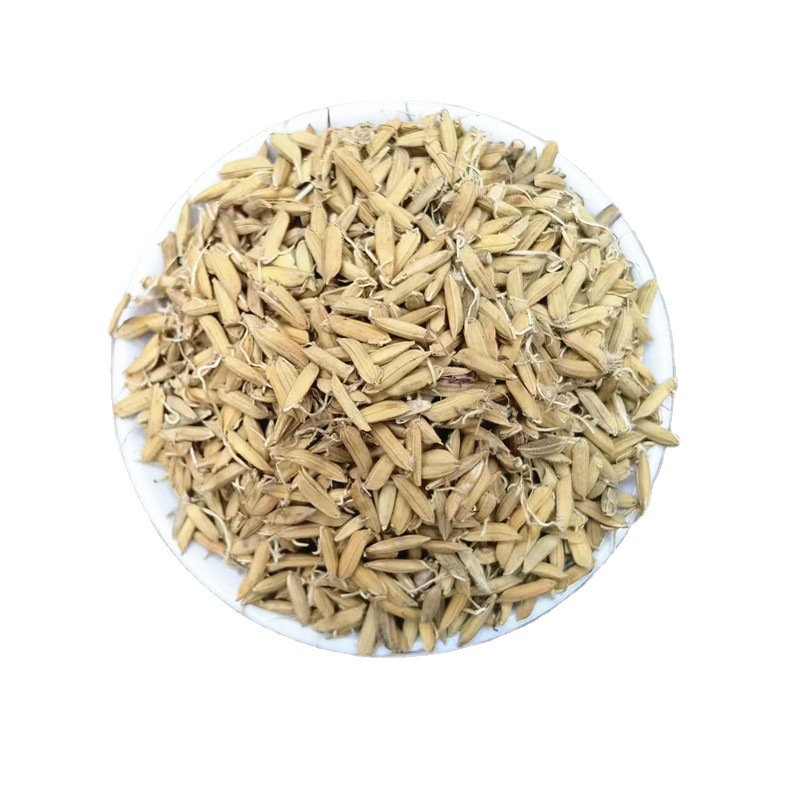
Dried Rice Sprout Dao Ya Whole Sprouted Grain Raw Herb for Decoction and Tea
$5.92
9999603 in stock
Description
Dried Rice Sprout, known in TCM as Dao Ya (稻芽), is the dried sprouted grain of Oryza sativa, a traditional Chinese herbal ingredient sold in its natural whole form. In TCM theory it is considered sweet and neutral and is traditionally associated with the spleen and stomach channels. It is commonly used in decoctions, herbal teas, and culinary preparations. Store refrigerated and use as directed by a qualified practitioner.

Key Selling Points
- Whole dried rice sprout in its natural unprocessed form
- Botanical source Oryza sativa, a classic TCM digest herb
- Known in TCM as Dao Ya with sweet and neutral properties
- Sold as a raw edible agricultural product by weight
- Suitable for decoctions, herbal teas, and congee preparations

Quality & Sensory
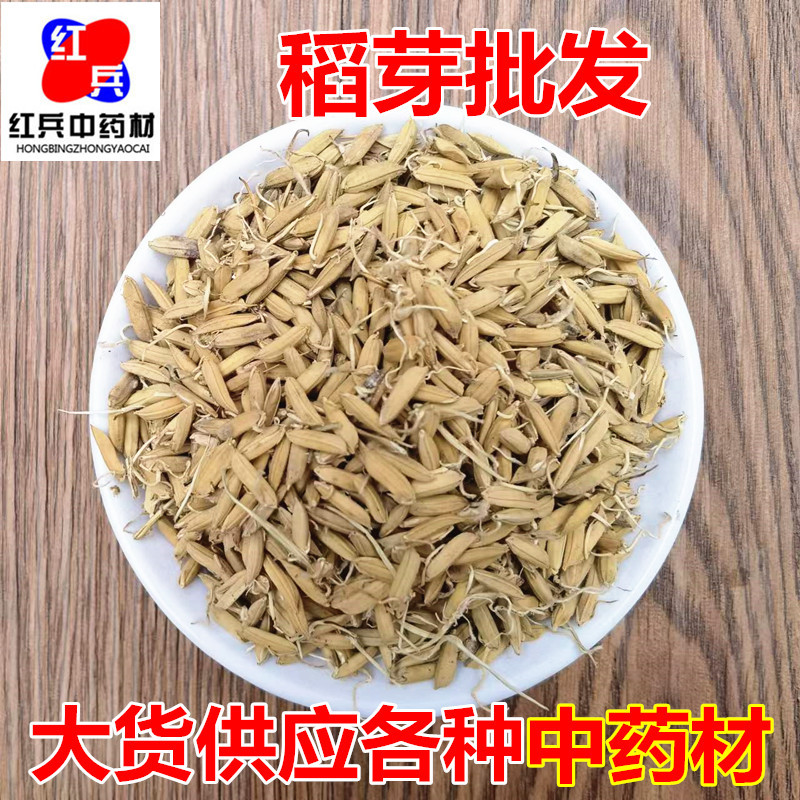
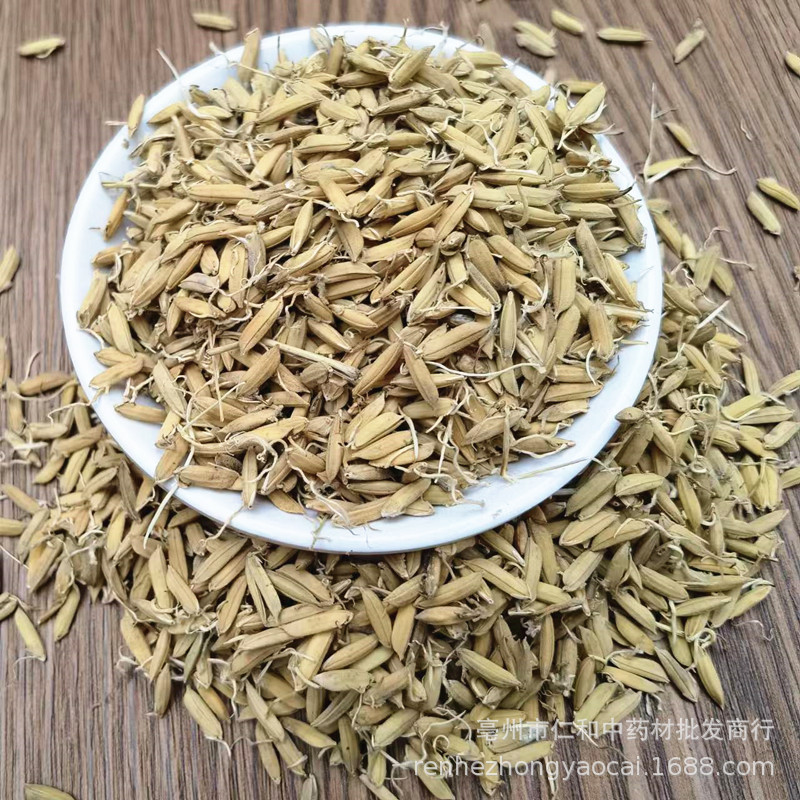
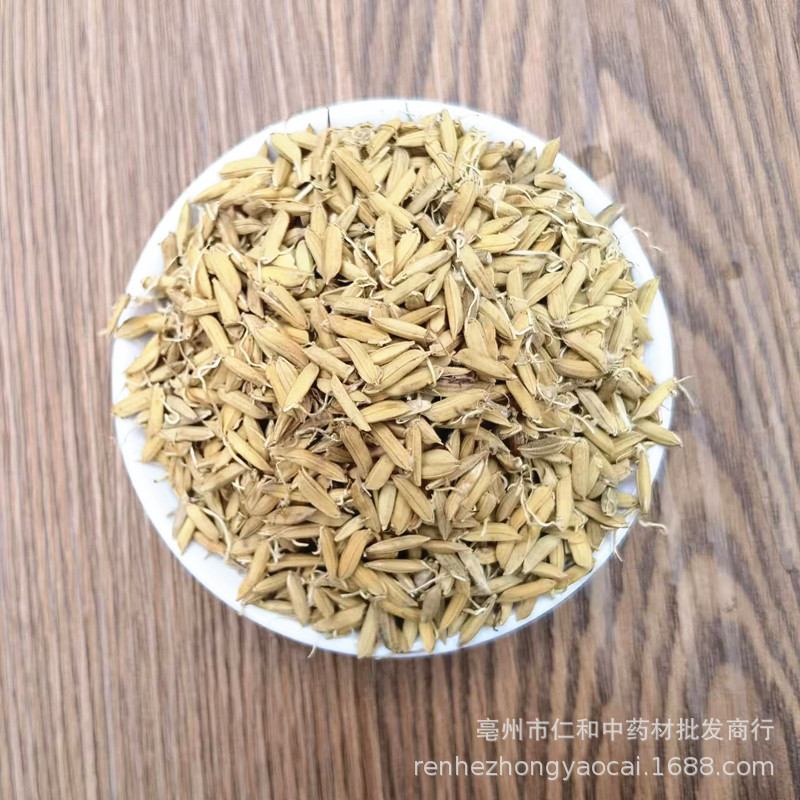
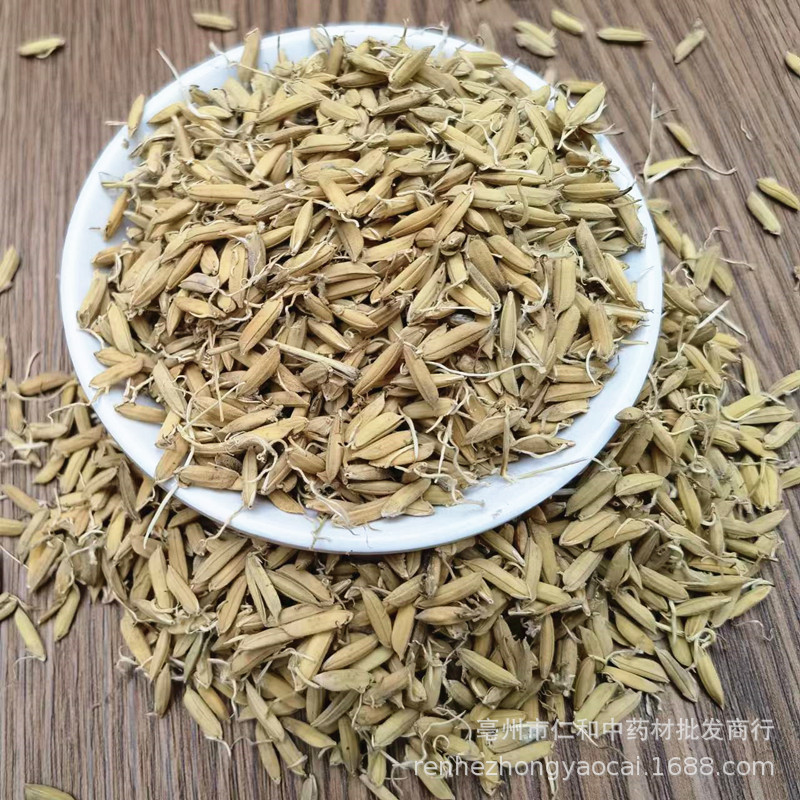
Typically pale yellow to light golden in color with slender sprouted grains and a mild, grainy aroma. When decocted, it typically yields a light, subtly sweet and starchy taste.

Technical Specifications
| Product Type | Raw herb |
|---|---|
| Chinese Name | 稻芽 |
| Pinyin | Dao Ya |
| Botanical Name | Oryza sativa |
| Plant Part | Sprouted grain |
| Form | Whole dried |

Usage Scenarios
- Simmer into traditional herbal decoctions
- Brew as a mild daily herbal tea
- Add to congee or grain porridge
- Use in culinary soups and slow-cooked dishes

Traditional Uses
In TCM practice, Dao Ya is traditionally used to support healthy digestion and is often paired with Mai Ya and Shen Qu in classic digesting blends. It is commonly decocted alone or with other herbs, and is also added to congee or seasonal soups. Traditionally prepared by simmering before use.
FAQ Q&A
Q: What is this product?
A: It is dried rice sprout, known in TCM as Dao Ya (稻芽), the sprouted grain of Oryza sativa sold as a raw edible agricultural product.
Q: What are its traditional characteristics?
A: In TCM theory it is sweet and neutral and traditionally associated with the spleen and stomach channels, valued in digesting formulas.
Q: How is it commonly used?
A: It is typically simmered in decoctions, brewed as a tea, or added to congee and soups. Consult a qualified practitioner for guidance.
Additional information
| Weight | 0.6 kg |
|---|---|
| Dimensions | 20 × 15 × 8 cm |
Related products
-
Dried Raspberry Fruit Fu Pen Zi Whole Berries for Herbal Tea and Wine Infusion 500g
Price range: $15.63 through $18.06 -
Astragalus Root Slices Huang Qi 斜片 Dried Herb for Decoction Soup and Tea 500g
Price range: $6.06 through $19.51 -
Dried Raspberry Fruit Fu Pen Zi 500g Whole Berries for Herbal Tea and Wine Infusion
Price range: $14.00 through $16.44 -
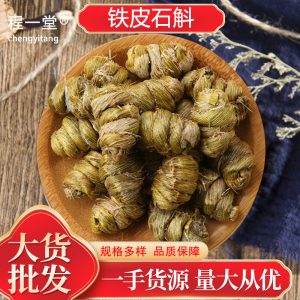
Tie Pi Shi Hu Dried Dendrobium Stems 500g Huoshan Fengdou for Soup and Tea
Price range: $35.88 through $108.80
Reviews
There are no reviews yet.