
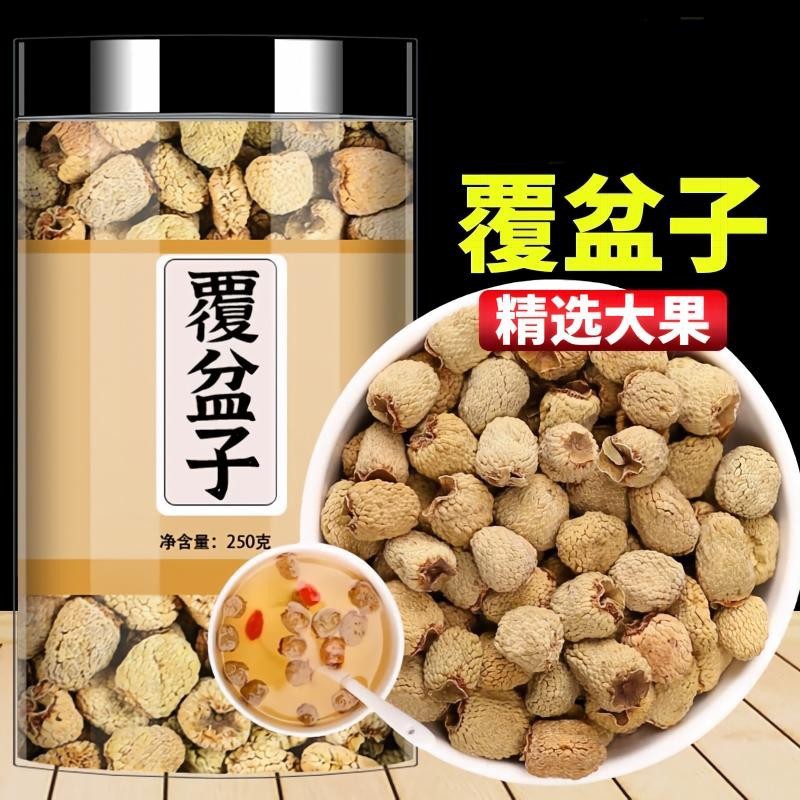
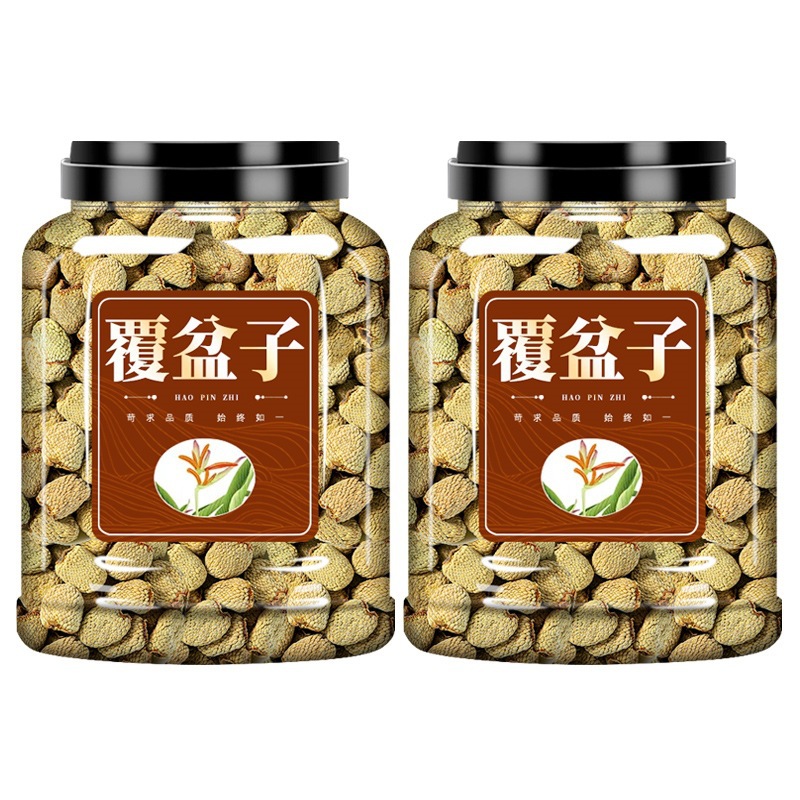
Dried Raspberry Fruit Unsulfured Whole Berries for Herbal Decoction and Soup 1000g
Price range: $7.53 through $26.99
Description
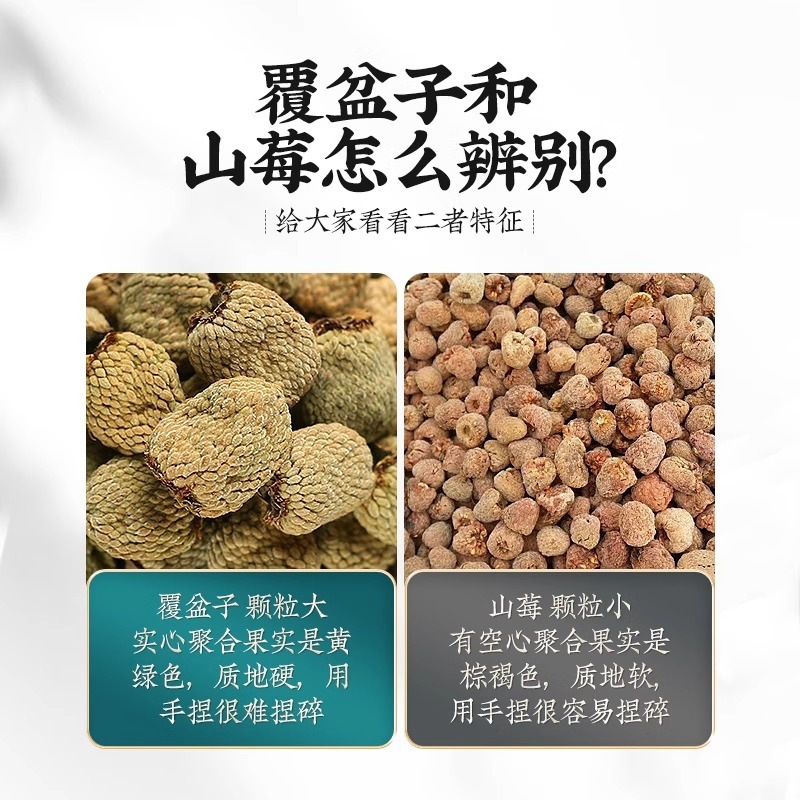
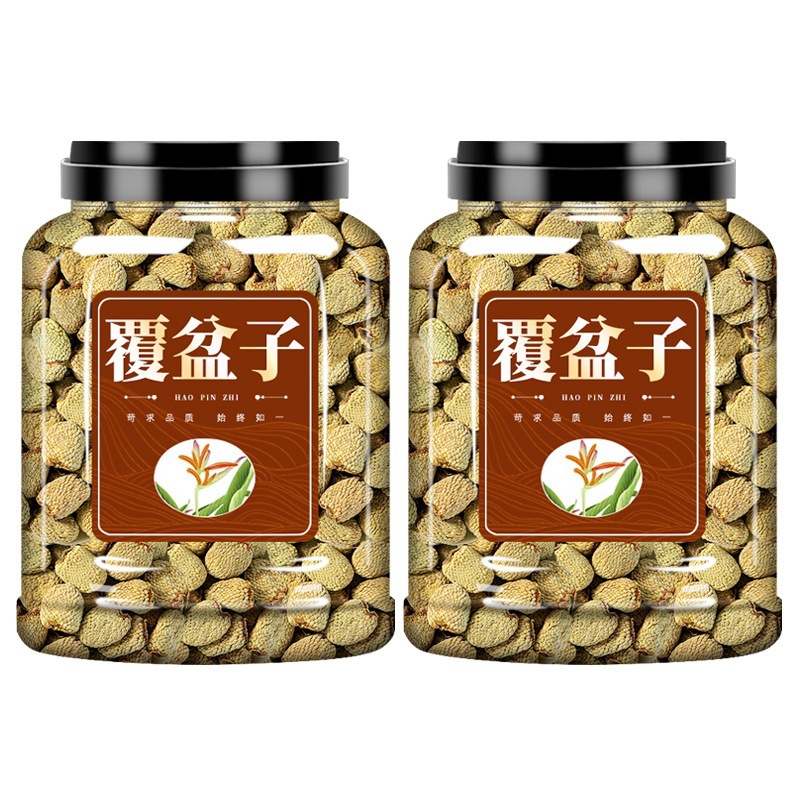
Dried Raspberry Fruit, known in TCM as Fu Pen Zi (覆盆子), from Rubus idaeus, is the sun-dried ripe fruit of the raspberry plant. In TCM theory it is considered sweet and slightly warm, entering the Kidney and Bladder channels. Traditionally associated with supporting kidney essence and astringent tonic use, it is commonly prepared as a decoction, tea, or added to soups and congee.
Key Selling Points
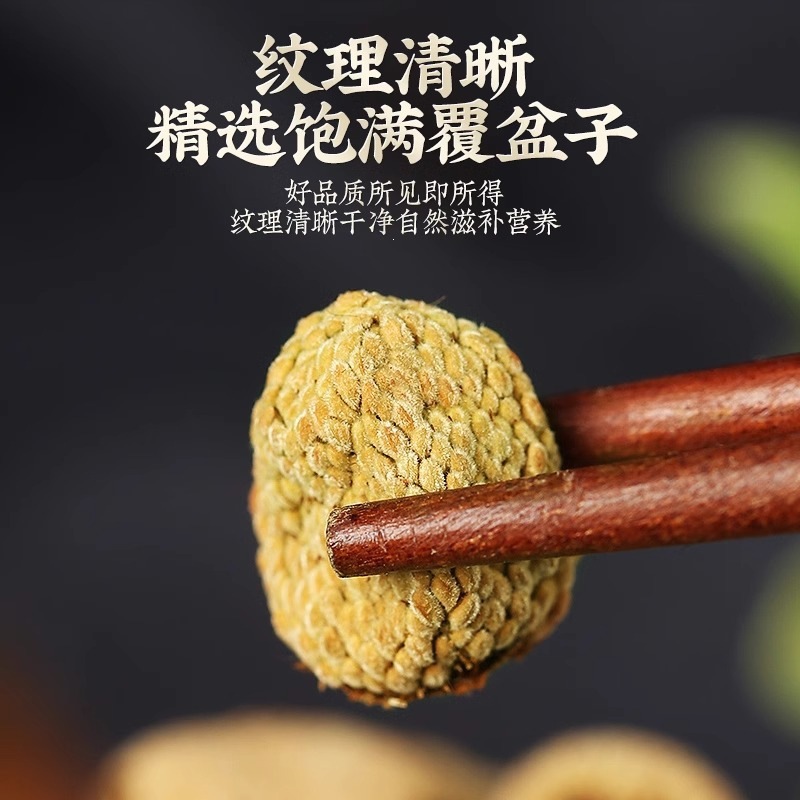
- Identified in TCM as Fu Pen Zi (覆盆子), the dried ripe fruit of Rubus idaeus
- Unsulfured whole fruit with no added processing or sulfur fumigation
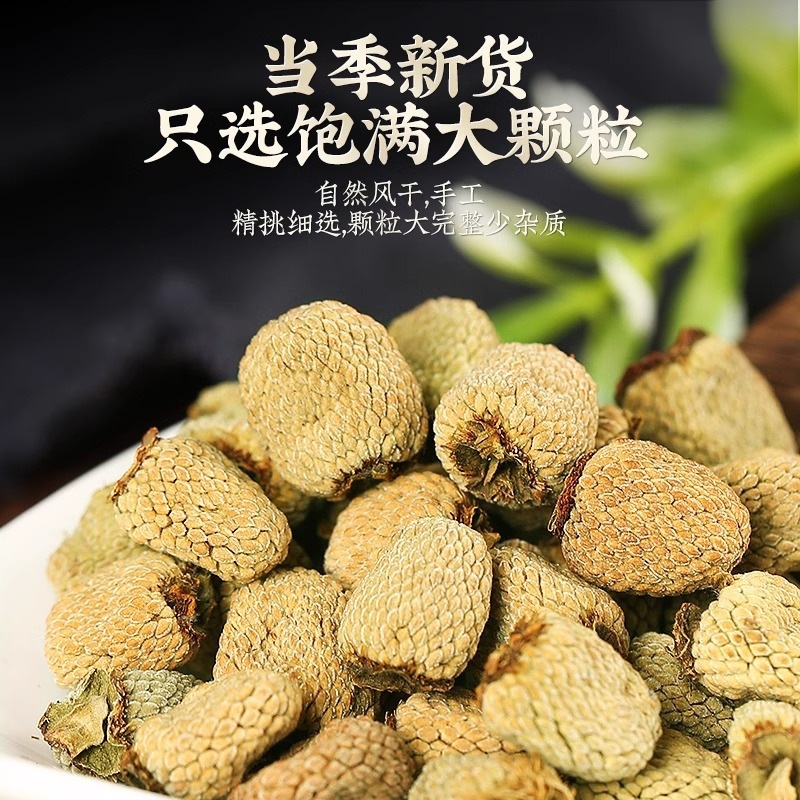
- Sun-dried to preserve natural color and traditional character
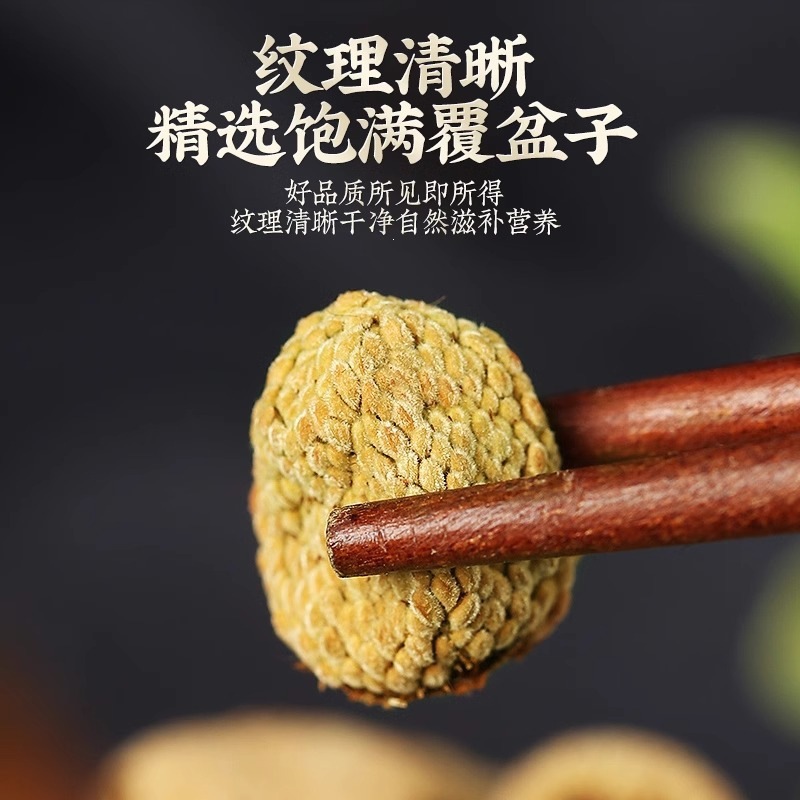
- Whole berries with minimal fragments for clean decoction preparation
- Suitable for traditional decoctions, herbal teas, soups, and congee
Quality & Sensory
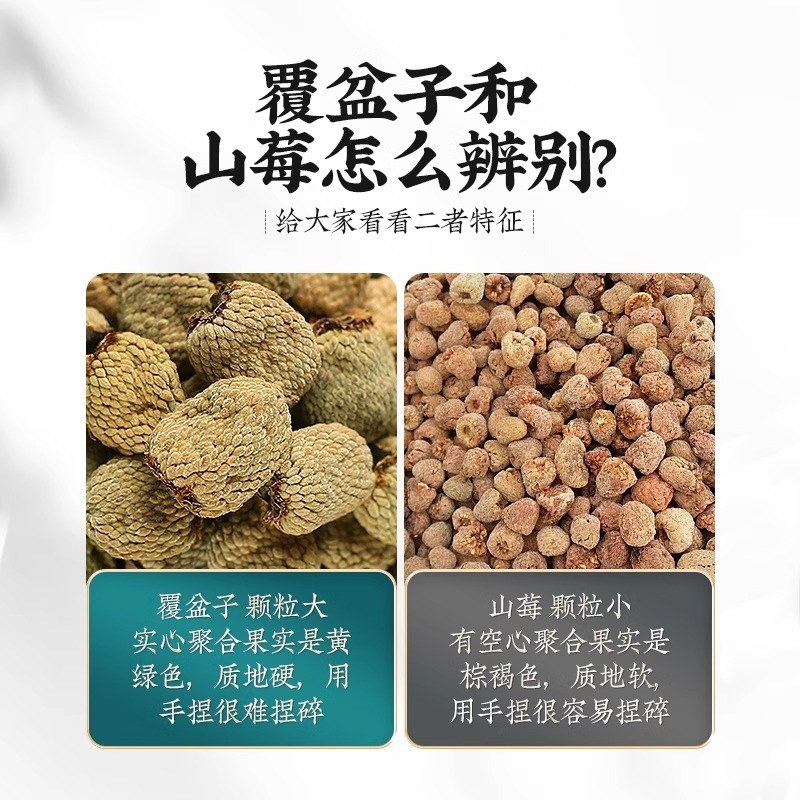
The dried berries typically show a deep red to purplish color with a slightly wrinkled, firm texture. Aroma is mild and fruity, and the brewed or decocted liquid is typically lightly sweet with a gentle tart note.
Technical Specifications
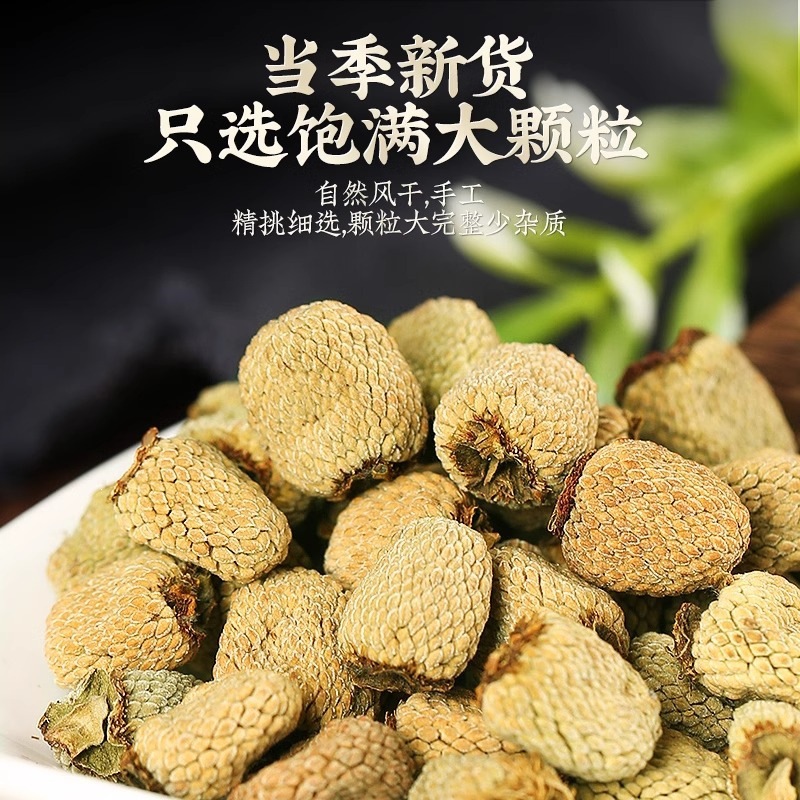
| Product Type | Dried fruit |
|---|---|
| Chinese Name | 覆盆子 |
| Pinyin | Fu Pen Zi |
| Botanical Name | Rubus idaeus |
| Plant Part | Ripe fruit |
| Form | Whole dried berries |
Usage Scenarios
- Simmered in traditional herbal decoctions
- Brewed as a simple herbal tea
- Added to soups or broths
- Cooked into congee or grain porridge
- Used in seasonal tonic food preparations

Traditional Uses
In TCM and folk practice, Fu Pen Zi is traditionally used in decoctions and tonic formulas, often paired with herbs such as Gou Qi Zi or Shan Yao. It is also added to soups, congee, and daily teas, especially in seasonal warming preparations. Traditional texts associate it with astringent and kidney-supporting qualities.
FAQ Q&A
Q: What is this product?
A: It is dried ripe raspberry fruit, known in TCM as Fu Pen Zi (覆盆子), from Rubus idaeus.
Q: What is its traditional value?
A: In TCM theory it is considered sweet and slightly warm, entering the Kidney and Bladder channels, and is traditionally associated with astringent and kidney-supporting use.
Q: How is it commonly prepared?
A: It is typically simmered in decoctions, brewed as tea, or added to soups and congee.
Additional information
| Weight | N/A |
|---|---|
| Dimensions | N/A |
| Model | 覆盆子100g, 覆盆子250g, 覆盆子300g, 覆盆子500g, 覆盆子750g, 覆盆子1000g |
Related products
-
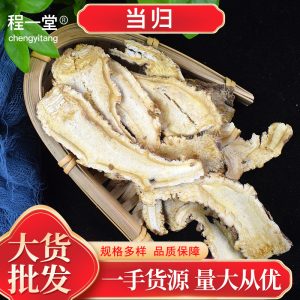
Dried Angelica Sinensis Slices Dang Gui 当归 500g Gansu Raw Herb for Decoction Soup and Tea
Price range: $16.44 through $35.88 -

Ningxia Goji Berries Gou Qi Zi 500g Dried Red Wolfberry for Tea Soup and Snacking
Price range: $7.20 through $16.44 -
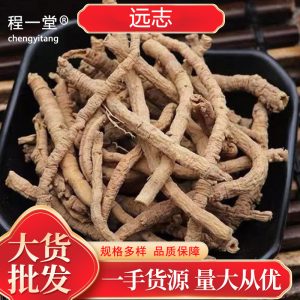
Dried Polygala Root Yuan Zhi 500g Traditional Chinese Herb for Decoction
Price range: $18.87 through $24.54 -
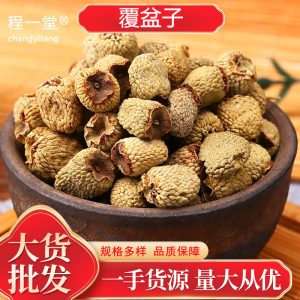
Dried Raspberry Fruit Fu Pen Zi 500g Whole Berries for Herbal Tea and Wine Infusion
Price range: $14.00 through $16.44
Reviews
There are no reviews yet.