
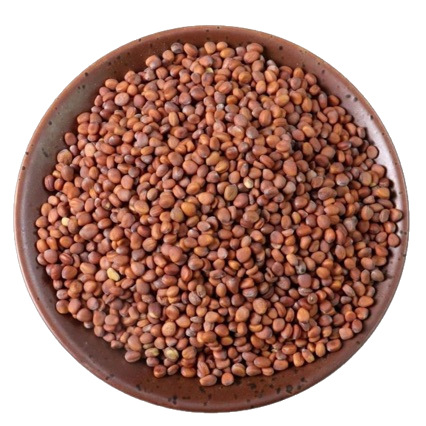
Dried Radish Seed Lai Fu Zi 500g Raw Semen Raphani for Traditional Herbal Decoction
Price range: $5.71 through $41.96
Description
Dried Radish Seed, known in TCM as Lai Fu Zi (莱菔子), from Raphanus sativus. These raw seeds are a classic Chinese herbal decoction piece used in traditional formulas. In TCM theory, Lai Fu Zi is associated with the spleen and stomach channels, with a pungent and sweet nature. Traditionally used to support digestive harmony and the smooth flow of qi. Commonly decocted with other herbs or added to congee and soups.
Key Selling Points
- Identified in TCM as Lai Fu Zi (莱菔子), the dried seed of Raphanus sativus
- Raw, unprocessed seeds suitable for traditional decoction and cooking
- Sourced from Anhui province and dried for stable storage
- 500g net weight in a single pack for regular herbal preparation
- Traditionally associated with supporting digestive comfort and qi flow
Quality & Sensory
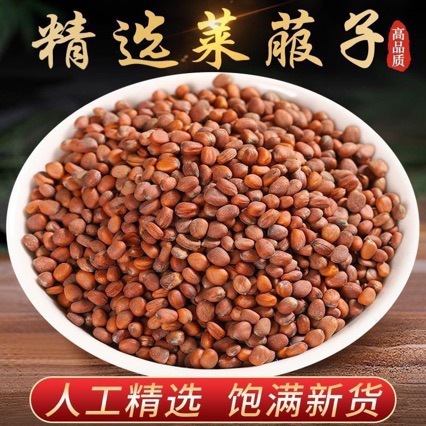
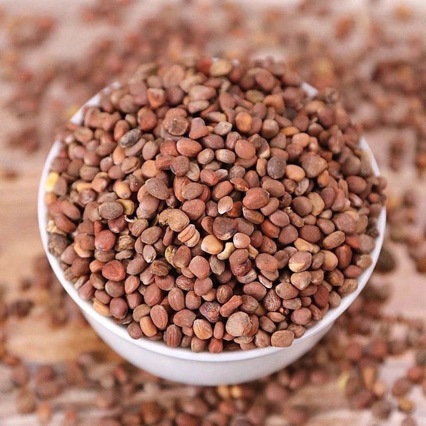
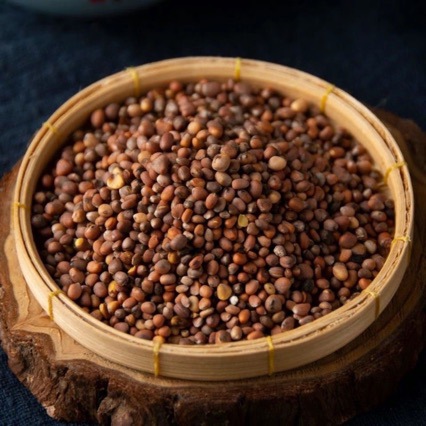
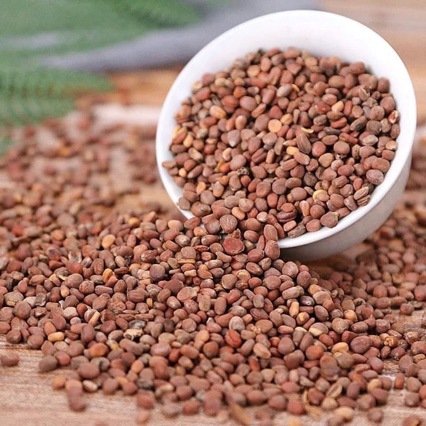
The seeds are typically small, round, and brown to reddish-brown with a firm, dry texture. They have a mild, slightly pungent aroma. When decocted or cooked, they contribute a gentle, neutral taste to herbal formulas and congee.
Technical Specifications
| Product Type | Dried herbal seed |
|---|---|
| Chinese Name | 莱菔子 |
| Pinyin | Lai Fu Zi |
| Botanical Name | Raphanus sativus |
| Plant Part | Seed |
| Net Weight | 500g |
Usage Scenarios
- Added to traditional herbal decoctions
- Cooked in congee or rice porridge
- Simmered in soups and broths
- Used in homemade herbal tea blends
Traditional Uses
In TCM theory, Lai Fu Zi is traditionally used in decoctions to support digestive function and the movement of qi. It is often paired with hawthorn and medicated leaven in formulas for food stagnation. Folk practice includes adding it to congee or soups for seasonal digestive support. It is also used in some herbal tea blends.
FAQ Q&A
Q: What is this product?
A: It is dried radish seed, known in TCM as Lai Fu Zi (莱菔子), from the plant Raphanus sativus.
Q: What is its traditional value?
A: In TCM theory, it is associated with the spleen and stomach channels and traditionally used to support digestive harmony and qi flow.
Q: How is it commonly prepared?
A: It is typically decocted with other herbs, added to congee, or simmered in soups. It can also be included in herbal tea blends.
Additional information
| Weight | N/A |
|---|---|
| Dimensions | N/A |
| Model | 生莱菔子250克, 生莱菔子500克, 生莱菔子1000克, 生莱菔子10公斤 |
Related products
-
Taizishen Dried Pseudostellaria Root TCM Herbal Tea and Soup Ingredient 500g Bulk Pack
Price range: $10.28 through $15.63 -
Astragalus Root Slices Huang Qi 斜片 Dried Herb for Decoction Soup and Tea 500g
Price range: $6.06 through $19.51 -
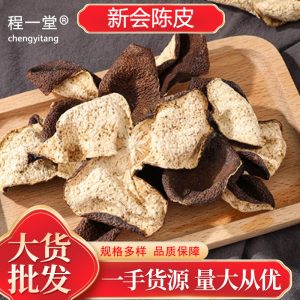
Xinhui Chenpi Dried Tangerine Peel 500g Sun Dried Aged Peel for Soup and Tea
Price range: $60.19 through $116.90 -
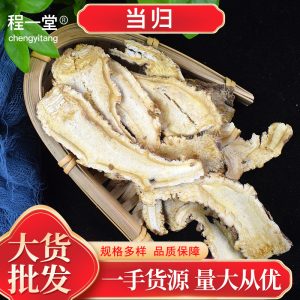
Dried Angelica Sinensis Slices Dang Gui 当归 500g Gansu Raw Herb for Decoction Soup and Tea
Price range: $16.44 through $35.88
Reviews
There are no reviews yet.