

Dried Privet Fruit Nu Zhen Zi Herbal Tea Traditional Chinese Herbal Wellness 250g
$5.81
9999 in stock
Description
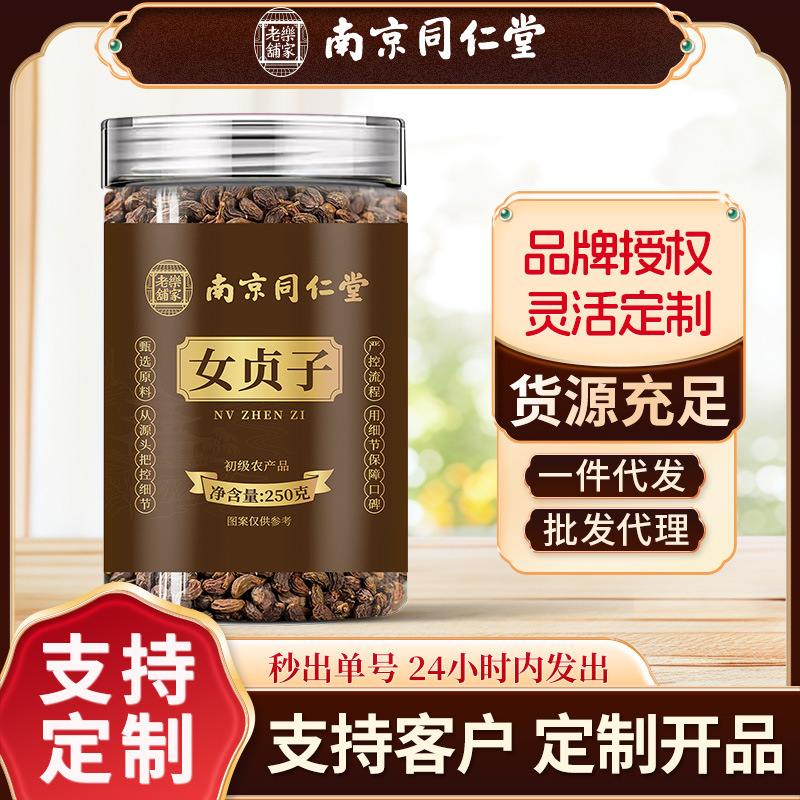
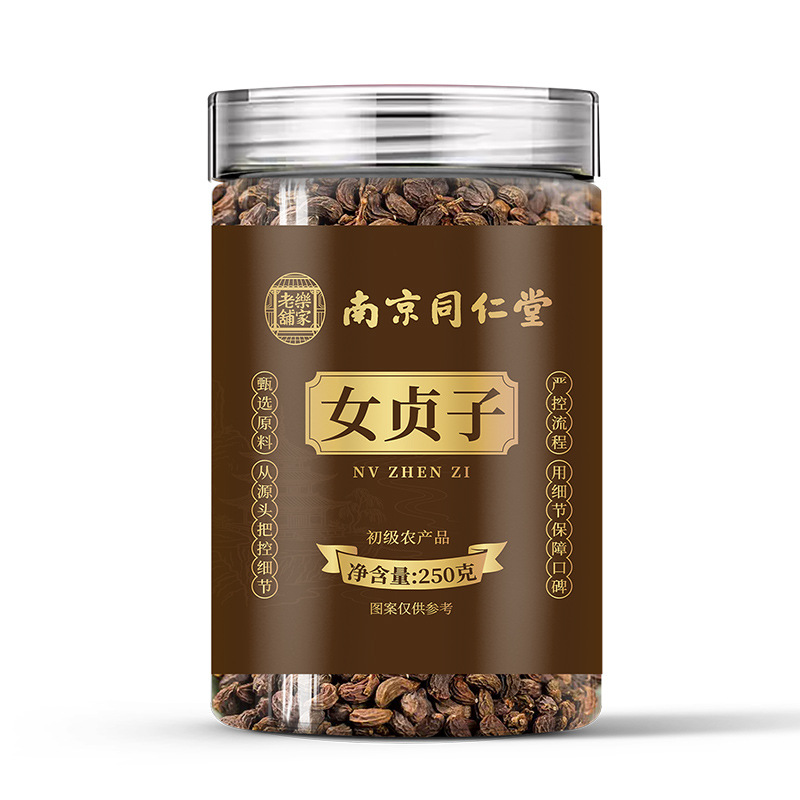
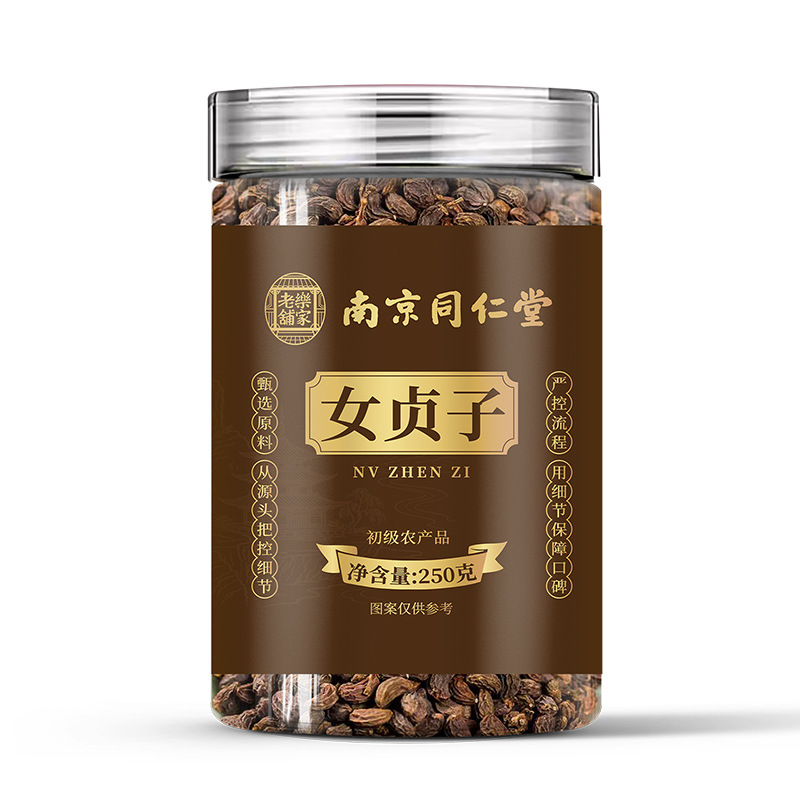
Dried Privet Fruit, known in TCM as Nu Zhen Zi (女贞子), from Ligustrum lucidum. This 250g jar contains sun-dried ripe fruit used in traditional Chinese herbal practice. In TCM theory it is associated with sweet, bitter, and cool properties entering the liver and kidney channels. Traditionally used in decoctions and teas to support yin nourishment. Store in a cool, dry place and prepare as a gentle herbal infusion.

Key Selling Points
- Identified as Nu Zhen Zi (女贞子), the dried ripe fruit of Ligustrum lucidum
- Sun-dried processing preserves natural color and aroma
- Traditional TCM herb associated with liver and kidney channel support
- Versatile form suitable for teas, decoctions, and congee
- Sealed 250g jar for convenient storage and daily use
Quality & Sensory
The dried fruits are typically dark purple to black with a slightly wrinkled surface and a mild, earthy aroma. The texture is firm and slightly sticky when chewed. A brewed or decocted infusion is typically mild, slightly sweet, and subtly bitter with a gentle herbal finish.
Technical Specifications
| Product Type | Dried herbal fruit |
|---|---|
| Chinese Name | 女贞子 |
| Pinyin | Nu Zhen Zi |
| Botanical Name | Ligustrum lucidum |
| Plant Part | Ripe fruit |
| Net Weight | 250g |
Usage Scenarios
- Simmered as a solo herbal tea or decoction
- Combined with other herbs in traditional soup recipes
- Added to congee for a nourishing breakfast
- Used in seasonal herbal blends
Traditional Uses
In TCM theory, Nu Zhen Zi is traditionally used in decoctions and teas, often paired with herbs such as He Shou Wu or Han Lian Cao in classic yin-nourishing formulas. It is also simmered in soups and congee for gentle daily support. Folk practice often includes it in seasonal autumn and winter preparations.
FAQ Q&A
Q: What is this product?
A: It is dried ripe fruit of Ligustrum lucidum, known in TCM as Nu Zhen Zi (女贞子), supplied in a 250g jar.
Q: What is its traditional value?
A: In TCM theory it is associated with sweet, bitter, and cool properties entering the liver and kidney channels, traditionally used to support yin nourishment.
Q: How is it commonly prepared?
A: It is typically simmered as a tea or decoction, or added to soups and congee. Follow traditional preparation methods and avoid exceeding customary amounts.
Additional information
| Weight | 0.68 kg |
|---|---|
| Dimensions | 15 × 15 × 15 cm |
Related products
-

Cabinda Bark Dried Herb 500g Traditional Herbal Infusion Ingredient
Price range: $12.38 through $37.50 -
Ningxia Goji Berries Gou Qi Zi 500g Dried Red Wolfberry for Tea Soup and Snacking
Price range: $7.20 through $16.44 -
Astragalus Root Slices Huang Qi 500g Dried Herb for Soups and Teas
Price range: $7.36 through $22.11 -
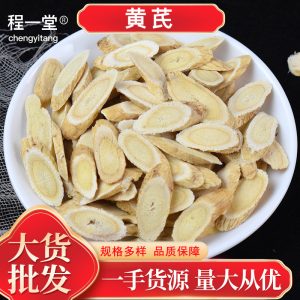
Astragalus Root Slices Huang Qi 斜片 Dried Herb for Decoction Soup and Tea 500g
Price range: $6.06 through $19.51
Reviews
There are no reviews yet.