
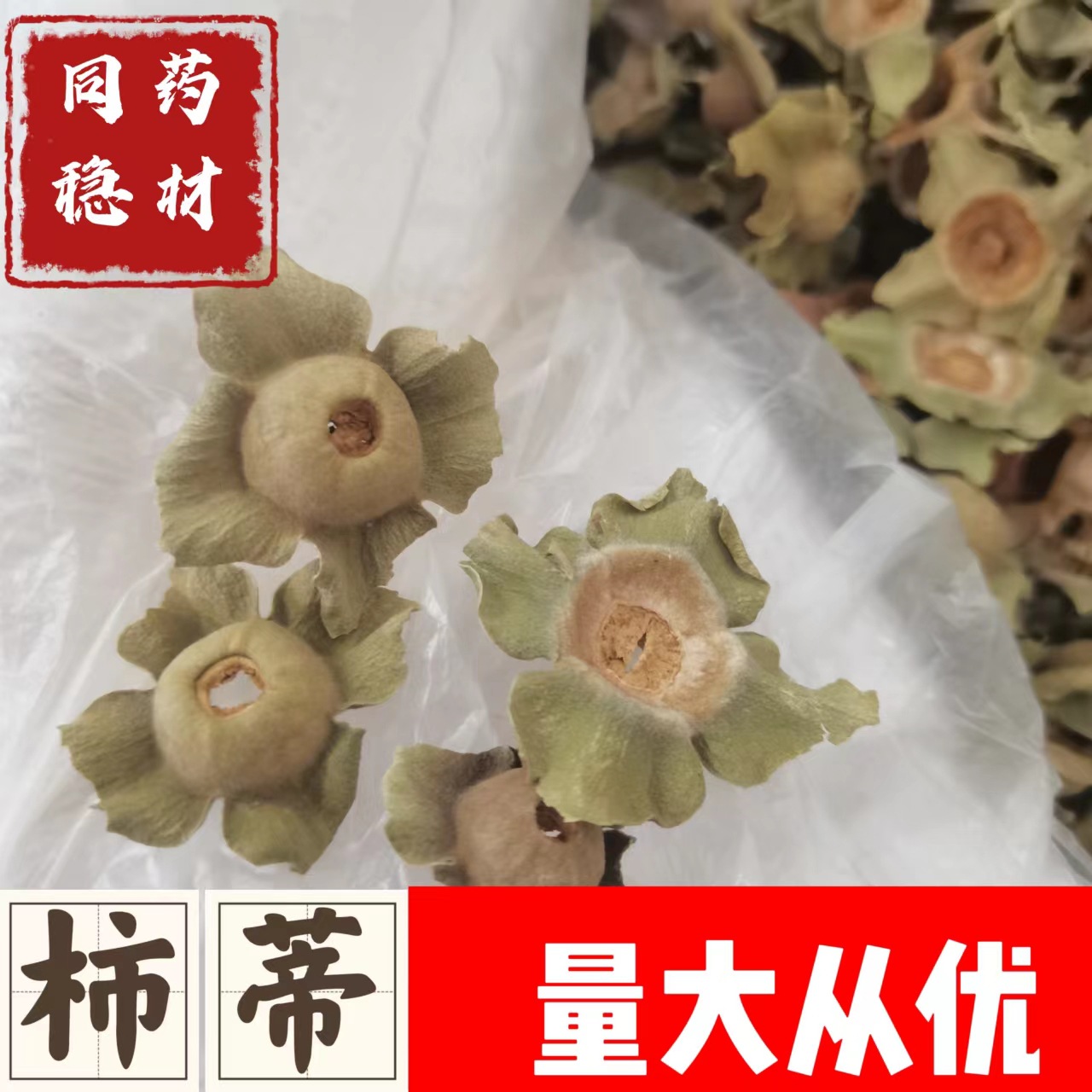
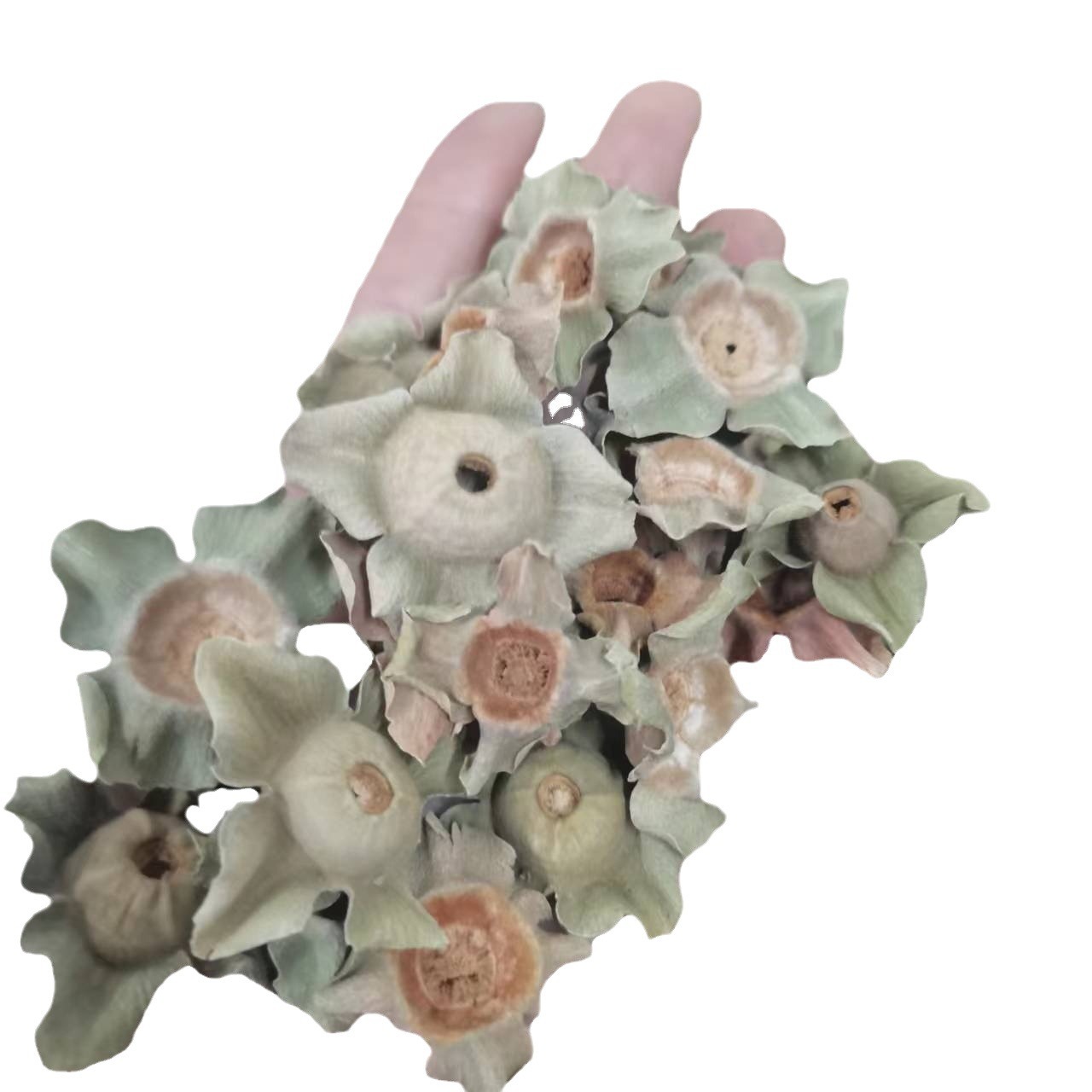
Dried Persimmon Calyx Shi Di 柿蒂 Traditional Herbal Decoction Pieces Quality Dried Herb
$4.93
6879678 in stock
Description
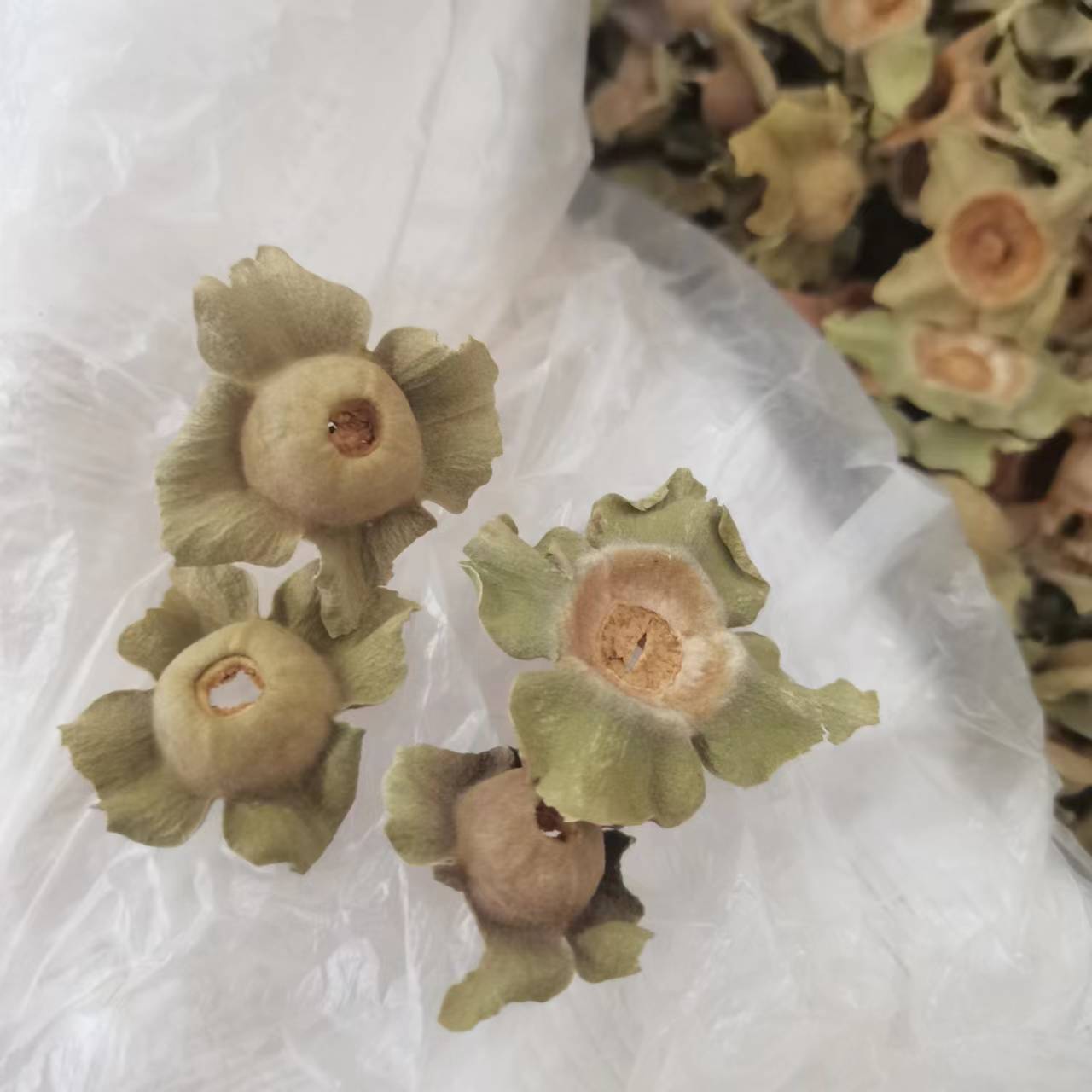
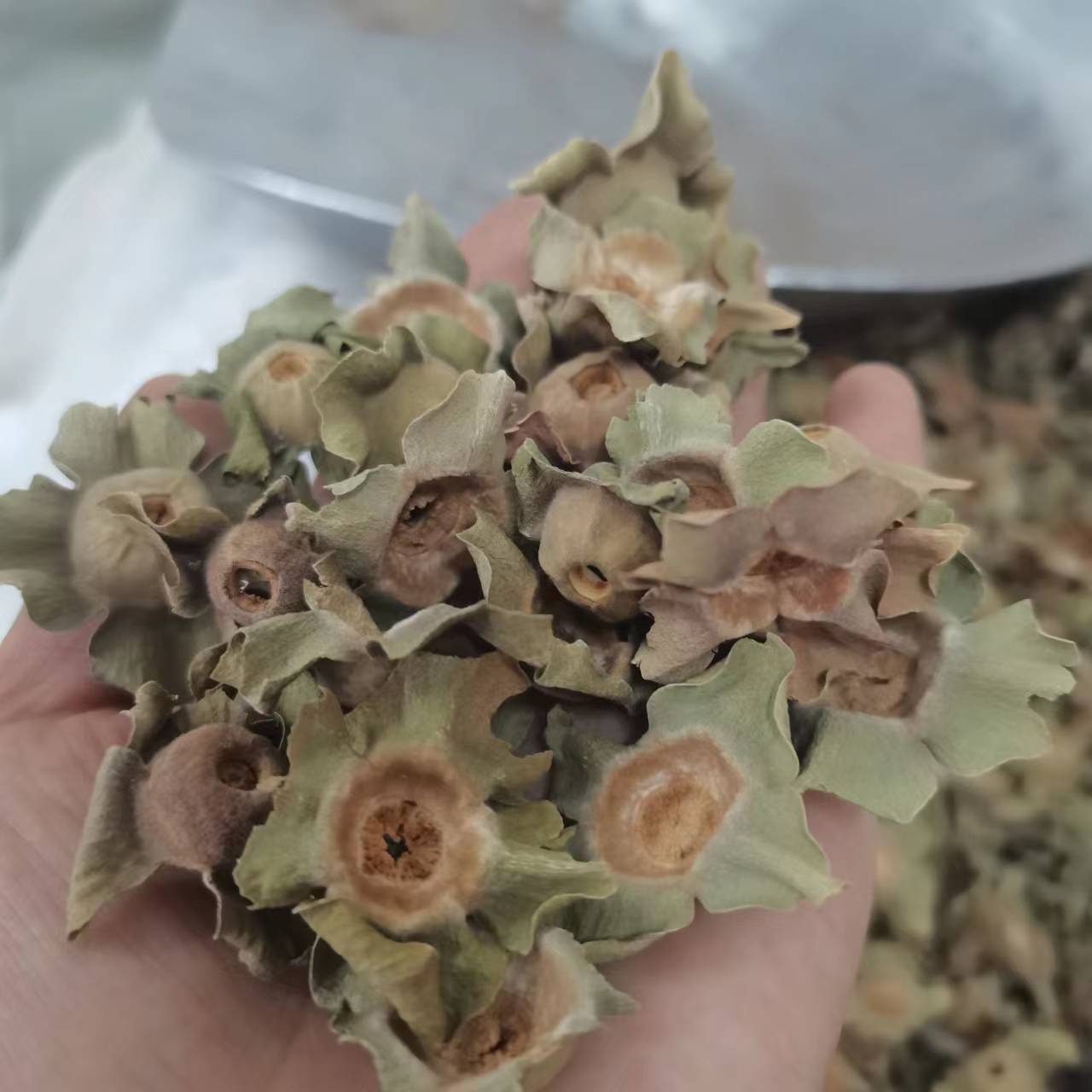
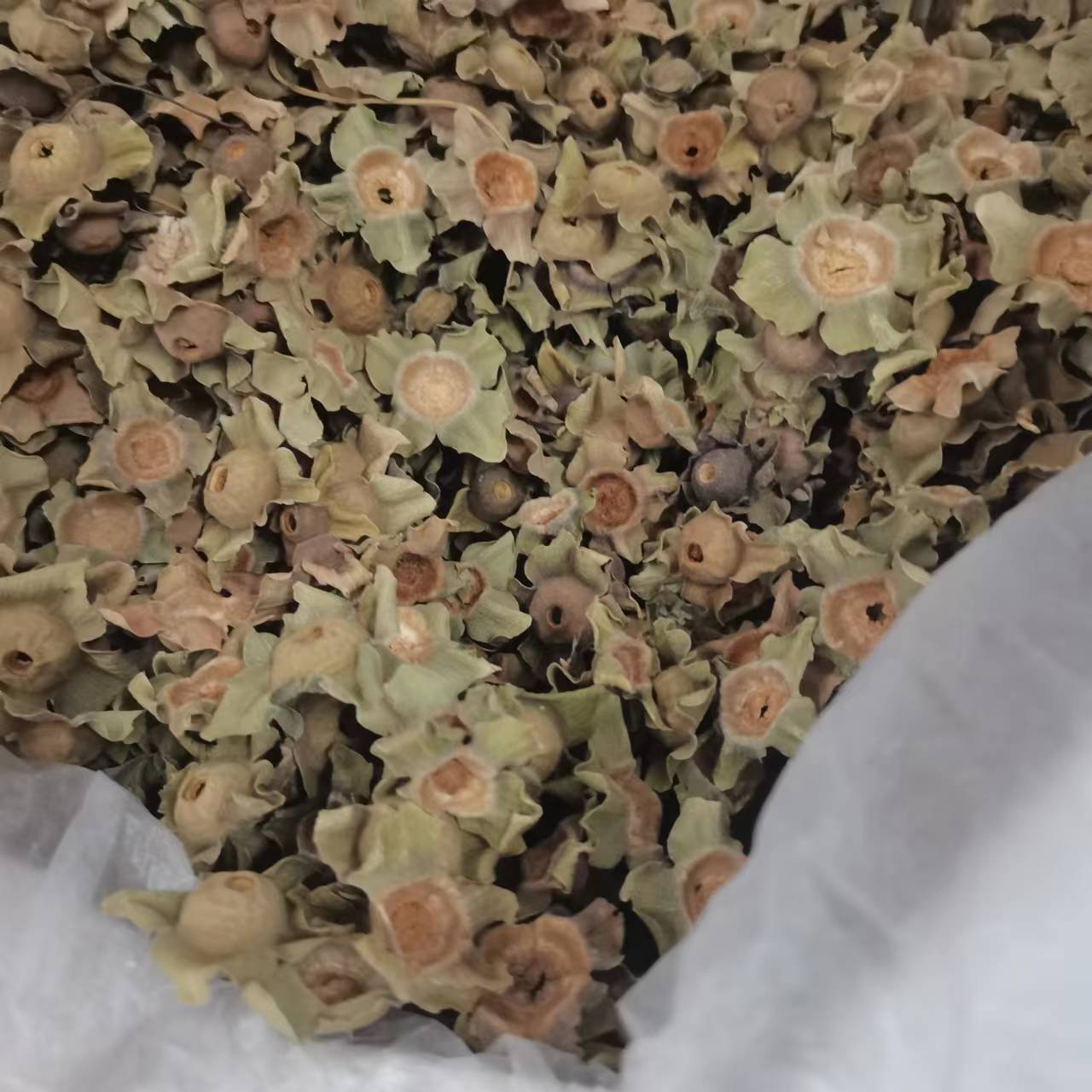
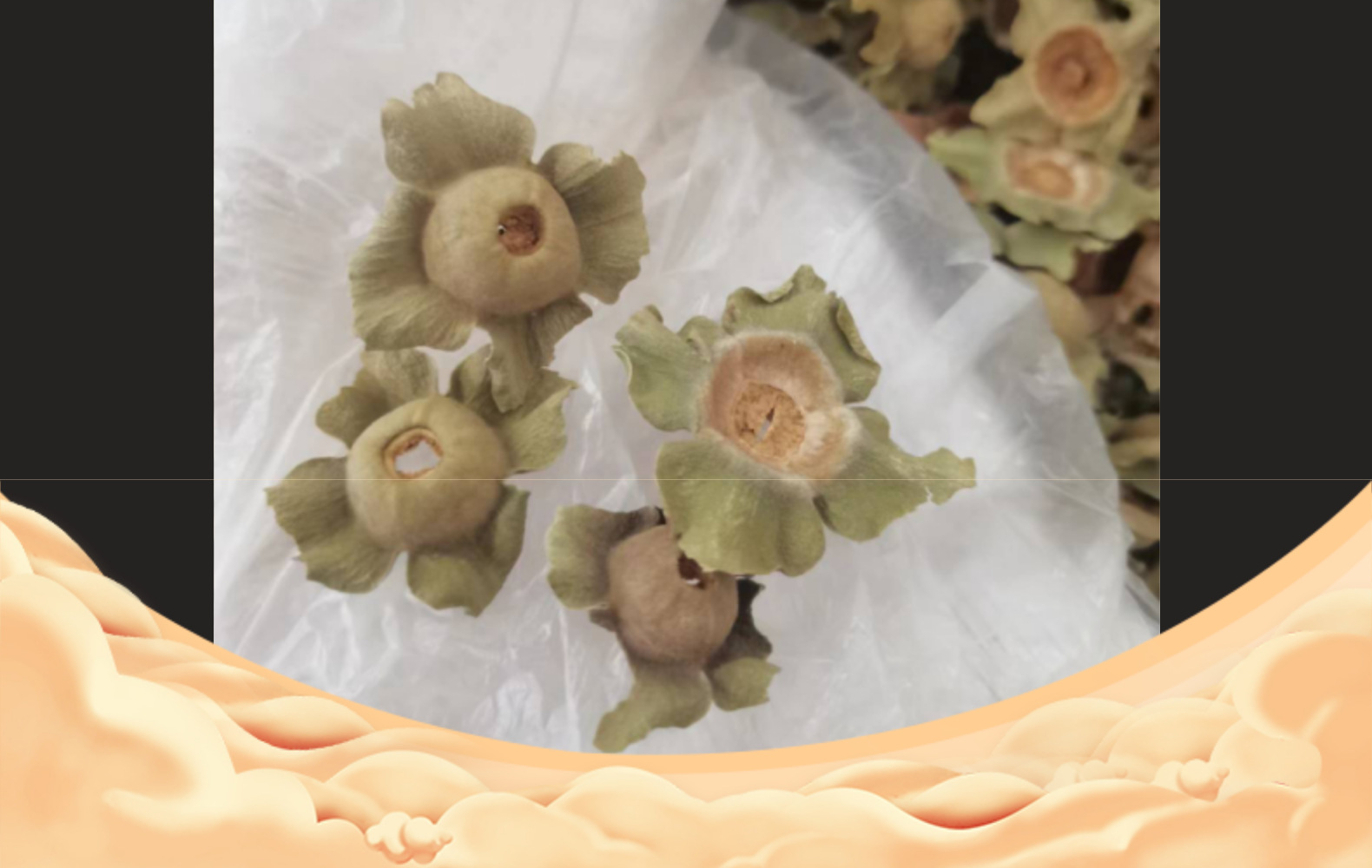
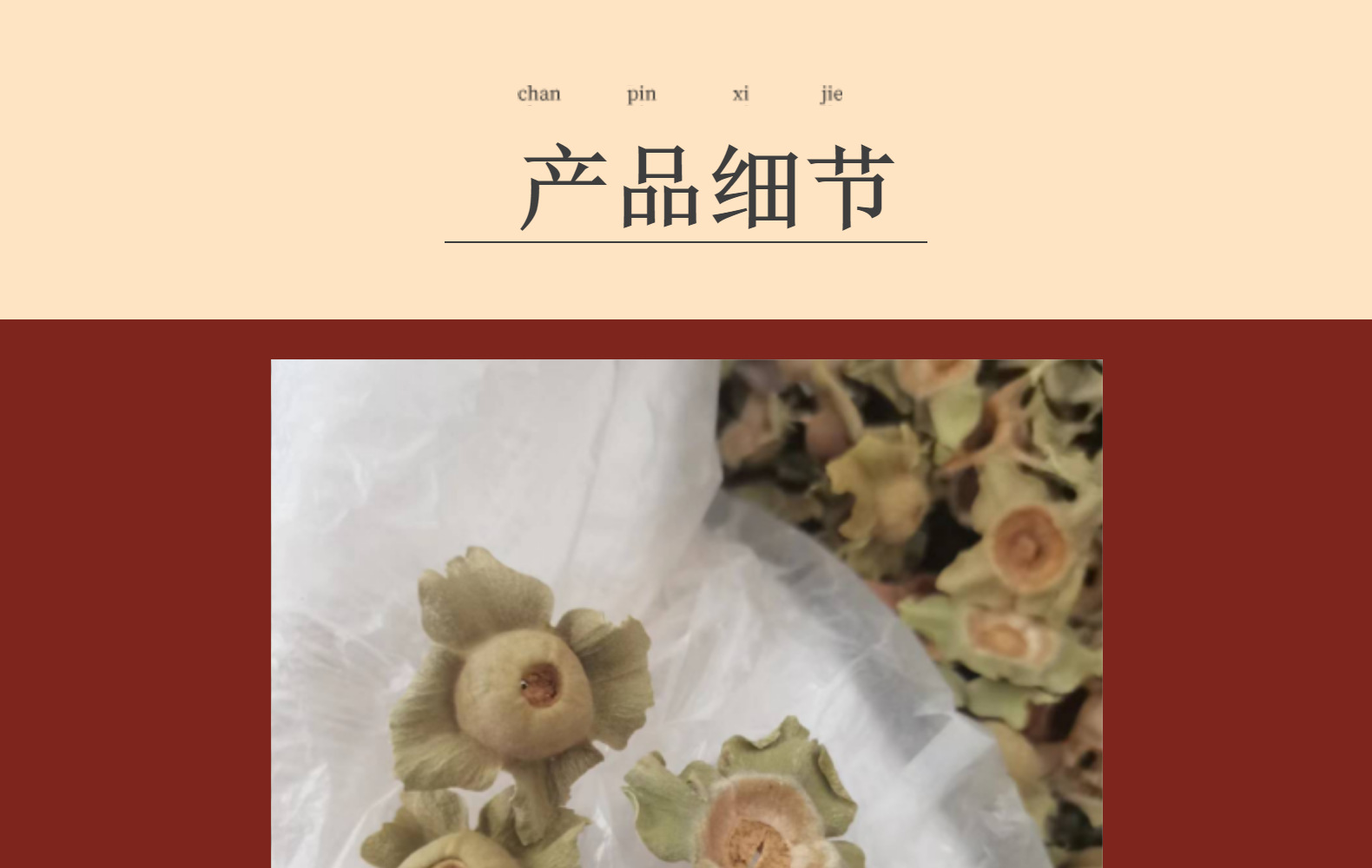
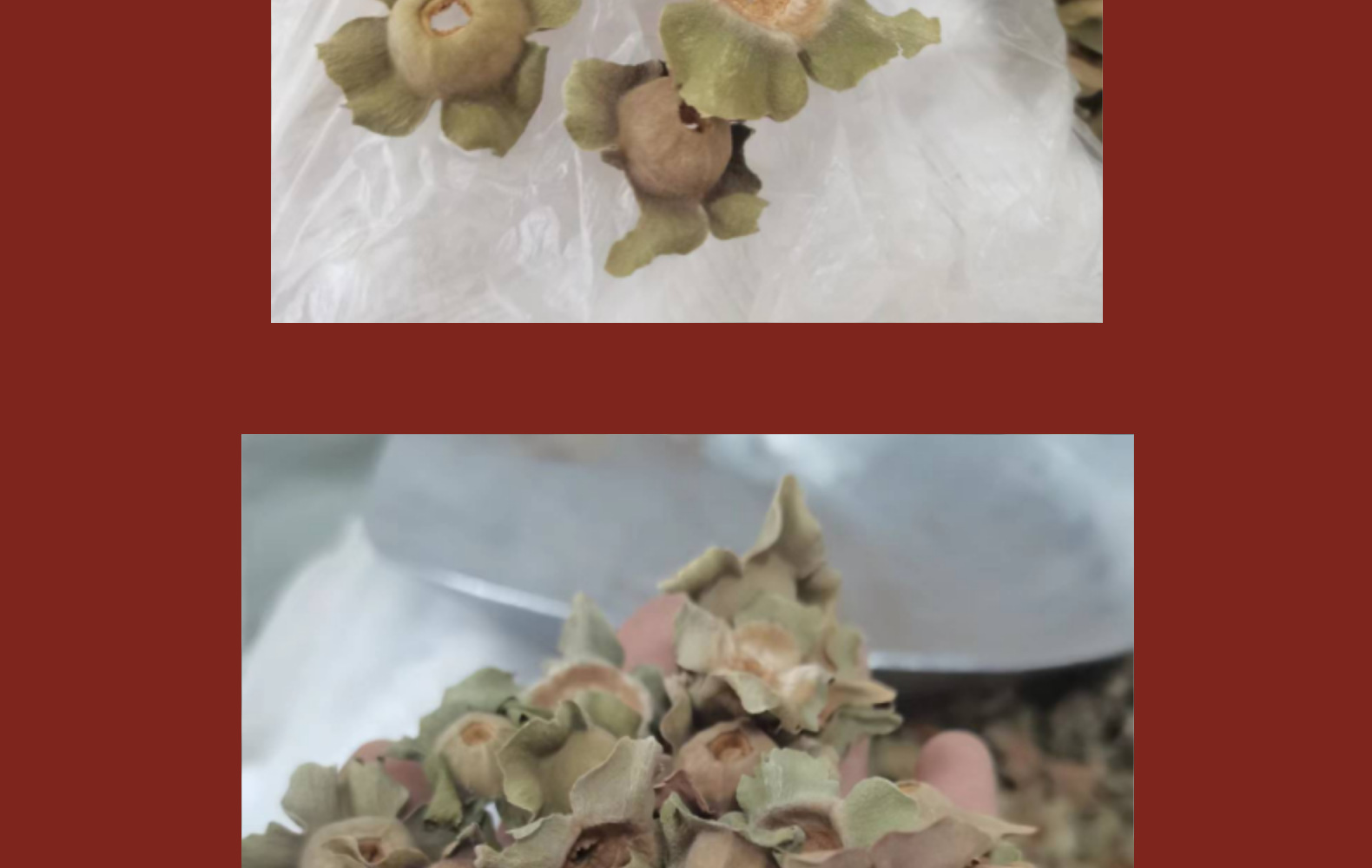
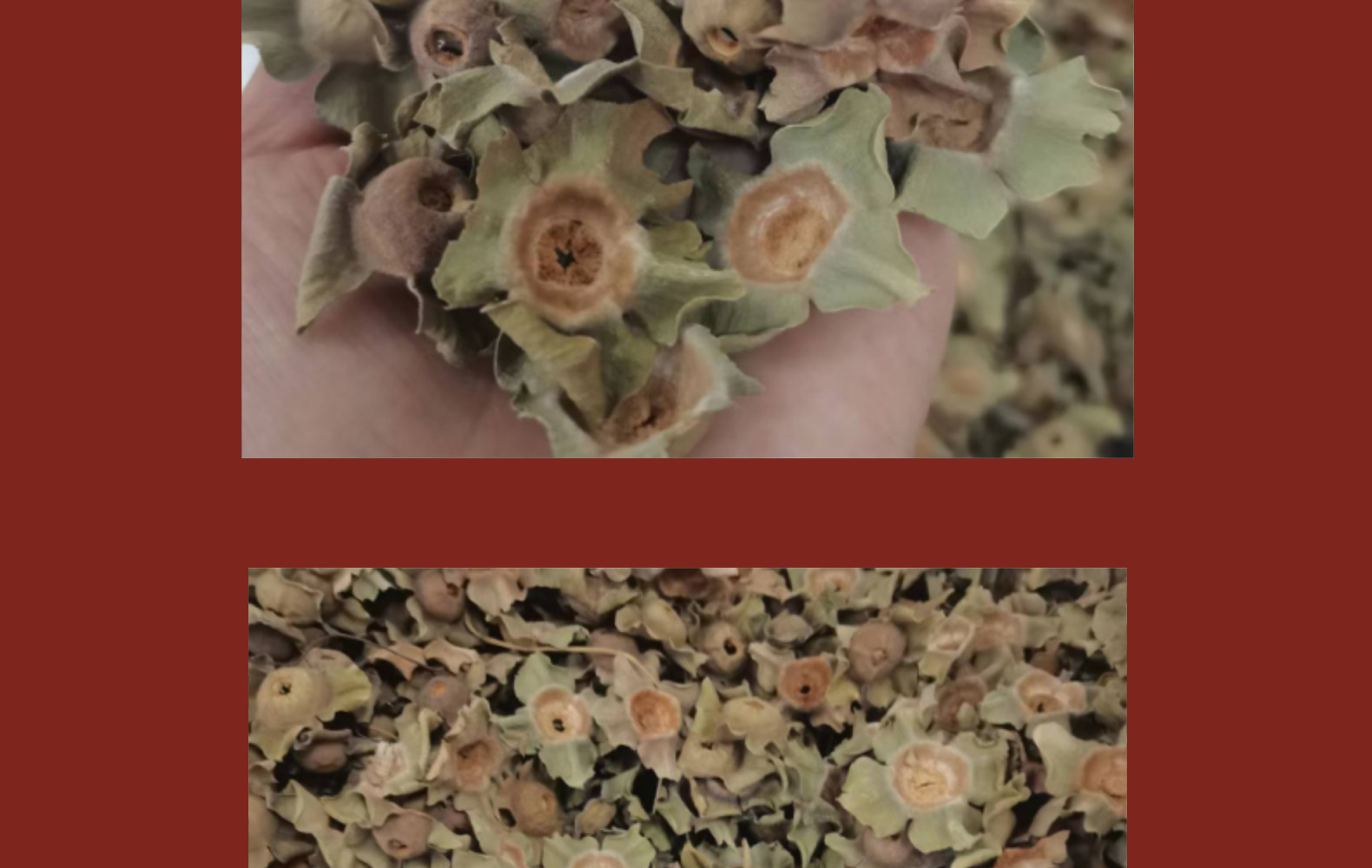
Dried Persimmon Calyx, known in TCM as Shi Di (柿蒂), from Diospyros kaki, the dried persistent calyx of the persimmon fruit. This dried botanical is a classic TCM decoction piece, traditionally associated with gently descending rebellious stomach qi. Its nature is considered neutral with a bitter and astringent flavor. Traditionally prepared in herbal decoctions under practitioner guidance.
Key Selling Points
- Classic TCM botanical known as Shi Di (柿蒂), the dried calyx of persimmon fruit
- Botanical source Diospyros kaki, carefully dried whole calyces
- Traditionally associated with descending stomach qi in classical decoctions
- Neutral in nature with bitter and astringent flavor in TCM theory
- Dried whole form suitable for decoction and herbal formulas

Quality & Sensory
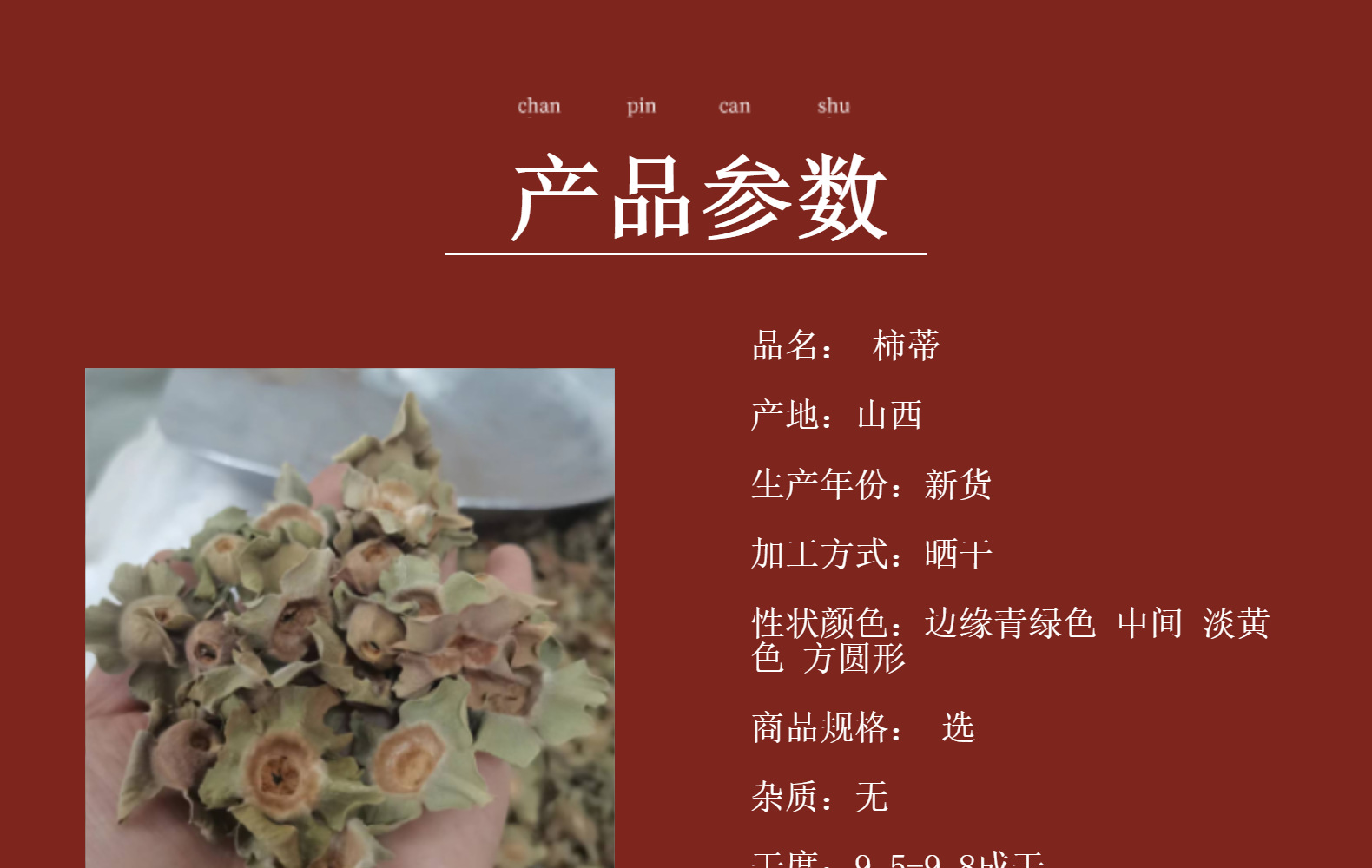
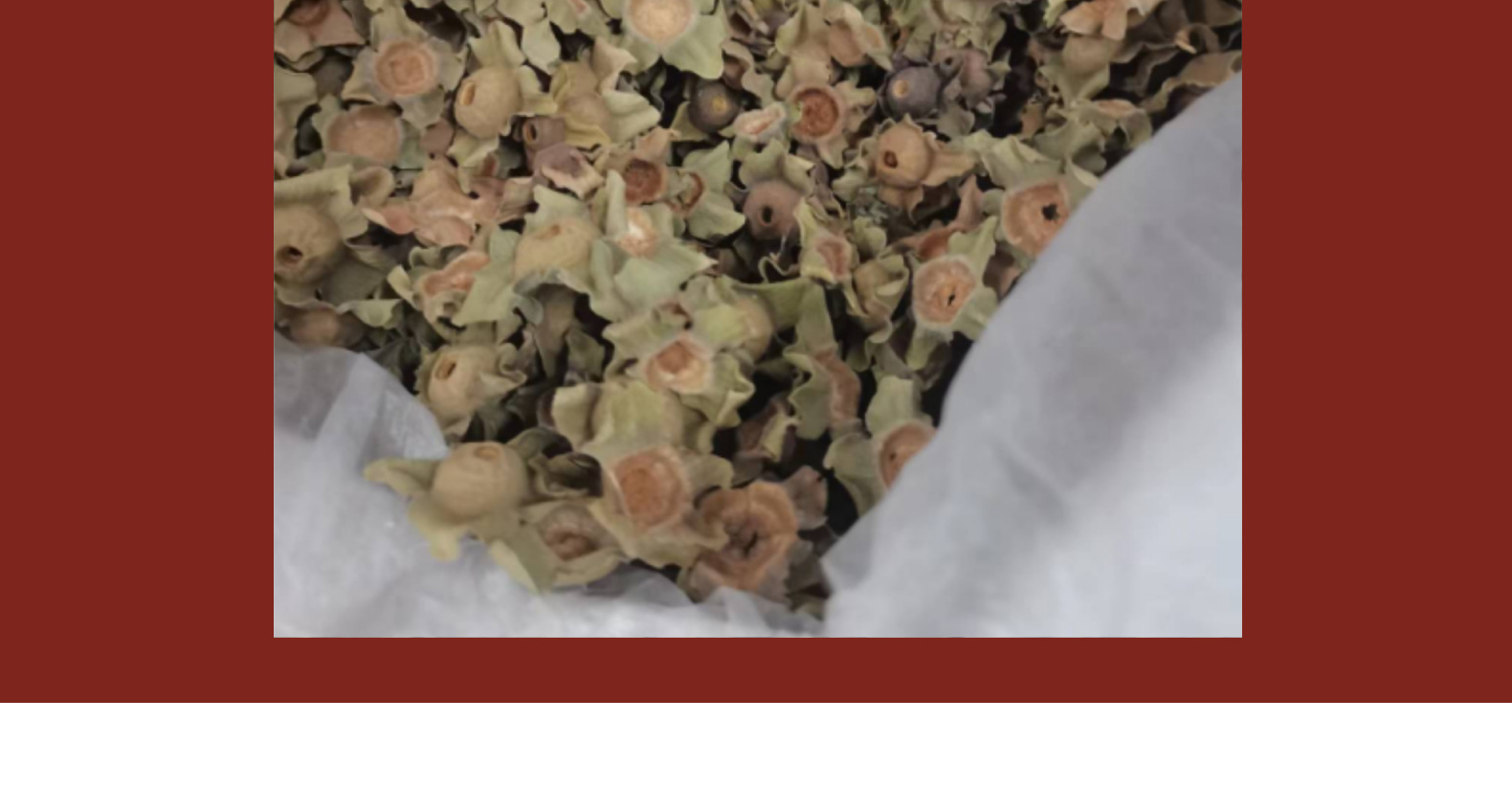
Typically light brown to tan with a firm, papery texture and slightly wrinkled surface. The dried calyces have a faint herbal aroma, and when decocted they typically yield a mild, slightly astringent and bitter taste.

Technical Specifications
| Product Type | Dried herbal decoction piece |
|---|---|
| Chinese Name | 柿蒂 |
| Pinyin | Shi Di |
| Botanical Name | Diospyros kaki |
| Plant Part | Dried persistent calyx |
| Processing | Dried |
Usage Scenarios
- Simmered in traditional herbal decoctions
- Combined with other herbs in classical formulas
- Prepared as a mild traditional herbal tea
- Used in seasonal herbal soup preparations
Traditional Uses
In TCM theory, Shi Di is traditionally associated with descending rebellious stomach qi and is a key herb in classical formulas such as Ding Xiang Shi Di Tang, traditionally paired with clove and ginger. It has long been used in folk practice for decoctions taken after meals. Consult a qualified practitioner before use.
FAQ Q&A
Q: What is this product?
A: It is Shi Di (柿蒂), the dried persistent calyx of Diospyros kaki, sold as a traditional Chinese herbal decoction piece.
Q: What is its traditional value?
A: In TCM theory it is traditionally associated with descending rebellious stomach qi and features in classical decoction formulas.
Q: How is it commonly prepared?
A: It is typically simmered in water as a decoction, often combined with other herbs such as clove and ginger in traditional formulas.
Additional information
| Weight | 0.5 kg |
|---|---|
| Dimensions | 20 × 15 × 8 cm |
Related products
-

Dried Raspberry Fruit Fu Pen Zi Whole Berries for Herbal Tea and Wine Infusion 500g
Price range: $15.63 through $18.06 -
Dried Raspberry Fruit Fu Pen Zi 500g Whole Berries for Herbal Tea and Wine Infusion
Price range: $14.00 through $16.44 -

Cabinda Bark Dried Herb 500g Traditional Herbal Infusion Ingredient
Price range: $12.38 through $37.50 -
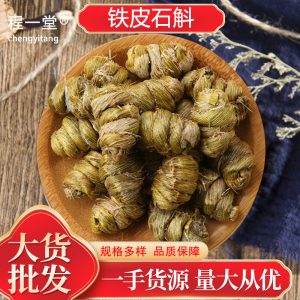
Tie Pi Shi Hu Dried Dendrobium Stems 500g Huoshan Fengdou for Soup and Tea
Price range: $35.88 through $108.80
Reviews
There are no reviews yet.