
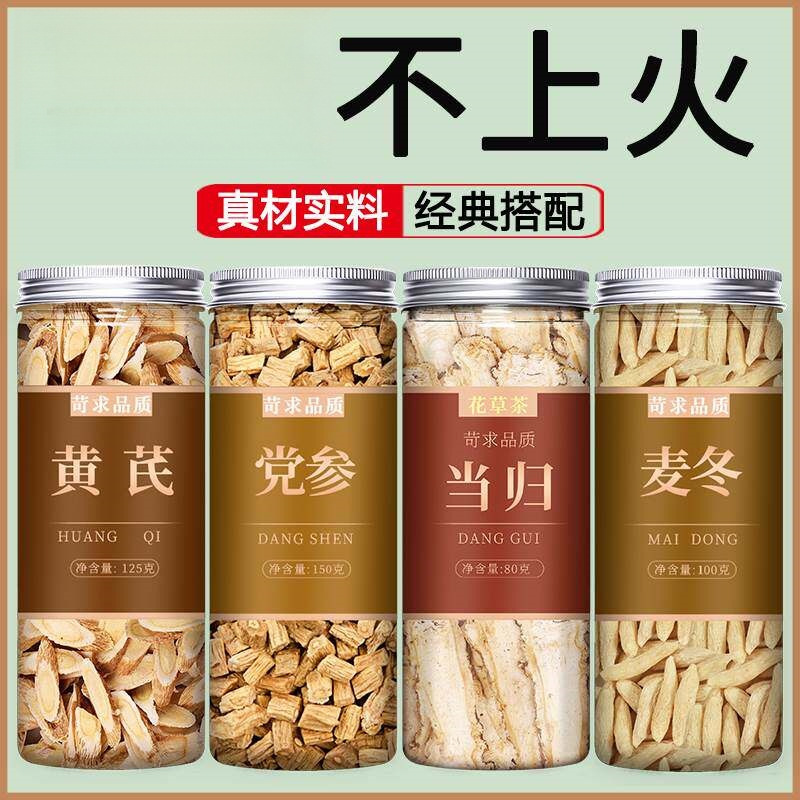
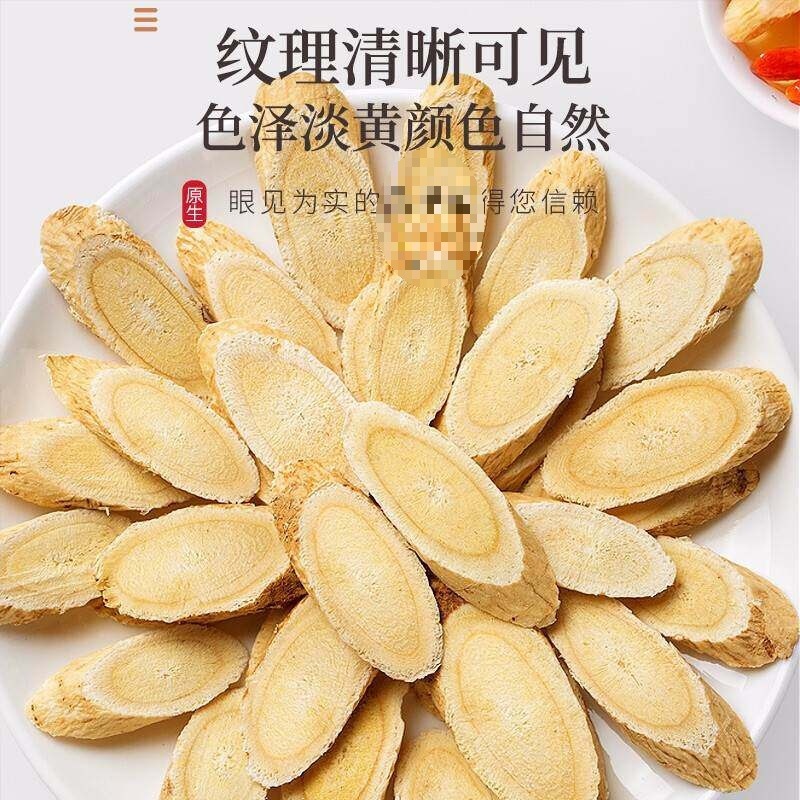
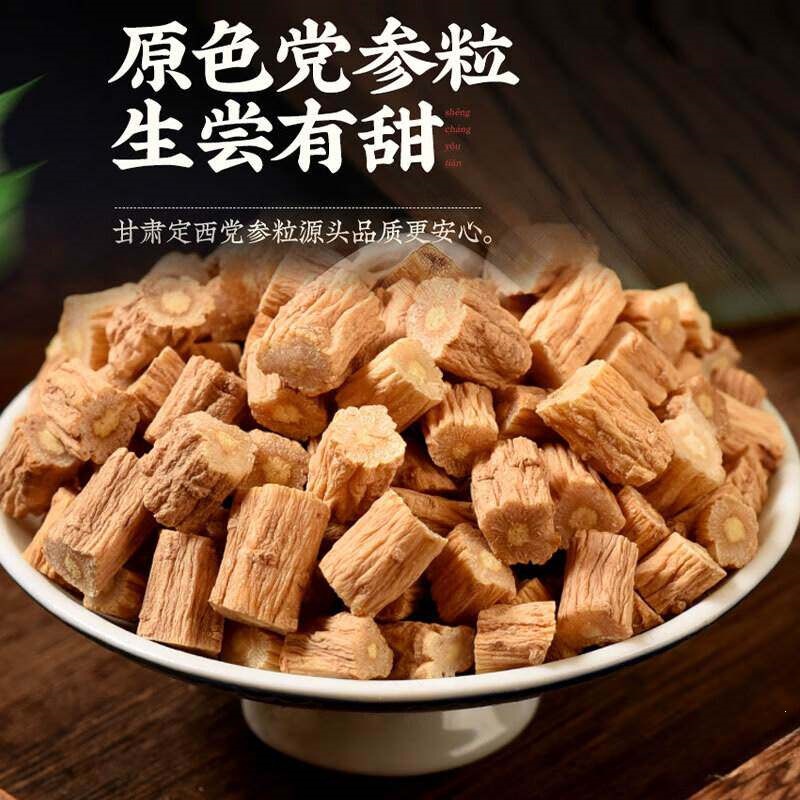
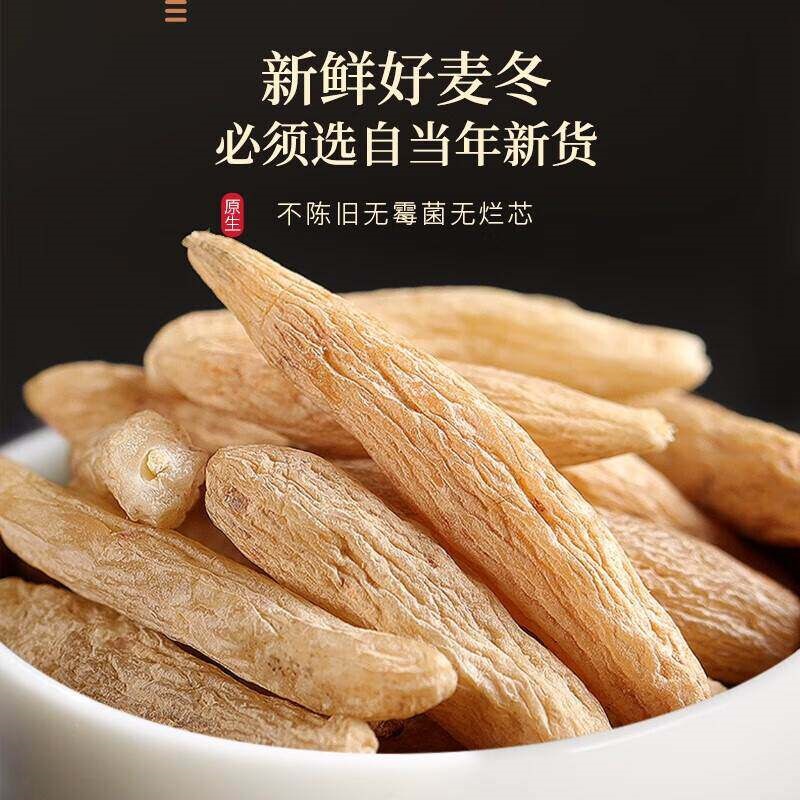
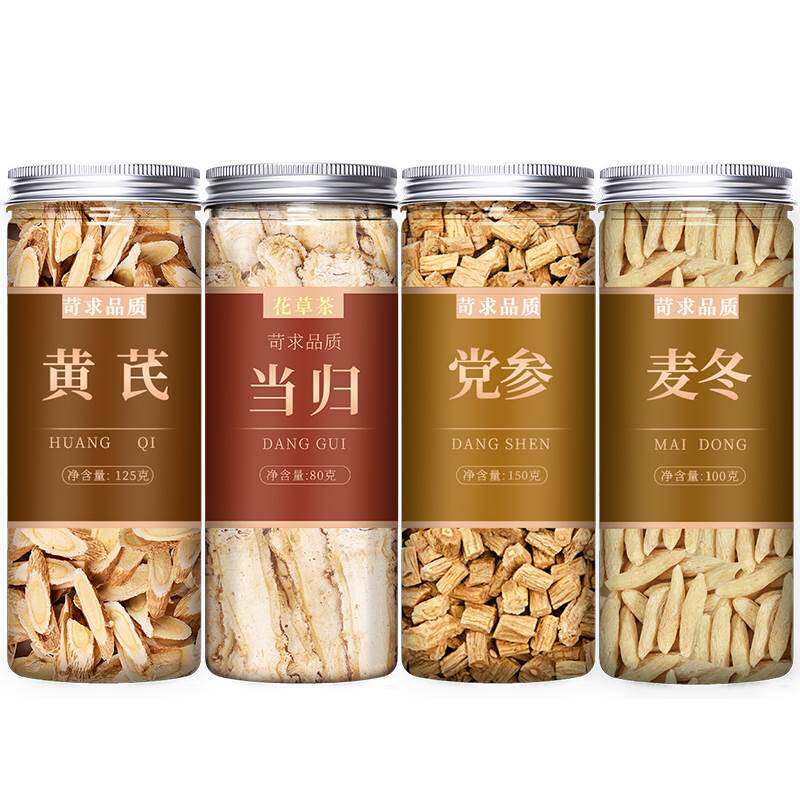
Dried Ophiopogon Root Mai Dong 100g Traditional Chinese Herbal Decoction Pieces
Price range: $6.03 through $12.32
Description
Dried Ophiopogon Root, known in TCM as Mai Dong (麦冬), from Ophiopogon japonicus, is a tuberous root decoction piece. In TCM theory it is sweet and slightly bitter with a cool nature, entering the Heart, Lung, and Stomach channels. Traditionally used to nourish Yin and moisten dryness, it is commonly simmered in teas, soups, and congee for gentle daily herbal support.
Key Selling Points
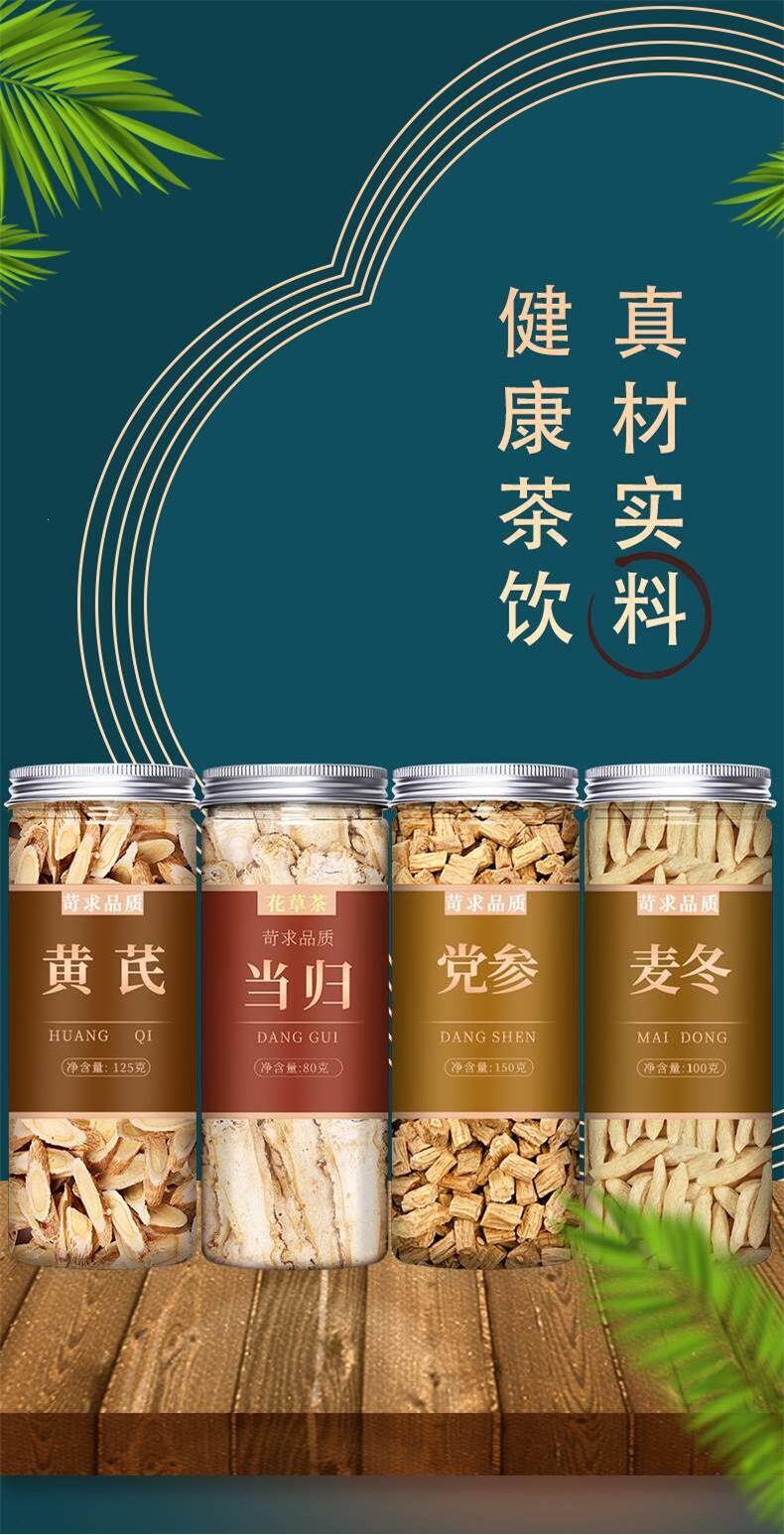
- Single herb Ophiopogon japonicus tuberous root in dried decoction piece form
- Known in TCM as Mai Dong (麦冬) with sweet slightly bitter cool properties
- Traditionally used to nourish Yin and moisten dryness in TCM theory
- Prepackaged 100g net weight in a resealable jar
- Suitable for simmering in teas soups and congee
Quality & Sensory
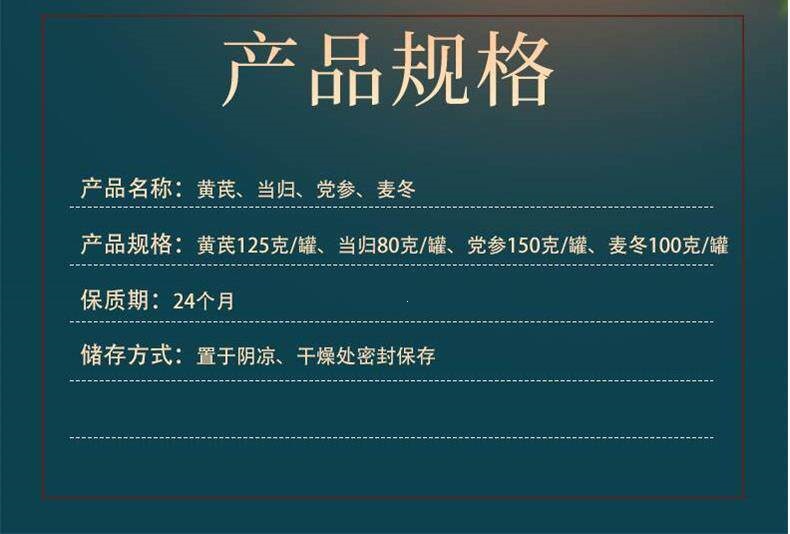
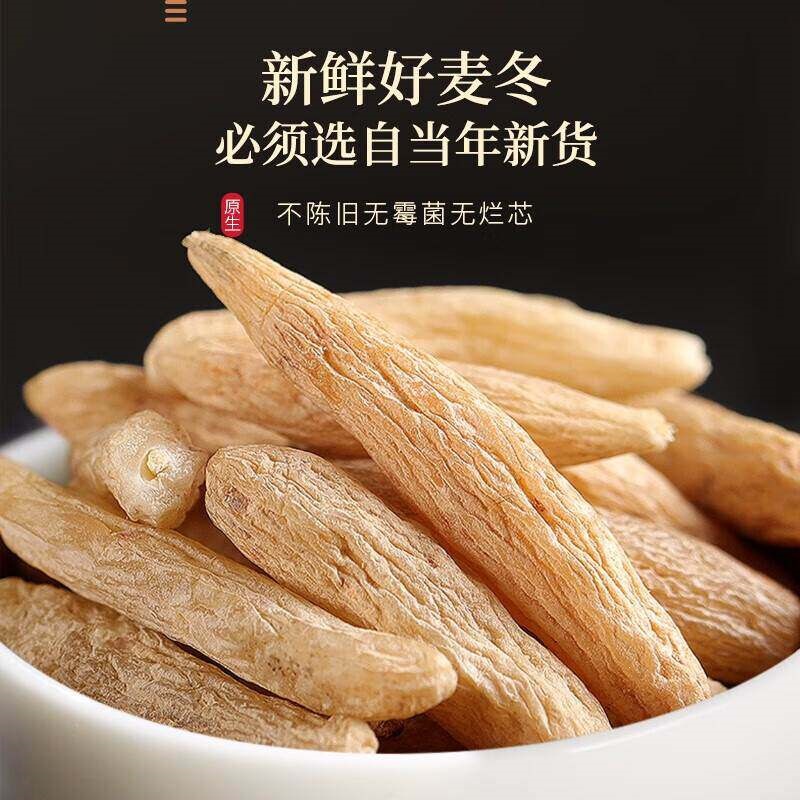
Dried Mai Dong pieces are typically pale yellow to light brown, firm and slightly plump with a subtle earthy aroma. After simmering, the decoction is typically mild, lightly sweet, and slightly viscous, with a soft chewable texture in the cooked root.
Technical Specifications
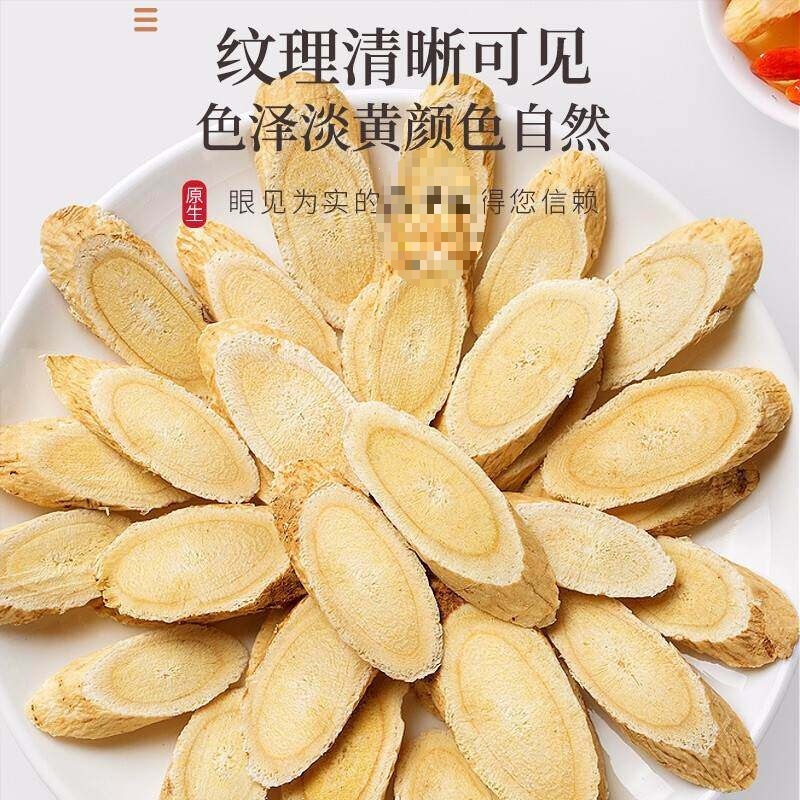
| Product Type | Dried herbal decoction pieces |
|---|---|
| Chinese Name | 麦冬 |
| Pinyin | Mai Dong |
| Botanical Name | Ophiopogon japonicus |
| Plant Part | Tuberous root |
| Net Weight | 100g |
Usage Scenarios
- Simmered as a single-herb decoction or daily herbal tea
- Added to soups and broths during cooking
- Cooked into congee or rice porridge
- Combined with other mild herbs in traditional decoction formulas
Traditional Uses
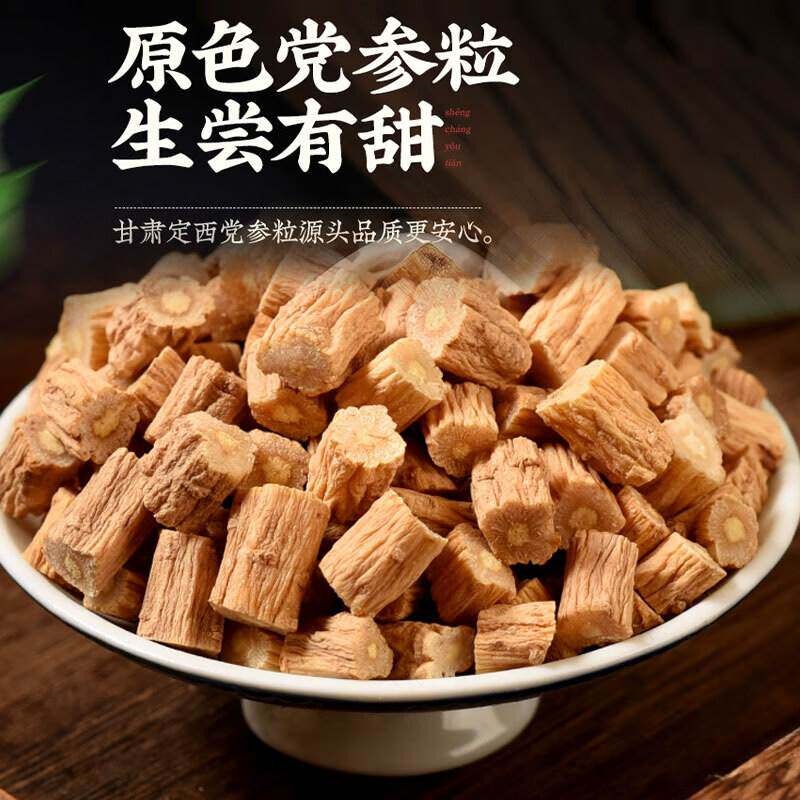
In TCM theory, Mai Dong is traditionally used to nourish Yin and generate fluids, moisten the Lungs, and support the Stomach. It is commonly simmered alone or paired with herbs such as Yu Zhu, Sha Shen, and Gou Qi Zi in decoctions, soups, and congee, especially during dry or warm seasons.
FAQ Q&A
Q: What is this product?
A: It is dried Ophiopogon japonicus tuberous root, known in TCM as Mai Dong (麦冬), sold as 100g of prepackaged decoction pieces.
Q: What is Mai Dong traditionally used for?
A: In TCM theory it is traditionally associated with nourishing Yin, moistening dryness, and supporting the Lung and Stomach. It is considered sweet, slightly bitter, and cool in nature.
Q: How is Mai Dong commonly prepared?
A: It is typically simmered in water as a decoction or tea, or added to soups and congee. The cooked root pieces are soft and may be eaten after simmering.
Additional information
| Weight | N/A |
|---|---|
| Dimensions | N/A |
| Model | 4罐 黄芪 当归 党参 麦冬, 3罐 黄芪 当归 党参, 3罐 黄芪 党参 麦冬, 2罐 黄芪 当归, 2罐 黄芪 党参, 2罐 黄芪 麦冬, 1罐 黄芪, 1罐 当归, 1罐 党参, 1罐 麦冬 |
Related products
-

Ningxia Goji Berries Gou Qi Zi 500g Dried Red Wolfberry for Tea Soup and Snacking
Price range: $7.20 through $16.44 -

Dried Huang Jing Slices Polygonatum Rhizome Chicken Head Huang Jing 500g Bulk Herbal Tea and Soup Ingredient
Price range: $9.14 through $18.87 -
Dried Codonopsis Root Slices Dang Shen 500g Bulk Supply for Soups and Herbal Decoctions
Price range: $10.28 through $18.06 -
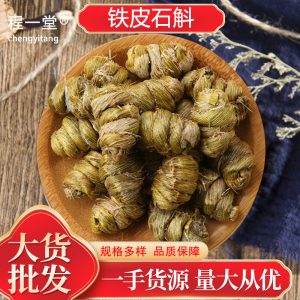
Tie Pi Shi Hu Dried Dendrobium Stems 500g Huoshan Fengdou for Soup and Tea
Price range: $35.88 through $108.80
Reviews
There are no reviews yet.