
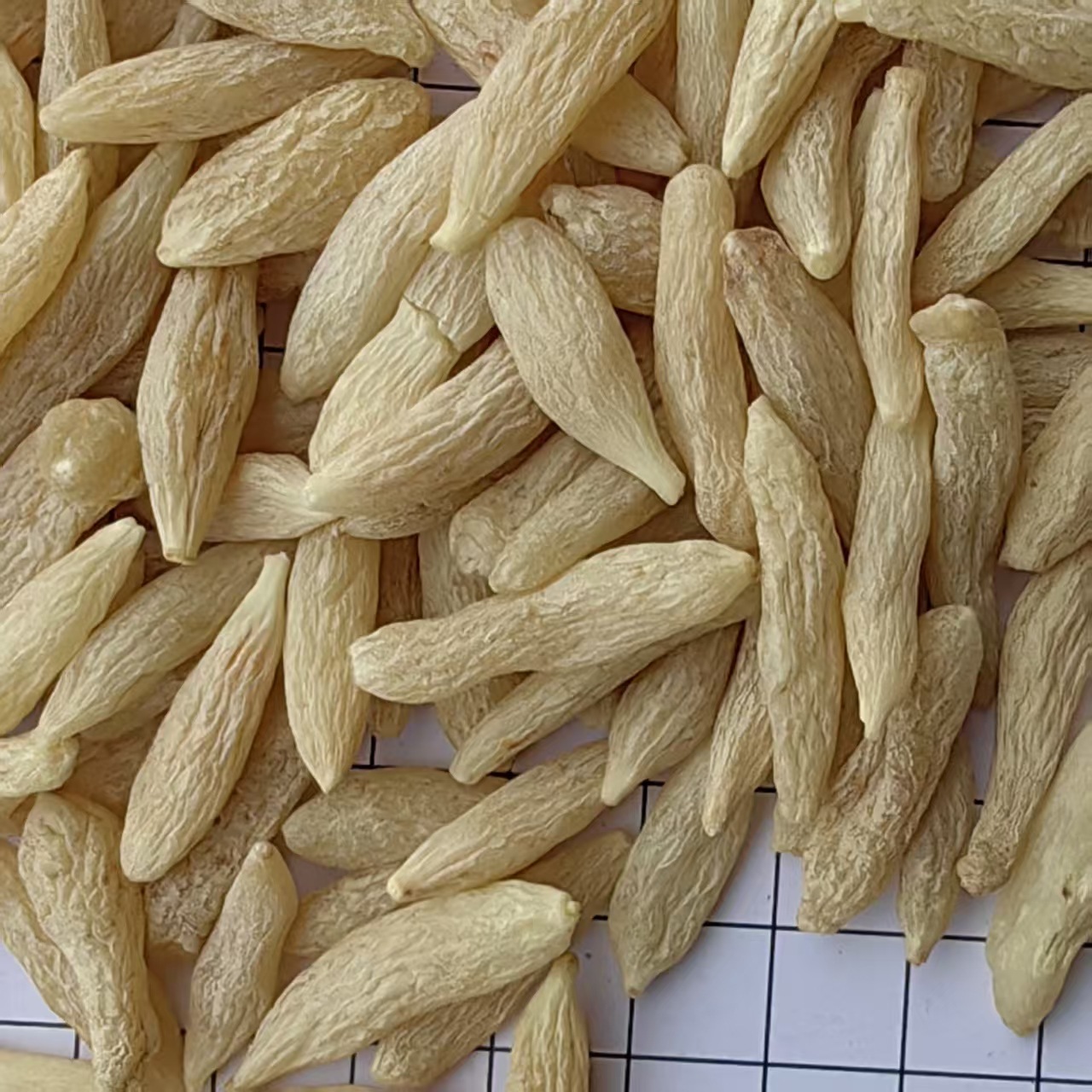
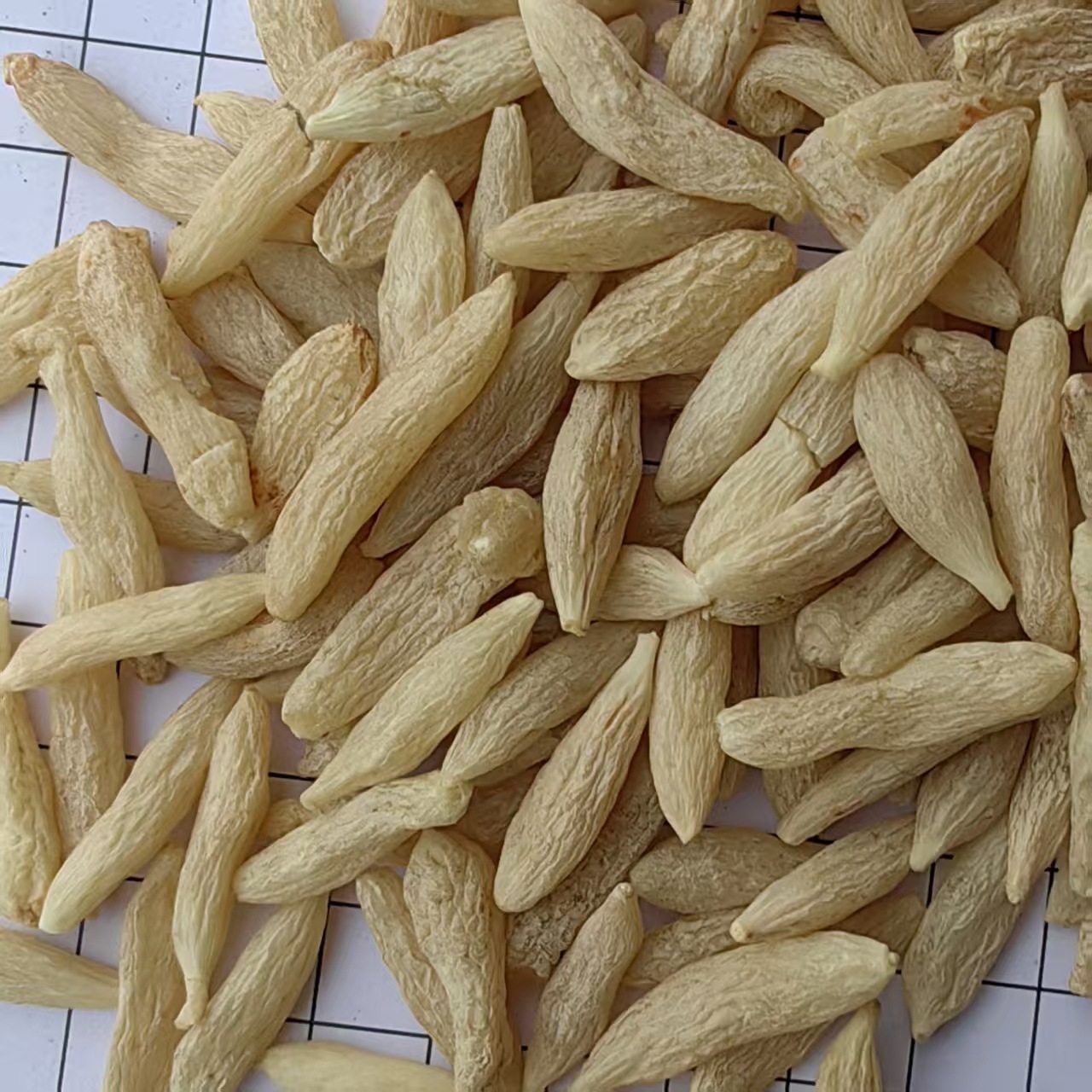
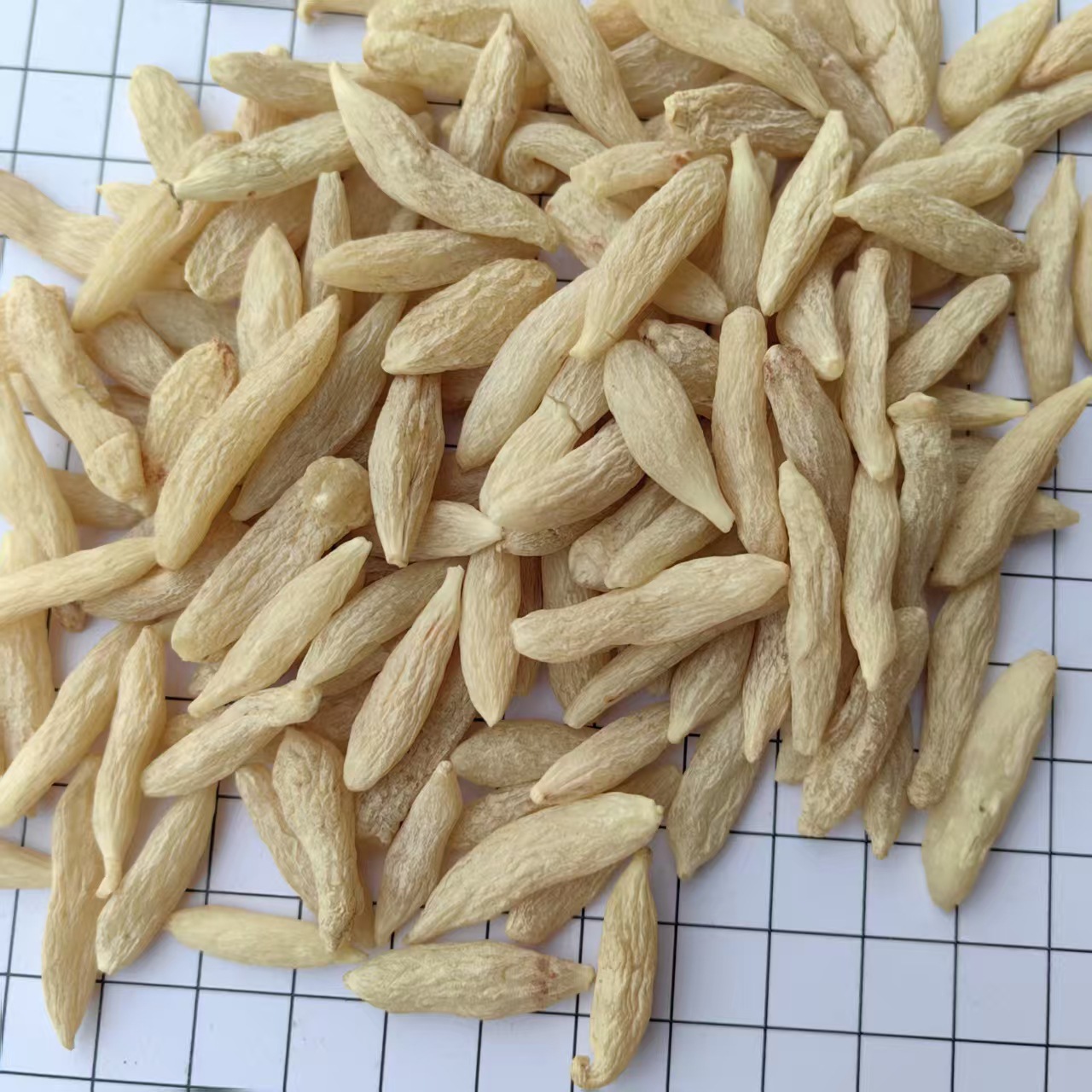
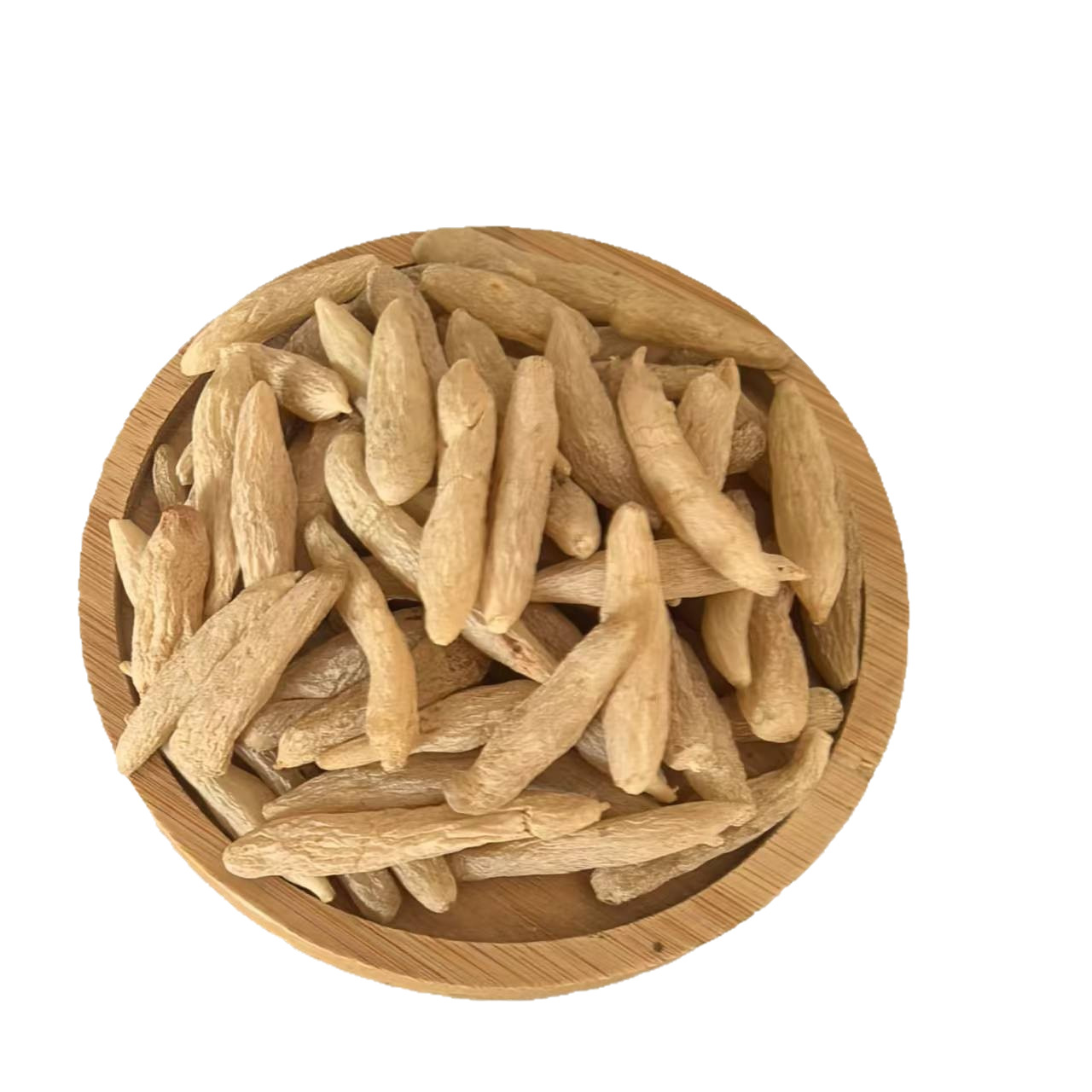
Dried Ophiopogon Root Mai Dong 麦冬 Bulk Sichuan Herb for Decoctions and Teas
$10.12
66283 in stock
Description
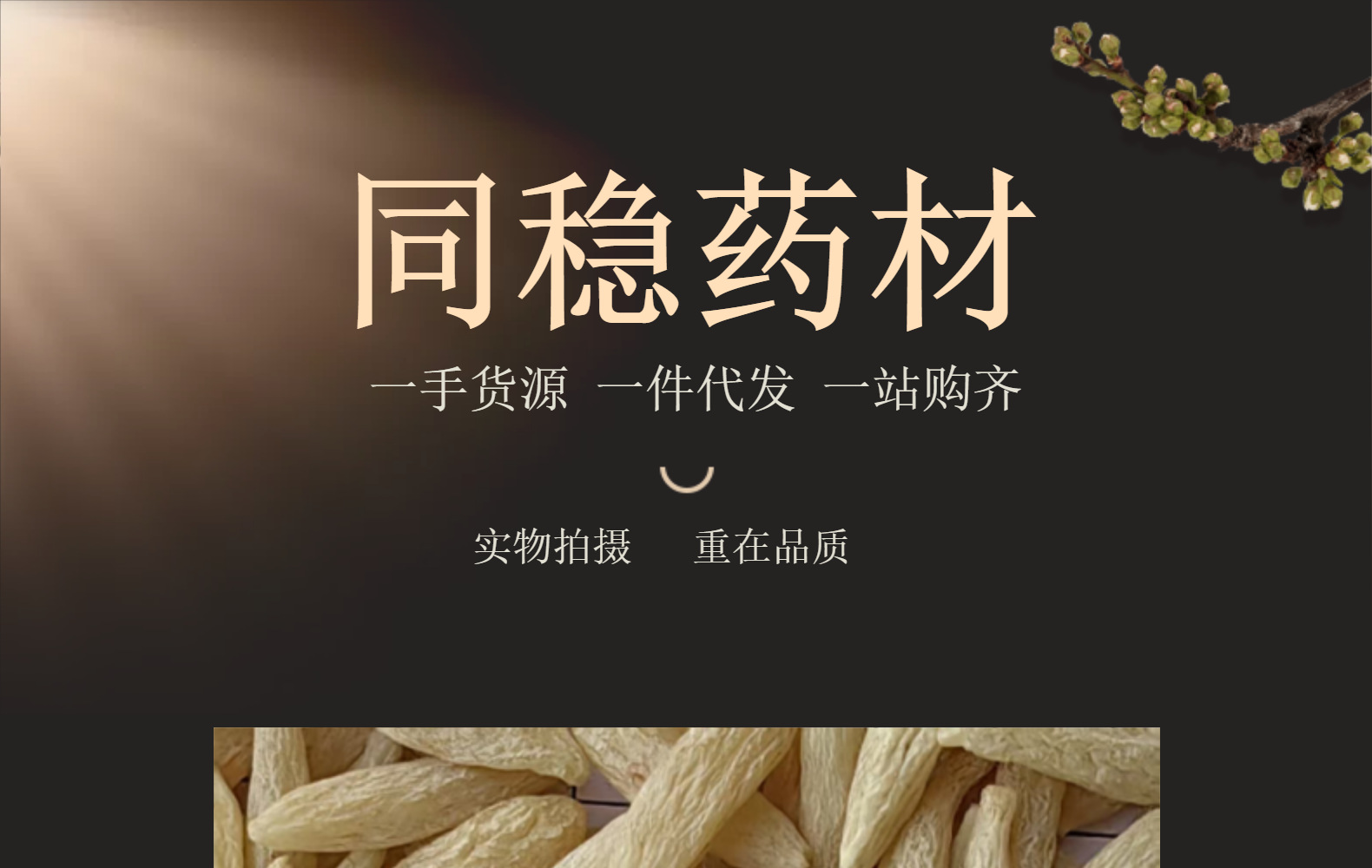
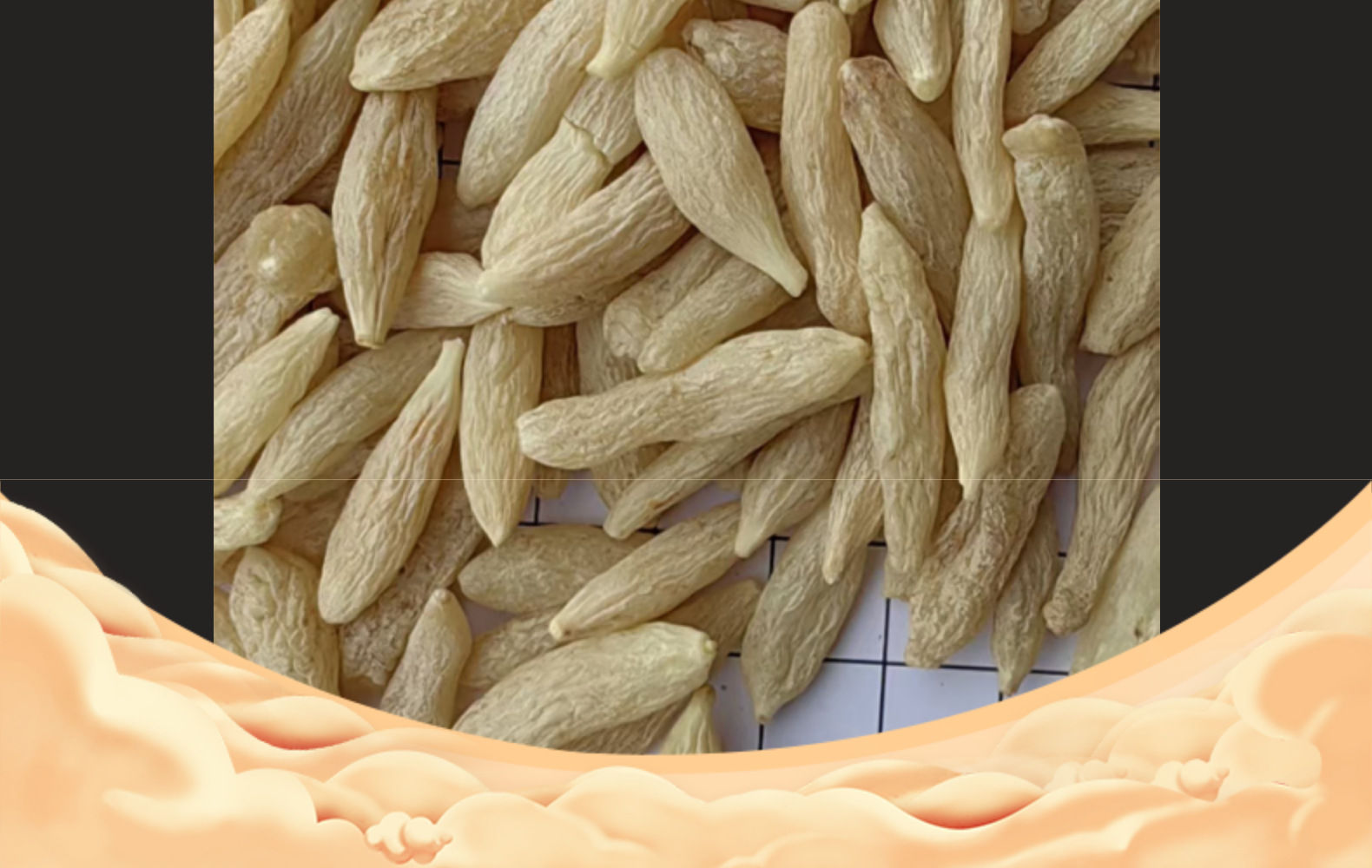
Dried Ophiopogon Root, known in TCM as Mai Dong (麦冬), from Ophiopogon japonicus. These large Sichuan-grown tuber roots are dried and sold loose as a food-grade raw herb. In TCM theory Mai Dong is sweet and slightly bitter with a slightly cold nature, traditionally associated with the heart, lung, and stomach channels. Traditionally used in decoctions, teas, and herbal soups. Consult a qualified practitioner before use.
Key Selling Points
- Large-grade Sichuan Mai Dong tuber roots, dried and sold loose for bulk supply
- Botanical source Ophiopogon japonicus, a classic TCM yin-nourishing root
- In TCM theory sweet and slightly bitter in flavor with a slightly cold nature
- Traditionally associated with the heart, lung, and stomach channels
- Suitable for decoctions, herbal teas, soups, and congee

Quality & Sensory
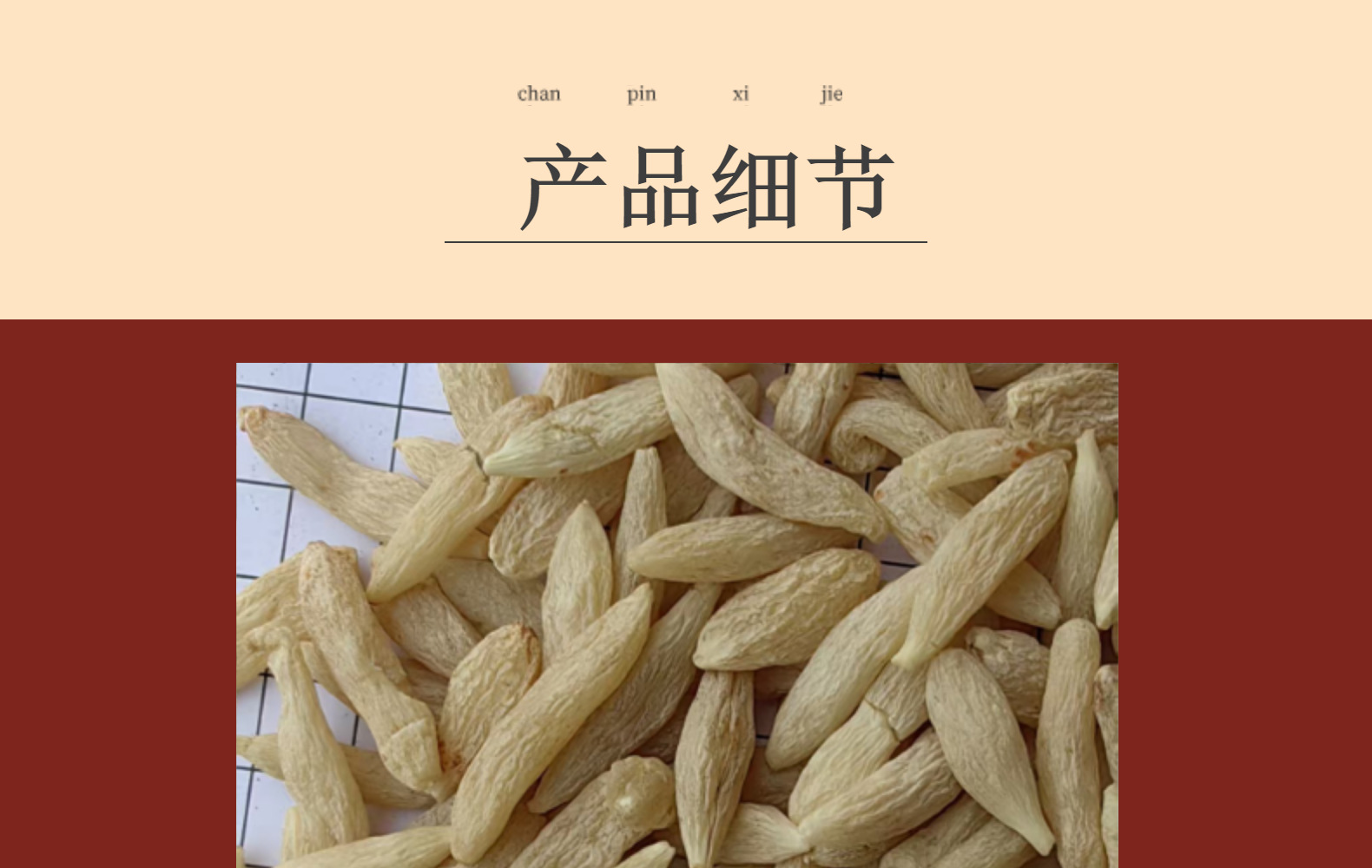
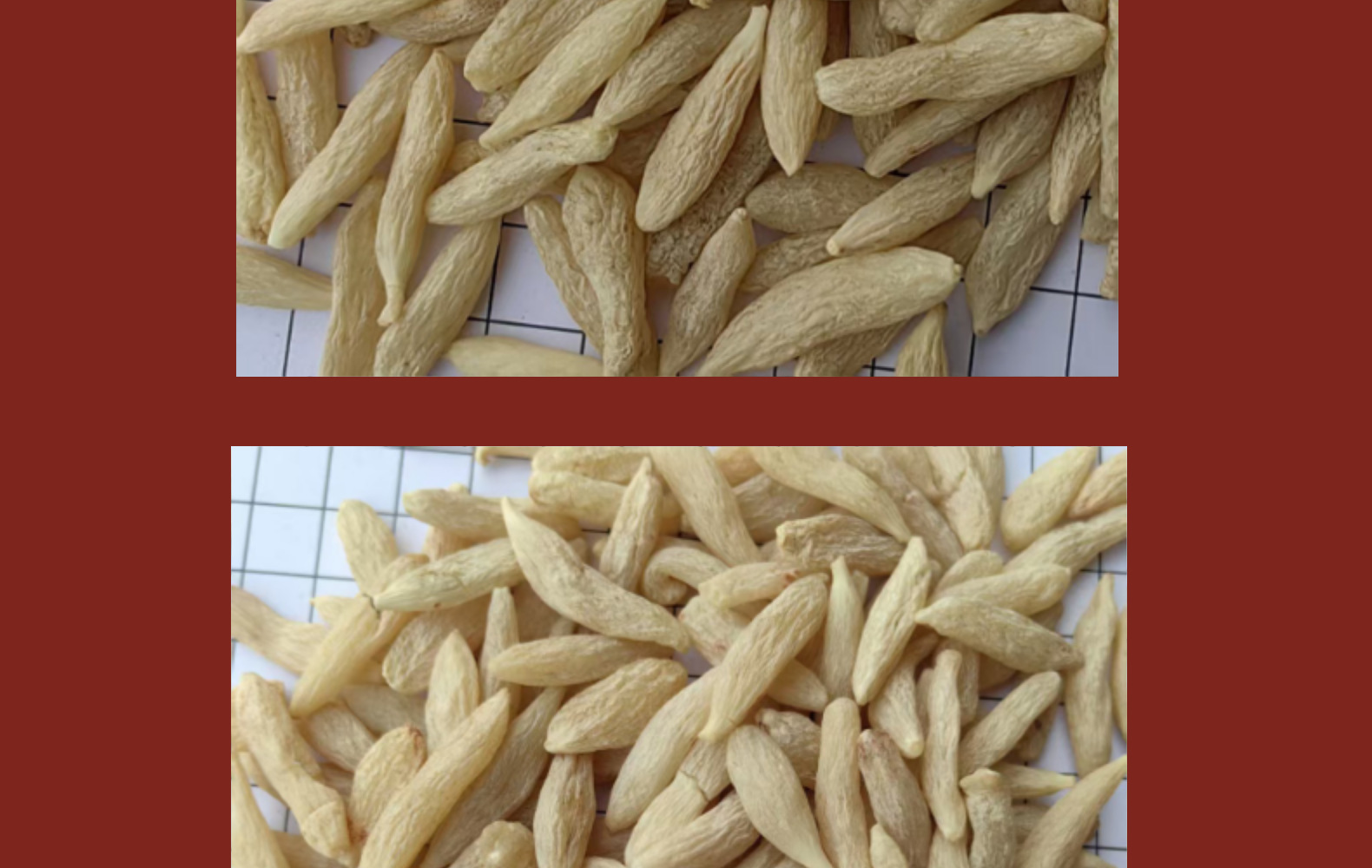
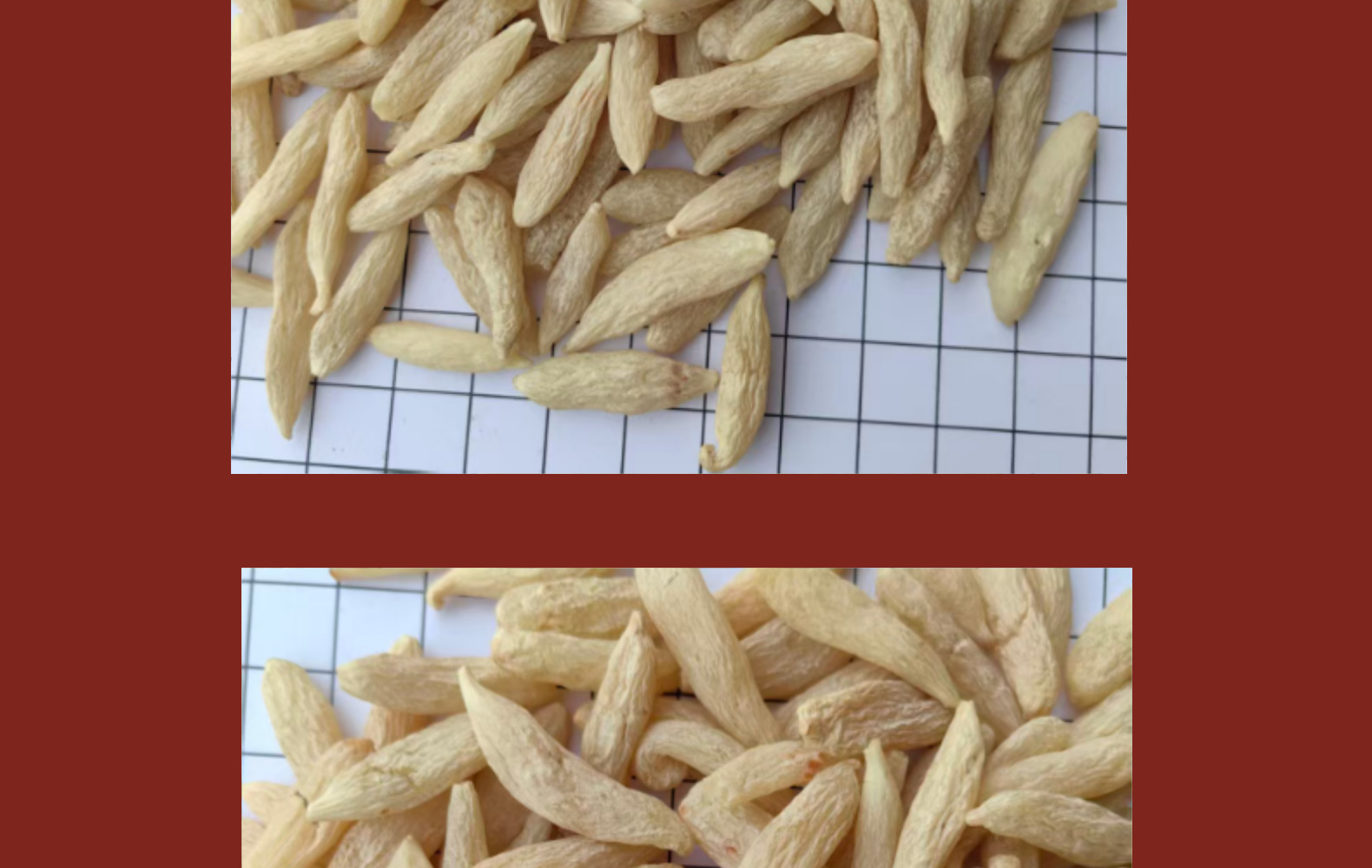
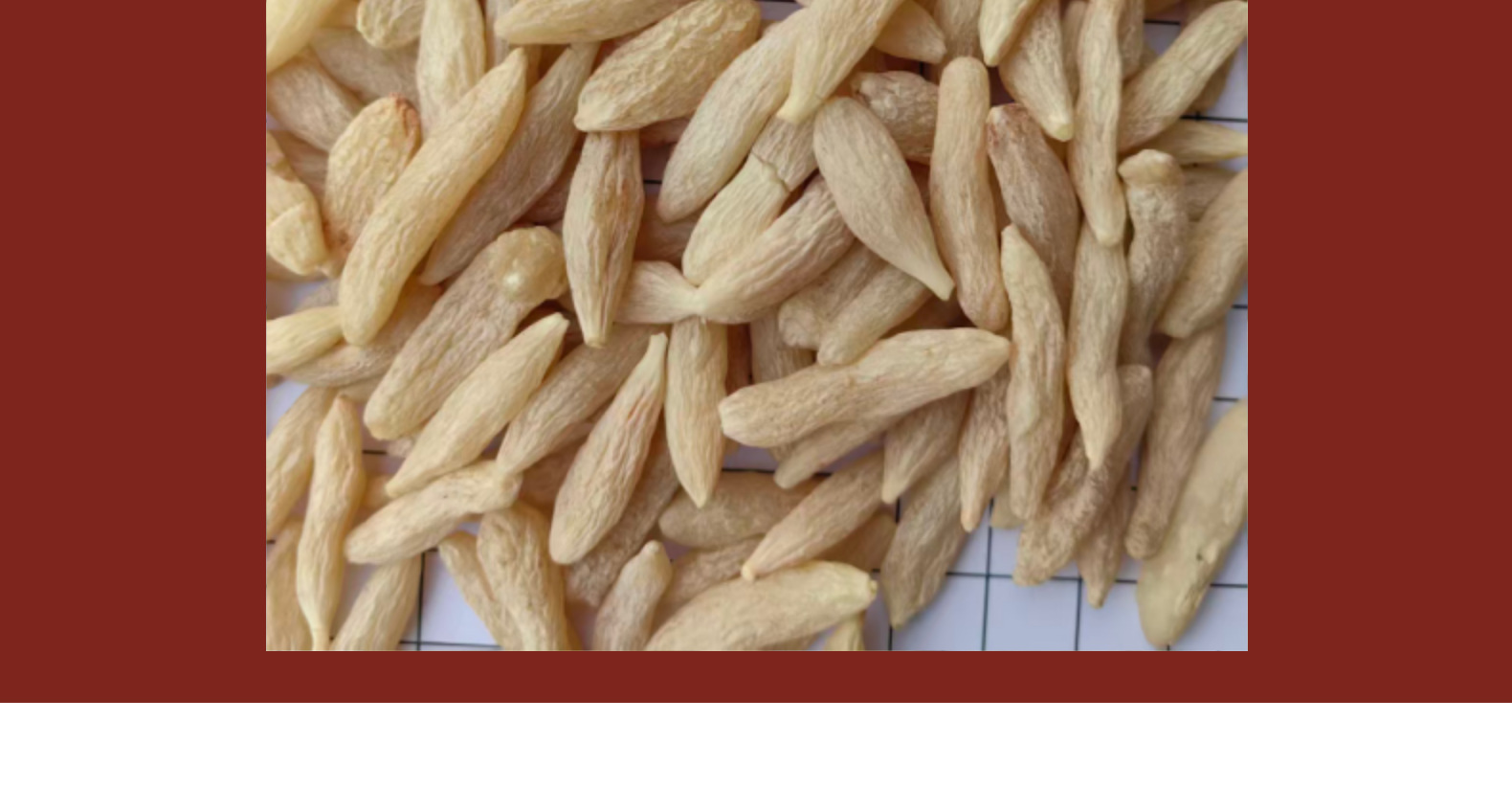
Typically pale yellowish-white to light yellow translucent tubers with a plump, semi-opaque texture and a faint sweet herbal aroma. When simmered, the roots typically yield a mild, sweet, slightly bitter taste with a soft, chewy cooked texture.

Technical Specifications
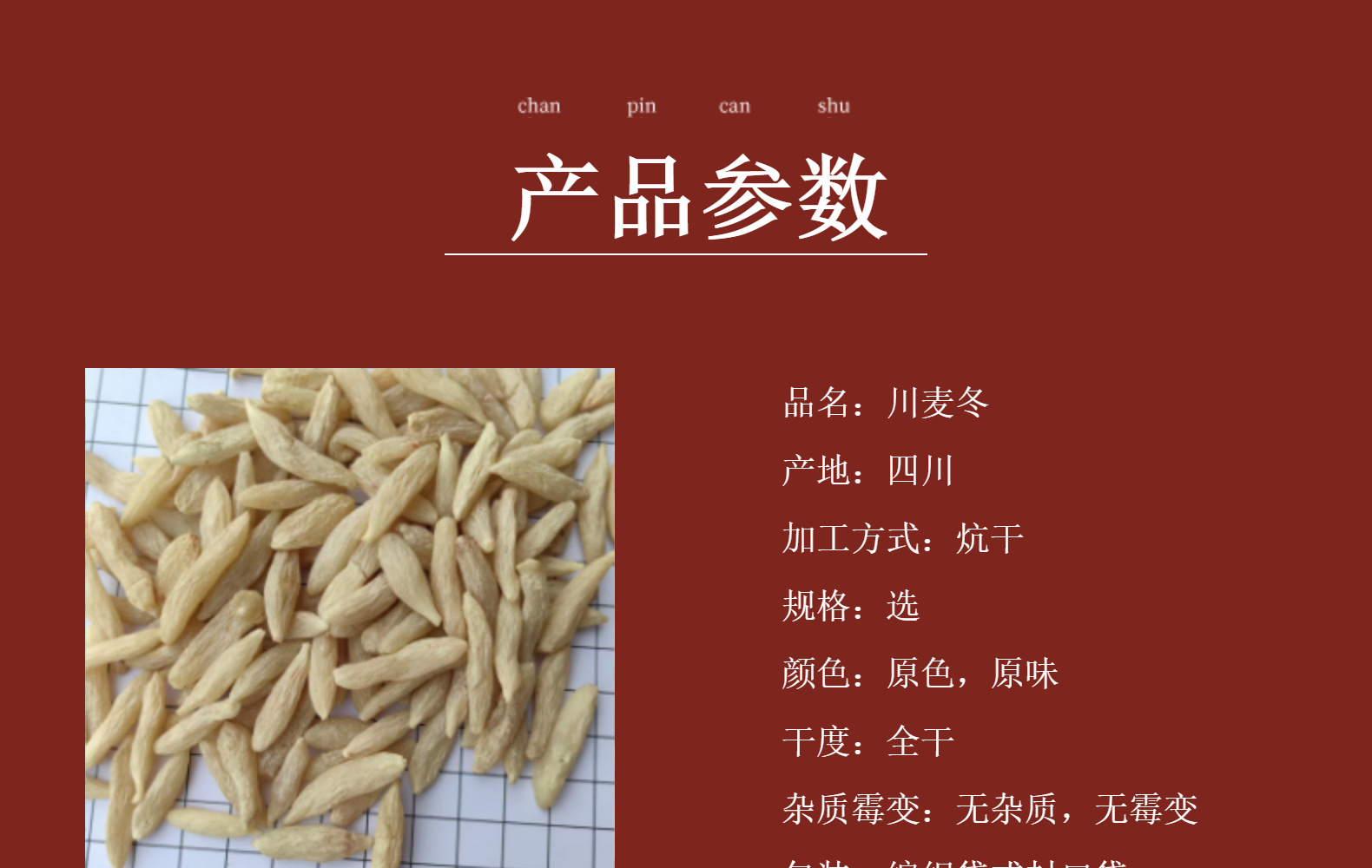
| Product Type | Raw herb, bulk loose supply |
|---|---|
| Chinese Name | 麦冬 |
| Pinyin | Mai Dong |
| Botanical Name | Ophiopogon japonicus |
| Plant Part | Dried tuber root |
| Origin | Sichuan, China |
Usage Scenarios
- Simmer into traditional herbal decoctions
- Brew as a mild daily herbal tea
- Add to nourishing soups and broths
- Cook into congee with rice and other herbs
Traditional Uses
In TCM practice Mai Dong is traditionally used to nourish yin, moisten the lung, and benefit the stomach, and it appears in classic formulas such as Sheng Mai San and Mai Men Dong Tang. It is commonly paired with herbs like Ren Shen, Wu Wei Zi, and Sha Shen in decoctions, or simmered with lily bulb and pear for a seasonal autumn drink.


FAQ Q&A
Q: What is this product?
A: It is dried Mai Dong (麦冬), the tuber root of Ophiopogon japonicus, sourced from Sichuan and sold loose in bulk as a raw herb.
Q: What is its traditional value?
A: In TCM theory it is sweet and slightly bitter with a slightly cold nature, traditionally associated with nourishing yin and supporting the lung and stomach channels.
Q: How is it commonly prepared?
A: It is typically simmered in decoctions, brewed as a tea, or added to soups and congee. Follow the guidance of a qualified practitioner for preparation.
Additional information
| Weight | 0.6 kg |
|---|---|
| Dimensions | 20 × 15 × 10 cm |
Related products
-

Cabinda Bark Dried Herb 500g Traditional Herbal Infusion Ingredient
Price range: $12.38 through $37.50 -
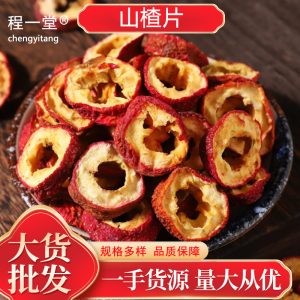
Dried Hawthorn Slices Shan Zha 500g Seedless Hollow Rings Freeze Dried Hawthorn for Tea and Culinary Use
Price range: $4.44 through $7.04 -
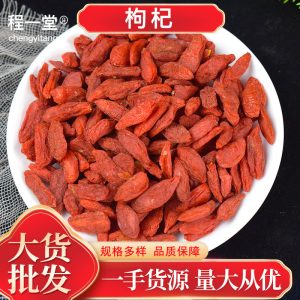
Ningxia Goji Berries Gou Qi Zi 500g Dried Red Wolfberry for Tea Soup and Snacking
Price range: $7.20 through $16.44 -
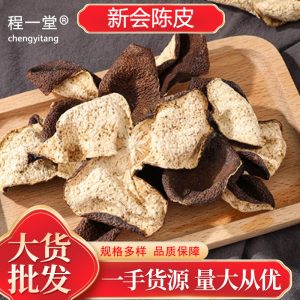
Xinhui Chenpi Dried Tangerine Peel 500g Sun Dried Aged Peel for Soup and Tea
Price range: $60.19 through $116.90
Reviews
There are no reviews yet.